











In 1997, 75% of the bicycles we rode here in the United States were produced domestically. Fast-forward 30 years to today, and that number has dropped to less than 3%.
Now, PeopleForBikes hopes to change that with the America Builds Bikes initiative. The program backs the bipartisan U.S. Bicycle Production and Assembly Act, which aims to make it easier for companies looking to manufacture or assemble bicycles domestically.
H.R. 3904
Better known as the U.S. Bicycle Production and Assembly Act, H.R. 3904 was introduced by Representatives Vern Buchanan (R-FL) and Mike Thompson (D-CA). At the core of the bill, the current barriers that make domestic bicycle production so difficult would be temporarily eliminated – namely, tariffs.
Essentially, the bill aims to make it easier for bicycle manufacturers to produce and assemble bikes in the United States. One common issue is the high tariffs on importing components into the country. These high prices have led brands, even those interested in domestic production or assembly, to keep things overseas.

H.R. 3904 seeks to establish a 10-year duty-free import window on bicycle components. This tariff break would be applied only to companies that manufacture and/or assemble bicycles here in the States.
“PeopleForBikes is working to ensure companies that want to build or assemble bicycles in the United States have a realistic pathway to do so,” Jenn Dice, president and CEO of PeopleForBikes, said in a press release. “The America Builds Bikes initiative will strengthen bicycle industry supply chains, create new domestic production jobs, and drive economic growth in communities across the country.”
In addition to providing tariff-free imports for 10 years, the bill sets goals for U.S. bicycle production. The hope is that 2 million bikes will be produced in the U.S. annually within five years, and up to 5 million bikes annually within 10 years.
A similar bill — the Domestic Bicycle Production Act — was introduced in 2024, and later rolled into the U.S. Bicycle Production and Assembly Act.

Made in America
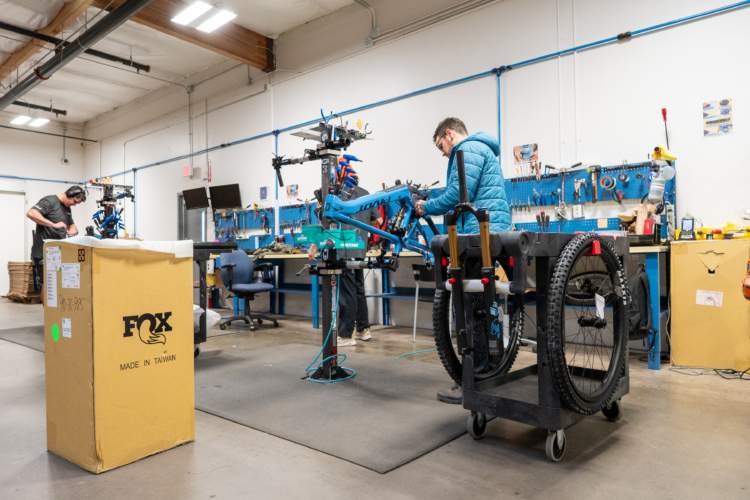
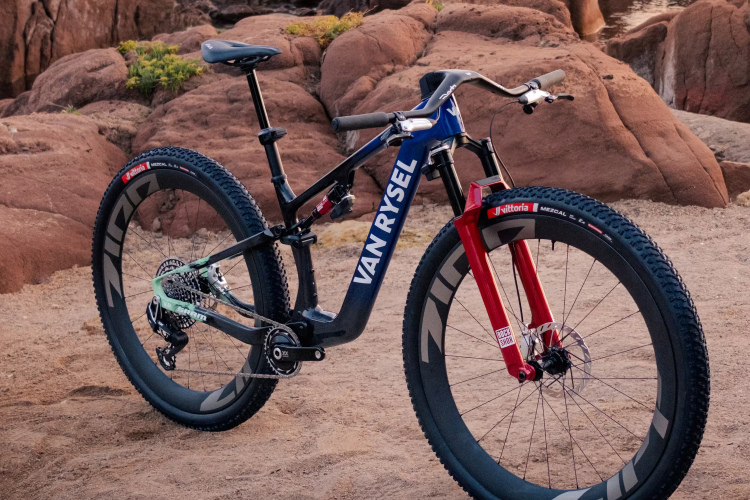
Who are the less than 3% of manufacturers still making bikes in the U.S.? It is mainly the very boutique, small-batch frame manufacturers – you know, the folks who show up to MADE.
And, of course, these are some of the coolest bikes.
Stinner, which was more known for its steel gravel offerings, has recently introduced the Romero trail and enduro bikes. The frames feature Chris Currie’s 3VO suspension, found on his Ministry Cycles prototype bikes and on certain Jamis full-suspension bikes.
Apogee has an incredibly unique design, with a “Free-Float Module” housing the shock, bottom bracket, and linkage. Oh, and it is removable. The frame is also built out of steel, which Apogee boasts is “sourced and made by our US-based team and suppliers.”
Nate Zukas, of Zukas Cycles, has long built some of the most distinctive bikes from his home in Georgia. Known for his unique chainstays, the waitlist is rather long for a steel, aluminum, or titanium Zukas frame.
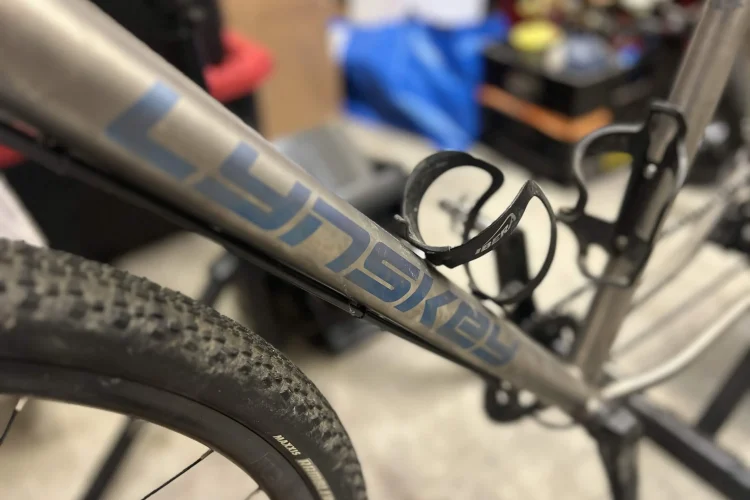
Moots and American Bicycle Group, which owns Litespeed and Obed, have been building titanium bicycle frames in the USA for many years. A few bike brands with US manufacturing roots — like Guerilla Gravity, Alchemy, and Lynskey — have faced serious financial challenges.
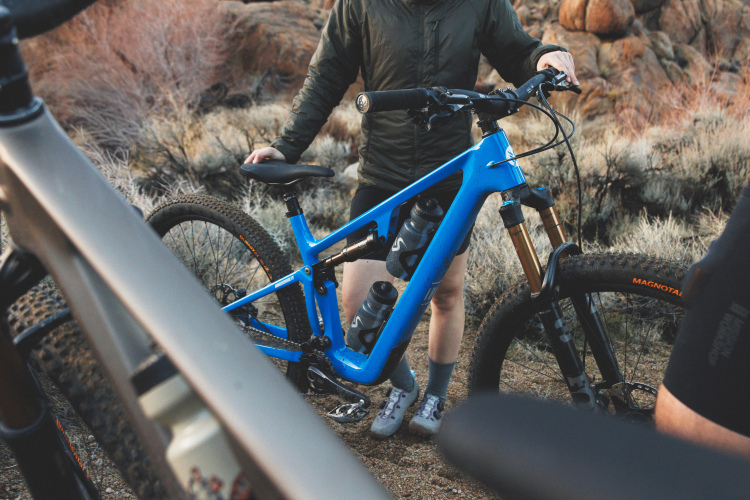
It isn’t just the small, boutique manufacturers who will benefit from the U.S. Bicycle Production and Assembly Act. Pivot Cycles will continue to produce bikes overseas but has long been a proponent of assembling them in the U.S. And Ibis is already producing small batches of their Ripley SL short-travel trail bike here.
On the America Builds Bikes’ website, Pivot comments, in part, that “current duties and tariffs on components that are not produced domestically make it difficult for U.S. manufacturers to compete with foreign assemblers. With the right incentives and policy support, we can significantly expand our U.S. production capacity, create new American jobs, strengthen domestic supply chains, and position the United States as a competitive exporter of premium, USA-assembled bicycles and e-bikes.”
Hopefully, the consumer benefits as well. We will keep our fingers crossed that eliminating tariffs on imported components will bring down the price of American-made bikes — boutique or big-name.
The news stinks. Why not follow Singletracks on Google News to bring more joy to your day?





3 Comments
Jul 20, 2026
Jul 21, 2026
Jul 17, 2026