

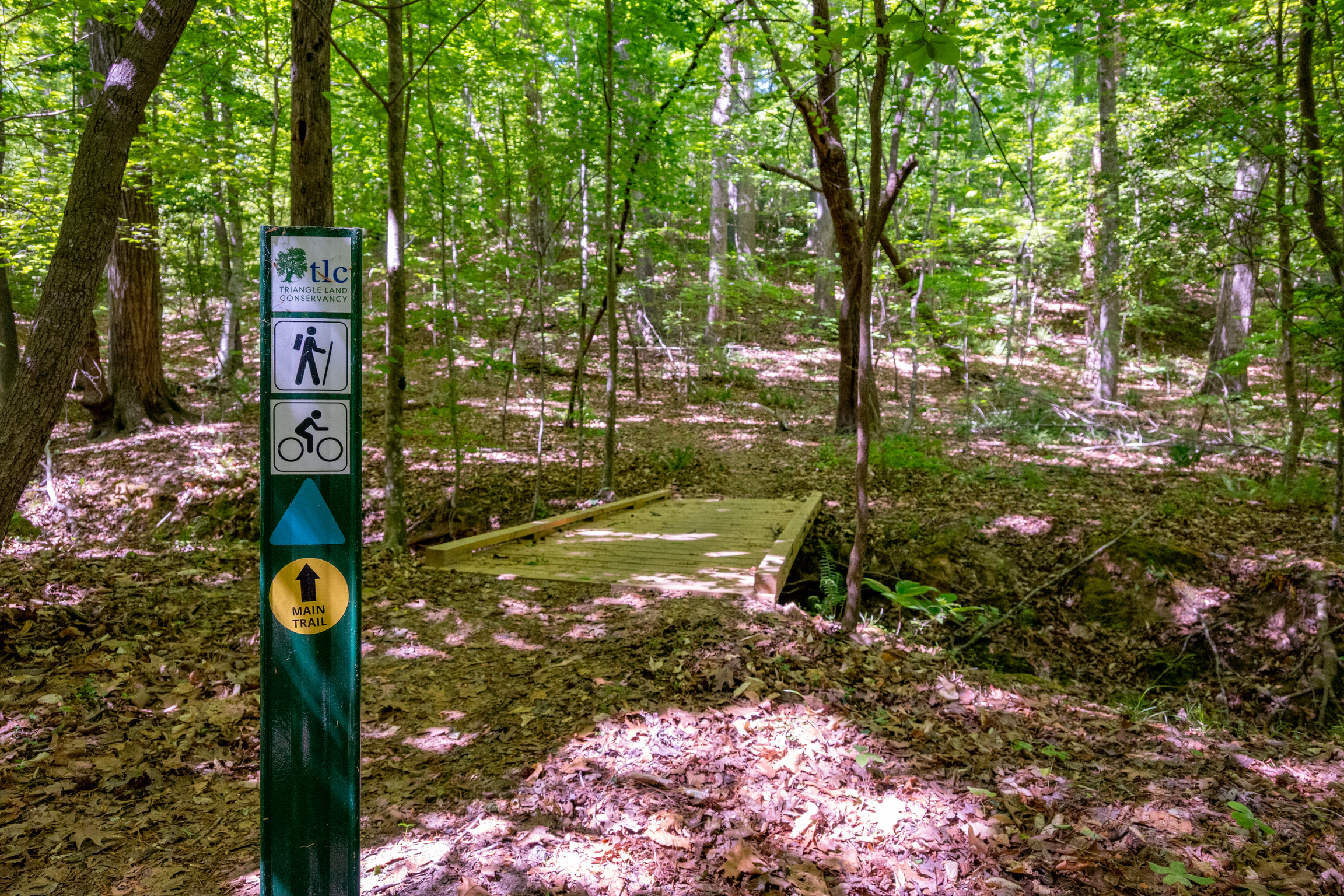
Just a few years ago, the land that is now the Old Creedmoor Nature Preserve near Raleigh, North Carolina, was slated for a housing development that would have deprived local mountain bikers of access to a popular social trail network. Fortunately, as the name suggests, the area was spared; trails were adopted, more were built, and the preserve is now established and managed by the Triangle Land Conservancy (TLC).
And while losing access to trails due to housing development isn’t a new story, this one is a little different. Not only did organizations like TLC help save Old Creedmoor, but, in this case, so did the housing developer.
From trails to houses and back to trails
Before TLC acquired the land that would become the Old Creedmoor Nature Preserve, the 65 acres were home to a well-known “bandit” trail system. Patrick Boleman, TLC’s Senior Land Manager, told Singletracks that the trails were built and maintained by community members, providing another zone for mountain bikers to ride north of Raleigh.
Before the acquisition, the land was privately owned. The family that owned the land were non-residents, which is why the trail system was able to thrive. But around 2020, the landowners looked to sell, with housing developers chomping at the bit.
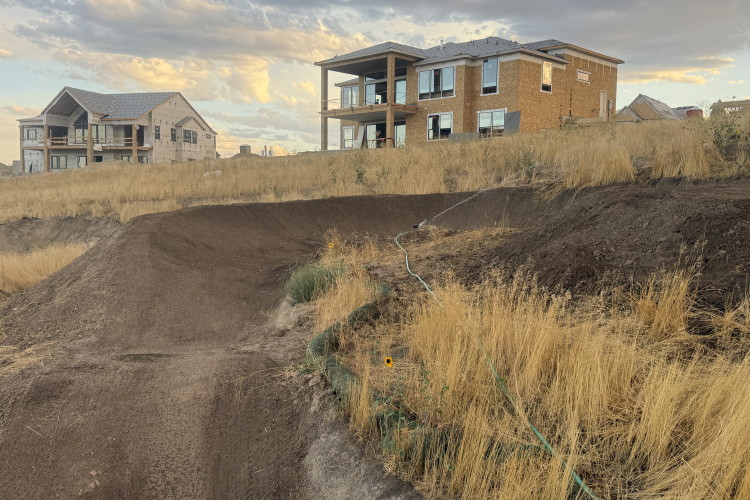
“The developers actually reached out to us while they were in the process of communicating with the landowners,” Boleman said. In the end, the developers retained a small portion of the land along one of the main roads. It was there that they would build houses and do what housing developers do.
The rest of what would become the Old Creedmoor Nature Preserve was sold to TLC, with conservation and recreation in mind. Now, this seems counterintuitive to the idea of housing development, and, no doubt, it certainly is. Trading land that could hold houses for trails is not how housing developers make money.
Fortunately, an employee for the developer was a local and a mountain biker. Because of this, the developers became aware of the unofficial trail system in the area, and how important the forested area had become to local residents. They were also alerted to the diverse ecological and biological habitats the area contained, along with its importance to much of the area’s drinking water.
So, rather than purchase all of the land, they took what they needed and allowed TLC to conserve the rest.
4 miles of official singletrack
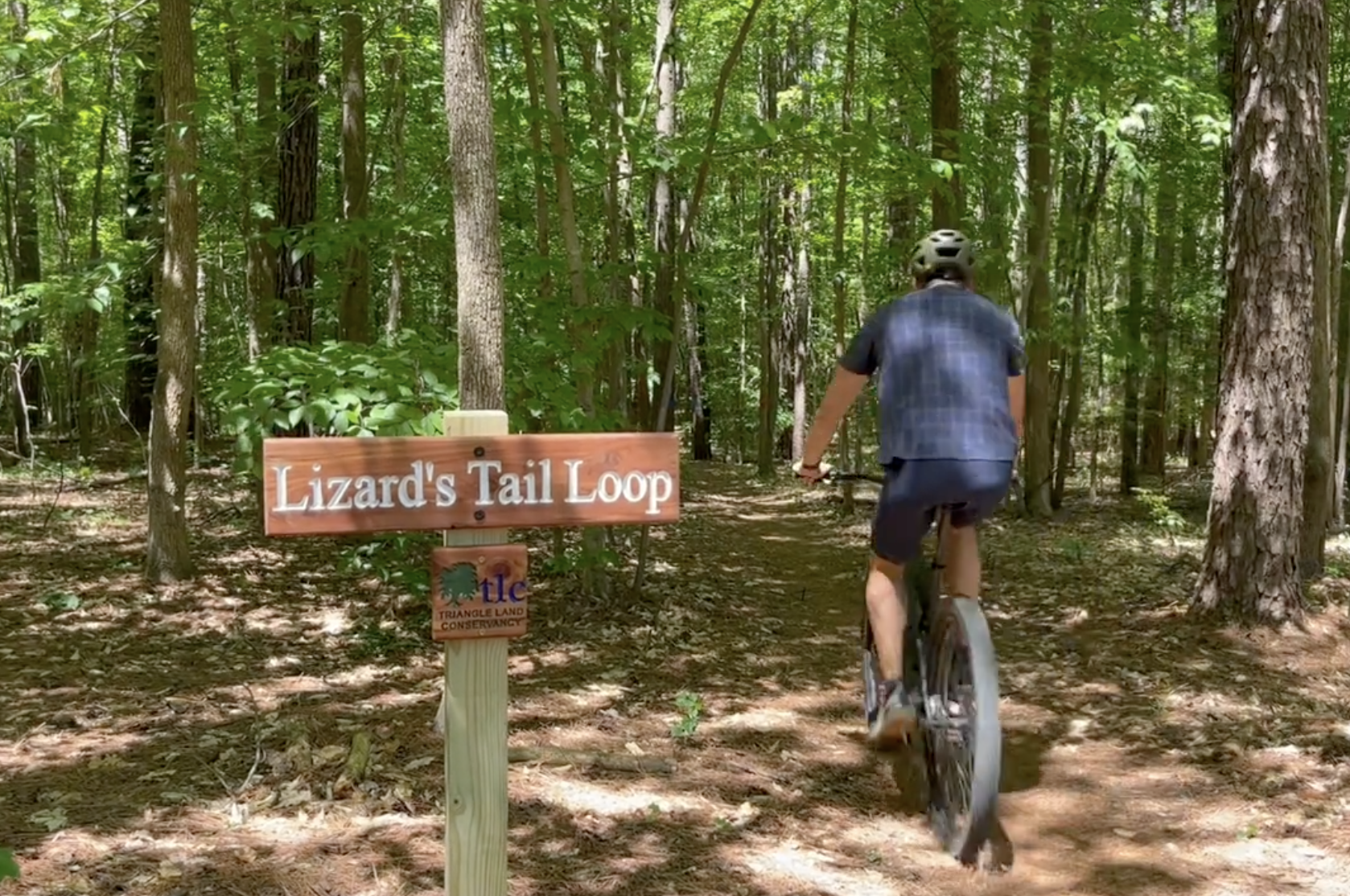
As it currently stands, the Old Creedmoor Nature Preserve has roughly four miles of singletrack. The mileage consists of two main loops, with smaller offshoots branching off them.
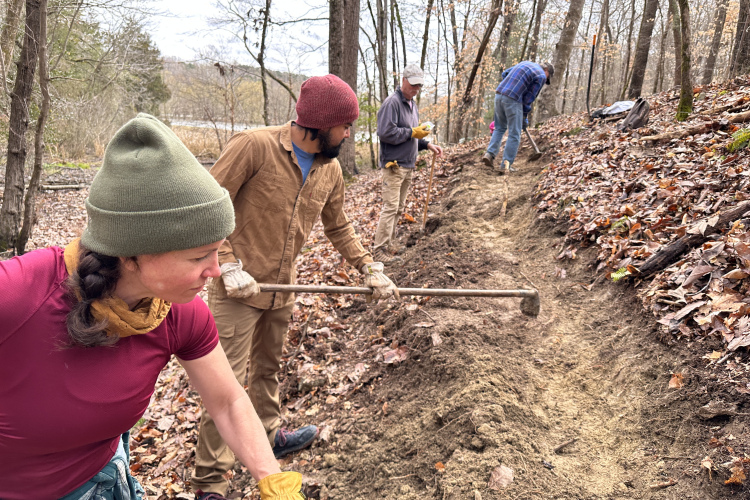
Boleman explained that the social trail network at Old Creedmoor was fairly expansive and well loved by many. When TLC took possession of the land, it hoped to use as much of the existing trails as possible. But as is the case with most social networks, quite a bit of work would be required.
Connectivity was an issue, with many of the trails essentially leading nowhere. Sustainability was also a problem, with some trails cutting straight down hillsides, leading to significant erosion and rutting.
In the end, Boleman said it was roughly “50/50.” About 50% of the new network was fairly low-lift work. More minor improvements were made, such as fixing trail camber, drainage, and smoothing out certain sections. The other 50% was a larger lift, with more extensive reroutes of existing trails to prevent erosion and improve connectivity.
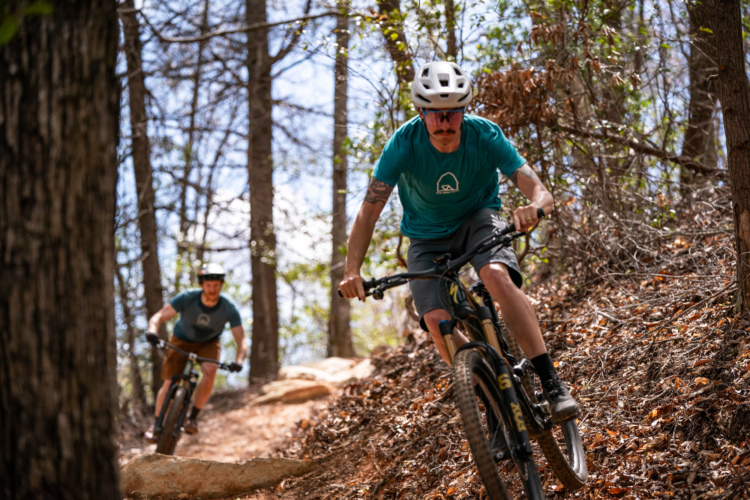
While the main loops are multi-use, more mountain-bike-specific opportunities exist on Old Creedmoor’s offshoots. Boleman said they want to provide a quality experience for both hikers and mountain bikers, and recognize those groups often look for different trail experiences.
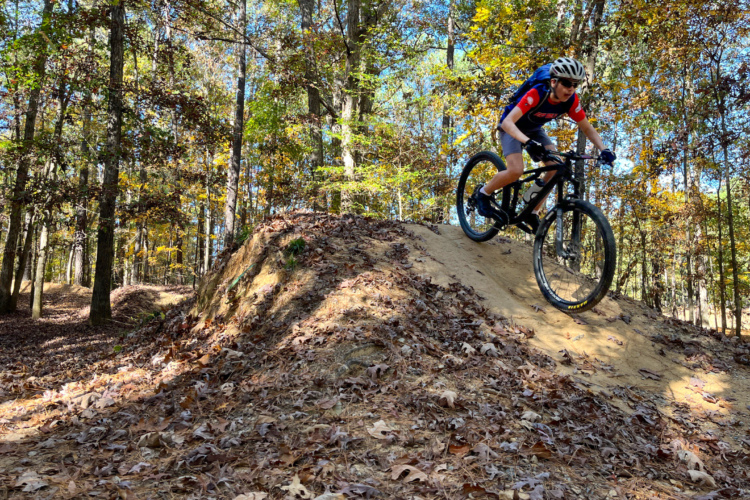
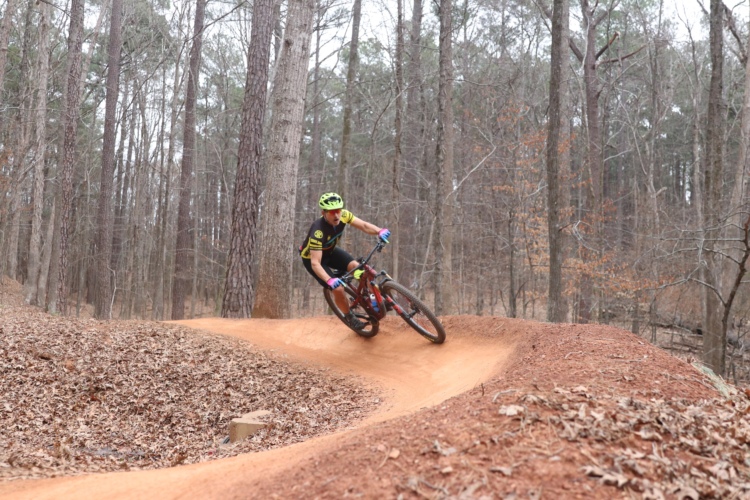
“[The offshoots] have really fun, cool features […] different than a hiking trail,” he said. These sections feature berms and more supported corners, rollers, and opportunities to get your wheels off the ground.
There is also a significant change in elevation. The trails see about 200 feet of elevation loss from the top to the bottom and tend to lean toward the more natural side, with plenty of rocks and roots. Overall, Old Creedmoor features beginner-friendly trails that complement the area well. Just north of the preserve, Beaverdam State Recreation Area and the New Light Trail system consist mainly of intermediate and advanced options.
An important area to protect
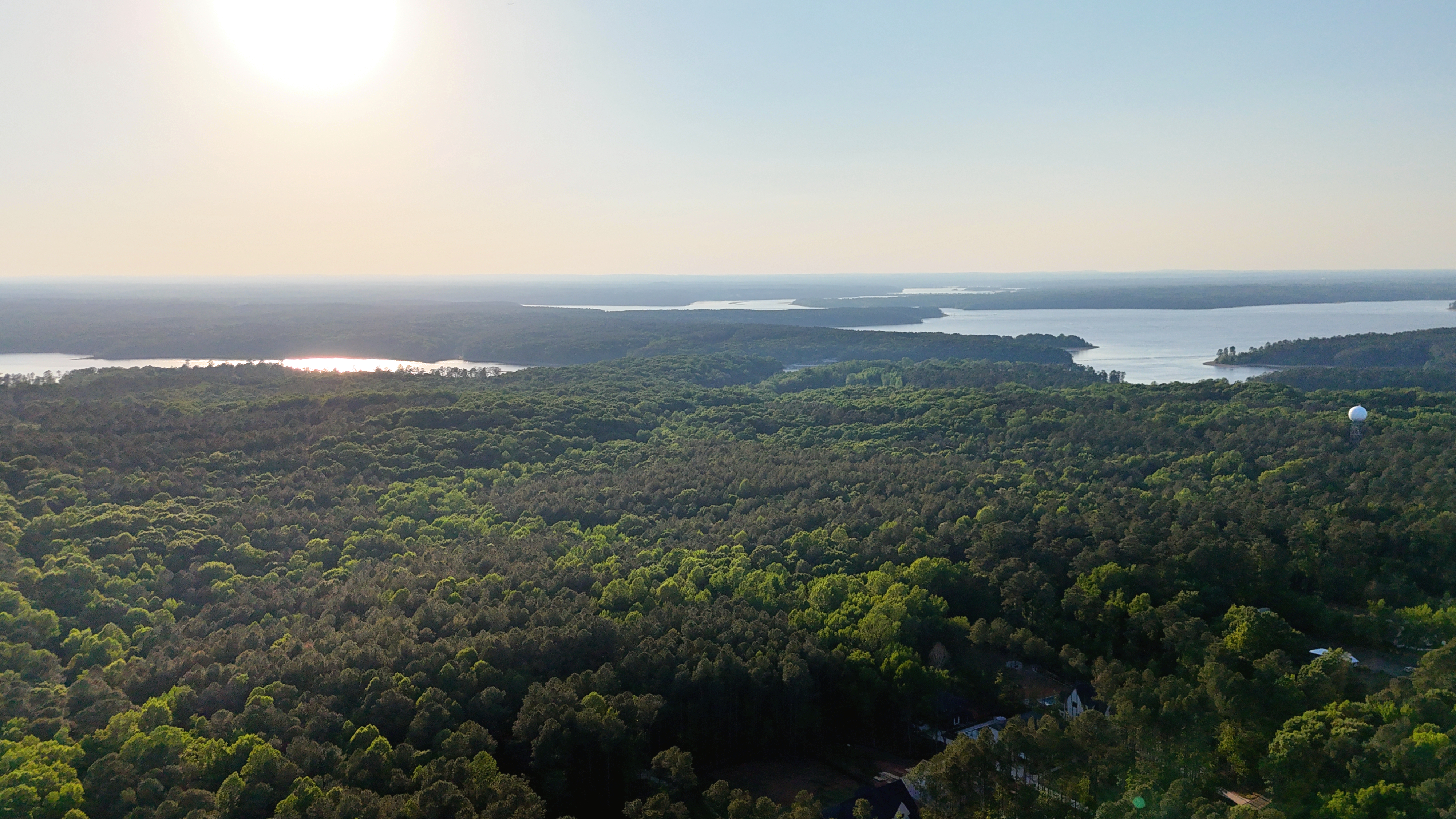
“This property borders the buffer of the Falls Lake Reservoir, which is the primary source of drinking water for both the city of Raleigh and surrounding municipalities,” Boleman said. A good portion of the Old Creedmoor Nature Preserve helps filter the drinking water for over half a million residents.
The preserve is also home to important plant and wildlife habitat. Often, areas like this are “saved” from humans, without any future access into the preserve. Or, if there is access, it is very limited.
Boleman and his colleague, Olivia Bowler, explained that TLC always hopes to balance conservation with recreation opportunities.
“I would say that our first goal is always to conserve the land and to maintain the conservation value of it,” Bowler told us. “But another important goal is to get people on the land. That’s how they start to care about it and start to care about conservation.”
TLC has its fingers crossed for more trail expansion, including more mountain-bike-specific trails, as more trails are certainly better than more houses.
Keep up with the latest mountain bike news by adding Singletracks as a preferred source on Google.

3 Comments
Jul 12, 2026
Jul 14, 2026
https://mbaction.com/the-states-with-the-most-mountain-bike-trails-per-person/
Jul 16, 2026