
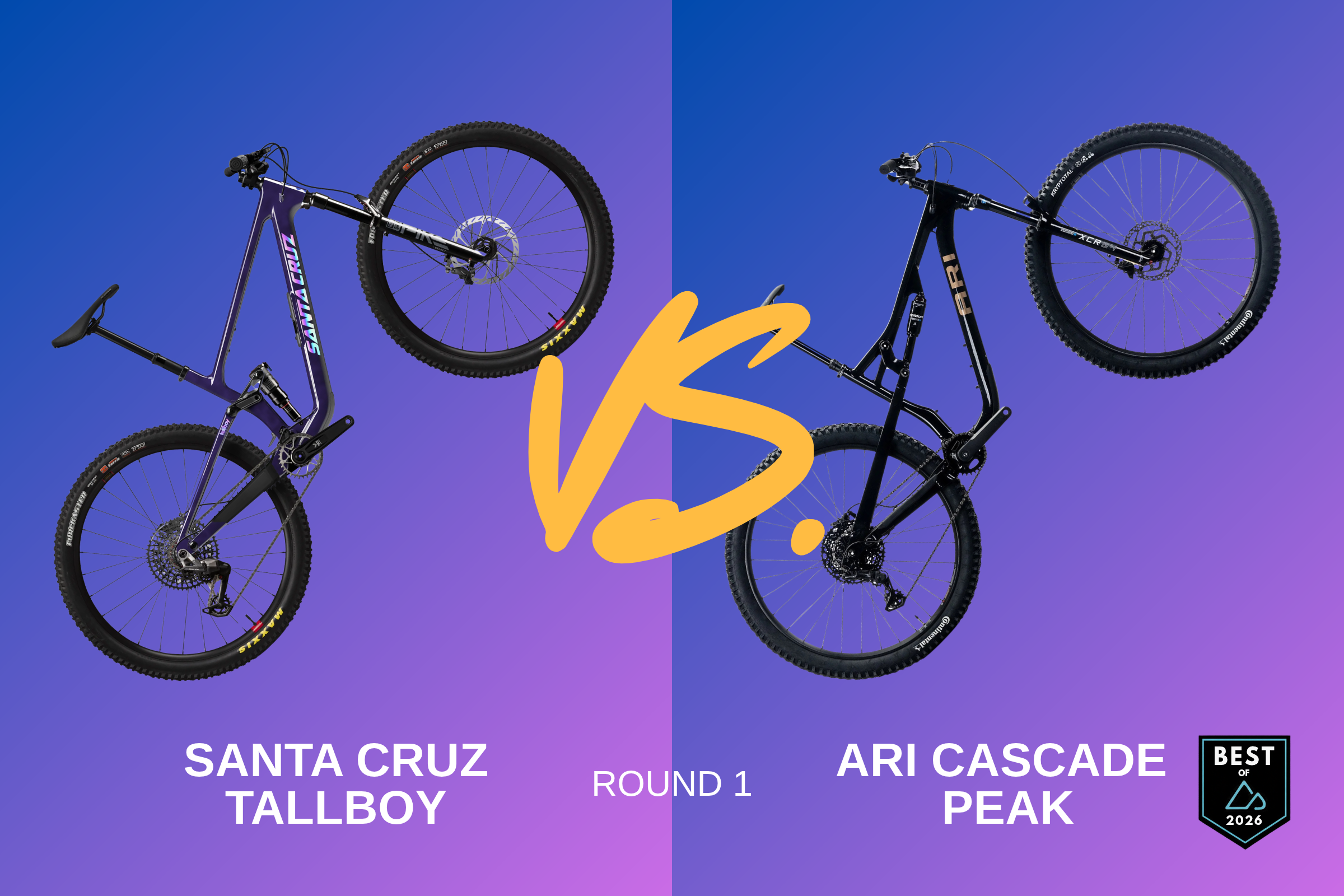
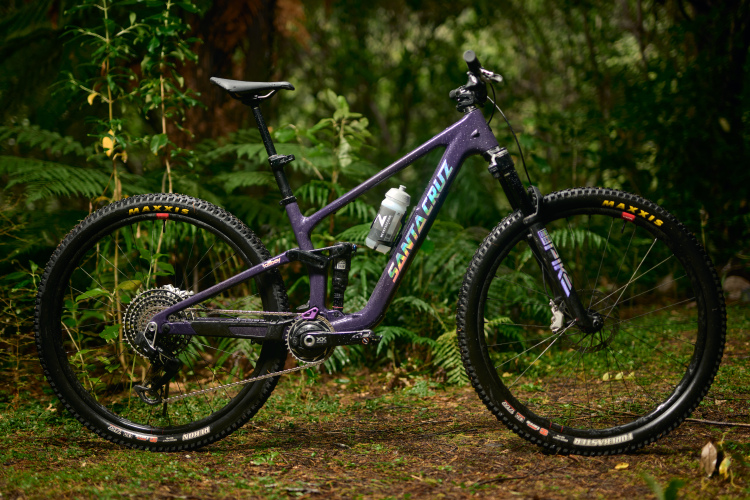
Admittedly, this is an odd matchup. Though the Santa Cruz Tallboy and the Ari Cascade Peak aren’t far apart when it comes to suspension travel — both offer 140mm up front and 130 to 135mm in the rear — they’re worlds apart in terms of price.
The gap comes down to what each frame is made of and who it’s built for. The latest Tallboy is carbon only, and Santa Cruz says it was time “‘light’ rejoined the mix.” The Cascade Peak is aluminum, sold direct through Ari’s website, and starts at $2,199. Here, we’re comparing the Tallboy 90 ($5,899) with the Cascade Peak Pro ($3,299).
Why are we comparing the Santa Cruz Eagle 90 build to a Deore on the Cascade Peak? Most bikes in our Trail Bike of the Year Tournament are matched with SRAM Eagle 90 builds to keep comparisons consistent across future rounds. Though the Cascade Peak tops out with a Shimano Deore M7200 drivetrain, buyers can upgrade some components when ordering.
| Santa Cruz Tallboy 90 | Ari Cascade Peak Pro | |
|---|---|---|
| Suspension travel (F/R) | 140/130mm | 140/135mm |
| Frame | CC carbon | Aluminum |
| Drivetrain | SRAM Eagle 90 | Shimano Deore M7200 (mixed) |
| Suspension | RockShox Pike Select, RockShox Deluxe Select+ | Marzocchi Bomber Z1, Marzocchi Bomber Inline |
| Geometry* (size large frame) | HTA: 64.8° STA: 76.3° Reach: 472mm Chainstay: 438.5mm | HTA: 65° STA: 78° Reach: 480mm Chainstay: 434mm |
| Sizes | XS–XXL | S–XL |
| Weight | 30.79lb | – |
| Price | $5,899 | $3,299 |
Suspension travel and category positioning
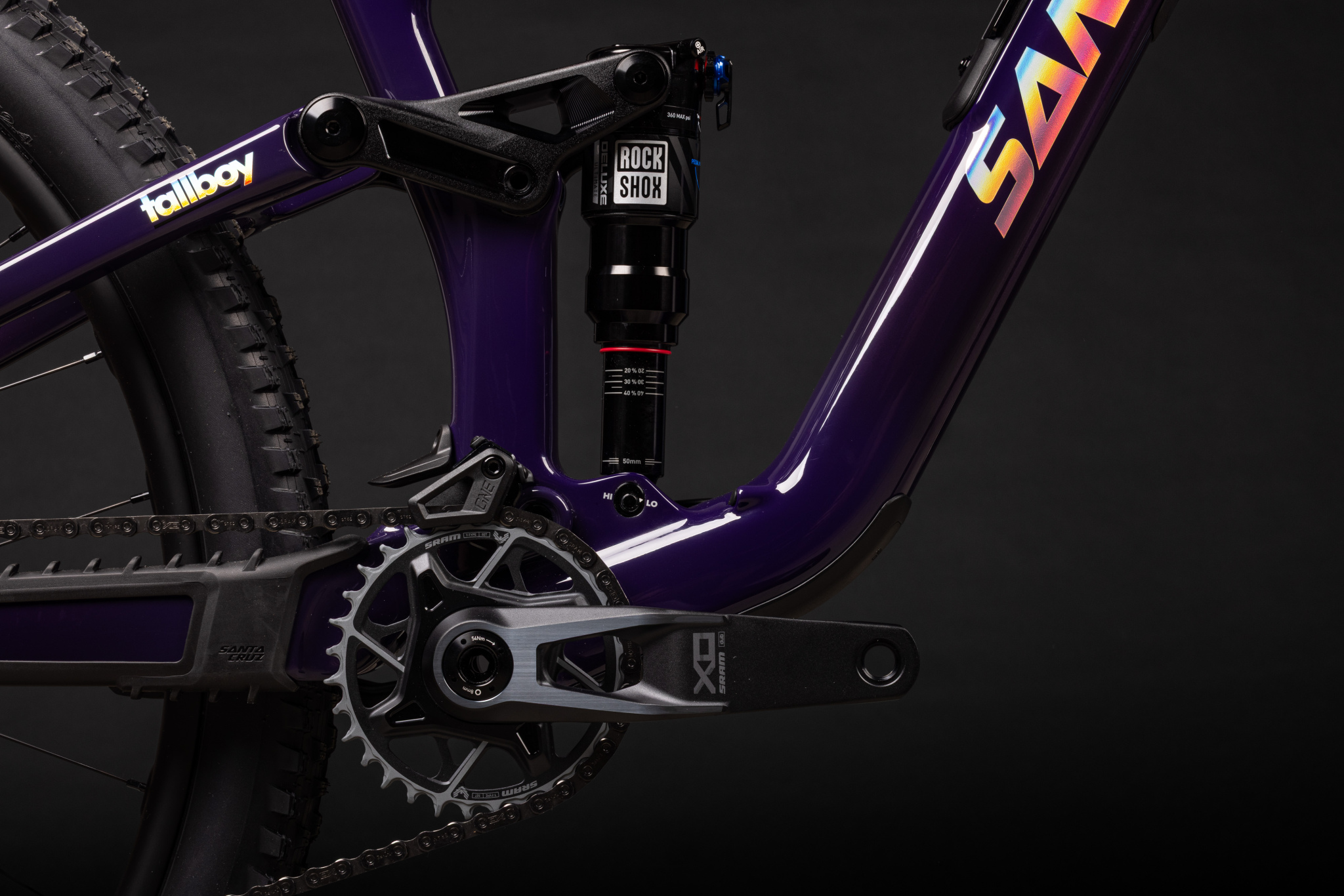
The sixth-generation Tallboy, launched in May, gained 10mm of travel at each end and dropped Santa Cruz’s longtime VPP design for a four-bar layout. Josh Kissner, Santa Cruz’s director of product, described the goal as “a moderately progressive suspension that eats bumps while being spritely and sporty.” Santa Cruz also lowered anti-squat and anti-rise, which should improve rear-wheel traction on chunky climbs and under braking.
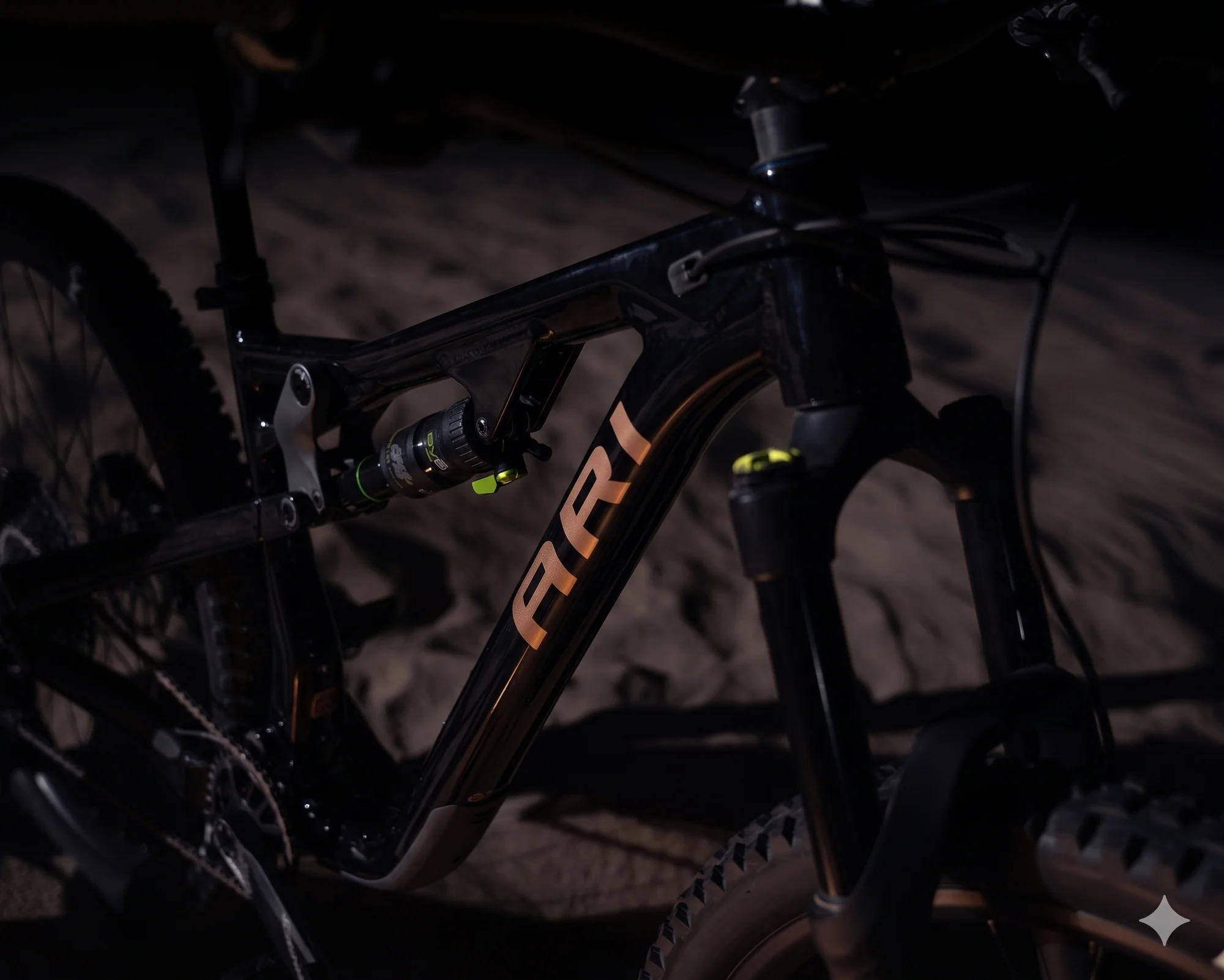
The Cascade Peak sits on Ari’s TetraLink four-bar platform with 135mm of rear travel, 5mm more than the Tallboy. Ari says revised kinematics give the bike support under power and traction under braking, which is close to what Santa Cruz is promising.
On paper, these are both short-travel trail bikes that lean toward descending. And both sit at or near the middle when it comes to rear travel within the trail bike category.
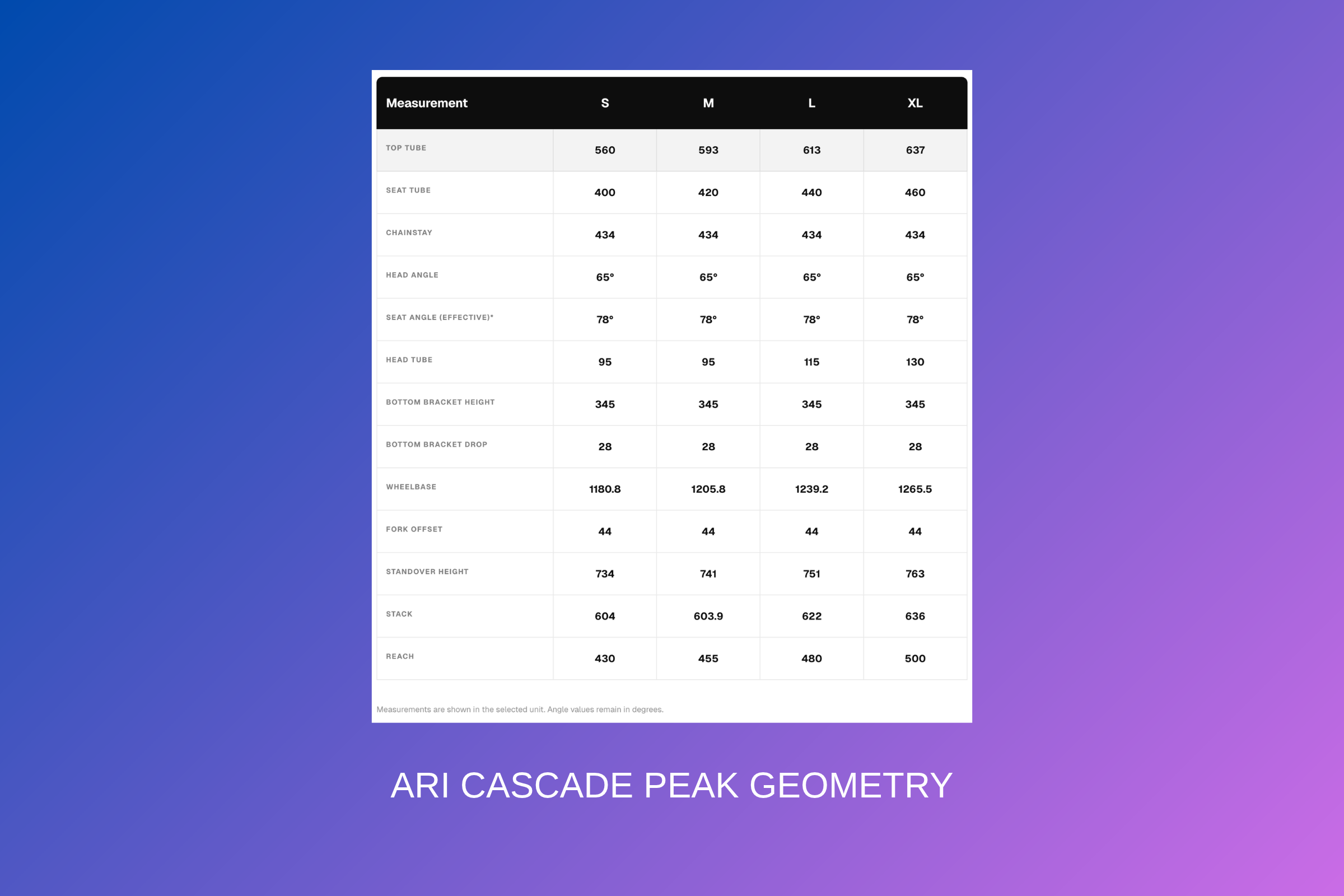
Geometry: Same wheelbase, different stance
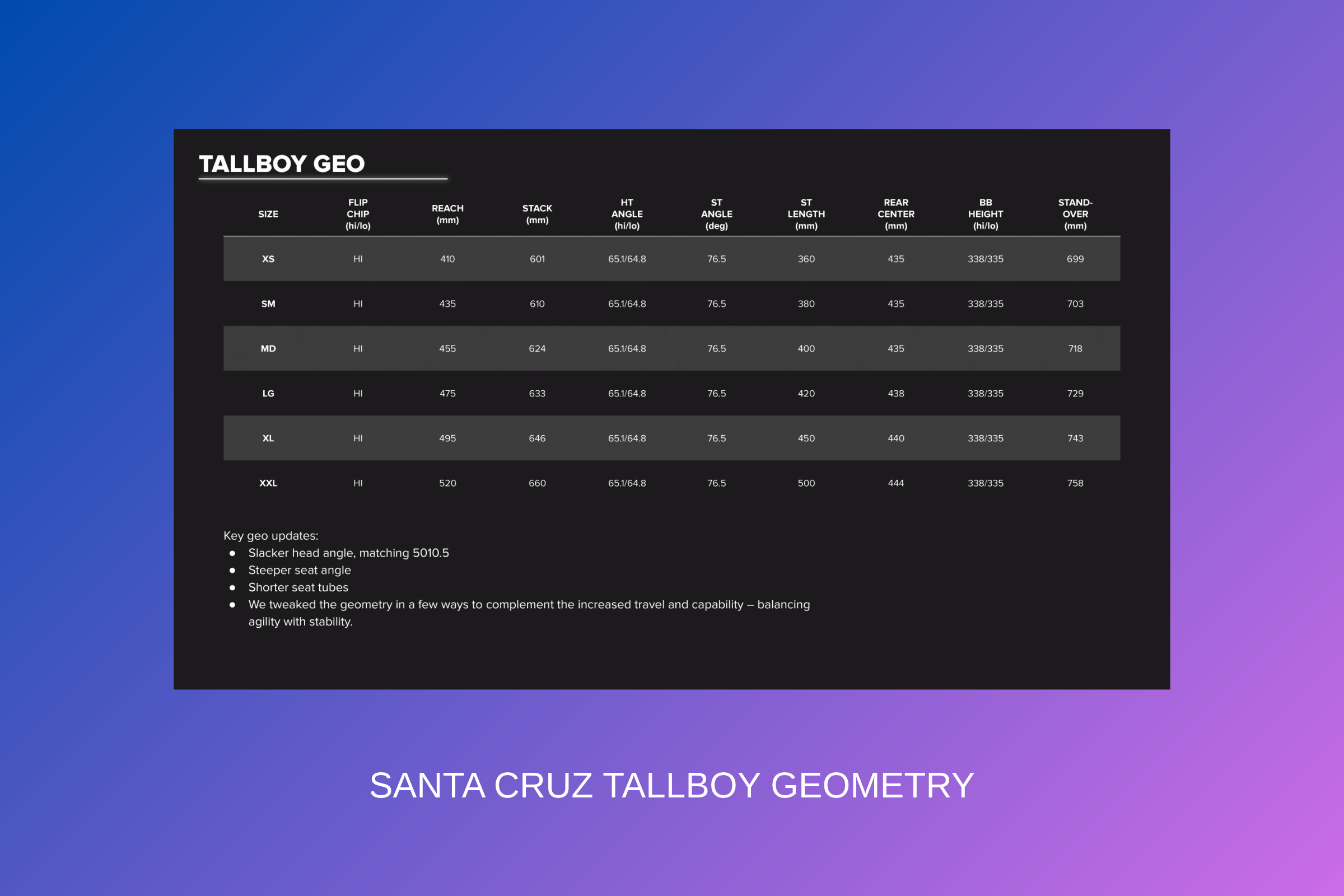
In size large, both bikes have a 1,239mm wheelbase. Head angles are nearly identical too, with the Cascade Peak at 65° and the Tallboy at 64.8° in its low setting.
The Cascade Peak has a steep 78° effective seat angle, which puts the rider well forward for climbing. The Tallboy’s is 76.3° to 76.5° on a large, depending on the flip chip. The Ari is also a little longer in reach (480mm vs. 472–475mm) with shorter chainstays (434mm vs. 438mm).
Perhaps the biggest difference is bottom bracket height. The Cascade Peak’s BB sits at 345mm, a full 9-12mm higher than the Tallboy’s. That should mean fewer pedal strikes on rocky climbs for Ari riders, while the Tallboy should feel more planted in corners.
Santa Cruz scales chainstay length by size, from 435mm on the XS to 444mm on the XXL. Ari uses 434mm chainstays across all four sizes. Santa Cruz also offers six sizes compared to Ari’s four, though Ari’s range is said to cover riders from about 5’1″ to 6’5″.
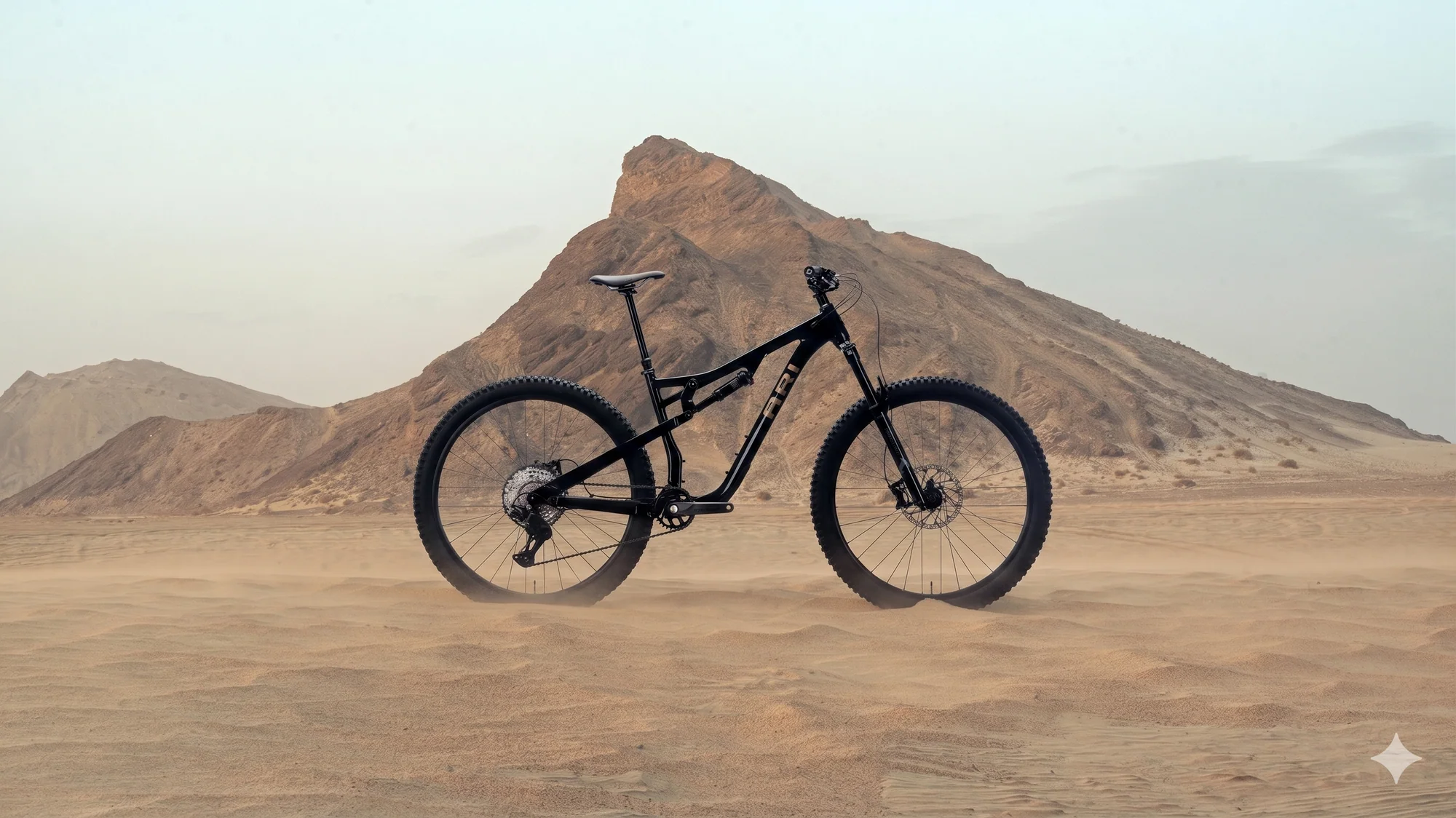
Adjustability and frame features
Both bikes let riders tweak the geometry. The Tallboy’s flip chip changes the head angle by 0.3° and the BB height by 3mm, or “Lo for sending, Hi for pedaling,” as Santa Cruz puts it. Ari’s GA-Link sits in the rocker link and adjusts head angle and BB height. Ari also supports a mullet setup with a 27.5-inch rear wheel and says GA-Link helps keep the geo similar.
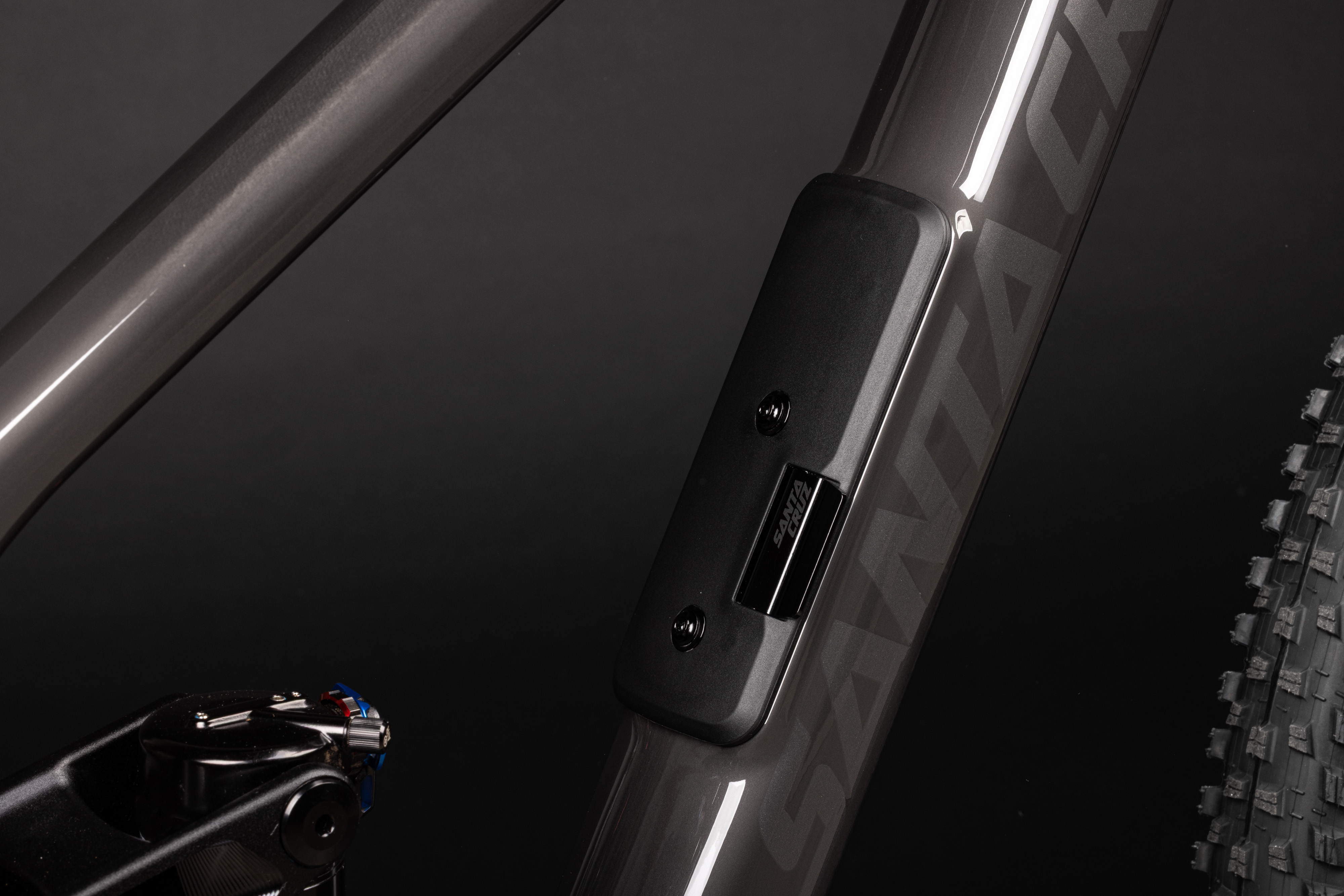
The Tallboy gets Santa Cruz’s updated Glovebox in-frame storage. Santa Cruz gives buyers a lifetime warranty on the frame and offers free replacement pivot bearings for the original owner.
The Cascade Peak skips the downtube storage but fits two bottle mounts in the front triangle. It also has a threaded BSA bottom bracket, ISCG-05 tabs, a UDH-compatible hanger, and clearance for 2.6-inch tires. Ari offers a lifetime frame warranty, a 30-day return window, and a custom setup process that sizes and tunes the bike for the buyer before it ships.
As for weight, Santa Cruz claims 30.79lb for the Tallboy 90. Ari doesn’t publish a complete bike weight, but it lists the Cascade Peak frame at 3,327g (7.3lb) in size medium. At the time of launch, Santa Cruz said Tallboy frame weights start at 5.73lb, though the website currently says the frame weight is 6.47lb. Builds aside, the weight difference is surprisingly slim, between less than a pound and a pound and a half.
Fourth-generation Santa Cruz Tallboy bikes were offered in both aluminum and carbon fiber. However, for the fifth and sixth generations, Santa Cruz made the bike available only in carbon. On the flip side, Ari doesn’t offer a carbon version of the Cascade Peak, though their other non-electric trail bike, the Delano Peak with slightly more travel, is available in carbon with prices ranging from $4,199 to $8,999.
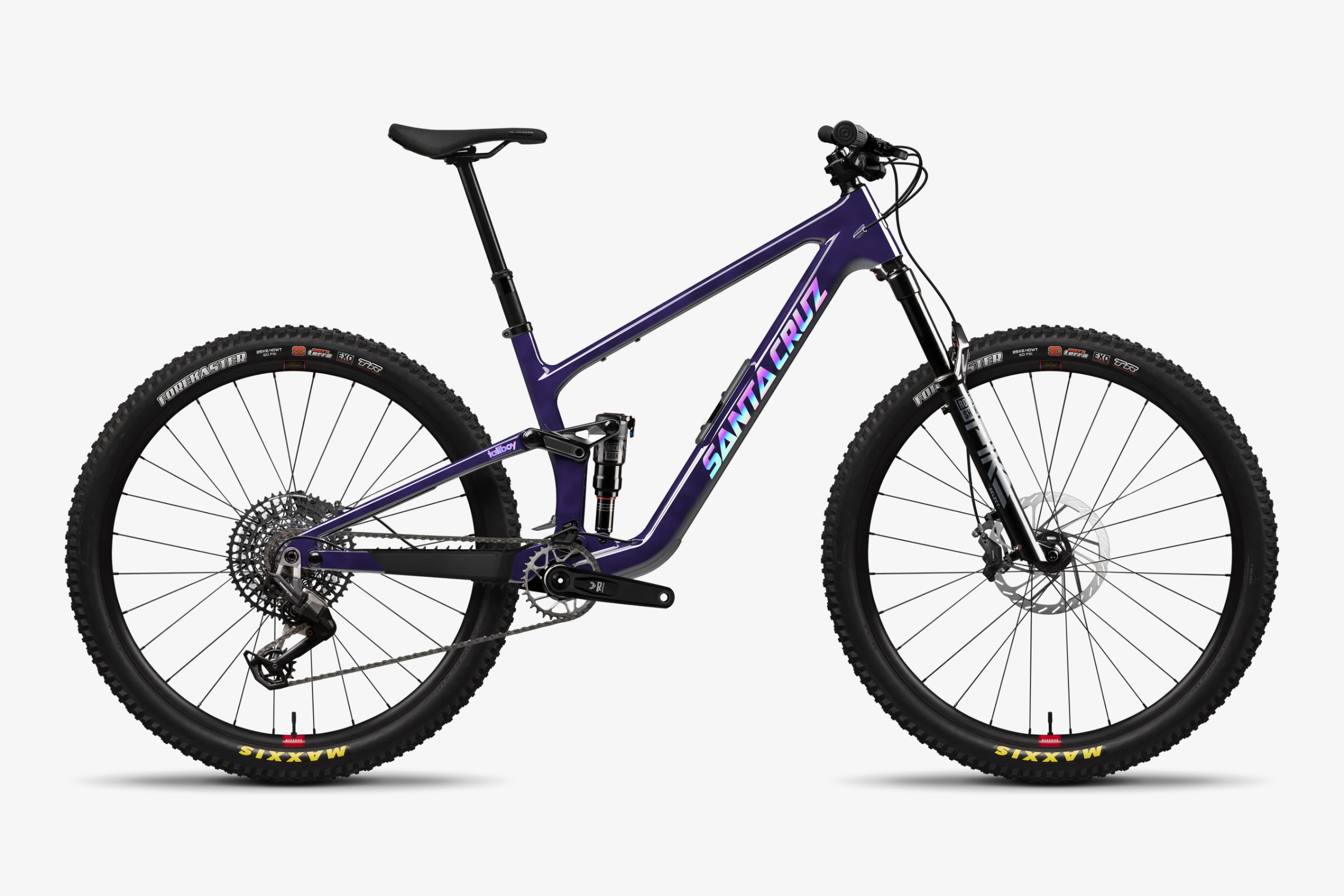
Builds
Admittedly, the build comparison in this matchup is largely theoretical. That is, it’s unlikely a buyer would be deciding between the Tallboy 90 and the Ari Cascade Peak Pro. Realistically, one would look at the cheapest Tallboy build, which, like the Cascade Peak, comes with a Deore drivetrain. The Tallboy Deore build is priced at $4,999 compared to $3,299 for the Cascade Peak Pro. Even with the cheaper Tallboy build, the Cascade Peak Pro still costs $1,700 less. It’s a safe bet the Cascade Peak received as many nominations as it did, thanks largely to its price and overall value.
Ok, so with the Tallboy, buyers are getting a RockShox Pike Select fork, an Eagle 90 drivetrain, SRAM DB8 brakes, Maxxis tires, aluminum alloy Reserve wheels with DT Swiss 370 hubs, and a OneUp dropper post. Cascade Peak Pro buyers are getting a Marzocchi Bomber Z1 fork, a mixed Deore M7200 drivetrain, TRP Expert Comp brakes with 203mm rotors, Continental tires, Reynolds A329 Trail Comp wheels, and a TranzX dropper post. Even with a Crankbrothers carbon wheel upgrade (+$1,200) and a Fox Transfer Performance Elite dropper post (+$200) from Ari, the build is still $1,200 less than the Tallboy 90 and less than the cheapest Tallboy.
The bottom line
With travel this close, the question is what an extra $2,600 buys. With the Tallboy 90, it buys a carbon frame, a SRAM Eagle 90 Transmission drivetrain, in-frame storage, a lower BB, and a good fit for riders at either end of the size chart. Free replacement pivot bearings are part of the deal too.
The Cascade Peak makes its case on value. Riders get a steeper seat angle for climbing, more pedal clearance, a threaded BB, and the option to run a mullet, all for less than the price of a Tallboy frame alone. And plenty left over for a carbon wheel or suspension upgrade down the road.
Which bike would you choose?
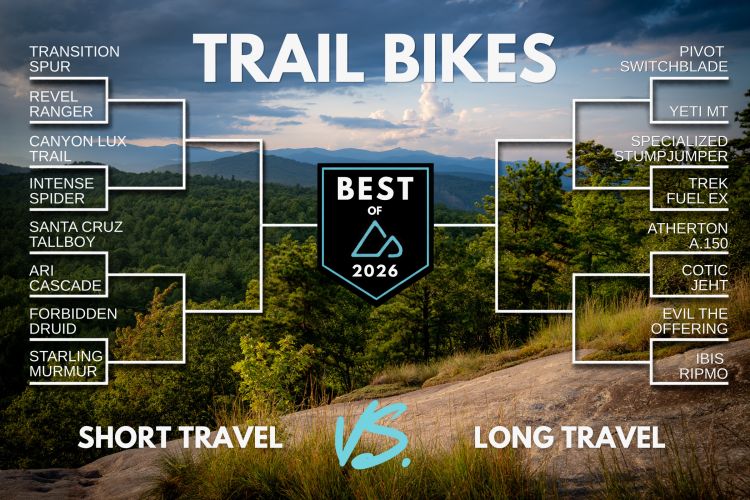
The winner advances to round two on November 13 to face the winner of the Forbidden Druid vs. the Starling Murmur.
The news stinks. Why not follow Singletracks on Google News to bring more joy to your day?


0 Comments