
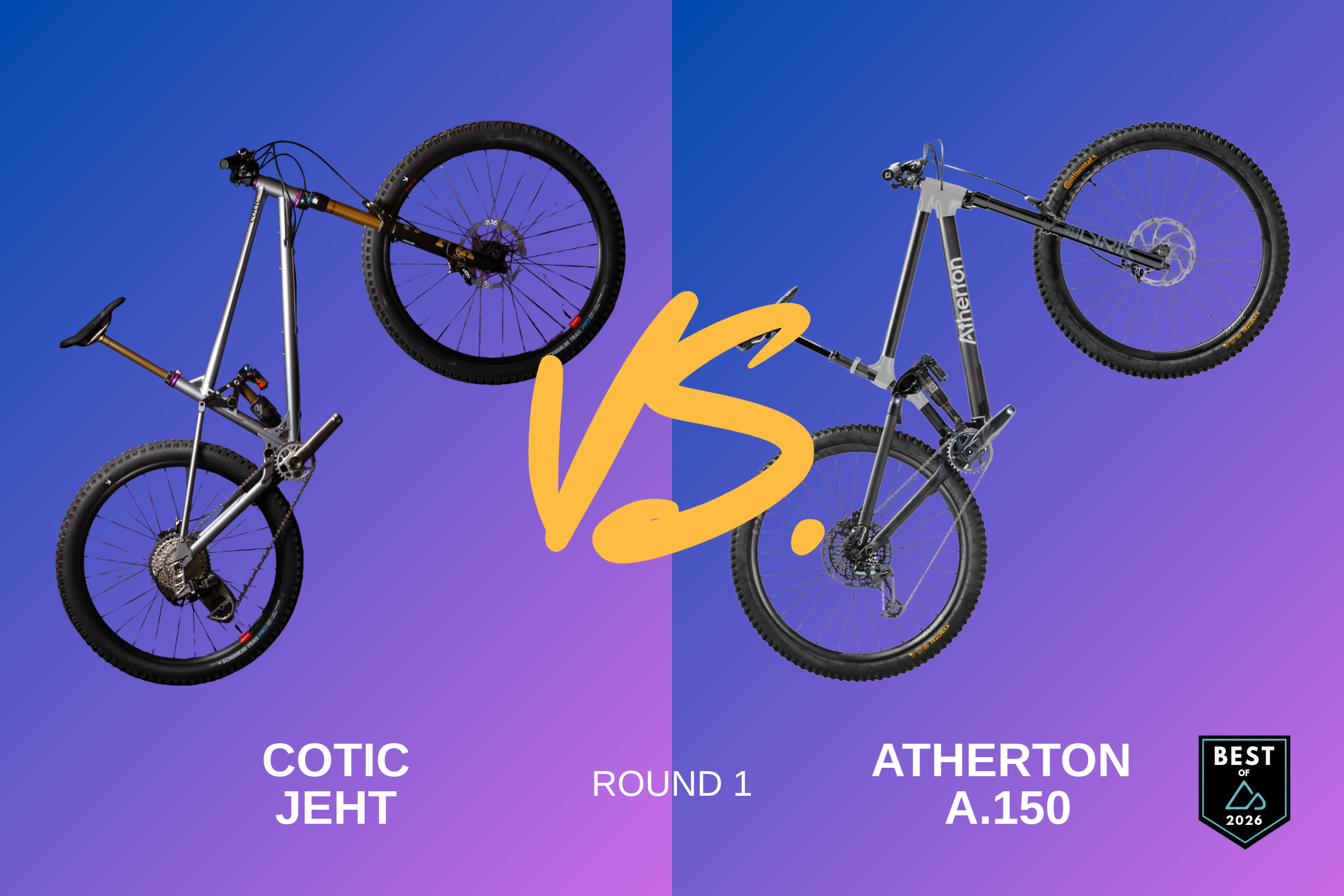
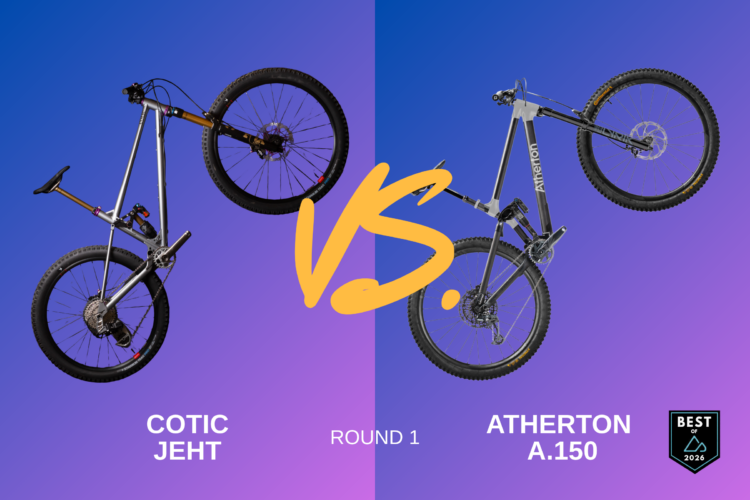
Mixed in with these large, nearly household brands that we all know and love are the smaller guys. They make the bikes you rarely see, if ever. But when someone shows up with one, everyone crowds around them at the trailhead. Two such UK-based brands make the bikes that many of us wish we had. The Atherton A.150 and Cotic Jeht do long-travel trail riding each in their own unique way. Yet, it is this uniqueness that makes them similar and, in the end, tough to choose between.
| Atherton A.150 3 | Cotic Jeht Enduro Silver | |
| Suspension travel (F/R) | 160/150mm | 150-160/150mm |
| Drivetrain | SRAM GX Eagle | SRAM Eagle 90 |
| Suspension | RockShox Lyrik Ultimate, RockShox Vivid Air Ultimate | RockShox Zeb Select, RockShox Deluxe Ultimate |
| Geometry*(size large frame) | HTA: 65° STA: 78° Reach: 480mm Chainstay: 438mm | HTA: 64° STA: 76° Reach: 476mm Chainstay: 450mm |
| Price | £7,059 (~$9,468) | £5,749 (~$7,716) |
Travel and category positioning
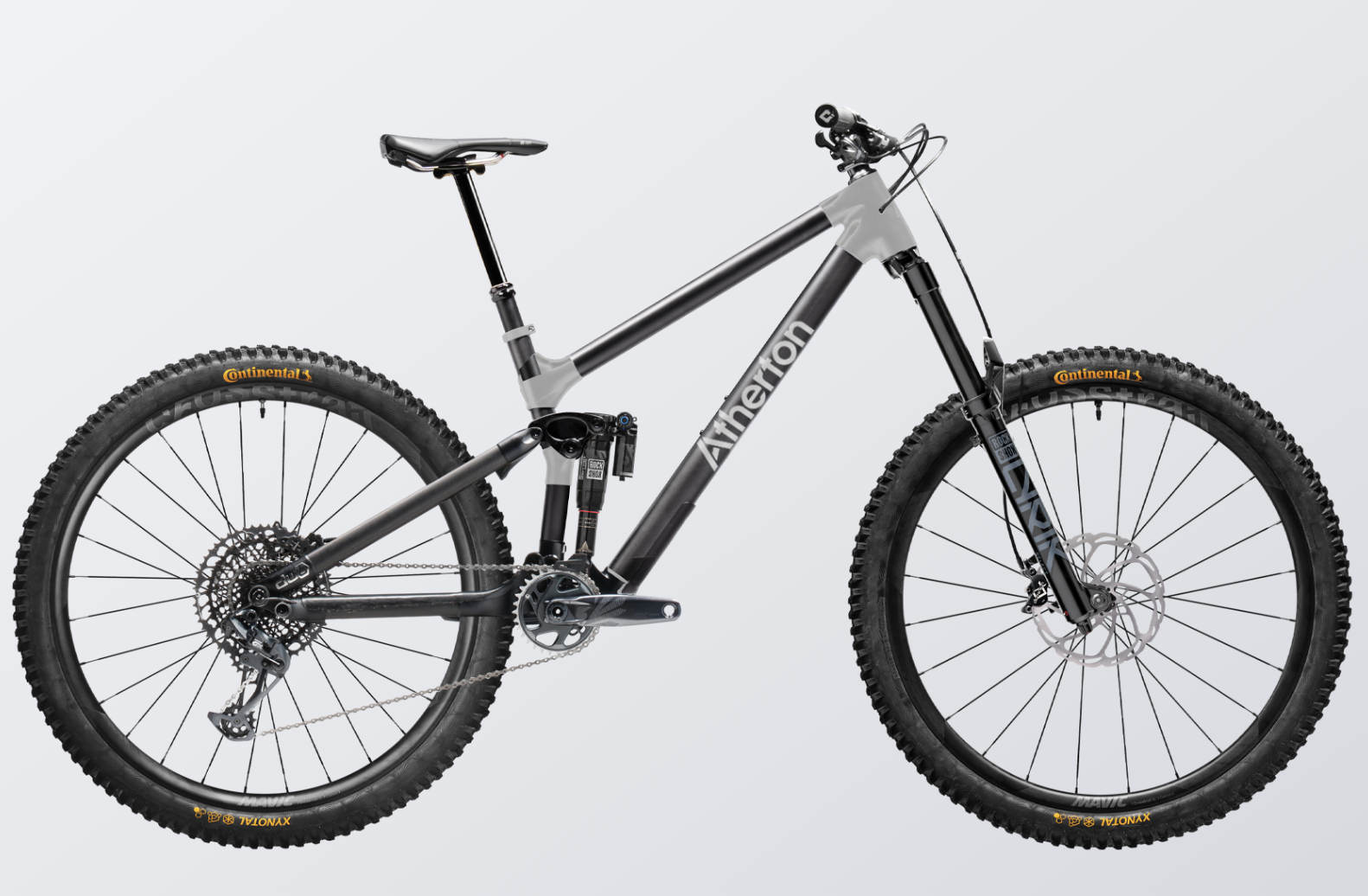
Both the Atherton A.150 and the Cotic Jeht sit at the far (long) end of the trail bike travel spectrum — any more travel, and they’re enduro bikes. Both bikes offer 150mm of rear travel paired with a 160mm fork. That said, the Jeht can also run a 150mm fork in its “Trail” configuration, swapping the Zeb for a Lyrik.
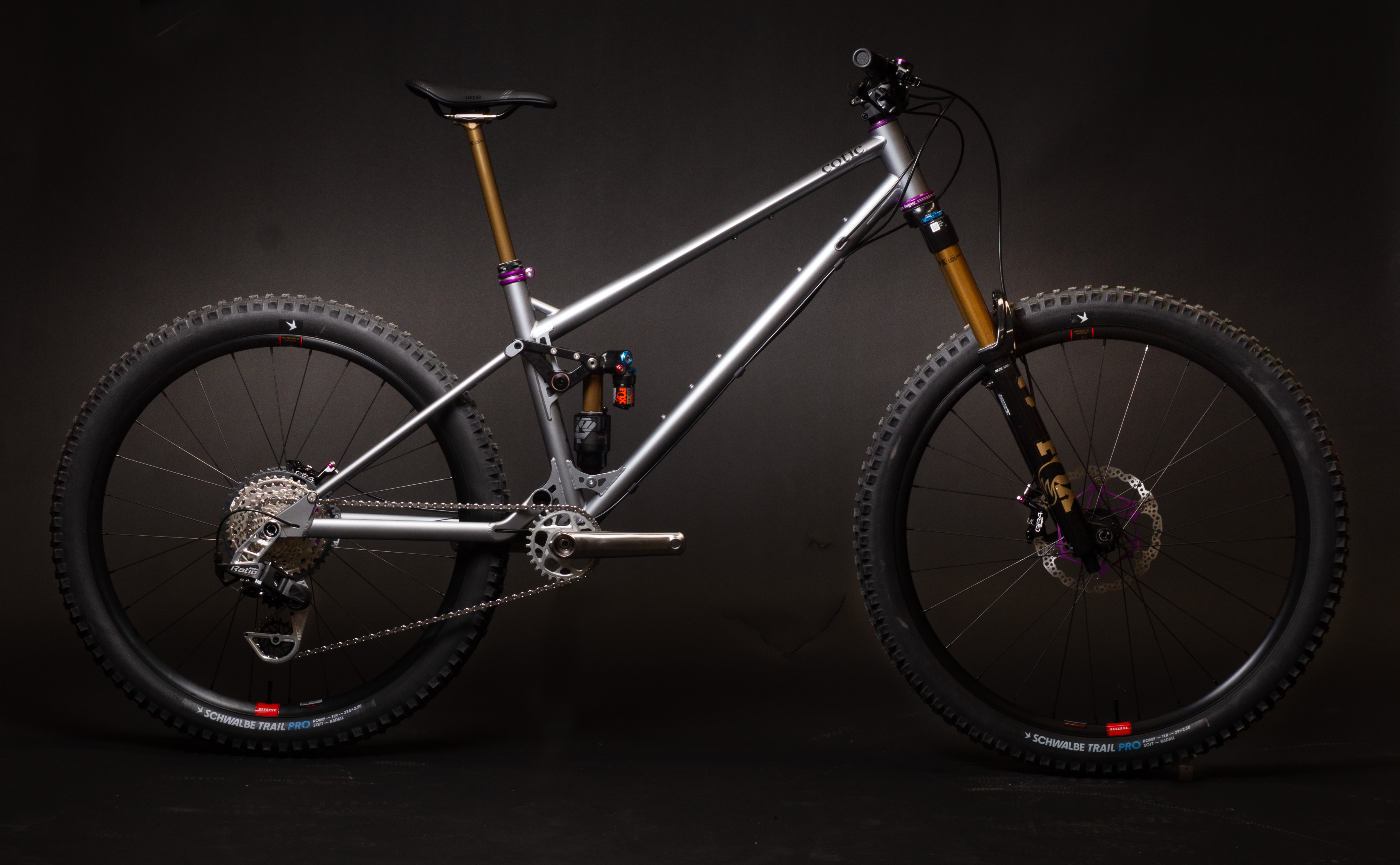
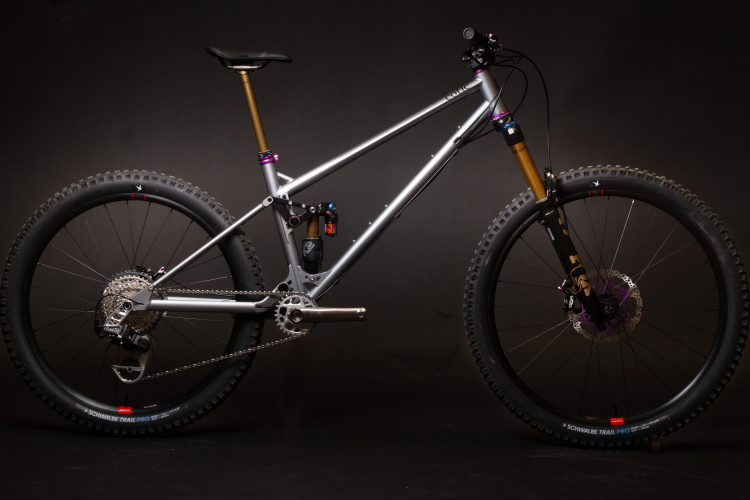
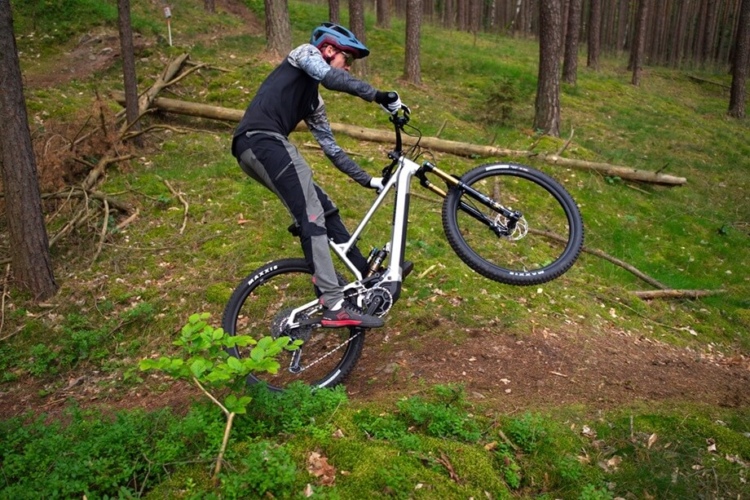
Cotic says that the Jeht “isn’t a monstertruck that numbs the trail. It’s a rally car that dances and jinks, finding grip instead of grabbing brakes.” They emphasize a “stand tall” riding position, mixed-wheeled agility, and a bike that does well in steep and chunky terrain. The 150mm of rear travel is driven by its “Rocklink” linkage-driven single pivot. And pairing travel numbers with the geometry considerations has the Cotic Jeht leaning pretty close to that “enduro” label.
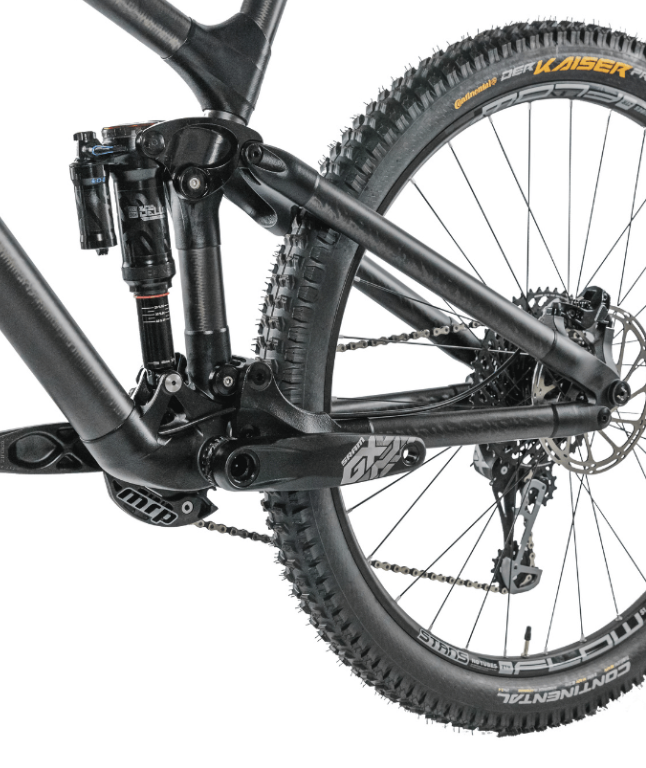
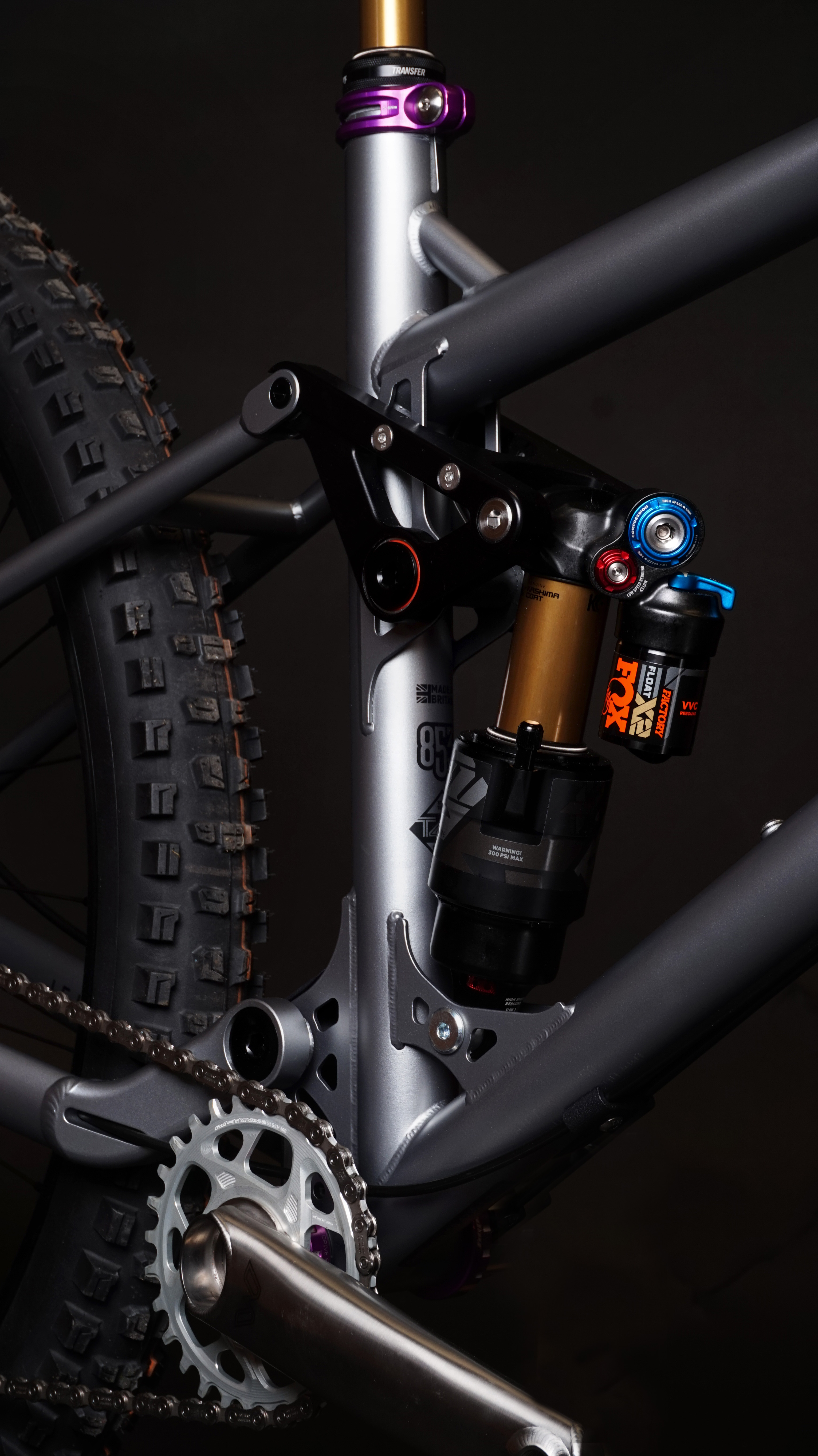
The Atherton A.150 also has 150mm of rear travel, built on a familiar platform with a twist. Riders likely recognize the “DW” from Dave Weagle’s icon suspension platform, the “DW-Link.” However, this time replace “Link” with “6,” because the A.160 uses the DW6 — a six-bar suspension design compared to the dual-link DW-Link.
Atherton says the A.150 was inspired by Dan Atherton’s time on the enduro circuit. They claim that the bike “tracks the ground as if it is glued to it, this progressive, supple, and hard-hitting bike does it all, so you can push your limits every lap.”
Same suspension travel but different geometry
On paper, the Atherton A.150 might be accused of having more conservative geometry than the Cotic. A steeper head tube angle (HTA). It has a much shorter rear end and a shorter overall wheelbase.
The Cotic is long and tall. It features 450mm chainstays and a 651mm stack height. Add the 476mm reach in the C3 size, and the Jeht has a 1,276mm wheelbase. It seems Cotic prioritized descending, putting the rider in a tall, upright position with plenty of bike in front and behind for stability.
For a roughly size large frame, the A.150 stack height is fairly average. Atherton puts the stack at 641mm, somewhat middle of the road for a size large — not too low, but not too tall either. That said, the Atherton A.150 is a bit tricky to pin down on one spot when it comes to geometry. Where the Cotic offered five frame sizes, Atherton offers 22, which are pretty much sorted by three numbers: reach, stack, and seat tube length.
The reach range is massive, with bikes ranging from 410mm to 530. Nearly all of those reach numbers (the smallest don’t) have some form of “low” and “regular” settings. These “low” and “regular” settings correspond to stack height and seat tube length, with the “regular” or “tall” or “X-Tall” or “XX-Tall” having taller stacks and longer seat tubes.
I will note, however, that stack height is capped at 641mm on the frames. I focused on what seemed closest to a modern large bike, size 12, with a 480mm reach, a 65° HTA, and a 78° seat tube angle. The chainstays are 438mm and only grow another 5mm for the next 10 sizes. The Atherton’s 1,246mm wheelbase is a notable 30mm shorter than the Cotic’s.
Frame features
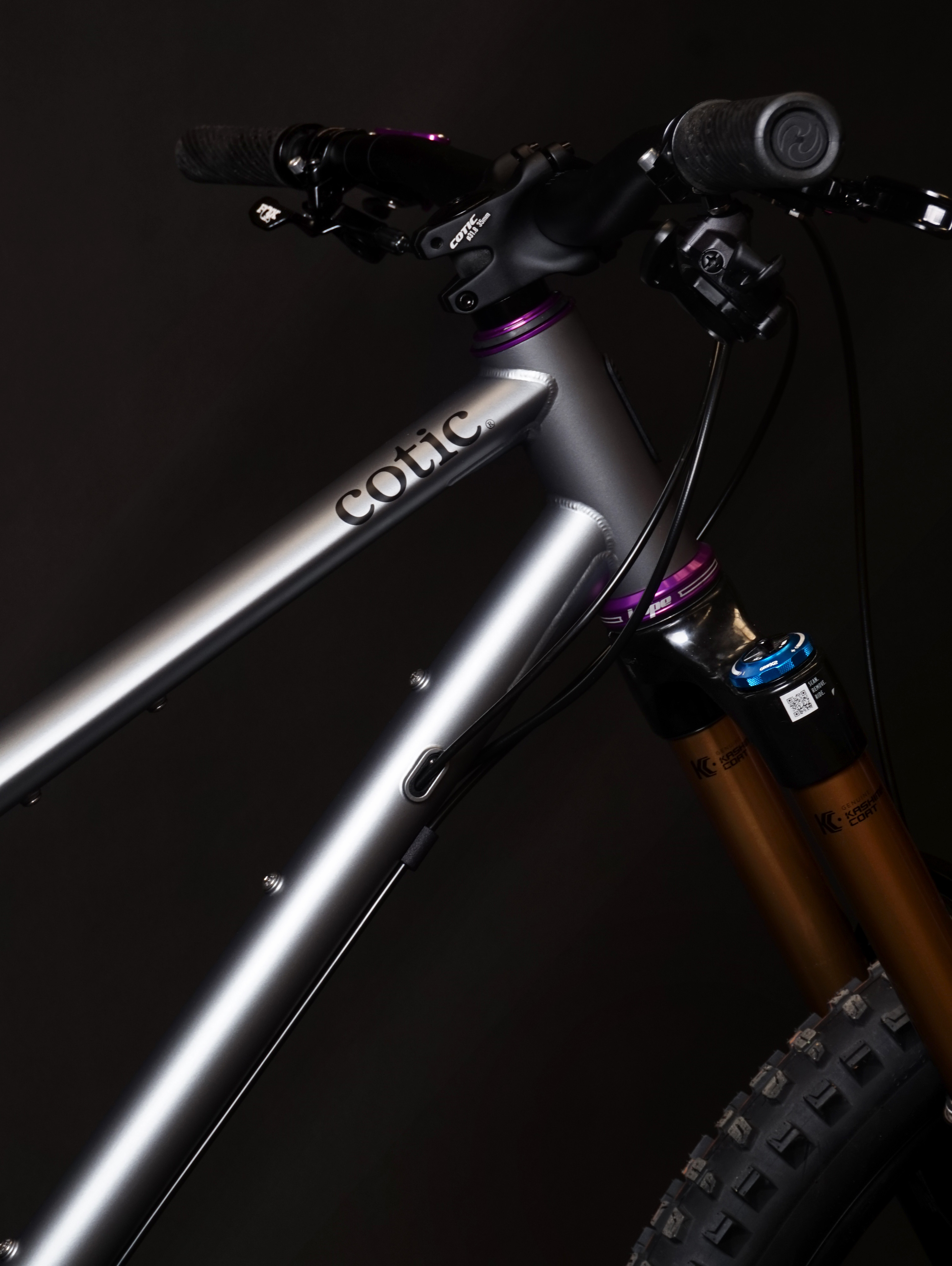
For both bikes, the unique frame design and craftsmanship are central to the brand’s “frame features.” Cotic pairs a Reynolds 853 and T45 steel front triangle with an aluminum rear triangle. The frame accommodates long dropper posts with a long, uninterrupted seat tube.
Moving to the Rocklink suspension opened up plenty of room inside the front triangle for bottle and accessory mounts. The Jeht also features internal cable routing, except for the externally routed rear brake hose, making brake swaps easier. It is also now UDH-compatible. Cotic gives the option of a 150mm or 160mm fork on the Jeht, but doesn’t provide the ability to swap rear wheel sizes — the Jeht is mixed-wheels only.
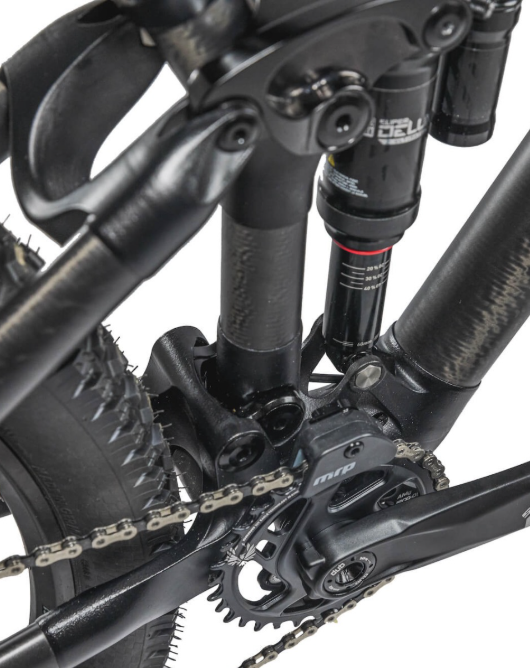
Atherton builds the A.150 from 3D-printed titanium lugs and carbon tubes. Each bike is built to order, with a massive size range—22 different frame size options. On Atherton’s website, it is hard to miss that there is also an A.150M, where the “M” stands for “mullet” or “mixed wheels.” And, like many bikes in this group, we would assume a flip-chip lets the A.150 switch back and forth between the options.
That, however, isn’t true. Ultimately, Atherton feels that features like flip chips come with compromises. So, while there is the A.150M, that is a completely separate frame, with different geometry, and the two aren’t meant to accommodate different rear wheel sizes. Essentially, when you order, you need to choose — 29er or mixed-wheels.
Build differences show a $1,750 gap
Both Atherton and Cotic offer frame-only options. They also offer several build options, allowing for more customization than larger manufacturers. Initially, I looked at Atherton’s third-tier build because it was the most affordable and had comparable components to the other bikes in this tournament. However, that option seems to be gone now, and I was directed to a similar build, minus the SRAM Eagle 90 drivetrain mentioned at the third tier.
Instead, the Atherton A.150 features a mechanical SRAM GX Eagle drivetrain. For suspension, the A.150 uses Ultimate-level RockShox, with a Lyrik up front and a Vivid Air shock out back. Hayes Dominion A4 brakes handle the stopping, and Mavic Enduro SL wheels with Continental Kryptotal tires round out the major components.
While Atherton doesn’t skimp on their lowest-tier build, it will cost you — nearly $9,500. That said, an aluminum version of the A.150 drops the price a bit. The cost for the aluminum-lug-and-tube S.150 lineup starts at about $6,247. Another important distinction is that the aluminum variation features a DW4 suspension platform, rather than a DW6.
Cotic is the more affordable of the two, with the Jeht build I selected costing roughly $1,750 less than the A.150. Those savings, however, are reflected in the component choices. For suspension, the Jeht gets a RockShox Zeb Select fork and Deluxe Ultimate rear shock. The drivetrain is a SRAM Eagle 90, and the brakes are Shimano M6200. Hope Fortus 30 wheels and Schwalbe tires — Magic Mary and Albert, front and rear — round out the major components.
The bottom line
So, which will move on? Both bikes come from respected boutique brands, and each offers something unique. While the single-pivot Cotic costs less, the Atherton offers DW6 suspension and upgraded components. Then there’s the question of a full metal bike vs. a carbon-titanium mashup.
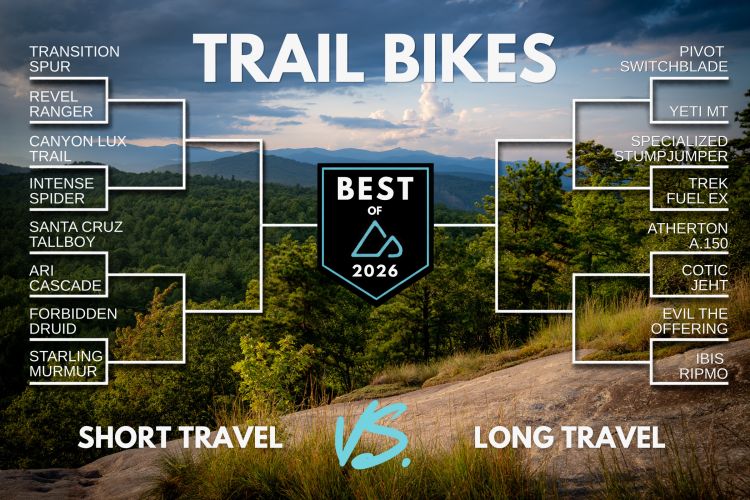
Vote below, and the bike that moves forward will face the winner of the Evil The Offering and the Ibis Ripmo on November 13.
The news stinks. Why not follow Singletracks on Google News to bring more joy to your day?



0 Comments