

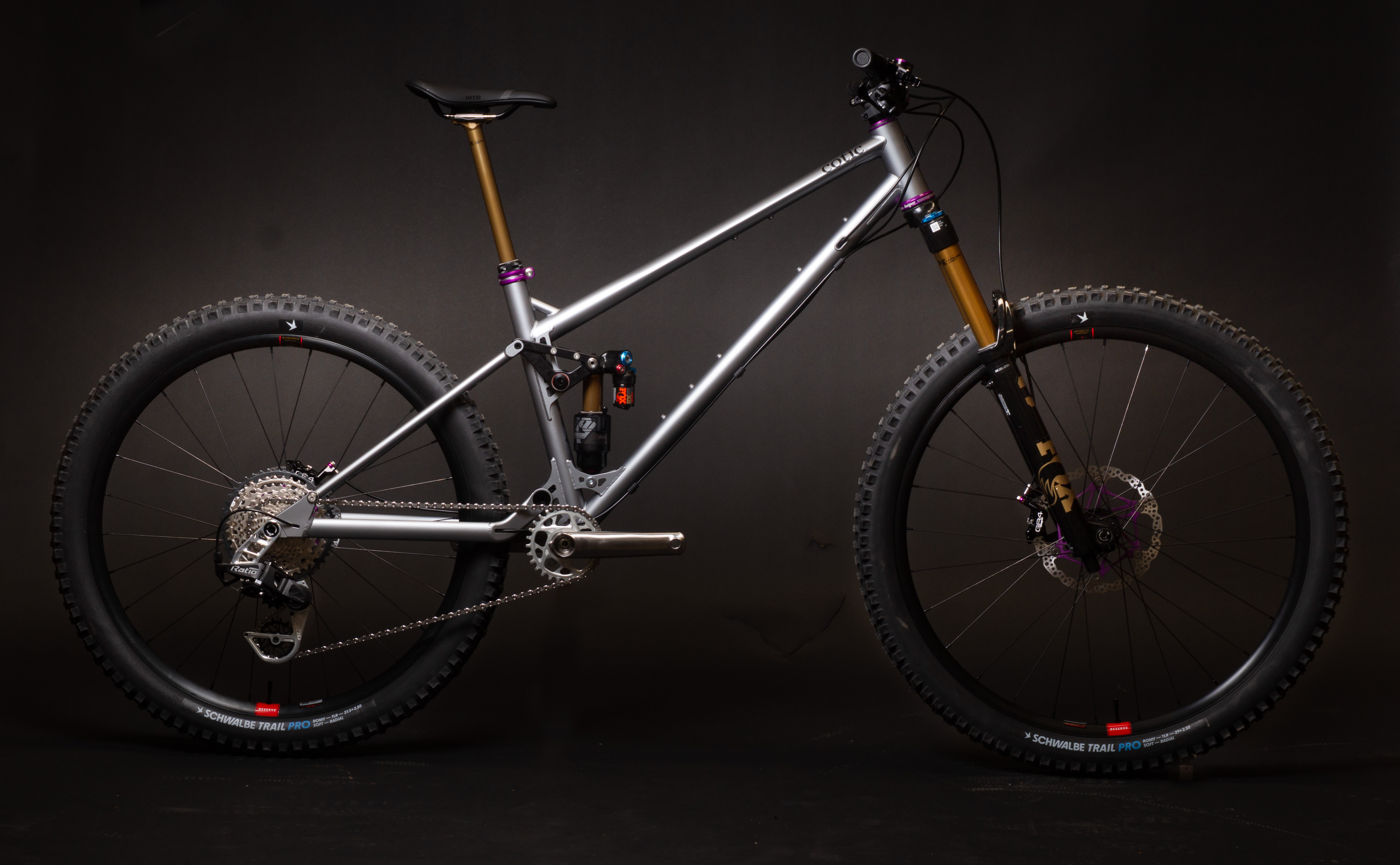
Cotic is a UK-based bike company that’s known for producing incredibly capable mountain bikes using steel and aluminum. Their latest release — the third-generation Cotic Jeht 3 — delivers a trail and enduro bike in one that’s now fully committed to a mixed-wheel setup.
The Jeht was a 29er you could mullet; now it’s mixed-wheel only
The Jeht 3 — with 150mm of rear suspension travel — replaces the previous-generation 140mm Jeht trail bike and also the 160mm Cotic RocketMAX enduro bike. Both of those bikes were specced with matching 29er wheels front and rear by default.
“If I’m honest, deciding not to offer a full 29er version was a big call, but the Rocket [eMTB] proved that this wheel configuration is essential to the handling magic,” Cotic Founder and Director Cy Turner wrote in a release. Turner noted that about half of the brand’s RocketMAX bike riders had moved to running mixed wheels, which made the decision easier.
Cotic will offer both trail and enduro builds for the Jeht 3. The trail build comes with a 150mm fork and lighter tires than the enduro build, which features a 160mm fork and “burlier” wheels.
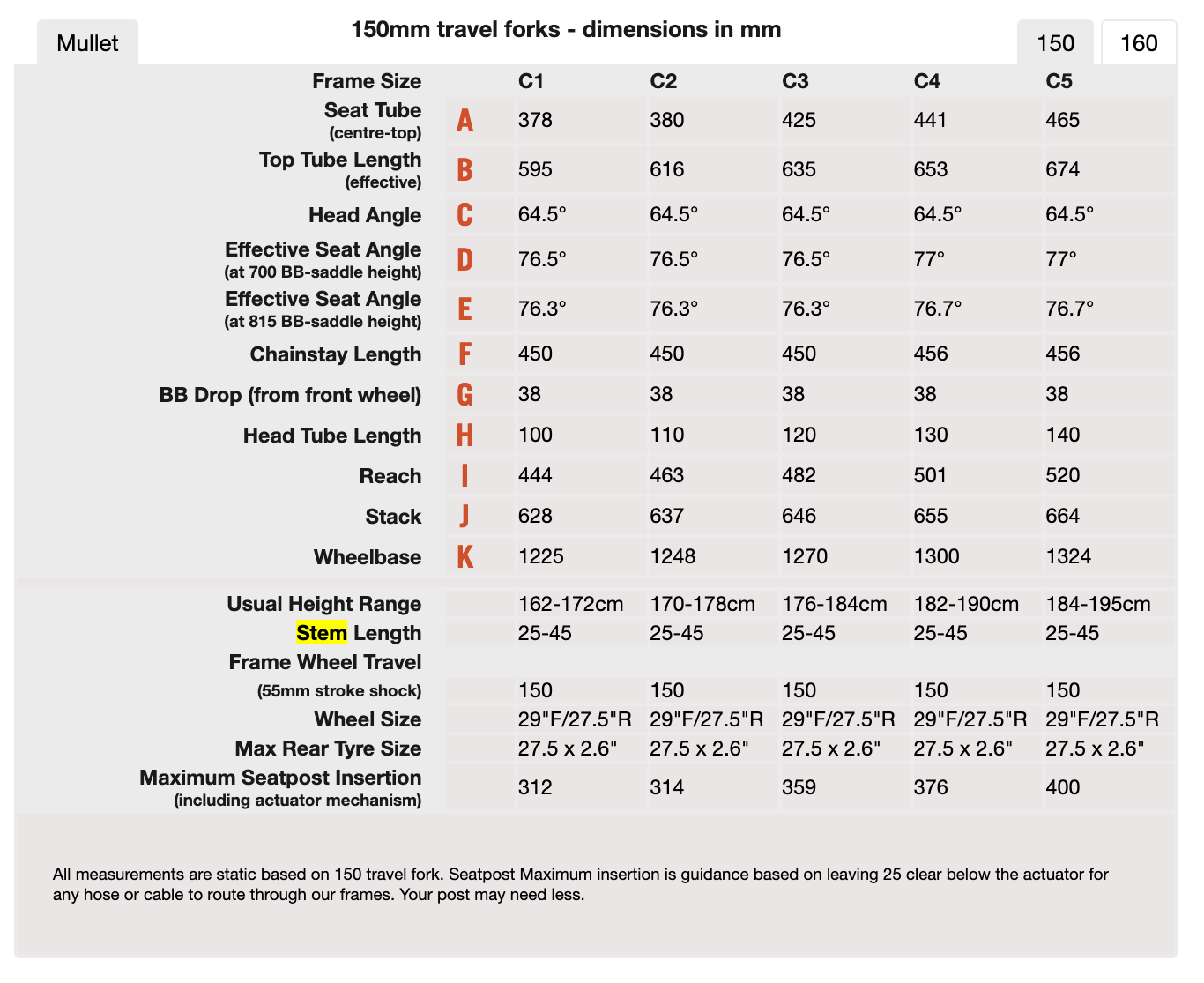
Everything is longer, from the reach to the chainstays
“Rather than using ‘flip-chips’ or bolt-on compromises, we’ve committed to the 27.5-inch rear wheel with dedicated geometry,” Turner said. As it turns out, the mixed-wheel geometry is significantly longer than it was before, though in line with what the Jeht delivered as a 29er.
The Jeht 3 sports frame size-specific 450mm+ chainstay lengths and mixed-wheel reaches that are 12-13mm longer across the board. Just looking at the Jeht, you can see that it’s a long bike. The seat tube angle is a full 2° steeper as well. The geometry numbers shift a bit when the Jeht is set up with a 160mm fork, with the reach, head tube angle, and seat tube angle all decreasing.
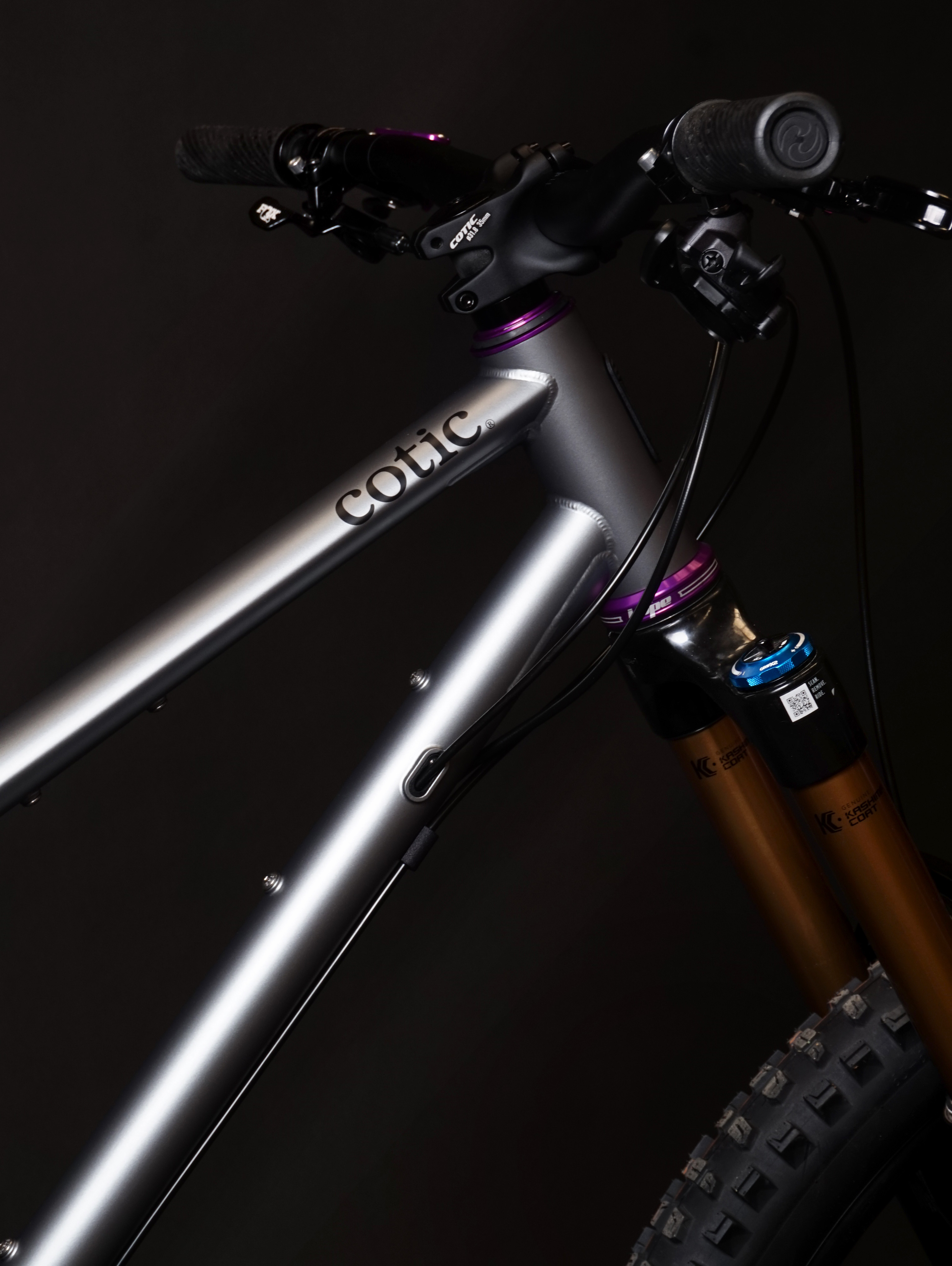
Cotic notes that a short, 35mm stem is a must to get the most out of the Jeht geometry.
Updated cable routing and (finally) UDH-compatible
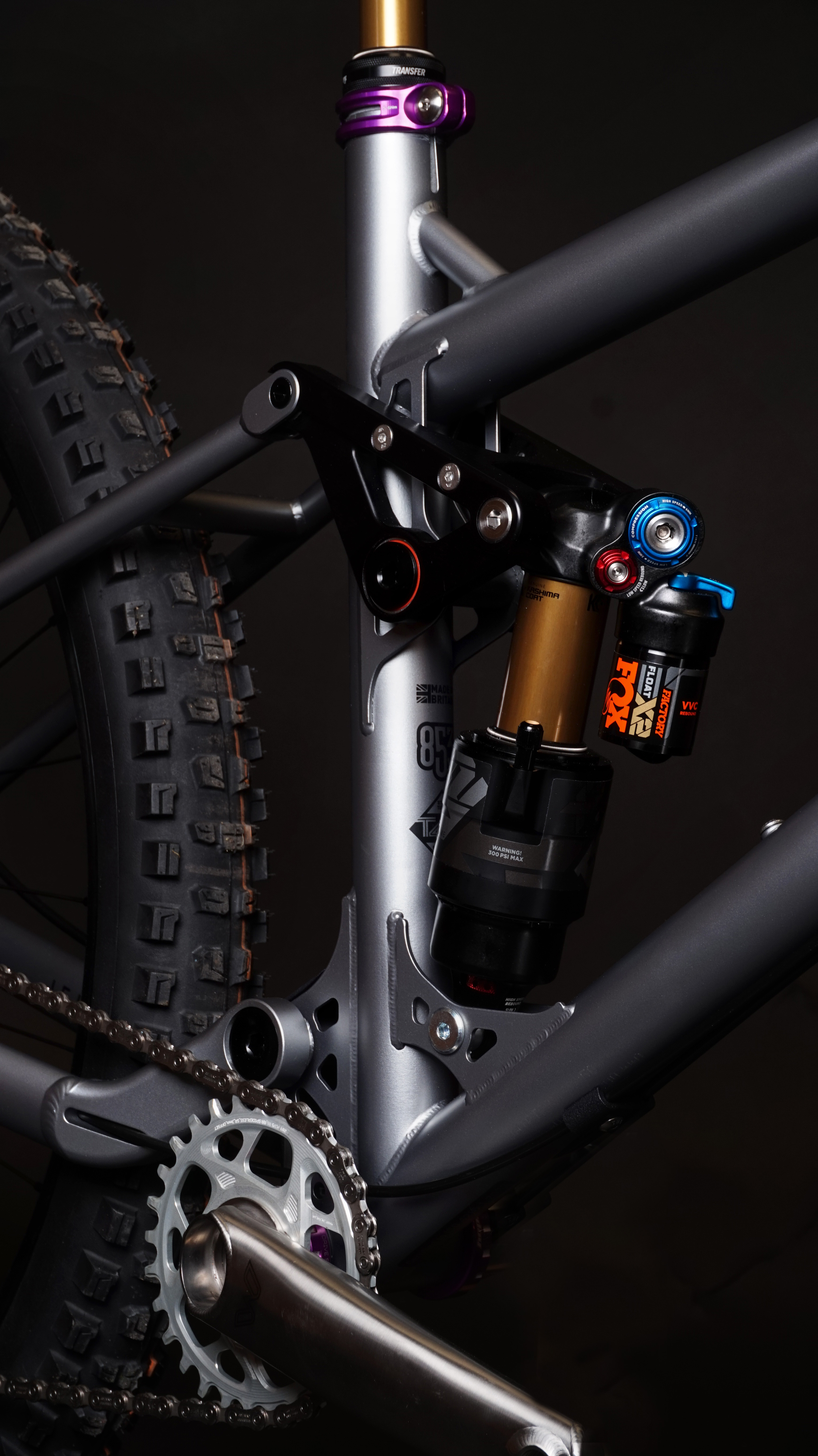
The Cotic Jeht 3 is made in the UK with a Reynolds 853 and T45 steel front end that’s paired with an aluminum swingarm in the rear. The new Jeht gets a completely straight seat tube that appears to be uninterrupted for maximum dropper post insertion.
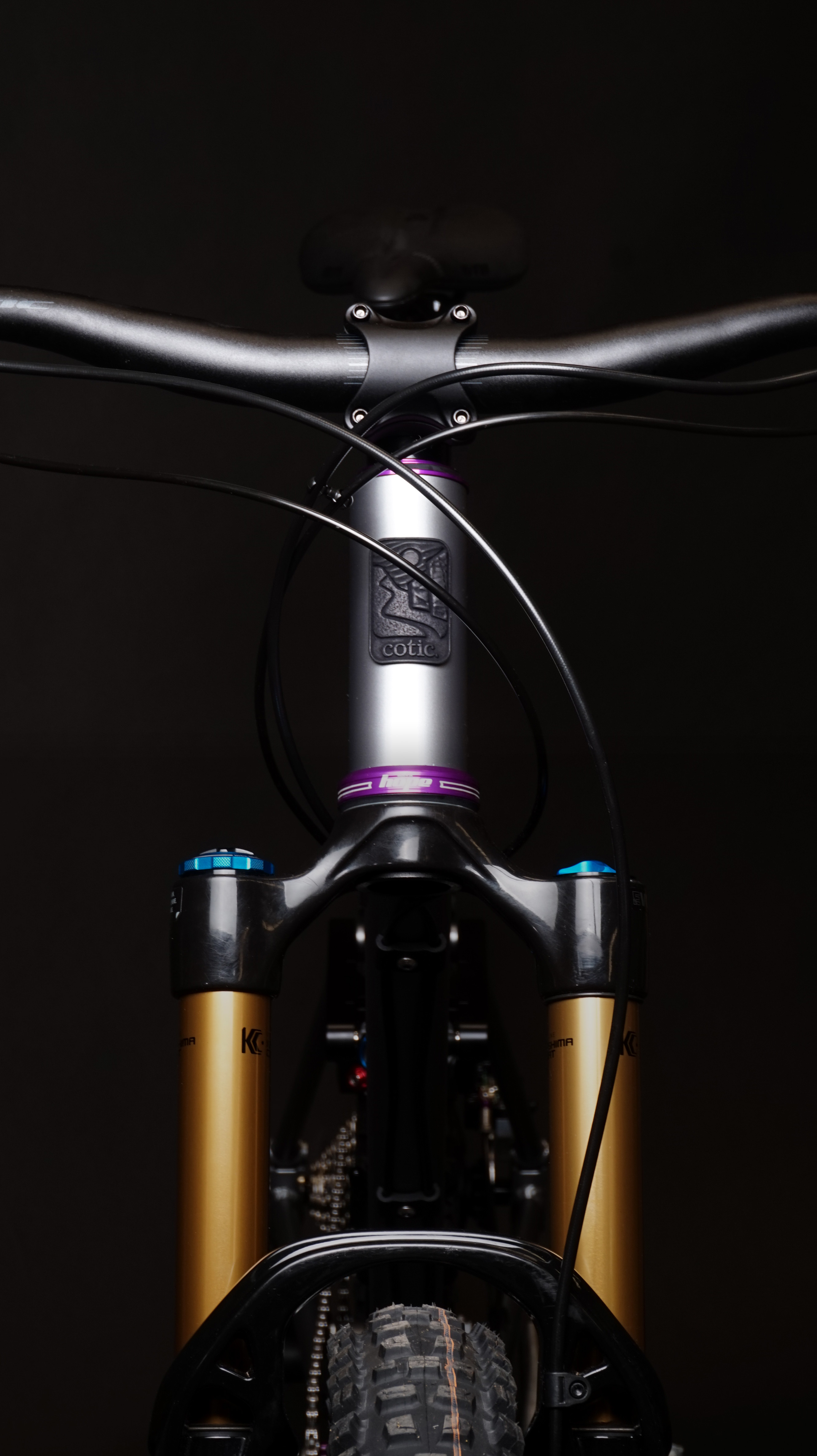
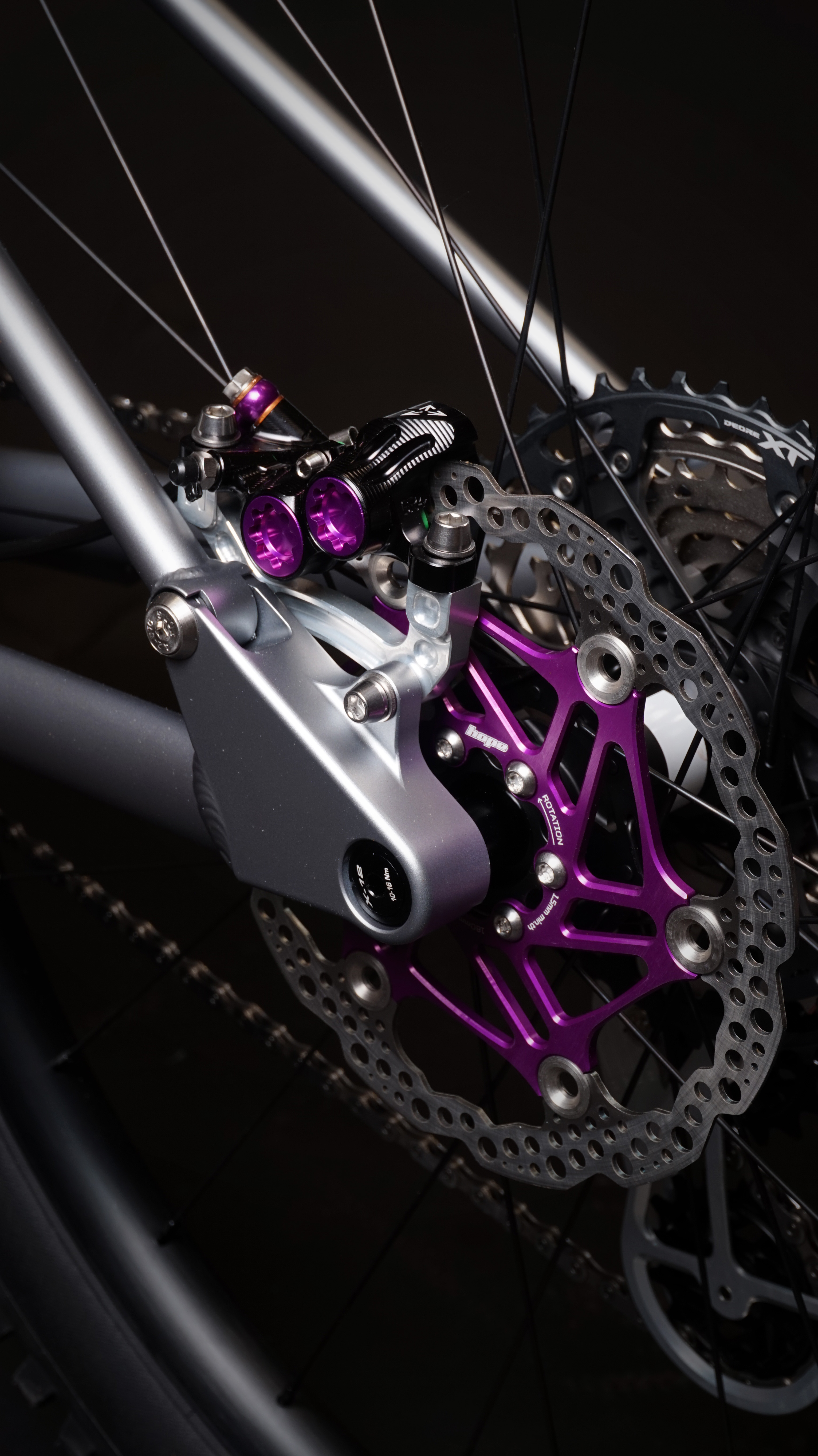
The cable routing has been updated as well, with a mix of internal and external paths. The dropper post cable now enters the bike’s downtube rather than the seat tube, while the rear derailleur cable (if you’re not wireless) moves from the seat stay to the chain stay. Most importantly, the rear brake hose remains external for easy swaps that don’t require a re-bleed.
The Jeht is now UDH-compatible, though buyers of steel, full-suspension bikes generally aren’t the ones that are clamoring for the latest wireless electronic drivetrains from SRAM. The upshot is it will now be easier to find a replacement hanger if and when the time comes.
New Rocklink linkage-driven, single-pivot suspension design opens up room for bottle mounts inside the front triangle
The Cotic Jeht 3 takes its new suspension layout from the brand’s Rocket eMTB. Cotic needed to move the shock to accommodate that bike’s battery, and as it turns out, the design also opens up space for a water bottle (or two) inside the front triangle on the non-electric Jeht.
Rocklink suspension is coil-compatible and is heavily based on the droplink suspension design used previously for the Jeht.
A Cotic Jeht frame is priced at about $3,470 USD, however it sounds like tariffs add another 10% to the price. Pricing for complete builds will start at $5,600.
The news stinks. Why not follow Singletracks on Google News to bring more joy to your day?



1 Comments
Apr 27, 2026