

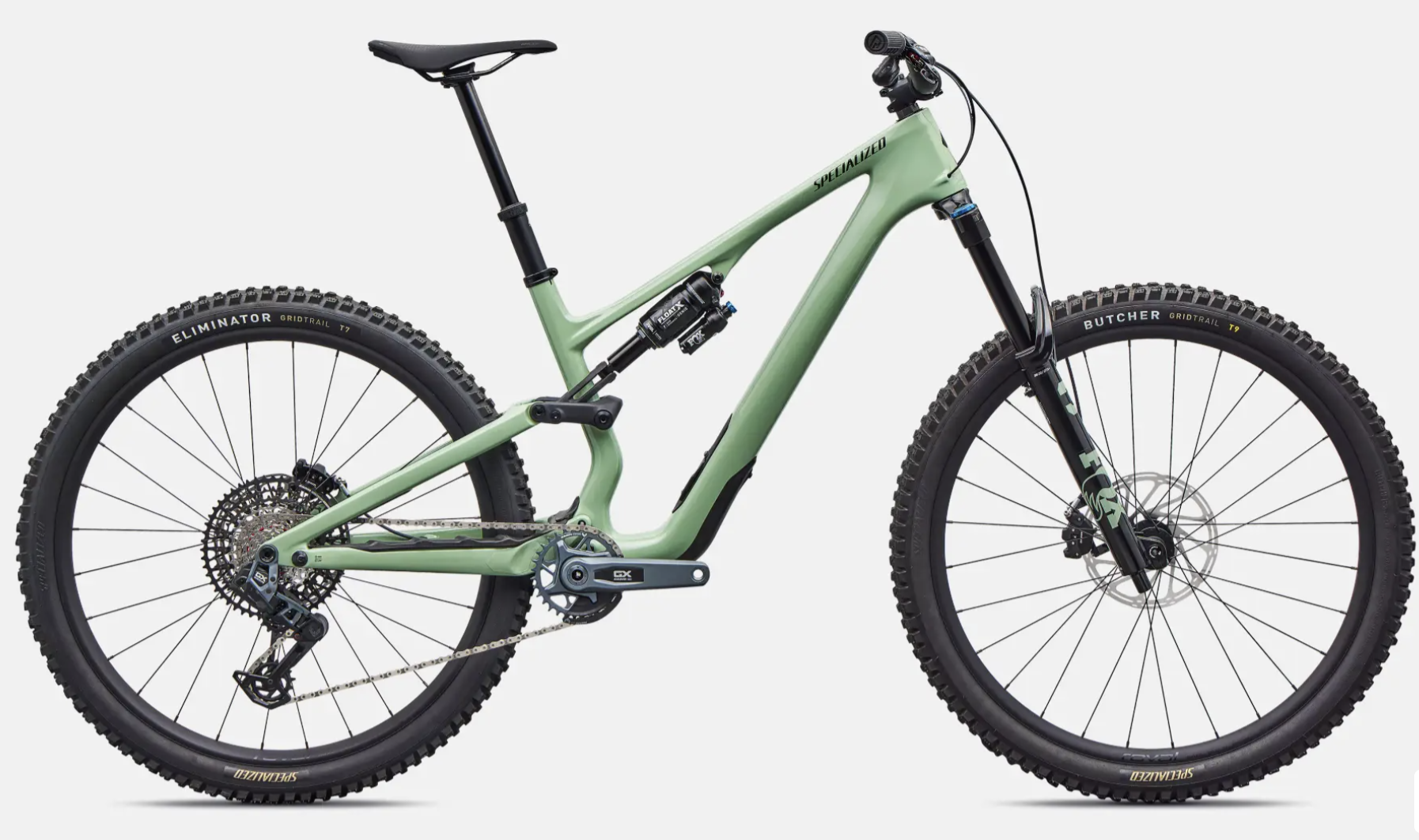
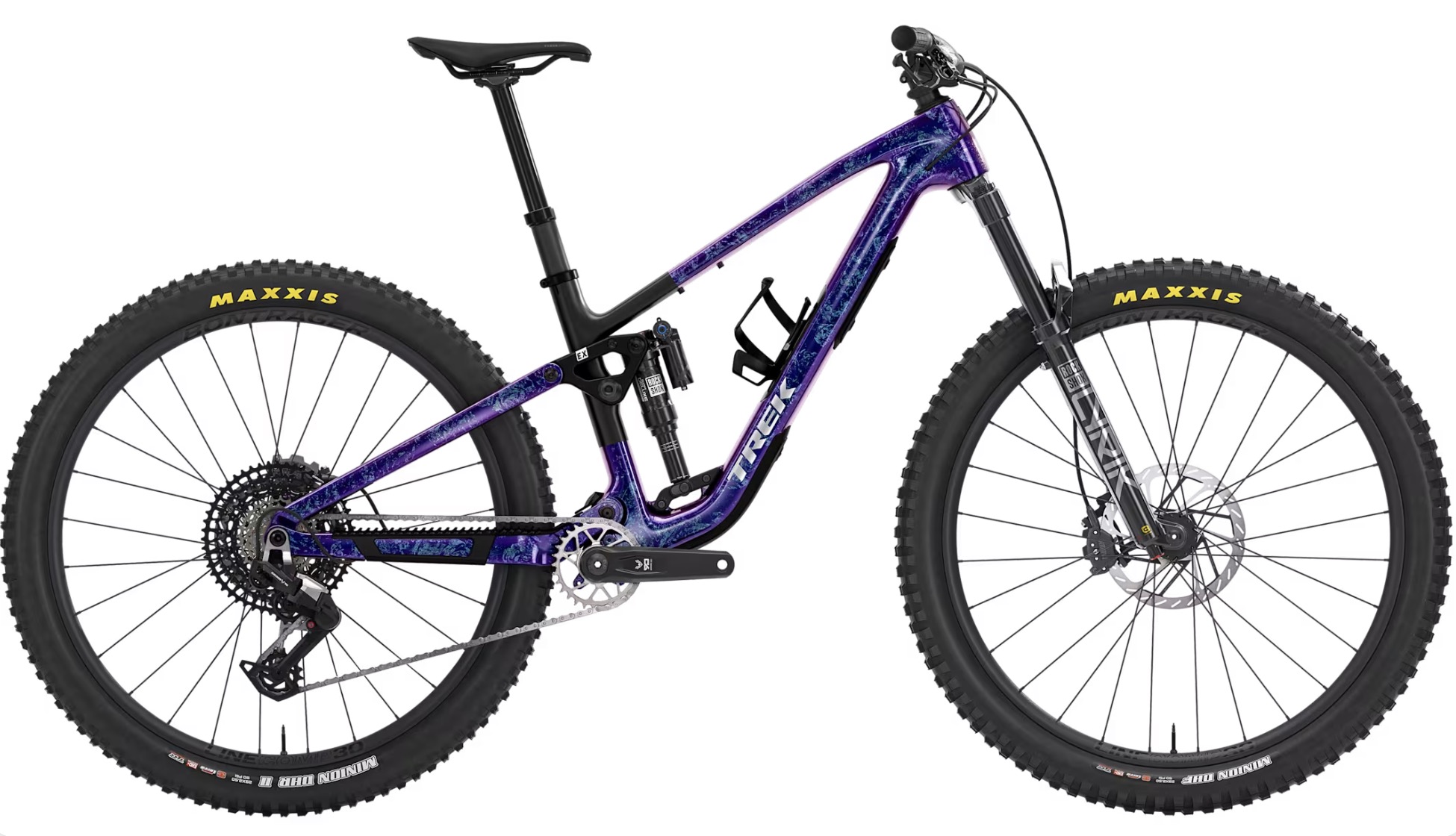
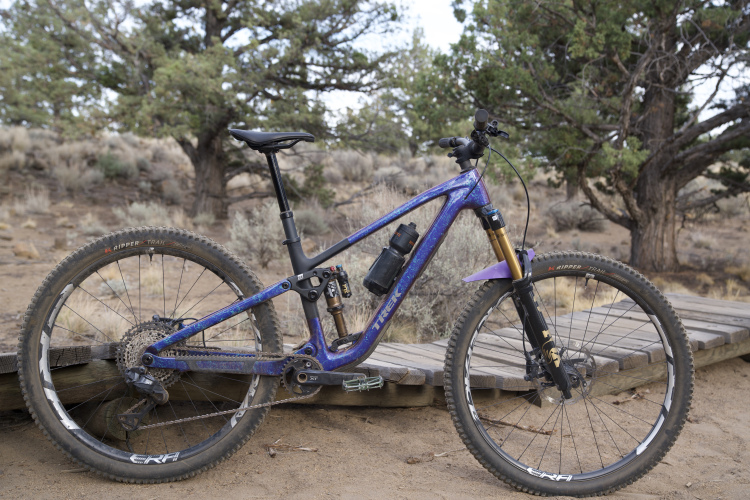
The Specialized Stumpjumper and Trek Fuel EX have a lot in common. Both offer 145mm of rear travel, in-frame storage, mixed-wheel compatibility, and extensive adjustability in the frame and geometry. From two of the world’s largest mountain bike manufacturers, both platforms offer plenty of build options, with either RockShox or Fox suspension packages and SRAM or Shimano groupsets. For $6,200, you can choose either the Stumpy 15 EVO Expert or the Fuel EX 9.8 — they cost the same.
| Specialized Stumpjumper 15 EVO Expert | Trek Fuel EX 9.8 Eagle 90 | |
| Suspension travel (F/R) | 160/145mm | 150/145mm |
| Drivetrain | SRAM GX AXS | SRAM Eagle 90 |
| Suspension | Fox 36 Performance Elite Grip X2, Fox Float X Genie | RockShox Lyrik Ultimate, RockShox Super Deluxe Ultimate |
| Geometry*(size large frame) | HTA: 64° STA: 76° Reach: 470mm Chainstay: 435mm | HTA: 64.5° STA: 77.4° Reach: 485mm Chainstay: 442mm |
| Weight | 32.2lb (S4) | |
| Price | $6,199 | $6,199 |
Travel and category positioning
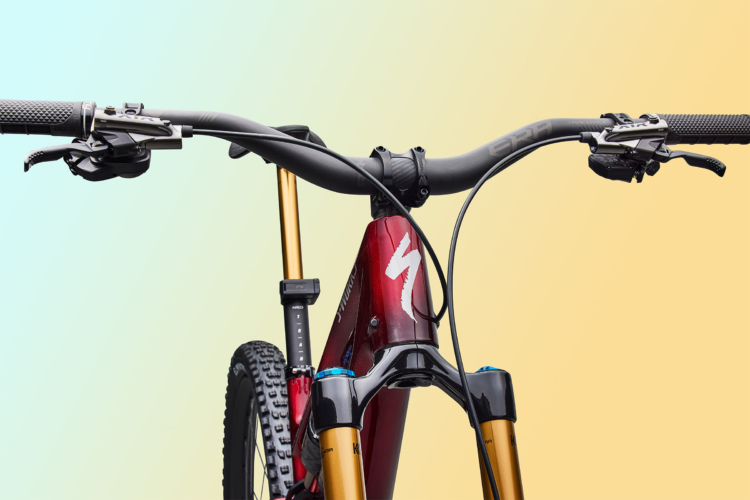
While our bracket may just say “Specialized Stumpjumper,” I want to make it clear we mean the Stumpjumper 15 EVO. What is the difference? The EVO iteration has a 160mm fork for an even more capable bike. While Specialized still offers the Stumpjumper 15 with 150mm of fork travel, in 2026 they decided to move forward with the EVO version only. That said, the Stumpy 15 EVO could easily become a Stumpy 15 again with a shorter 150mm fork.
Specialized says that the Stumpjumper 15 EVO can “devour bumps like a big bike,” while maintaining “short-travel control, playfulness, and efficiency.” That said, many of Specialized’s adjectives for the bike favor its descending capabilities. Jeff felt the same about the Stumpjumper 15, which he said was the best bike he’s ever tested.
“But if I had to give the bike an edge between tech and flow trails, I might give it a slight edge for the rougher stuff based on how well the suspension handles abrupt transitions and how quickly it recovers and sets up for the next object in its path.”
Trek also claims the Fuel EX can “tackle any trail, anytime.” That is certainly true, especially considering it can be so many different bikes. However, in my recent time on the Fuel EX, I found that version of the modular bike much sportier on the trail and more efficient to pedal. While I have always liked the capability of Trek’s Active Pivot Braking (APB), it isn’t a monster truck over chunky trails.
As I wrote in my review, “the Fuel EX encourages good line choice rather than point-and-plow-style riding, since its 145mm travel limit is relatively easy to find.”
Geometry: Could the Stumpjumper be a tough fit?
Specialized offers a massive size range for the Stumpjumper 15 EVO — six sizes, to be exact. The brand ditched “t-shirt” sizing a while ago, opting for a number system: S1-S6. The reach span is huge, from 400mm on an S1 to 525mm on an S6. Surely, for the short and tall among us, the Stumpy is a good option.
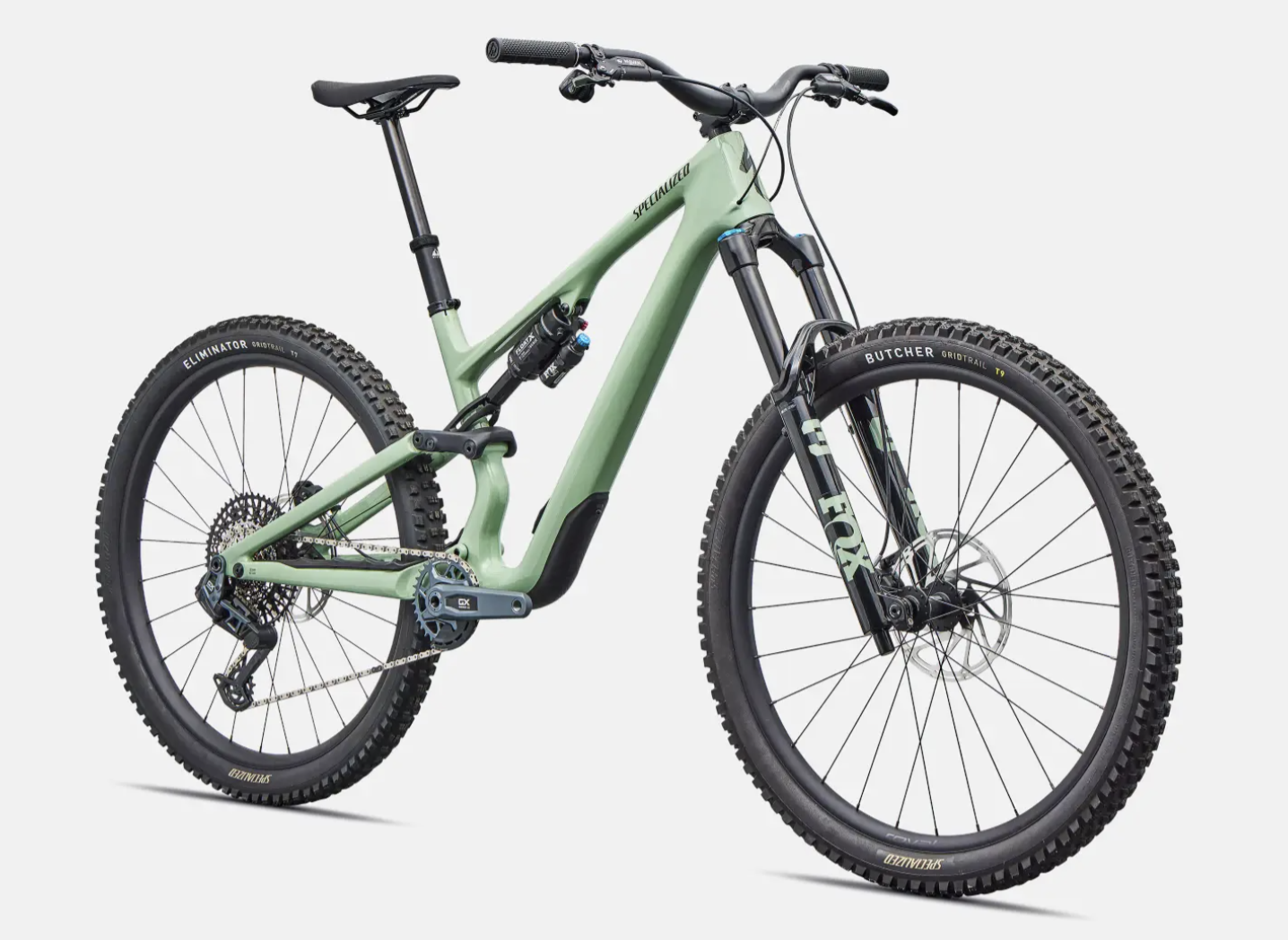
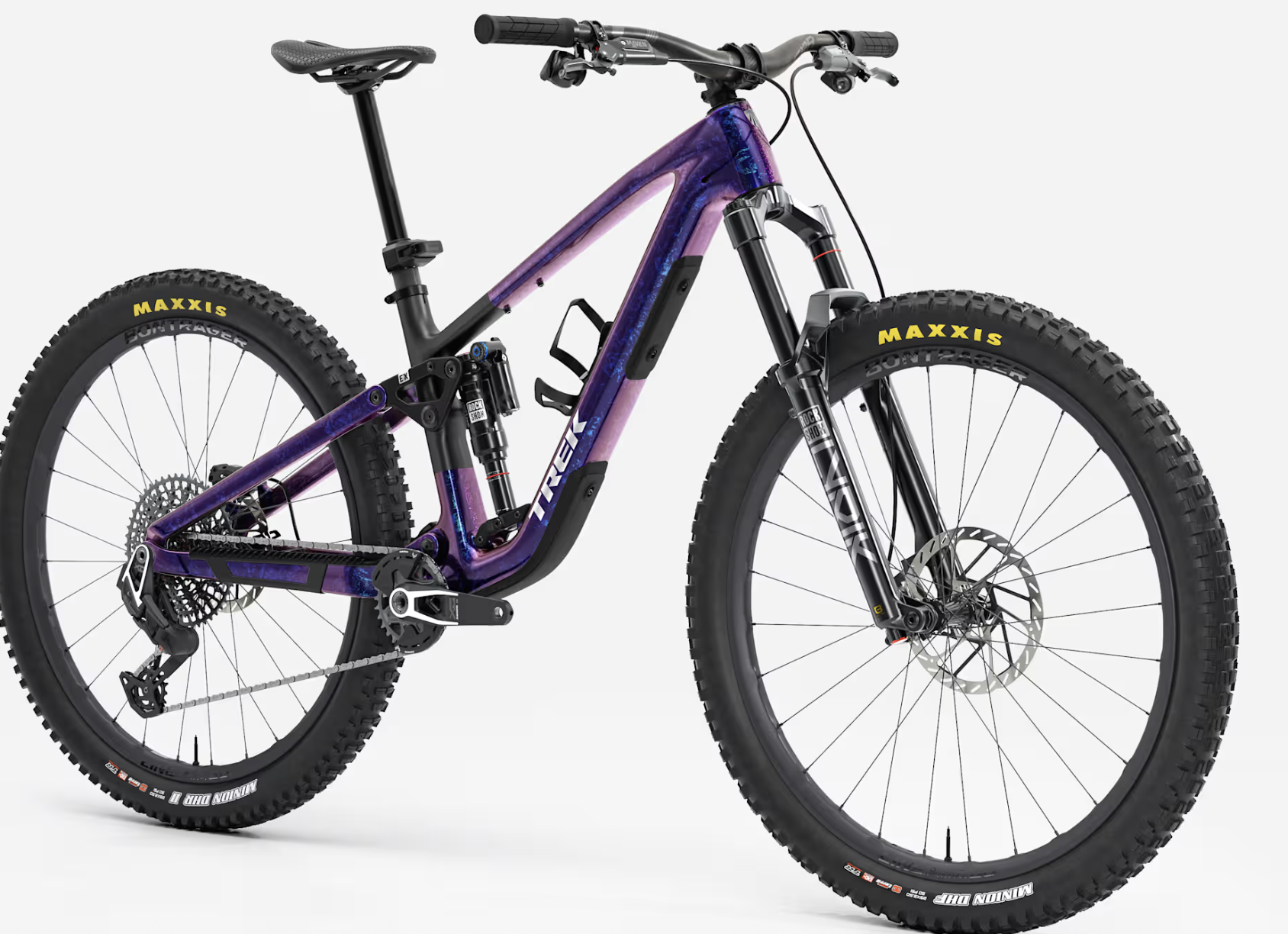
But it is in the middle where the geo can veer from what we might deem “normal.” While many long-travel trail bikes have a roughly 480mm reach in size L (the Trek Fuel EX is 485mm), the S4 Stumpjumper EVO 15 is 470mm. If that is too short, bumping up a size takes you to 495mm — likely too long if you’re used to that “normal” 480mm number.
Aside from that, the Stumpjumper 15 EVO has geometry expected for a bike in this category, with numbers somewhat similar to the Fuel EX. The Stumpjumper has a 64° head tube angle, while the Fuel EX is 64.5°. For seat tube, the Stumpy and Fuel are within 2° of each other, 76° and 77.4°, respectively.
The chainstays are nearly spot on — well, if you flip the Stumpjumper’s flip-chip, that is. Swapping the chip on the Stumpjumper’s stays adjusts bottom bracket height but also extends the back end by 6mm, taking the shorter 435mm chainstays up to 441mm and within 1 mm of the Fuel’s.
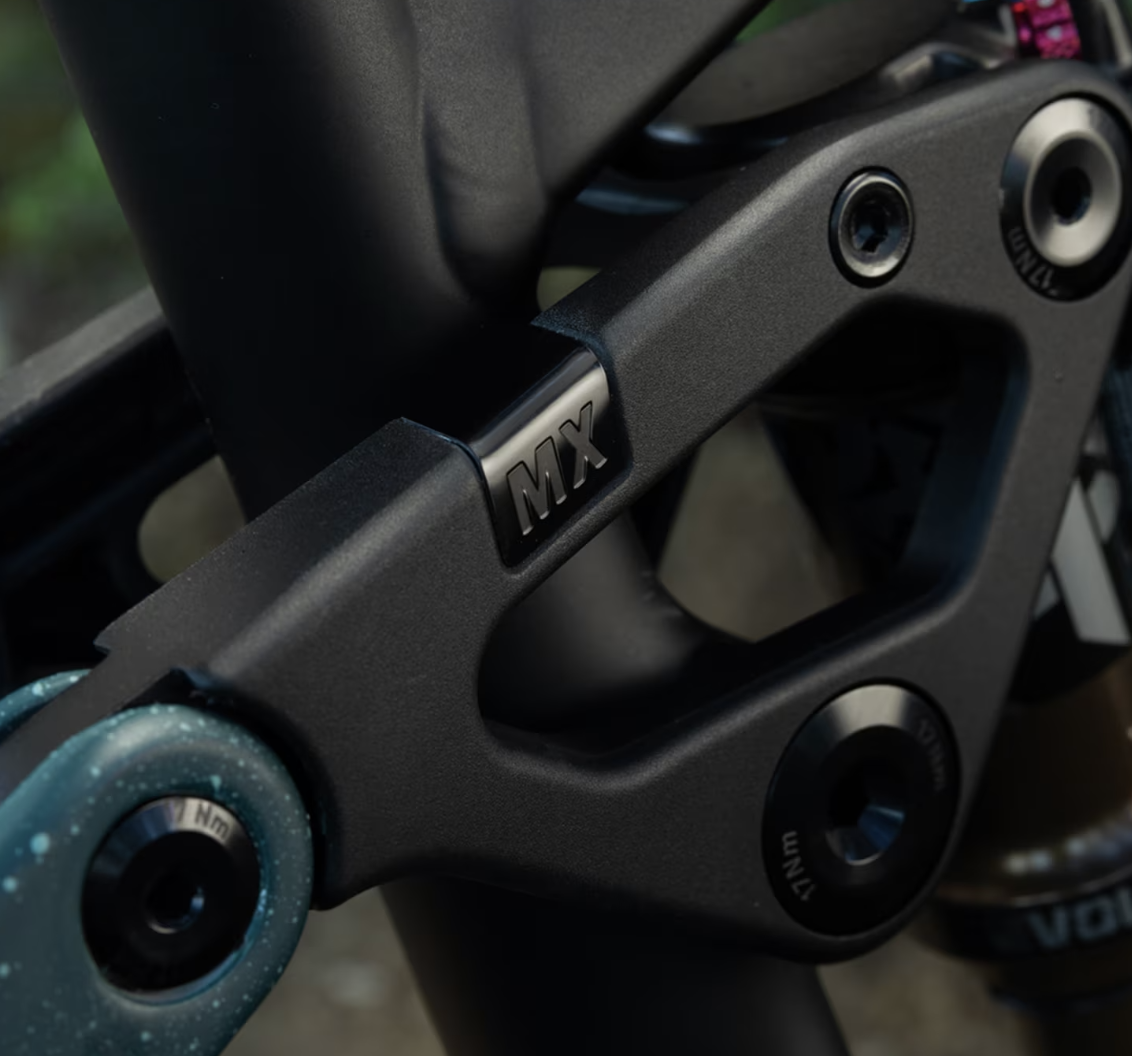
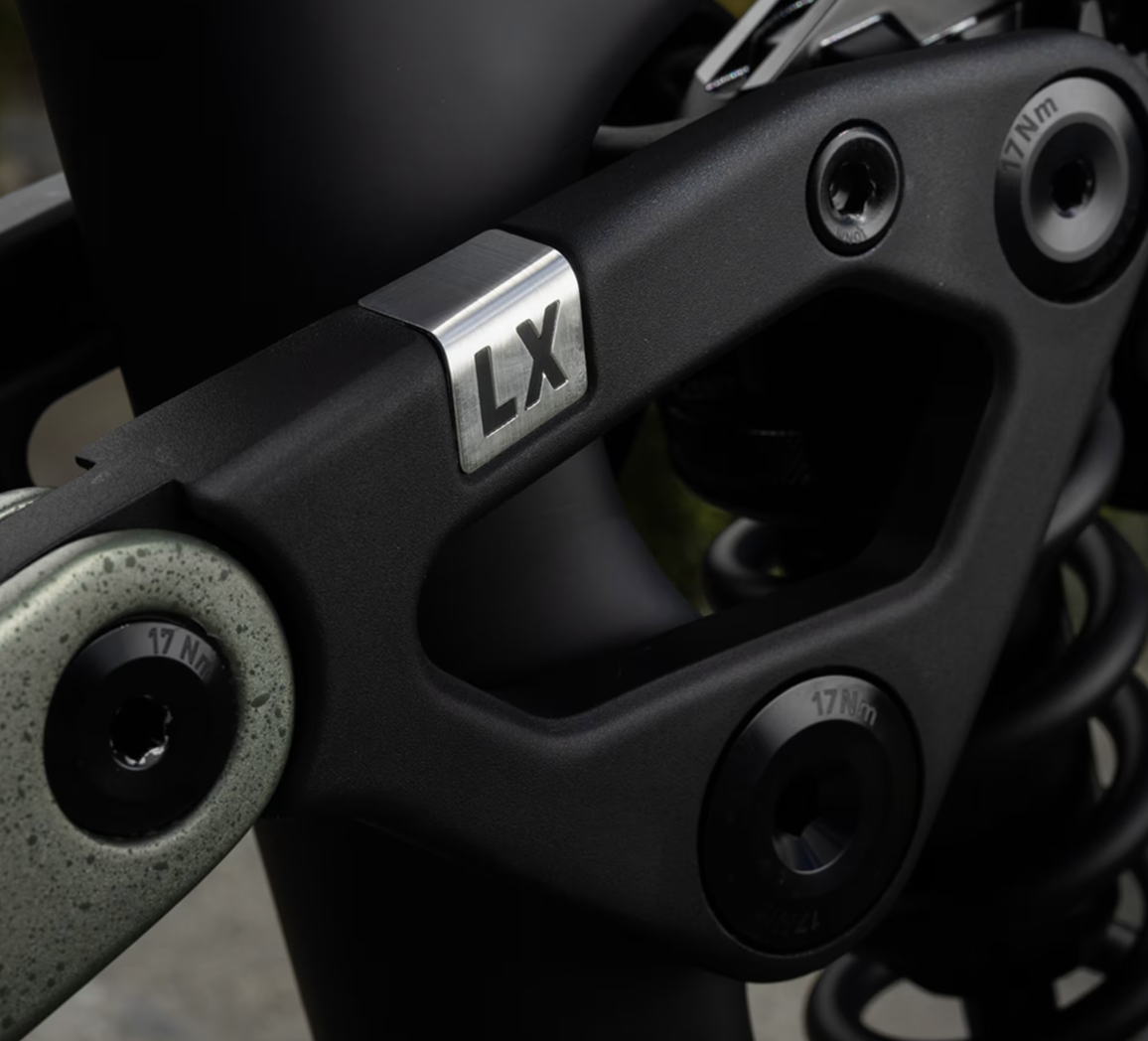
The Stumpjumper also has a 6mm taller stack than the Fuel EX, with the Stumpjumper sitting at 644mm and the Fuel at 638mm. However, switching the Fuel to MX mode and matching the fork travel increases the stack to 641mm. The Fuel platform is modular, and these changes significantly affect the geometry. For example, the swap from EX to LX changes the reach by 12mm.
Builds that are close and many options
Again, the Stumpjumper 15 EVO Expert and the Fuel EX 9.8 Eagle 90 are $6,199. But these aren’t the only options at (or near) this price.
Both of these frames are carbon, and both brands offer aluminum builds of these bikes. Trek’s lower-spec, lower-priced bikes use aluminum frames. The same is mostly true for Specialized, but some aluminum builds have better components than their carbon fiber counterparts.
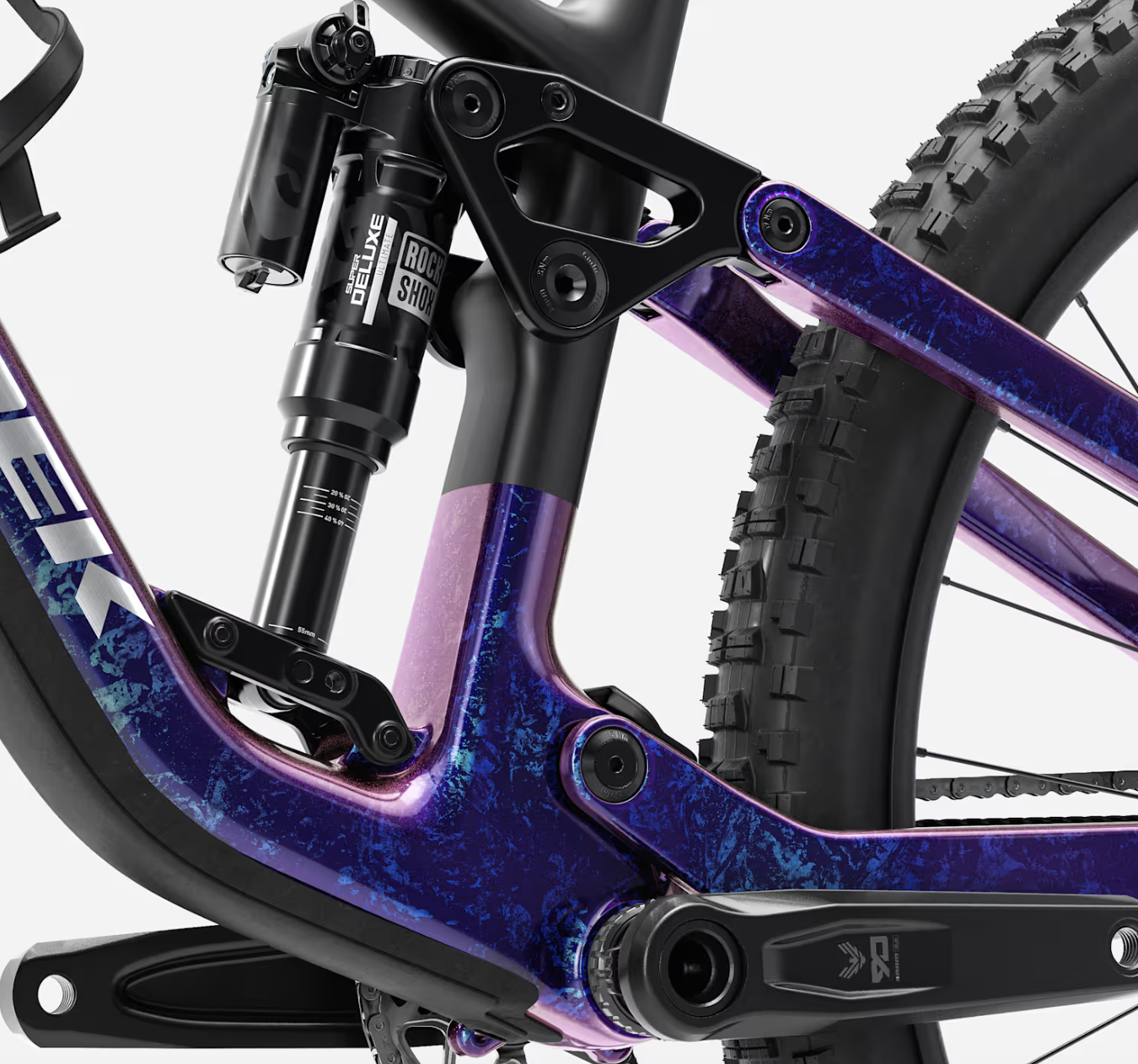
They also have RockShox and Fox options, as well as SRAM and Shimano. In this matchup, Fox Performance Elite-level suspension goes up against RockShox Ultimate-level. While the Stumpjumper mixes Fox suspension with SRAM Maven brakes, Trek pairs RockShox suspension with Mavens.
If you like batteries, the Stumpjumper 15 EVO has the edge with the SRAM GX AXS drivetrain over Trek’s Eagle 90. Both bikes get their own in-house aluminum wheels — Roval Traverse for the Stumpjumper and Bontrager Line Comp for the Fuel EX. Trek wraps those wheels in Maxxis tires — DHR and DHR, front and rear — while Specialized uses its own Butcher and Eliminator tires.
Frame features
Both Trek and Specialized pack plenty of features into their bikes. Many of those features appear on both frames. Both have internal frame storage, tidy internal cable routing, UDH, and mixed wheel capability. Both can also use angle-adjustable headsets if desired.
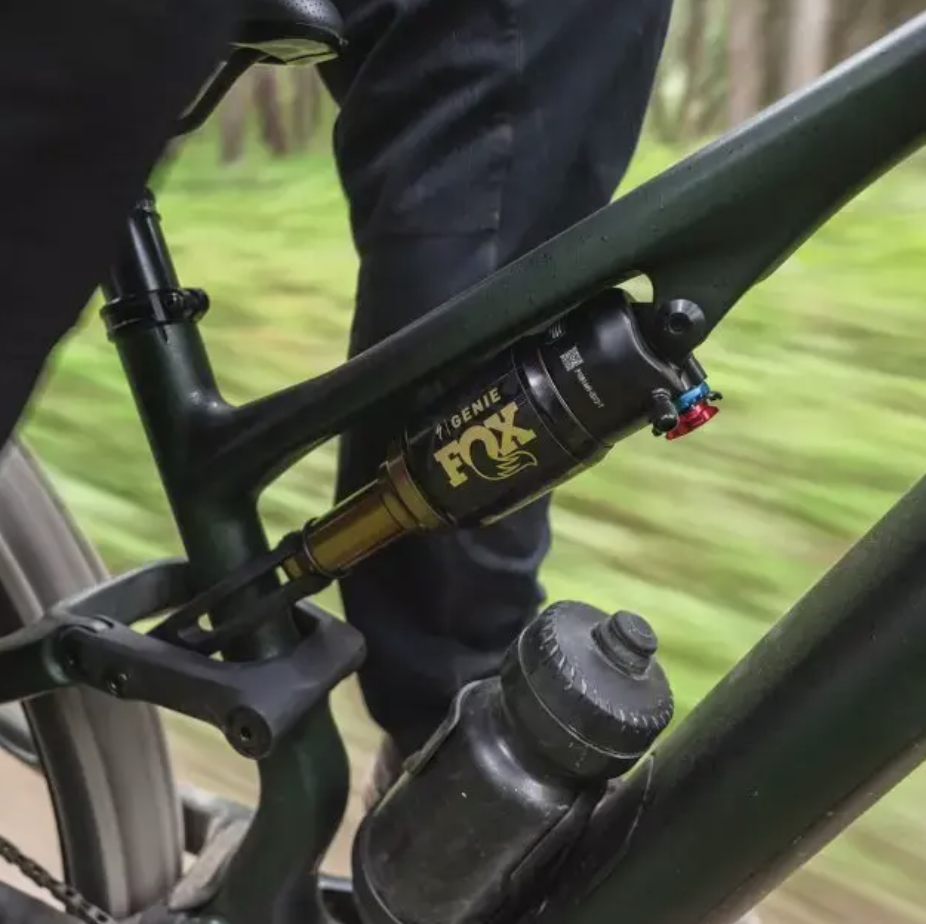
Specialized uses its proprietary Genie shock, which delivers an incredibly supple initial stroke, good support through the middle, and solid bottom-out resistance. Trek tries to do something similar with a progressivity flip-chip at the lower shock mount. Swapping from more to less progressivity changes the leverage rate by roughly 5% and works well with both air and coil shocks.
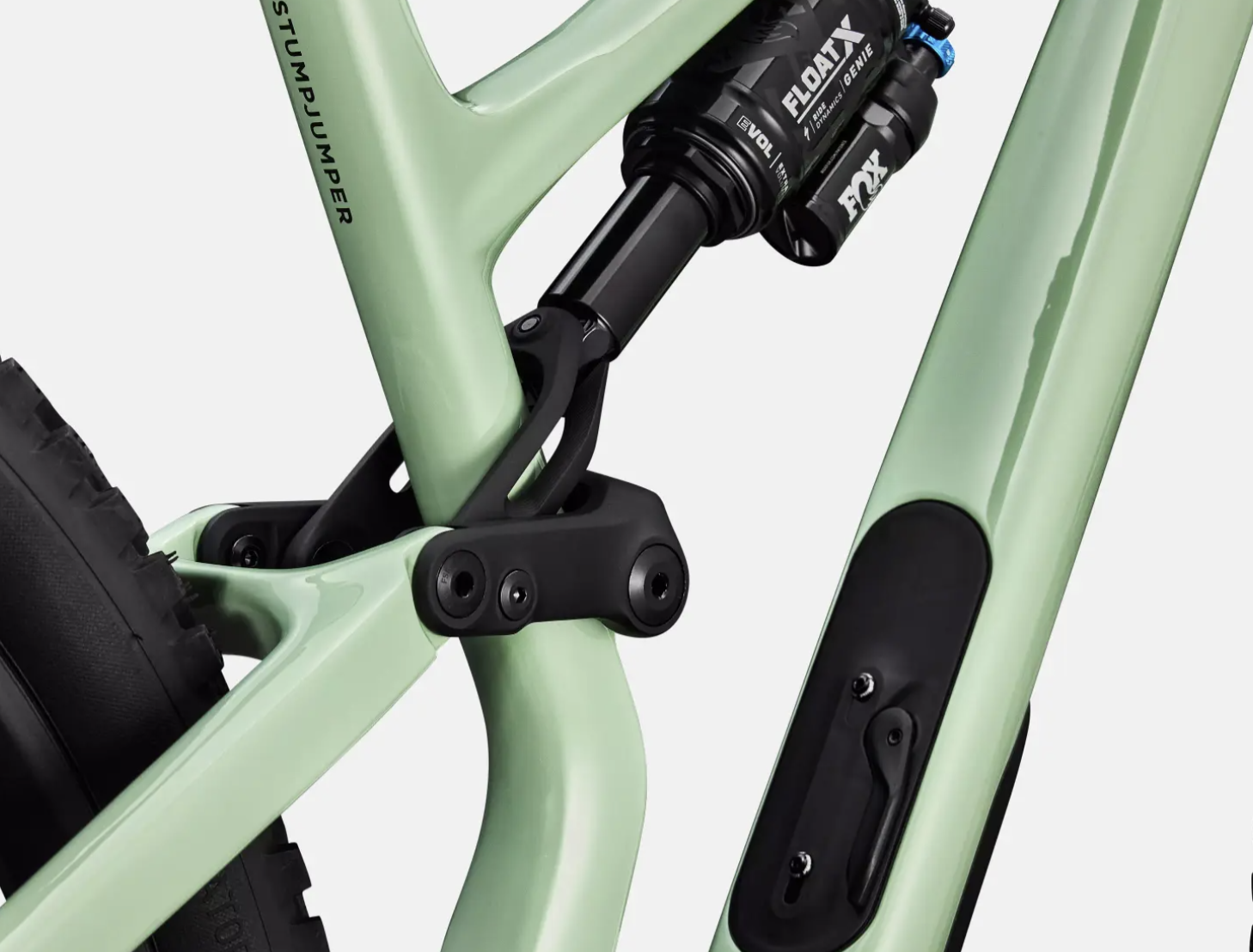
The Stumpjumper’s high/low flip chip adjusts the bottom bracket by 7mm and the chainstays by 6mm. Both bikes have size-specific chainstays, with the Stumpjumper growing from 430mm to 445mm as frame size increases. The Fuel increases across its five frame sizes, from 437mm to 452mm.
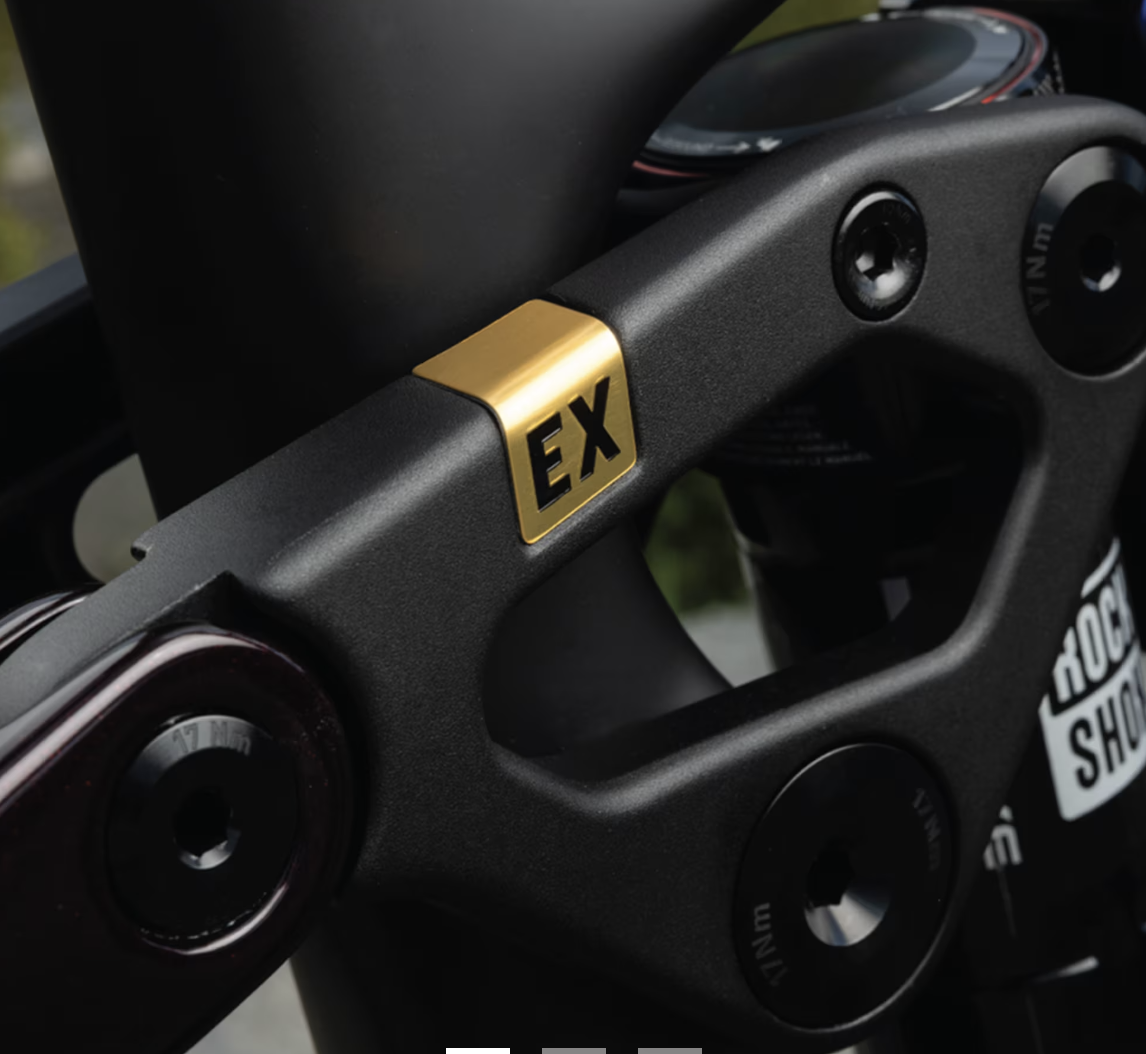
And we can’t forget that the Fuel EX has another trick up its sleeve — it can be many different bikes. With different wheel sizes, shock progressivity, and a 20mm suspension travel range, the Fuel can be anything from a sporty, dual 29er trail bike to a full-on enduro sled.
The bottom line
While the Specialized Stumpjumper 15 EVO might seem more capable than the Trek Fuel EX, it still has the Fuel MX and LX to contend with. At the same starting price, multiple bikes in one seems like a pretty good deal. But then again, it is hard to beat such a capable classic like the Stumpjumper.
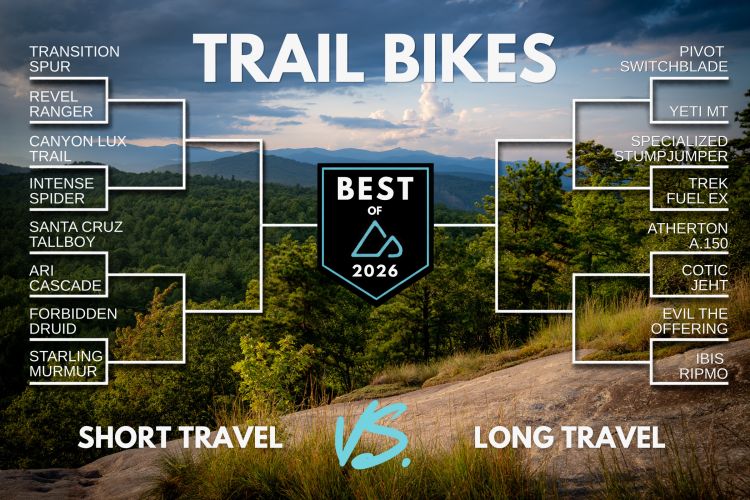
Let us know with your votes which bike is moving on. The winner advances to round two on November 14 to face either the Yeti MT or Pivot Switchblade.
The news stinks. Why not follow Singletracks on Google News to bring more joy to your day?




0 Comments