

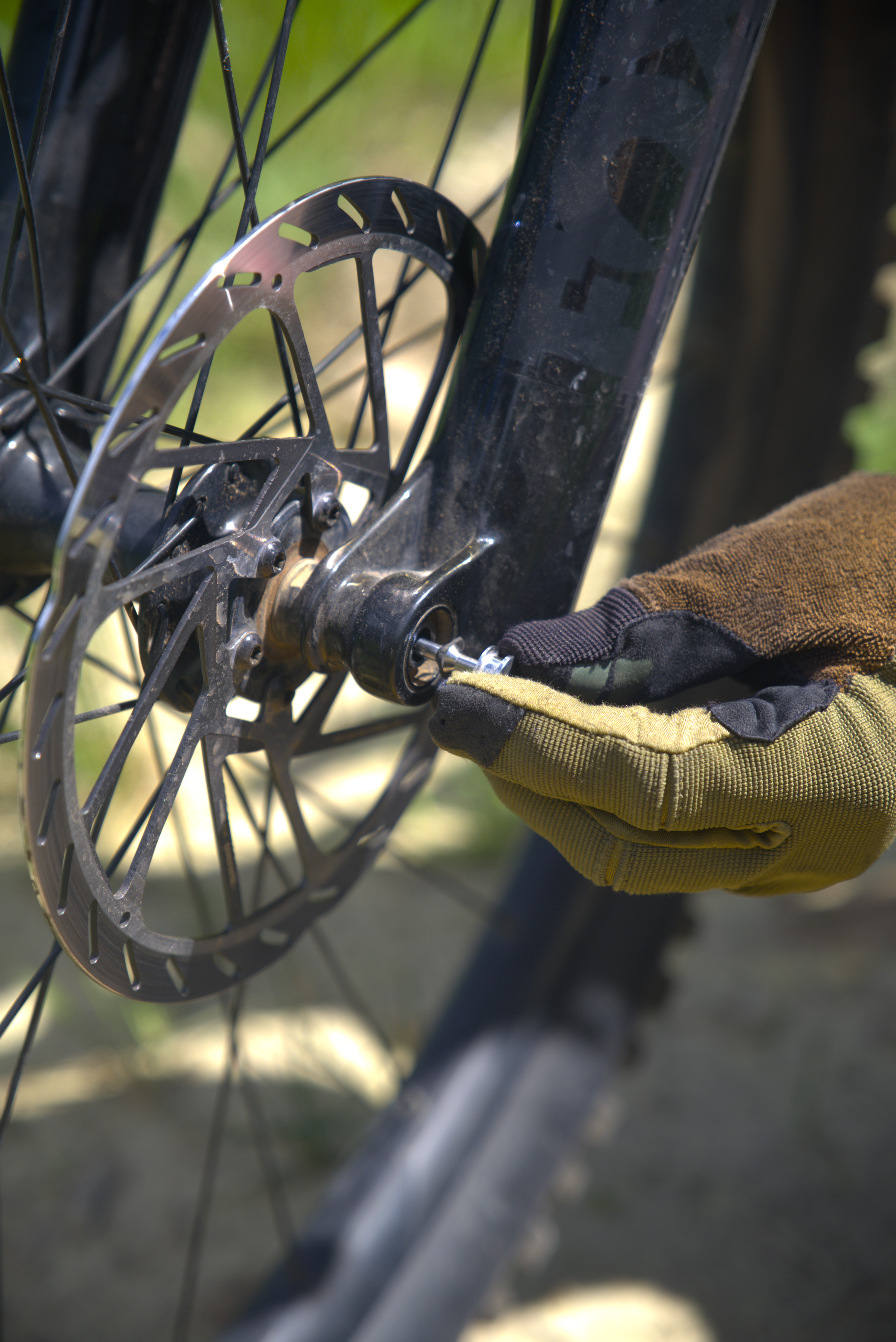
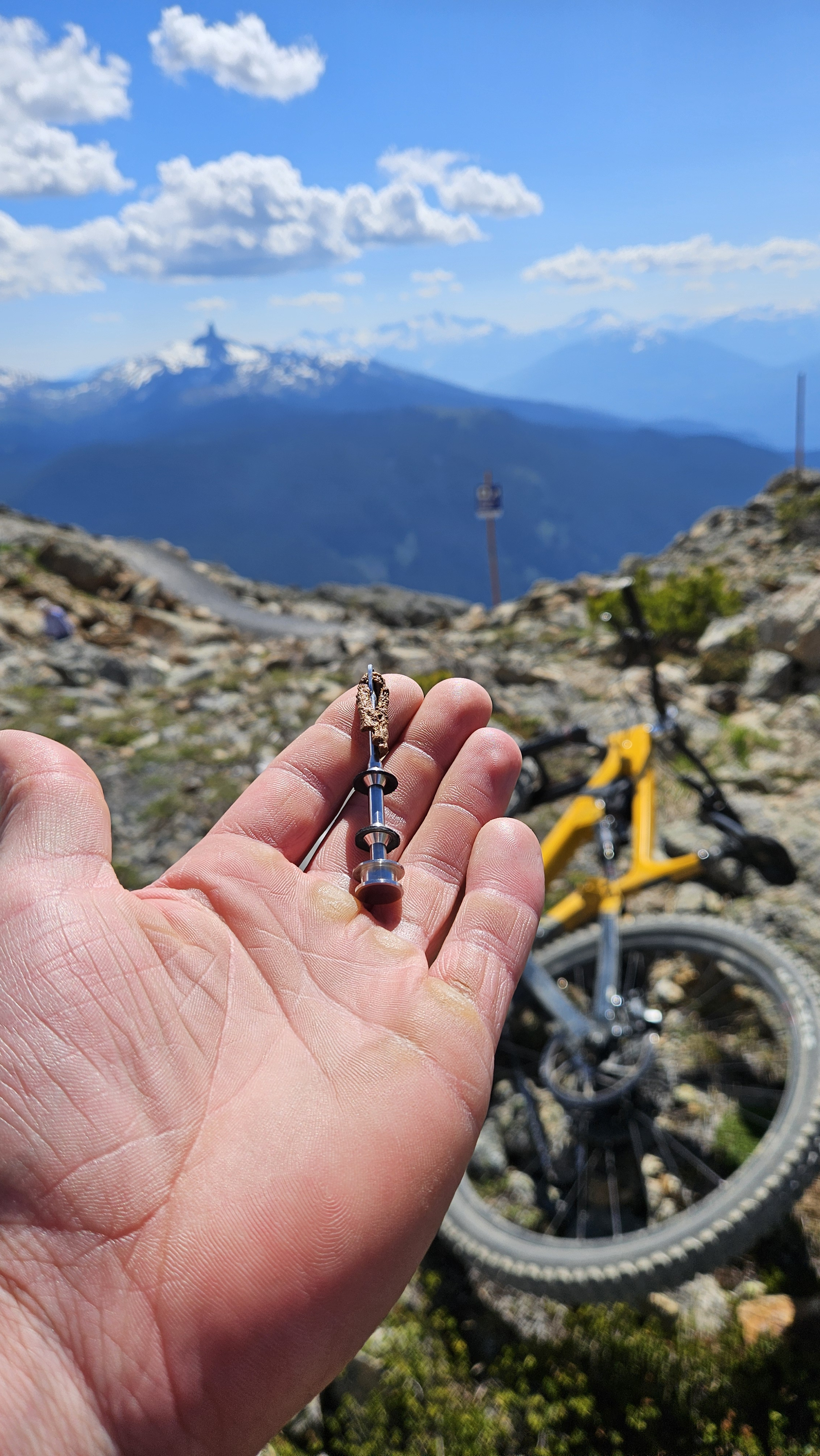
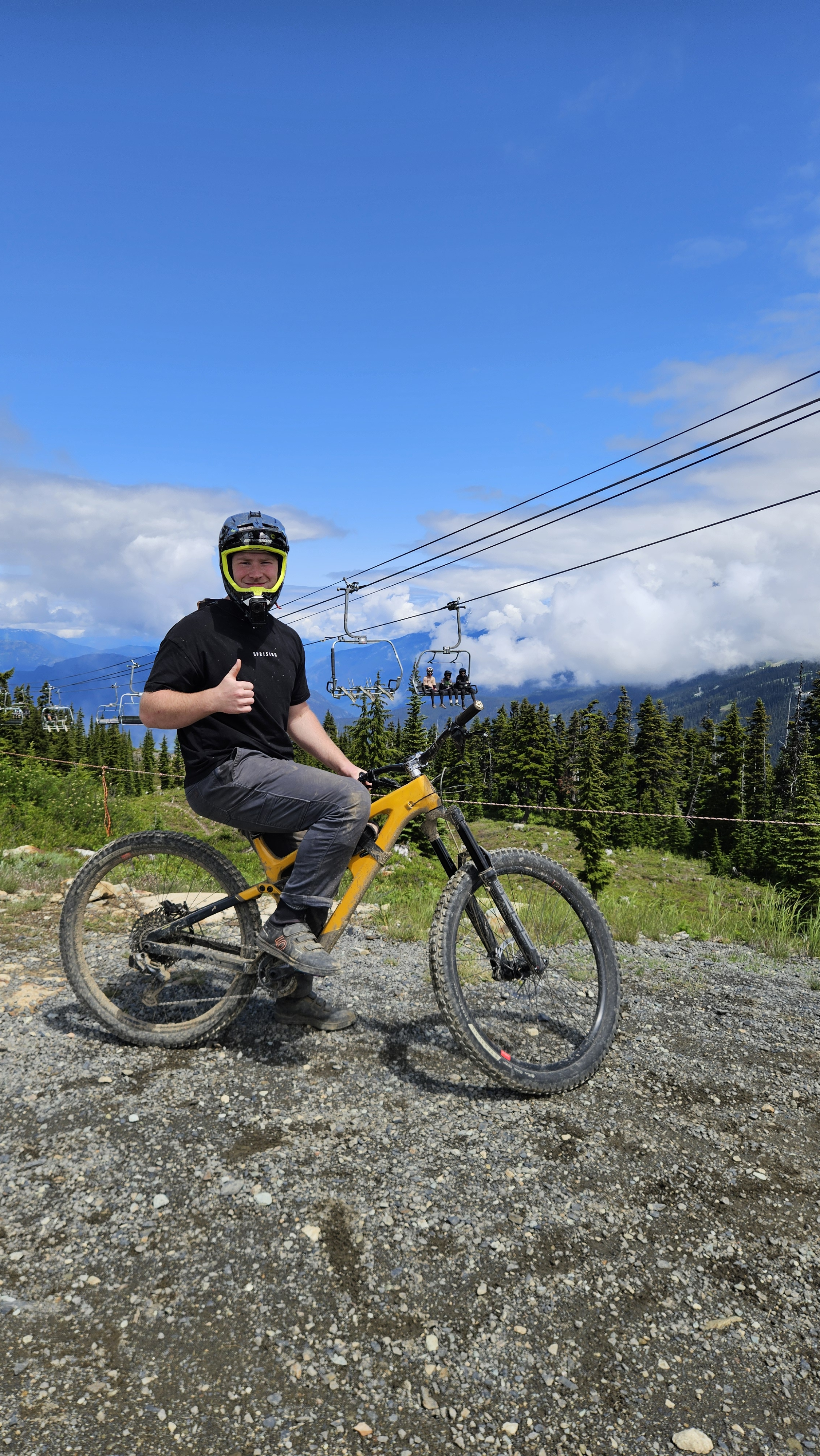
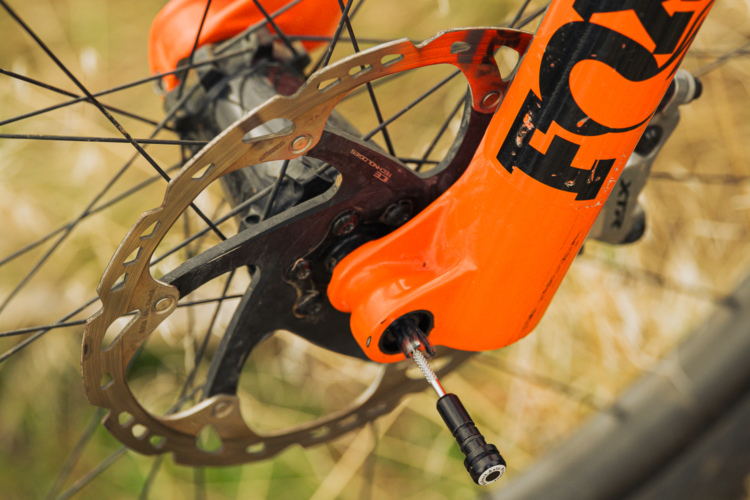
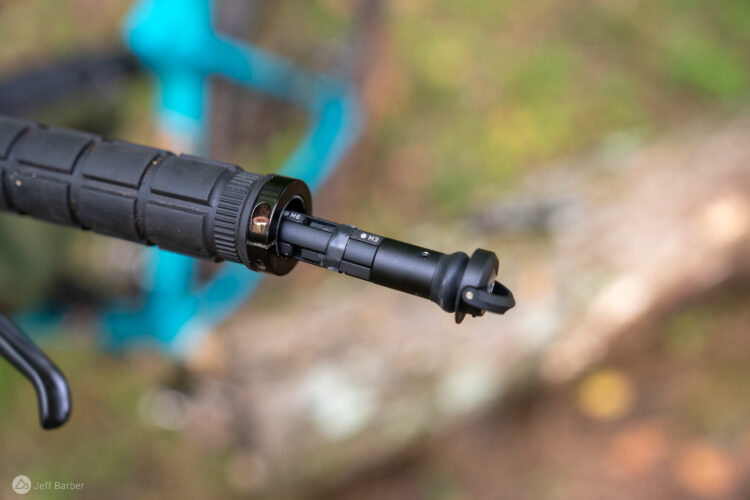
Sam Garrett is a teenage mountain biker and inventor living in Rapid City, South Dakota. He was recently awarded a design patent for a tubeless tire plug tool that fits inside a standard mountain bike thru axle.
- How did you get into mountain biking?
- When did you start wrenching on your own bike?
- Why did you decide to create your own tubeless tire plug tool? What did you think you could improve about existing tire plug tools?
- Walk us through the process from idea to finished product. What were the biggest challenges along the way?
- Why did you decide to call it Every Rider’s Must (ERM)?
- What have you learned about patents? Why go for a design patent instead of a utility patent?
- What did you think when you saw the Robert Axle Project tire plug tool that also fits inside a front axle? What makes the ERM different?
- Do you have any tips or tricks for making fast and effective puncture repairs on the trail?
- As a young rider, what’s your outlook on the sport of mountain biking? Which aspects of mountain biking get you and your friends stoked?
- What’s next for Garrett Dynamics? Are you looking at creating new products?
Learn more about the ERM at garrettdynamics.com.
This episode is sponsored by Greater Sandpoint Chamber of Commerce.
If you’re looking for your next mountain bike destination that offers just about everything, put Sandpoint, Idaho at the top of your list! The Lower Basin trail system serves up world-class riding through towering timber and across massive granite rock slabs, with trails for every rider — from technical black-diamond descents to fast, flowy cross-country loops.
For excellent park-style riding, head up to Schweitzer Mountain Resort with dedicated downhill trails and e-bike access to more than two dozen trails. Or pedal from town to the Pine Street Woods trail system, where the trails range from flowy to technical.
When you’re ready to take a break from the trails, Lake Pend Oreille is right there for camping, boating, swimming, or even standup paddleboarding. And after a big day outdoors, head into the town of Sandpoint, where you’ll find a great selection of bars and restaurants to relax and refuel.
Get all the details to plan your perfect getaway at visitsandpoint.com. The trails and the good times are waiting for you when you Visit Idaho!
Support this Podcast
- Review the Singletracks podcast on Apple Podcasts or drop your feedback in the comments below!
- Make a donation to help sustain future episodes.
- Become a Singletracks Pro Supporter.
Never Miss an Episode
- Listen on Spotify
- Listen on Apple Podcasts
- Listen on Google Podcasts
- Listen on Stitcher
- Listen on Overcast
- Get the RSS Feed
- View all Podcast Episodes
Automated transcript
Jeff Barber 0:00
Hey everybody, welcome to the Singletracks podcast. My name is Jeff, and today my guest is Sam Garrett. Sam is a teenage mountain biker and inventor living in Rapid City, South Dakota. He was recently awarded a design patent for a tubeless tire plug tool that fits inside a standard mountain bike through axle. Thanks for joining me, Sam.
Sam Garrett 0:23
Yes, thank you, Jeff. I really appreciate it.
Jeff Barber 0:25
All right, so you’re 19 years old, is that right?
Sam Garrett 0:29
Yes, 19 right now.
Jeff Barber 0:31
So you’re 19 years old. How did you get into mountain biking?
Sam Garrett 0:37
So I was actually really wanting a new bike for my birthday, and…
Jeff Barber 0:41
Which one?
Sam Garrett 0:44
Probably 13, maybe. I was like, Mom, Dad, I really want the bikes at Walmart, because they have two shocks on the full suspension, you know, they look cool,
Jeff Barber 0:55
Yeah,
Sam Garrett 0:56
But my parents were like, you know, these bikes that Trek makes, and they’re at shields, like, oh, they’re, they’re better. I know they don’t have the shock in the back, but you know it’s a lot better bike. And then I watched, so I got that. I was like, yeah, this is sick. And I watched a Jordan Boostmaster A-line video, first every video I watched, I was like, ‘Dang, okay, I want to do this. Yeah, so yeah, and I went out, got my butt kicked, and kind of fell in love with there.
Jeff Barber 1:31
Yeah, that’s cool. I mean, what were you riding? Did you have like trails nearby, or were you just like messing around, you know, people’s yards and in the street?
Sam Garrett 1:39
Yeah, I messed around yards and street, and then there was a lot of beginner trails, like around here. So, okay, it’s really good. Then I started from that. I volunteered at our local bike shop when I was 13.
Jeff Barber 1:54
Oh, wow,
Sam Garrett 1:55
Just because I wanted to be in the industry, and kind of worked there ever since.
Jeff Barber 1:59
Yeah, cool. Yeah, I was gonna ask you. I mean, so you started when you started writing when you were 13. It sounds like I’m curious. So, and then it sounds like you, you started working on bikes almost immediately. I mean, I think that’s that seems kind of rare. Like, a lot of kids, when they first start out, like they have a parent or somebody who’s like, you know, maintaining the bike and taking care of it, but it sounds like you were kind of from the beginning, you were working on your own bikes, is that right?
Sam Garrett 2:27
Yeah, I’m pretty like blessed to have kind of like a mechanical background, so my parents would always give me, you know, Lego sets and stuff.
Sam Garrett 2:36
I got into Legos a ton, and then RC cars, it’s like rebuilding them, electronics, just everything to do with those. I was just looking for the next thing to work on, you know. There’s four wheelers and bicycles.
Jeff Barber 2:53
Like, what kind of repairs were you doing, like, you know, back then? Were you doing like just changing tires, or are you getting into more complicated stuff than that?
Sam Garrett 3:04
I think I was trying to get into more complicated stuff, but you know, I always end up not knowing what I’m doing, and then breaking something.
Jeff Barber 3:12
But it’s a good way to learn.
Sam Garrett 3:14
I always, always kind of tear it down too much and try to put back together, but most of the times it wouldn’t go back together, a lot of learning.
Jeff Barber 3:24
Rght, that reminds me of being a kid, that’s definitely how I started off to take stuff apart and then be like, oh shoot, I don’t remember how that went together, or I wasn’t careful and lost half the screws, and whatever, but yeah, guess that’s how we learn.
Sam Garrett 3:40
Yeah, exactly.
Jeff Barber 3:41
So tell me, why did you decide to create your own tubeless tire plug tool? What did you think about, like, had you tried a bunch of other tools? Like, what were you kind of looking at at that time?
Sam Garrett 3:53
It was honestly totally on accident, because I first had, like, a standard tubeless tire plug tool that would carry around, because I just got tubeless tires. I was like, gosh, I want to weld this on a bolt and put it in my top cap, like down the steerer tube.
And so this first design right here is a bolt welded, and I wrapped tape around it.
Jeff Barber 4:23
Did you weld it yourself?
Sam Garrett 4:24
Yeah, so I welded it myself, and then threaded it, yeah, just into the top cap, but you couldn’t put a bacon strip on it, because it, you know, wouldn’t get past the threads, couldn’t unscrew it fast. Then I was just looking around on my bike, I’m like, okay, this axle right here has a perfect hole in it.
So I just fit it in. It was like, how much tape do I need to put on this for it to fit in snugly? So I wrapped tape on it. Fit in perfect. I’m like, okay, that’s cool, but I did nothing with it for like three years.
Jeff Barber 5:06
Oh, wow. Did you ride around with it, though? And, like, that was your tool that you were using yourself?
Sam Garrett 5:13
Yeah, yeah, I had it on my bike for, yeah, the entirety of that time. So, like, three or four years, I’ve just been sitting there, I’ve been using it. But I didn’t really have.. I didn’t really want to be an entrepreneur. So it just sat there for a while.
Jeff Barber 5:33
Yeah. Well, what changed your mind? What made you decide, like, I actually.. I do want to be an entrepreneur?
Sam Garrett 5:41
I kind of started getting into like self improvement and like the gym and realizing that maybe there’s something more out there, not like yeah, I kind of just wanted something different, you know.
Jeff Barber 5:58
Okay.
Sam Garrett 5:59
Maybe not a normal, maybe not a normal job, and just see what I can make for myself. Yeah, and then I finally started just thinking about patents and stuff like that, and how to sell it, and how many bikes actually use a through axle with an open hole in it. So just a lot of thinking.
Jeff Barber 6:22
Yeah, I’m sure, a lot of research and work, and yeah, I want to ask you about, like, the patent process and all of that stuff. I’m curious about, you know, I’ve tested a ton of different tubeless tire plugs and tools, and it seems like there’s like new ones coming out all the time. Yours uses, you know, just kind of the basic, like, you know, what bacon strips, some people call them, I mean, they’re just like strips of rubber, and then you have, like, kind of a needle that you, that you thread it through. What is your experience with that type of plug? Because I’ve heard some people are like, I mean, some people, myself, I love that style, it’s simple for me. It works really well, but then some people like Dyna plug, some people like stands, you know. Did have you tried any of those other ones? Like, what made you want to really focus on sort of this, this like more basic style of tire plug?
Sam Garrett 7:18
Yeah, I have used a lot, but I realized pretty much every single plug on a slice in the tire, you know, almost nothing going to plug that. And where I am, the most common type of puncture is just like a tiny, tiny puncture, but it just squirts out all the sealant.
Jeff Barber 7:41
Yeah, like it just doesn’t stop leaking.
Sam Garrett 7:44
Yeah, so like really small holes, not necessarily big gashes, and the usual one that I’d use is just that bacon strip, you know, going in that had great luck for me, and I’ve seen great luck with other people using it too, but yeah, Dynapugs is a great, like, method, you know, holding the entire thing in, yeah, that’s pretty cool.
Jeff Barber 8:10
Well, with the with the rubber strips, like you’re using, too, I mean, I guess a lot of people don’t know you can, you can like twist a couple together if you’ve got a really big hole or there’s like different sizes of them, but yeah, like you said, like a gash or a tear, really, on any part of the tire, that’s that’s not something a plug is usually gonna do, you better, better have like a tire boot or something like that.
Sam Garrett 8:34
Yeah, like a patch in the inside.
Jeff Barber 8:37
Right. Well, so walk us through kind of the process that you went through, from, you know, having this idea to finally having a finished product. I know you, you made the first, like, prototype yourself, but now you know I’ve seen your tool online, it like it looks super slick, like very well refined, and like a really nice tool. So, like, walk us through that process. How did you, how’d you get from A to B?
Sam Garrett 9:07
Yeah, so you know, the first design was just a bolt. Then I was like, maybe I should buy a lathe. I looked at a lathe, and like, that’s insanely expensive, so time consuming to make it, so I was kind of left out of the picture. These are actually, I know this is probably podcast, but some of my first drawings.
Some of my first drawings are just using two kind of rubber grommets to hold it into the axle. And then I made a first kind of prototype using that design. I had a friend in Arizona, a family friend who actually owned a machine shop, so that’s really lucky. So I just sent him literally drawings to no like CAD or anything. And then he just machined it for me. I took it home and welded just the tip of a normal plug tool on it.
And that was my first kind of real design, like kind of where I want to go. Show you which one that is, that that middle one, so pretty rough, but then you know, I took the drawings, put it into CAD, made yes, the more refined version of it had it 3D printed at first.
Jeff Barber 10:39
Okay, like out of plastic or something?
Sam Garrett 10:42
Yeah, just out of a normal filament, like nothing too strong, but just to prove that it’ll fit an axle and pull out just fine. And then started looking around at manufacturers. It’s kind of crazy, the prices like here in the US.
I wanted it out of stainless steel, you know, to prevent corrosion and stuff. Oh my gosh, I got quotes for like $150 like making two of them.
Jeff Barber 11:12
Each?
Sam Garrett 11:13
Yeah, yeah. I’m sure it would go down if I order more, but I’m like, geez, I don’t know, that’s really expensive.
Then I started looking for manufacturers in China, realized it’s a lot more affordable, you know, I could get somewhere, but still a challenge is just making them cheap. Yeah, just because manufacturers for this type of tool, you can’t just use a lathe because of the tip on it, so you need to take out of the machine, use a different like CNC machine for that. So that just ups product costs a lot. But still trying to find methods to get it down, but that’s kind of how I went about it, and then obviously made little design changes along the way with my manufacturer.
Jeff Barber 12:10
Yeah, okay, cool. So, your company or your brand is called Garrett Dynamics, and I guess this tool, this is your first product, still your only product is that right?
Sam Garrett 12:22
Yes, yes, right now, yeah.
Jeff Barber 12:24
And the tool itself is called, I believe, that Every Rider’s Must, the ERM. How’d you come up with that name for it?
Sam Garrett 12:33
I took OneUp EDC, the everyday carry. It’s a twist on that, so Every Rider’s Must versus everyday carry. Hopefully I don’t get in any trouble for that.
Jeff Barber 12:54
Yeah. Well, right. I’m sure people are going to abbreviate it. It’s going to be ERM. Well, I mean, but what makes like a tubeless tire plug tool a must, in your opinion?
Sam Garrett 13:07
It’s something that you just forget that it’s there, you know. It always lives in your axle, you don’t even need to pull it out to remove your axle, just always lives there. You forget about it, doesn’t add like almost any weight to your bike. It’s totally a thing that you install it once, and then you just wait until you have to use it. I mean, I think if you have a 15 millimeter through axle, an XC bike trail enduro, it’s a must, you know? If it fits in your bike and you have tubeless tires, you never know when you could need it.
Jeff Barber 13:44
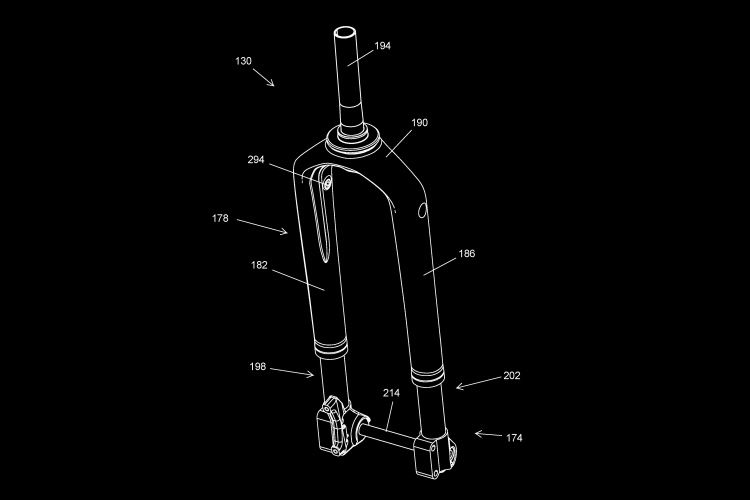
Yeah, that’s great. So, tell us, you know, you mentioned that you have patented this invention, this design. What have you learned about patents? Like one of the things that I think maybe not everybody’s familiar with in the US is that they’re they’re at least a couple different types of patents. There’s a design patent, and then there’s a utility patent. So, and you, I believe you have a design patent for the ERM, is that right?
Sam Garrett 14:17
Yeah, and I’m getting my utility. It is in the stage right now of getting it.
Jeff Barber 14:23
Oh, wow. What’s the difference between the two?
Sam Garrett 14:28
Design is just how it looks, how it’s shaped. And then a utility is how it fits with a different item, you know, mechanism almost. So a utility would cover my rubber grommets, which are actually made of just inner tube, so that’s a fun fact. But yeah, the utility covers the rubber grommets and how it actually fits in the axle, and then the design patent just covers, you know, the cone shapes. How it holds the rubber grommets, that sort of thing. And so that makes a design patent way cheaper, but if you’re getting utility, it’s almost no added cost to submit a design patent.
Jeff Barber 15:17
Oh, I see.
Sam Garrett 15:17
So, I, yeah, my main goal is the utility. I submitted the design patent. Design patent got approved, and now I’m just waiting. The utility pending right now.
Jeff Barber 15:29
Okay, I see. Were you doing this on your own, or did you work with a lawyer? Like, how’d you figure all this out?
Sam Garrett 15:36
No. So, I got a job at a Strider Bikes. I don’t know if you know those likes for kids.
Jeff Barber 15:41
Yeah.
Sam Garrett 15:42
And I’m friends with the owner, and he took me into his office, convinced me that I should apply for a patent, because at first, like, ah, I don’t know, so much money, a lot of work. The ROI isn’t really clear. But he got me in touch with his lawyers down in Omaha, Nebraska. So, I’ve been working with them mainly. Then I realized just how expensive, you know, lawyer fees are, and patent stuff is. I’ve been working with them for about two years now.
Jeff Barber 16:18
Okay. Cool. Awesome. Well, so last year I believe Robert Axel project released their own tire plug tool that fits inside a through Axel, and you know, like you mentioned, you had been working on this, or you had, like, first made your prototype several years ago. So, what did you think when you saw their, their product, were you like surprised? Were you like upset? What were you thinking when you saw that?
Sam Garrett 16:48
I was a little disgruntled.
Jeff Barber 16:50
Yeah, yeah, it’s got to be frustrating.
Sam Garrett 16:54
Yeah, it is a little frustrating. Same sort of design too. I mean, they use a rubber O ring to hold it in their axles, and it’s not universal either. It fits their axles only.
Jeff Barber 17:06
Key difference.
Sam Garrett 17:09
Yeah. So, yeah, I was just really interested, and I was hoping that my patents would approve, then obviously, don’t want to go after them in any negative way.
Jeff Barber 17:26
It would be expensive too, even if you did go after them, you’d have to…
Sam Garrett 17:30
It’s crazy.
Jeff Barber 17:31
Another lawyer.
Sam Garrett 17:32
Yeah. So I’m thinking about, you know, a license with them. I’ve got to be careful what I say, but right, yeah, maybe, maybe a license with them, but definitely don’t want to cause any negative tensions or anything, right?
Jeff Barber 17:52
This is validation, though. I mean, yeah, I’m sure you’re frustrated, and kind of like, shoot, but also, like, wait a minute, this was a good idea, somebody else, you know, like a big company, also saw this opportunity and was like, we need to make a product like this.
Sam Garrett 18:09
Yeah, so that, that felt good. That was pretty nice.
Sam Garrett 18:15
I’m definitely gonna get in contact with them more and just work through some things, and talk, They were aware of me before they made the tool through Instagram and stuff when they released it.
Jeff Barber 18:27
We should mention your Instagram is great, like there’s lots of videos of you talking about the product and demonstrating it, and I imagine that’s, I mean, that’s got to be pretty effective, right? Like, in terms of getting people to, like, know about the product and order it. Is Instagram a big part of your sort of, like, marketing strategy for this?
Sam Garrett 18:54
Yeah, definitely. Organic, you know, posts on Instagram have contributed a lot to like sales, and that’s where I started. I started the business, kind of making content, and been making content since I was 13, you know. Had a little YouTube channel, and then it’s TikTok before that, and then started the business page. Then it kind of took off, started telling my story on there, just more personal stuff about me, you know, my age, how I thought about it, and kind of resonated a lot with people, so getting some traction.
Jeff Barber 19:34
Well, so someone who’s been, you know, using tire plug tools for quite a while now, and really thinking a lot about this as well. Do you have any tips or tricks that you can share for, like, making really fast and effective repairs on the trail?
Sam Garrett 19:53
Yeah, so the number one for me is speed.
Jeff Barber 19:57
Okay, yeah, yeah, you don’t want to let that air out.
Sam Garrett 20:00
Exactly, so I was just in Bentonville, like last year, and just got a little puncture like that, where the sealant was just squirting out and just the faster you can get to your plug and plug it, you almost don’t even have to pump it up. And then put it back, make sure it seals, you know, bounce the tire on the ground, that’s a good way, but if you do have a standard plug, like in a bag, you know, put the plug at the top of the bag, so you just unzip it fast, grab it, you know, put the plug in, but definitely just speed, if you can get to it faster, that’s the best than just making sure it seals.
Jeff Barber 20:43
One of the things that I struggle with sometimes, and I agree, like being fast is important, and actually, you know, because I’ve tested a lot of these, I feel like I’ve gotten pretty good at it and pretty fast at doing it, but one of the challenges sometimes is like actually seeing the hole, and then even when you see it, you like, how do you get the tool exactly in the hole? Like, does it matter? I wonder that sometimes, like, if you’re, you know, inserting it kind of beside the hole, is that going to do the same thing? Is it going to, like, kind of press the hole shut from the side? Like, you have any tips about that, in terms of actually finding the hole and getting, getting the plug in there?
Sam Garrett 21:26
Yeah, that’s still kind of an issue, but a lot of companies, you know, like Muck Off, has used like pink sealant now, and stands use white sealant, so it’s a little easier to see, but I definitely agree, you have to really look at the tire and just spot the hole, and you have to be directly on it, going to the side, you can get the tool in, so you have to find the find the hole, and it’ll go in, but yeah, that’s definitely, you know, something that would make you like slower.
Jeff Barber 21:59
I think I’ve used like a water bottle sometimes too, to like, you know, spray a little water, especially because, well, for one, when I’m making the repair, too, I’ll like spin the tire up, you know, so that the hole is like at the top, and at that point maybe sealants not coming out, if I’m honest, sometimes my tire sealant is dried out, and so that’s part of the issue, and so yeah, yeah, sometimes I’ll spray some water on there and look to see if I can see it bubbling up.
Sam Garrett 22:33
And just, just hearing it too, putting your finger over the hole and kind of tapping the hole to hear the air good strategry.
Jeff Barber 22:43
Well, so as someone your age, member of Generation Z, what’s your outlook on the sport of mountain biking? Like, what, what is it that, like, keeps you stoked about mountain biking? Because I know a lot of people, especially like in the industry, or even just older riders, you know, we want to see like younger people getting into mountain biking, but it, it seems like that’s that’s always a challenge. So, what, like, what has you stoked about riding?
Sam Garrett 23:16
You know, I almost stopped riding for a little bit because I got too caught up in, you know, working like a job. Just because I didn’t go to college, just went right into working. So a lot of that just took my focus away and made me forget, you know, how much fun I had in the industry, and I was kind of just working on the business, working at the bike shop too, in the industry, you know, but wouldn’t ride all the time. But yeah, now I’m starting to get back on the bike, it’s almost just a refocus that people need, definitely with screens and stuff.
And the way social media is putting things, there’s almost a trend going on social media, like get off your screens and like stop that dopamine, and like screen suck and get outside, right? Yeah, so I feel like it’s good, yeah, it is really good. I feel like it’s coming back. I feel like the industry is coming back in the right way, and obviously industry has kind of been going down, you know, a touch since Covid.
Jeff Barber 24:35
Right. Even looking long term, you know, cycling, I mean, obviously it’s been around for a long time, but it hasn’t really grown that much. There’s kind of like a core number of people who are going to be into it at any given time, but that that’s kind of been flat, like if you look at the long term, and so yeah, I’m always interested. I mean, do you see people like your a. Age that are getting into the sport, like, how are they even getting into the sport?
Sam Garrett 25:07
I definitely do still see people my age getting into the sport. Yeah, it’s kind of just on the parents, maybe like millennials who are having kids now.
Jeff Barber 25:24
Because it’s an expensive sport.
Sam Garrett 25:26
For sure.
Jeff Barber 25:27
I agree with you too. I see a lot of that in terms of like parents introducing their kids to the sport, and I know for like my own kids, they are influenced by what they see on YouTube and social media, and so you know if, if they see people biking and it looks cool, like they’re gonna want to try it, and so yeah, I’m wondering if you see that among like folks that you know as well?
Sam Garrett 25:57
Yeah, I think I do. It’s kind of a hard, it’s a hard question.
Jeff Barber 26:07
Right, I’m asking you to speak for your entire generation. So, yeah, what could go wrong?
Sam Garrett 26:11
Yeah, but you made a good point about how expensive it is. I think a lot of parents, you know, in this economy you don’t have the most amount of money to spend on, you know, recreational stuff. So, I think more affordable sports, you know, baseball, football, basketball, stuff like that, it’s a lot easier for a parent to persuade their kids in that direction,
But on the flip side, you know, if you ride mountain bikes and get into biking, you don’t have enough money for alcohol and drugs.
Jeff Barber 26:48
Tie up all your money and bike stuff.
Sam Garrett 26:53
Exactly.
Jeff Barber 26:54
Well, so tell me, what’s next for Garrett Dynamics? Are you looking at creating new products, or are you focusing on growing sales? How do you like balance those two things, like at this stage in your company?
Sam Garrett 27:09
Yeah, so I was.. I actually just quit my full-time job on Monday. I put in my two weeks.
Jeff Barber 27:18
Congrats.
Sam Garrett 27:18
So, yeah, I’m excited. I kind of.. it was hard to prioritize, you know. I have a lot of things going on, and I started just saying yes to almost everything, and realized that’s not how you grow a business.
This gives me just no time to work on the business when I’m working, you know, full time of like projects on the side, I’m into, you know, trucks and stuff, so working on that stuff. I definitely lost focus, you know, and time working on the business, and I watched, watched my business kind of start failing, you know. I watched the sales just decrease steady as I wasn’t making as much content, and it just kind of built up in my head. Nashville has got to do something about it.
I started saving a lot of money, so I can make this jump. So I made the jump, quit my job, and can work on the business full time, and then work at my local bike shop, just on the weekends, just keep relationships, keep in the industry.
Jeff Barber 28:30
Yeah, that’s cool. Well, I imagine, too, like working in the bike shop, where you’re getting ideas for other products, and like seeing problems that the bikes have, and people have with their bikes and stuff like that, seems like that would be a really good thing to stay up on.
Sam Garrett 28:45
Yeah, definitely got so much positive reinforcement, you know. When I started the business, people in the bike shop, you know, they loved my tool, so I’d like to sell it to them, and they’d be like, oh yeah, this is sick, man. So yeah, that’s really good, and then they’re a big reseller, so they sell a lot of my tools, so that’s really nice. So, yeah, I think it’s important to keep, keep those relationships, you know, working.
Jeff Barber 29:14
Yeah, yeah. So, do you have you thought of other products? Is that something that you might do in the future?
Sam Garrett 29:21
Yeah, I have some, some new ones coming. I think the biggest one of the biggest issues with my product right now, people don’t know if it fits their bike, and it doesn’t fit every bike. You need a 15 millimeters through axle, and it has to be, you know the right size hole or like in the range, like a range of it.
Jeff Barber 29:44
How many different ones? I mean, I’ve never thought about it, but you know, I mean, most people either have a fox or rock shocks, so among those forks, are the axles different?
Sam Garrett 29:58
Yeah, so. It’s hard because every company makes different internal diameters of the axle, so that makes it hard.
Jeff Barber 30:07
It actually comes with the fork, right? And there’s really just two big fork manufacturers, and so are those fork manufacturers using different axle sizes across their forks?
Sam Garrett 30:21
Yeah, I found tons of different sizes of the internal diameter, so I went through the shop and measured, you know, every fork that I could find. And even just a year that the bike was produced, Fox 36 from 2021 then Fox 36 from 2024 or like two, it’s just slightly different, and it matters if there’s a quick release on the through axle too because in that cse, it’s actually a closed hole on one end, so it’s so difficul. I ahve a list on my website of forks that’ll fit.
Jeff Barber 31:02
Yeah, and people don’t even know. I mean, most people are running the fork that came with their bike, and they don’t know what year or even what model it is a lot of times.
Sam Garrett 31:11
Yeah, exactly, but I have people insert a number two pencil into their axle, and if it goes, you know, up to the letters across the text, then it fits, so that’s an easy way that I found to like the diameter.
Jeff Barber 31:28
Is the depth of the thing that’s going to limit it?
Sam Garrett 31:33
Um, diameter mostly, but I have seen a couple forks, it’s like, oh, that’s weird, you know, doesn’t insert all the way, So, depth is a factor too. But circling back, that is the main problem with it. You know, sometimes it’s hard to find it if it fits your bike. And you know, trimming to have to trim the rubber, or else it’s a too tight of a fit. Okay, so that’s a big sticking point for people like nobody really wants to take the time to do that. They kind of just insert it.
Jeff Barber 32:11
They’re worried they’re gonna mess it up, maybe. But, but is it literally like inner tube? Like, if I messed mine up, could I just cut out a new little disc out of a piece of inner tube?
Sam Garrett 32:20
Yeah, I use this this press right here just to cut them out of inner tube that I have.
Jeff Barber 32:25
That’s cool,
Sam Garrett 32:26
I insert it, but I’m making a design or tool right now that integrates the ERM into a different spot on the bike. I have to keep it a secret right now.
Jeff Barber 32:40
I can only imagine all the different holes!
Sam Garrett 32:46
But there’s one that’s, you know, universal fit that I’ll design something for it.
Jeff Barber 32:52
Awesome, that’s exciting, yeah, and obviously you can use all the things you’ve learned for this one, and yeah, hopefully like crank them out even faster.
Sam Garrett 33:02
Yeah, exactly.
Jeff Barber 33:06
Well, Sam, yeah. Thanks so much for sharing your story. What’s the website or the best spot for people who might be interested in learning more or purchasing an ERM tool?
Sam Garrett 33:18
Yeah, so my website is Garrettdynamics.com and then my Instagram is my most up-to-date social, it’s just @GarrettDynamics, there you know, posting a lot, that’s where I put out my new releases, and that’s where I’m most active, so if you want to send a message on Instagram or my website, I’ll reach back out to you super fast.
Jeff Barber 33:45
Awesome, sounds good. Well, yeah, thanks again, Sam. Best of luck to you.
Sam Garrett 33:50
Yes, thank you, Jeff.
Jeff Barber 33:53
Well, that’s all we’ve got this week. We’ll talk to you again next week.
The news stinks. Why not follow Singletracks on Google News to bring more joy to your day?


1 Comments
May 19, 2026
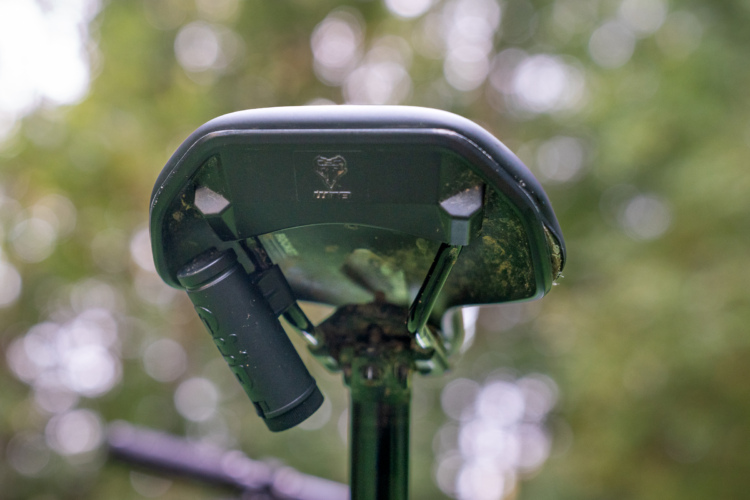
I made my own that fits under my saddle and is easily accessible, but I like this better.