
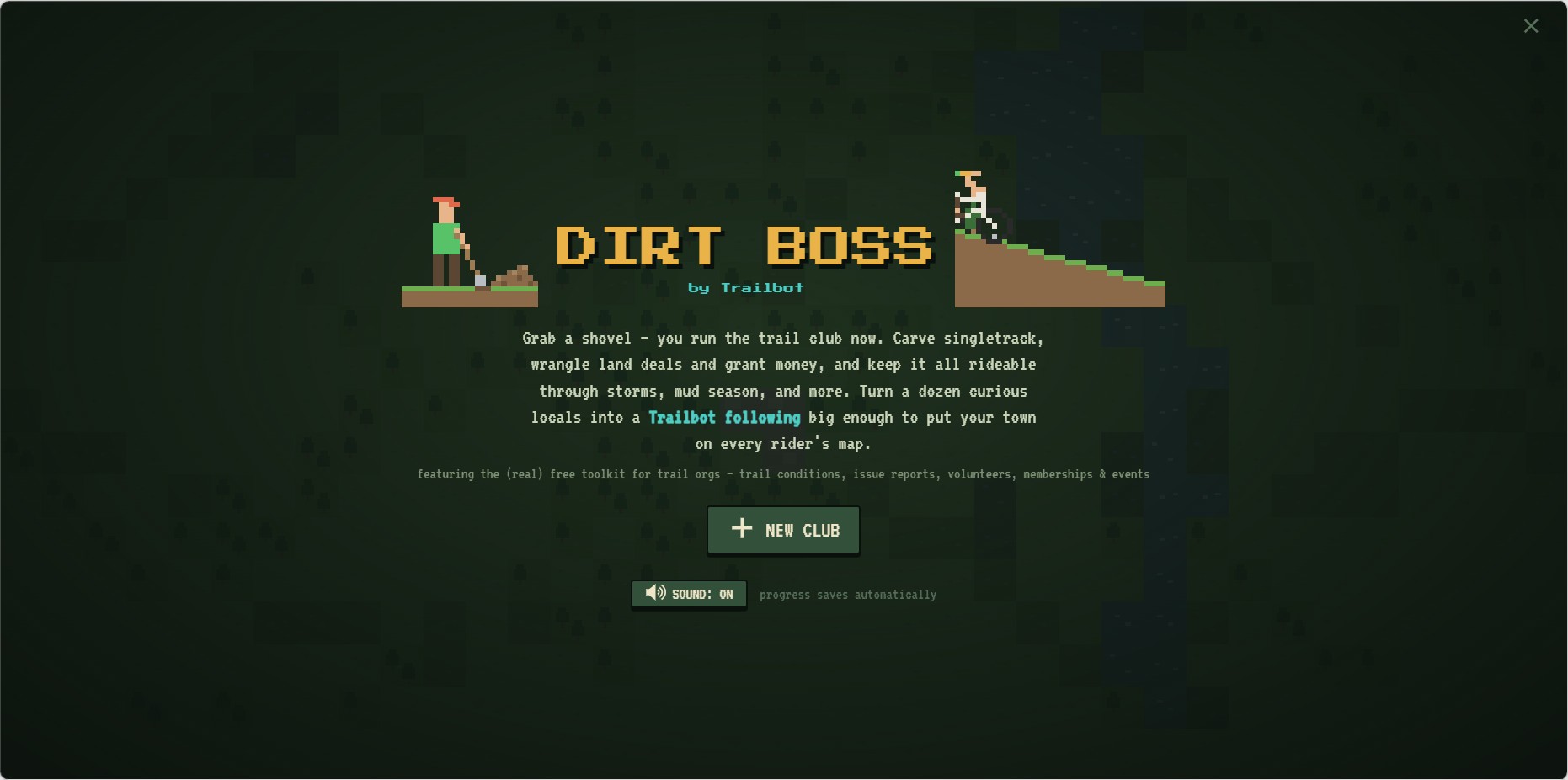
We’ve all heard the phrase “trails don’t build themselves.” However, most riders don’t consider what it takes to build great trails. And, even more so, the role that local clubs play in the trail-building process.
Thanks to John Sheehan, the creator of Trailbot, a new online game called Dirt Boss gives people a peek behind the curtains at the issues local clubs must navigate on a regular basis when it comes to building and maintaining trails. I spoke to Sheehan to see where the idea for the game came from and what he hopes people will get from it, and then spent some time playing it myself.
Sheehan got into mountain biking during the Pandemic and quickly learned what it takes to build and maintain trails
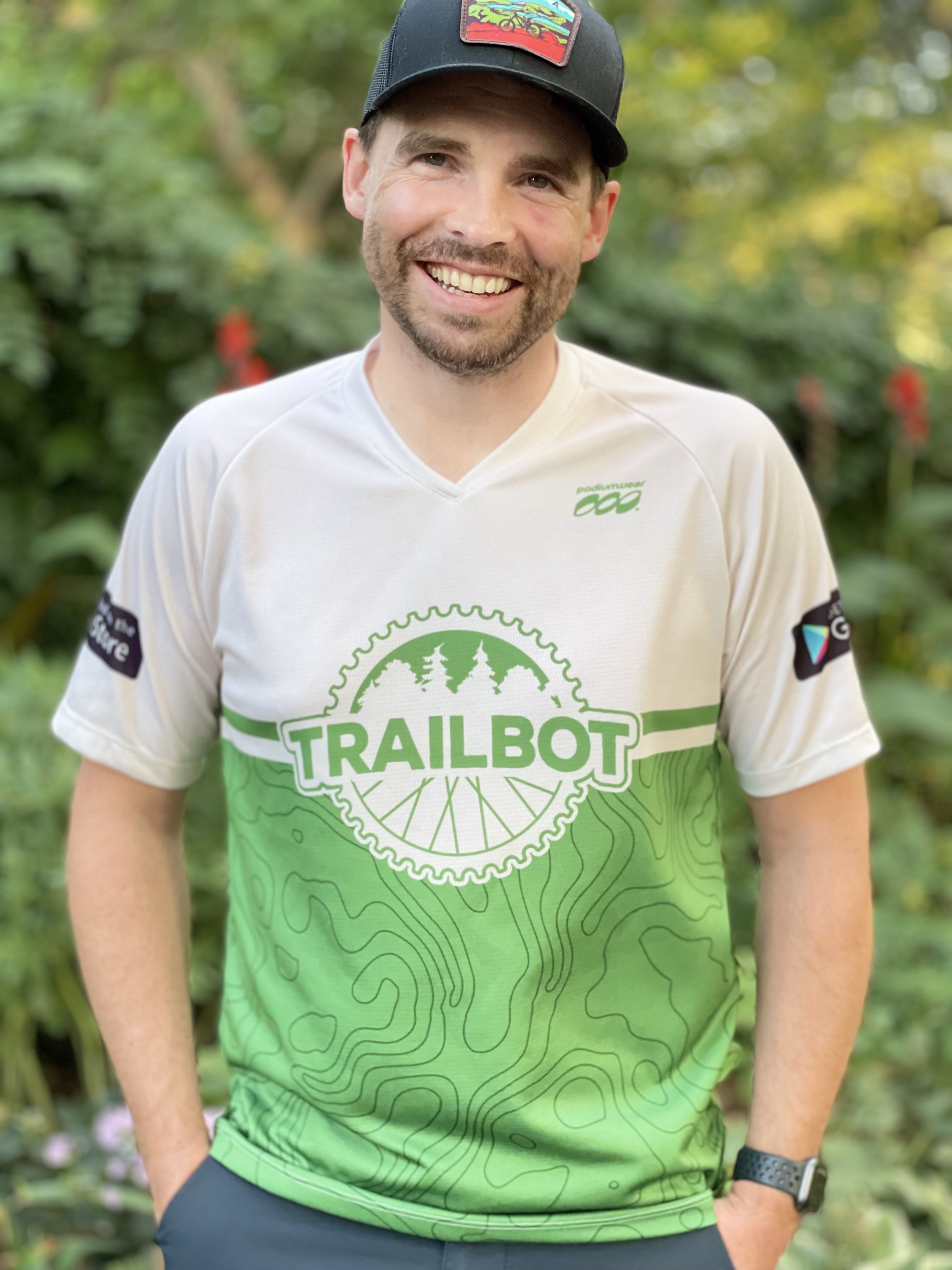
Sheehan has been a professional software developer for over 25 years. Like a lot of other people, he turned to mountain biking during the pandemic to enjoy the outdoors.
His initial foray into the sport was fat biking during the winter, where he quickly discovered there was a need to easily report trail conditions. It led him to develop the Trailbot app, which helps riders report and learn about trail conditions without relying on social media.
Sheehan’s participation in the sport and his role as the owner of a local bike shop also helped him get to know local land managers. “The one thing that keeps coming up when I talk to them is that riders don’t appreciate what it takes to maintain trails.”
Hearing that consistent theme led Sheehan to develop his latest venture, Dirt Boss.
He developed a game that shows the ups and downs of building and maintaining trails
Sheehan likes the nostalgia of old-school video game graphics. He deliberately modeled Dirt Boss after the original version of Rollercoaster Tycoon for that reason, along with the fact that it was easier to implement the game that way. “I used Claude AI to help develop it.” The game is only available online. Sheehan has no plans to create an app version of it.
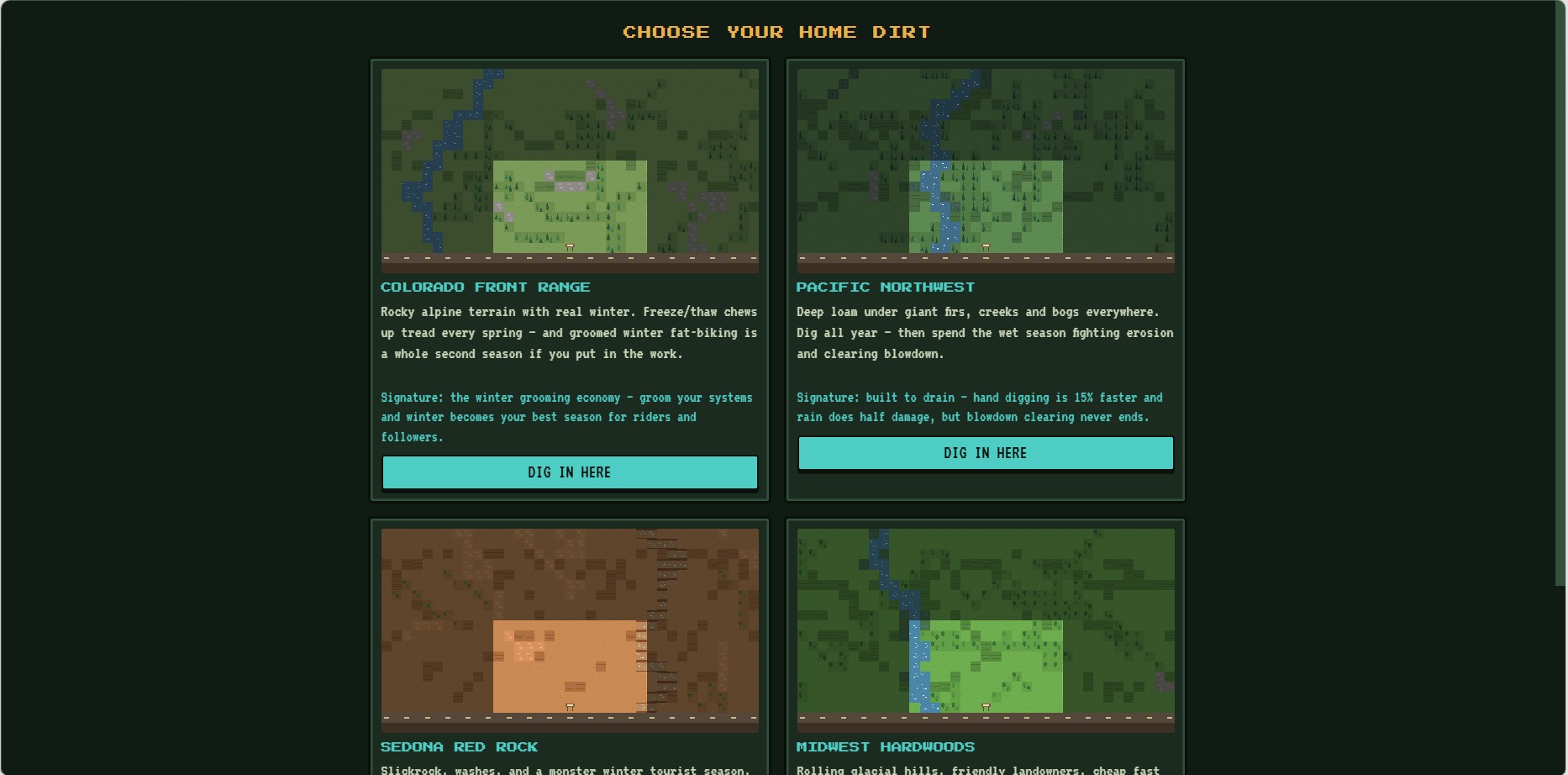
When you first start the game, it has you choose one of four geographic regions: the Colorado Front Range, the Pacific Northwest, Sedona Red Rock, or Midwest Hardwoods. You then name your trail association. The game will supply a suggested name for your club, or you can make up your own name.
Once you’ve named your trail association, the building can begin. You start with a parcel of land that is on city parkland, so there are no land disputes at play. You get a modest amount of funds and volunteer hours to get started.
Players can build trails, features, and all the amenities that go with them
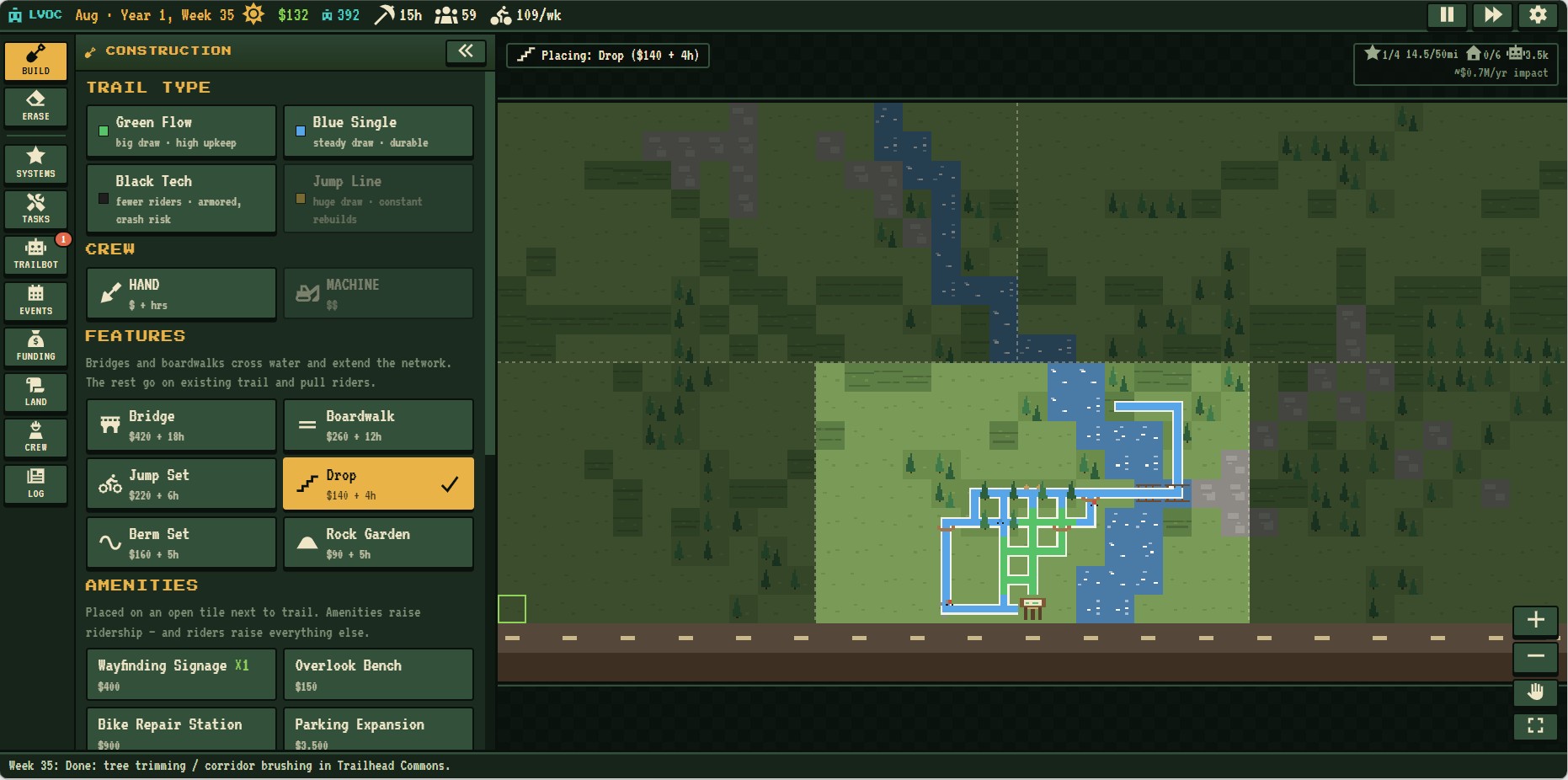
The initial trails are built by hand by volunteers, but if your club raises enough funds, you can hire professional builders and use machines to build trails too. However, it’s easy to blow through funds fast, so you need to start fundraising and holding workdays as soon as possible if you want to add more miles of trail.
The game lets you build green, blue, and black trails to start, and a jump line after your club has been established for a while. You can then add features to the trails like bridges, berms, drops, and rock gardens. Once your club has built up enough funds, you can also add amenities to the trail system like wayfinding signage, bike repair stations, restrooms, benches, and parking.
Players get funding for trail building through membership drives and grants. The game has a Trailbot component that your club can use to announce events, post trail conditions, recruit volunteers, and receive donations.
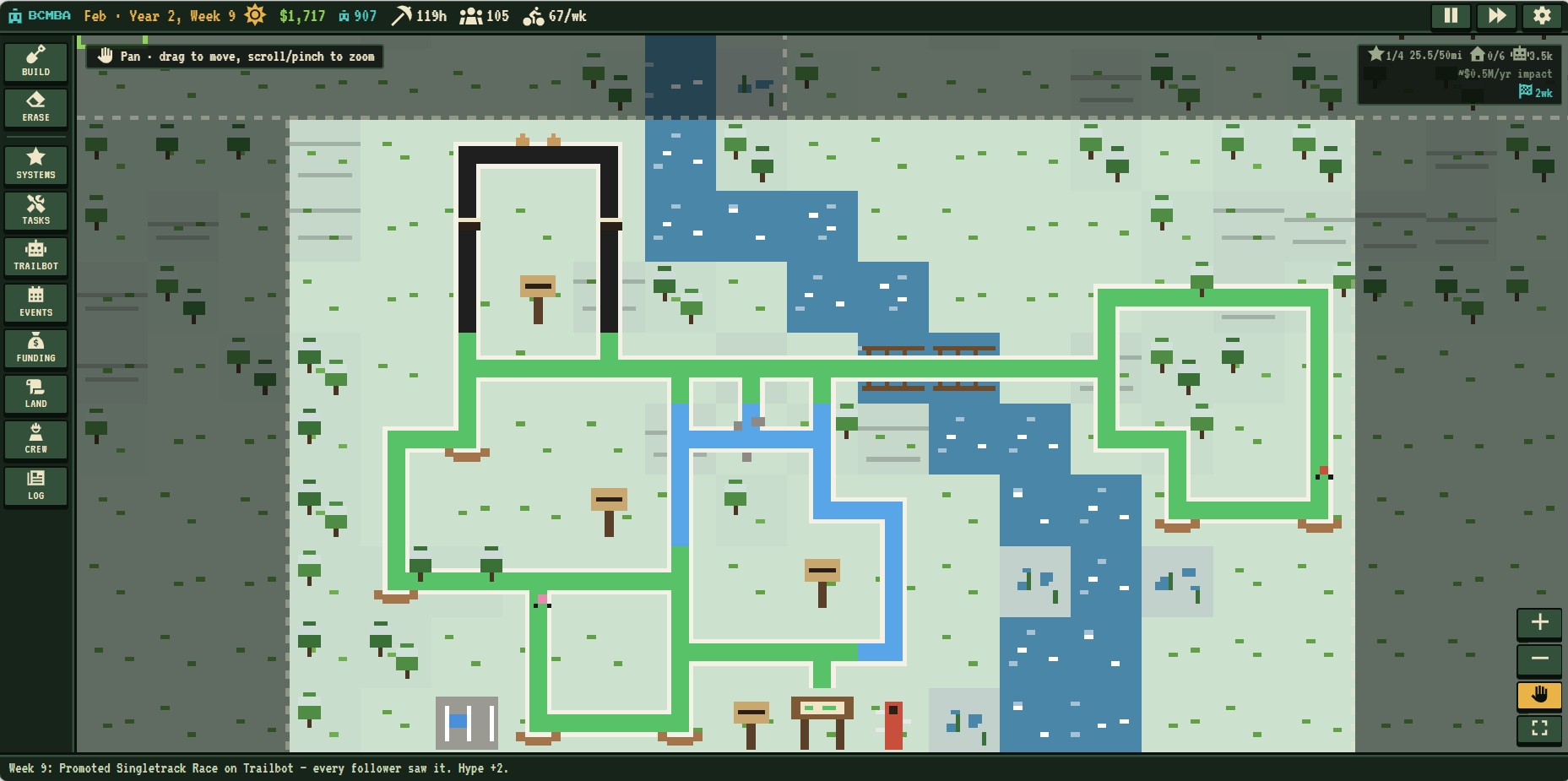
Dirt Boss is more than just a trail building game
After just a few minutes of playtime, I realized that there’s more to the game than just building a cool trail system. It gets into all the highs and lows that local clubs go through on a regular basis.
To build a trail system of any significance, I had to host regular workdays, raise money, and host events. Additionally, as I kept adding miles of trails, I kept experiencing more issues. Bad weather caused trees to fall across the trail. Volunteers didn’t show up to workdays. Expanding into adjoining properties caused land disputes to arise.
I enjoyed seeing all these issues present themselves and having to find workarounds for them because they mirror the ones local clubs face every day.
But not every issue local clubs face is reflected by the game
While fun, Dirt Boss isn’t a completely accurate representation of real life. There are some common issues that are missing from the game.
The game doesn’t deal with conflicts between user groups. It also doesn’t present certain obstacles to building trails, like the layers of bureaucracy in government that clubs must navigate to get approval for building new trails.
The game’s timeline is also very accelerated, which is understandable because if it mirrored the average build timeline for a trail, no one would want to play it. Its graphics are also rudimentary at best. You can barely see riders and trail features on the trail, and the trails come out looking more square than curvy.
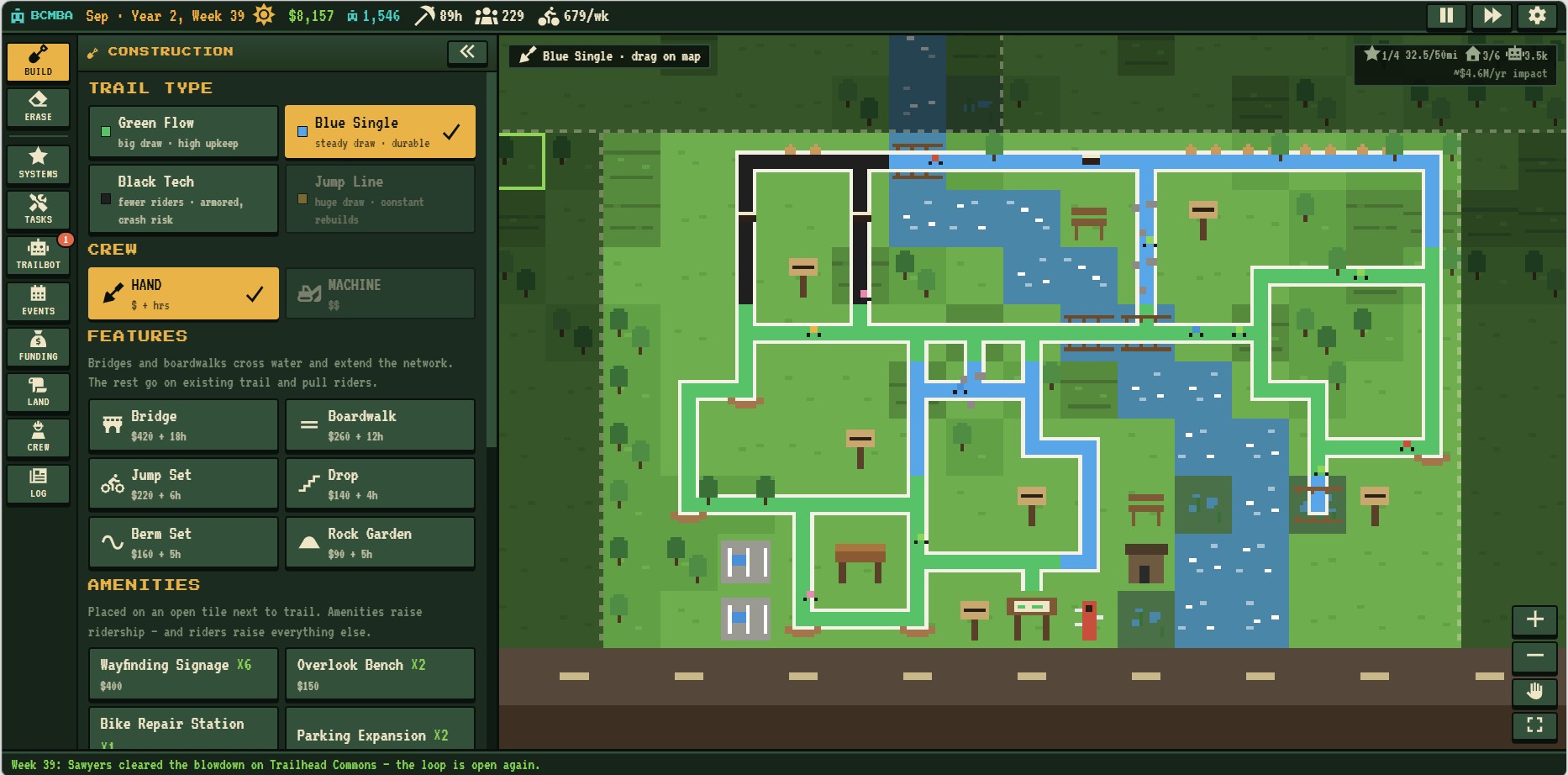
The game is a fun way for riders to gain a new appreciation for the trails they ride and the clubs that make them possible
Sheehan’s purpose for creating the game was to help riders understand what it takes to build and maintain trails. I think the game does a great job of doing so.
It clearly and succinctly presents most of the challenges and opportunities local clubs experience daily. All riders should spend some time playing it to gain a better understanding and appreciation of their local club.
The news stinks. Why not follow Singletracks on Google News to bring more joy to your day?


0 Comments