


The National Environmental Policy Act, better known as NEPA, requires federal agencies, such as the USFS and BLM, to assess the environmental impacts of any proposed plans on federal land. In addition to environmental implications, the process considers social and economic impacts, and provides an opportunity for the public to engage.
If you’ve followed trail growth in your area, you might be familiar with NEPA and maybe even engaged in this process. You might also know that it can be a rather long process. Recently, administrative reforms were made to NEPA to streamline the process.
However, there will likely be consequences of this fast-tracked reform.
The NEPA process: what’s changed?
The NEPA process typically goes through one of three ways. First, there are Environmental Impact Statements (EISs), which are the largest and most time- and cost-consuming analyses. IMBA’s Director of Government Affairs, Todd Keller, told us to think of highway projects as the types of proposals that require an EIS.
Next are Environmental Assessments (EA), which we most commonly see with trail projects. Lastly, there are Categorical Exclusions (CE), which allow the agency to determine NEPA adequacy because, for example, an EA was just completed in the same zone, and it hasn’t been long enough for the environment to have changed significantly.
“There’s sort of a large misconception of NEPA,” Aaron Clark, Policy Manager of Government Affairs at IMBA, told Singletracks. “ A lot of people feel like it’s a conservation law or something like that. It’s a process law. So really, it doesn’t determine the outcome.”
Clark explained that NEPA was established to analyze the impact of a proposed project, not necessarily prevent it. The results of NEPA assessments are the impacts of the proposal and a list of alternatives, along with their impacts. But any decision or outcome of the process can ultimately be appealed by the community engaging in the process.
As you might imagine, given how many things go through the federal government, it can take quite a bit of time. That is where the SPEED Act, which passed the US House of Representatives this spring, aims to make the NEPA process more efficient. The bill is currently pending consideration in the Senate.
First, the reformed NEPA process looks to limit the number of pages included in a report. The time of reports stretching over 1,000 pages will be no more, with EAs and EISs limited to 75 and 150 pages, respectively.
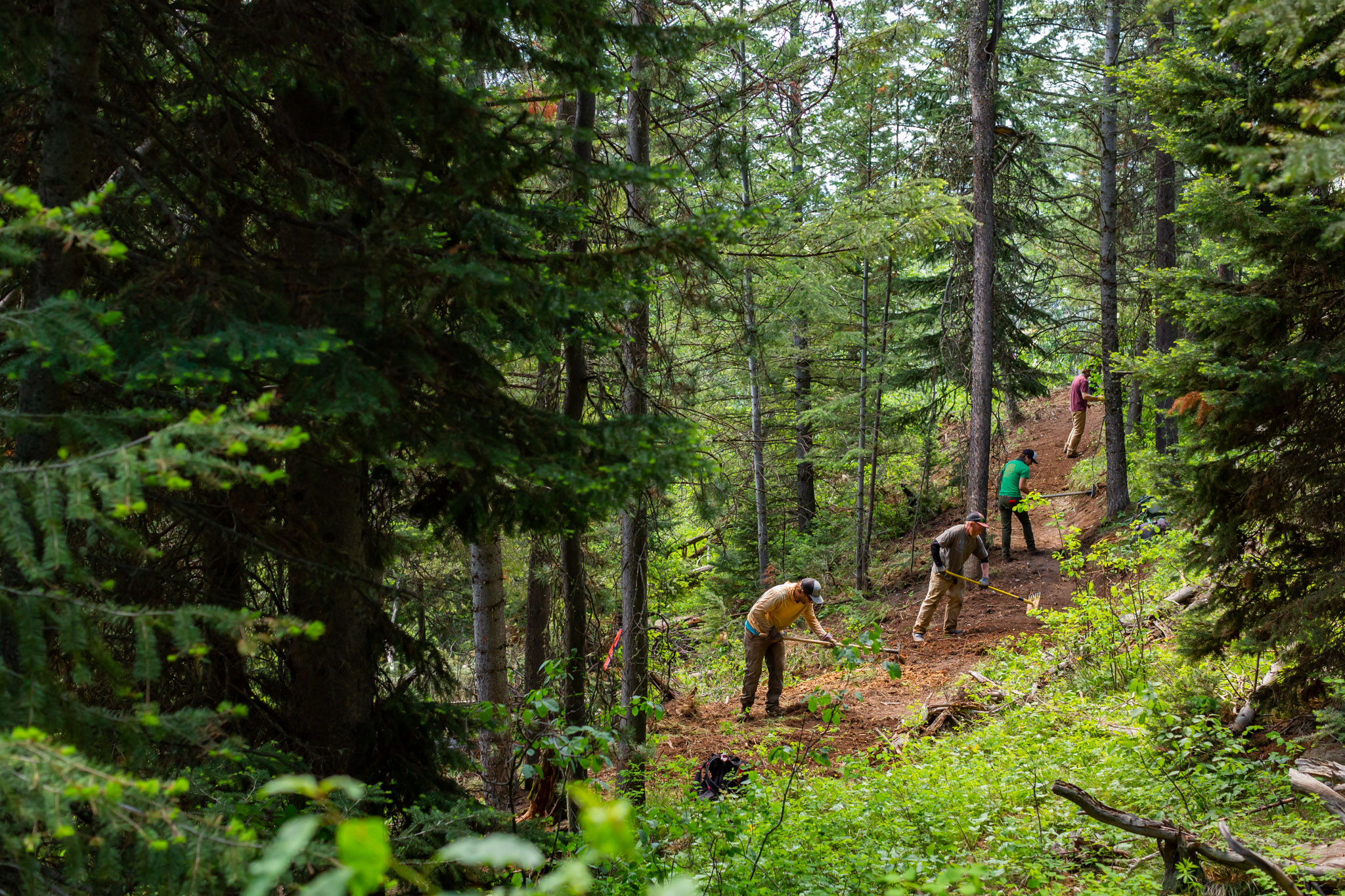
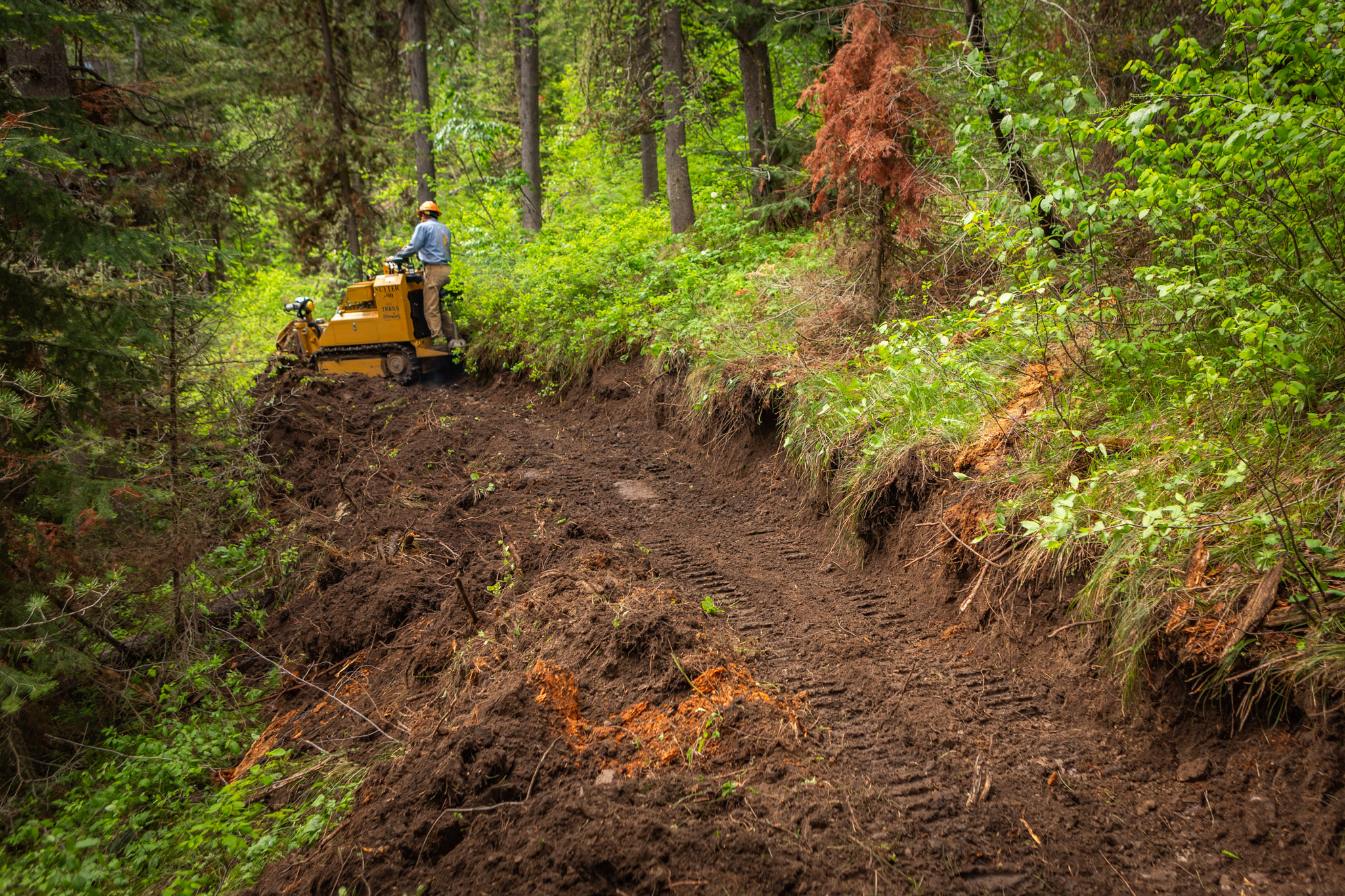
Timelines will also see limitations where they previously didn’t, putting pressure on the agencies to complete an assessment before an established deadline. An EA will have a one-year timeline, while an EIS will have up to two years.
The reform also provides a wider net for CEs. Looser terms allow agencies a bit more flexibility to push a project through in a particular area where they previously would have needed an assessment.
Lastly, the impact of public involvement will be lessened dramatically. With timelines shortened and general information heavily summarized by page limitations, the bar for required public input has been lowered. This will allow projects to move forward with little to no time for the public to comment or appeal.
Faster is better, right?
Well, yes and no.
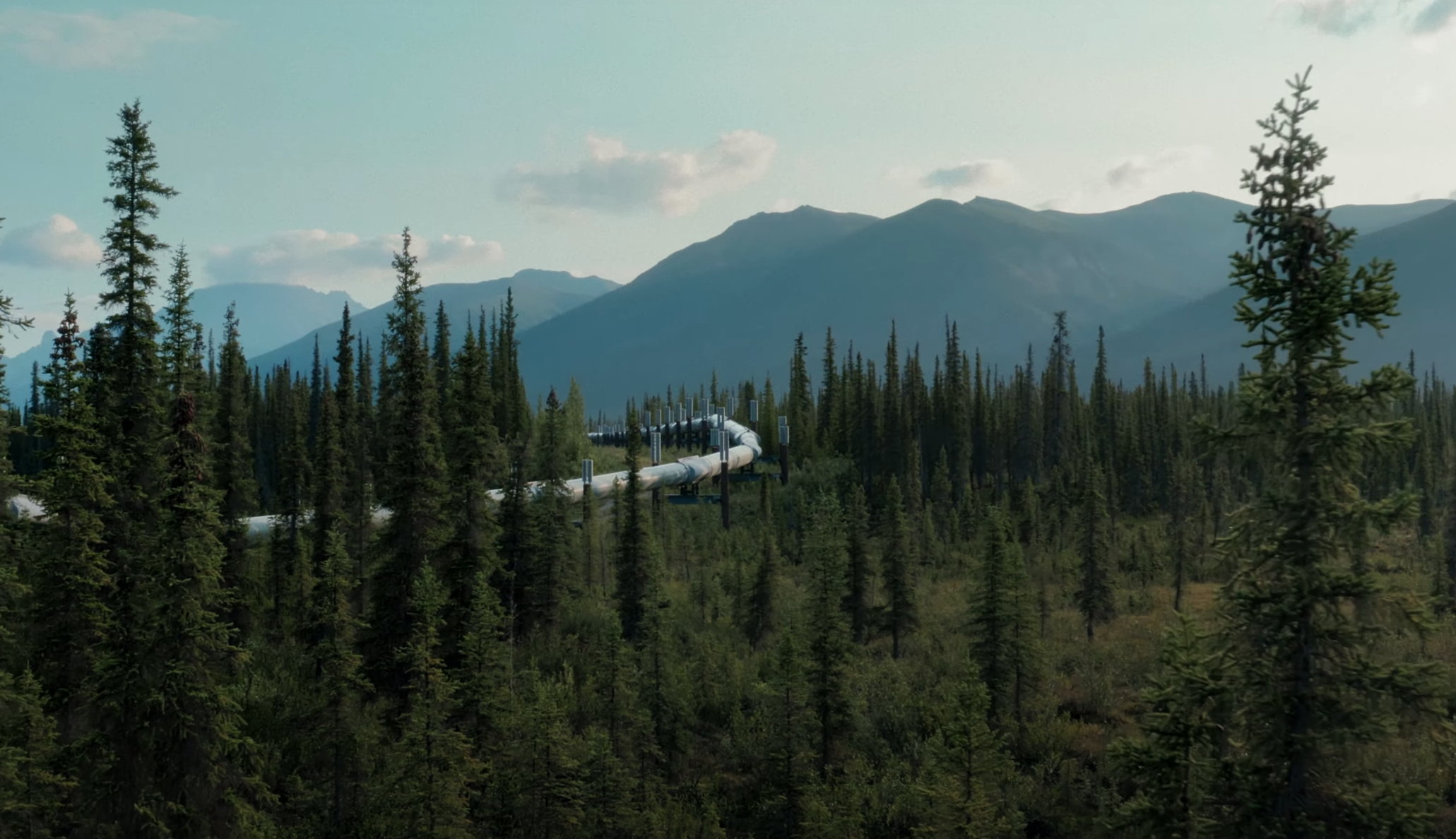
No one is going to argue against speeding up the process for getting trails approved. However, there is an important thing to remember. While we commonly associate the NEPA process with mountain bike trails, it is also the approval process for everything else proposed on public land. Logging, mining, roads, highways, pipelines, oil and gas, and other massive infrastructure projects all have to go through NEPA.
Yes, trails may get pushed through at a faster pace, but so will a mining operation. And just as there will be fewer opportunities to weigh in on a new trail, the public will also have less of a voice regarding that mining operation. Both Keller and Clark used the term “double-edged sword” in our conversation.
There are also significantly shorter legal opportunities to oppose and sue the federal agency that approved and pushed a project through. In some instances, the statute of limitations has been reduced from six years to 150 days.
Other judicial restrictions include limitations on the consequences of violating the NEPA process. Previously, there were three courses of action when something was no longer in compliance with NEPA. First, the court could return it to the land manager, essentially asking them to fix the problem. Secondly, they could temporarily close trail access until the issue is fixed. Or, the courts could revoke the particular land-use permit entirely.
The new NEPA process eliminates the last two, making it harder to shut down projects, even when there are blatant environmental violations. The SPEED Act also adds the word “energy” to Section 204 of NEPA, saying that a goal of the Council on Environmental Quality is to “foster and promote the improvement of environmental quality to meet the conservation, social, economic, health, energy, and other requirements and goals of the Nation.”
Yes, the changes represent a potentially quicker process for trail approval, which IMBA would ultimately like to see. But it probably isn’t a stretch to think that lawmakers had oil, gas, timber, mining, and other big industries in mind when drafting this NEPA reform. Keller and Clark shared that trail organizations and recreation are typically an afterthought, and it certainly doesn’t look like things are changing.
“We want to see NEPA work more efficiently,” Keller added. “But not at the expense of the landscape.”
In reality, for trail organizations, this could amount to nothing
Our fingers are crossed that the reformed NEPA process just pushes trails through more efficiently and doesn’t allow fracking operations to set up across from the trailhead. However, even if logging or mining operations aren’t a concern in your area, that doesn’t mean the trail process will be streamlined. Keller and Clark say there will be the same problem we already have: staff shortages.
“In today’s agency climate, oftentimes there’s no one there to do the NEPA process,” Keller said, “or they’re waiting because the FEDS are backed up. So, you know, the project comes to a grinding halt.”
Nowhere in the reformed NEPA literature does it mention hiring more staff to turn these environmental assessments around quicker.
This has caused some trail organizations to begin budgeting for their own EAs. But that also means that oil and gas, mining, and logging companies can contract out their own NEPA processes.
And they likely have deeper pockets.
Updated 6/25/26 to correct Aaron Clark’s job title and to clarify the origin and current status of the reforms.
Keep up with the latest mountain bike news by adding Singletracks as a preferred source on Google.






5 Comments
Jun 24, 2026
Jun 25, 2026
I’m all for adds that help support the site but this is pointless. I’ll stop reading altogether if you don’t get it fixed,
Reading on iPad via Safari.
Jun 25, 2026
They died about a decade ago when they spoke up AGAINST MOUNTAIN BIKERS gaining access to Wilderness areas. Imba is barely worth noting anymore since we're not sure if they're for or against mountain bikers.
Jun 27, 2026
Jun 24, 2026