
Aaron Roger is the founder and CEO of Rock Solid Trail Contracting which provides planning, consulting, design, and build services for projects mostly around the US. Rock Solid has built thousands of miles of trails in the US since 2014, in iconic destinations like Bentonville and Copper Harbor.
- What was the first mountain bike trail you ever built?
- Before starting Rock Solid, you were the president of the Copper Harbor Trails Club. What was the vision for the trails in Copper Harbor at that time?
- What makes for a quality mountain bike trail?
- How do trail builders create memorable trails? Do riders want to ride difficult trails, or just trails that appear to be difficult?
- When it comes to tourism, are high-quality trails alone enough to bring visitors?
- How has trail building changed since your time as a Trail Specialist at IMBA?
- Why do you think so many riders prefer hand-built trails over machine-built ones? Is it possible to make a machine-built trail feel like a hand-built one?
- What are some of the projects you are most proud of?
- Who is your primary client for a trail build: riders or the land manager? How do you balance the desires of both groups?
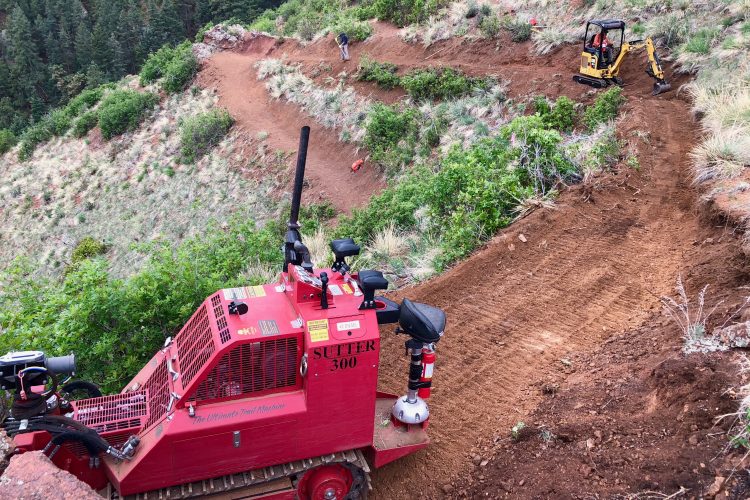
- Tell us about some of the custom trail-building tools Rock Solid has developed over the years.
- What are some projects Rock Solid is working on now?
Visit rocksolidtrails.com to learn more about the trail-building company.
This episode of the podcast is brought to you by Feedback Sports.
If you love your bike, you know that regular maintenance is the key to a smoother, faster, and safer ride. But a good wrenching session starts with the right setup. Enter the Feedback Sports Pro Mechanic and Sprint repair stands. Trusted by World Tour mechanics and home hobbyists alike, these lightweight, anodized aluminum stands are ultra-stable, highly portable, and fold down in seconds.
Whether you’re chasing down a tricky drivetrain click in your garage or dialing in your shifting at the trailhead, Feedback Sports gives you shop-quality precision wherever you are. Pair their award-winning stands with their professional-grade tool kits—like the Reflex Fixed Torque Ratchet Kit—and you have everything you need to keep your rig running flawlessly. Stop wrestling with your bike upside down on the grass. Elevate your maintenance game and give your bike the care it deserves.
Head over to feedbacksports.com today to check out their full lineup of repair stands and precision tools.
Never Miss an Episode
- Listen on Spotify
- Listen on Apple Podcasts
- Listen on Google Podcasts
- Listen on Stitcher
- Listen on Overcast
- Get the RSS Feed
- View all Podcast Episodes
Automated transcript
Jeff Barber 0:00
Hey everybody, welcome to the Singletracks podcast. My name is Jeff, and today my guest is Aaron Rodgers. Aaron is the founder and CEO of Rock Solid Trail Contracting, which provides planning, consulting, design, and build services for trail projects, mostly around the US. Rock Solid has built 1000s of miles of trails since 2014 in iconic destinations like Bentonville and Copper Harbor. Thanks for joining me, Aaron.
Aaron Rogers 1:32
Yeah, Jeff, thanks for having me. I’m happy to be here.
Jeff Barber 1:35
So, tell us, what was the first mountain bike trail that you ever built?
Aaron Rogers 1:41
Wow, you know, I think in a meaningful way. I was always someone who grew up out in the woods and was always scratching it away at trails from a young age, but the first official mountain bike trail I built was, you know, where we were at University of Wisconsin Stevens Point, where I was going to school, and I was at the on the mountain bike team there, and we’re always kind of going out of the woods and building little renegade ladder bridges and ladder drops and stuff like that, kind of on local green space, and, and just, you know, making fun little features to play on that, you know, there wasn’t a lot of mountain biking around that region when we were younger, so we kind of had to make a lot of the newer features that we were all intrigued by.
Jeff Barber 2:24
Yeah. I mean, was that your draw initially, doing those features, building like wooden stuff, or was it cutting trail? Like, to me, those are those are kind of different things, like in terms of the style of riding and the style of trail building.
Aaron Rogers 2:39
Yeah, probably early on, it was that was definitely a delineating factor. It’s like, were you building single track or were you building like features? And you know, when I, when I started going to college, I got into trials riding, and so I was kind of interested in just jumping on and off of things with my bike. At that point, I was doing some of the cross country racing as well, so single track was super fun, and, and you know, definitely was always thinking about how to, how to build good single track, but really, what it came down to me is like those fun features were always what I was focused on at a young age.
Jeff Barber 3:14
Yeah, yeah. Well, so before starting Rock Solid, you were the president of the Copper Harbor Trails Club, so I’m curious, what, what was the vision for the trails at Copper Harbor at that time? Because this was before it was really like such a well-known destination.
Aaron Rogers 3:33
Yeah, that was early on. I think I moved up to Copper Harbor in 2005 It wasn’t until about 2007 that we officially formed the Copper Harbor Trails Club, but you know, the vision at that time was just to build fun trails. I mean, when I, when I first moved up there, a lot of the trails that had been built are kind of just either old adopted two track roads that had grown in, or like game trails, and they were all super fun, because anybody who’s ever been to Copper Harbor, it’s just like, we have great terrain, and yeah, you know, it’s a legitimately mountainous region for the mid midwest, and there’s just lots of rocks and roots, and it makes for, you know, a memorable ride, you know, just being here and being in the terrain, but you know, we thought we could build trails better, and so we kind of embarked upon that with, you know, sprinkling a little bit of gravity into the mix, like saying, hey, we want to, we want to maximize our downhill potential, and and and make fun long descents that are feature rich, and so that was kind of our original goal, was just make fun trails, and and people would come ride them, you know. So, at that point, we weren’t like putting a lot of thought into, you know, how well designed the system was. I think a buddy of mine, Rich Edwards, who used to pretty much manage Inbetrayal Solutions, like he came up here, and you know, his, his p. Back, back then was like, oh, it’s, it’s really cool, it’s really organic, and, and that kind of meaning, just like, it all just kind of came in place over time. You can kind of see how it wasn’t, it wasn’t really designed and built from scratch, it was just like little pieces were added here and there.
Jeff Barber 5:17
Yeah, well, is like, over the years, now that you’ve done all these other projects and obviously learned a ton, do you look back at those trails and think, ah, like, you know, we should fix them up? I mean, the trails have evolved, I’m guessing, too. And so, have you gone back and revisited some of those early trails?
Aaron Rogers 5:36
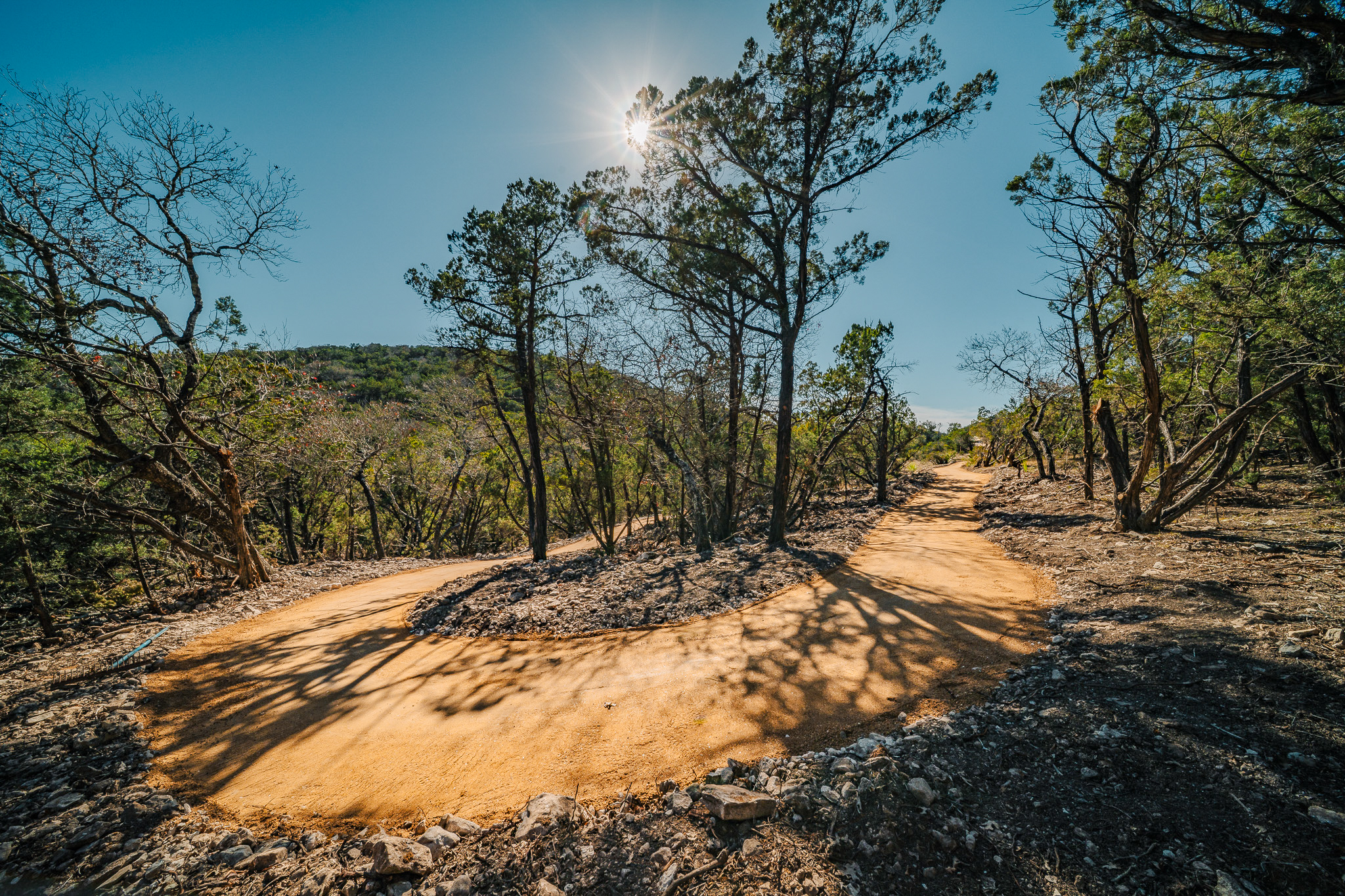
Yeah, well, I mean, a lot of the trails, I mean, they’re, they’re great trails, they’re iconic trails for the most part, so changing them isn’t all that necessary, but changing how the entire trail system is thought of and works is something that we have put a lot of thought into. We went back and we redone a master planning process with the with the Copper Arbor Trails Club, and what we’ve, you know, what we’re really found is that the way that the trail system was designed early on, the way it flowed in and out of town, created a lot of congestion downtown, so you know, over the years, you know, early on everybody was super in favor of mountain biking, but then when they all came to Copper Harbor, and there’s all these bikers around, and you know, they’re all kind of coming to the shuttle service at the Keweenaw Adventure Company that’s downtown, they’re all riding the side of the road because they’re, they’re self-shuttling some of the runs, it’s just like there was a lot of bike congestion focused around downtown because the trailhead was right there, you know, the welcome center was right there, but that was becoming a point of concern for a lot of the locals, just because, like, you have to be very conscious when you’re driving through town, because there’s people everywhere and people moving quickly on bikes, so that’s where you know we started thinking about, like, well, what, what can we do to kind of start taking some of this focus away from town, and early on, that’s we bought a mountain east of town. Here it was called East Bluff, and it was going to get, you know, it was going to get subdivided up into 40 acre parcels, and then sold on the market, but we preserved all 520 acres of it, and I’ve turned it into a mountain bike park, which has another central trail head, and and we’re starting to take users and kind of push them to the outside of town, so it’s like, you know, they go out side of town to recreate versus recreating directly downtown, and then they come back there for services after they’re done, so the way the Keweenaw Point Trail and other cross-country trails kind of move in and out of town has been rethought to kind of, you know, take care of some of those concerns.
Jeff Barber 7:51
Yeah, well, yeah, it sounds like planning is a really important part of any trail design. I’m wondering, like, what is the most important thing when you’re, when you think about, like, what a quality mountain bike trail looks like? What, what makes it quality, like, what is it? Is it a bunch of things, or are there, like, a few key things, I guess, that you need to make, make a good trail?
Aaron Rogers 8:17
Well, I think there’s a lot of things to think about, you know, when we’re looking at things from a, from a design consulting perspective, when we come into the local community, the first thing we try to identify is, like, you know, who are they, what do they want, right? You know, do they want to be a destination, or do they want trails that are, you know, good, that serve the local community, and you know, there’s a couple different objectives, and so we try to assess that, and and then you kind of start thinking about, well, you know, what’s the flavor of trails, and what’s, you know, how many diverse experiences can we provide, because it’s like if they are trying to build a destination, there’s a lot of things that are required to kind of make that step, you know. You either have like the Disneyland approach, like they’ve taken in Bentonville, where they’ve just built everything big, right, and it’s just like there’s super memorable features everywhere, lots of trails, and you know, if you build something that expansive, it’s like you’re, you’re going to become a destination just because people are going to come want to see it. I think the approach that you have in other, you know, more rural areas like Copper Harbor is like a lot of times is just making sure that you’re designing and building the trails in a thoughtful way, so that they kind of move through the landscape and ask access all the memorable landscapes and features and overlooks, and then you know, once again, making sure that there’s, you know, diversity to the styles of trails that are incorporated into that trail system to make it accessible on the easy end for. For a lot of the beginner, intermediate riders, but then at the same time making sure there’s enough really challenging trails that you know your top level riders are going to seek it out as a destination as well, so it’s like you got to have a little bit of everything to have a really high quality trail system.
Jeff Barber 10:18
Yeah, yeah, interesting, and that’s that’s an important distinction, I guess, when you talk about a trail system being designed as like a destination versus being something for the local community, and I, it sounds like they’re very different considerations for the two in terms of what you’re delivering, you mentioned difficult trails, and having a mix of like beginner, intermediate, and more advanced trails, and it does seem like whenever we see one of these trail projects, there are a lot of like blue and green trails, and and no matter how many difficult trails they end up having, people complain, they say there’s not enough tough stuff, but in my experience, it seems like those trails just don’t get written a whole lot. So, do you think that riders, they say they want difficult trails, but then they actually are not riding those trails, and are there ways to make a trail seem more difficult than it is to kind of let a wider variety of riders appreciate it.
Aaron Rogers 11:27
Well, that balance is something that we’ve been trying to find for years, and it’s always a tricky one, because you want to make everybody happy, but there’s never a way to do that. And you know, you’re I think something that you mentioned is just like a lot of those more advanced trails just don’t see the riders, and the reality is, is there’s trail counters that are put out on those trails quite regularly that actually reflect that perspective, is that you know people want the aggressive trails, but what we refer to those as usually the vocal minority, you know, they’re the people who are the most vocal, they’re a lot of times they’re the most active in their community, they’re really ambitious mountain bikers for the most part, and and a lot of times what what they don’t realize is that you know that’s kind of a shortsighted right, it’s just that you know they want trails that are built for them and and we want to be able to accomplish that, but at the reality is, is as we, as mountain biking evolves, you know, the reason mountain biking has grown is because, you know, the technology has gotten better. Yes, but the trails have become a lot more accessible, so when we do really look at, you know, trail systems and how we come in and thoughtfully design them, well, the reality is, is you know, 95% of your mountain bikers are people who either are just getting into mountain biking or haven’t ridden a mountain bike yet, but aspire to, and I think a lot of folks who have been mountain biking their whole life, and if you’re a risk taker, a lot of times you can get in there and get on a mountain bike and figure it out, and become, you know, and progress along pretty quickly, but a lot of people who are not as adept to risk taking, it takes them a lot, you know, a lot easier trail to be comfortable with, right? That’s where you really having the correct combination of those greens and blues is necessary to be inviting to those people to kind of draw them into mountain biking, and, and so that’s where you know, with the way we’ve designed a lot of those trails now, we do integrate like alternate features into them, so they can be family friendly, so you know, the wife and the kids can be riding a certain line and staying off the features, but the dad can be jumping, or the teenager can be jumping and hitting little fun stuff, and still everyone can be having a good time, right? So it’s like feature-rich trail, but at the same time having lines that are easy for the general population to navigate, and then you know, then you have to have, you know, your blacks and your double blacks too, but the proportion of those is a lot less than it is to the greens and blues to make a high quality trail system.
Jeff Barber 14:13
Yeah, yeah, that makes sense, and I mean, too, there’s there’s like a difference between like a technical black diamond trail, and then I guess ones that are like more jump and flow oriented, and it does seem like you’re seeing more riders gravitating toward that side of things versus like a trail that’s just just designed to be hard, like that just doesn’t seem to be a thing as much anymore. Are you seeing that, like, from your clients in terms of what they’re asking for, or what the community is looking for?
Aaron Rogers 14:46
I think that there has been an evolution, and I think it evolved into having more flow and jumps, but now I think it’s almost evolving back to being more tech, you know, where things are tech-based, and there are jumps and drops and stuff integrated. Created into more technically challenging trail, but really building trails that are getting back to the roots of mountain biking, you know, where it’s like you’re leaving a lot of the roots, you’re, you’re still, you have a lot of the same drainage concerns and managing water, but you know, leaving things in their natural state that you know are rideable but incredibly challenging, like that’s a lot of the some of the recent trail systems we built, you know, represent that one was Horseshoe Canyon Ranch down in Arkansas, where it is. It’s just, it’s really gnarly rocks and tech, but you know, it’s it’s you point it downhill and you got to be ready for it, and sometimes you have to take a break halfway through, because your upper body is burning, but you know, I think that that it is kind of like we’ve had a lot of flow built now in the last 10 years, and I think people are really starting to lean towards having wanting more challenging, chunky, natural singletrack.
Jeff Barber 15:59
Yeah. Well, how do you approach building something like that, a trail? How do you like keep it natural, but also actually build a trail? It seems like a lot of things, especially I’m thinking of like rocks, like rock gardens, they’re naturally there, that’s part of the trail surface, but what you often see is that trail builders will come in, and they’ll, they’ll rearrange the rocks and make it so there’s like a line through there, and you know it might still look like a rock garden, but it’s clearly designed, you know, to be more rideable. So, how do you like balance that, you know, keeping it natural versus actually constructing a trail?
Aaron Rogers 16:39
Really, it’s just kind of understanding the tools you have available. It’s just like, well, now you know we have machines at our disposal. Does that mean you need to run a machine through every stretch or trail? No.
Having sections that you do kind of like cut in by hand only, and then you maneuver the machines around the mountain to get to the point where it’s like, okay, like, we just did this giant rock roll. We need to scrub some speed, you know. So, we’ll build, like, a catch berm at the bottom of it to really hold, catch people’s speed, redirect them to a different portion of the mountain, whatever it is. So, we can add, like, modern features into more of a natural trails design trails, so it’s like it’s a hybrid of both, so it’s using the tools you have to to integrate in kind of all the fun factors of a trail and kind of make like a modern trail.
Jeff Barber 17:34
Yeah, what’s an example of a trail like that? Because I feel like, you know, trails are either one or the other, right? They’re either like just feel fully machine built, and then others just feel like they’re they’re totally natural. Are there trails that maybe people are familiar with that that kind of combine the two?
Aaron Rogers 17:53
Yeah, no, I think there are. There’s definitely a few up here in Copper Harbor that one of them that was just built as Thunderbolt, and it is, you kind of point it downhill, it’s super fun, it’s super rudy, techie, but then all of a sudden you have these bigger jumps, you know, it’s just like, oh, wow, you know, throwing some jumps into the tech vines, it’s like it’s more like it’s a, you know, World Cup course, you know, where it’s like they have a little bit of everything, so yeah, there’s there’s plenty of trails around that that we’ve built recently, and I, that I’m sure people would be aware of, like there’s a bunch of them at Horseshoe Canyon. I don’t even remember all the names of them, to be honest, but yes, I think it is. It’s kind of becoming more of the way we go about like designing and building like downhill mountain bike trails.
Jeff Barber 18:44
Yeah, very cool. So, when it comes to building these like destination-oriented trail systems, is it enough to have, you know, just a really high-quality trail system to bring visitors in, or like when you’re consulting and doing sort of the planning phase with a client, like what are you telling them? Are you telling them, like, trail, if you build the trails, people will come, or is it, is it, is there more to it than that?

Aaron Rogers 19:14
Well, I think historically speaking, yes. If you build a really good trail system, it’s, it’s going to be a destination, but I think what people’s wants and needs are are changing and are starting to evolve, you know, and I think that’s more of what Bentonville hits on, is just more or less the not, not this, just the shift in mentality of let’s build trails, it’s like changing and influencing the culture, right, like you know, investing in high-quality food infrastructure and making sure that there’s like really good food and culture to support the trail system, and I think that is when we come at it from a consulting perspective, that’s a lot of what we’re, we’re trying to encourage, and that’s what we’re investing here. In Copper Harbor, it’s just, you know, can we build farms and food centers into our park systems, and trying to say, hey, like, you know, what do these people want when they come to your community, so that we’re making a more well-rounded experience for those people, because it’s like, they want, you know, they want high-quality food, they want high-quality social experiences, and like, and what do they look like to those users, right? So we’re trying to, you know, through our successes, reinvest money back into businesses that support Copper Harbor and the infrastructure here, learn from those, and then be able to take those that information to other communities.
Jeff Barber 20:39
Yeah, yeah, I think you’re right too. I mean, if I think historically about some of the most iconic, you know, trail destinations, a lot of them were on public land, they were, you know, national forests or things that were, you know, pretty far out there, but people would go because of the trails, and then I guess over time you start to see businesses and services like crop up to cater to that, but it does seem like the trails alone really can kickstart sort of a destination, and and we see examples of that all over the place. I’m curious, so after your time as the president of the Copper Harbor Trails Club, you were a trail specialist at EMBA, and so I’m curious, how has trail building changed since your time there at EMBA? Has trail building changed at all?
Aaron Rogers 21:36
Yeah, I mean, it is, it kind of shifts constantly, and obviously, like, when I first started my trail building career back with the Copper Harbor Trails Club, prior to even being a trail specialist at Indiva, everything was pretty much just traditional singletrack for the most part, and then when I went to work for Imba, like, what, what really opened my eyes was just how there was this shift, like to kind of machine built in flow based trail, and just kind of being able to refine that, that design, like that feeling, right? Because that’s what it is, it’s just flow is a feeling of being able to kind of move people through the woods in an effortless way, and then adding more features, because, like you said, you had the mechanized equipment to be able to do that, so from early on, like when I started there, I think, which was back close to 2010 or 11, you know, that was kind of what was happening, is like everybody, like the machine craze in the trail building industry was happening, everybody was getting on machines.
Jeff Barber 22:46
What was driving that? I mean, was it was it an efficiency thing, or was it, was it like you’re saying just to get that that feeling that everybody was looking for?
Aaron Rogers 22:57
It’s an experience thing, right? I think we all had plenty of, like, of traditional single track, and you know, just, you know, your deer trails, your goat trails, whatever people call them, that you’re riding, that were just kind of anti-flow, right? And so it’s like, now as you start to learn to design single track, so it has a little bit of flow to it, and then you add a machine, it’s just like, well, Where are the boundaries now? Like, how build, how big can you build the berms? I’ll build right, can you build the jumps, like, like all of that was now accessible, like you could do it, and so everybody was experimenting with that, and I think that’s where people, you know, through the five to 10 years after that, really got accustomed to flow trail, but then that’s what created the desire now to want to shift back to more like technical based single track, right?
Jeff Barber 23:47
Yeah, always want something different.
Aaron Rogers 23:48
Absolutely, I feel like it’s just come full circle, but now it’s just like really understanding all the different trail types and what defines that experience, and being able to kind of like, you know, sprinkle those in to the recipe and make a high-quality trail system.
Jeff Barber 24:07
Yeah, yeah, that’s that’s interesting. You’ve been involved, you and your company have been involved in a number of projects over the years. What are some of the ones that you’re most proud of?
Aaron Rogers 24:21
Wow, yeah, there’s a, there’s a lot of projects that we’ve been proud of over the years. I think we’ve, you know, obviously to us, Copper Harbor is crown jewel. We keep moving here with the Copper Harbor Trails Club as a partner and trying to build this out as the best trail system that we can, you know, it’s probably a little bit selfish of me, because I live here trails, but also it’s, it’s a, it’s a big part of the identity of our company, but you know, Centennial Park, the World Cup race course, there was a super fun one to build. Down in Fayetteville, Arkansas, you know, all the state parks that we worked on throughout the state of Arkansas were incredible builds. You know, working in Cuyuna, Minnesota, that was, we worked early on with that development and put in quite a few miles over the years, and have formed really good relationships, you know, with a lot of different entities that we continue to do business with, and assist. They all have their own uniqueness to them, and we’re pretty proud of a lot of them.
Jeff Barber 25:33
Yeah, yeah, that’s cool. And I imagine, too, you know, with some of these projects, maybe you’re able to do a little bit more, like bigger budget projects, so like, how does that translate when you are given sort of more free rein with, like, hey, money is less of an issue here, like, what can you do to make a trail, like, if money were no object to you, how would you use those resources to, like, design kind of the perfect trail.
Aaron Rogers 26:05
Well, it’s I think it’s instead of looking at it from designing and building the perfect trail, it’s like, how do you design and build the perfect park, and which trails you know move in and out of, and so it’s like you get to create all the social environments where people interact, and that’s where the hubs, that’s what the hub has come to be. Yeah, right. Those are social environments where people can, you know, talk about their stories or their experiences out on the trail and meet different people. So, it’s like from from the base design, we like, like to be able to control all of those spaces and utilize them into the into the trail design, and so you know, while their thing we really start thinking about is just how to solve different problems that exist in each region, it’s like, you know, if you’re down in Arkansas and it’s really rainy all the time in the spring, well, guess what, you have to have all weather trails, so you’re investing quite a bit of money in making more durable surfaces where people can ride their bikes when the conditions aren’t great, right? So it’s investing money in hardened surface trails, so people have that ability to get out, and that tends to eat money up pretty quickly when you’re doing large amounts of terraforming and hard surface, and so at that point the expanding budgets that we’ve been able to utilize have just helped kind of further and make better parks.

Jeff Barber 27:31
Yeah, yeah, it’s interesting. The trail hubs, in particular, I remember researching a story on that and talking to some folks from Rock Solid about it, and it really is like a, like a psychology thing, and it’s like really thinking about like getting in writer’s heads and like understanding, you know, what makes for a good ride, and how do you ride with friends, and thinking about all that. Is that like a relatively new or like rare thing to be thinking about as a trail builder, because it seems like in the past we were just like we need five miles of trail, and like let’s just figure out how to fit it in here, but now it sounds like it’s much more intentional and deliberate.
Aaron Rogers 28:16
Absolutely, I think it’s just observing how people interact socially when they’re riding, especially as riding styles have changed, you know. I think when cross country was the main focus, it’s like everything was very linear. It was always about getting from point A to point B the fastest, right? And there might, if you’re doing a race, well, then there’s a social hangout afterwards, or whatever it was, but people didn’t really look at trail systems as places to hang out along the way, and I think that’s, you know, what has shifted is just that we understand all the social component of riding, specifically when it started shifting to gravity, right? Because what a gravity riders do, a lot of times they go down the hill as fast as they can, but they’re not in such a rush to get back up the hill, so a lot of times you know you’re adjusting your seat post in the early days and and maybe even taking your helmet off or whatever and pedaling and granny gear up the hill. Well, you know the trails to climb then can be a little bit wider, especially with the, you know, the invite of the inventive e bikes. It’s like people can like ride side by side and have a good time, and then be more of a social environment, and then you start looking at, well, where do they end, like how much space do they need, where they end to be able to congregate, and or how much you know space do they need where they begin to congregate, and to be able to have that social experience, so that started to define, like you know, how we went into and really looked at those spaces, and in understanding, like I said, it’s like people want to talk, you just have to give them the opportunity, right? And so, you know, it’s just that has evolved over over the years as we built, and it’s been primarily just building. I driven by the way that you know we like to ride bikes and, and just and move through those spaces.
Jeff Barber 30:09
Yeah, yeah. Well, so yeah, you mentioned like surfacing trails, and your company has come up with some pretty creative trail surfacing solutions over the years, one of them, maybe that people haven’t seen, is this glow in the dark chip seal, which is basically like asphalt, but it glows in the dark, and yeah, looks super, super amazing. And this, you know, it seems like a great solution from a maintenance perspective, but from some of the writers I’ve spoken with, they aren’t entirely sold on the idea, just because they’re used to, you know, they want to ride dirt, so I’m curious, How do you balance sort of those kind of practical maintenance considerations with rider preferences?
Aaron Rogers 30:58
Well, you know, you have to take a lot of things into consideration, right. It’s like number one, like, how much maintenance are you going to have on those trails, because a lot of times you know your bigger flow and jump trails have quite a bit of maintenance associated with them, and then if they’re in a population where you’re getting a lot of use and you don’t have the most durable dirt, you know, the reality is, is keeping people off those kind of trails, even in bad weather, is impossible, right? Yeah, and so, if you don’t want to be dealing with that all the time, the reality is, is you have to have some sort of hardened surface, and the reason that we, that we came up with the chip seal application is because of years of other applications that were being experimented within the industry that failed a lot of like soil tack and your polymers and stuff like that, they just, they just weren’t working, they weren’t holding up long term, they were still a lot of maintenance and they cost a lot, and so when we went and looked into chip seal, we’re like, well, you know, what is the cheapest way we can do a hard surface, and because you know we know asphalting, asphalting pump tracks, and stuff like that, the price per square foot is pretty expensive.
We were able to like cut that cost into about a third with chips and and so we had to do some custom tooling and stuff to make that happen, but you know, we invested it, and it’s actually tricked the work out pretty good, you know, for sometimes seven to eight bucks a square foot we can come through and build, you know, an all-weather trail, and I think some of the, you know, some of the people who are concerned about it, it’s just like, well, or worse, their opinions are. It doesn’t look or feel like dirt, no, but it accomplishes a lot of objectives. You can ride trails year round in southern climates, you know, it holds up really well, and ultimately, you know, you’re going to get a lot less, a lot more traffic for a lot less maintenance on those style of trails.
Jeff Barber 33:06
Yeah, I mean, for the record, I love them. I think they’re amazing, and having ridden a few of them around the Bentonville Bella Vista area, they’re great because you get a ton of grip, I mean, especially when it’s dry, and then also the trail is, is not degrading over time, like you’re saying, I mean, it’s, it’s basically the shapes and everything is exactly the way it was the day it was built, which I think there’s, there’s a lot of advantages to that, and so it is cool to see sort of these different solutions to problems that we’re seeing everywhere with trails at the end of the day, though. Like, who is your client on a trail build? Is it is it the municipality or the organization that’s, you know, actually cutting your checks, or is it the riders, local riders in the community?
Aaron Rogers 34:02
I mean, it all depends, like, who is your direct client, and how do you look at that? I mean, usually the client is the municipality, right, but usually within the municipality, a lot of times there is a guiding group that is, is, is kind of behind the scenes, kind of driving the desire for trails, so it’s you have to look at all the stakeholders that are involved and get them all involved with a quality design process, right, because you know that you want to make sure at the end of the day that the project is is deemed a success, and the easiest way to do that is to get everybody engaged in the process, and and so I think that is part of a high-quality design, is just making sure you’re identifying all those stakeholders, getting them in the room prior to that process, and then making sure that they felt heard, and that they understand, you know, a lot of times the decisions that are being made, because if a lot of times it. Explain to them in detail, then they do understand, they’d be like, “Oh yeah, this should be chip seal, because it’s all weather, and yeah, I do want my kid on a Strider bike to be able to ride that, and it has really consistent grip, so great, like everybody can use that trail, and so you just kind of, you give that opportunity for for that type of feedback, and I think it usually leads to a more successful project.
Jeff Barber 35:27
Yeah, yeah, that’s great. Well, tell us about some of the custom trail building tools that your company has developed over the years, because obviously trail building is, it’s not the same as landscaping or, you know, construction, I mean, it’s a very specific type of building, so it sounds like you’ve had to, you’ve had to create some of your own tools over the years.
Aaron Rogers 35:49
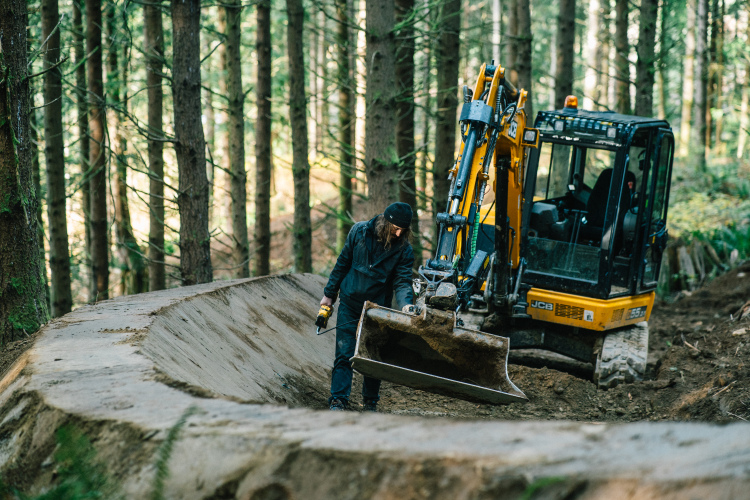
Oh yeah, we’ve definitely, we’ve definitely generated a lot of different tools over the years. I think early on, when we first started investing in our fleet, well, the U 17, the Kubota U seventeens were the best machine in that size class, and still continue to be for trail building in our opinion. And so we had to design thumbs for those, because good aftermarket thumbs weren’t available, or if they were available, they were too heavy. So we have a lightweight thumb that we designed and built and put that on all of our machines, because it’s like it is definitely a necessary, necessary tool for for a trail builder.
Jeff Barber 36:29
Well, like, what is a thumb? I mean, I’m imagining it’s, it works like a thumb, like it can grab rocks and logs and stuff.
Aaron Rogers 36:37
Yep, you can use it to manipulate rocks and and to grab trees and pull stumps out of the ground and stuff like that. It’s pretty standard attachment that you see on a lot of excavators, but for whatever reason, the U 17 just didn’t come spec with one, so you had to design it yourself. So my dad, being a fabricator, it’s just like, oh, we can make this. So we designed one early on, and we’ve refined that design over the years, and that’s typically what we use on all those machines, but we’ve also, you know, with our in-house design and fabrication department, now, you know, we’re making custom spreaders, gravel spreaders, and we do all custom tanks for our chip sealing processes, and we have to build custom tools pretty much all the time now to meet our needs.
Jeff Barber 37:30
And are your operators, where are you finding these operators? Are these people who have experience, maybe in other industries, operating equipment, or these people who are like coming right in to build trails?
Aaron Rogers 37:46
Our most success with building trail builders has been from the ground up. I think we have brought in builders who have had machine experience, and a lot of times when they have machine experience, but they don’t understand the whole process that goes into building the trail, they tend to want to go into it and do it their way, versus like learning the rock solid way of how we do it, and then kind of working your way up through the ranks and building you respect amongst all the team members, and then working your way into a machine position, and then ultimately becoming a foreman after three or four years. A lot of times is how we’ve created machine builders, is just, you know, number one, you have to understand the trail building process and how you dissect, you know, the terrain, and then put it back together, so that it is thoughtful, and it makes sense, and it’s clean, and then you can come in and be proud of the product that you put down. So it’s like we build pretty much everybody from the ground up.

Jeff Barber 38:52
Okay, and then I imagine it really helps if you are a mountain biker and you’ve experienced trails.
Aaron Rogers 39:01
Yeah, I think early on that was always a requirement. It’s just like, do you ride a bike? That was like part of the interview process. What level of rider are you? Because you know, based on how good of a rider are, that that really helps you interpret the shapes better. It’s like, what are what are the shapes that’s necessary, you know, like what are the radius of the turns, because a lot of times that stuff is all just judgment calls you make into in the field, right, and it has to work when you’re done, so you know typically our saying is like, if you’re going to build a feature, you have to be able to ride it.
Jeff Barber 39:37
Yeah. Well, so if you’re not out there, you know, measuring and doing all this stuff in like a very prescribed way, is it common then to like bring a bike out with you to the trails and like you know do something and see how it rides, kind of thing, or or is that, is that even possible?
Aaron Rogers 39:57
Well, when it is possible. You like to take advantage of the scenarios, but the insurance companies don’t like us riding our bike on the clock these days, so you know trails after work, but we definitely very much have to ride the trails and assess them for quality, you know, whether you do it, preferably not on the clock, but you know, when you’re in your free time after work, a lot of people are getting out and making sure they’re riding the trails, making sure they work well, making sure the jumps hit well, and and then you can see as the whole thing speed up, you can see how drainage issues come up on trails too, so it’s kind of part of the educational experience for the builders.
Jeff Barber 40:42
Yeah, well, and so getting back to like first-time builders or people that that you’re bringing on to your company. I mean, would someone typically start working with like hand tools and things like that? Do you have part of your crew that is doing that, like finishing work or things like that outside of machines?
Aaron Rogers 41:03
Yeah, a lot of times alongside machines behind them, you know, we’re using hand tools and, and to clean up and make sure everything looks pristine, to slap back the berms and make sure that they’re the right angles, so it’s that the hand workers have to start, you know, with hand tools, you know, with rakes, with shovels, loppers, and just kind of doing all the clean work, cleanup work, and once they kind of develop their eye for that, that’s how they, they move their way up the ladder, you know, because it’s like you can tell once somebody gets it, because the product looks dialed, yeah, so it’s like, oh, good job, like, thank you.
Jeff Barber 41:41
Yeah, I mean, it seems like, as to me, as a writer, as and as someone who sits in front of a computer most of the day, seems like it would be a great job, a lot of fun to build trails, but I also imagine that it can be tough, right? Like, like weather and just the physicality of the work, like what would you say to someone who’s thinking about, like, oh, I might like to do that, or you know, is it the kind of job that that just anybody could do?
Aaron Rogers 42:11
Well, it no, it’s definitely not the type of job that anyone can do, like, you have to have a certain level of tenacity, right, because it is, it’s painful. I mean, you have to work hand tools all day long, you know. In, you know, a lot of times freezing conditions in the winter, hot conditions in the summer, you know, you’re out there in the snakes, the ticks, the mosquitoes, everything else. Like, if it’s bug season, you got to plan for that, you know, there’s the, you know, could be really sunny if you’re working in the desert, you know, it’s like there’s all sorts of hazards that you know we have to be aware of in our line of work, and you have to prepare for them, you know, it’s just, you know, somebody’s not going to last where they show up on the job site day one and they don’t have a gallon of water, you know, it’s sorry, man, if you didn’t think about this, you weren’t really understanding, you know, what it takes to, to make it in this field, because it is, it is challenging, right? It’s just like, we do have usually like a 90 day review with employees, where we’re just like, it’s either going to work or it’s not going to work, and at that point it’s usually pretty obvious, because like you’re either smiling at 90 days or you’re not self-selecting. You’re having a hard bad time or you’re having a good time, because the people who are having a good time and are incredibly stoked about it are typically the people who make it long term. They’re there because they’re passionate about it, and they’re inspired to be there on the on a daily basis, versus just viewing it as a job, and I think that kind of comes right around to is just like, do you ride bikes? Yes. Okay. Well, then there’s a highly higher likelihood that you’re going to enjoy this job, right. We’ve had a lot of non-bikers make it, and, and, and do incredible work too, and just really love the intricacy of doing rock work and making sure everything looks nice, but you’re not like you’re never going to send that person out to build a jump trail, right? They’re always going to have like their limitations of what they’re capable of building.
Jeff Barber 44:16
Yeah. Are there certain environments that are more challenging to build trails than others?
Aaron Rogers 44:23
Yeah, absolutely. I mean, you can go to a lot of parts of the country where you have perfect dirt, and it’s just like, well, you can shape a flow trail that is amazing, and you don’t have any issues, or you know, you have places that you know, like Copper Harbor are just nothing but rock, and you’re always like, am I going to be able to even get a scoop full of dirt, you know, on this next section of trailer, am I going to be jackhammering rock, and and then when you get into areas where there’s a lot of bedrock present, well, then you get a lot of underground water seepages, so it’s just like your drain. Inch challenges like increase by, you know, 1,000% and, and you just have to, you know, kind of move along and put a lot more thought into things, and so, you know, that’s where, you know, when we calculate out how many linear feet of trail you’re going to be doing, we look at those areas, and we’re, we really kind of lower our expectations.
Jeff Barber 45:19
Yeah. Interesting. Well, so tell us, what are some of the projects that Rock Solid is working on right now, and that perhaps we’ll be riding in the next couple of years?
Aaron Rogers 45:33
Well, we’re working on a lot of projects. We just finished up one down in San Antonio, Texas, which is, we did about, you know, 30 miles of trail in like four, four and a half months, and so I think that’ll be a pretty cool trail system. We’re working on a project up in New York right now called the Northern Red Oaks Project, which will be, it’s just about two hours directly north of New York City, and so that’ll be a really cool project, because they don’t have hardly any mountain bike trails in that area, and you’re going to be able to pretty easily get there from the New York City area for riding, so that’ll be cool.
Jeff Barber 46:15
Is that like a destination style project versus one that’s like more local, locally oriented?
Aaron Rogers 46:23
Yeah, I think it’ll be a multi-phased project this year. Year one, I think we’re trying to get 10 to 12 miles done, and then after that, there’ll be multiple phases, but it’s the terrain there is really killer. I think it’s going to turn out really good, where it will have the ability to be like a destination trail system. We’re working on a lot of stuff out in West Virginia right now in really cool terrain. They’re continuously working here in Copper Harbor. We just have – we have too many projects going on, I can’t even remember them all anymore.
Jeff Barber 47:00
Yeah, cool. Well, so what’s the best way for folks who want to get more information or connect with Rock Solid about a project?
Aaron Rogers 47:13
Best way to reach out is like a lot of times through our social media, Facebook, Instagram, you know, we are media, the guy Adam Munich, he’ll get back out to you. He’s great at just talking it up about all the different trail happenings that are going on. We also have a map on our Rock Solid website that kind of shows you all our builds that we’ve done historically or that are doing currently, so you can kind of see our path across the US, where we’re going, where we’re building, and if you want to ride rock solid trails, you can follow us there.
Jeff Barber 47:44
Yeah, awesome. Well, Aaron, thanks so much for taking the time to chat. I learned a ton about trail building, and yeah, always love to see what you and Rock Solid are working on.
Aaron Rogers 47:56
Yeah, Jeff, great chat, and then hopefully get to catch up soon.
Jeff Barber 47:59
All right, well, that’s all we’ve got this week. We’ll talk to you again next week.
Keep up with the latest mountain bike news by adding Singletracks as a preferred source on Google.


0 Comments