
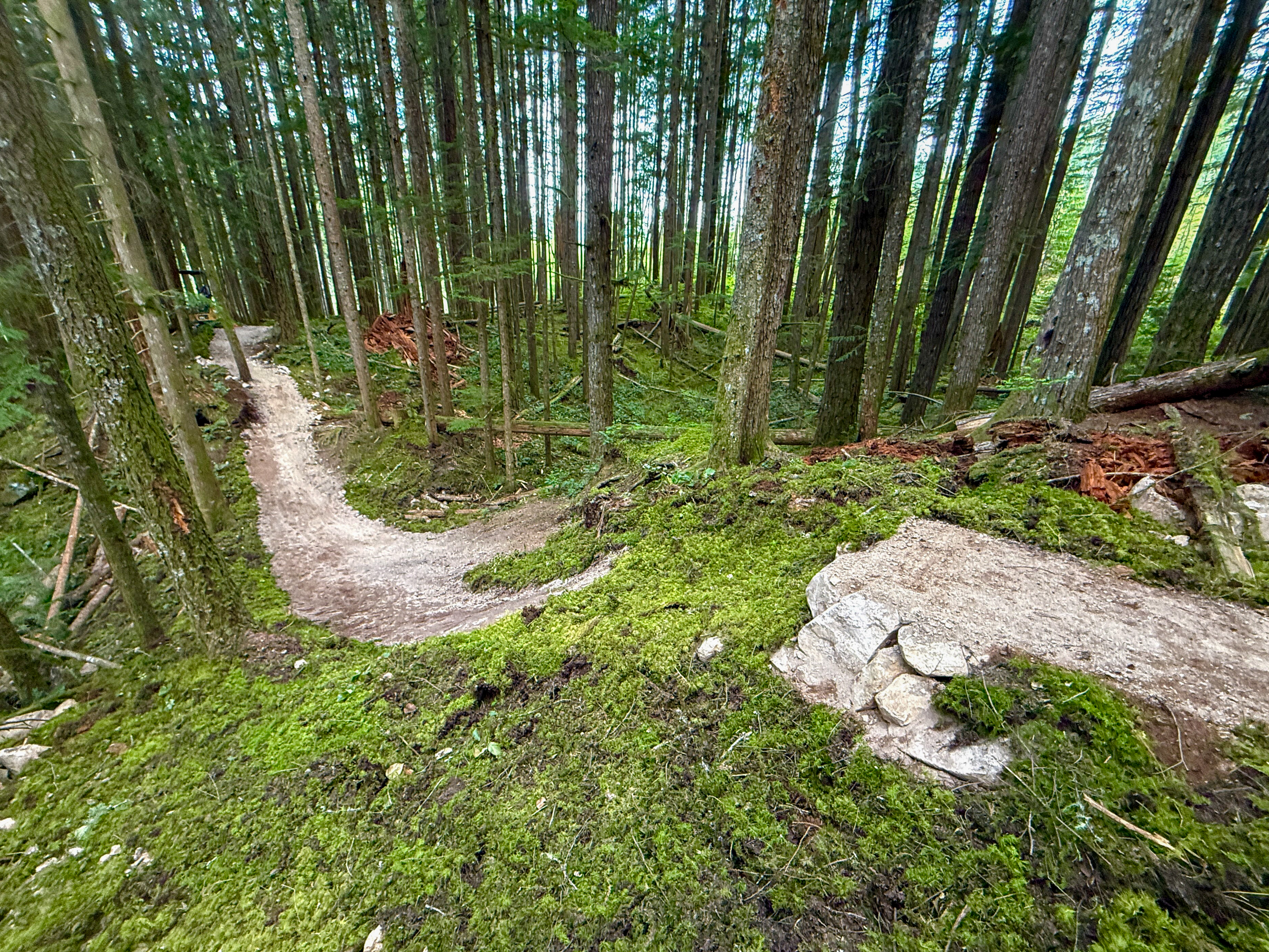
In the mid-90s, a 67-kilometer (42mi) mountain bike race dubbed the “Test of Metal” helped put Squamish on the map. The XC race connected existing trails and looped through communities; however, one thing was still missing: a marquee trail to solidify the course.
And so, Powerhouse Plunge was born.
Now, some 30 years later, the Shimano Trail Born Fund is giving the trail a new lease on life. And, surprisingly, it is the same trailbuilders spearheading the project.
The Test of Metal establishes the Plunge
“The Jackson Goldstones, the Elly Hoskins, the Jewett brothers, these guys that are racing in the World Cup circuit, if you were to ask them what their earliest memory of racing is, they would either say they raced the Test of Metal or they watched their dad or mom race,” Ian Lowe, Executive Director of the Squamish Off-Road Cycling Association (SORCA), told us. The race ran for 20 years, from 1996 to 2016, with 800 racers each year. Some years, the race sold out within minutes.
To cap off the race, the Test of Metal needed a challenge. They needed a trail that would help establish the race and connect the course. So, the race organizers tasked Rob Cocquyt with building a new trail.
If the name sounds familiar, that’s because Cocquyt, alongside Dave Kelly and Tom “Pro” Prochazka, founded the world-famous trail building company Gravity Logic. Gravity Logic is responsible for some of the most renowned bike parks on earth.
The trail, eventually dubbed the “Powerhouse Plunge,” would be the most challenging in both riding and building. And the stakes were high.
“The Plunge was a whole different animal. Not only was the topography challenging (both too flat and too steep), but we were under the microscope of the BC Forest Service because this was one of the – if not THE – first dedicated mountain bike trail to go through an official approval process,” Cocquyt told us via email.
Cocquyt was given a small grant (even for the time) to build the trail, which started relatively flat and then “plunged” into steeper sections near the end. The area consisted mainly of volcanic rock, with actual soil difficult to find. But, Cocquyt and the team found actual dirt, bucket by bucket.
“My back and elbow still hurt when I think about it,” Cocquyt said.
According to Cocquyt, the Plunge from 30 years ago would likely be considered a Squamish blue trail by today’s standards, aside from the steep sections. The trail’s original construction consisted of “painstakingly covering all the rocks and roots with a thick layer of dirt.”
Over the years, however, this top layer of soil degraded, as trails do. What started as a flowier trail transformed into a more technical trail, and eventually into what could be described as “quite annoying with all the pedal catchers, front wheel stoppers, abrupt corners, and rotten woodwork.”
Powerhouse Plunge is also fairly remote and a bit more difficult to access than some of the other trails in the Squamish area. Especially after the Test of Metal ended in 2016, the Plunge saw declining traffic, and over the last decade, the trail continued to degrade.
It was clear that a rebuild was in order, and the project seemed like a perfect candidate for the Shimano Trail Born Fund. And wouldn’t it just be perfect if Gravity Logic and Cocquyt, an original builder of the Plunge, rebuilt the trail over 30 years later?
Spoiler… it is!
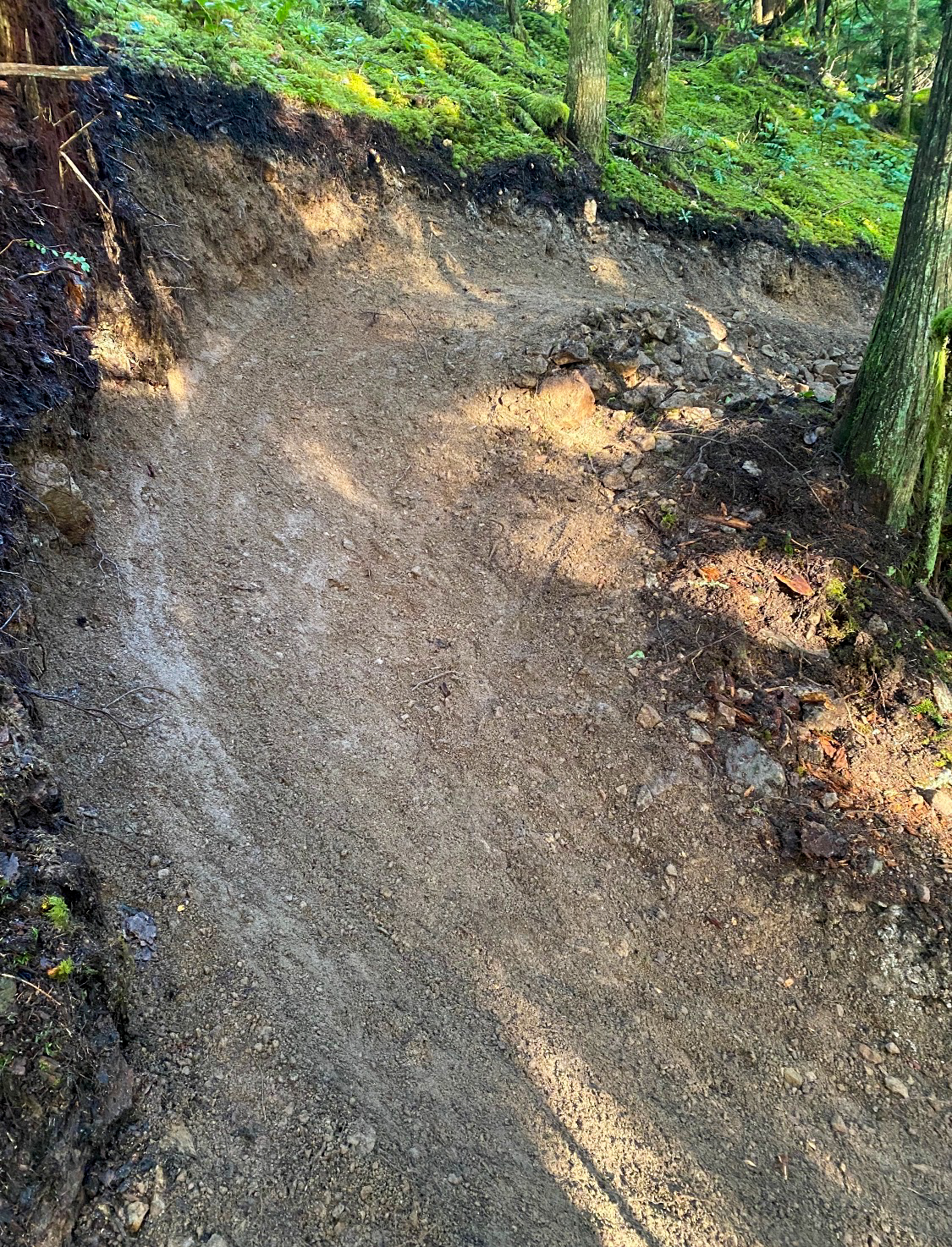
Rebuilding the Plunge
“So, one of the first steps that we did was we shared with our community that we wanted their feedback as far as what they felt was appropriate for the rebuild,” Lowe said. And, as you might expect, the feedback was a bit varied.
But despite some wanting a flow trail with “big jumps,” the lion’s share of the feedback suggested locals wanted the trail’s technical nature to remain. With that in mind, changes were still needed. A 30-year-old trail represents a different era of mountain biking, with 26” tires and cantilever brakes being the norm when Cocquyt first flagged Powerhouse. With bigger tires, slacker geometry, and larger bikes, they wanted the Plunge to maintain its technical characteristics while widening the corners and increasing overall speed.
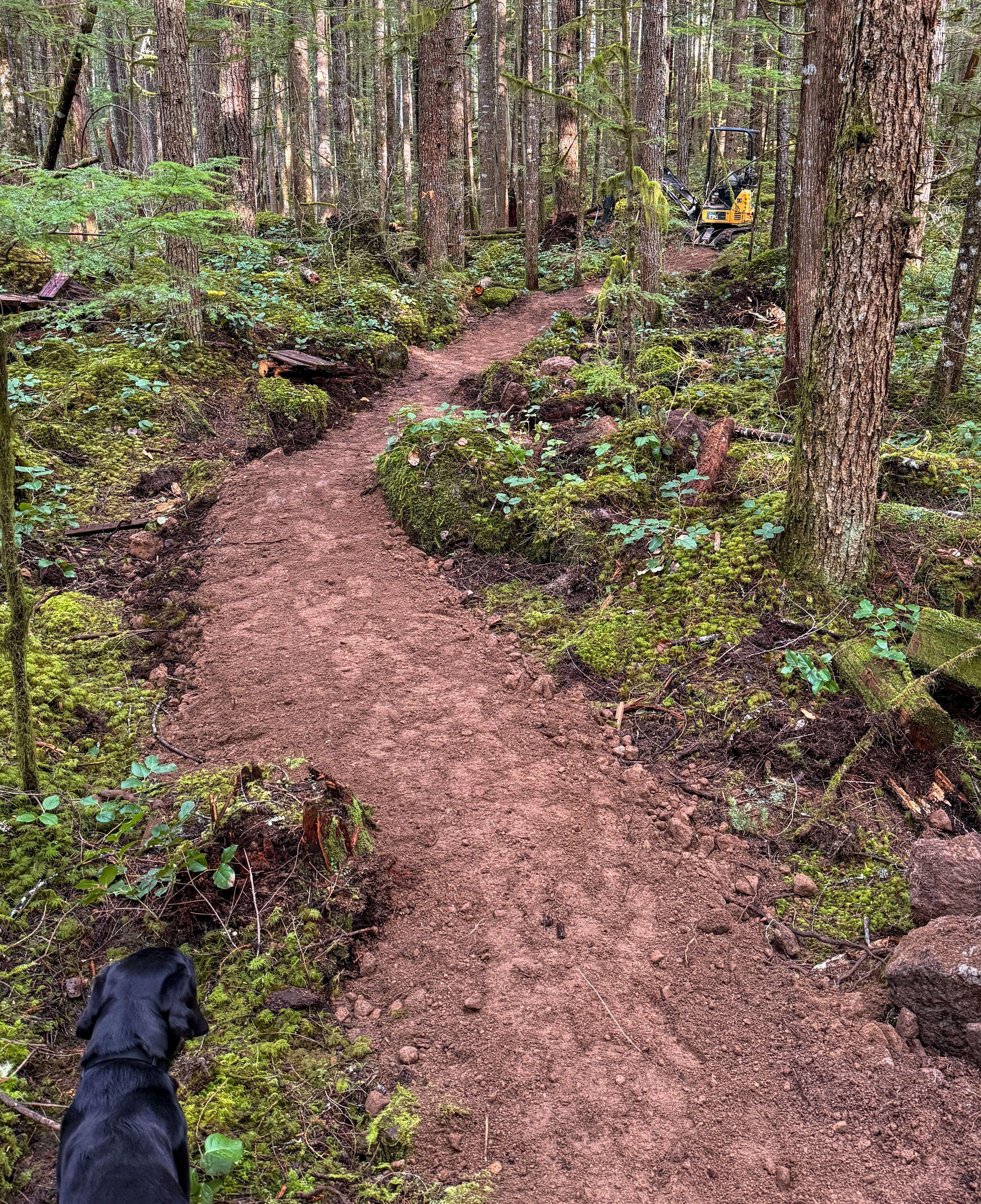
To do so meant quite a bit of tread work. As the original layer of soil that Cocquyt brought in degraded, thousands of volcanic rocks were exposed. Rather than just bringing in more soil and eventually facing the same issue, Gravity Logic opted to break off the tops of those rocks.
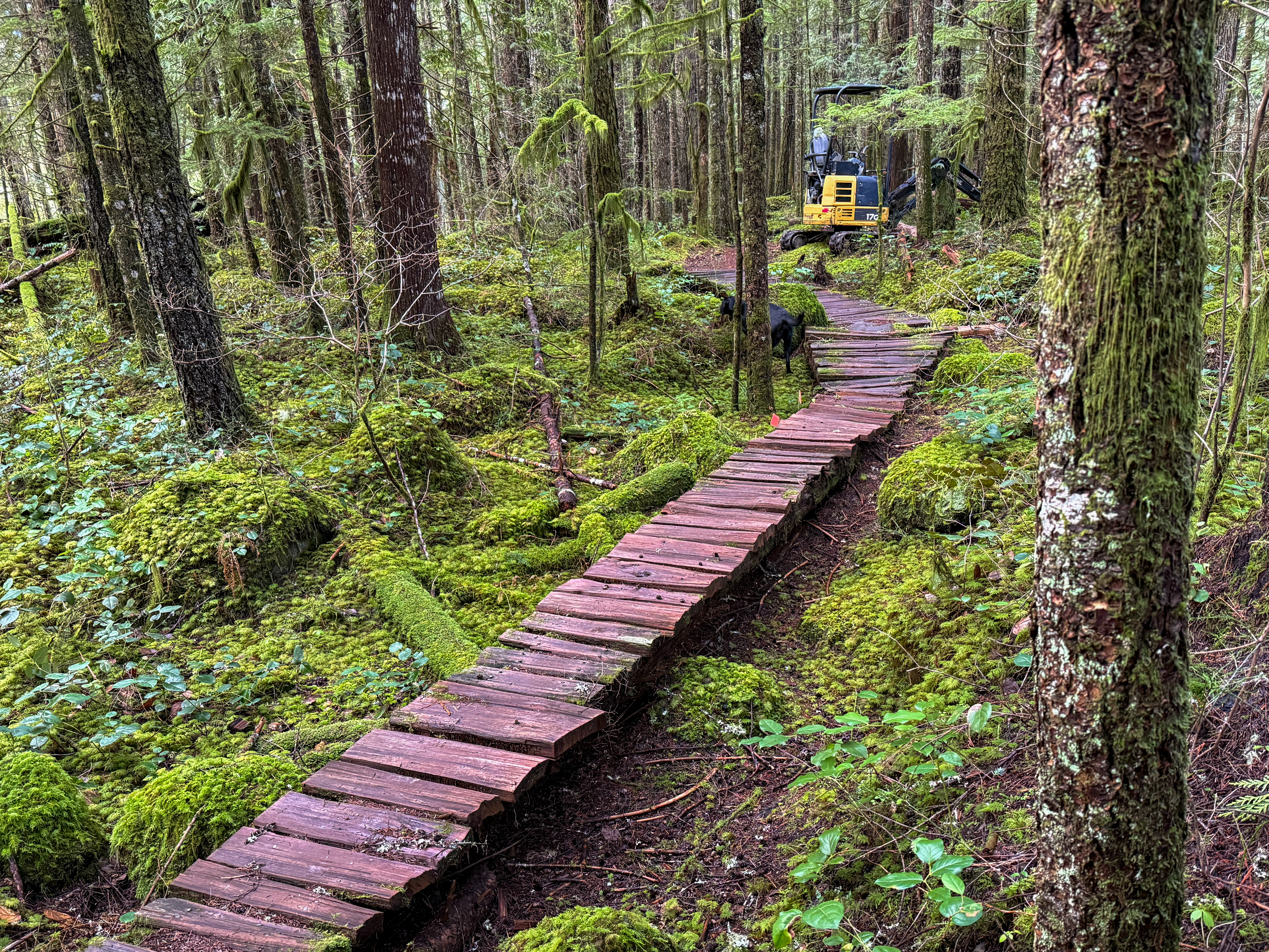
The original build also used quite a few wooden bridges, now rotten and ready for removal. Moving forward, Gravity Logic will armor the areas with rock and will bring in more dirt, creating “pump-able dirt rollercoasters instead of high-maintenance, speed-killing wood.” The idea is to work harder now to create less work in the future.
Ultimately, SORCA and Gravity Logic hope to create more speed and flow through the top, more cross-country section of the Powerhouse Plunge. Once riders reach the steeper “Plunge” section of the trail, the goal is to maintain its chunky, technical character.
Cocquyt said that while Gravity Logic uses machines quite often, there is an unbelievable amount of handwork that will go into the trail.
The trail crew recently wrapped up the first phase of the rebuild, completing Powerhouse’s flatter top section. They expect to jump into phase two, the steeper “Plunge” section, later in the season when there is a bit more moisture.
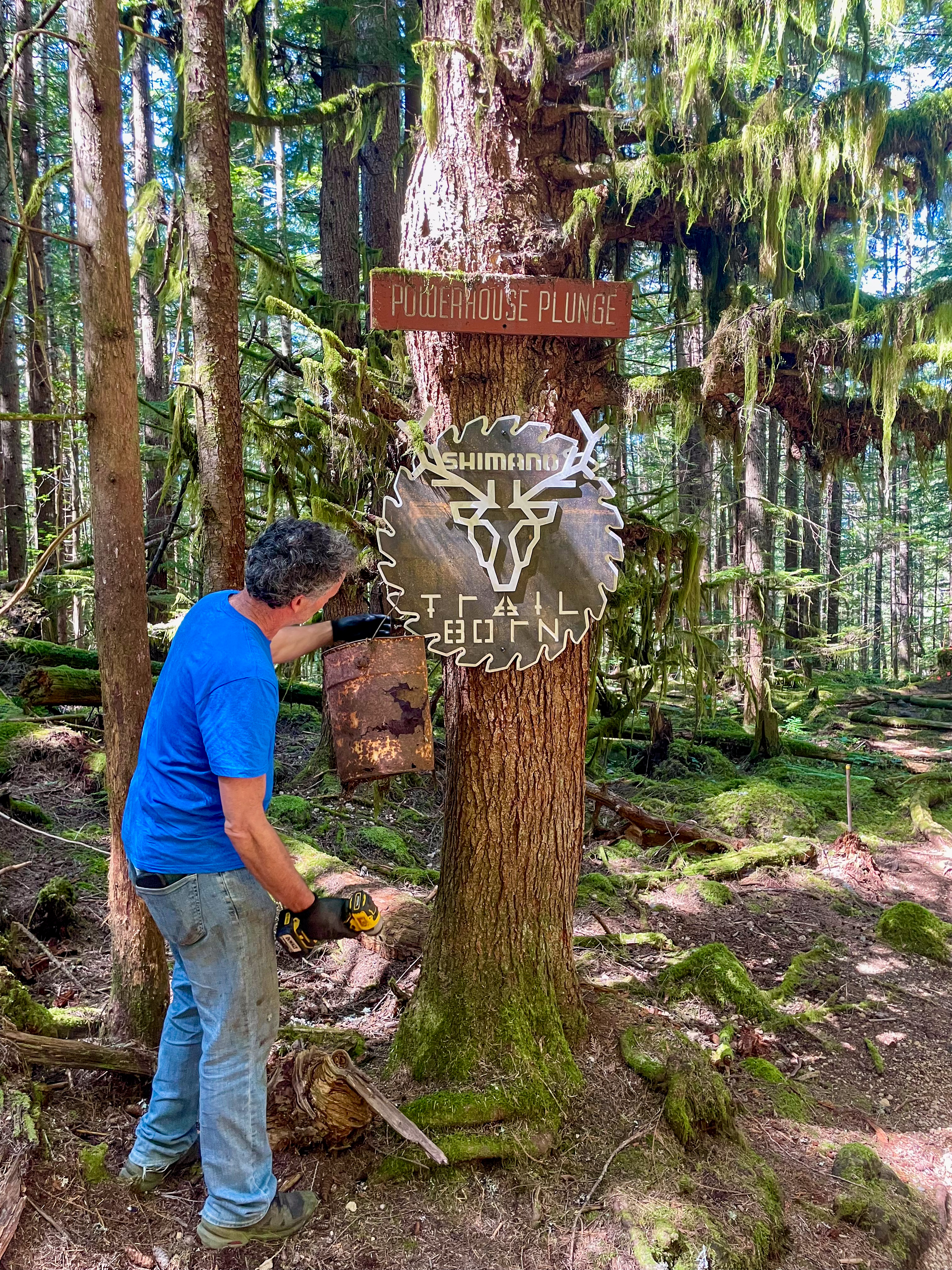
SORCA told us that the Shimano Trail Born grant completely funded the rebuild. Sea to Sky Welding is helping with signage for the project, and the project is happening with a letter of authorization from Rec Sites and Trails BC on the lands of the Skwxwú7mesh Úxwumixw (Squamish Nation).
Gravity Logic kept the Powerhouse Plunge open during phase one construction. Lowe said that they anticipate the bottom section to remain open during phase one construction as well, so long as “popularity doesn’t go through the roof again.”
He expects the rebuild to wrap up and the trail to be complete in November.
Know about a new trail project we should cover? Whether you’re breaking ground on the next must-ride trail network or putting the finishing touches on a neighborhood flow trail, we want to hear about it. Drop us a line at [email protected] with the details, and your project could be featured!
Keep up with the latest mountain bike news by adding Singletracks as a preferred source on Google.





0 Comments