










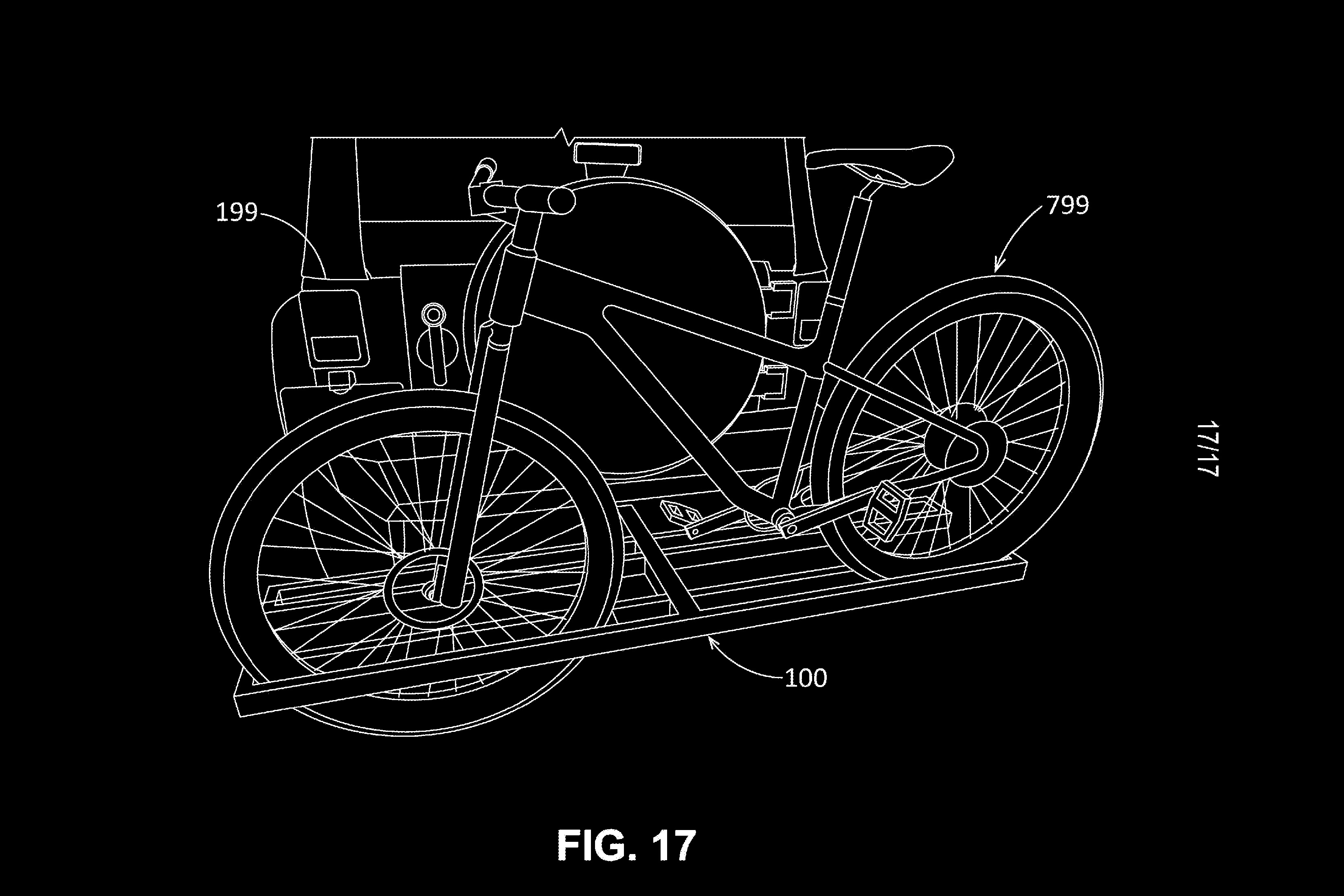
A recently published patent application proposes a unique no-touch back rack design, with zero moving parts. The utility patent — filed by Wayne Lockwood on June 4, 2025 — is currently under examination by the US Patent and Trademark Office.
Singletracks reached out to Lockwood and learned that he’s been prototyping the rack for some time now, and is currently on version 2.1. Dubbed the Rut Rack, Lockwood has built racks out of steel and aluminum to carry all sorts of bikes, from mountain bikes to skinny-tire bikes to cruisers.
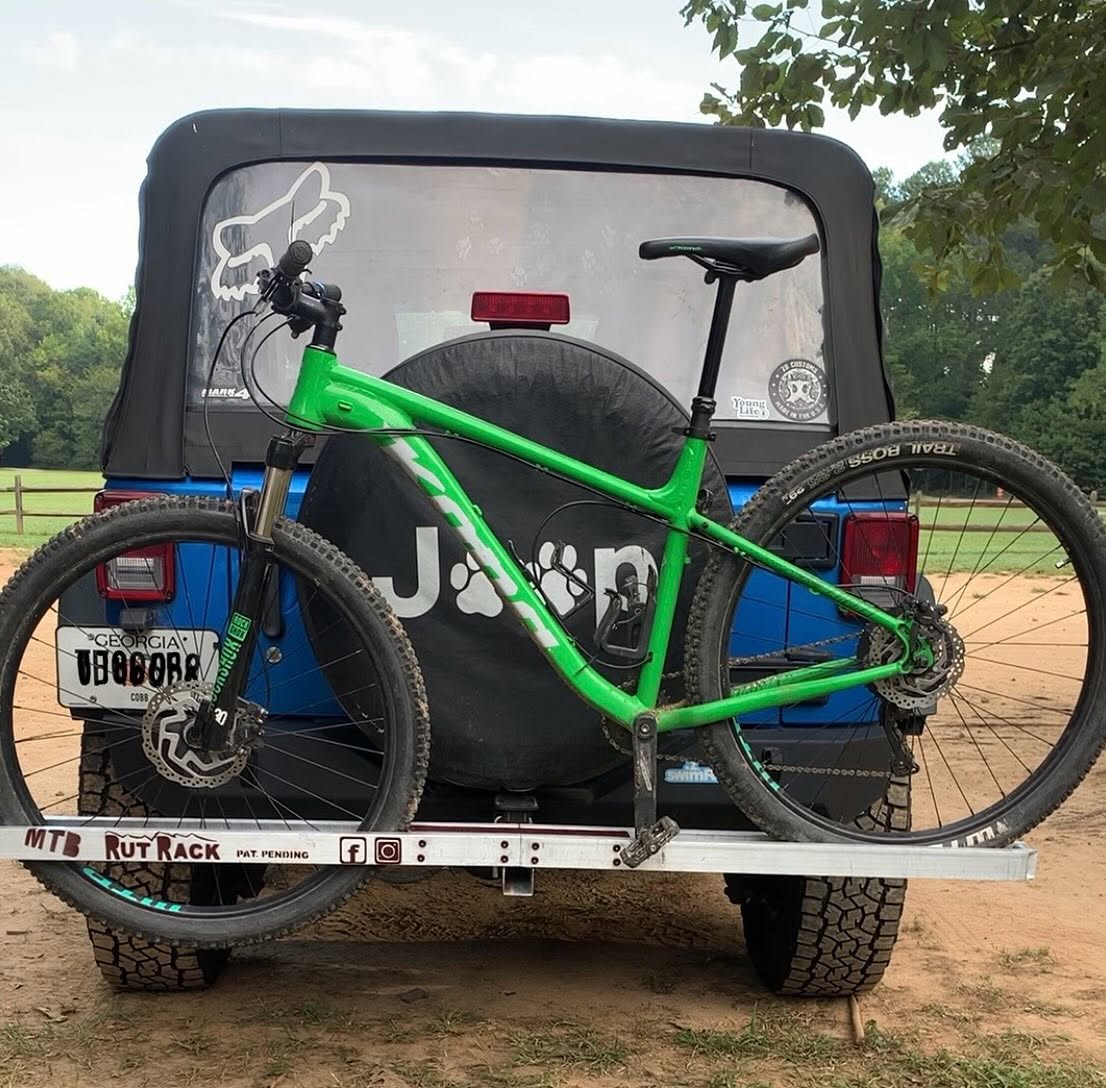
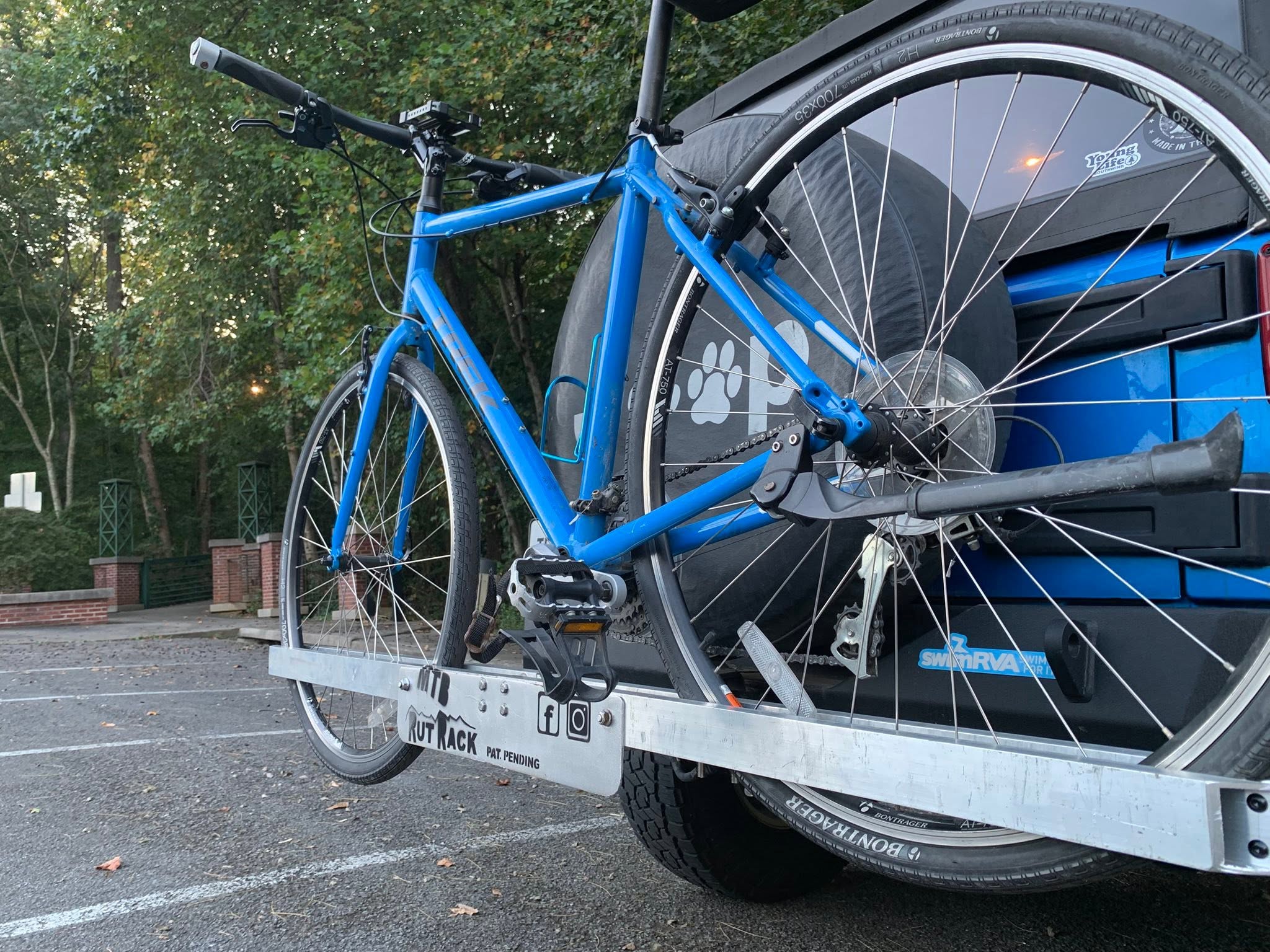
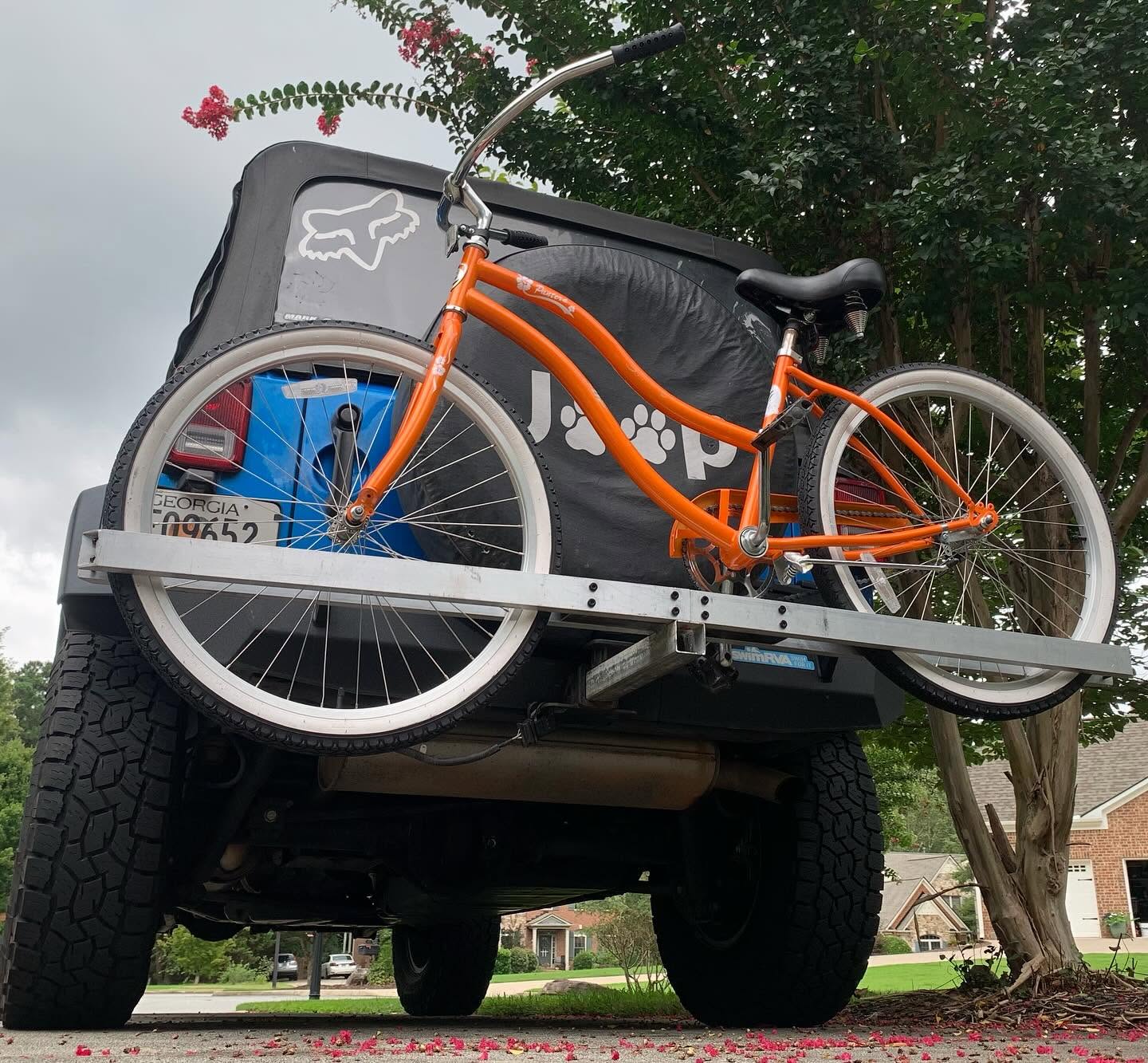
The slotted design is meant to hold tires in place — and that’s it.
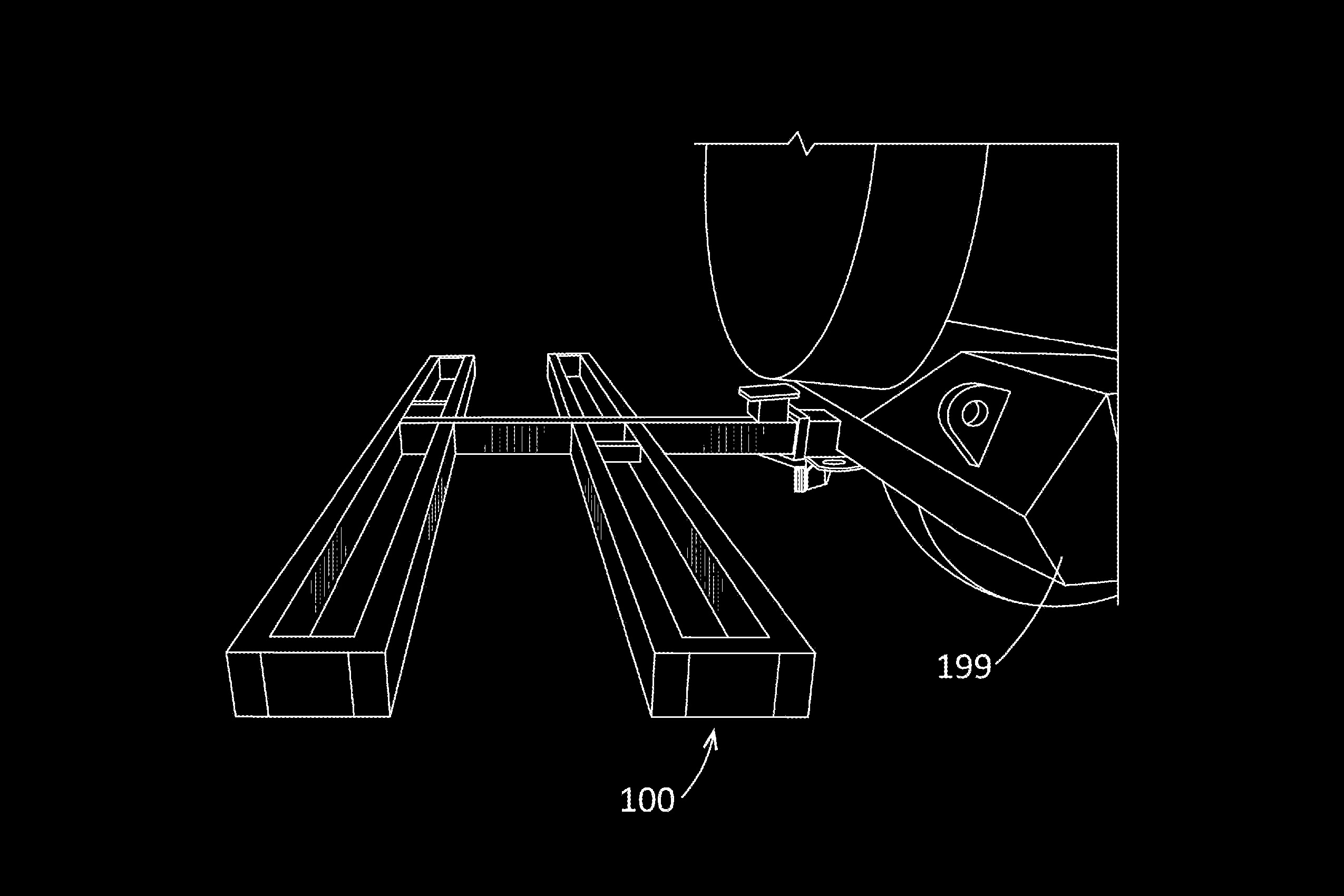
Lockwood’s design brings to mind a simple, low-profile bike rack you might find on the street. Simply lift the bike onto the rack and slide the front and rear tires into the slot. The submitted specification notes that the width of the slot “can be sized to snugly grip the tires […] to retain the bicycle […] in the bicycle rack.” Of course, bike tires come in a variety of widths, so the rack slot needs to be sized based on each bike you intend to transport.
“Each tray or channel is custom to the width of the tires,” Lockwood wrote over email. “I have spacers that bolt in for different tire widths for the aluminum racks.”
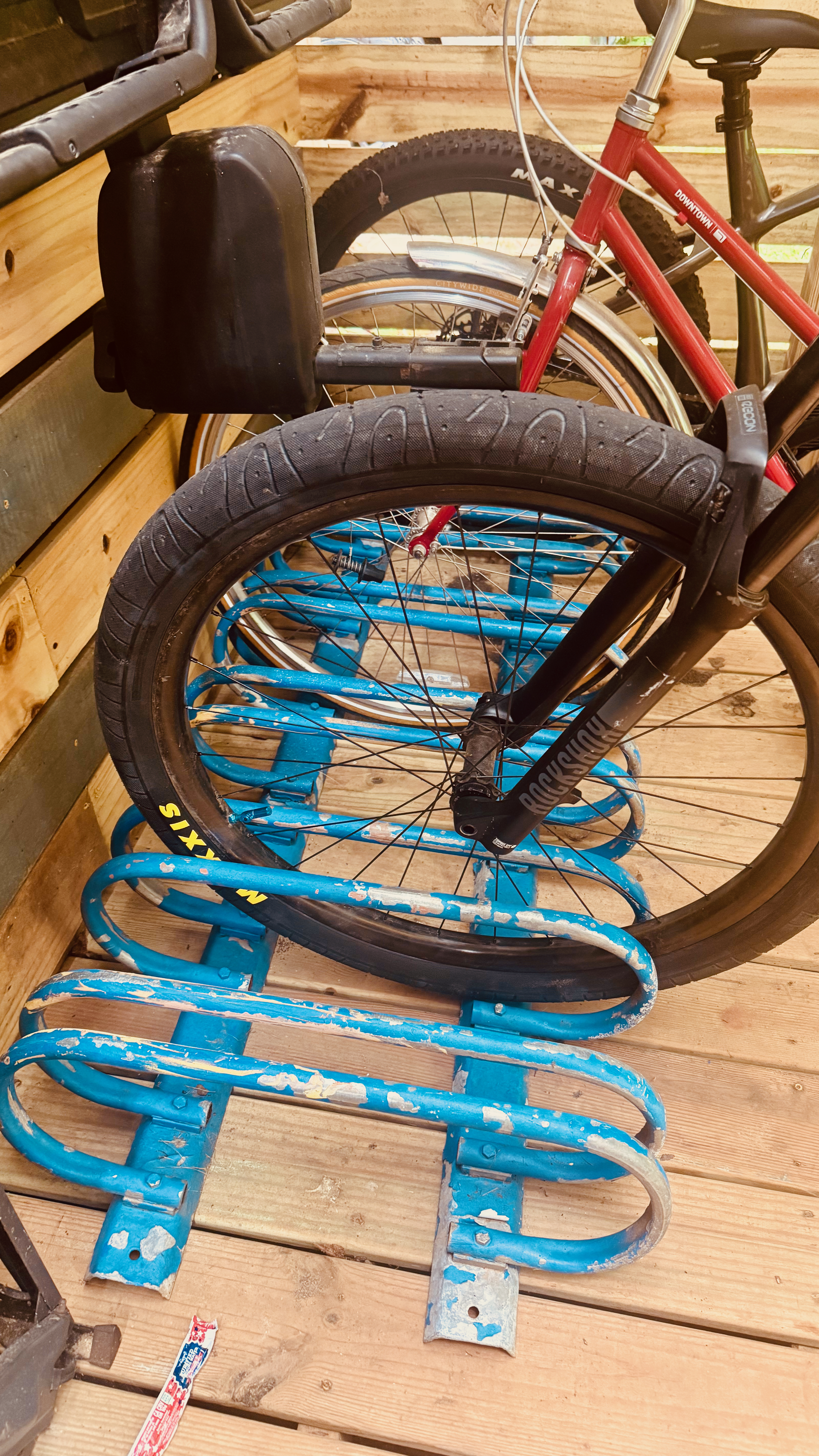
Existing slotted bike racks, like this one designed for an RV, take a similar, though not identical, approach.
The cross-members in Lockwood’s design serve as rungs the wheels can’t fall through, and are spaced closer together than the wheel’s diameter. The idea is that wheels sink in and get cradled at just the right height.
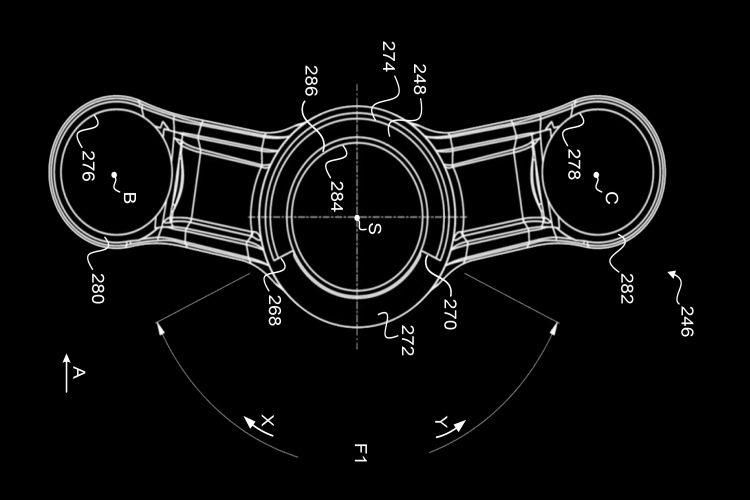
The patent drawings don’t show any straps or arms to hold bikes in place, and it would seem that friction and the bike’s weight alone might not be enough to keep the bike from being ejected from the rack at the slightest bump in the road. However, as you can see in the video above, the bike appears to be secure while driving (slowly) on an uneven road.
Clearly, a couple of hook-and-loop straps cinching the wheels to the rack could provide extra peace of mind, though that would go against the simplicity of the design.
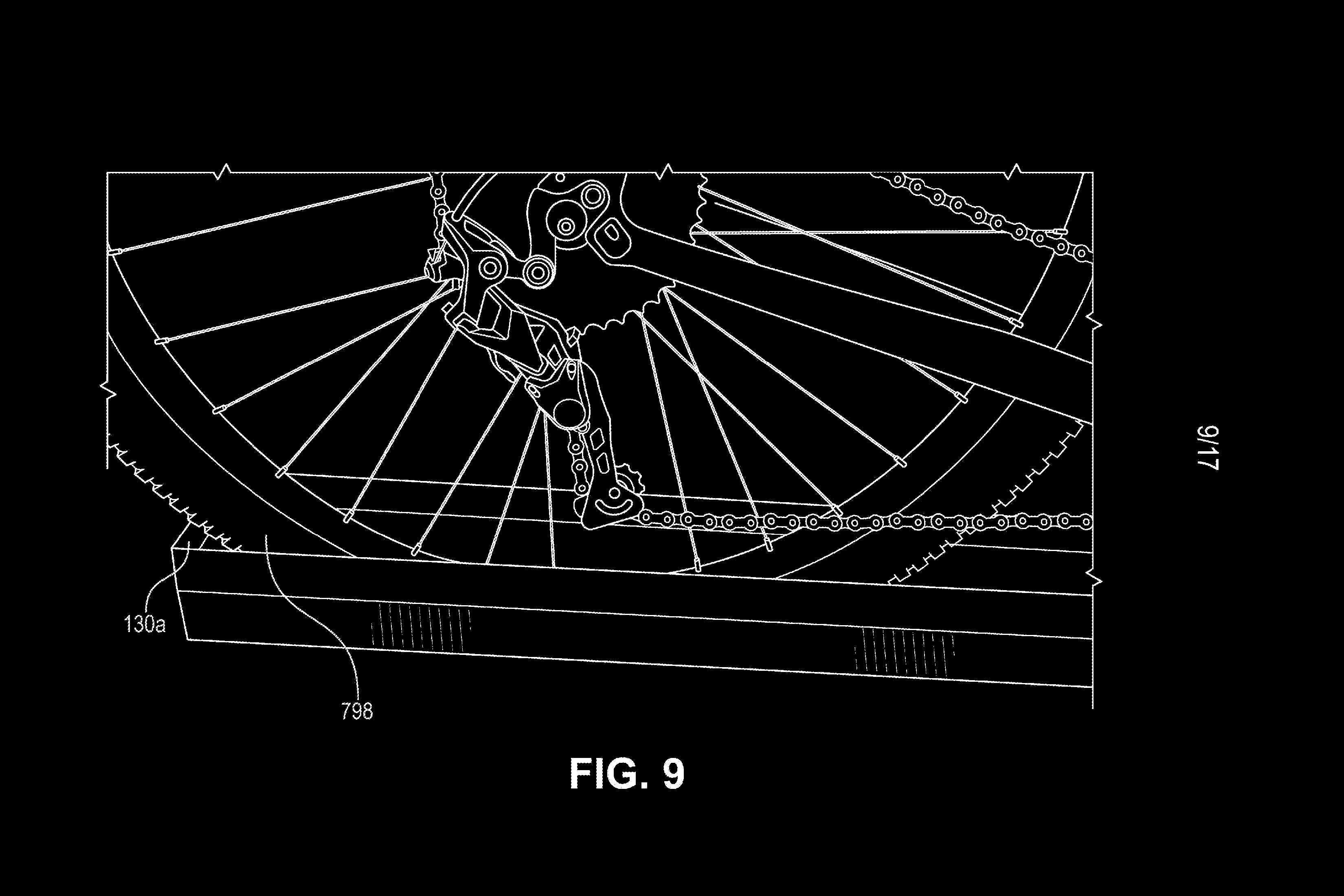
The placement of cross members within the slot dictates how low the bike sits inside the rack, and depends on the bike’s wheel size and overall wheelbase. This is actually a very important part of the design; if the bike sits too low in the slot, the bike’s weight could end up resting on a derailleur or brake rotor.
Patent documents aren’t meant to market a particular design or invention, but it does appear there could be advantages to this setup. For one, bikes sit lower on this rack than existing hitch racks, which should provide better stability overall. However, the lower bike position introduces a new risk of tires and/or rims — rather than just the underside of the rack — being damaged when rolling over speed bumps.
And with the bike sitting lower, this presumably improves rear-view visibility, depending on the vehicle.
I asked Lockwood if there is a weight limit for the rack, and he said the heaviest bike he’s tested on the aluminum version was a 45lb Schwinn full-suspension bike. That’s not quite e-bike weight, though he says a steel Rut Rack prototype he built could easily support 200lb. He notes that the steel rack is heavier and, because it’s fully welded, it’s not adjustable once it’s put together.
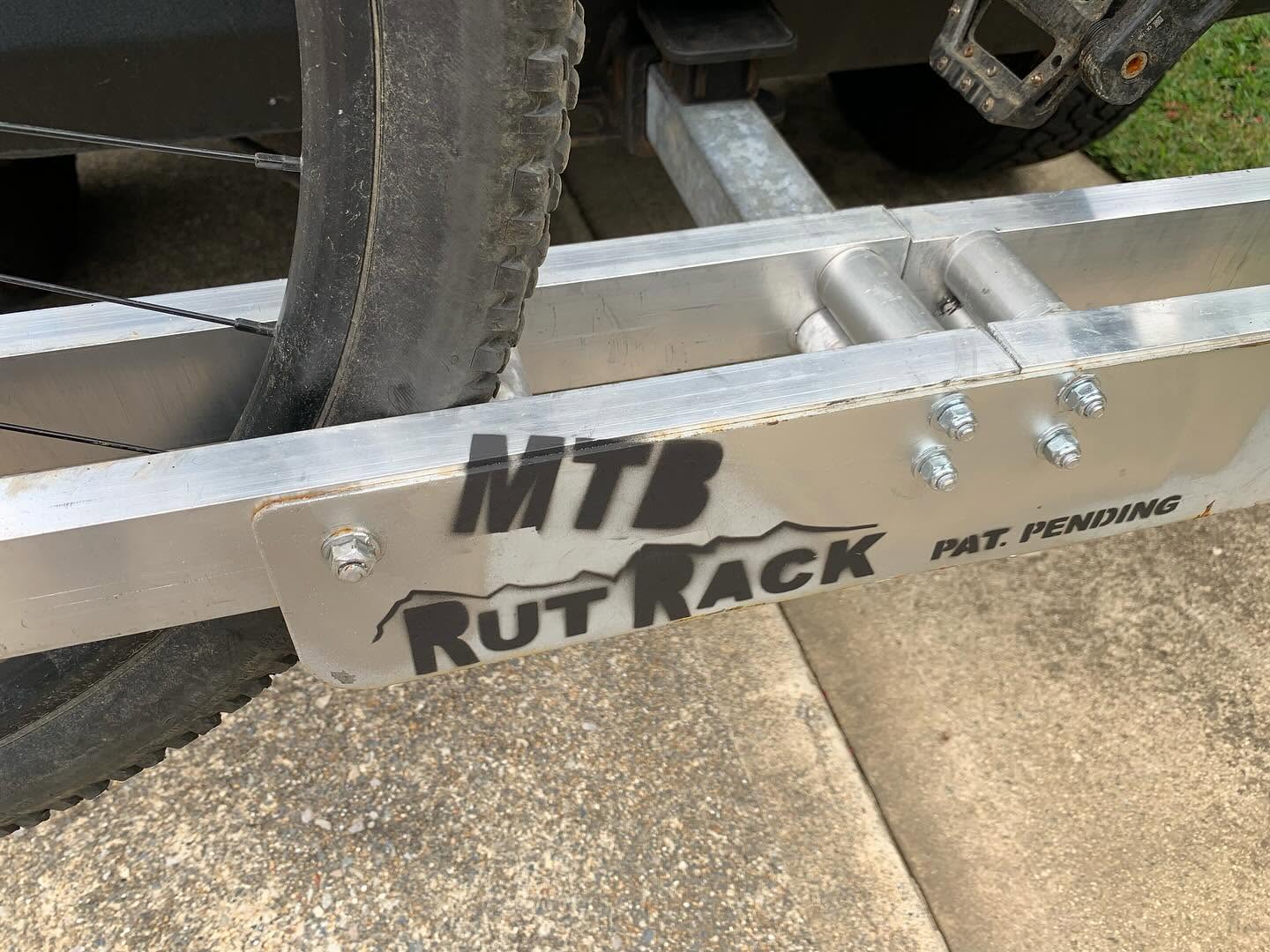
The aluminum Rut Rack is lightweight and doesn’t take up much space
So far, Lockwood has produced single- and dual-tray Rut Racks. “The single really shines for a super lightweight 15lb aluminum rack that installs easily, loads and unloads quickly, and stores in a very narrow space.”
An Instagram post lists introductory pricing for a Rut Rack that starts at $250 for a single.
It’s clear there is a market for clean, simple bike rack designs, and this one definitely stands out. Prospective buyers can get in touch with Lockwood via email at [email protected].
Keep up with the latest mountain bike news by adding Singletracks as a preferred source on Google.
The news stinks. Why not follow Singletracks on Google News to bring more joy to your day?


20 Comments
Jul 16, 2026
Also, what's to stop somebody from walking up to the back of your car at a stop light and just taking your bike and riding away? Yes, I realize you could use a standard bike lock, but then it's not strapless anymore.
Jul 16, 2026
Jul 16, 2026
Jul 16, 2026
Jul 16, 2026
Jul 16, 2026
Jul 16, 2026
Jul 16, 2026
This is a great first draft but needs refinement.
Jul 16, 2026
Jul 16, 2026
Jul 17, 2026
Jul 19, 2026
Jul 20, 2026
Jul 16, 2026
Jul 16, 2026
Jul 17, 2026
I don’t want an SUV.
Jul 17, 2026
Jul 16, 2026
Jul 17, 2026
Jul 17, 2026