
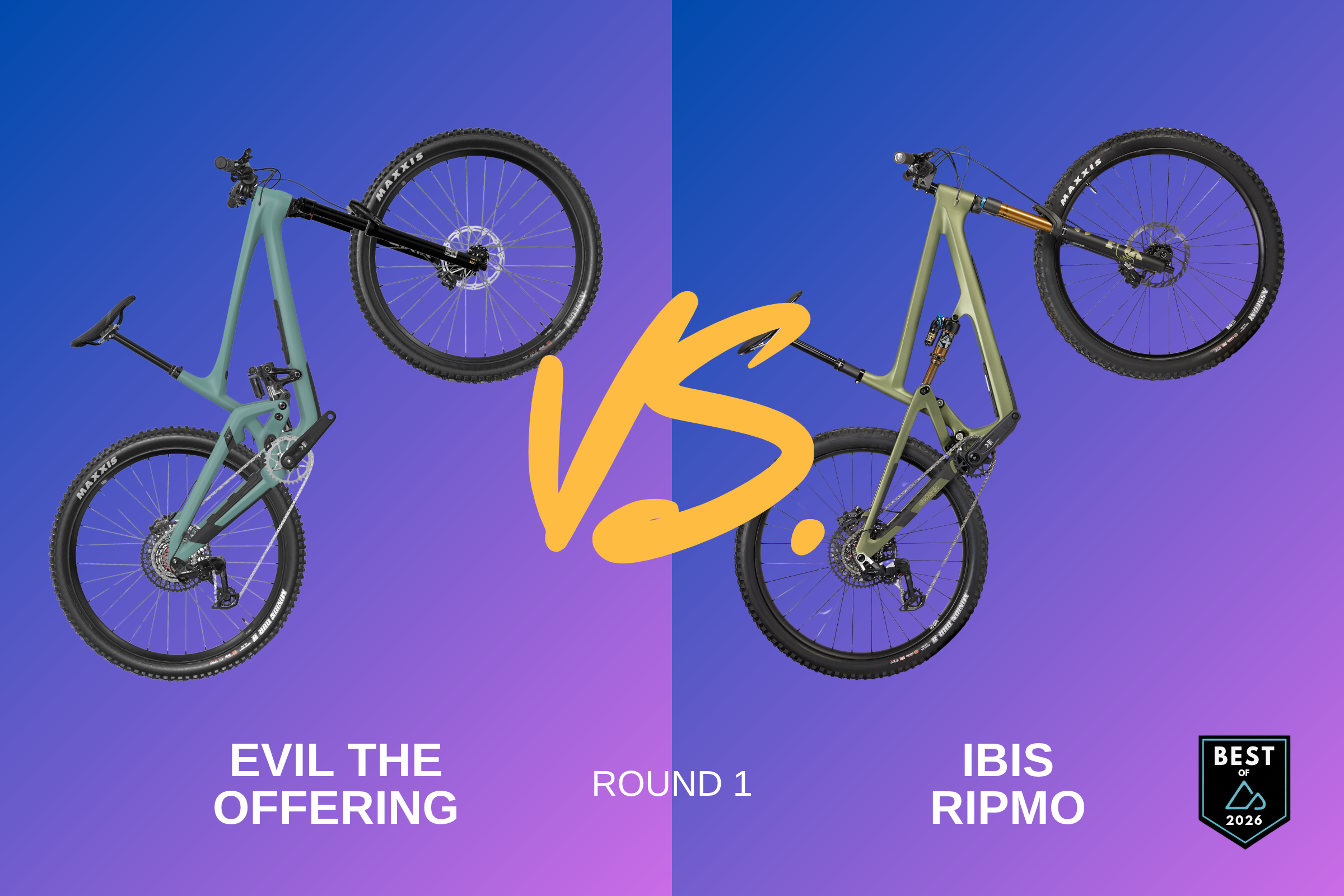
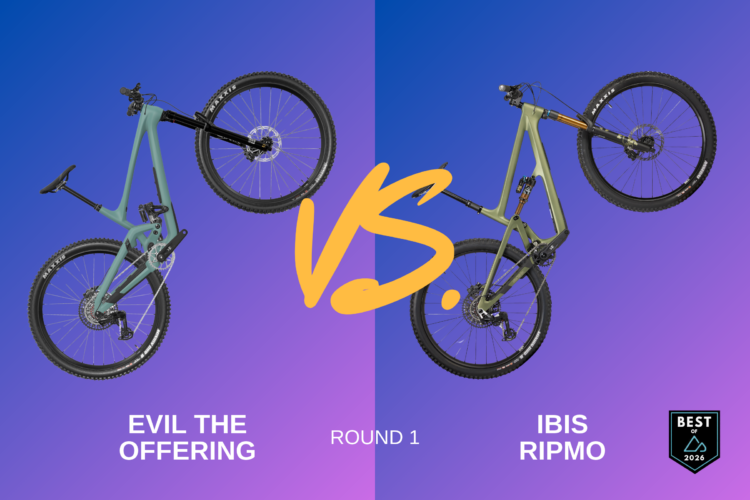
Okay, this is going to be a tough one. The Ibis Ripmo and Evil Offering matchup might feature the two most closely related bikes yet. The geometry and build specs are very similar. Both bikes share features like geometry adjustments and in-frame storage, and they’re priced within $500 of each other. And, to top it off, both bikes feature suspension platforms designed by Dave Weagle. So, putting these two head-to-head should be interesting indeed, but hopefully there are enough differences to push one above the other.
| Evil The Offering Eagle 90 Super Deluxe | Ibis Ripmo Eagle 90 | |
| Suspension travel (F/R) | 160/151mm | 160/150mm |
| Drivetrain | SRAM GX Eagle | SRAM Eagle 90 |
| Suspension | RockShox Lyrik Ultimate, RockShox Super Deluxe Ultimate | Fox Factory 36 Grip X2, Fox Factory Float X2 |
| Geometry*(size large frame) | HTA: 64.7° STA: 78.8° Reach: 488mm Chainstay: 435mm | HTA: 64.5° STA: 77° Reach: 506mm Chainstay: 438mm |
| Weight | 32.88 lb | 7.6 lb (XM frame) |
| Price | $6,899 | $6,399 |
Travel and category positioning
Ibis says the Ripmo is the “ultimate trail-slaying machine,” while Evil claims that when riding the Offering, “the trail won’t know what hit it.” Both of these bikes are built around the same travel amount — 160mm fork up front and a 150mm shock out back (okay, Evil claims 151mm). Fork travel goes outside of that 160mm spot, as both frames are compatible with 150-170mm forks.
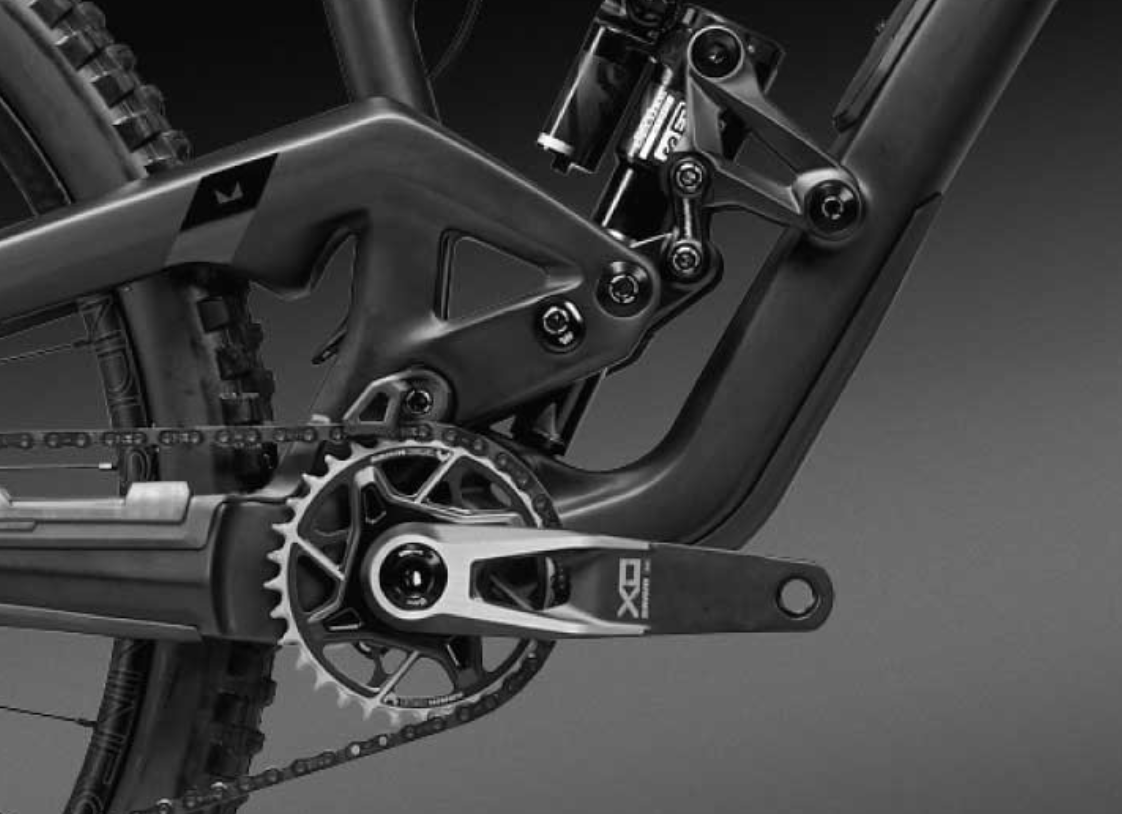
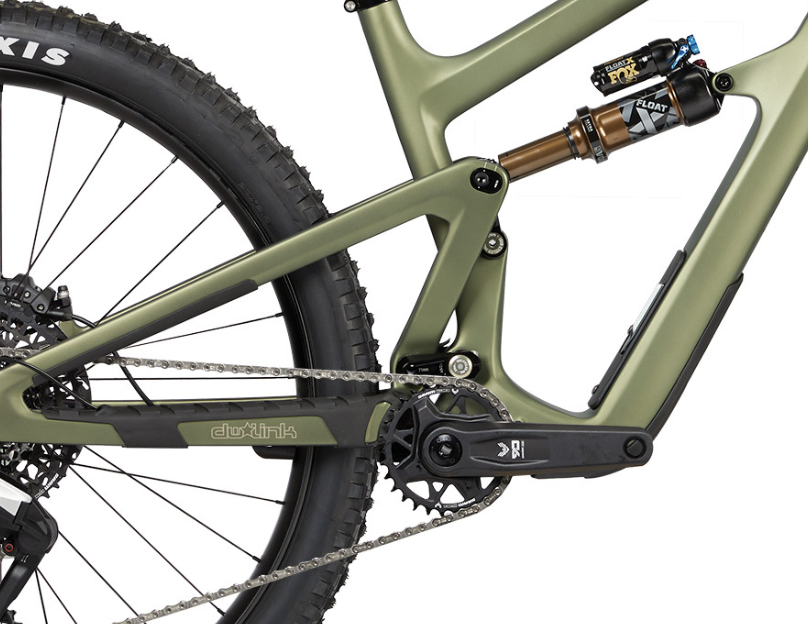
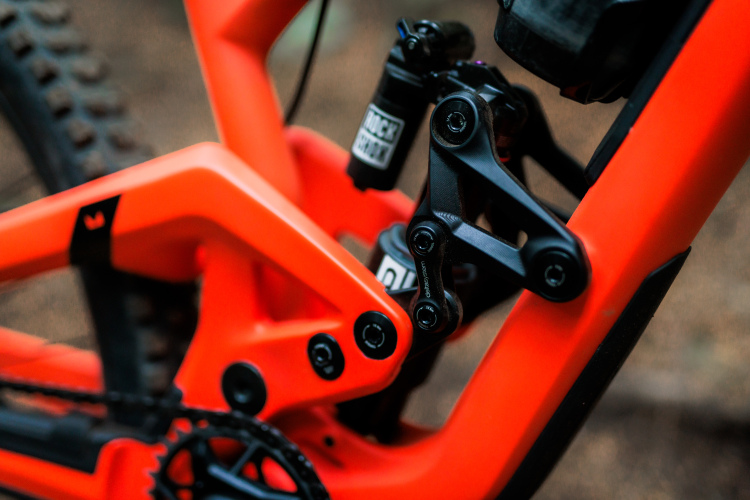
The similarities continue with suspension design. The Ibis Ripmo, of course, uses the DW-Link suspension platform, while Evil uses Delta Linkage — two suspension platforms designed by Dave Weagle. Both platforms prioritize traction and pedaling efficiency, balancing climbing performance with descending capabilities.
That said, the travel numbers sit at the edge of “trail bikes,” suggesting both the Offering and Ripmo lean toward descending. That said, we have never found any Dave Weagle bike to be a slouch on the climbs.
So, maybe the geometry numbers are where we’ll find the major differences.
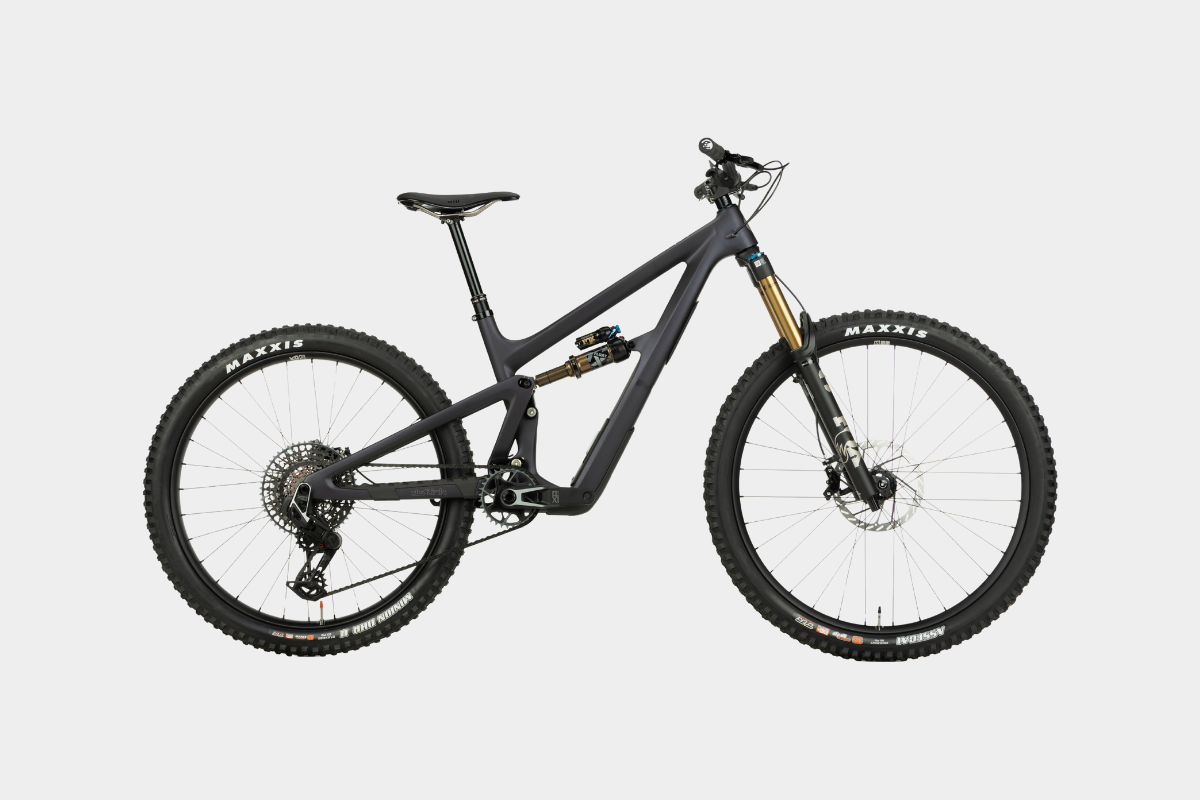
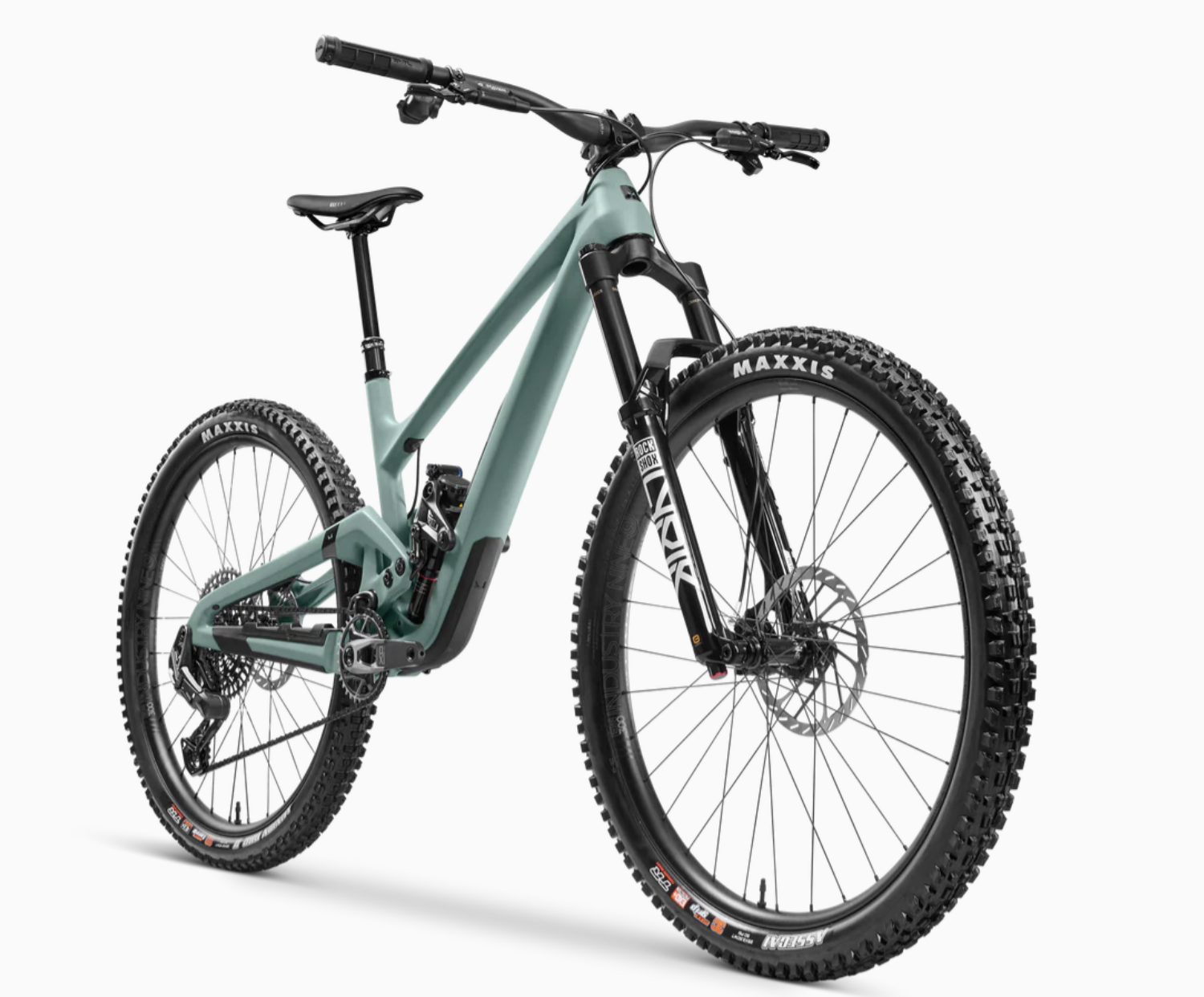
A much longer reach on the Ripmo, but hold on…
The reach on a size large Ripmo is massive — 506mm! That is nearly 20mm more than the Offering’s reach in the longest configuration for the same size. So why is there such a huge difference between what each brand deems a “large”?
With the redesign of this most recent iteration of the Ripmo, Ibis added an extra size — an “Extra Medium,” to be exact. This XM size has a reach of 478mm, closer to what most would expect from a size large, and likely what many size-large riders would choose. During these matchups, we try to keep everything as similar as we can — builds and sizes. We opted for Eagle 90 builds and size large frames for the comparisons. And, well, Ibis says that a bike with a 506mm reach is its “large,” so we’re rolling with it.
(If nothing else, this is a good reminder to look at geo charts before clicking “Buy.”)
Aside from that massive reach number, the Ibis Ripmo has a 64.5° head tube angle (HTA) paired with a 77° seat tube angle (STA). The chainstays measure 438mm, unless the bike has a smaller 27.5 rear wheel, in which case they are 435mm. Stack measures 643mm, providing an overall lengthy wheelbase of 1,286mm.
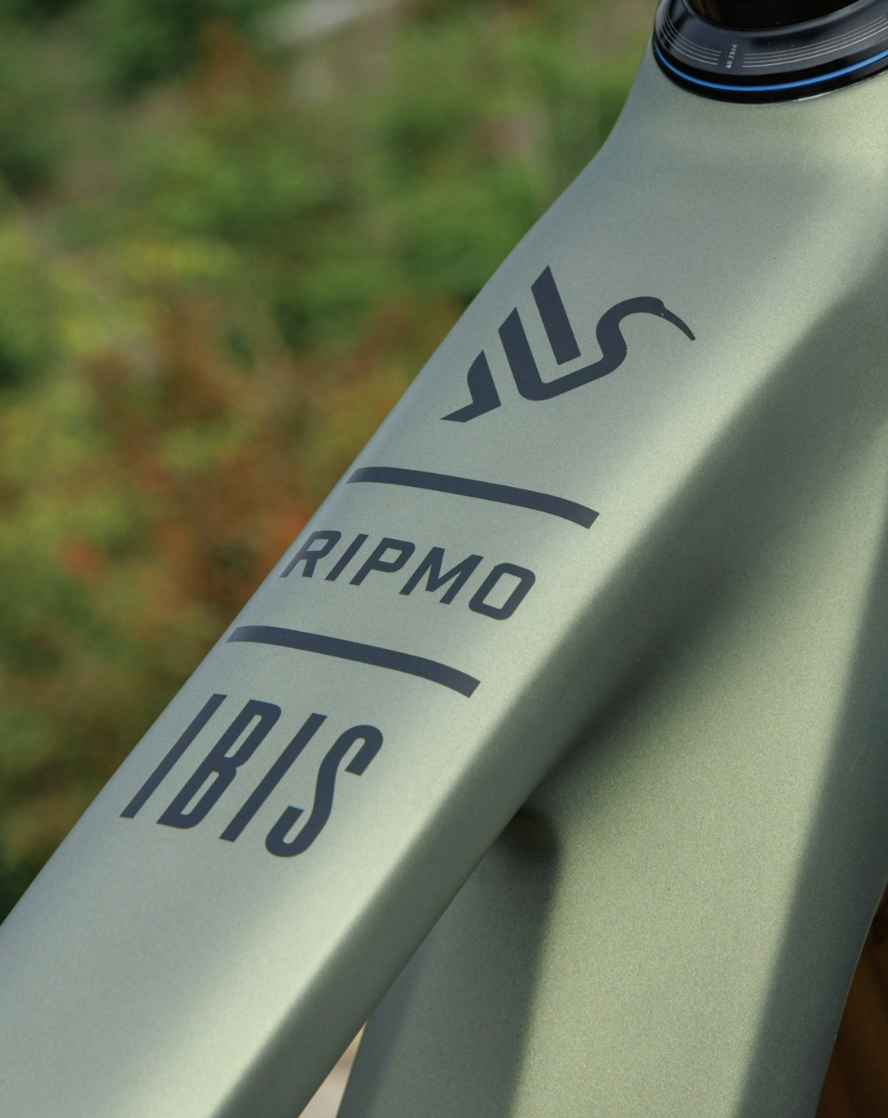
The Ripmo uses a flip chip to accommodate changing the rear wheel size, while the Offering is a 29er only. However, the Offering has a flip chip, or RIP chip, as Evil calls it, but it only adjusts geometry, switching between a “High” and “Low” setting (previously, it was something like “Low” and “Super Low”).
Between high and low, The Offering’s HTA is 64.7° or 64.1°, respectively, and the STA is a steep 78.8° or 78.3°. The reach ranges from 488mm in high to 481mm in low, with the chainstays at 435mm or 437mm when the Offering is in low, and the stack switches between 628mm and 633mm depending on the RIP chip setting.
Now, The Offering’s stack height appears significantly lower than the Ripmo’s 643mm, as does the 1,256mm wheelbase measurement compared to the Ripmo’s 30mm-longer wheelbase. However, this again seems to be because of what Ibis calls a “large.” When a size large Offering is compared to an extra-medium Ripmo, the numbers are much closer — within 7mm for the wheelbase and essentially the same stack height.
Frame features and adjustability
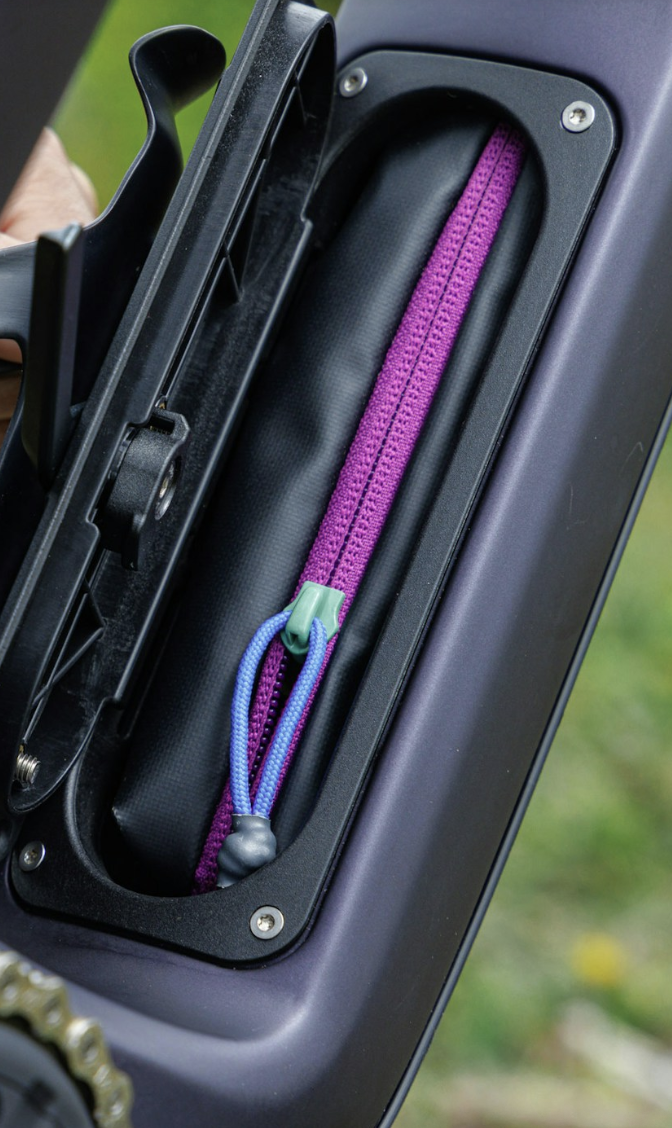
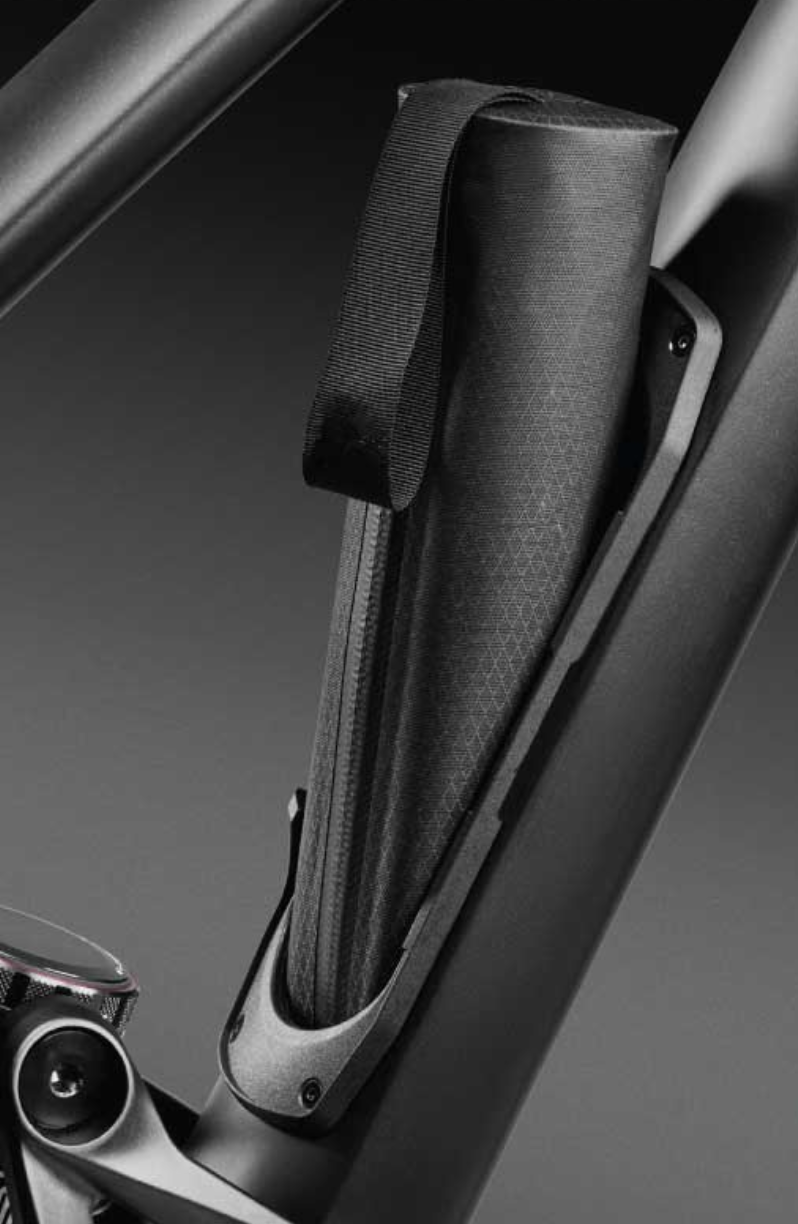
As I mentioned, both bikes are fairly versatile, accommodating forks with 150-170mm of travel. Both also feature carbon frames (Ibis also offers an aluminum option, the Ripmo AF), in-frame storage, UDH compatibility, tube-in-tube internal routing, and a flip-chip. That said, the Ripmo is perhaps a touch more versatile, as its flip chip is for a smaller rear wheel, while the Offering is stuck with 29-inch wheels, front and rear.
The Ripmo also has another feature the Offering doesn’t: modularity. Ibis uses the same front and rear triangles for both the Ripmo and Ripley frames. Swapping suspension and a shock clevis essentially gains you two bikes — a “Ripmoley,” or “Ripleymo,” of sorts.
While the Offering isn’t modular, Evil offers two different configurations. For our purposes, we are looking at the more trail-oriented build, with a 160mm RockShox Lyrik and Super Deluxe shock. Those wanting a more enduro-inspired build have that option as well, with a 170mm Zeb and Vivid rear shock. That said, the shock still sits at the 151mm of travel that the trail build has.

Perhaps the most significant change on the Offering from previous generations is Evil’s move away from Super Boost spacing. The new frame features standard 12x148mm boost spacing, making it easier to swap or upgrade wheels.
Evil gives you lots of build options
On paper, the Ibis Ripmo and Evil Offering have very comparable build specs, especially considering their $500 difference. Ibis chooses Fox Suspension while Evil goes with RockShox, but both have chosen the highest levels — Fox Factory and RockShox Ultimate.
Both bikes also have a SRAM Eagle 90 drivetrain and aluminum wheels — Ibis’ Blackbird Send wheels for the Ripmo, and Industry Nine Triad for the Offering. Both bikes have the same Maxxis Assegai and DHR II tire options, though the Offering comes with the Double Down casing while the Ripmo has EXO+.
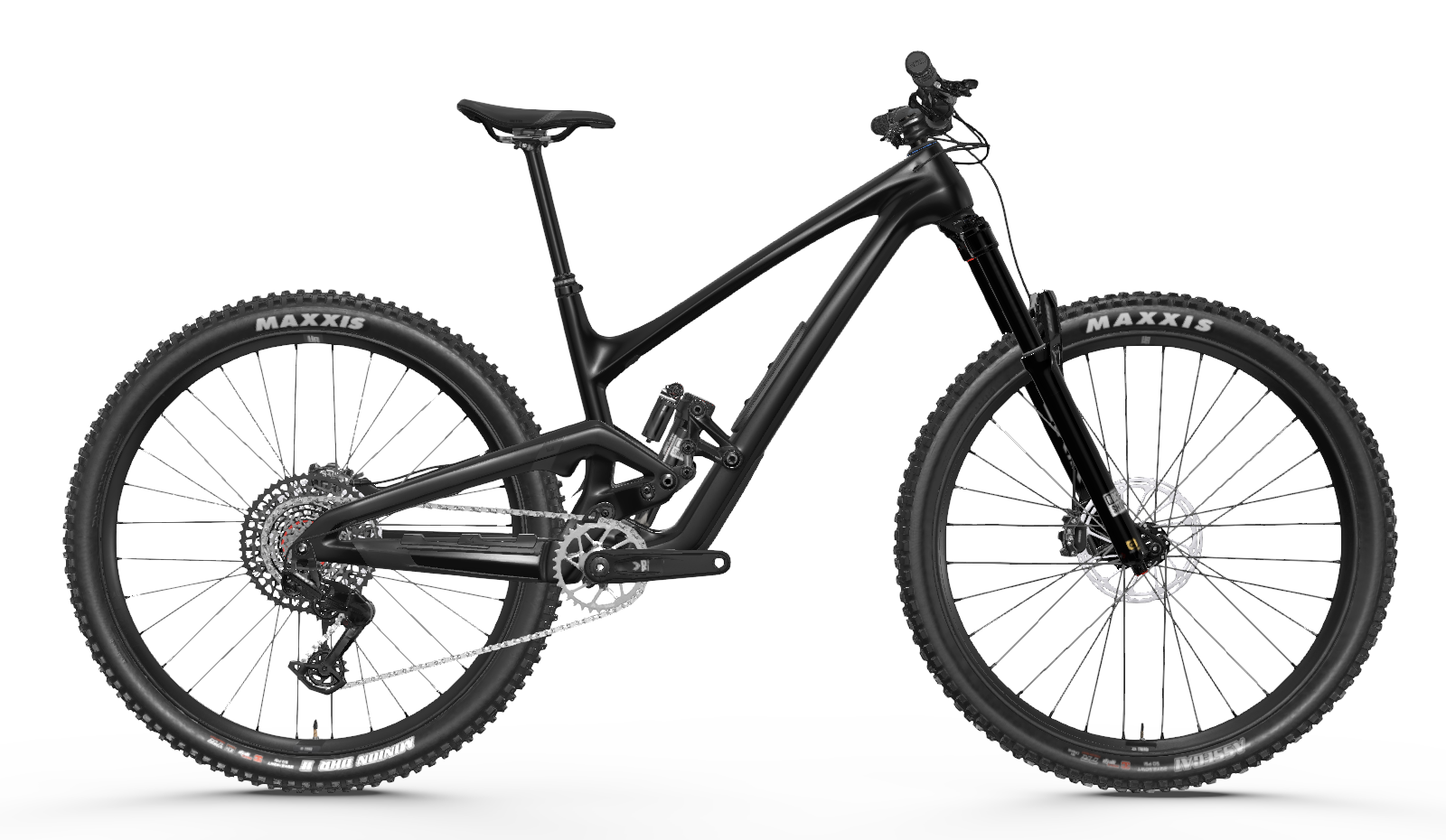
Perhaps brakes are where Evil takes the edge: both bikes feature SRAM Maven Base brakes, but the Offering gets HS2 rotors, while the Ripmo gets Centerline rotors. But Evil certainly takes the edge with build customization.
First, Evil doesn’t offer many builds (only 3), but they certainly don’t skimp. All builds get SRAM Maven brakes and RockShox Ultimate-level suspension; the main difference is the drivetrain and wheels. The interesting thing is that Evil allows you to upgrade or downgrade the build you choose.
Say you choose the Eagle 90 build, as we have, but want to upgrade to SRAM Maven Silver brakes; you can do that for $125. You can upgrade almost anything on the build for an additional cost, or skip a component outright. Say you have an awesome set of carbon wheels you plan to use on your new Offering. Simply select “Customer Provided” when configuring the bike, and you save $540 on the Eagle 90 build — over $1,200 on a higher build that comes with carbon wheels.
The bottom line
If we ditch Ibis’ “large” frame for an XM, the Ripmo and the Offering have very similar geometry. And with suspension platforms designed by Dave Weagle on both bikes, we can be sure both are capable descenders and efficient pedalers. Without a doubt, the Ibis Ripmo offers a touch more versatility with its ability to run a smaller rear wheel and essentially be another bike, the Ripleymo. But it’s hard to ignore how much choice Evil gives customers when choosing components — or not choosing them at all to save money.
This is a tough one. Cast your vote for the Ibis Ripmo or the Evil Offering to see which moves to round two on November 13, taking on either the Atherton A.150 or Cotic Jeht.
Editor’s note: This matchup concludes the first round of the Singletracks Trail Bike of the Year tournament. Voting closes soon and next week we’ll reveal the semi-finalists.
Keep up with the latest mountain bike news by adding Singletracks as a preferred source on Google.


0 Comments