
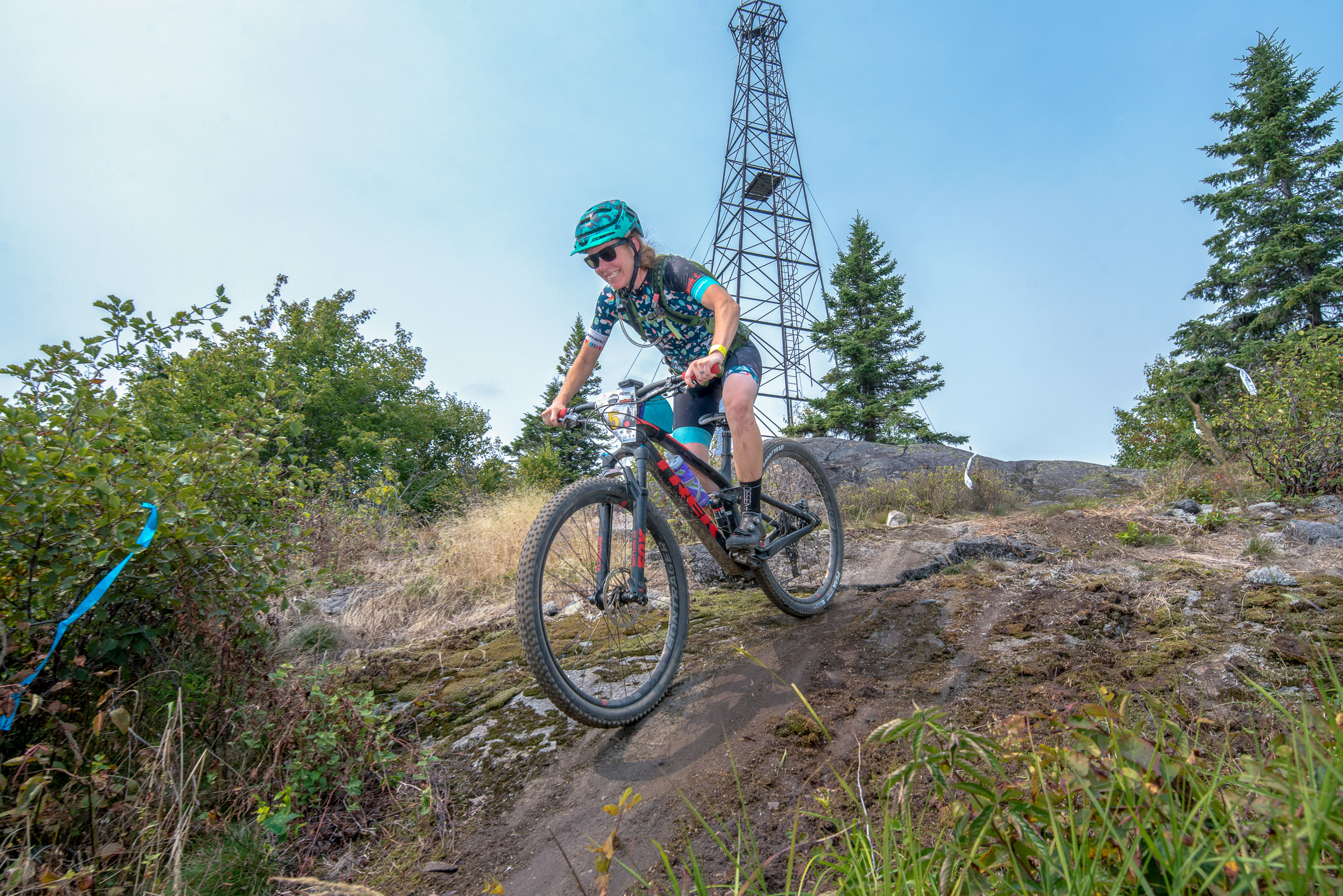
Some mountain bike races blur together after a while. Parking lot start, taped course, quick podium celebration, drive home. Then there are the events that stay with riders for years — the ones they keep talking about around campfires, at trailheads, and over post-ride beers.
Crank the Shield falls firmly into the second category.
Set among the rugged rock, forest, and massive Lake Superior vistas surrounding Sault Ste. Marie, the multi-day stage race has quietly built a loyal following of riders who return again and again for the challenge, the scenery, and the sense of community that’s increasingly hard to find in modern racing.
For founder and organizer Sean Ruppel of Superfly Racing, that community aspect has become just as important as the racing itself.
“The whole thing is based on not just mountain biking,” Ruppel says. “You spend four or five hours on a bike, but then it’s about everything else — the communal dinners, hanging out after the stages, talking about that one section or that one drop. It’s an immersive mountain biking experience.”
That philosophy has shaped Crank the Shield into something closer to an adventure than a traditional race weekend.
Built for the Canadian Shield
Crank the Shield originally launched in Ontario’s Haliburton region during the late-2000s boom in endurance MTB stage racing. But after struggling with wet conditions and limited purpose-built singletrack, Ruppel eventually moved the event north to the place he grew up riding.
“I always dreamed of bringing people to ride bikes in the area where I grew up,” he says. “Riding up Batchewana Mountain on mining roads and exploring the backcountry.”
That move changed everything.
Over the last decade, the Sault area has quietly evolved into one of Canada’s premier riding destinations, thanks largely to the development of extensive trail systems at places like Hiawatha Highlands and the rugged terrain surrounding Stokely Creek Lodge.
According to Ruppel, the event has evolved alongside the trails themselves.
“When we first moved Crank to the Soo, we were still relying heavily on backcountry riding and even rented a train to shuttle riders north,” he explains. “Now the singletrack here is incredible, so the race has become a showcase of the riding in the region.”
The 2026 edition leans into that concept harder than ever.
Rather than simply linking together race stages, Crank the Shield now aims to showcase the broader mountain landscape of Northern Ontario. This year’s opening day isn’t even traditional singletrack. Instead, riders face a 25-kilometer hill climb challenge to the top of Batchewana Mountain, one of the highest peaks in Ontario, before descending back toward the shores of Lake Superior.
At the summit? A party.
At the beach afterward? Another one.
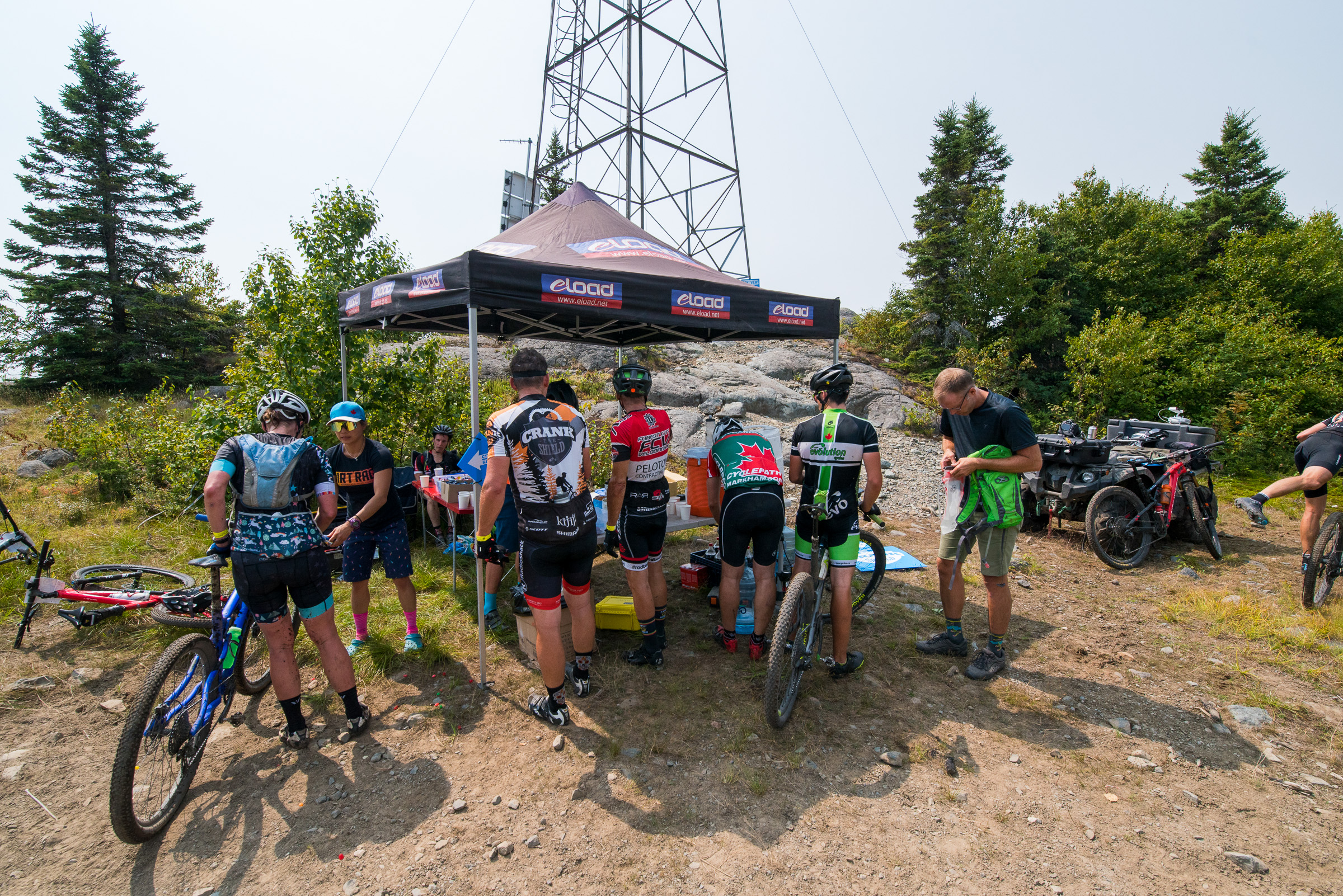
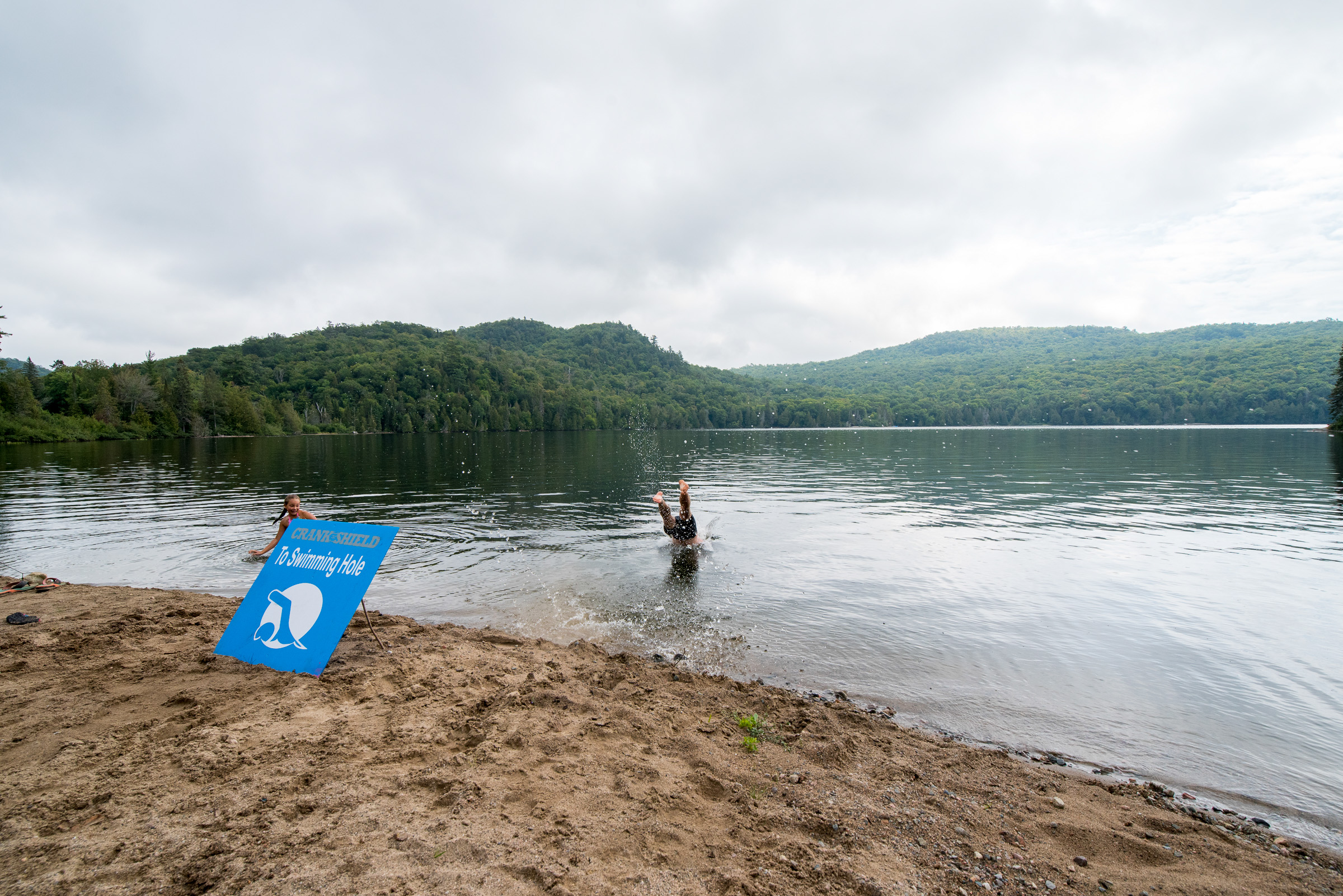
“We’re focusing more and more on camaraderie and the fun aspect,” Ruppel says. “People had this perception that Crank was brutally hard. We still want it to be challenging, but we also want average riders with decent fitness to feel like they can do it.”
Long climbs, big views, and real singletrack
If there’s one thing that defines Crank the Shield, it’s the terrain.
Ruppel describes it simply: “Long climbs and incredible singletrack.”
That may undersell it.
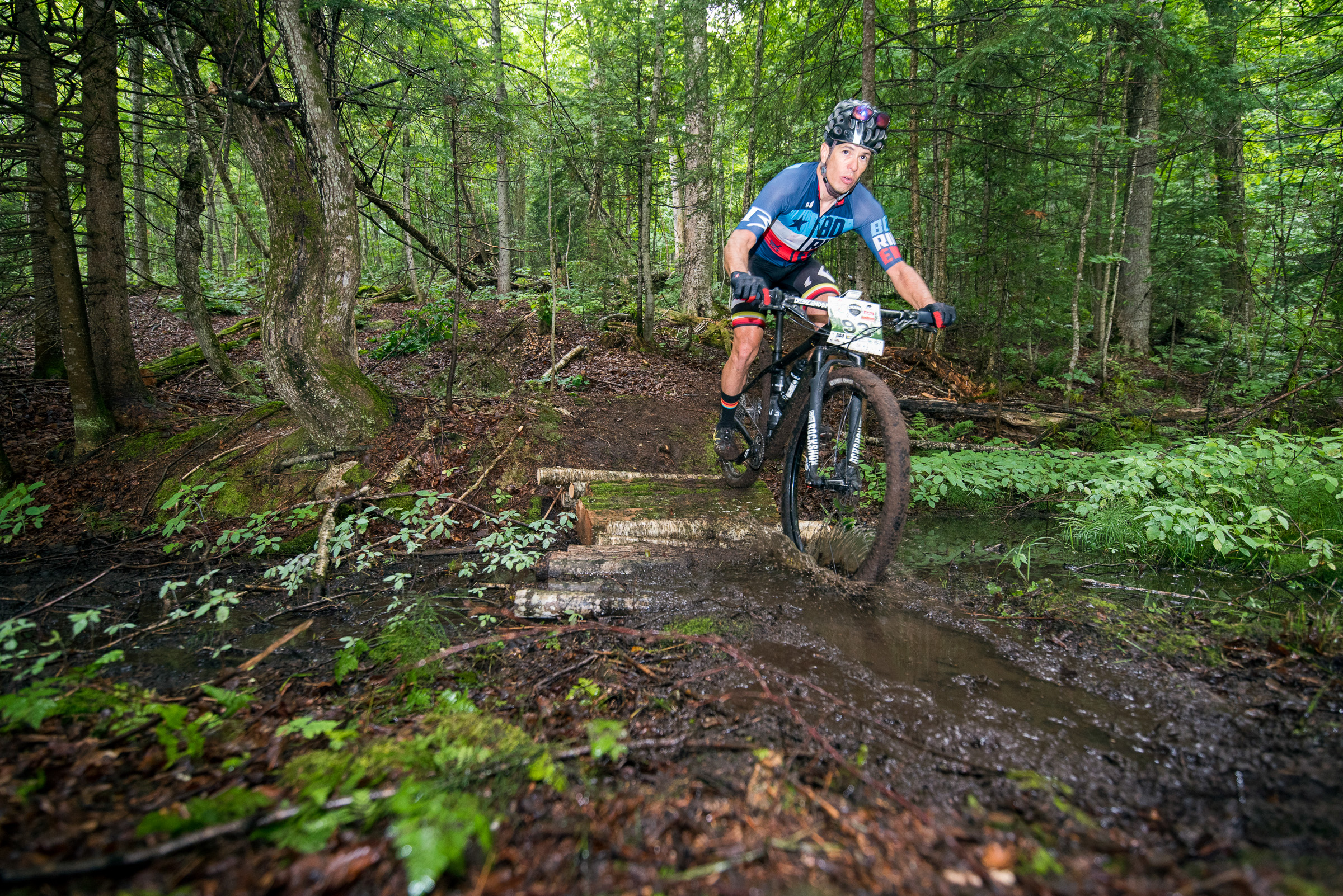
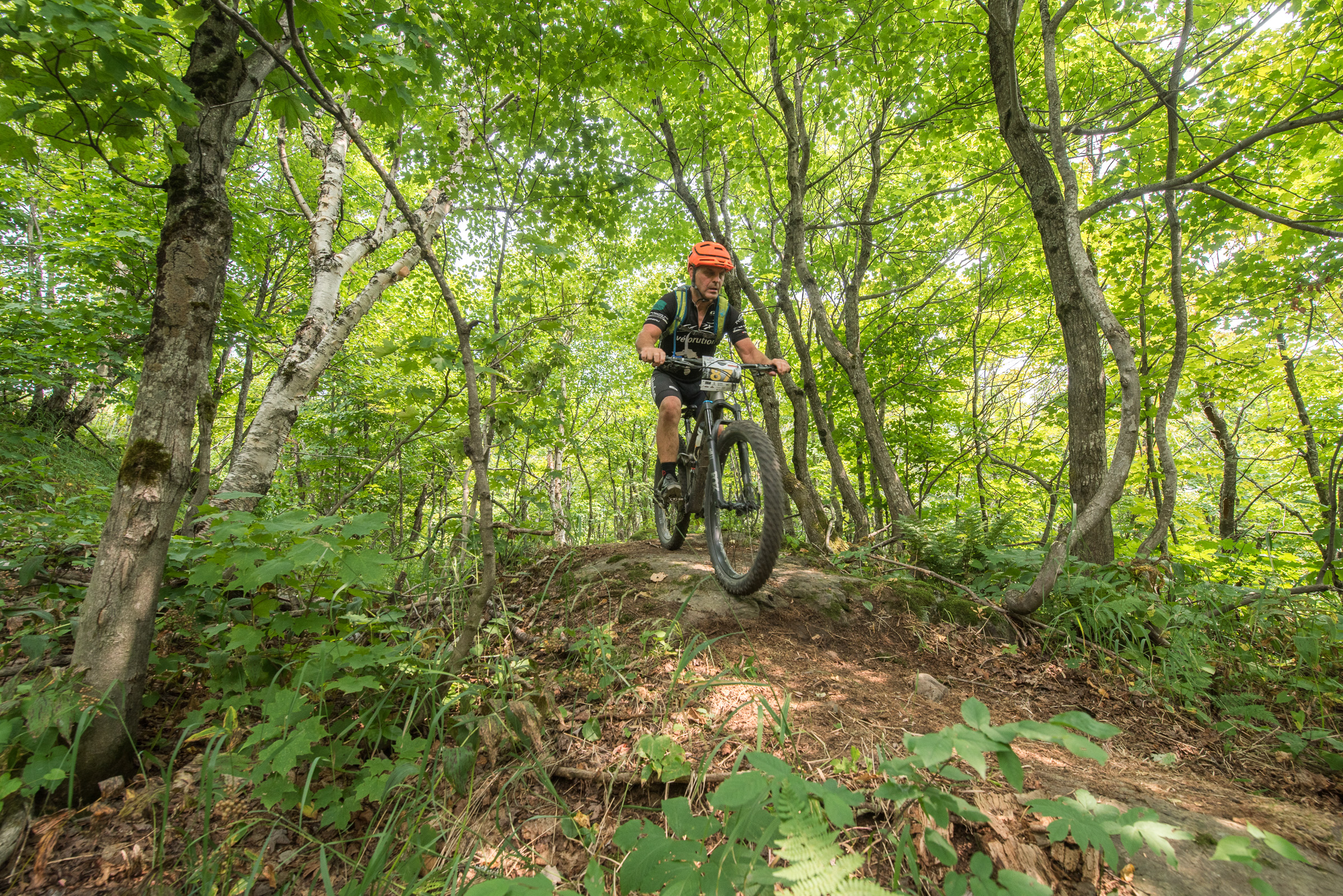
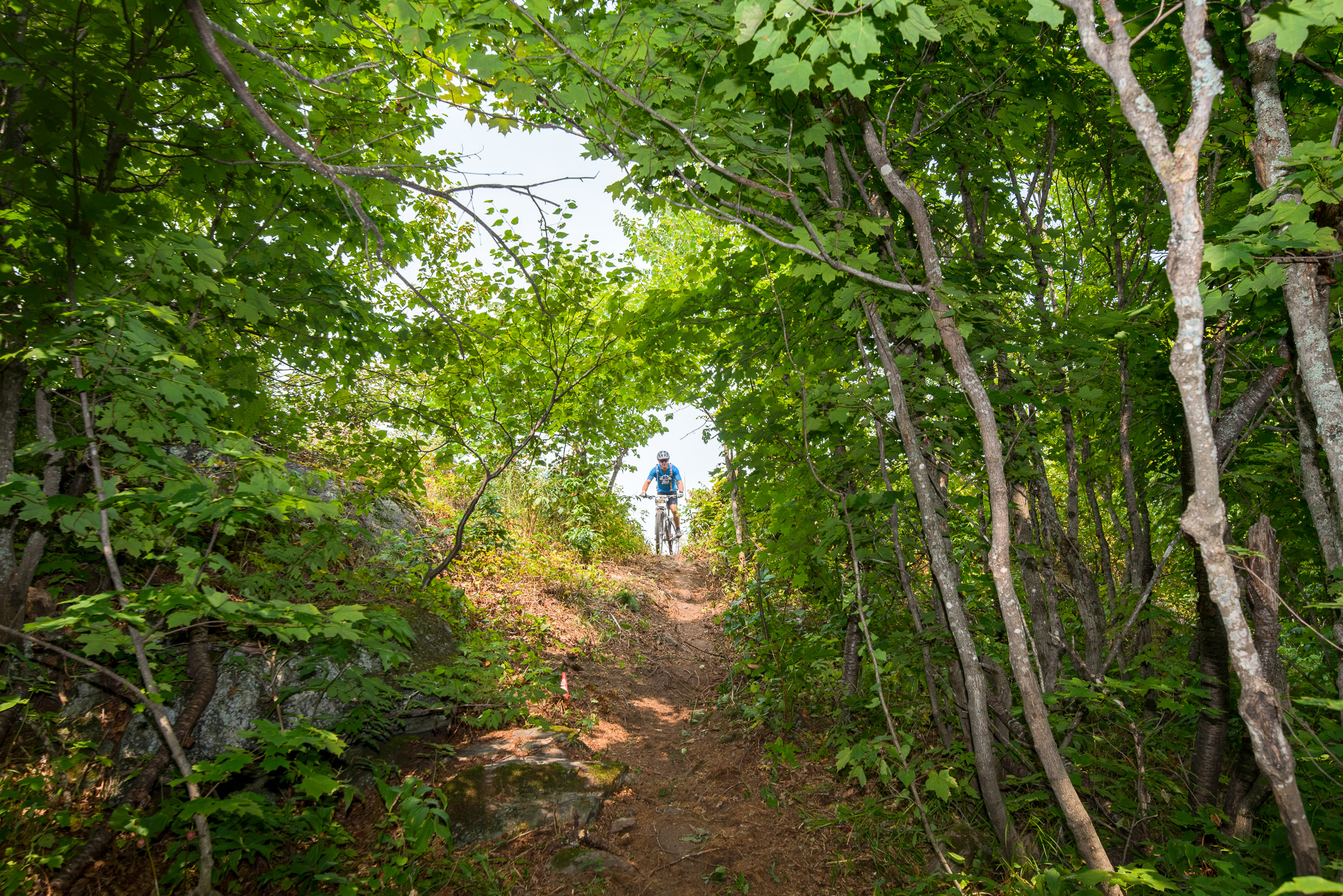
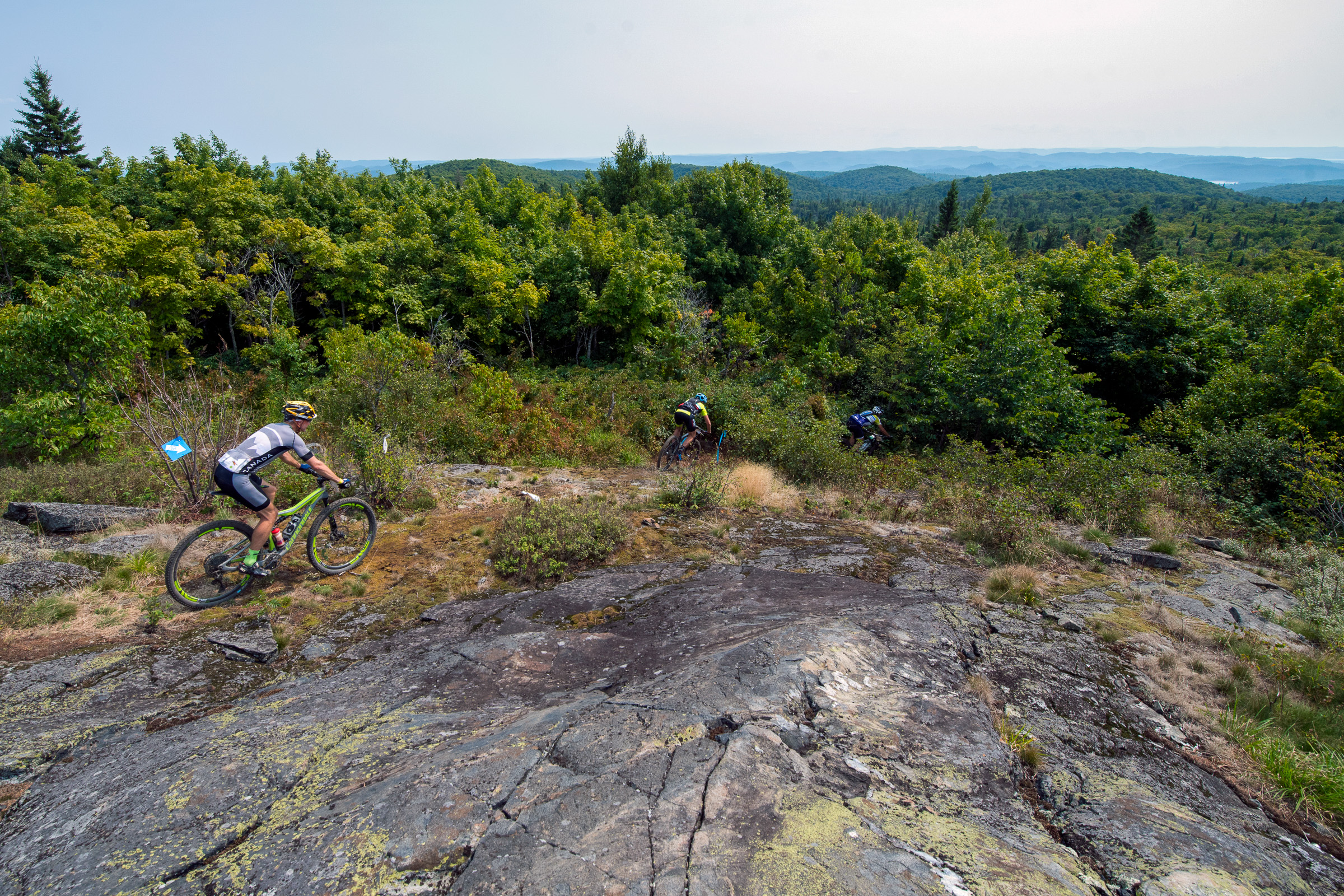
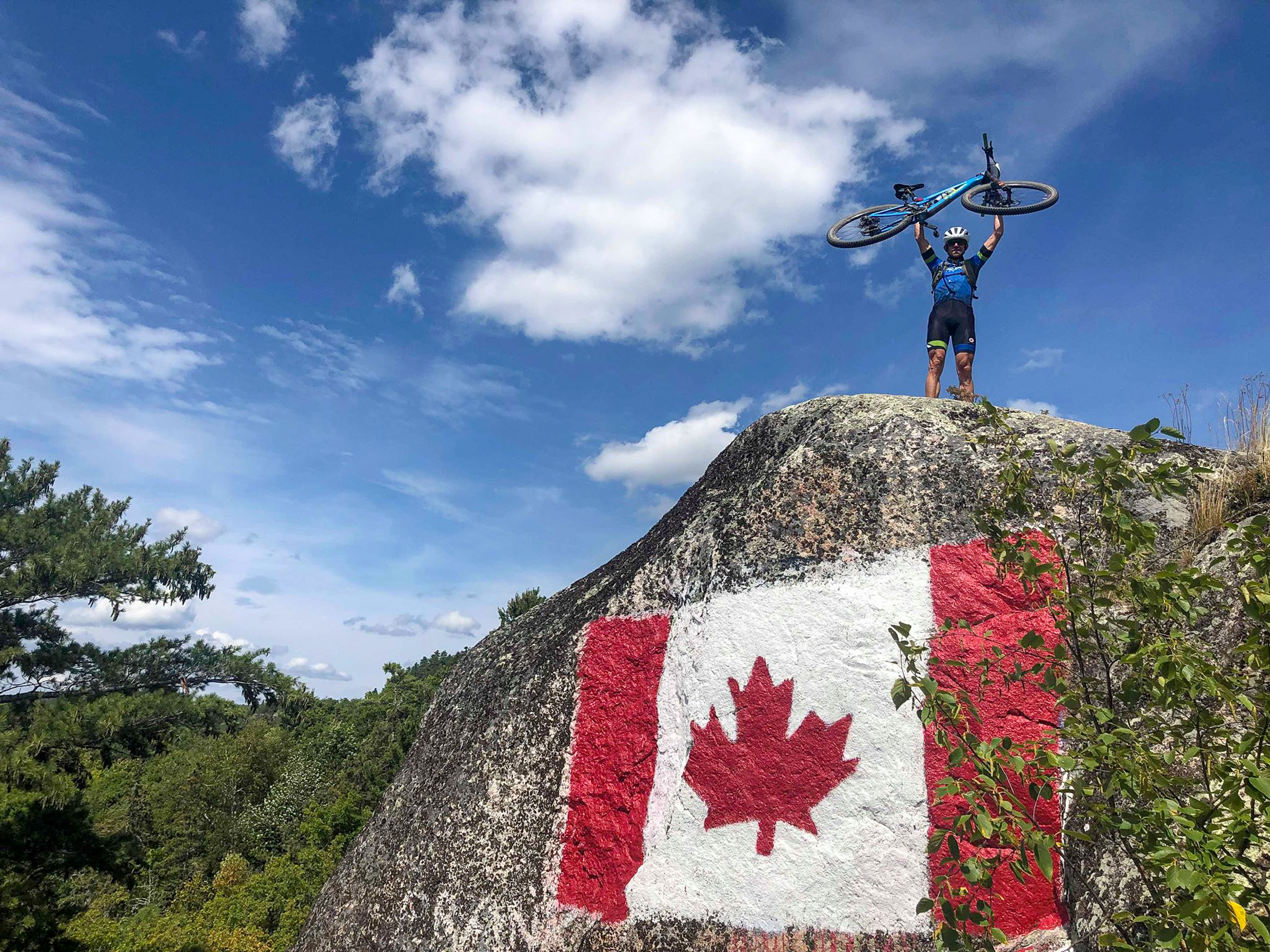
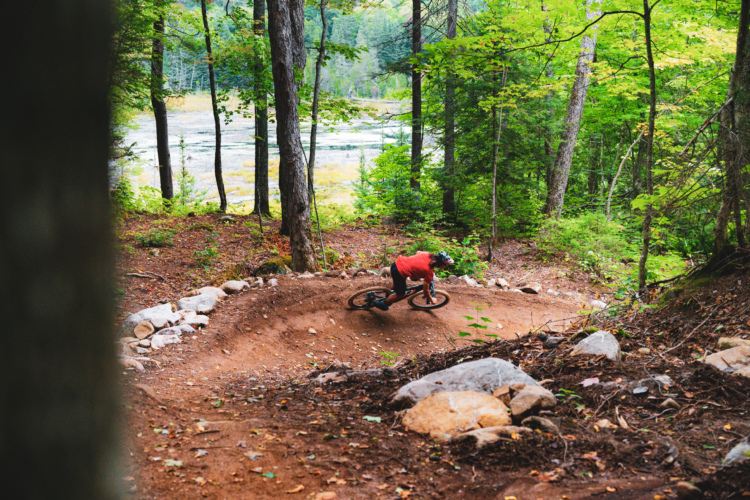
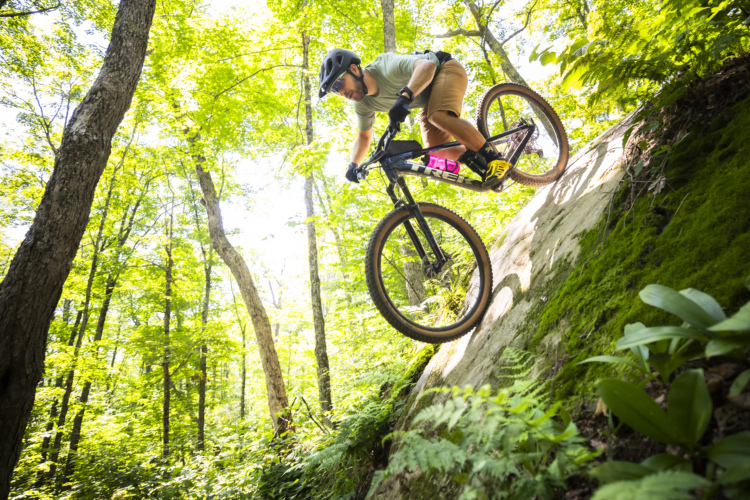
The Canadian Shield delivers a distinctly different riding experience compared to many American trail networks. Massive exposed granite slabs, relentless punchy climbing, dense maple forest, remote backcountry roads, and huge Lake Superior vistas create terrain that feels both wild and physically demanding.
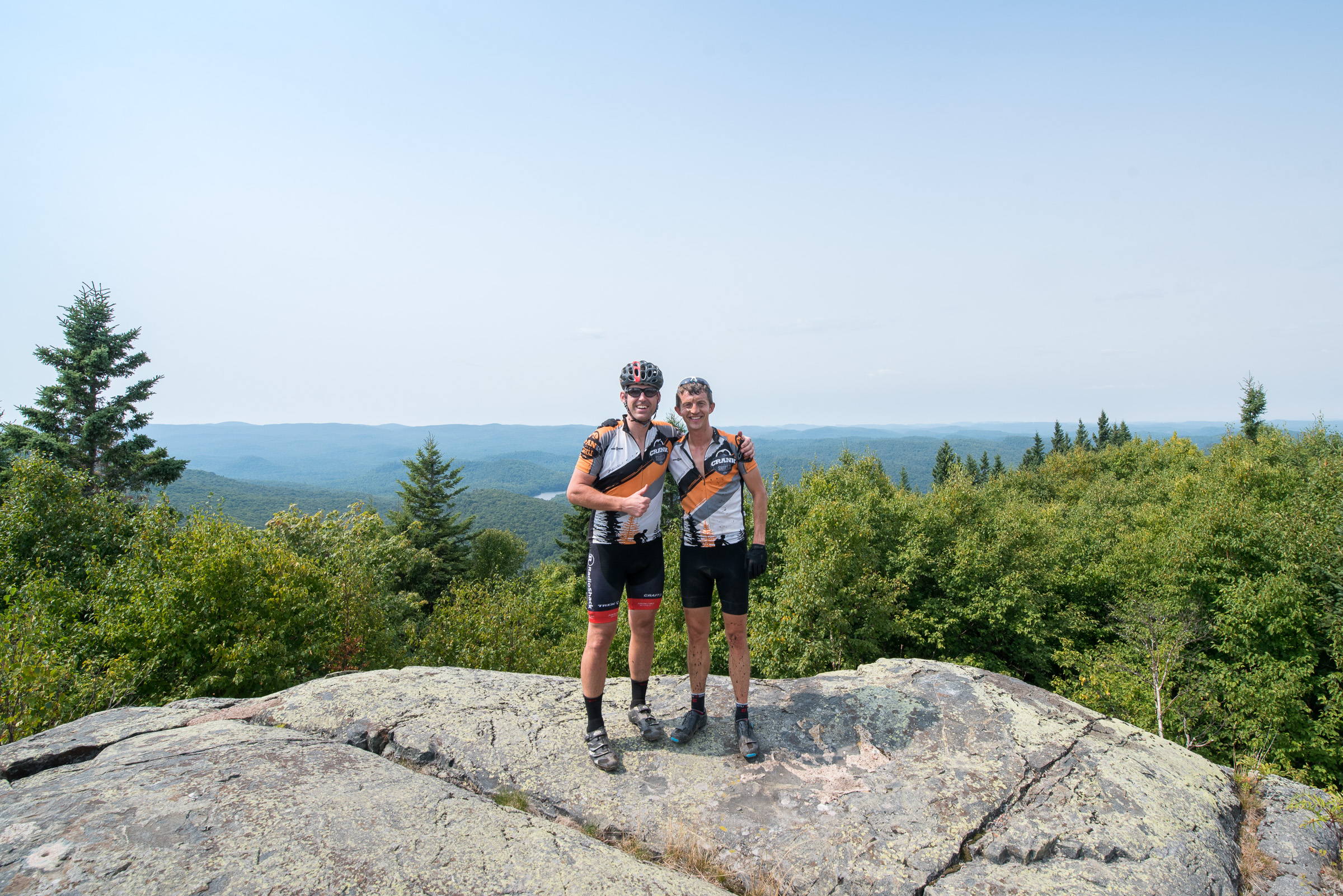
“One idea I had was calling it ‘Crank the Shield: Three Peaks,’” Ruppel says. “You’re riding to some of the highest points in Ontario. It’s hard slogging, but there’s always a reward at the end.”
And while the race includes serious elevation and endurance, modern Crank the Shield increasingly balances suffering with flow. Riders spend much of days two and three on what Ruppel calls “some of the best singletrack trails in Ontario by far.” On day two, riders will descend the Bee Sting trail, one of the longest, if not the longest, singletrack descents in the province.
That mix of adventure riding and high-quality trail riding is part of what keeps people returning. According to Ruppel, roughly two-thirds of participants are repeat riders. Interestingly, only about a third are truly focused on racing.
“The majority just want to complete it,” he says. “They want to ride trails they wouldn’t normally ride and do things they wouldn’t normally do.”
Why American riders should pay attention
For US riders, Crank the Shield may still fly under the radar — but not for long. Ruppel believes one of the biggest misconceptions is simply geography.
“The Soo is literally on the border,” he says. “It’s closer than people think.”
Crank the Shield key stats
Dates
Three-day stage race
- Day 1: 31.5km (20mi), 3,200ft total climb
- Day 2: 35.5km (22mi), 3,000ft total climb
- Day 3: 55km (34mi), 1,800ft total climb
Multiple registration options
- Race only
- Onsite camping and food package
- VIP package
For riders in the Midwest especially, the event is surprisingly accessible. And with the exchange rate favoring Americans, the value proposition becomes even more attractive.
“The riding is just as good as it is in the States,” Ruppel says with a laugh. “And we have the nicer side of Lake Superior… in my opinion anyway.”
The bigger draw, though, may be the atmosphere.
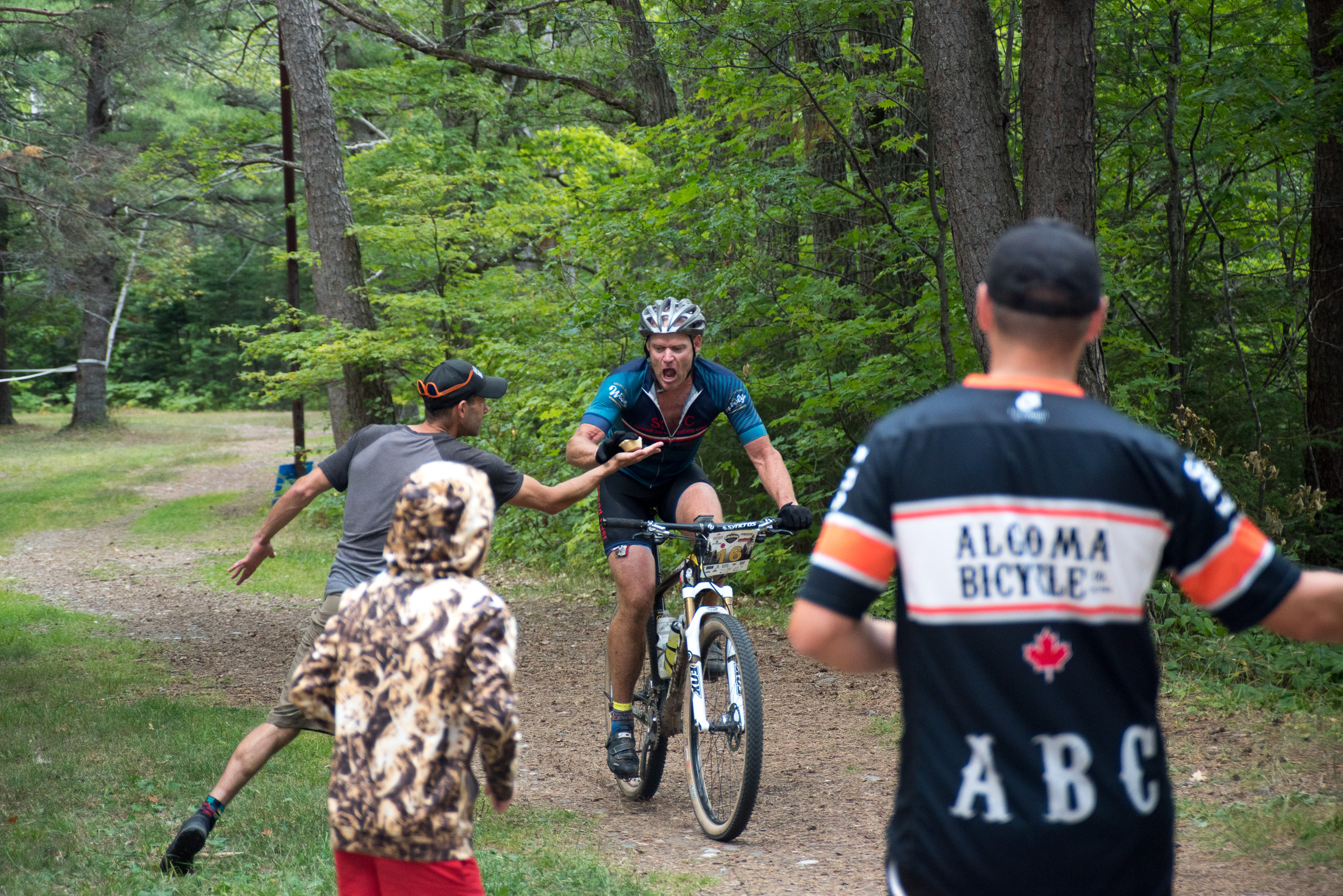
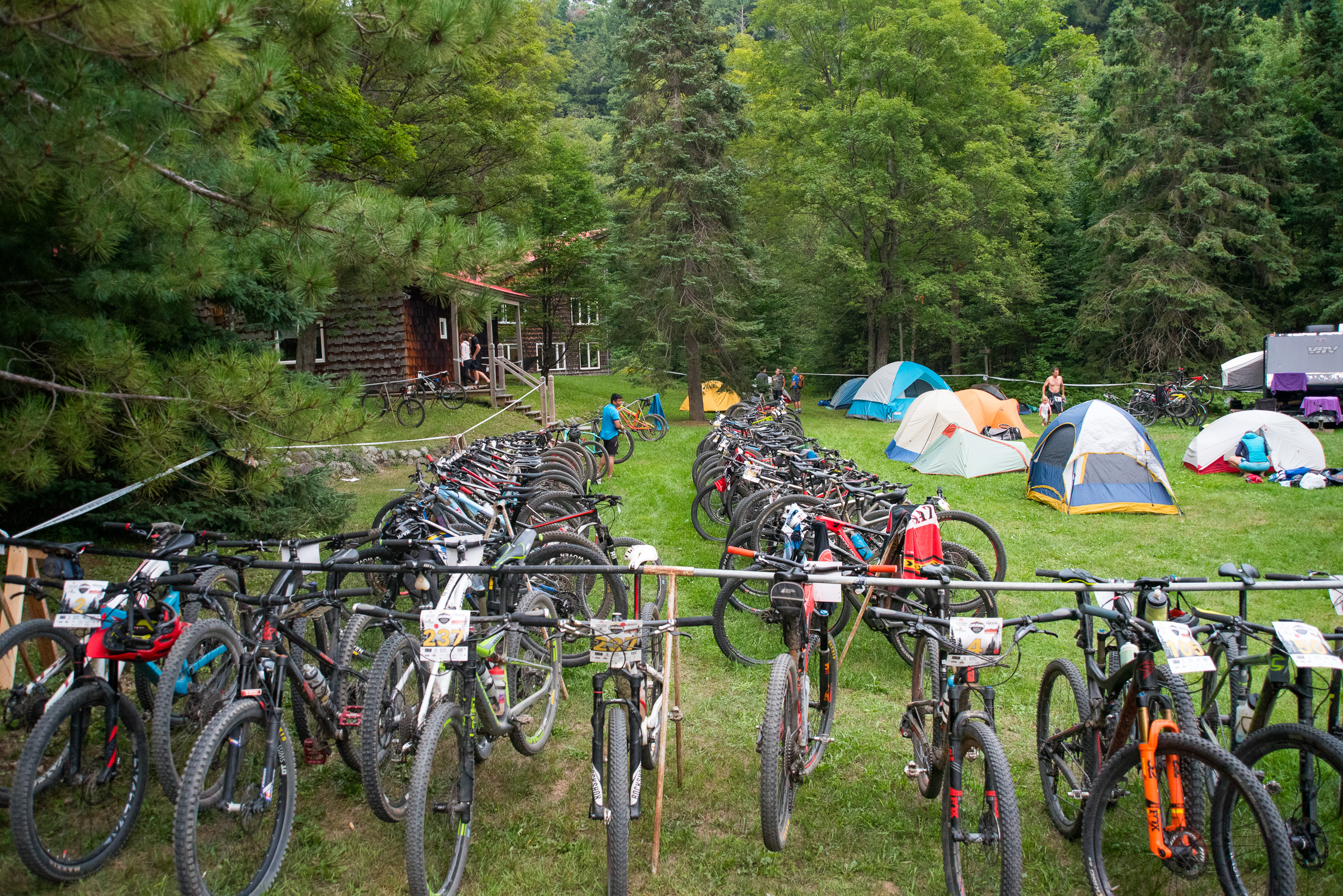
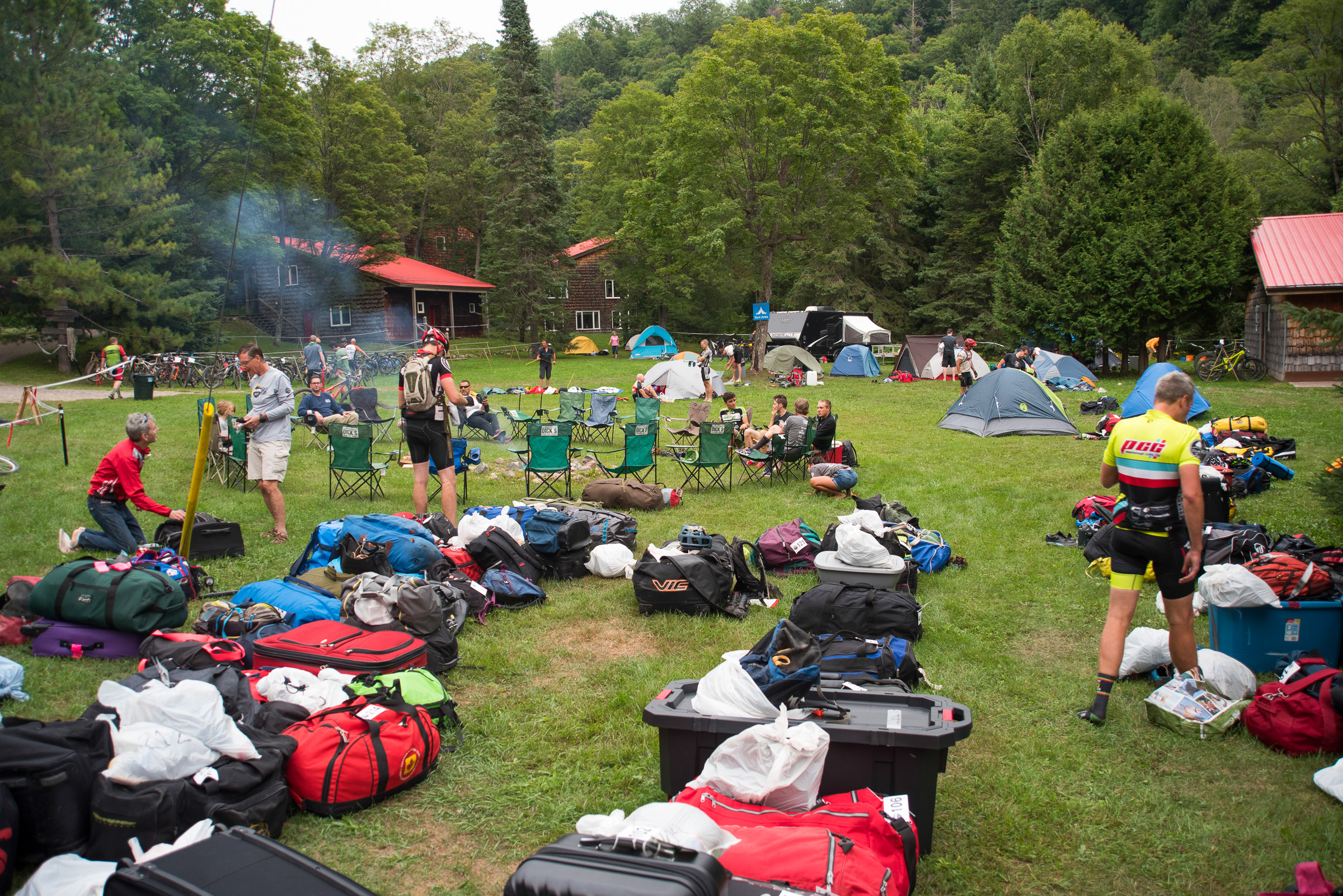
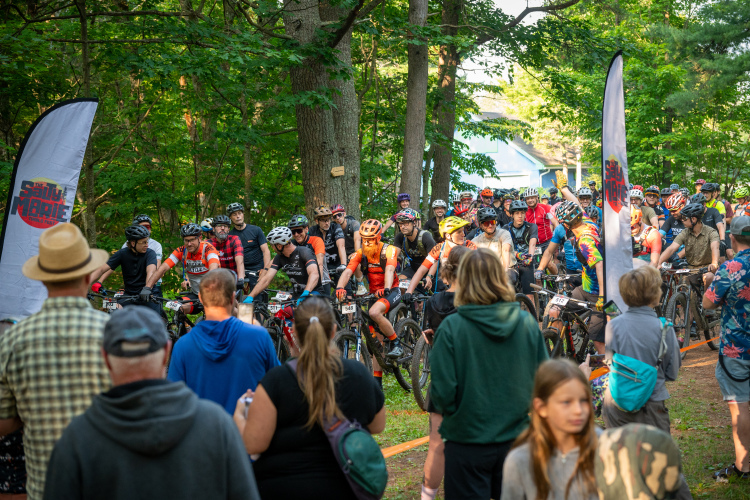
Unlike many events where racers disappear immediately after crossing the line, Crank the Shield is intentionally built around shared experience. Riders stay together, eat together, recover together, and celebrate together.
Ruppel says some of his closest riding friendships have grown out of the event.
“I’ve made American friends through Crank that I now go visit in the States,” he says. “It’s really become a community-building type of event.”
The feeling riders remember
When asked about his most memorable finish-line moment, Ruppel immediately goes back to the first edition in Sault Ste. Marie.
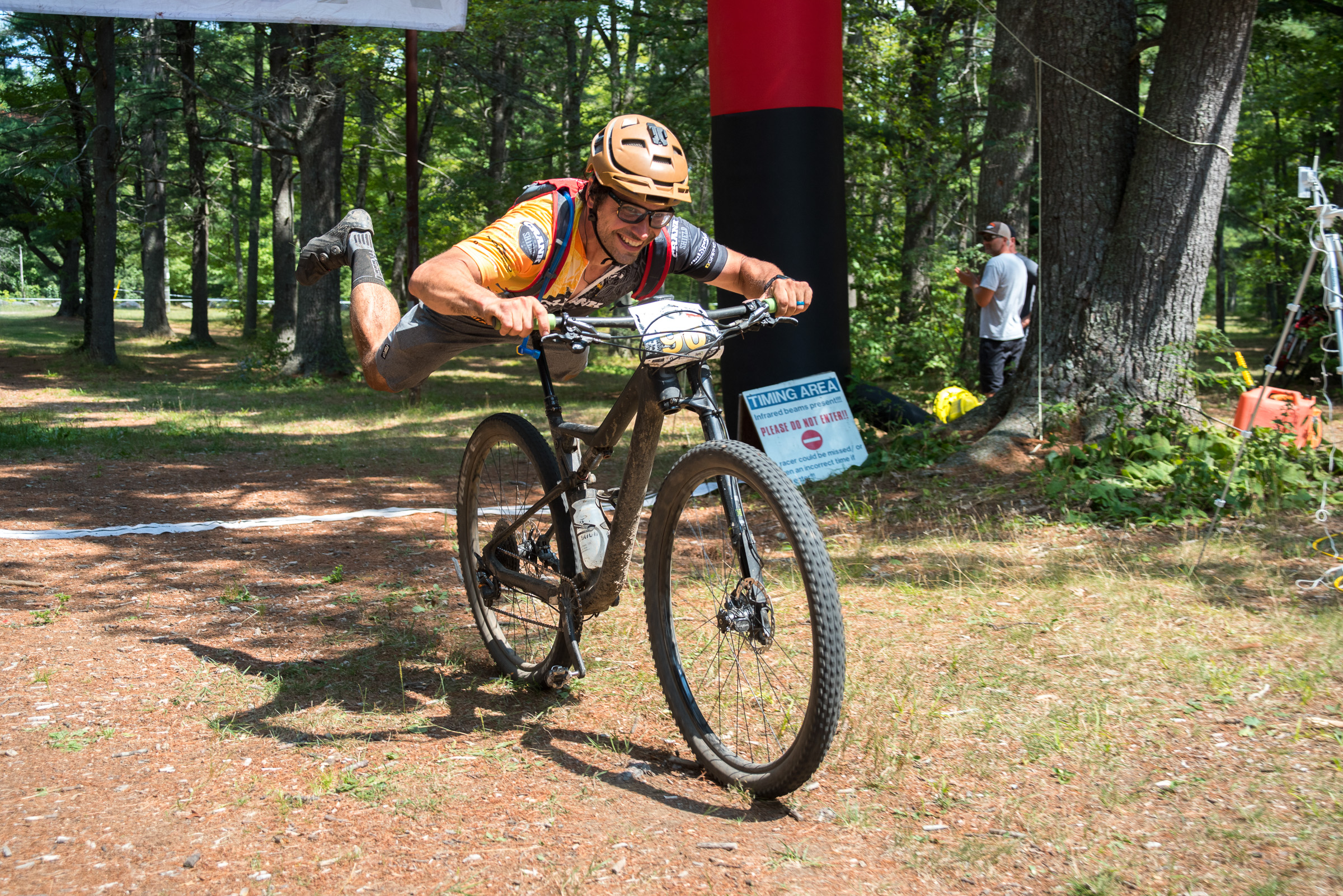
Local rider Jan Roubal crossed the finish line of the opening stage stretched out in a full “Superman” position over his bike — exhausted, relieved, and clearly having the time of his life.
For Ruppel, it was the moment he realized the event had truly worked.
“That was when I finally cracked open a beer,” he says.
That feeling — accomplishment mixed with exhaustion and celebration — is still what defines Crank the Shield today.
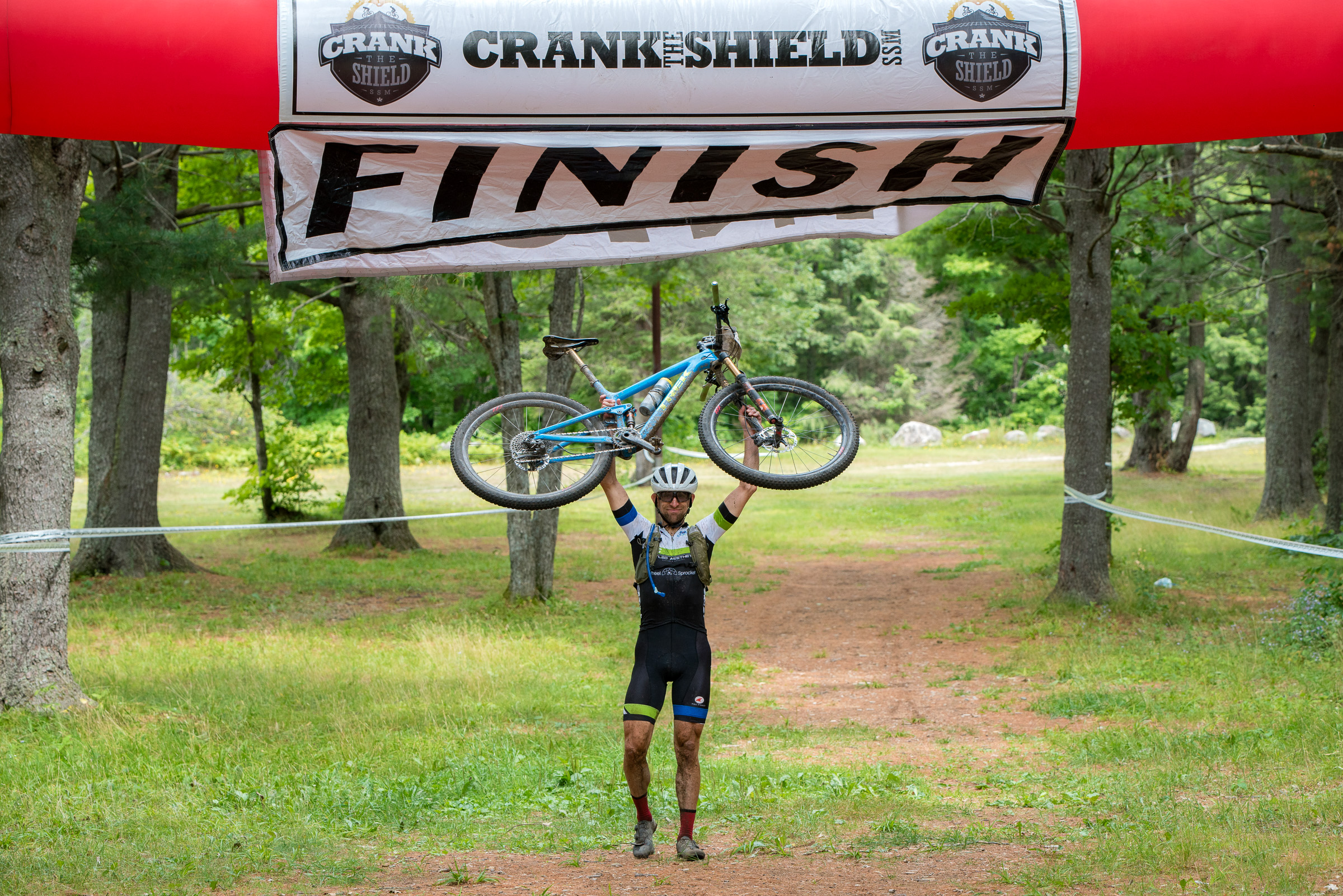
Ruppel puts it simply: “We want people to leave feeling like they did something difficult and challenging, but also that they made friends and had a reward at the end.”
And for riders debating whether to finally sign up? Ruppel has a straightforward answer.
“It only comes every two years,” he says. “You don’t know what life’s going to look like in another two years. If it’s something you want to do — do it now.”
Registration for the 2026 Crank the Shield stage race is now open. Reserve your spot before it fills up!
The news stinks. Why not follow Singletracks on Google News to bring more joy to your day?

0 Comments