
Opening an existing trail within a national park to mountain bikes is a complicated process, and perhaps as a result, there are very few parks with bike trails. Under rules the National Park Service adopted in 2012, a park needs a bike-specific planning document, an environmental assessment or impact statement, a written determination, a public comment period, and sign-off from a regional director, even if the trail is already built. Now the NPS wants to drop most of those steps, and the public has until November 2 to weigh in.
The proposed rule, published in the Federal Register on September 1, would have parks evaluate bike access the same way they evaluate other recreational uses. IMBA calls it “the biggest change to its bicycle rules since the current rule was adopted in 2012” and says it supports the proposal, with two important tweaks.
What’s being proposed
The NPS says the current bike rules “unnecessarily restrict recreation and access” and force parks to spend time and money on reviews that federal environmental law doesn’t require. In one example from the proposal, a park would need to prepare a planning document before allowing bikes on “a 20-foot paved path connecting a parking lot with a visitor center.”
Under the proposed rule, bikes and e-bikes would be allowed on park roads and in parking areas open to public vehicle traffic. That’s already true for traditional bikes, but it would be new for e-bikes, which currently need a superintendent’s designation. Some parks, like Zion National Park in Utah, already allow e-bikes on roads within the park.
Beyond roads, superintendents could open trails, administrative roads, and other locations to bikes and e-bikes after notifying the public, without the bike-specific planning document, written determination, or mandatory environmental assessment.
There are limits, though. A formal public review in the Federal Register would still be required if a designation is “highly controversial or otherwise significant,” or if the location has “never been improved by artificial or processed materials” like gravel, asphalt, or wood boards, which would apply to most natural-surface trails. Trails built on old rail lines wouldn’t need one, and bikes and e-bikes would remain banned in designated Wilderness.
In a press release, an agency representative said, “this proposal would create a simpler, more consistent approach to bicycle and e-bike access across the national park system.”
IMBA weighs in on the proposed rule change
IMBA, which worked with the NPS on the 2012 rule, calls the new proposal “a common-sense update.” The group points out that “a short segment of trail managed by the National Park Service can be critically important to a larger trail system,” but that the current process for making those connections has been “slow and costly.”
IMBA also stresses that “no trails would open automatically.” Each decision would still be made park by park, and would depend on park staff having the capacity to plan and manage it.
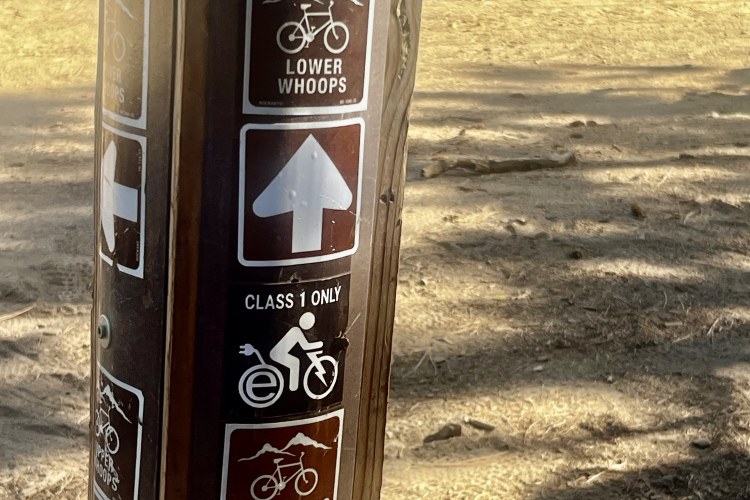
However, the group is recommending two changes to the proposal. First, IMBA says opening a trail to traditional bikes shouldn’t automatically open it to e-bikes; superintendents should manage e-bikes by class, and shared recreational trails should be limited to Class 1 e-bikes. Second, IMBA wants the rule to more clearly show how sustainable design will continue to be addressed, since the proposal drops the existing requirement that new trails follow NPS sustainable design principles.
IMBA says it isn’t trying to turn national parks into riding destinations. “IMBA does not envision National Park Service units as destination mountain biking locales,” the group wrote, adding that even with the rule change, many park trails will remain managed primarily for hiking.
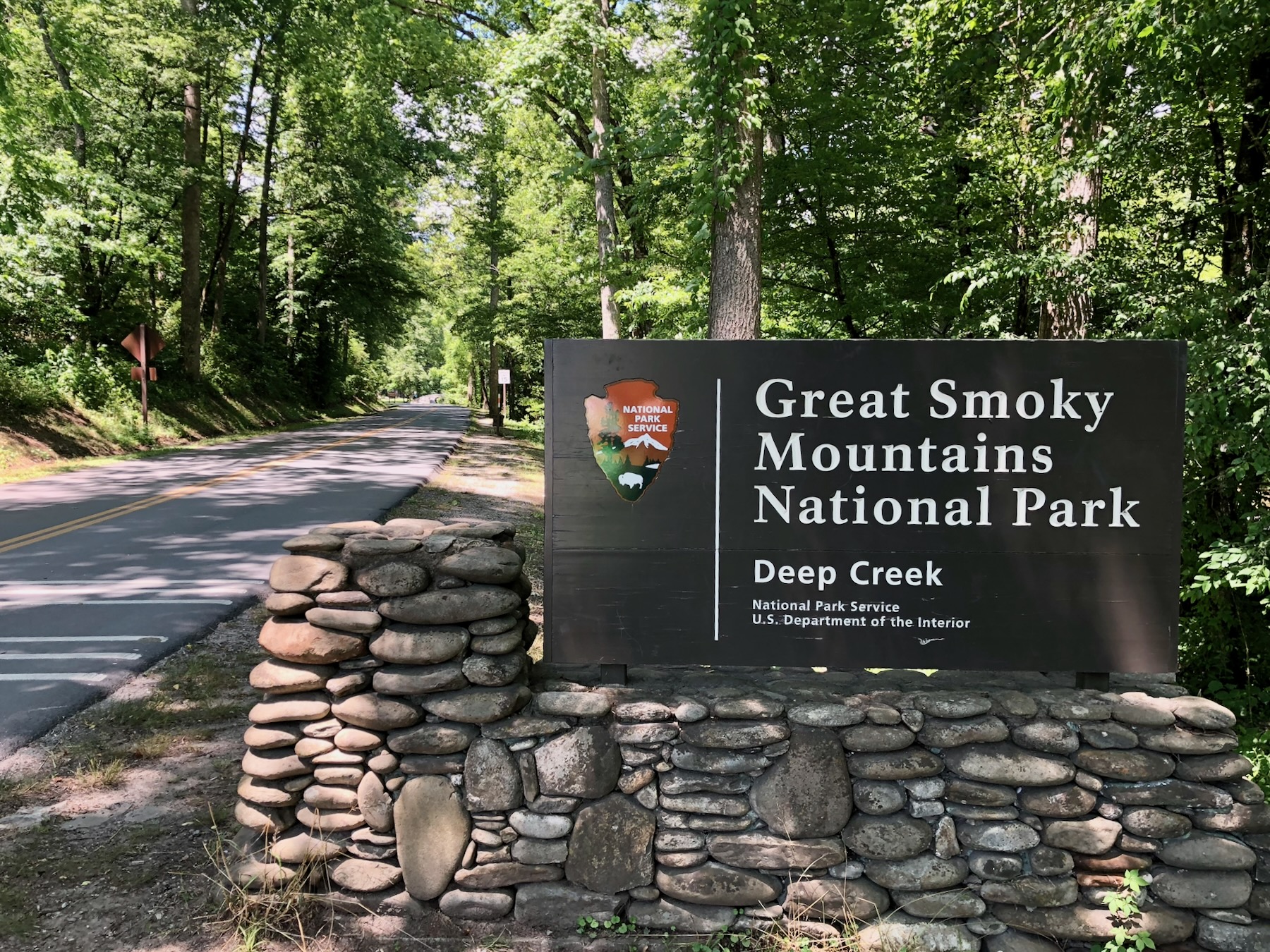
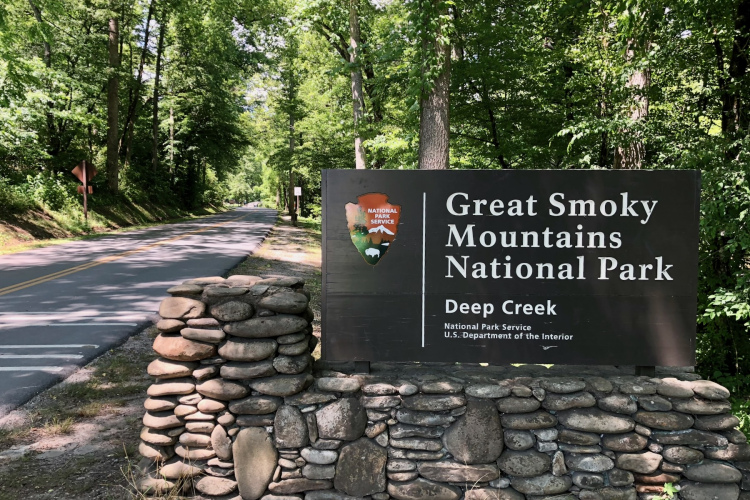
Currently, it’s rare to find mountain bike trails in national parks, though a few do. Mammoth Cave National Park in Kentucky has the 9.1-mile Big Hollow singletrack, and Cuyahoga Valley National Park in Ohio has four mountain bike trails in its East Rim system. In 2020, trails were proposed in a portion of Great Smoky Mountains National Park along the Foothills Parkway corridor.
How to comment
Comments must be received by 11:59 pm ET on Monday, November 2, 2026, and you can use this online form. Keep in mind that comments may be posted publicly as submitted, including any of your personal information.
IMBA also offers a comment form on its website. The group says “generic opposition is often discounted” and that duplicate comments “will not count individually,” so specific, personal comments carry the most weight. IMBA suggests mentioning whether you also hike, camp, or visit parks for their history, and naming parks where bike access could improve your experience.
According to IMBA, a revised rule and Draft Environmental Impact Statement are expected to follow, with a second opportunity for public comment.
The news stinks. Why not follow Singletracks on Google News to bring more joy to your day?

0 Comments