

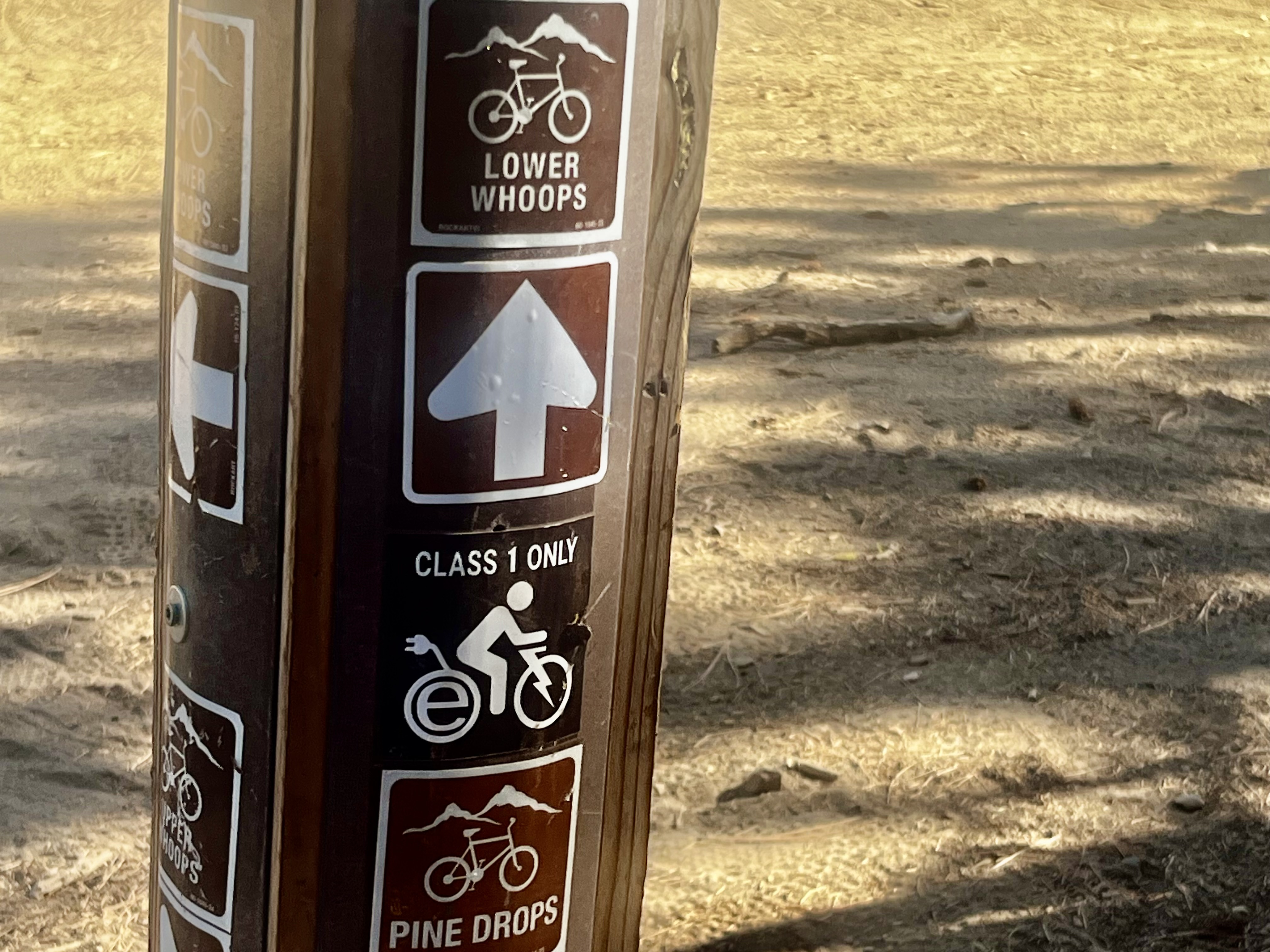
Significant changes could be coming to the Forest Service’s Travel Management Rule (TMR). The Department of Agriculture (USDA) proposed the changes on August 24th, followed by a 30-day comment period. If the proposed changes are approved, USFS trail use would, in many ways, be flipped on its head.
Among other changes, the revisions could affect where class 1 e-bikes are allowed to go and will also change the long-standing “closed-unless-open” presumption.
The Travel Management Rule
In 2005, the Forest Service (USFS) introduced the TMR largely to provide a management framework for motor-vehicle access. The rule was in response to growing concerns over expanding user-made routes, user conflict, and habitat damage.
The TMR pushed the USFS to designate which roads and trails are open to motor vehicles and to establish a motor vehicle classification system. It also required the USFS to delineate when these roads and trails are open year-round or closed seasonally.
An acronym many of us know came out of the TMR: MVUM, or “Motorized Vehicle Use Maps.” Nearly all (except six) National Forests and Grasslands across the country produced an MVUM, establishing routes open to motor vehicles in the area. It also provided the framework for our current presumption of USFS trails and roads as “closed-unless-open.”
The proposed update would shift to “open-unless-closed”
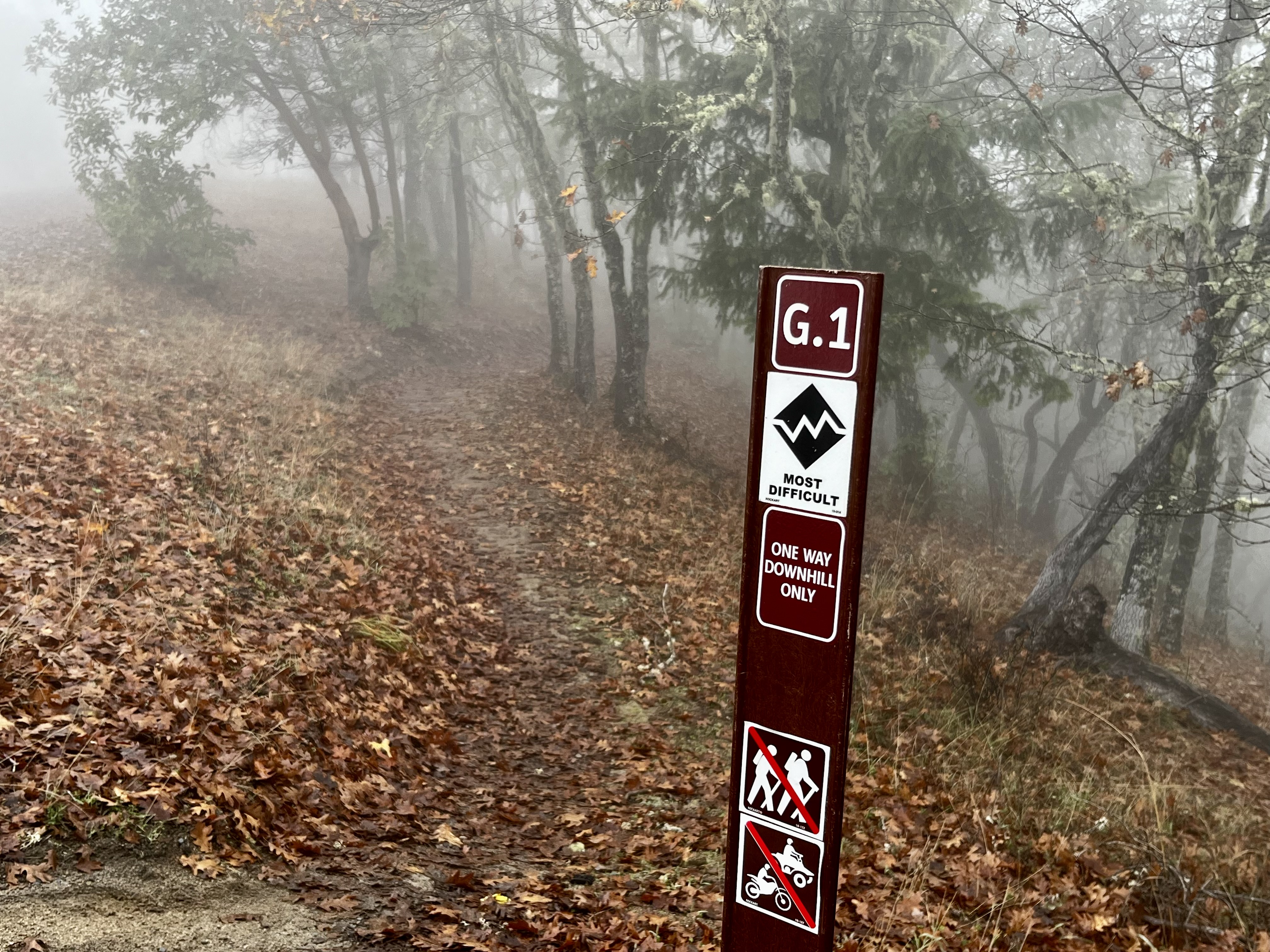
The proposed TMR revision would change the existing access presumption from “closed-unless-open” to “open-unless-closed.” While this might initially seem like semantics and word swapping, the change would significantly affect users’ assumptions about USFS trails.
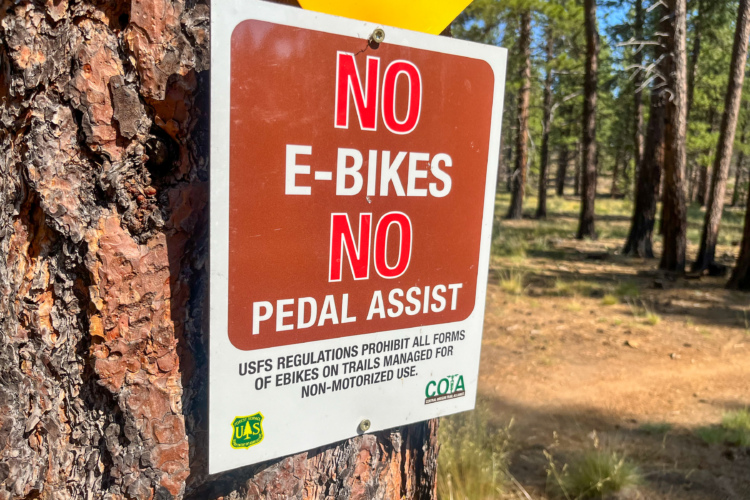
With MVUMs establishing motor vehicle access on USFS lands, the current assumption is that trails that don’t explicitly note that they are open to motor vehicle use are closed to that user group. Currently, there is no need to provide signage or take additional measures to ensure that a multi-use or mountain bike trail is closed to motor vehicles because the established presumption is that it is. For such a trail to be open to motor vehicles, the route would need to explicitly state (typically through signage) that it allows something like dirt bikes.
But the new framework would flip the current presumption on its head, creating an “open-unless-closed” presumption. According to the USDA’s proposed TMR revision:
“The amended regulations would establish a presumption that existing roads, trails, airfields, trailheads, and other access routes and points on NFS lands are open to appropriate public use unless closure or restriction is required by applicable law, valid existing rights, or another governing instrument, or is supported by specific, documented and justifiable reasons based on science-based resource conditions, public safety, conflicts among uses, or maintenance and administrative capacity.”
Rather than district rangers marking trails open to a user group like motorized vehicles, they would need to explicitly state that the trail is closed to that use group. IMBA points out in its response to the public comment period, this switch could not only cause confusion, but also that the new rule could encourage intentional law-breaking.
“Where signs or barriers are removed, damaged, or vandalized, resulting ambiguity could encourage unauthorized use, complicate enforcement, and undermine legitimate management decisions,” they wrote. “Federal policy should not create an incentive, real or perceived, for individuals to circumvent lawful restrictions through damage to or removal of public property.”
That said, the USDA makes it clear in the new TMR revision proposal that the “access presumption set in the national policy would guide future decisions and would not itself open a currently closed route, airfield, trailhead, or other access point […]. Existing motor vehicle use designations, including the designations shown on MVUMs and OSVUMs, would remain in effect until revised under the amended regulations. Prohibitions established under other authorities would remain in effect until modified, rescinded, or expired under those authorities.”

Class 1 e-bikes would now be, well, just bikes
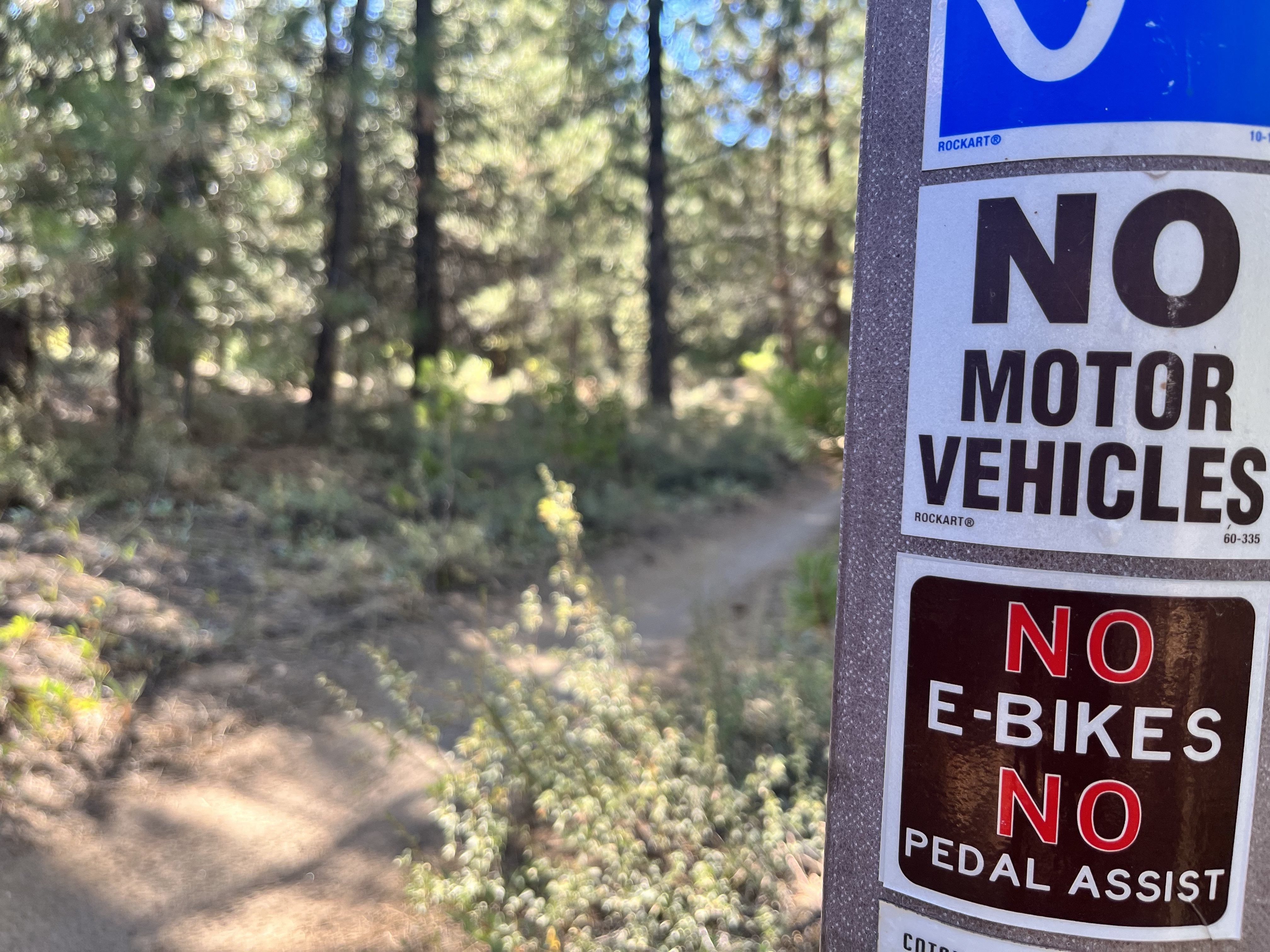
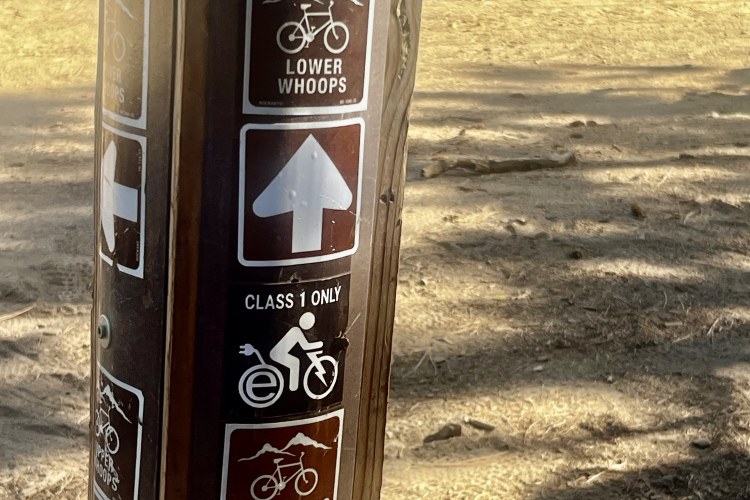
Over the past few years, we have seen more and more USFS trails and trail systems open to class 1 e-bikes. This is a lengthy process, as it requires not only a new Environmental Analysis (EA) to consider “motorized” impacts, but also a redesignation of the trails in question.
When non-motorized trails are opened to class 1 e-bikes, they technically become motorized. Well, limited-motorized, meaning the only “motorized” vehicle that can access the trail is a class 1 e-bike. According to the TMR update, “the proposed action would exempt class 1 electric bicycles from the motor vehicle use designation requirement […].”
Essentially, in the eyes of the USFS, a class 1 eMTB is the same as any mountain bike. In a statement to Singletracks, a USFS representative from the agency’s press office confirmed the proposed change.
“The proposed action would add Class 1 e-bikes and certain disability-related mobility devices to exemption categories, expanding access across National Forest System lands — meaning Class 1 e-bikes would now be granted access to trails and roads where only bicycles were allowed.”
Currently, whether a specific trail is open to eMTBs depends on the local district and policies put in place rather than a nationwide policy. The proposed change would flip that on its head, putting the responsibility on the local district to decide whether to restrict or close trails to e-bikes.
The representative added: “All existing roads and trails stay open during this process, and any proposed closures would require site-specific analysis. Motorized access continues as usual until local plans are updated.”
An interesting shift in policy
Singletracks has covered several significant changes and proposals this year regarding public lands and “revising” the rules governing those areas. Earlier this summer, we covered changes to the NEPA process and how those they affect approvals on public lands. A few months later, we reported on the proposed changes to the current Roadless Rule on public lands.
In both cases, the proposed changes aimed to make big government smaller. The official documents repeatedly mentioned a shift from overarching national policies to allowing local decisions. Interestingly, the TMR update also frequently mentions giving decisions back to local land managers. However, this time, the change comes via yet another overarching national policy.
With the comment period now closed, it’s unknown when a decision will be made on the proposal or how soon it might be implemented if approved.
Keep up with the latest mountain bike news by adding Singletracks as a preferred source on Google.


1 Comments
1 minute ago
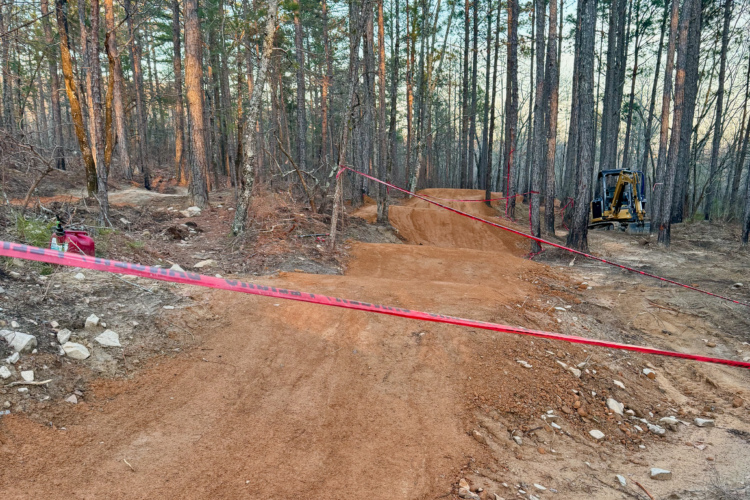
I’d also add that signage in national forests is already extremely limited, to the point where even on a foot it’s sometimes tough to determine what is and is not a designated trail. So expecting all USFS districts to fully sign trails as closed to motos is a fantasy.