
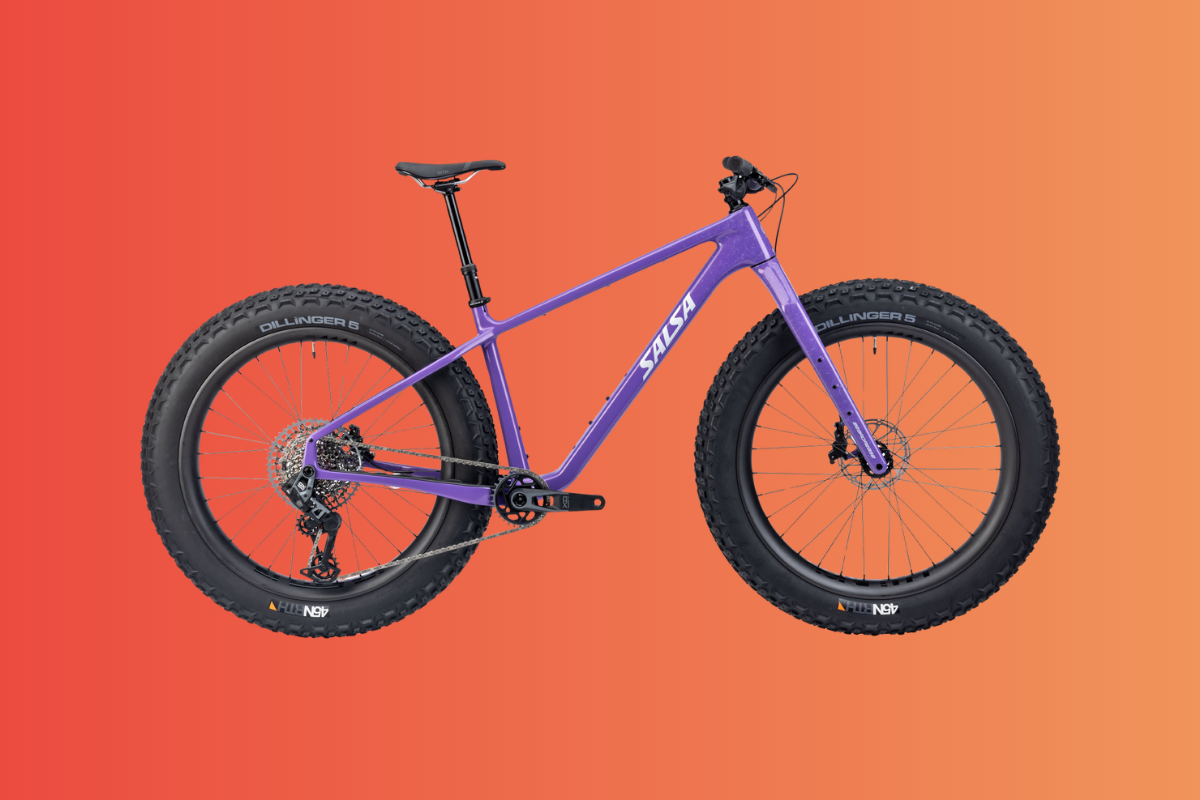
Fat bikes made a huge splash in the mountain bike world in the early 2010s, though you wouldn’t know it looking around today. Four-inch-wide tires are now more likely to be found on e-cargo bikes than pedal-powered machines, though clearly Salsa hasn’t given up on the concept. With fat bike races melting away like spring snow, the Salsa Beargrease roars back to life with trail bike geometry and a new focus.
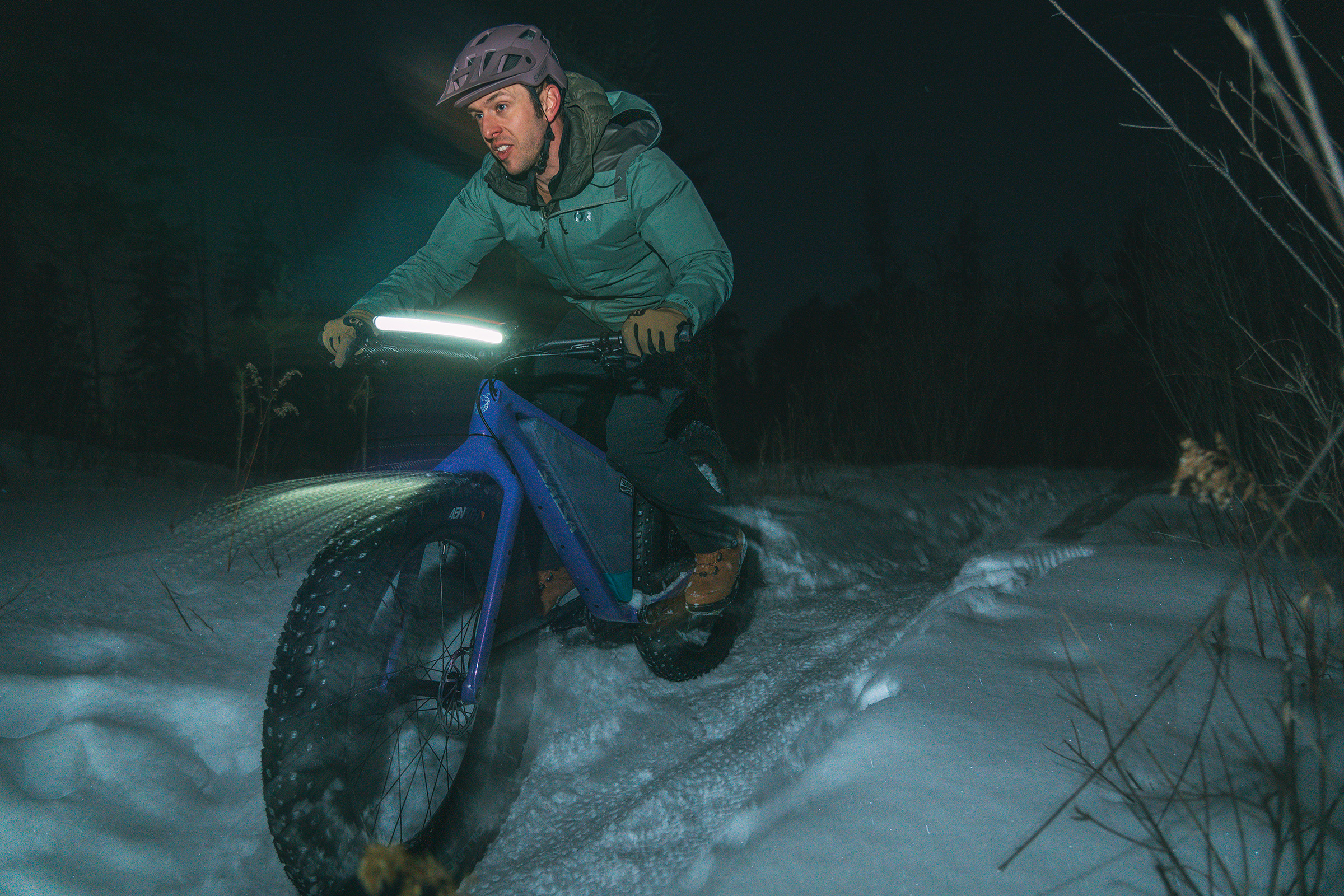
My, what a slack head tube and steep seat tube angle you have
Fat bike designs haven’t changed all that much over the years, and it shows. The last time the Beargrease saw substantial changes was eight years ago, back in 2018, when the bike got 27.5″ wheels for the first time. The new Salsa Beargrease sees the head tube angle drop three full degrees, down to 65.6°. That’s only about a degree steeper than hardcore hardtail territory despite Beargrease builds that are exclusively rigid. (Salsa says the Beargrease is ready for the 100mm suspension fork of your choice if you so desire.)
The bike’s 77° seat tube angle may not seem that noteworthy if you’re used to full-suspension trail and enduro bikes, but it’s definitely an outlier among hardtails — and a smart choice for a fat bike.
Most full-suspension bike geo charts report their effective seat tube angle, and it’s not unusual to see angles between 76° and 78°. A steeper seat tube angle positions the rider in a better position for climbing, though as soon as they sit on the bike, the suspension compresses and the actual seat tube angle settles at a much lower, slacker number.
With hardtail mountain bike seat tube angles, what you see is basically what you get. Looking again at “hardcore hardtail” geometry, a 75° seat tube angle is about average. At 77°, the Salsa Beargrease has a seat tube angle that’s damn near vertical. And there’s a reason.
Despite massive and sometimes studded tires, traction can be a challenge for fat bikes when riding in the snow. The mega-steep Beargrease seat tube angle ensures the rider’s weight is well positioned over the bottom bracket and rear wheel for maximum traction. Previously, the Beargrease seat tube angle was 73.5°, a full 4.5° slacker.
The Canyon Dude, in comparison, has a 69° head tube angle and a 72° seat tube angle. The Trek Farley has a 68.5° head tube angle and 72.5° seat tube angle.
The Salsa Heyday is the brand’s other fat bike and is positioned as a more versatile fat bike, though the new Beargrease is clearly moving in on its territory.
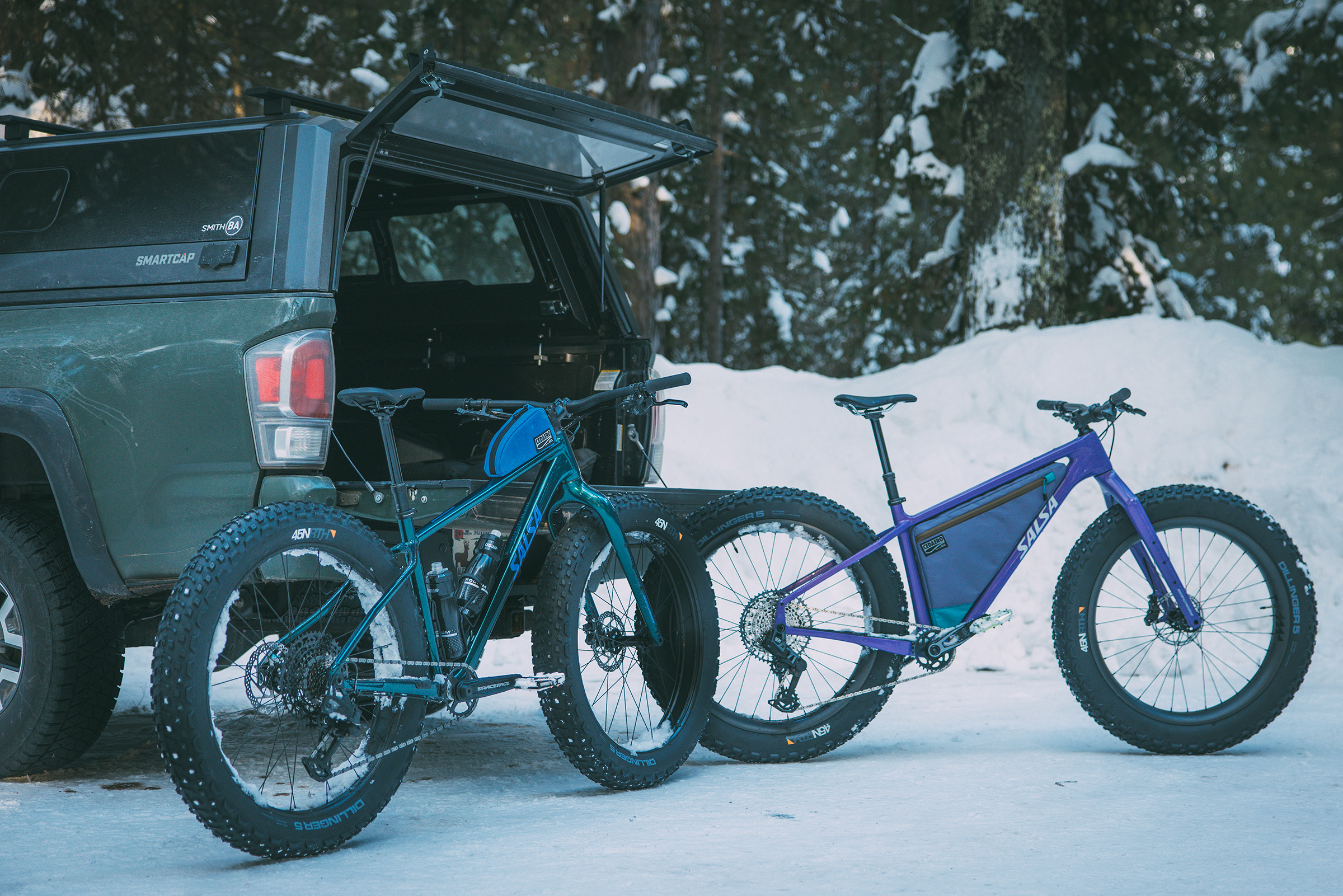
The Beargrease finally gets UDH and fatter tires too
When the Salsa Beargrease was announced in 2018, SRAM’s Universal Derailleur Hanger (UDH) hadn’t even been announced. Now, eight years after its last update, the Beargrease finally offers UDH dropouts, and Salsa is making full use of them with multiple Eagle 70 and Eagle 90 builds available.
It was a big deal when the Beargrease got 27.5″ tires. Prior to that, most fat bikes were using wide 26 inchers, but Salsa and others argued that 27.5 was a better choice for going fast and even racing in the snow. The latest Beargrease keeps the larger hoops and adds clearance for wider 4.5-inch tires, up from four inches previously.
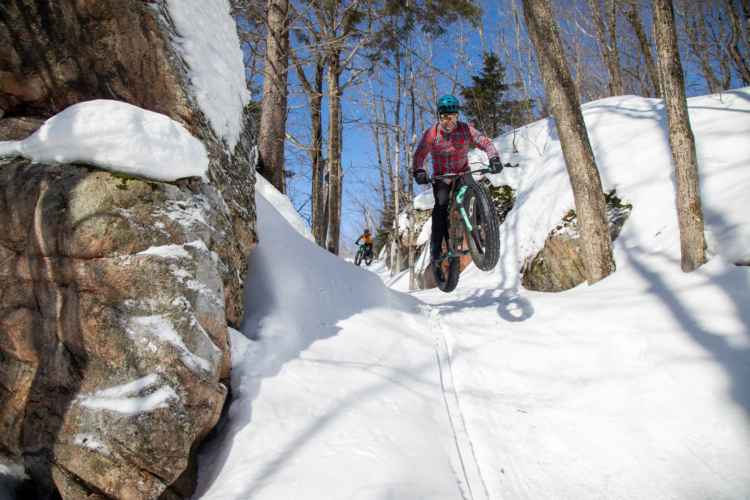
Marketing for the 2019 Beargrease noted the bike was designed “for riding and racing on groomed snow trails.” With fat bike races on groomed terrain drying up in many locations, it was clearly time for a shift. Wider tires and improved control via updated geometry shifts the 2027 Beargrease’s focus toward “long-distance winter races on choppy snow machine trails.” Oh, and it’s also designed so riders can “get out and chase the joy of riding in soft snow and sandy conditions.”
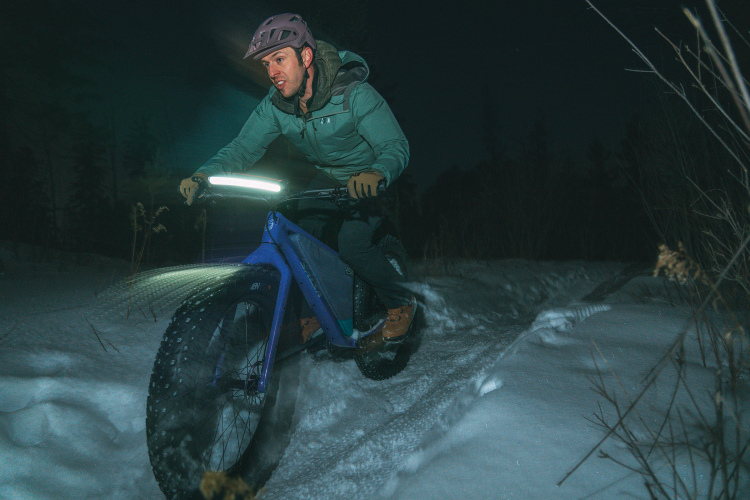
With plenty of frame mounts the Beargrease is clearly primed to bikepacking adventures, timed or otherwise.
Fat bikes are disappearing from the market
In 2020, Singletracks surveyed the number of fat bike models available in the US and found the number had significantly contracted since the peak of the fat bike boom in 2015. Today, even fewer models remain. Specialized, Cannondale, and Scott no longer offer current fat bike models. Trek still sells the Farley, Ari has the King Peak, and Canyon has the Dude, though the latter is now discounted and limited sizes are available for purchase in the US.
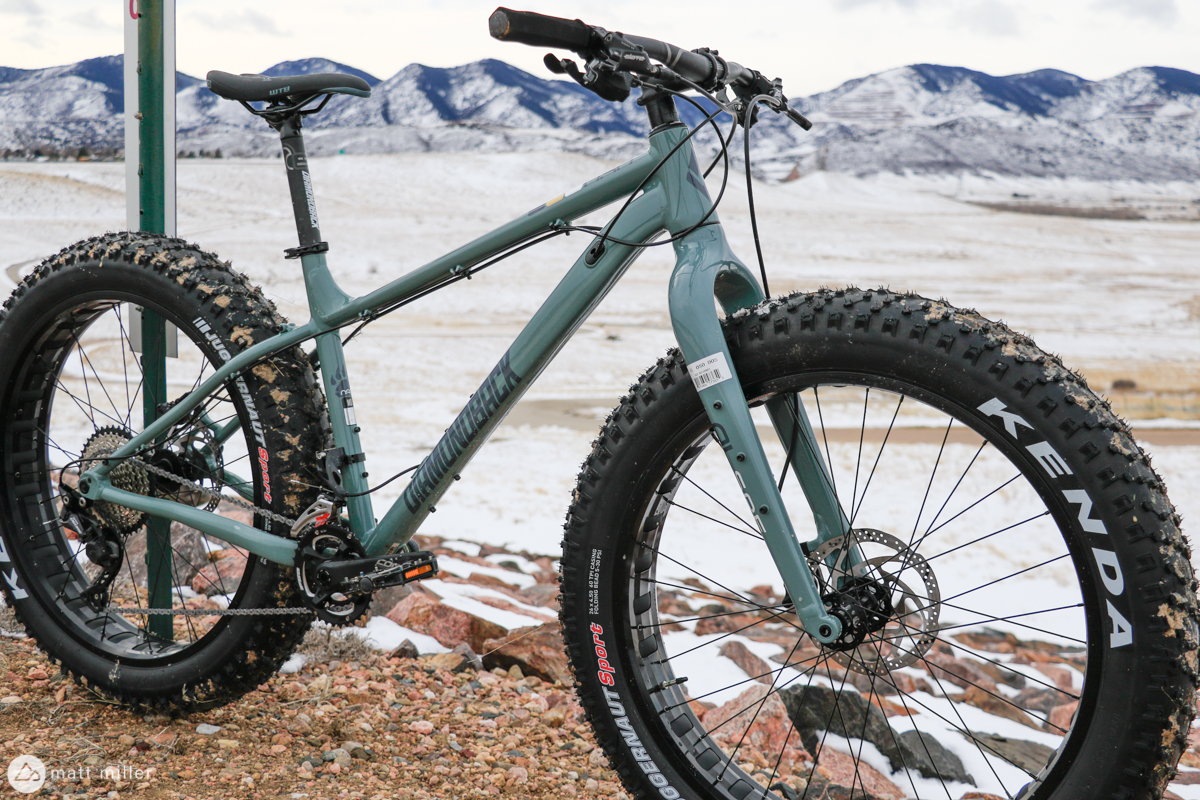
Surly, which like Salsa is owned by Quality Bicycle Products (QBP), still offers a wide selection of fat bikes including the Wednesday, Ice Cream Truck, and Moonlander. However, the brand appears to have discontinued its Pugsley and Big Fat Dummy fat bikes over the years. And Salsa no longer offers the Bucksaw, a pioneering full-suspension fat bike released in 2014.
Still, dedicated adventure and fat bike brands including Borealis and 9:zero:7 are taking orders for new bikes.
Salsa Beargrease pricing and builds
Builds are priced from $1,999 to $5,999. All come with a 12-speed drivetrain, dropper post, and rigid fork. Carbon frames will also be available for purchase for $1,999.
This time around Salsa is offering the Beargrease in both carbon and aluminum frames. The more affordable aluminum builds will surely appeal to broaden its appeal to non-racers looking for a solid and capable all-terrain bike.
Keep up with the latest mountain bike news by adding Singletracks as a preferred source on Google.




0 Comments