
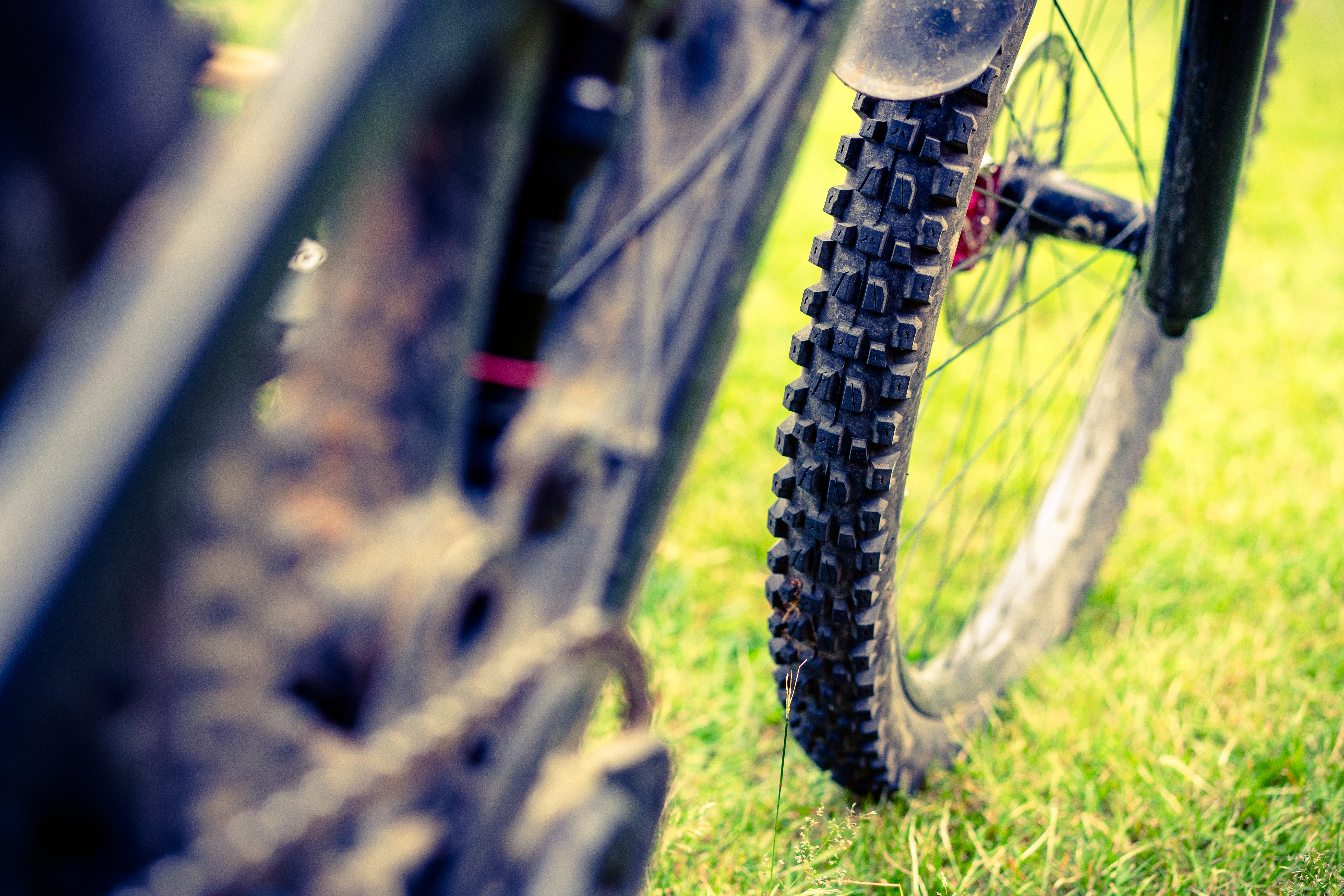
Another day, another radial gravity tire to play with. This latest offering from Delium is competitively priced compared to the competition. Oh, and these radial tires are quite good to boot!
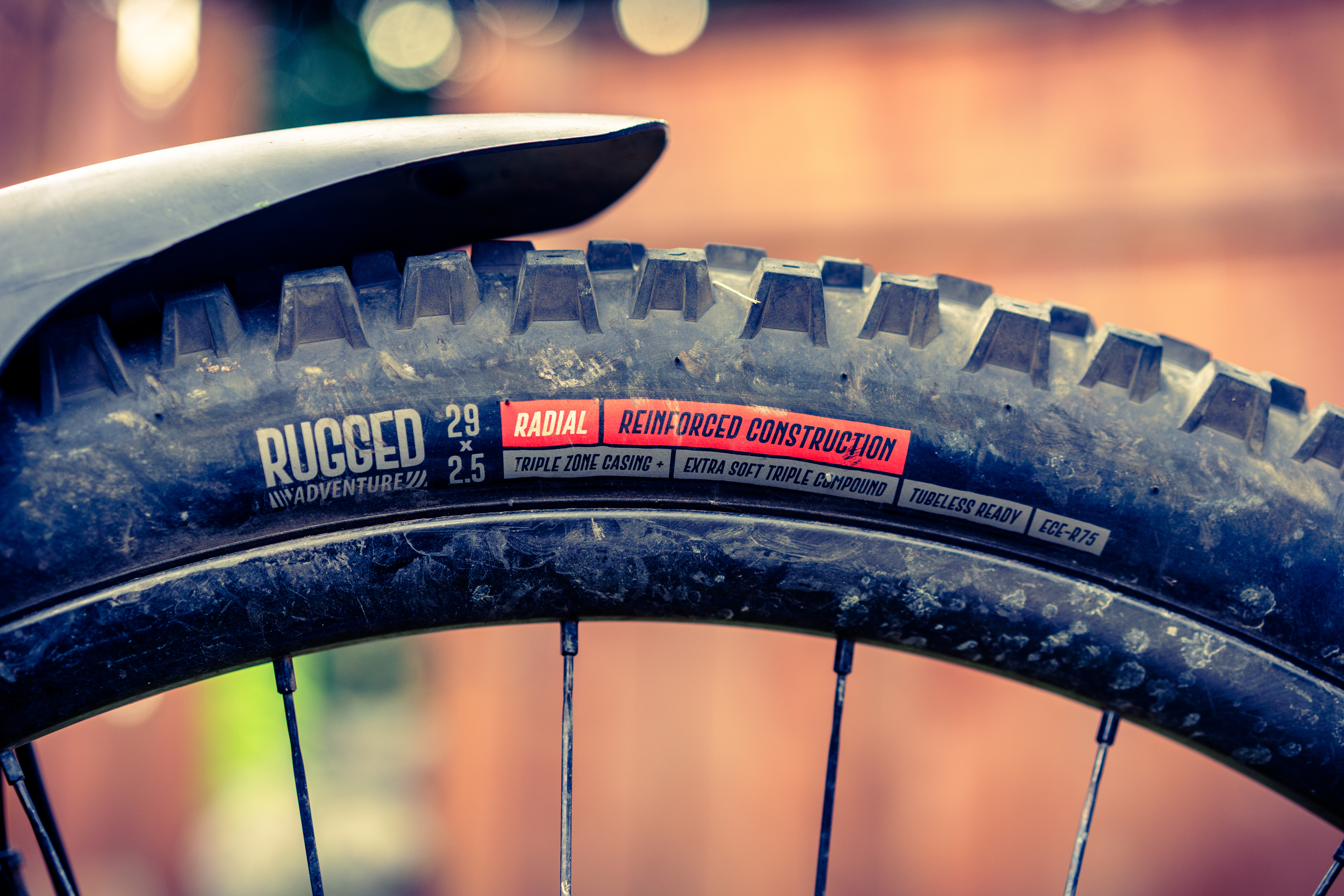
Delium Radial tires key specs
- Delium Rugged Radial and Versatile Radial tires offered in 29×2.5″ and 27.5×2.5″ sizes
- Tubeless ready
- Triple compound and Triple Zone casing
- Price: $85.99
- Buy from Delium
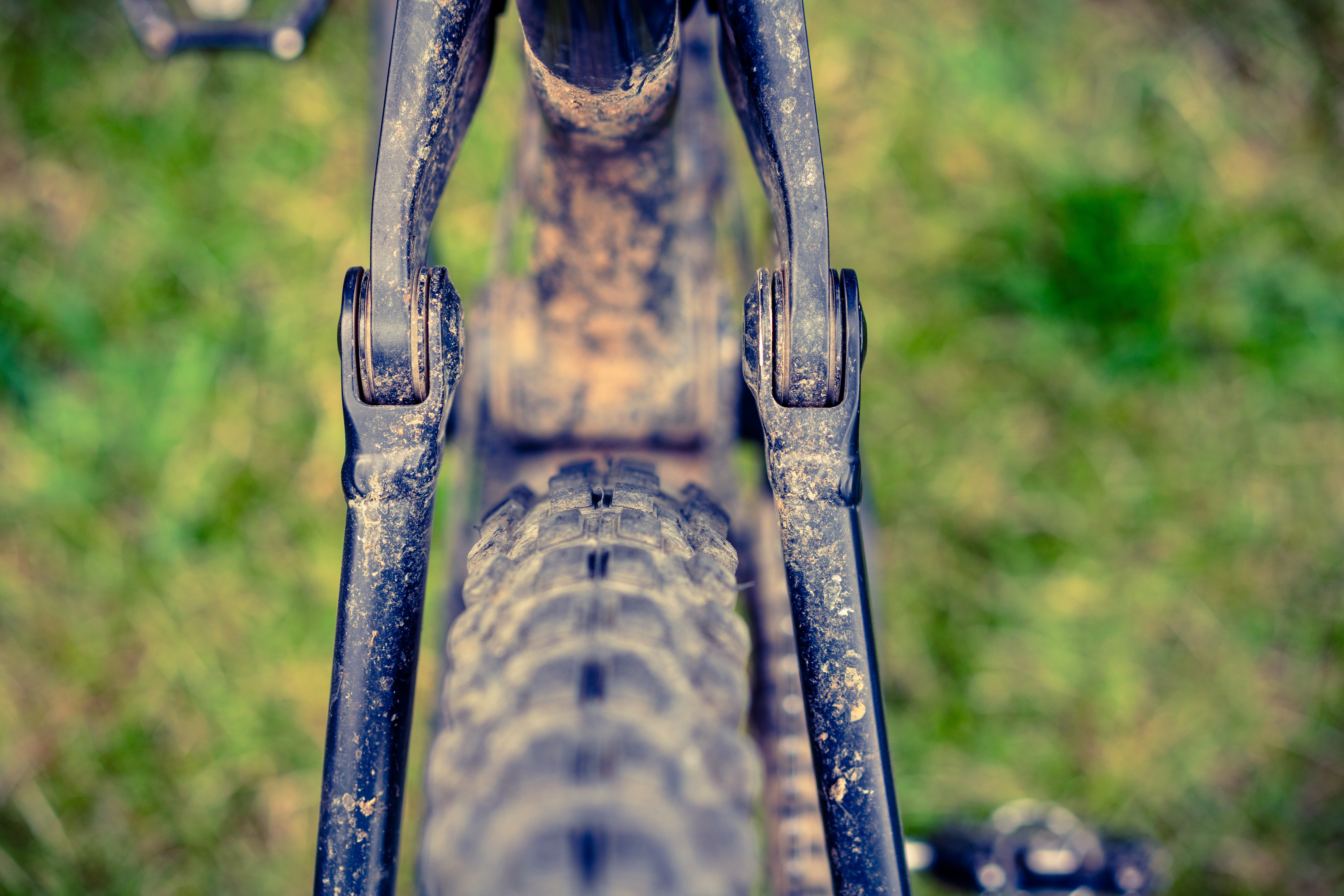
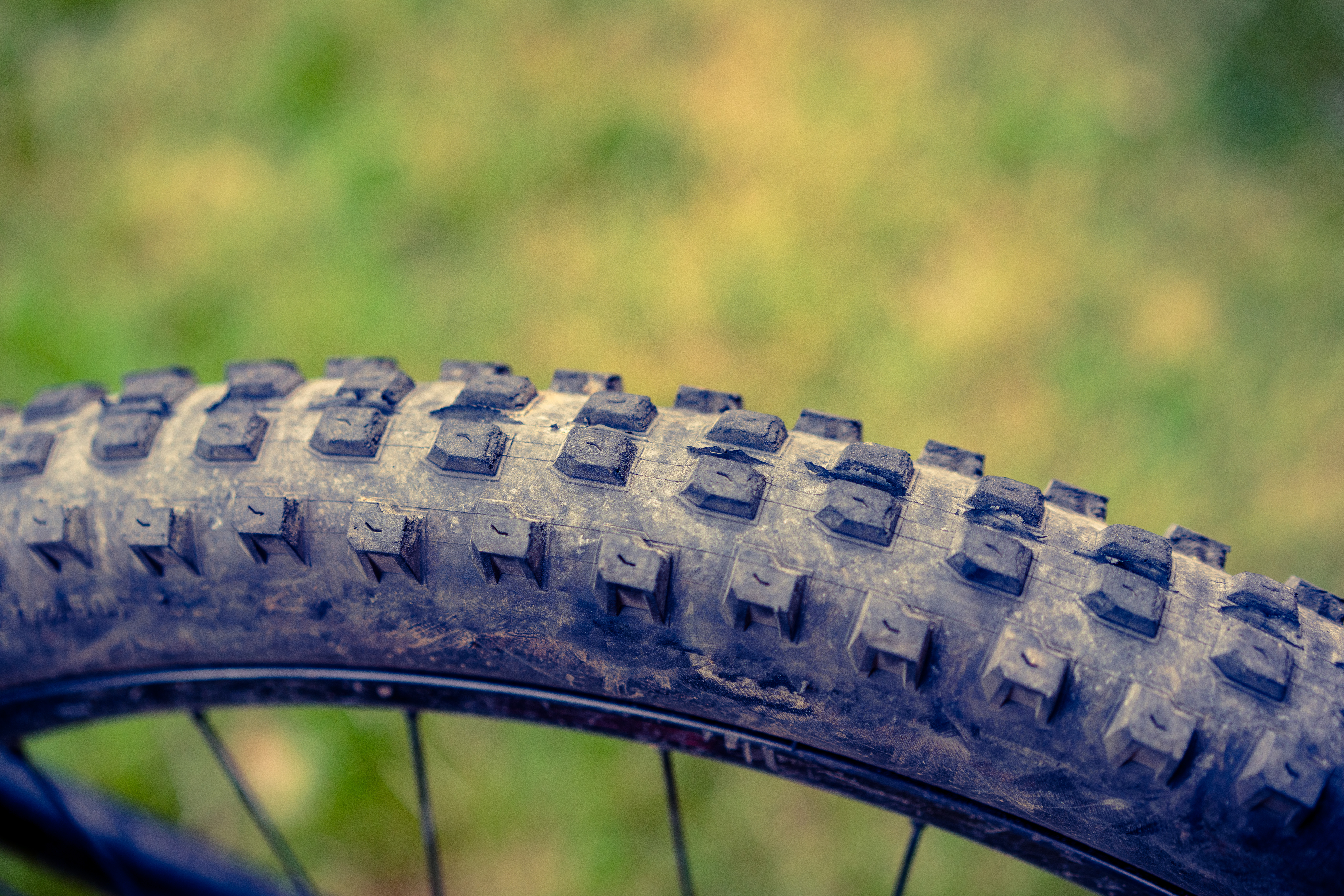
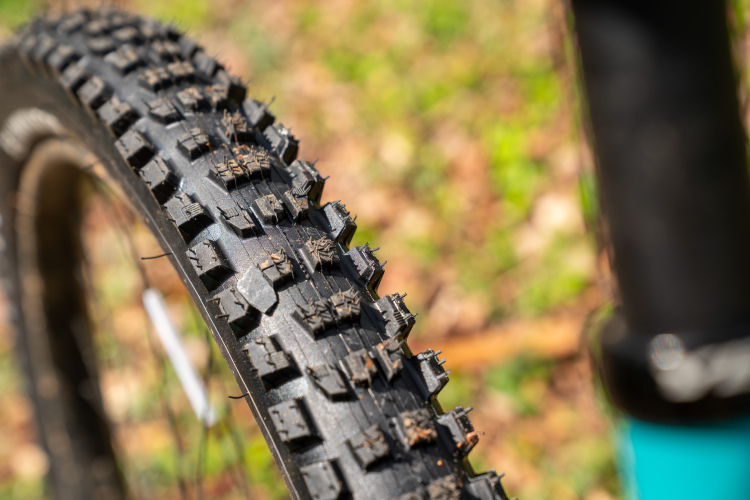
Delium doesn’t pigeonhole their tread patterns for front or rear use, so it was up to me to decide how to mount this pair. The Rugged tread pattern resembles that of a Maxxis Assegai or Schwalbe Magic Mary, with an alternating two-three lug pattern of center knobs that are offset-spaced between the heftier shoulder knobs. This familiar pattern is a favorite, so it took position under the handlebars.
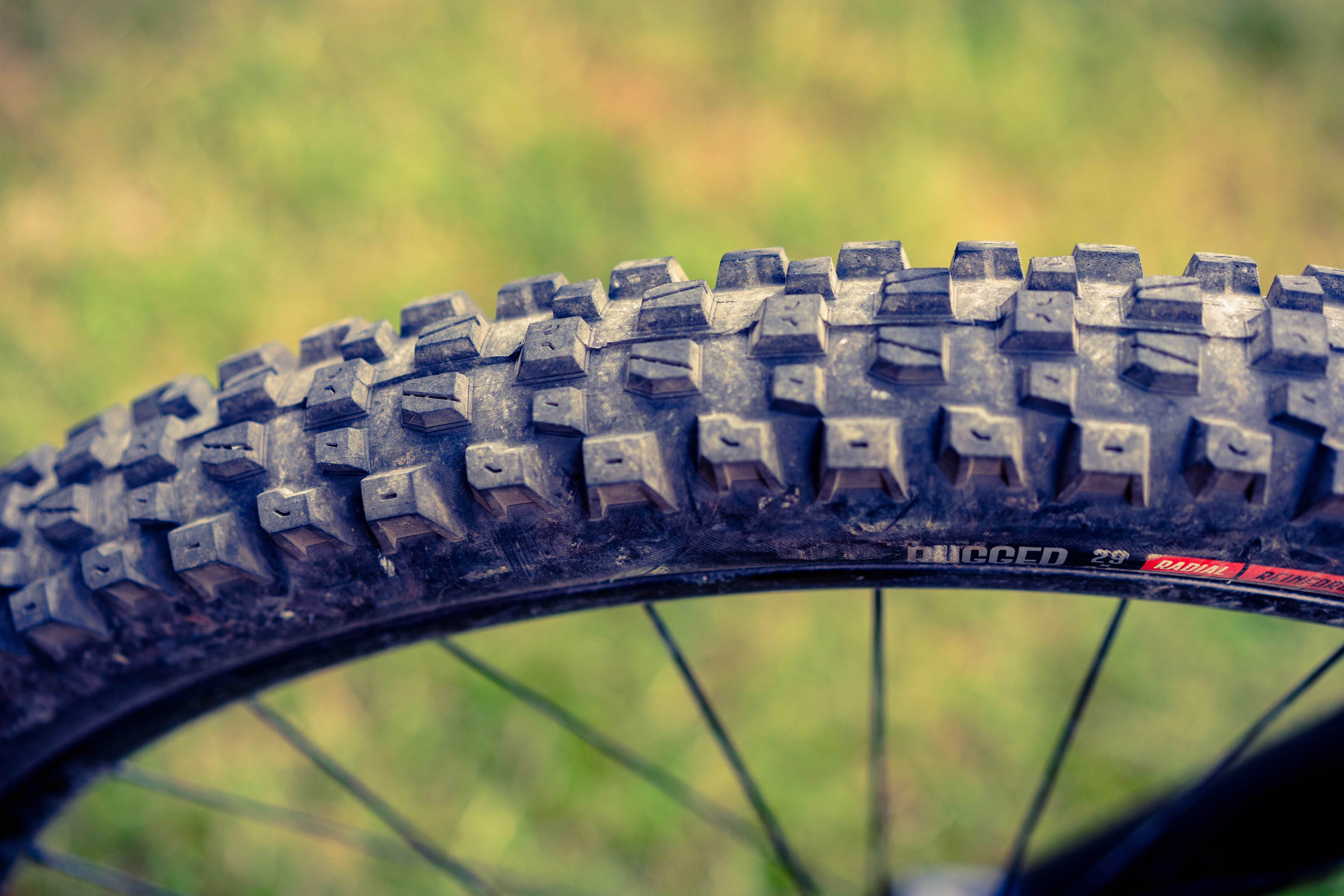
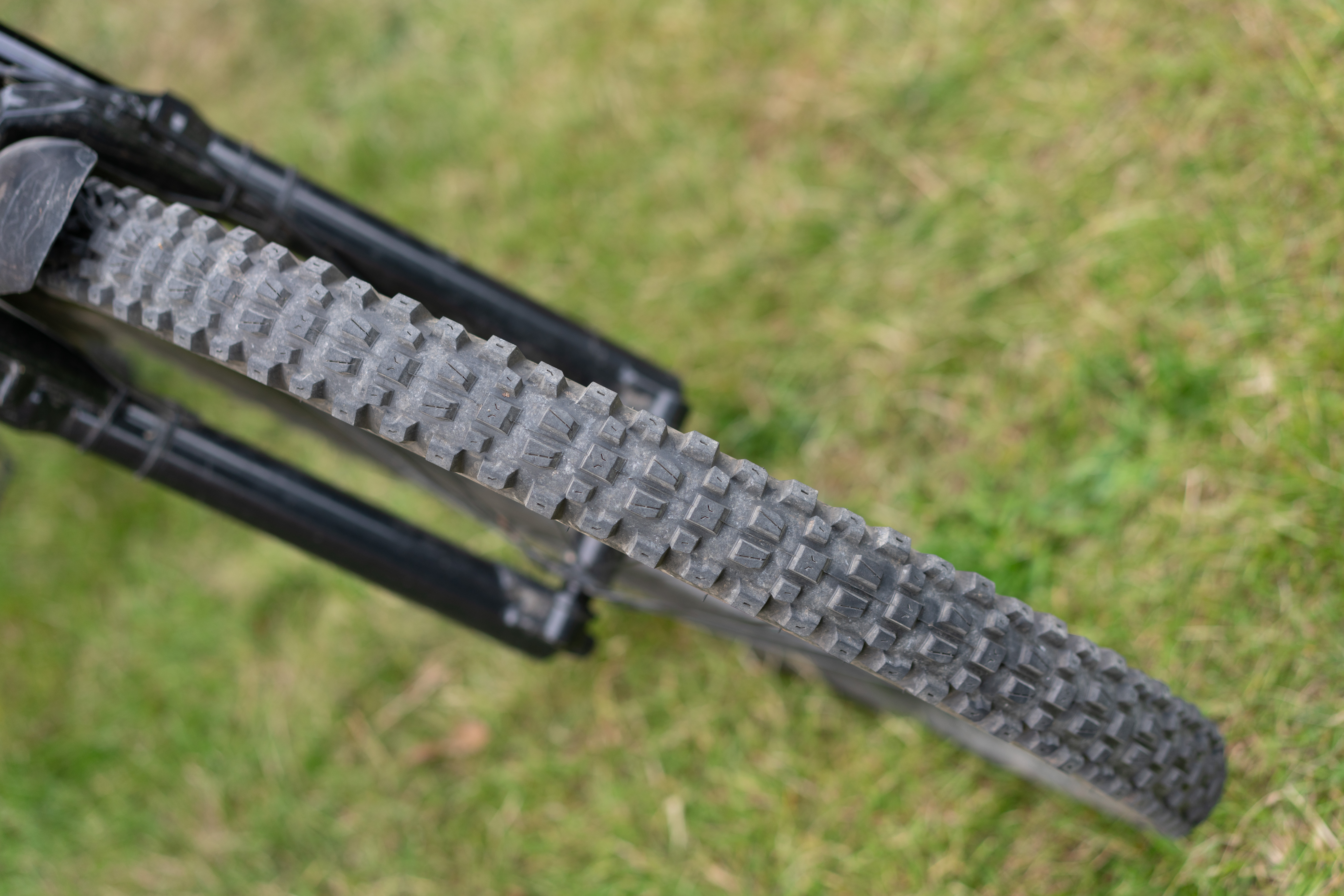
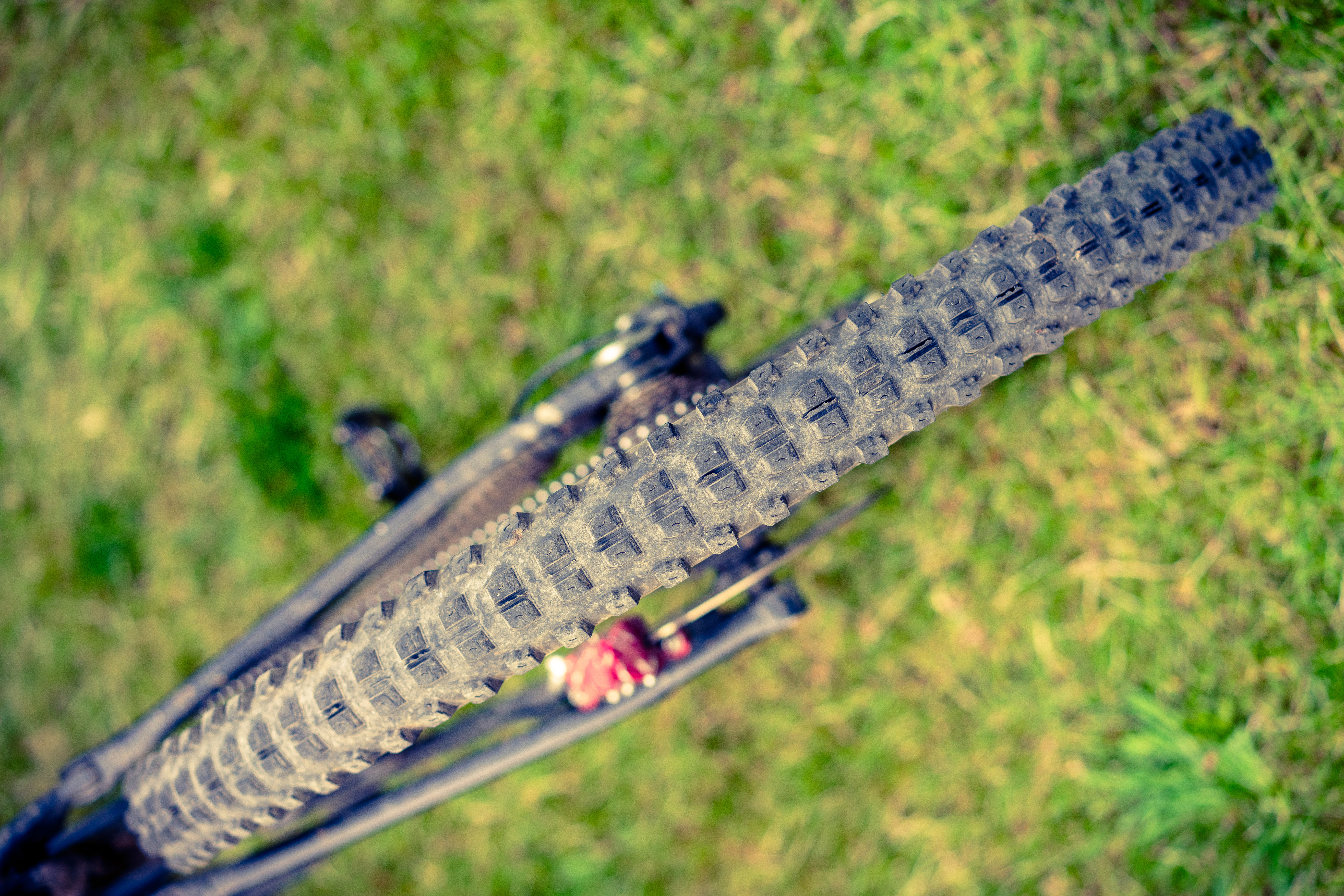
PNW loam likes to cake between lugs after any squirt of moisture, making wider lug spacing nice for a rear gravity tire. The Delium Versatile looked like an ideal candidate for the job, with its paired lugs offset between high and supportive shoulders.
Mounting the Rugged and Versatile is about as enthralling a story as any with modern MTB tires. They were a workout for my thumbs to mount, sealant went in, my air compressor seated the bead at max pressure, and I titrated the pressure to my preference. The sidewalls didn’t cry like rubber of yesteryear, nor did the bead burp.
Finding the right pressure for radial tires
The Schwalbe Albert radials I tested recently came with a 5 PSI increased pressure recommendation. Delium recommends a similar increase, stating that their 180lb test rider used 30 PSI front and 33 PSI rear. Higher pressure reportedly pairs with the casing’s more supple nature, providing similar damping to conventional tires with lower pressure while also offering more grip. I tried the same with the Delium radials, but 5 PSI felt a bit harsh. I played around with the pump across several rides and landed on about 2 PSI higher pressure than my usual. That offered a supportive feel with the casing and few rim dings, while still allowing the casing to damp vibration and lumps.
Rugged radial models carry a claimed weight of 1320g, and Versatile 1285g, landing them somewhere in the middle of the gravity tire heft spectrum. Climbing with this pair is similar to pedaling any tire that’s designed to grip downhill; passable, but asking noticeably more effort than an all-around tread. These tires will work on your daily driver, as long as you’re driving toward the descent. Traction in steeper and more technical climb sections is adequate, and they certainly won’t hinder your ascent to glory.
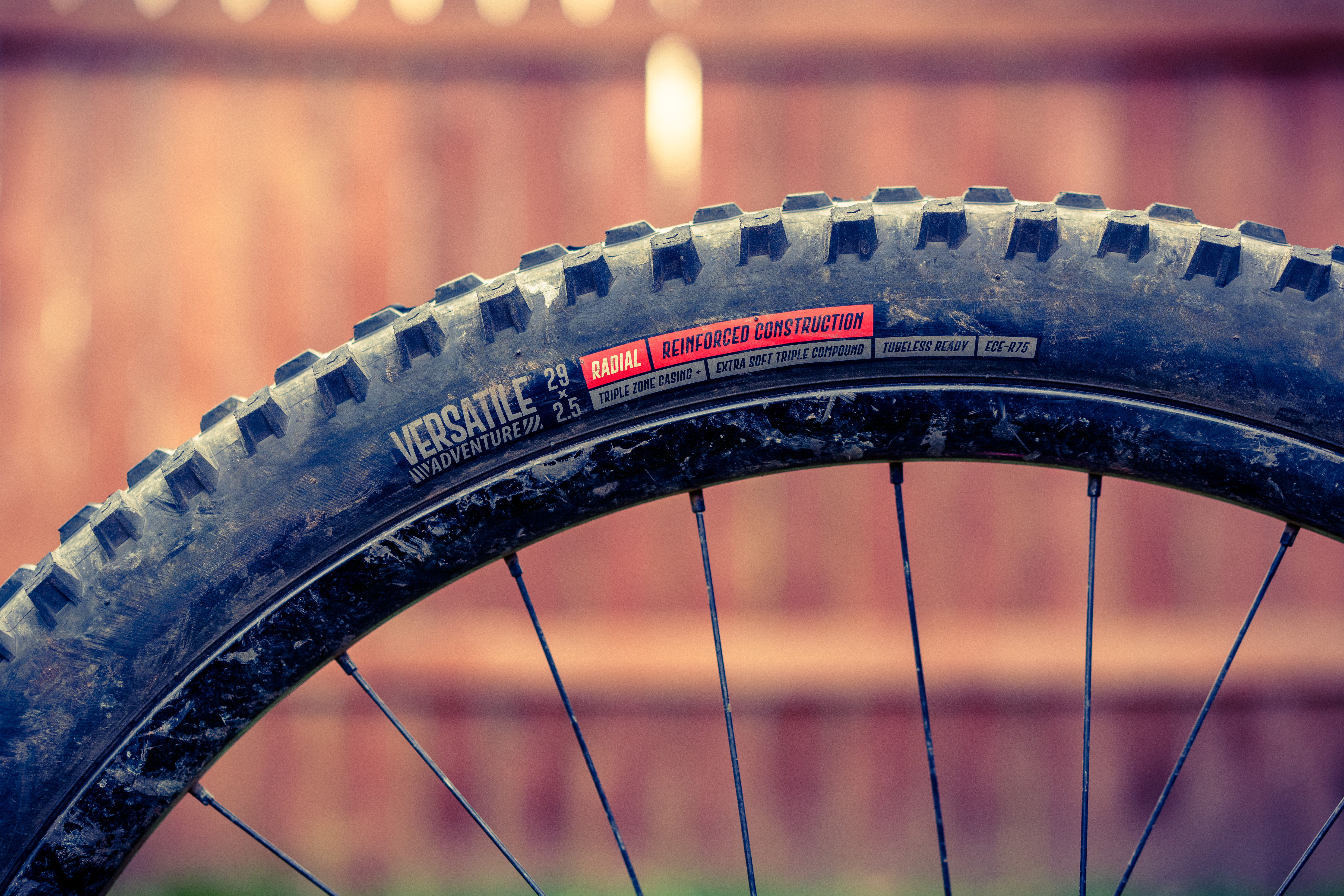
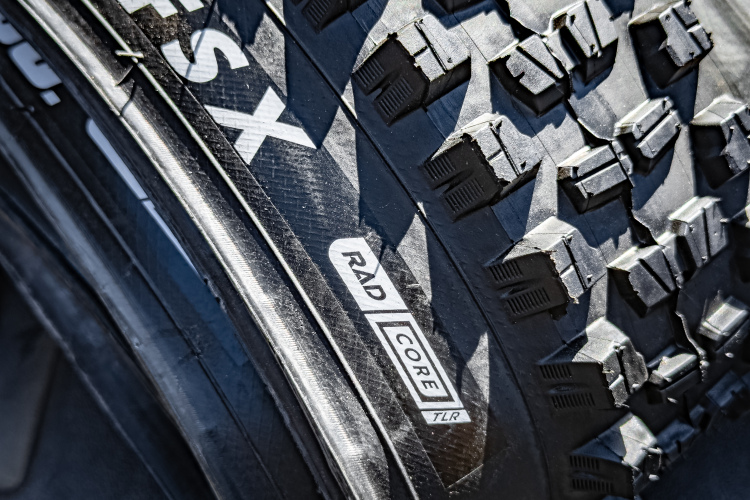
Both tires tested feature a triple-zone casing and a triple compound that places the softest, grippiest compound on the side knobs, a medium-wear compound in the middle, and a hard base underneath.
On the trail with Delium radial tires
My favorite trails are raked-in, not built, and include a healthy dose of off-camber and zero built berms. The slightly rounder profile of these tires fared well on the slanty bits and flat turns, though they do leave some traction to be desired. All tires will start to give when they’re skipped across a slope, and this set sits in the middle of the grip scale for me.
I lost the front tire several times with these tires on trails I ride regularly. The tread regained grip, and I was able to stay upright, but that slide is never confidence-inspiring. It has been bone dry in the PNW of late, and most tires let go when there’s no moisture in the soil, but the Rugged started to slide unexpectedly rather than predictably, as some might. This issue was largely eliminated with a little weight shift on my part. I won’t write this tire off by any means; rather, I’ll remember that it likes a bit more rider input than some. Like a subtle rebound or compression adjustment, it’s something you can adapt to and then forget about.
The most immediately noticeable advantage of these tires is that they are quiet, and they do a lot to damp small trail vibrations. Where I can hear the tread of the Magic Marys that I was riding before when they hit hardpacked dirt, the Delium radials roll like a whisper. The overall trail feel is smooth and composed throughout.
Share your Delium Radial tires review
Finally, these tires feel plenty fast. Some treads can lag in certain spots; others are wicked fast but lack traction. This pair from Delium rips along as fast as your braking fingers and traction will allow.
Pros and cons of Delium Radial tires
Pros
- Competitive price and weight
- Tried and tested tread patterns
- Only a few compound/casing options
Cons
- Not an A+ off-camber option
- Only a few compound/casing options
Bottom line
Given the competitive price, grip, and sneaky silence, I would buy a set of these tires tomorrow. While I had a few hairy moments on them, those were manageable, and they felt fantastic the vast majority of the time. If you’re really curious about radial mountain bike tires, this is likely the most affordable taste tester out there.



0 Comments