

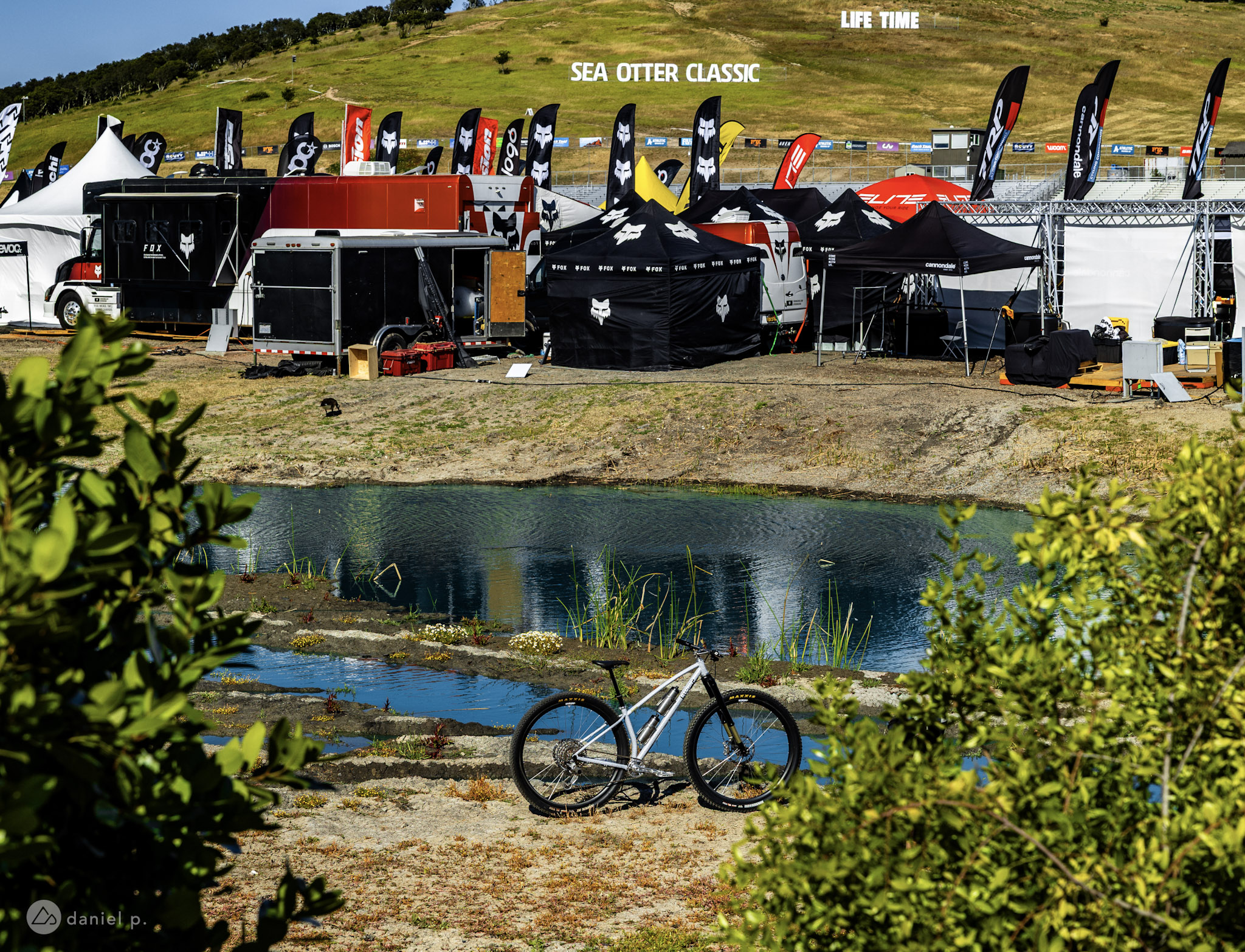
Walking around the Sea Otter Classic last week, you could be forgiven for thinking that independent bike brands have gone the way of the penny-farthing. Gazing into a veritable forest of teardrop flags at the expo, mega brands compete for visitors’ attention in hopes of luring them inside their booths for a peek at the latest and greatest products.
Absent from this year’s festival? Small, independent bike and component brands. Not that I blame them for saying home; it costs tens of thousands of dollars to build a booth, reserve a space, and cover shipping and travel expenses to California. That’s good money that could be spent on materials and machine time.
The companies that can afford to exhibit at Sea Otter take full advantage of the opportunity. There are “prototypes” on display for customers to ogle and hopefully share on social media. There are giveaways and games designed to collect customer email addresses. Booths are designed and optimized to showcase “authentic brand stories.” The bike business is competitive, after all, and many former racers who work in the industry bring a healthy desire to win to their jobs. If you ask me, there’s no shame in that game.
However, one thing is clear: it’s not the big, corporate bike brands that are the innovators. Though the indies may not be visible at big expos like Sea Otter, they are the ones who are quietly doing the work that ensures next year’s mountain bikes are faster than they were the year before. More fun to ride. Cooler, even.
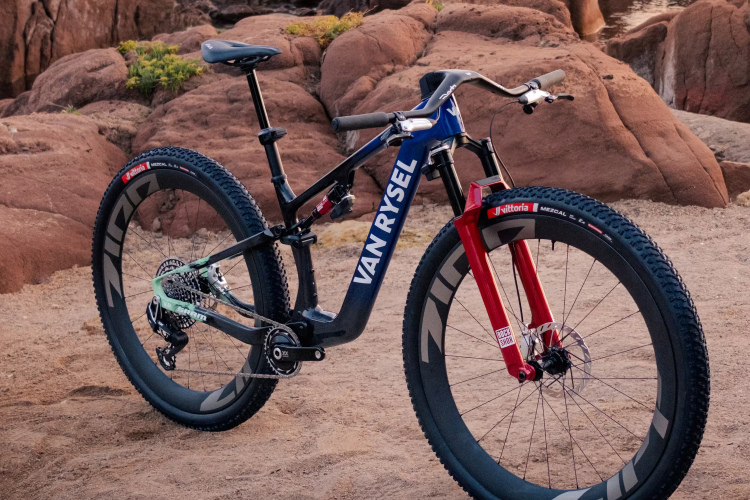
And the big brands recognize this. Look closely and you’ll that they’re using indie brands to lend a bit of cool factor to their own booths. Maxxis had a purple Esker steel 32er drop bar bike on display. 1UP USA attached a REEB to one of their bike racks. The beautiful ActoFive full-suspension 32er mountain bike at the Wolf Tooth booth practically stole the show, even though no one from ActoFive was anywhere to be found.

Indies brought us dropper posts and 29ers, too
A big part of what makes indie bike brands cool and interesting is that they’re not afraid to innovate.
In a recent podcast interview, Worldwide Cyclery Founder and CEO Jeff Cayley posited that at this point, mountain bike technology seems to have hit a plateau. Cayley put me on the spot, asking “What have you seen in the last few years that’s made you like, ‘Wow, I gotta have that’?” I didn’t have a good answer, which basically proved his point.
Compare that to my reporting from Interbike in 2008, nearly 18 years ago. It’s hilarious. This was the first time I saw a dropper post (for some reason I called it a “remote-adjustable seat post”) and I highlighted the Gates Carbon belt drive, an innovative product that to this day hasn’t really taken off. Bikes with 29er wheels were still quite new then, and one dispatch I shared was titled “29er wheels need wider bars.”
Looking back, it’s clear that mountain bike components and geometry did not get better overnight. It took time to work out the kinks with dropper posts and new wheel sizes, too.
Even though 2008 was the first time I had seen these products, they weren’t exactly new. In fact, the brands talking about this “new tech” weren’t the original inventors. By all accounts, Gravity Dropper was one of the first, if not the first, to market a dropper post back in 2003. (Hite-Rite was even earlier, but it wasn’t a dropper post as we know it today.)
And though the Gary Fisher brand often gets credit for being the first to offer a production 29er mountain bike in 2001, a man by the name of Wes Williams of Willits Bicycles had been building 700c mountain bikes — later called 29ers — since the late 1990s. Williams is said to have convinced WTB to create the first real 29er mountain bike tire, which Fisher was able to spec on his bikes.
Indies are seizing the 32er opportunity
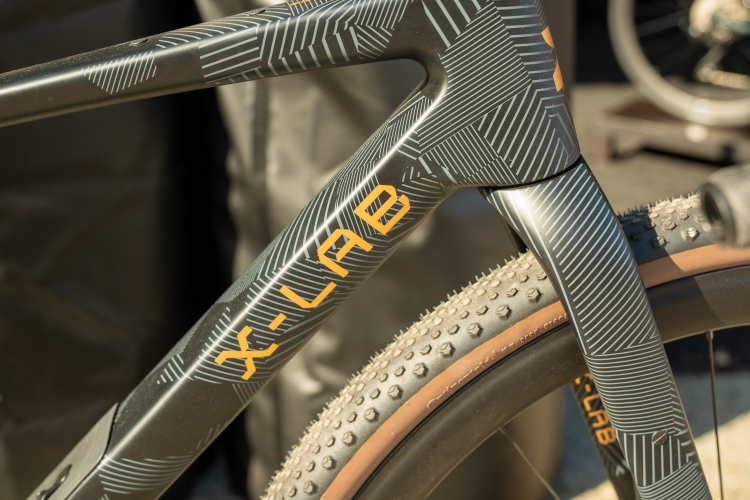
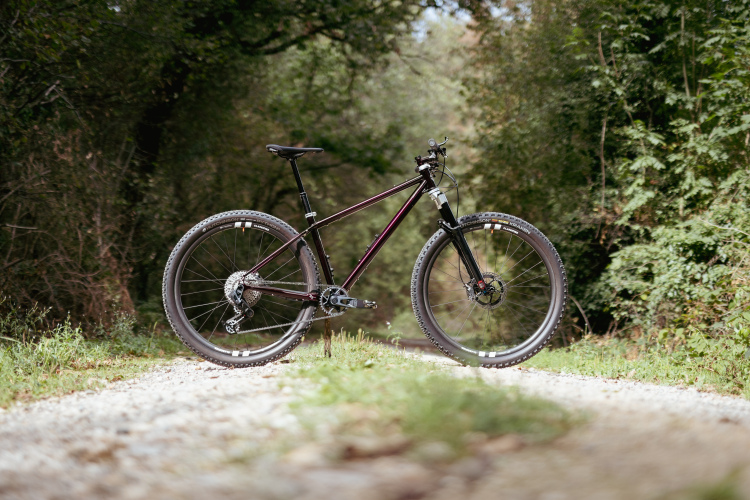
The cynics among us worry that the “new” 32-inch wheel size is just an industry ploy to get riders to buy more bikes. And yet, not a single large bike brand has officially announced a production 32er mountain bike. Thus far, it’s independent brands like DirtySixer, Zinn, Vassago, Btchn’, and Singular that are pushing the envelope, working to understand the advantages and disadvantages, and testing the market.
A headline earlier this year announced that 32ers won’t save the bike industry. And while that’s true, I don’t believe any brand, large or small, thinks they will. Independent frame builders may be the ones making hay at the moment, selling out of small batches almost as soon as they’re announced. But that won’t last forever. The early adopter market is small, even if its influence is not.
If and when it seems like the masses are ready for 32ers, the big brands will certainly step in and deliver on economies of scale that the indies can’t offer. Ultimately, customers will decide with their wallets whether the big guys made the right call. And by then, the indies and early adopters will have moved on to the next thing. Rinse and repeat.
Long live the independent bike builder
It’s not just big-wheel, 32er bikes that indies are targeting. Reps from scrappy upstarts like Daysaver and Vivo, who are making innovative tools and derailleurs, respectively, lugged prototypes and samples around in cases at Sea Otter, eager to show off their inventions. There’s a surprising amount of low-hanging fruit when it comes to mountain bike design innovation, and the indies are the ones scrambling to pick it all up before the crows take notice.
For that reason, I’m bullish on the mountain bike tech that’s coming out of independent brands and the innovations that are to come. You might not see these brands or their inventions in a booth at Sea Otter, or in your Instagram feed that’s clogged with paid posts, but the tinkerers aren’t spending their money on marketing. They’re in their shops, working on the next big thing. Though they may not always get the credit they deserve, the indie brands are the ones who will continue to move mountain bike tech forward.
The news stinks. Why not follow Singletracks on Google News to bring more joy to your day?

9 Comments
Apr 25, 2026
At this time, the drop or travel was around 75mm and used a simple coil spring with no dampening.
Although there were many people that loved the idea, there were many that made comments such as "we're fixing a problem that doesn't exist" or "we are taking something as simple as a seatpost and making it complicated" or "it's going to be too heavy". Back in 2002, I believe, we had a Elevator Shaft hidden in plain sight in our expo booth when Zapata Espinoza from Mountain Bike Mag ( at the time) noticed it and was asking questions about it.
In 2003 we sold Hurricane and the Elevator Shaft seatpost wasn't continued with the new buyer. Unfortunately we did not patent this idea and a few years later, Gravity Dropper first showed there dropper which looked remarkedly like Elevator Shaft.
Apr 30, 2026
Apr 30, 2026
KS had its LEV in 1999.
I saw a Rase in 2002.
Gravity droppers were more popular.
Maverick brought the Speedball ("you have your ups and downs", Ari) to market in 2004.
Apr 27, 2026
Apr 30, 2026
Apr 30, 2026
Apr 25, 2026
Apr 27, 2026
This isn't spam, I am a customer and am relaying my experience. No need to buy made in the USA when the price doesn't justify it.
May 3, 2026