

Any opinions expressed in this article belong to the author alone and do not necessarily represent the opinions of Singletracks.com.
I’m not one to dabble in conspiracy theories, and as much as riders like to think the rich and powerful bike industry is out to get them, I don’t believe that’s true. That goes for the part about the industry being out to get us, and also about them being rich and powerful, for that matter.
This week, my eyes were finally opened to a grand conspiracy within the bike industry that’s apparently been brewing for quite some time now: the industry is working to convert road bikers into mountain bikers. Sure, you could argue that’s been happening ever since the first production mountain bike was put up for sale, but this is different.
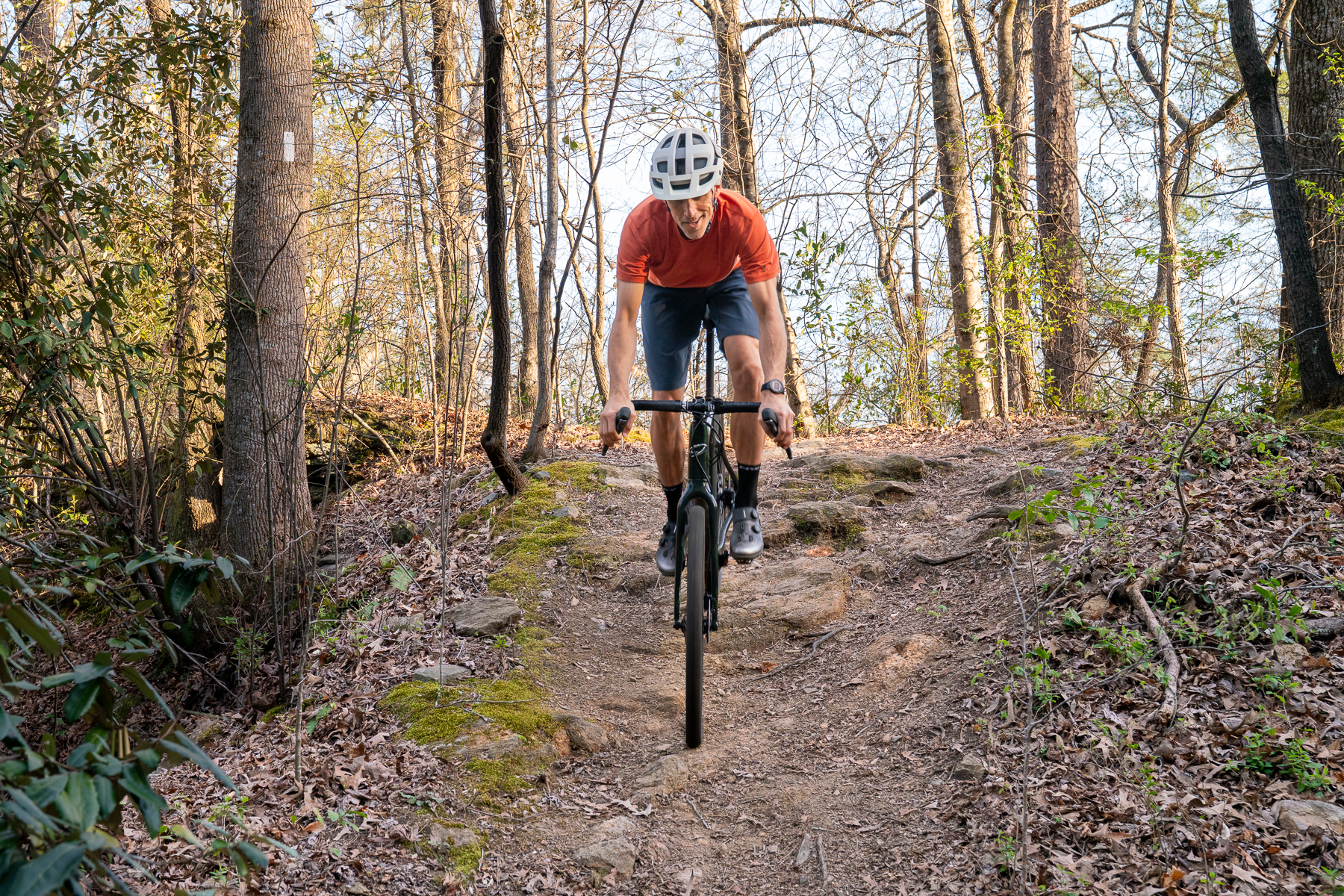
When gravel bikes rolled onto the scene in the early 2010s, the idea was simple: give road riders something that’s better suited to riding unpaved, gravel roads. The bikes looked like road bikes, with rigid forks and curly bars, but slightly wider, knobbier tires that wouldn’t slip — or worse, explode — at the sight of a jagged pebble.
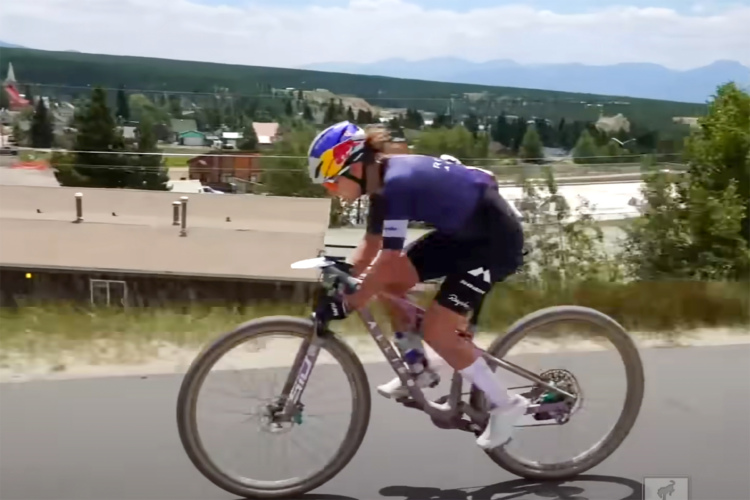
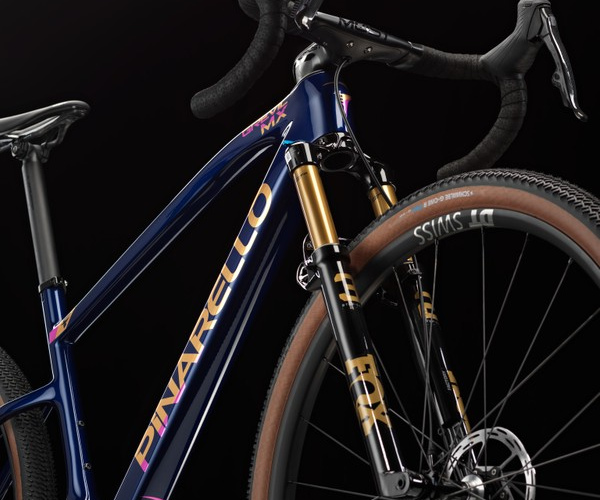
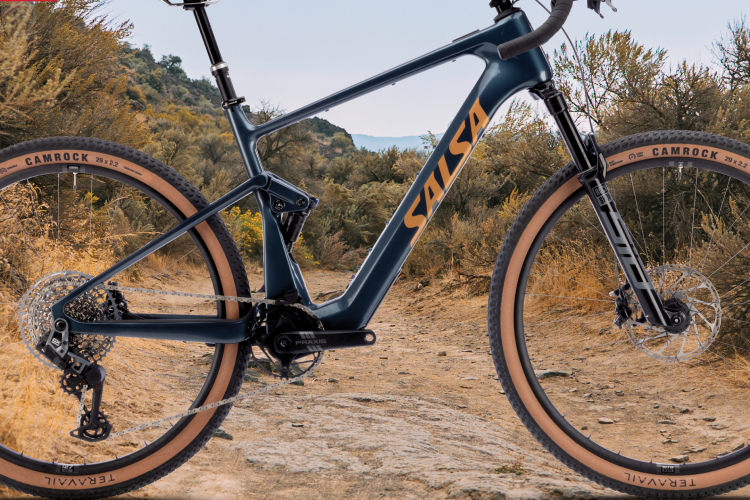
Like a frog in a pot that’s slowly heated to boiling, tires started getting wider and knobbier. Then came suspension, a little bit at first and only in the front, until eventually, many gravel bikers were saying, “Yeah, rear suspension could smooth things out even more.” Now, it’s only a matter of time until a critical mass of these fresh dirt disciples discover what a game-changer dropper posts are.
Of course, as mountain bikers, we knew all of this was coming. No one needs a special bike for riding on gravel — “Just ride a mountain bike!” we cried. After all, we’ve been slogging up fire roads literally since the beginning, mixing surfaces and having the times of our lives in the woods, far away from the din and danger of traffic.
I get that the goal of any industry is to sell products and to make money. The bike industry has done its job over the years by introducing new categories, and cyclists have responded dutifully by filling up their quivers with arrows they didn’t even know they needed.
This time, however, the industry may be shooting itself in the foot. What happens when riders come to the conclusion that the mountain bike — be it with drop bars or flat, suspended or rigid — really is the one true bike, and always has been?
I said goodbye to my road bike many years ago, and though I do own a gravel bike, it’s likely the next one to go. Late last year, I had dreams of adding drop bars to my hardtail, but now I’m not so sure. Maybe all I need is a regular mountain bike after all.
Keep up with the latest mountain bike news by adding Singletracks as a preferred source on Google.


20 Comments
Jan 31, 2026
Feb 1, 2026
Feb 1, 2026
Feb 1, 2026
Jan 31, 2026
I think a single frame with well-rounded geo can cover a huge swath of riding zones *especially* if you have the ability to swap tires and wheels to suit the purpose. Right now my hardtail is an all-season, all-conditions Trail bike because I have a 27+ wheelset and a 29er wheelset for it.
I think in the future I will have a hardtail that covers gravel, bike packing, and winter riding.
A long travel MTB covers all my full suspension needs, but if budget allowed I would slot a short travel in the middle.
I don't see myself ever owning fully rigid or drop bars again.
Feb 6, 2026
Feb 1, 2026
Feb 1, 2026
Jan 31, 2026
Feb 1, 2026
Jan 31, 2026
Feb 5, 2026
The gravel bike does a good job at delivering much better general usability, at the cost of relatively little road performance. I can absolutely see why they work.
Jan 31, 2026
Feb 2, 2026
The experience of gravel biking is so different from that of mountain biking also. Climbing for two hours to bomb down a ten-mile canyon gravel road is just as exciting and totally different from a backcountry singletrack ride, and it's ok to want both.
Jan 31, 2026
Feb 1, 2026
I do know some roadies who dabble in mountain biking but for some reason feel they lack the bike handling skills
to ride challenging terrain.
I'd love to own a gravel bike but one can only have so many toys.
Feb 1, 2026
We begin cycling as a means of transportation: commuting to school, to meet with friends and explore the towns and neighbourhoods we live in. Roads and sidewalks. But it has become more dangerous as poor driving habits have become increasingly excused lessening the responsibility of the driver due to the physics of the speeds involved.
"But your Honour, I wasnt going over the posted maximum speed. I couldnt stop in time...."
Faster speeds means bigger crashes. More traffic delays leading to simple minded solution of more and bigger roads suitable for roads capable of the faster speeds Mass transportation is subsidized by taxes; ergo reducing the tax burden becomes popularized solution leads to poorer transit; and more folk become resigned to auto ownership increasing consumption. Urban sprawl increases, property developers profit and promote this vicious cycle - Our environment sufferers. Our overall health suffers, mentally as well as physically. Our food supply becomes threatened with the disappearing local farm
"Get the bicycles off the road" and "it's too dangerous".
Gravel bikes help feed this direction by promoting the idea of off-road cycling; enabling corporate execs to buy and drive their Audi's with impunity.
It's not evolution, it's devolution. And it's horrible.
Feb 1, 2026
Modern MTBs are no fun to ride on smooth gravel, let alone on roads (because you're way over-biked) - to me, that makes them categorically ineligible to be "the one true bike." Gravel bikes can be 90% as capable as road bikes with a wheel/tire swap, and can be fun from smooth gravel up through green singletrack (the latter, if you're willing to slow down some). That makes them my pick for the best all-round bike - and yes, similar to 90's MTBs, but even more "fit for purpose."
As gravel bikes get ever more capable, just like MTBs have, my reaction turns to "meh" - the arms race towards ever-more capability will make some of my favorite paths & trails boring on those bikes!
Not trying to be a luddite here, just shine a light on what I find to actually be fun on bikes - and it's not pointing an ultra-capable full-suss MTB down a rough trail that's well within the bike's limits - and doesn't require much skill on my part to stay wheels-down.
Feb 2, 2026
Feb 3, 2026
I also wouldn't say my skills are particularly good. In my middle age, I've become much more aware of the potential for crashes to have long-term consequences. The better bikes get, the faster we ride over gnarlier terrain...the more chance there is for injury if something goes wrong. I definitely have some sketchy moments on gravel bikes, but I suspect I'm significantly less likely to have a truly nasty crash, despite the generally-faster speeds, given the smoother terrain.