

My family and I are fortunate to travel a bit—nothing massive, but relatively frequent road trips to nearby states. As a mountain biker, I of course want to experience the best trails any destination has to offer. But as a dad, I feel a bit of an obligation to make trips somewhat educational (okay, okay, I enjoy the history stuff too, and I can be “the dad” dragging my kids to some museum).
The rub is when the two conflict — I have one day to ride, but I should also take the family to experience some history and culture. Park City, Utah, offers a solution: a new historic mining tour accessed by nearly 10 miles of the town’s singletrack.
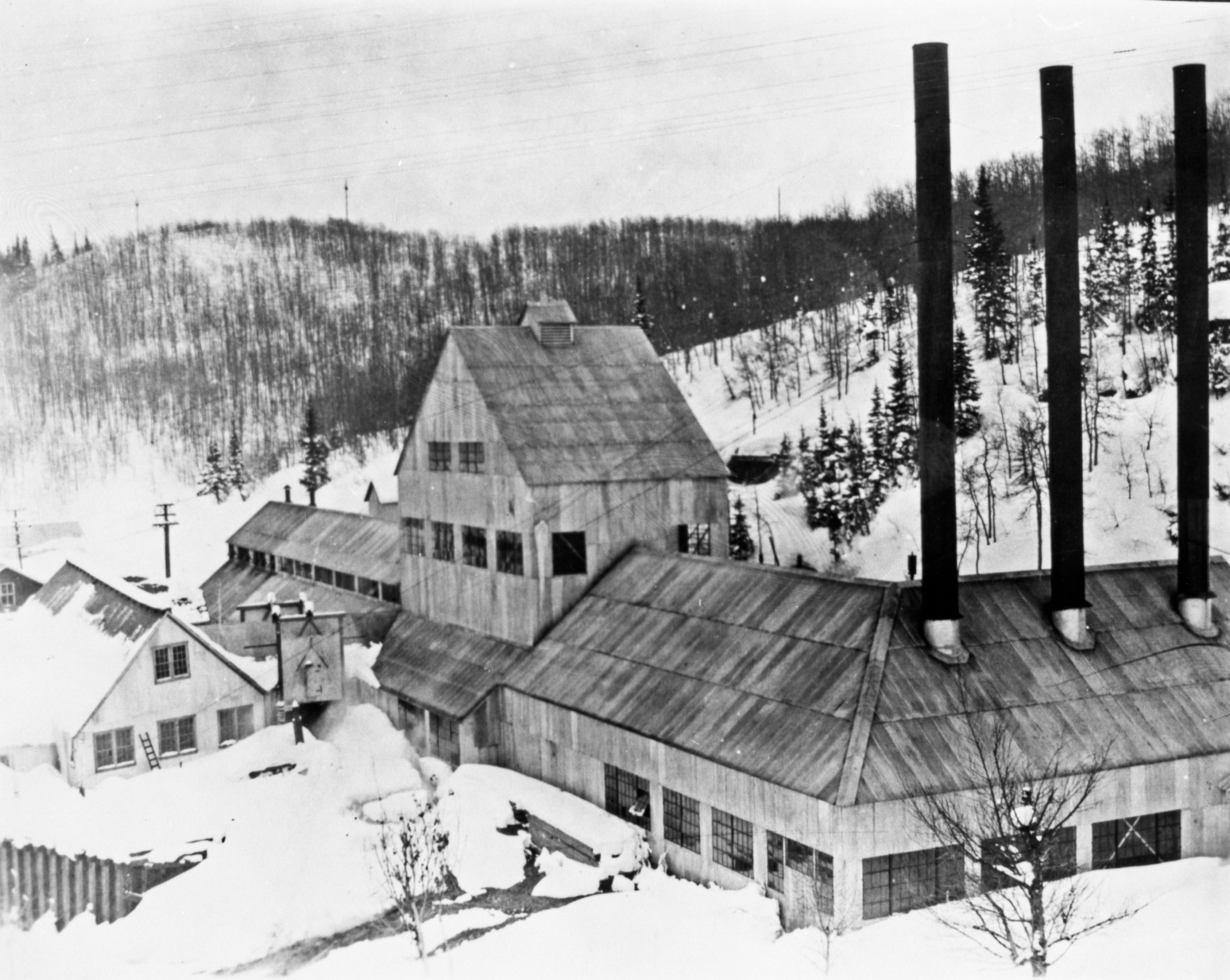
Two of the industries that built Park City
Long before Park City became the skiing and mountain biking destination it is known for today, mining built the town. In the mid-1800s, silver was discovered in the surrounding mountains, quickly driving more miners and investors to the area. Silver wasn’t the only ore coming out of those hillsides — lead, zinc, and even gold were also mined, further establishing Park City as a “get rich” hotspot.
In the decades that followed, more mines opened, and Park City grew from 164 people in 1870 to over 5,000 in less than 20 years. Business boomed, with some investors making upwards of $1,000 per day as the century came to an end — nearly $40,000 in today’s money.
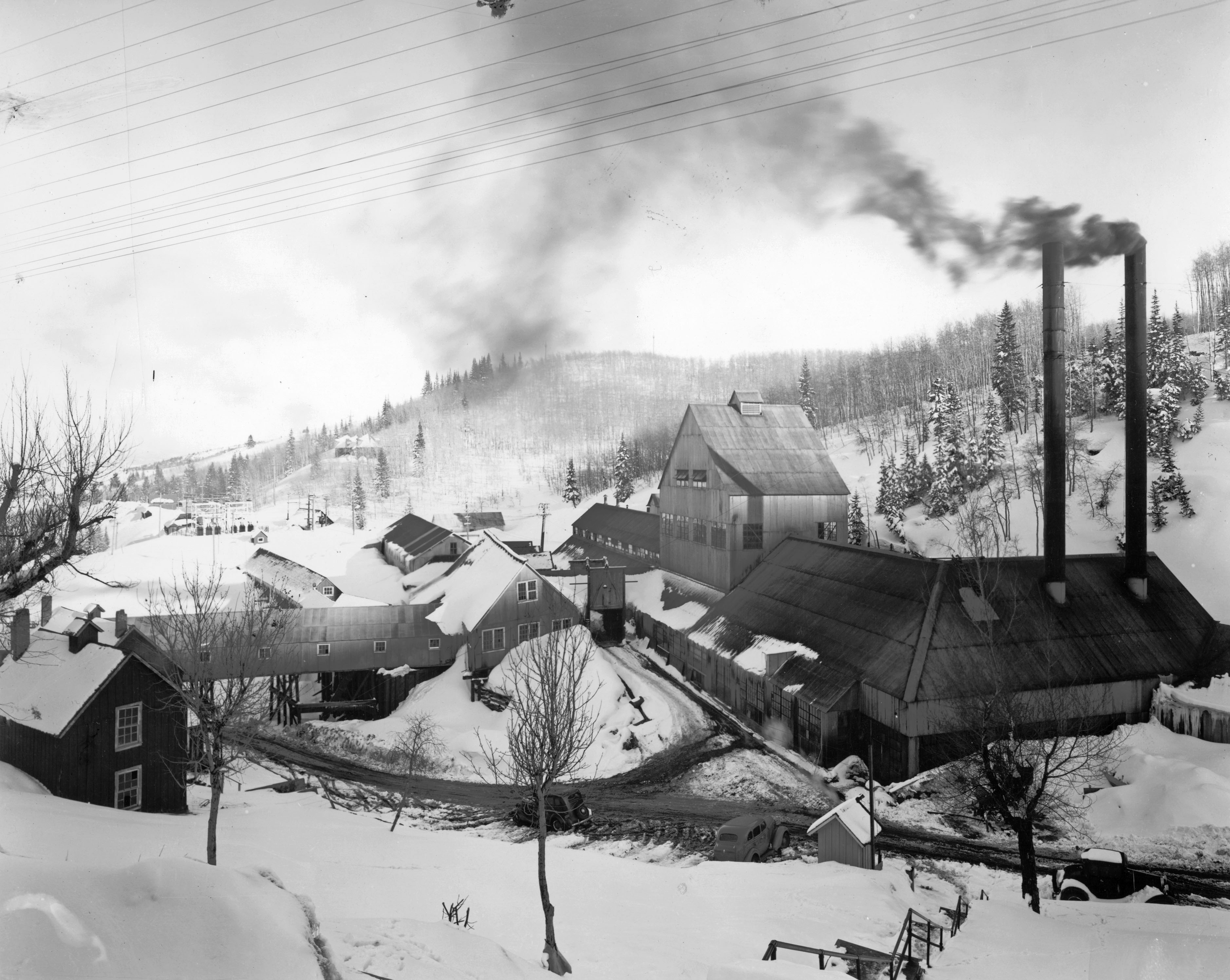
Then, the turn of the century ushered in difficulties for Park City and the mining industry. Fires, explosions, floods, cave-ins, and other tragedies raised concerns around working conditions. Eventually, the 1929 stock market crash caused silver prices to plummet, and many people looked for other work.
By 1949, the mines shut down, leaving Park City essentially a ghost town.
And, through it all, people were skiing. Some of the first skiers in the area were blue-collar workers, hitting the “slopes” after heavy snows. Ski runs were established in 1936 in Deer Valley, with the first lift following ten years later. Throughout the 1950s and 60s, many in Park City realized the surrounding mountains could provide again. The ski and tourism industry looked set to boom, and the rest, as they say, is history.

History and singletrack come together
You can access this, and much more, of Park City’s mining history along roughly 10 miles of the area’s singletrack. A self-guided audio tour is available to download for free, with each stop being accompanied by a few minutes of history about the particular area.
And there are quite a few stops — 24 for hikers and 20 for mountain bikes. (While it isn’t explicit, the route notes that “mountain bikers are advised in this section where they will need to deviate from the hikers’ route.” I assume the hiking route uses hiking-only trails.)

For bikes, the route leaves downtown and the Park City Museum, connects to the Mother Urban multi-use trail, and has a handful of stops. Mother Urban is a popular blue climbing trail that provides access to plenty of singletrack in Park City. It gains about 1,200 feet over nearly five miles as it passes through aspen groves and provides spectacular views of the city.
At the end of Mother Urban, the route connects to the Mid Mountain trail, another popular intermediate trail that links to Drift Road doubletrack and the Silver King Coalition Mine Complex. From there, the route connects onto the Johns 99 trail and then the Empire Link trail, both of which are also intermediate singletrack. Johns 99 is a steady climb before Empire Link, which offers nearly 400 feet of solid descent before connecting to more doubletrack: Daly Grind and Ontario Ridge roads.
The doubletrack grinds connect you to the route’s final trail: Prospector. This black diamond descent drops nearly 400 feet in half a mile, and is rough and rowdy down to Prospector Avenue. From there, it is paved roads back into town.
A unique way to spend an afternoon on two wheels
All told, the route is 9.8 miles long, gains 1,457 feet of elevation, and drops a nearly equal 1,447 feet. All trails are intermediate except Prospector, the only advanced trail. The route tops out at nearly 8,400 feet, so keep that in mind, as those higher elevations lead to a lot of huffing and puffing for us lowlanders.
If you’ve never been to Park City, the riding is spectacular. The trails can be confusing, with trail maps resembling a good helping of spaghetti noodles dropped on the floor.
That said, the spiderweb of trails is one of Park City’s, and this tour’s, strengths. If you’re not digging the self-guided mining tour, nothing stops you from dipping out halfway through and discovering the massive amount of singletrack the area offers.
The news stinks. Why not follow Singletracks on Google News to bring more joy to your day?





0 Comments