

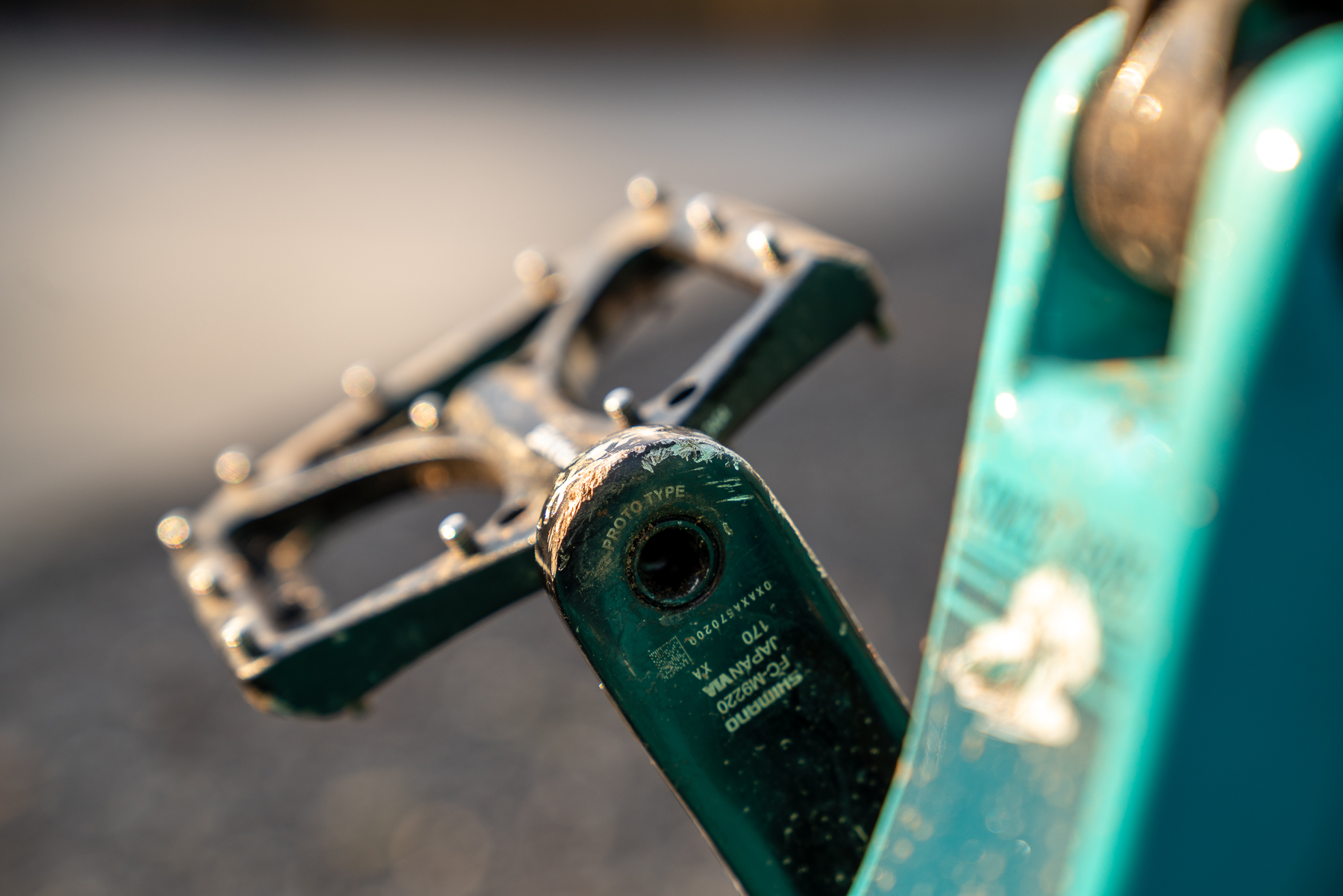
Shimano officially launched their first wireless electronic mountain bike drivetrain in June 2025, though members of the media got a sneak peek last February. I’ve been riding on the XTR Di2 drivetrain, wheels, and brakes for a year now, and this is a long-term addendum to my initial review.
The good: Consistent, crisp shifting
Twelve months into testing, and the Shimano XTR Di2 drivetrain has proven to be incredibly reliable and consistent. The shifting feels as responsive and precise as it felt on day one.
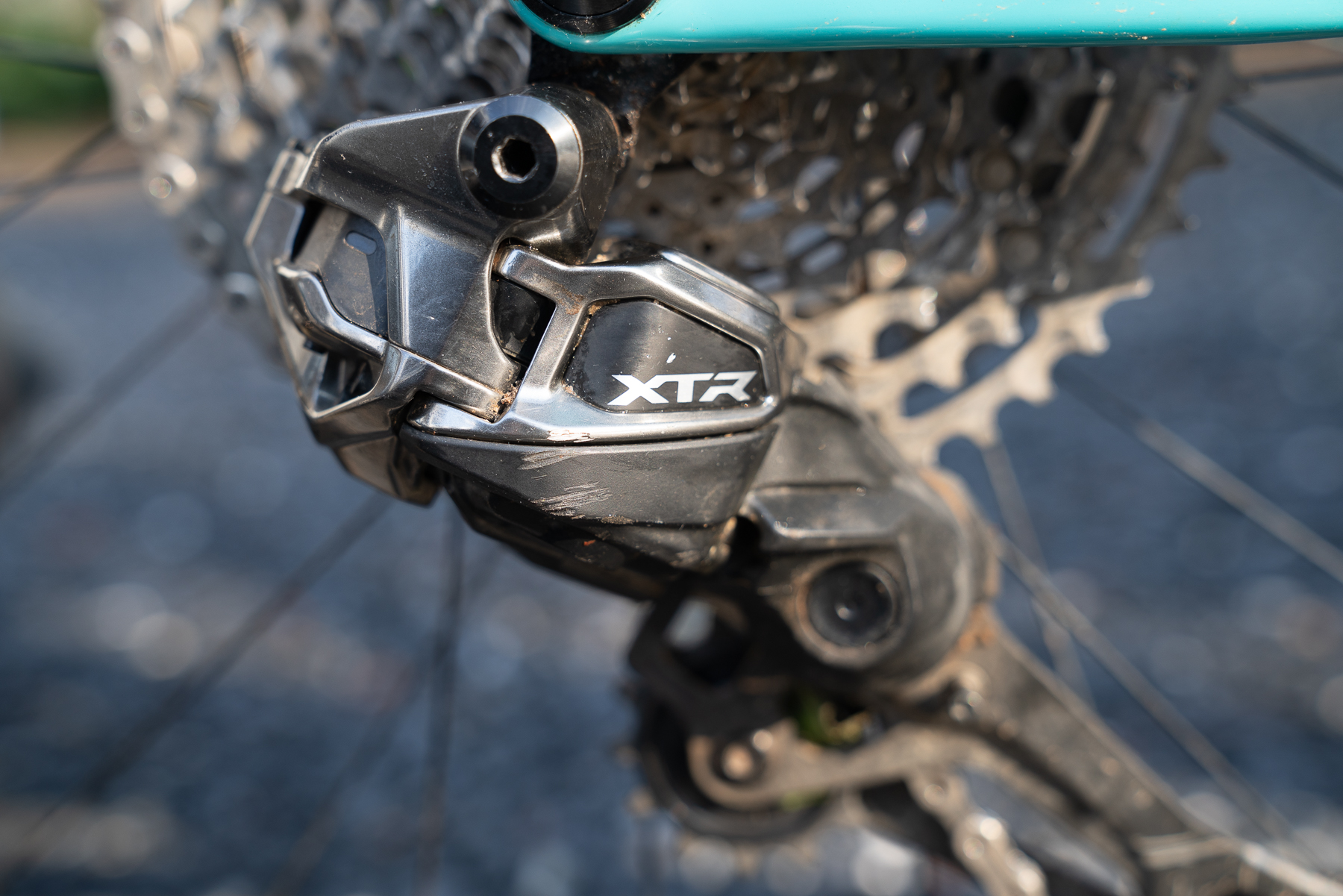
The derailleur shows some scrapes and bruises, but it’s still as straight as an arrow, just like the Universal Derailleur Hanger it’s attached to.
The bad: I miss having a switch to disengage the clutch “stabilizer”
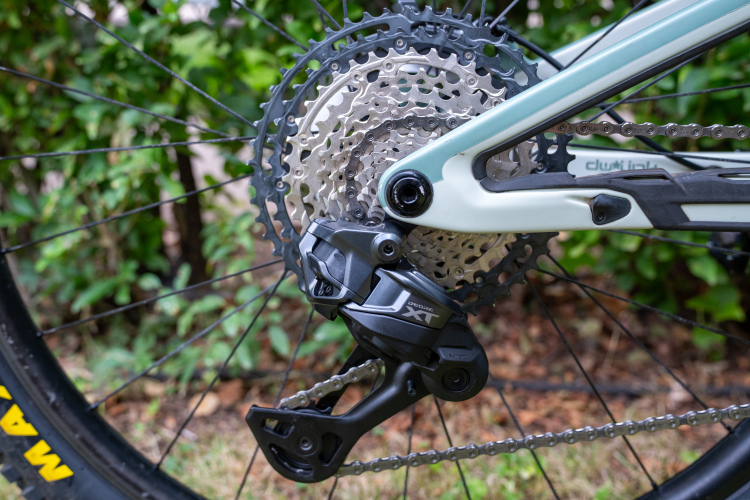
One of the biggest differences between Shimano’s mechanical XTR derailleur and the new Di2 electronic derailleur is that the new derailleur doesn’t let you disengage the clutch. (Correction: Readers have rightly pointed out that the latest Shimano derailleurs don’t have a clutch at all, with the new spring-based design being referred to as a stabilizer, rather than a clutch.) For those who forgot to re-engage the clutch after servicing the bike in the past (guilty!), this could be a good thing.
However, after swapping the groupset from one bike to another, and back again, and dealing with rear tire swaps, I have to say I miss the ability to disengage the clutch stabilizer. Ultimately, it’s not a deal breaker for me, but the always-on tension makes servicing the bike slightly more difficult.
About that battery door…
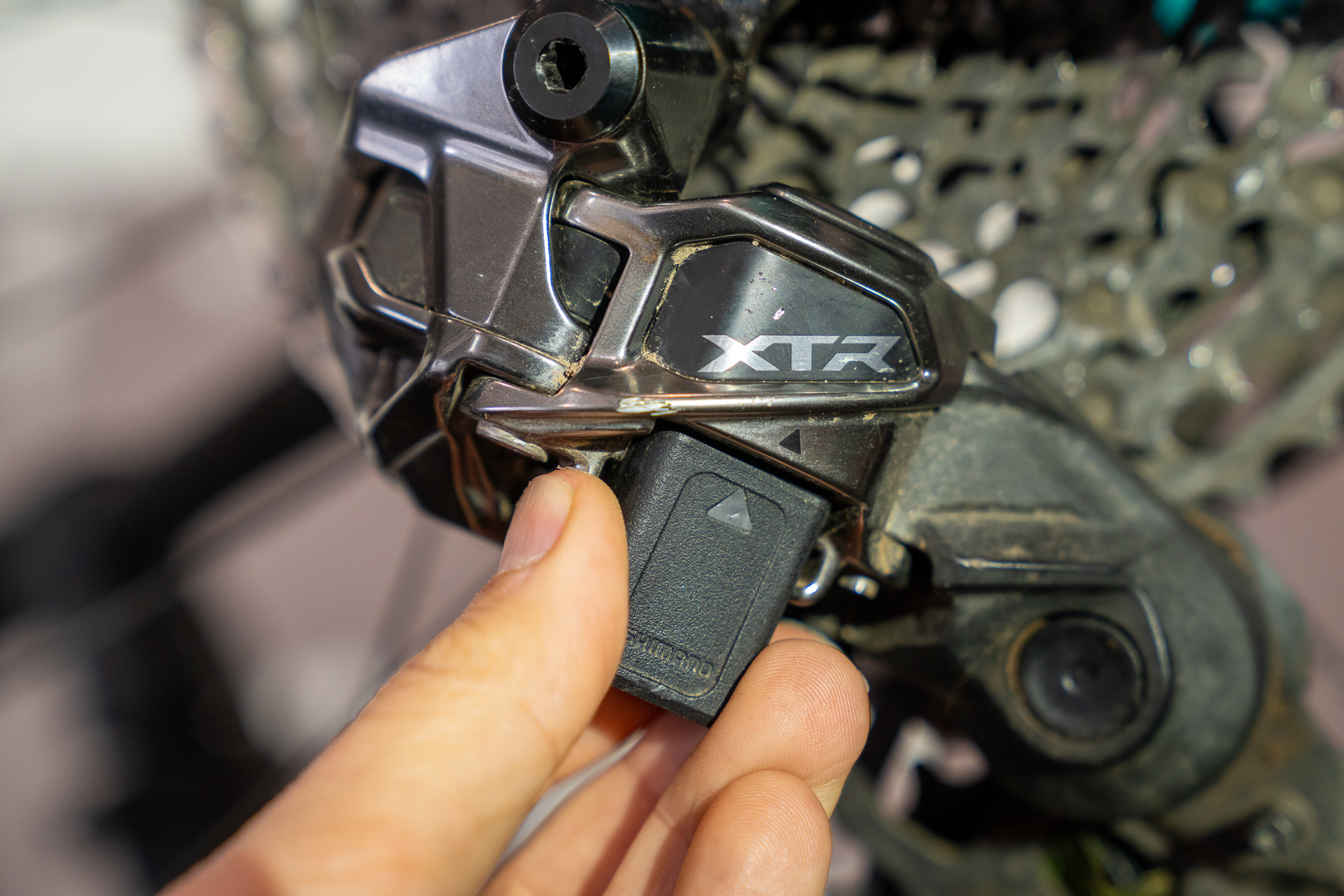
The Shimano Di2 battery is secured inside the derailleur, unlike SRAM’s system, which clips the battery onto the outside of the derailleur. In my review last year, I wrote that the battery door mechanism on the Shimano derailleur “can be tough to operate.” But as it turns out, I just needed a bit of practice.
Now, I can remove the battery door using one hand and replace it without even looking. It took me a while to key into this, but Shimano helpfully printed arrows on the battery, derailleur, and charger so you know how to orient the battery when inserting. Line the arrows up, and go!
Shifter batteries continue to power on
Shimano went with not one but two coin-cell batteries in their shifter. After a year of testing, I haven’t had to touch them, and I’m still waiting for a low-battery warning in my app.
The rechargeable derailleur battery has proven to be robust, and I haven’t had so much as a close call when it comes to running low on the trail. I was thinking about picking up a second spare battery to carry just in case, and was surprised to find they cost $55 each. To be fair, SRAM AXS batteries cost even more — $65 each. The difference is that buyers can find third-party batteries that are compatible with AXS online for under $20. So far, no one seems to be making knockoff Di2 batteries. AXS has been available for a few years now, so perhaps we’ll eventually see more — if unofficial — replacement battery options for Di2.
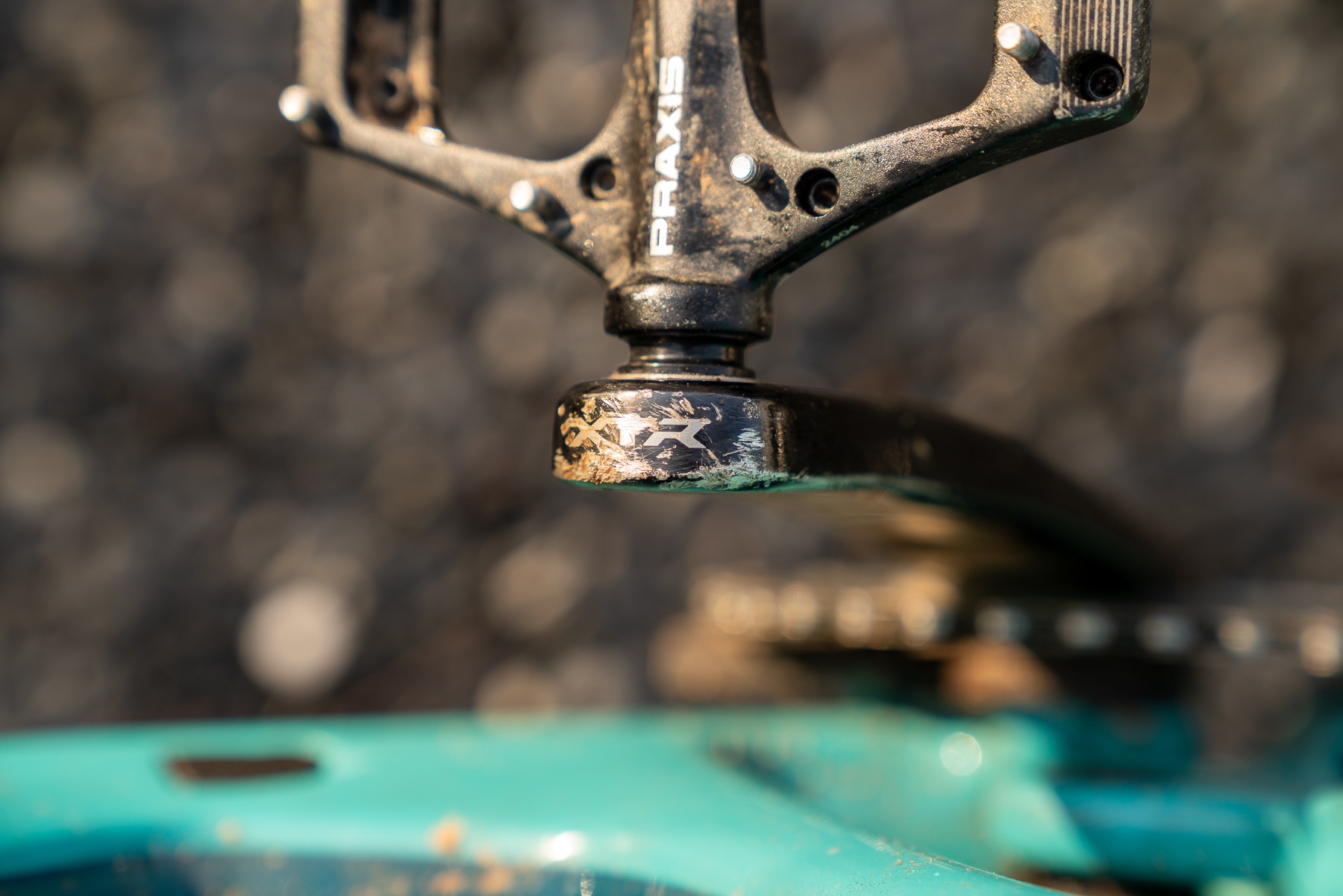
The ugly: Crank arms are showing signs of wear
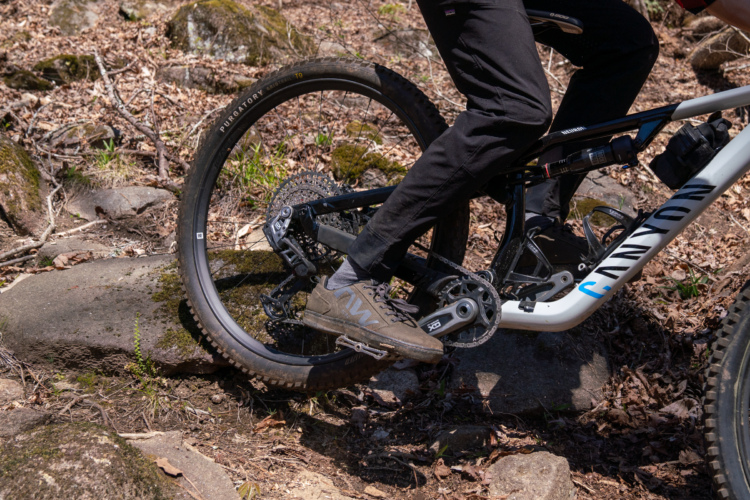
I should have invested in a set of crank boots a year ago. As you can see in the photo above and at the top of this review, I’ve banged the crank arms more than a few times, though I can confirm the damage is purely cosmetic. It’s not surprising to see this level of damage; after all, in addition to riding my local trails for a year, these cranks also smashed into rocks in Tucson, Pisgah, Arkansas, and Vermont. Every scratch surely has a story to tell!
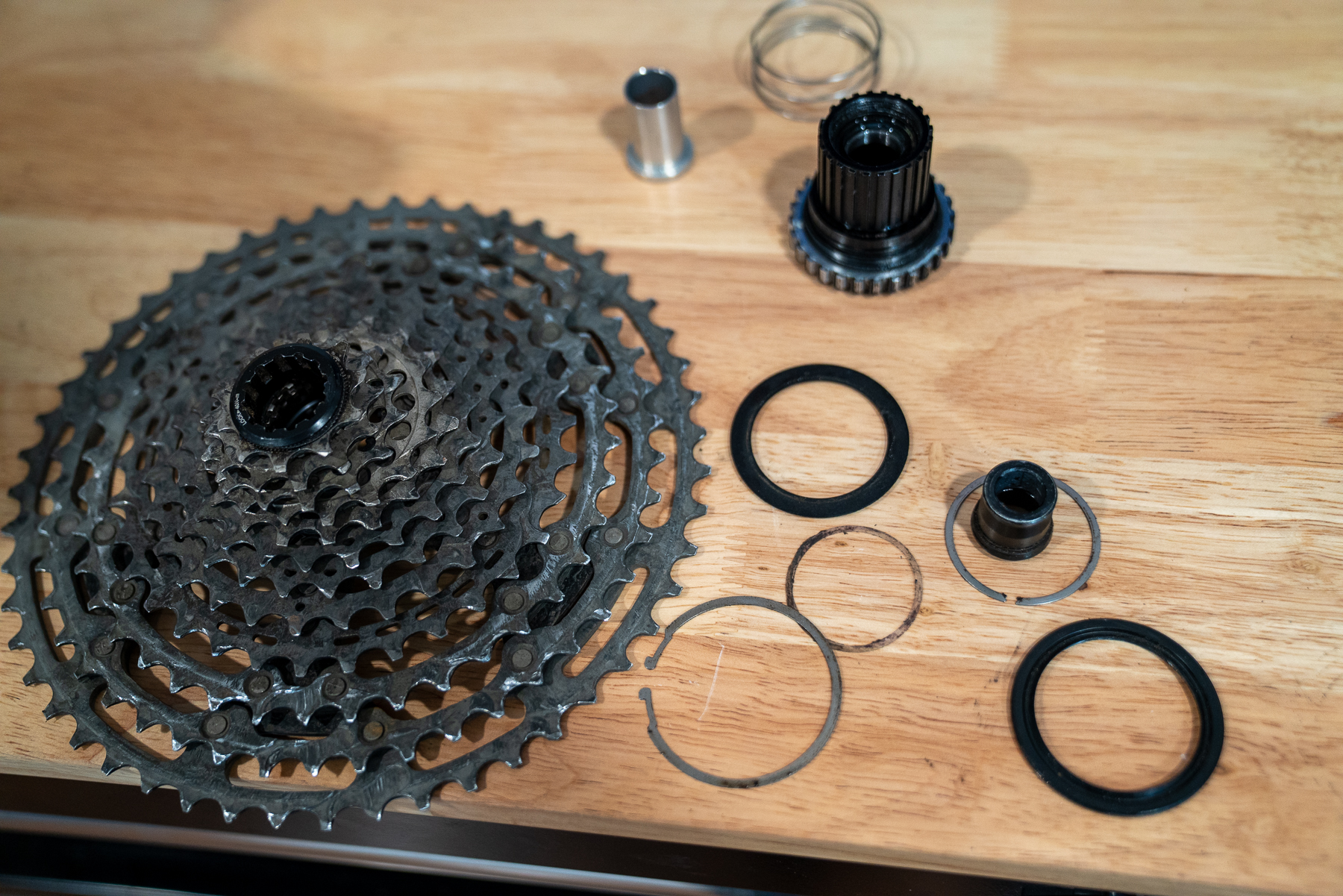
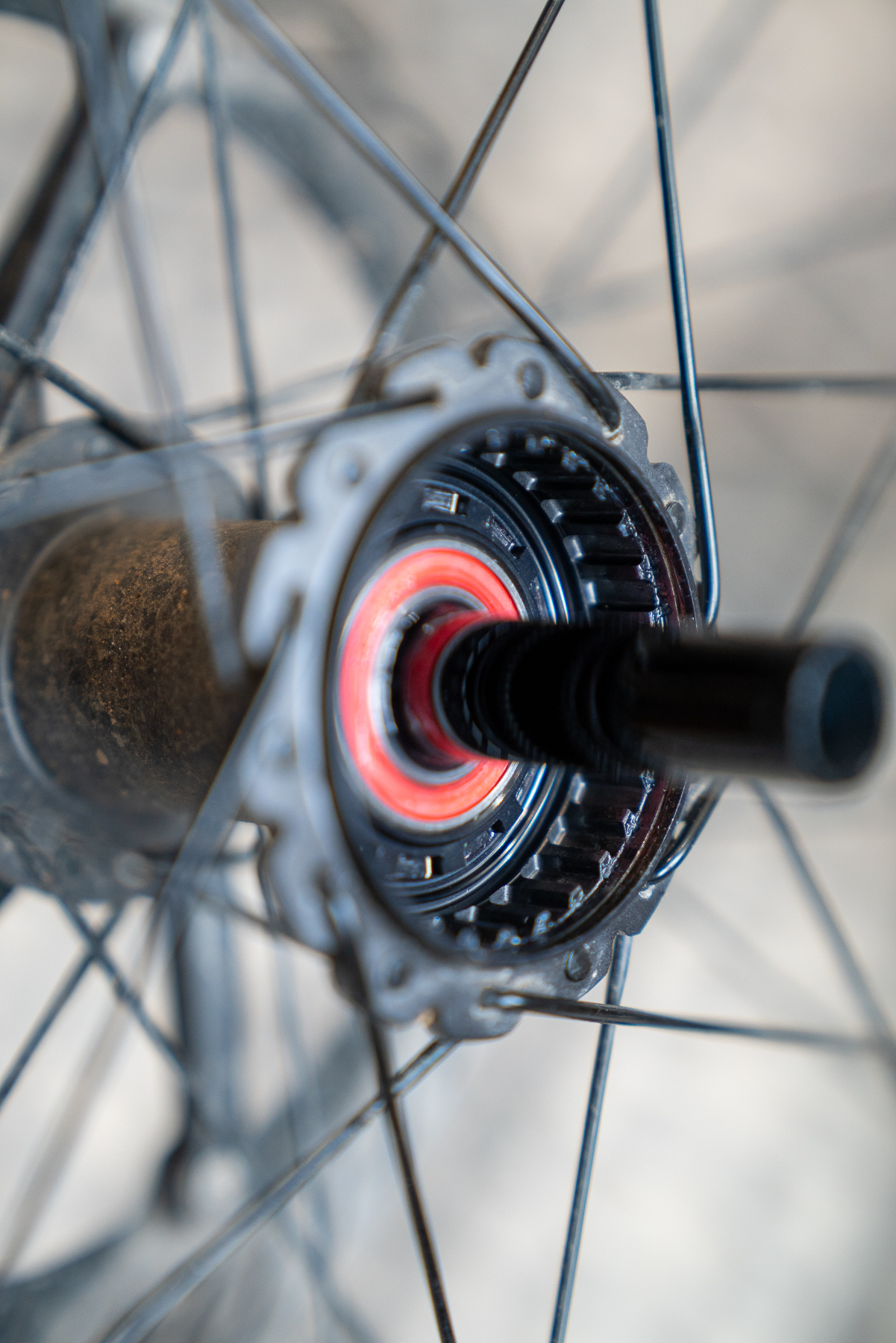
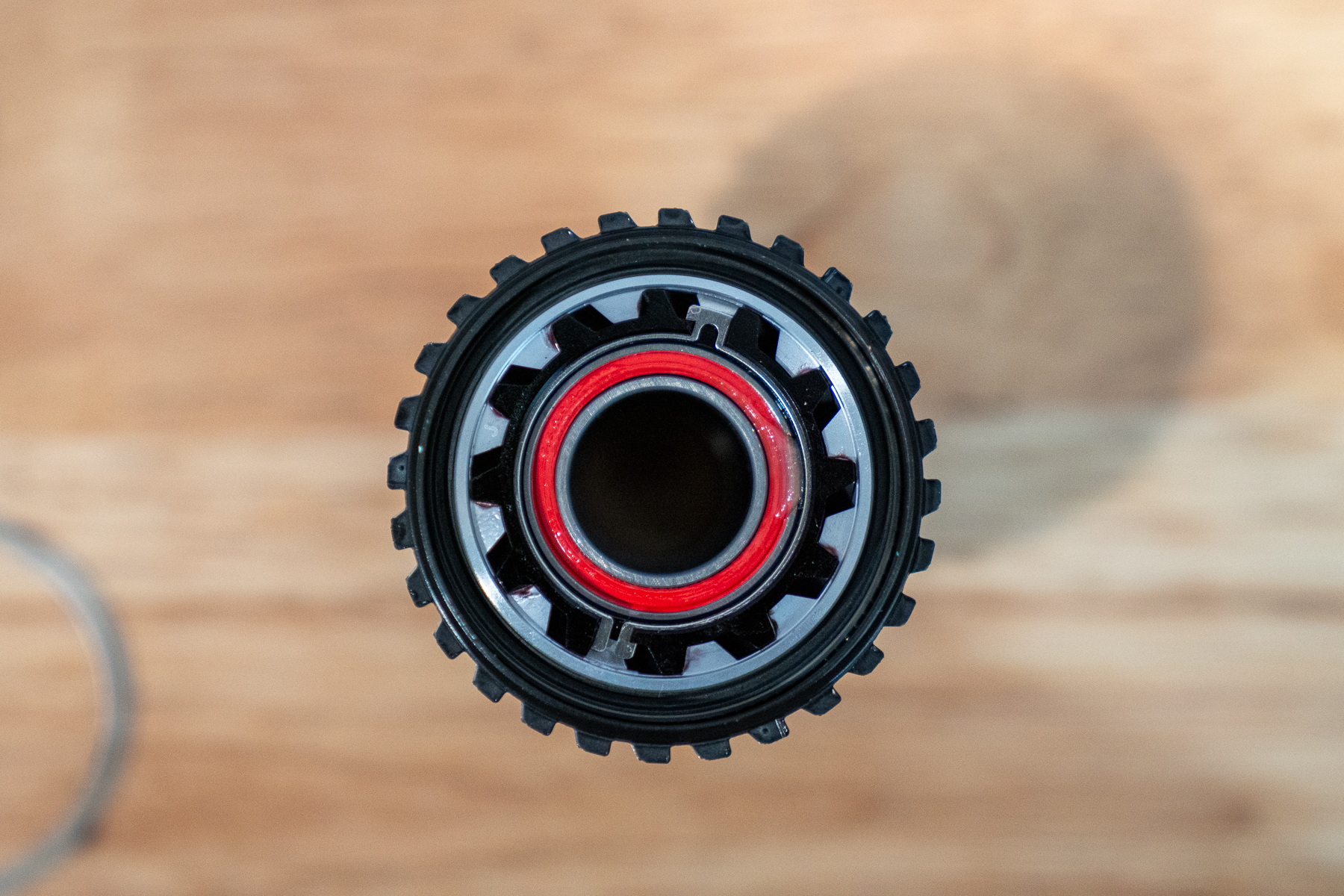
XTR hub seals are 💯
Shimano also rolled out new XTR wheels last year, officially known as the M9220s. I was particularly keen to know how the hubs would hold up on the new XTR wheels after experiencing a previous-generation XT hub failure.
Though my M9220 wheels are rolling smooth, I needed proof that they were still in great shape. So, I pulled the freehub body to see if the internals showed any sign of wear or contamination.
Shimano says they improved the hub seals and bearings this go around, and I can confirm there are seals on top of seals to keep dust and dirt at bay. While you can simply pull the freehub body off some wheels, the Shimano XTR freehub body is held in place by a series of clips and seals.
With the freehub off, I found zero sign of contamination inside. Clearly, the seals have been effective over a year of riding in variable conditions.
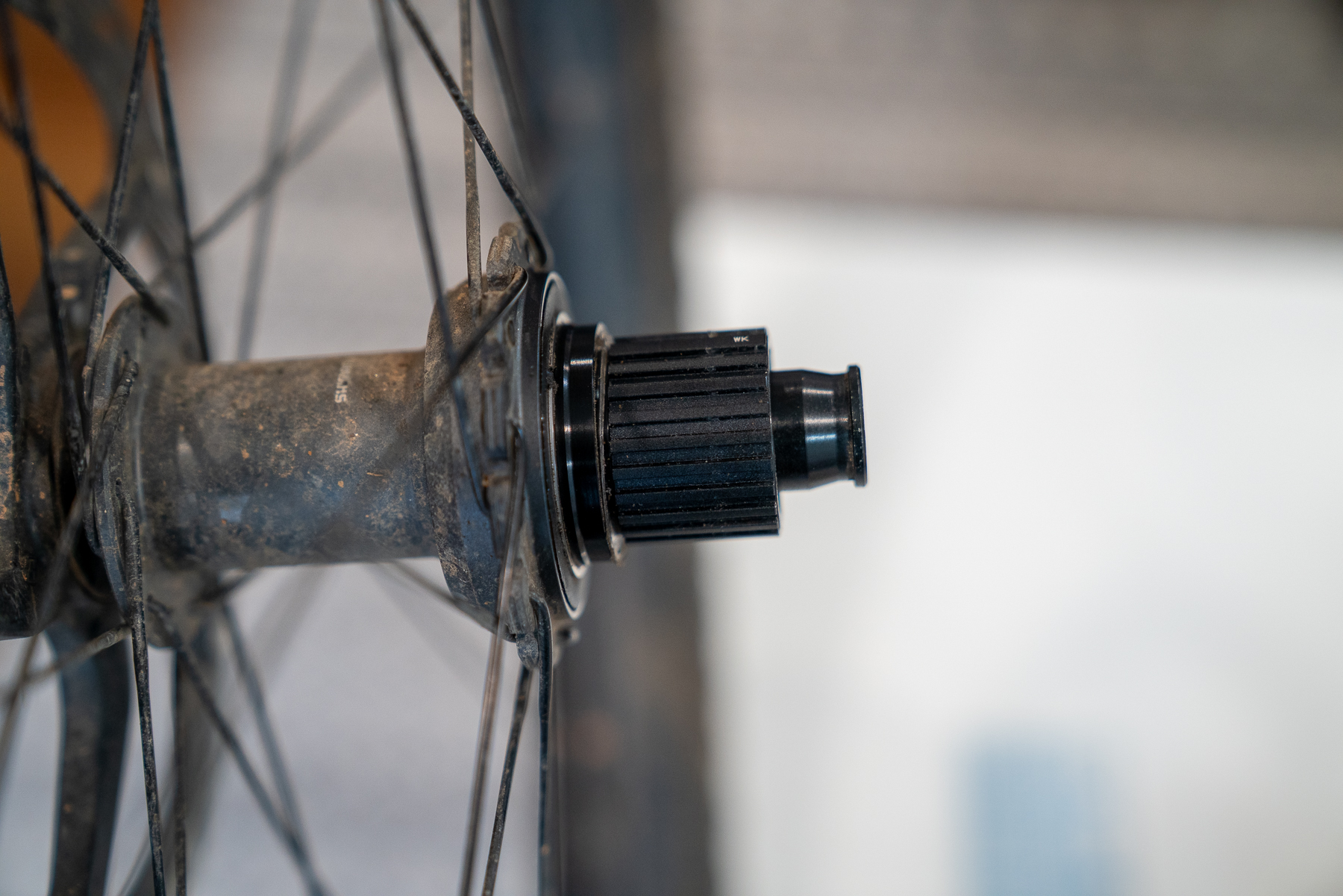
Though it’s been years since I’ve had issues with freehub gouging, I’ll note thereis no sign of it on these wheels.
New Shimano brakes prove easy to maintain
The first time I went to bleed the Shimano XTR brakes, I was stumped. What happened to the 7mm hex nut on the caliper? Turns out I was going off muscle memory from bleeding my previous-generation XT brakes, and I was also looking at the wrong page in the updated service manual.
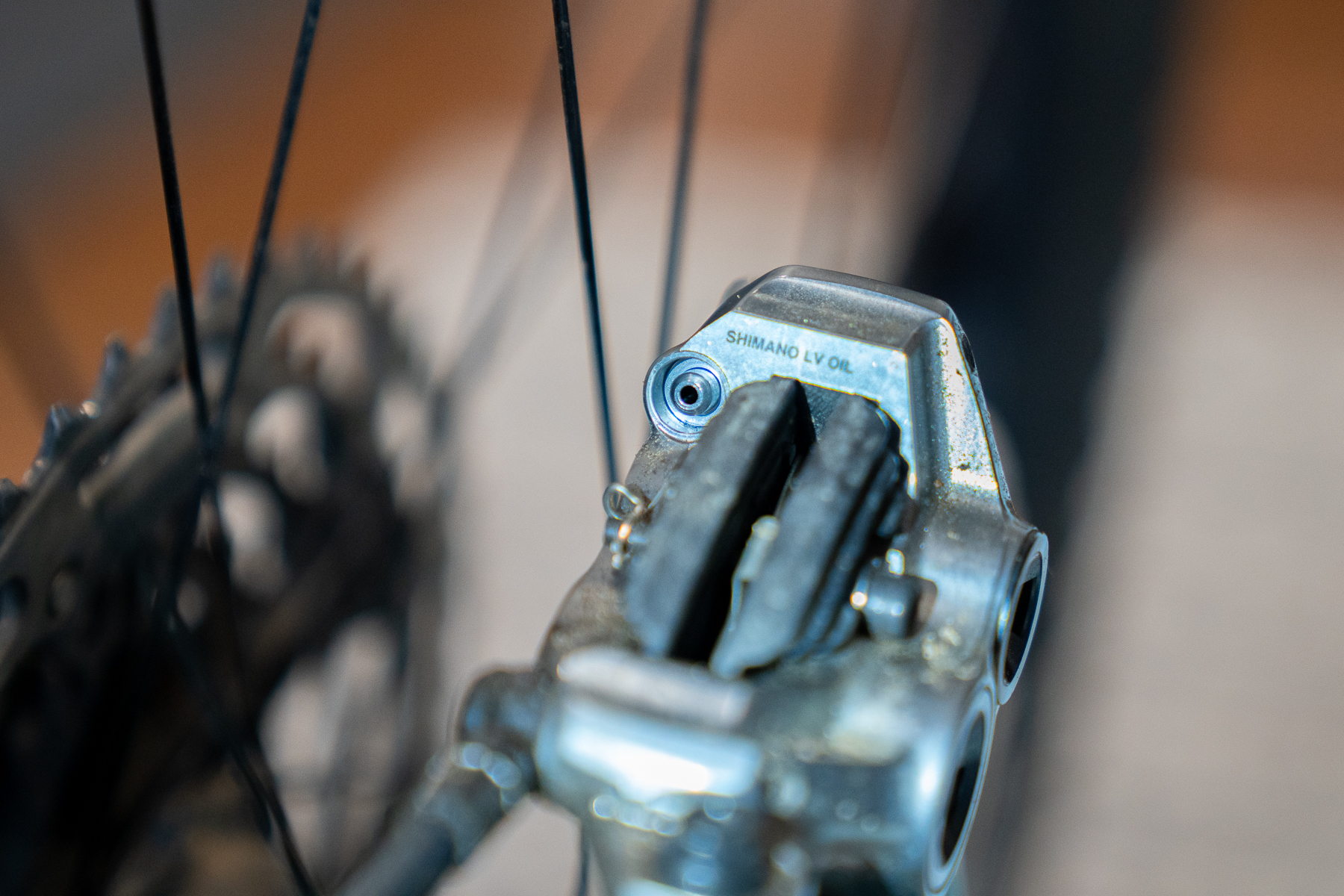
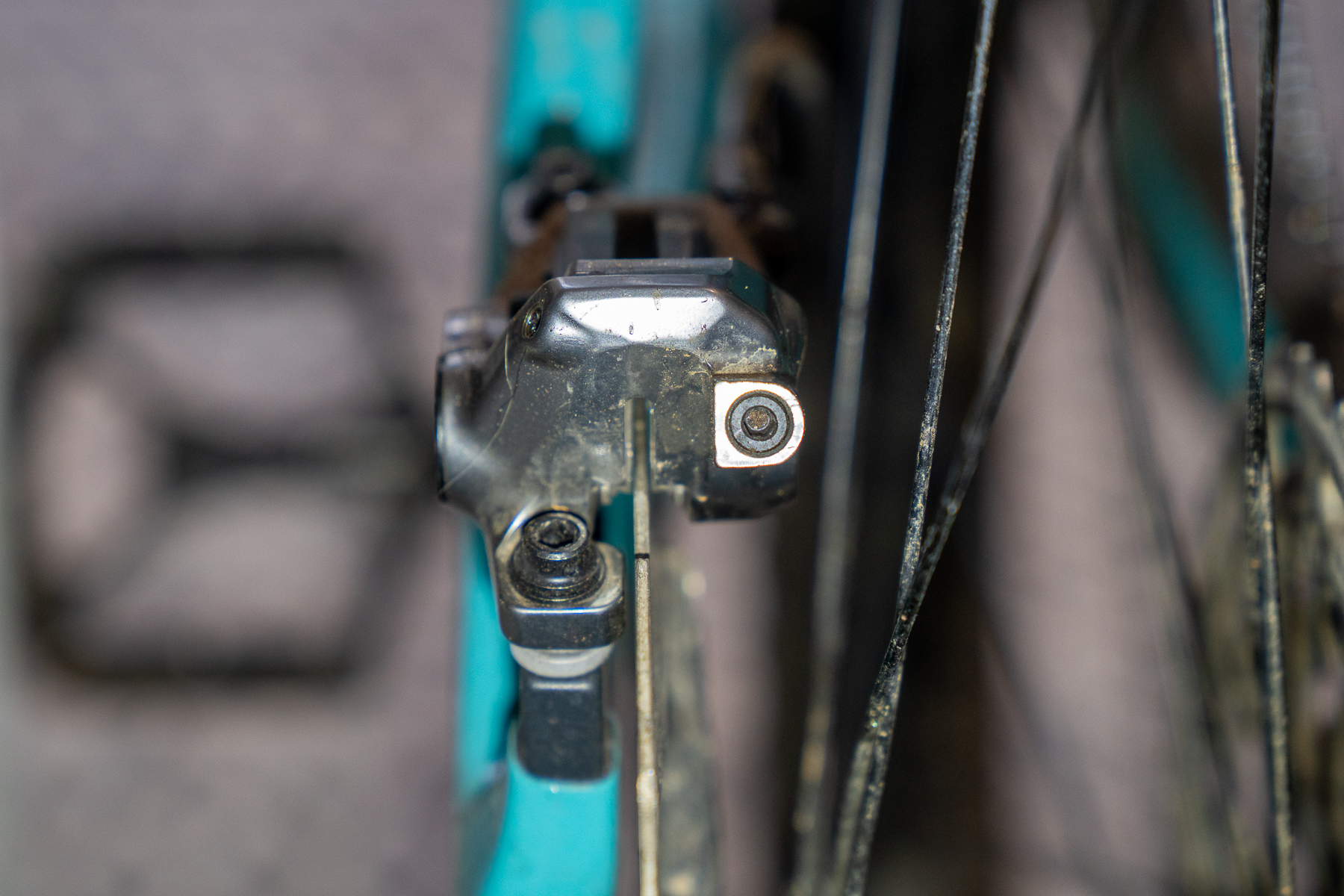
The new brakes feature a bleed valve that you open using a 3mm hex key on the opposite side of the nipple. This is a lot easier to use than the old XT system IMO, plus it doesn’t have me scouring the bottom of my tool drawer looking for the 7mm box wrench that only gets used for brake bleeds.
With the new low viscosity oil, it’s a matter of same process, different oil. My bleeds went perfectly each time through multiple bike swaps.
Overall, I’m still really stoked with the performance of the XTR brakes. The bite point has stayed consistent, and the brakes feel as powerful as day one.
Bottom line
I’ve come to expect reliability and serviceability from Shimano components, and the newest XTR groupset has not disappointed me over a year of testing. Next up: I’ll be back on February 10, 2030, for a five-year update. 🙂





9 Comments
Feb 10, 2026
Feb 11, 2026
Feb 11, 2026
Feb 13, 2026
Feb 11, 2026
Feb 13, 2026
My understanding is that a clutch connects and disconnects an engine's power from the transmission. However, a derailleur clutch doesn't disengage power; the chain remains engaged with the gears, just not as tightly. I believe Shimano was the first to apply this term to derailleurs, but according to the definition this doesn't seem entirely accurate. Would love to hear an expert perspective!
Feb 11, 2026
Feb 10, 2026
Feb 13, 2026