
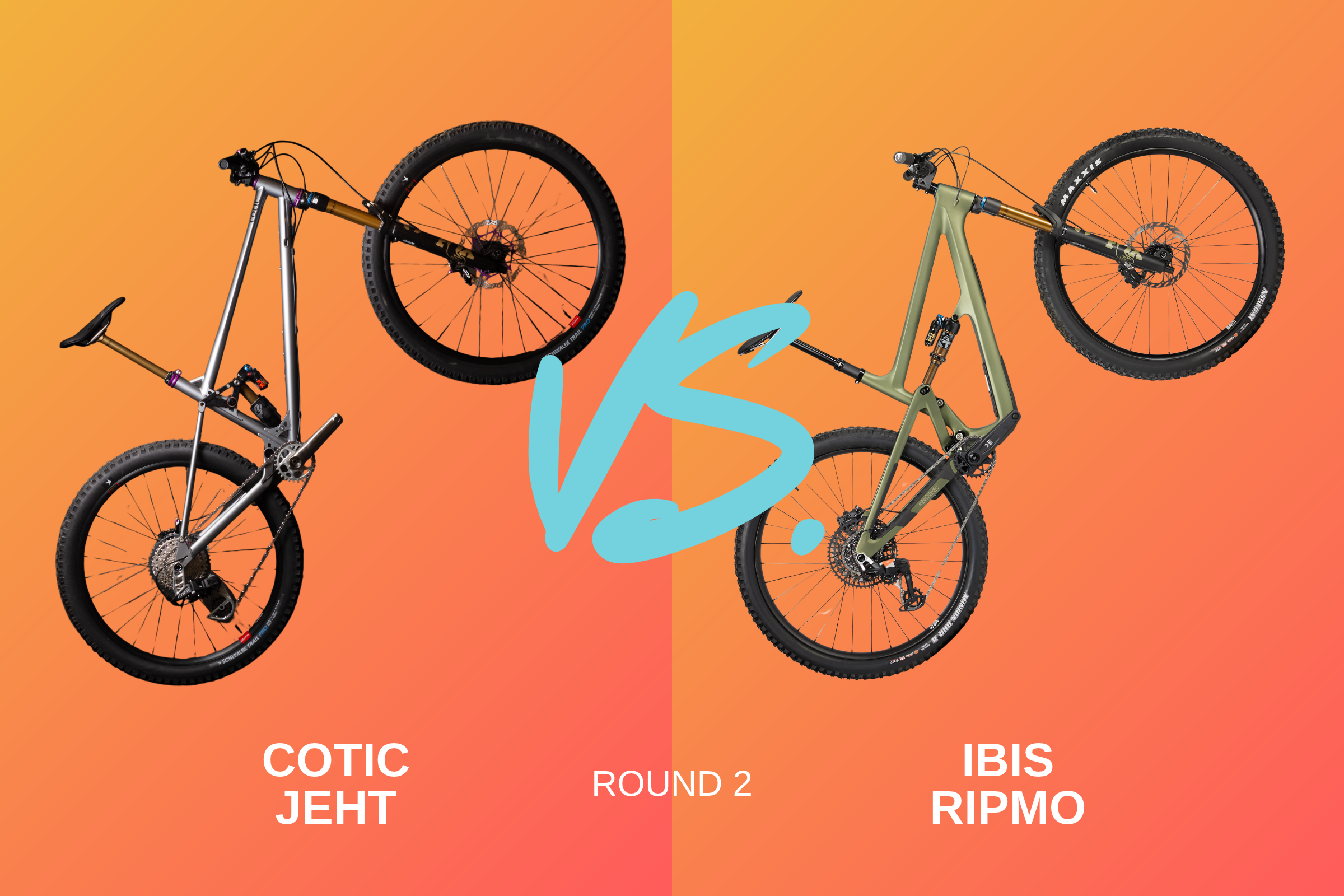
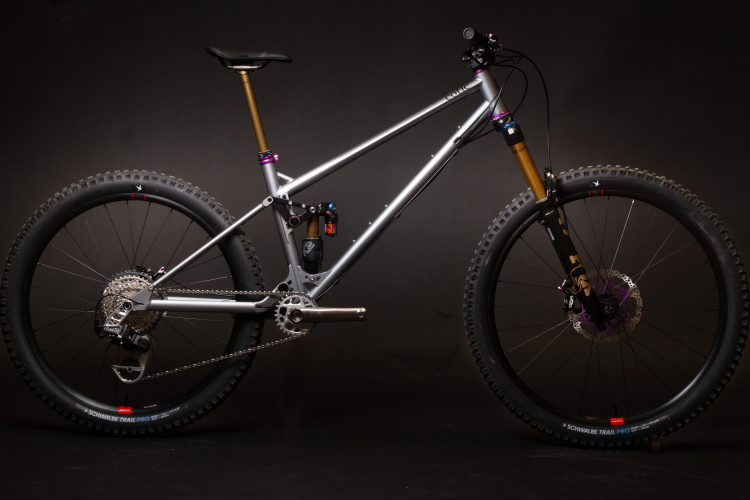
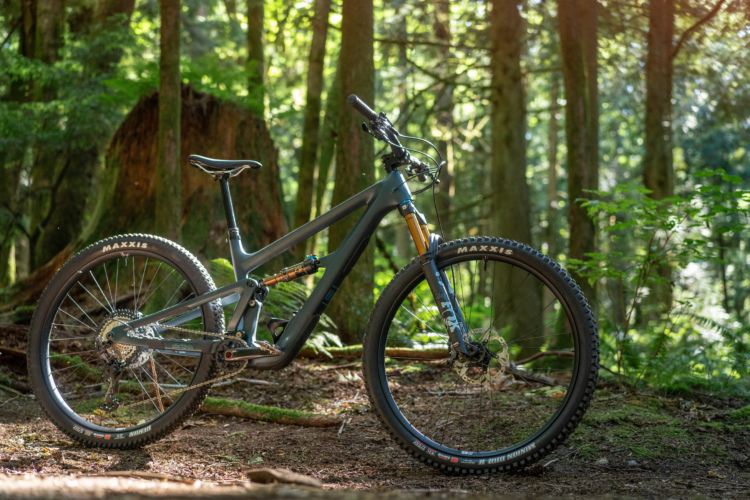
The second semifinal in the long-travel category pits the Cotic Jeht against the Ibis Ripmo, and it’s shaping up to be a truly interesting matchup. Cotic, perhaps the most boutique bike on the bracket, faces the mainstream Ibis Ripmo. Now, Ibis may not be an “industry giant” like Trek or Specialized, but we’re all familiar with the brand.
This isn’t just a matchup of big vs. boutique, but also carbon vs. steel, simple vs. more complex suspension, and progressive vs. more moderate geo. But before we jump into the Jeht and Ripmo battle, let’s see what got us here.
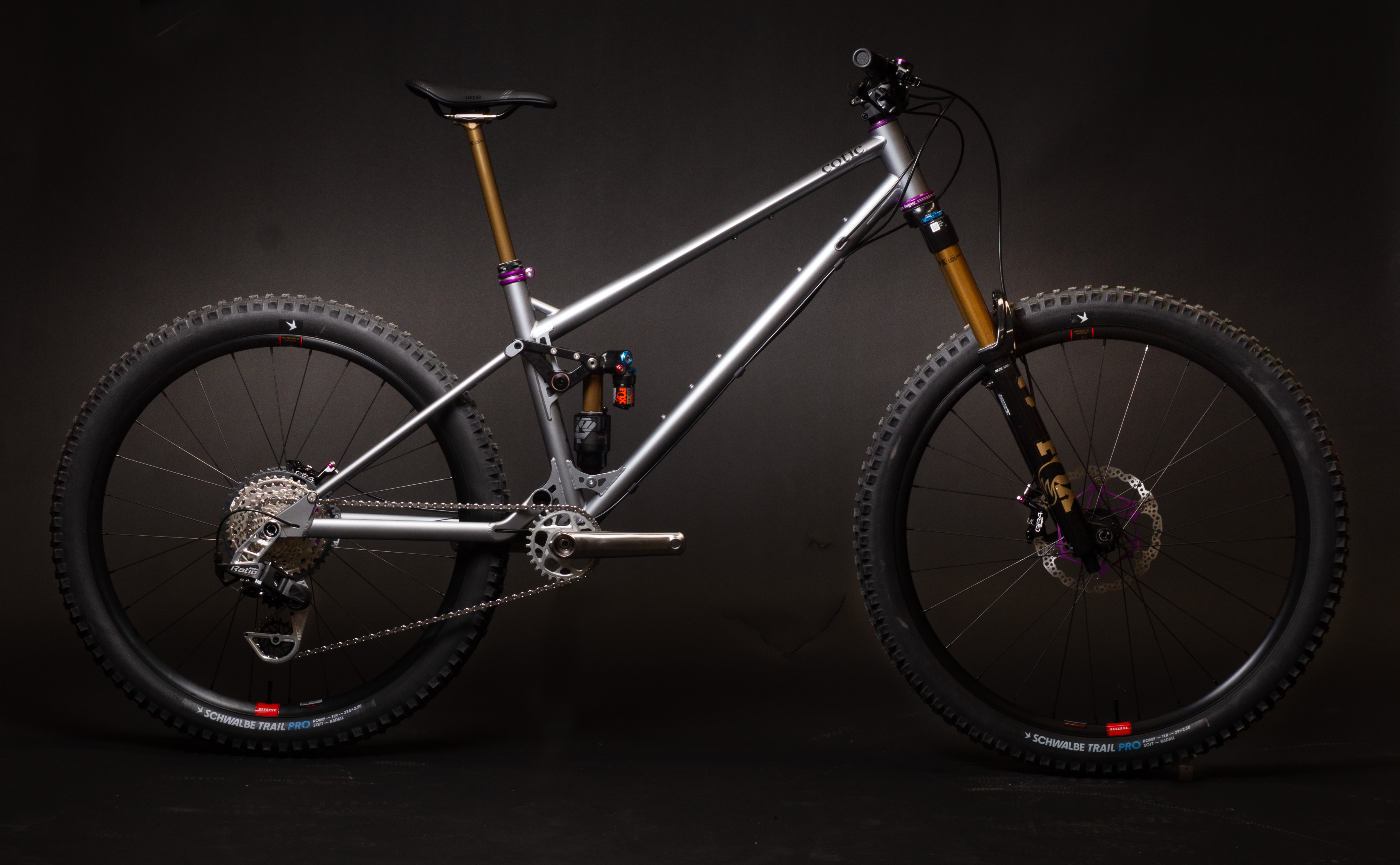
In a boutique battle, the Cotic Jeht won by a nose
It was a very close battle, but, in the end, the Cotic Jeht beat the Atherton A.150 by just a few percentage points. This was by far our most “boutique” matchup, with both bikes rarely seen at local trailheads — well, here in the States, at least.
Ultimately, a unique steel frame beat out an equally unique titanium-lugged, carbon-tubed frame. Two years ago, Singletracks contributor Richard Shoop asked why steel frames seem to have caught our attention. Among other reasons, steel is getting lighter, it is strong, and, ultimately, it’s a welcome change from all the carbon and aluminum bikes saturating the market.
It also looks damn cool, if I may say so myself.
The geometry could have been another consideration. With its long chainstays and tall front end, the enduro-inspired geometry of the Jeht may have edged out the more trail-bike-focused geometry of the Atherton. It will be interesting to see this upcoming comparison and whether geometry plays a role against the Ripmo.
Ultimately, if I had to put my money on something, I would point to the price. The Atherton A.150 costs nearly $2,000 more than the Cotic Jeht. A boutique badge usually comes with a boutique price, but perhaps nearly $10,000 was just too much.
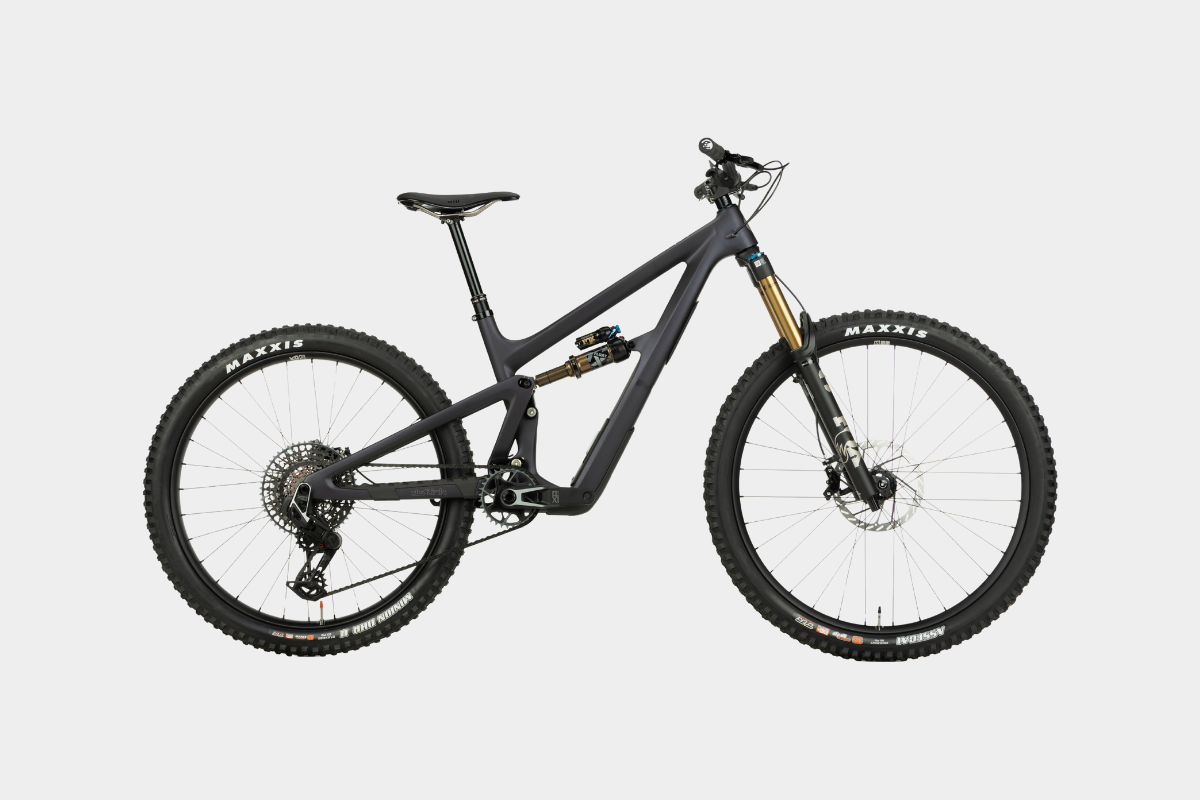
The Ibis Ripmo wins in a landslide
The Ibis Ripmo and Evil Offering were perhaps two of the most evenly matched long-travel bikes in the bracket. The geometry (when I looked at the Ibis XM size) is very close; both use Dave Weagle suspension platforms and offer adjustability, and are around the same price.
That said, the Ripmo offers much more adjustability. While the Offering has a geometry adjust flip-chip and fork range between 150-170mm, the Ripmo offers essentially the same. The Ripmo can also run full 29er wheels or mixed, and it’s modular, sharing the same frame as the Ripley, though I speculated that frame modularity wasn’t perhaps all it is cracked up to be in the Stumpjumper’s recent victory over the Trek Fuel.
Again, if I had to put my money on it, I would guess that Ibis is simply more of a household name than Evil. The Ripley’s victory last year seems to confirm that, and now we’ll see if Ibis can continue its streak.
The Ibis Ripmo vs. the Cotic Jeht
Cotic is a UK-based bike manufacturer dealing strictly in steel. Ibis, on the other hand, is based in California, and offers its Ripmo in carbon or aluminum — the former being the focus of our Trail Bike of the Year Tournament. While the Ripmo and Jeht land in the same long-travel trail bike category, that is about all these two bikes have in common.
A quick change in this second round. Since we released the Cotic vs. Atherton matchup, Cotic has simplified its build options, and our tournament now reflects that. This change might make the Jeht a bit more appealing — not only did Cotic switch things up, but the price also dropped.
| Ibis Ripmo Eagle 90 | Cotic Jeht Silver | |
| Suspension travel (F/R) | 160/150mm | 160/150mm |
| Drivetrain | SRAM Eagle 90 | SRAM Eagle 90 |
| Suspension | Fox Factory 36 Grip X2, Fox Factory Float X2 | RockShox Lyrik Select, RockShox Deluxe Ultimate |
| Geometry*(size large frame) | HTA: 64.5° STA: 77° Reach: 506mm Chainstay: 438mm | HTA: 64° STA: 76° Reach: 476mm Chainstay: 450mm |
| Frame weight | 7.6 lb (size XM) | |
| Price | $6,399 | $6,485 |
Suspension and category positioning
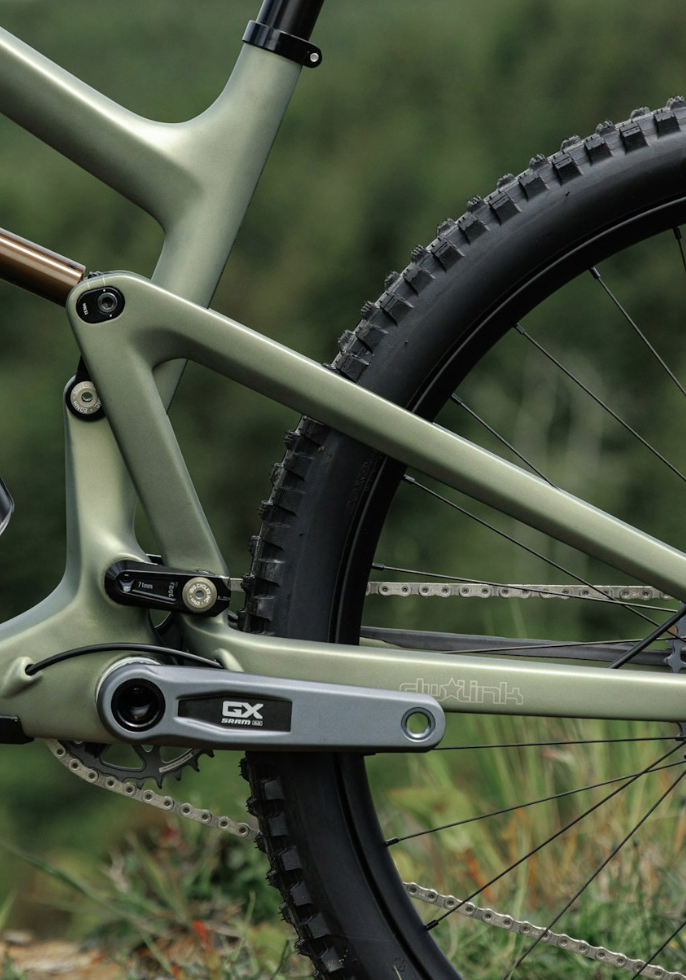
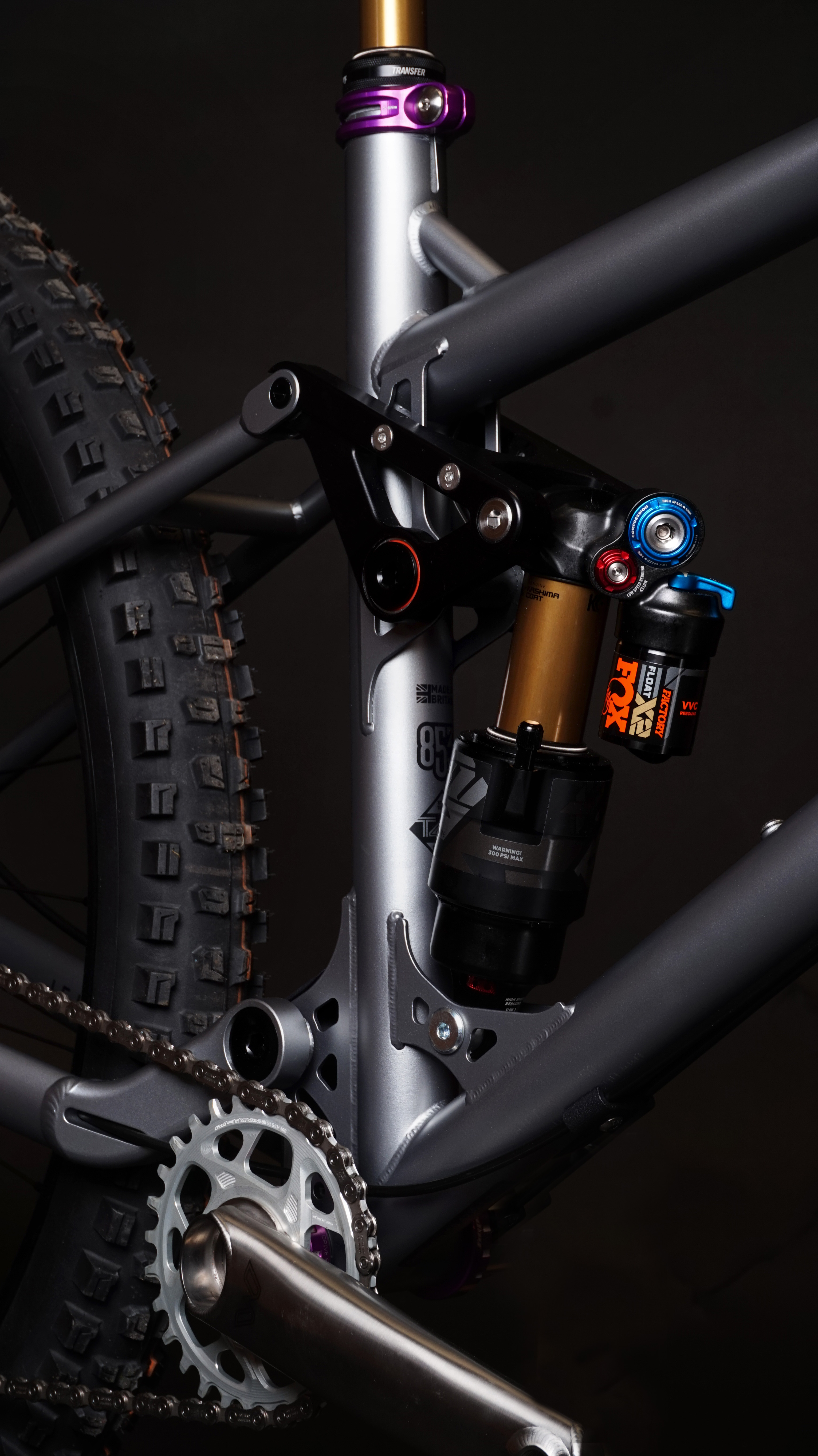
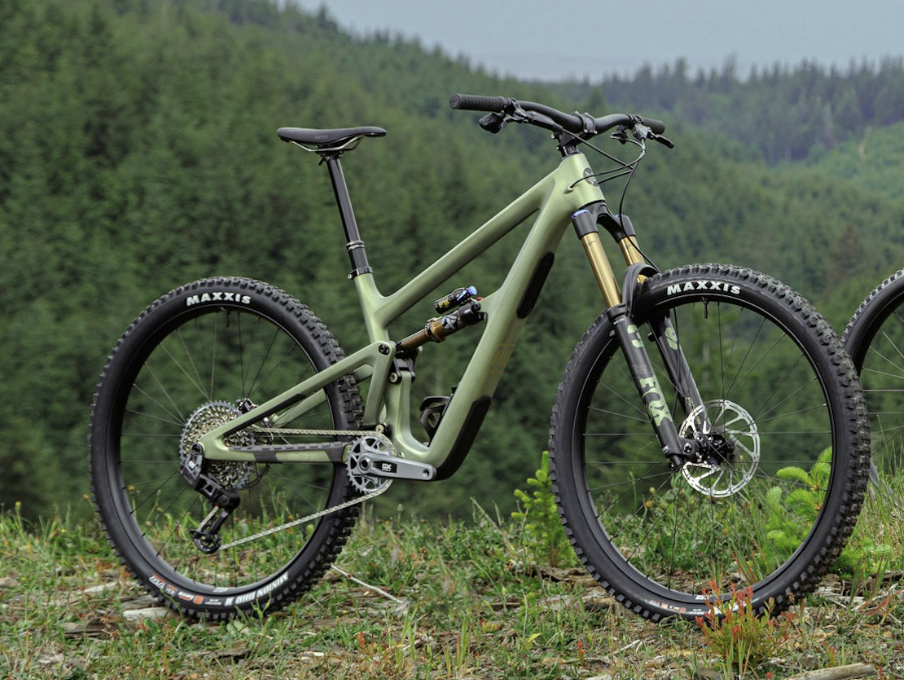
Both the Cotic Jeht and Ibis Ripmo have a 160mm fork paired with 150mm of rear travel, though they get there differently. Ibis uses the iconic DW-Link suspension platform, while Cotic uses a linkage-driven single pivot they’ve dubbed the Rocklink.
While I haven’t ridden a Cotic specifically, I have spent a lot of time on other linkage-driven, single-pivot long-travel trail bikes. They tend to be soft and supple, favoring descending rather than climbing. The Cotic Jeht seems to fit this description, especially given its longer geometry, tall stack, and wheel configuration: 29er up front, 27.5 out back.
That doesn’t mean the Ripmo doesn’t descend well, however. But its shorter chainstays and stack height point to a bike that’s a touch more playful than a straight plow. DW-Link bikes tend to be efficient climbers, offering solid traction and zip when pointed uphill.
All that said, if we’re talking mountain bike spectrum, the Cotic Jeht might be closer to a full-on enduro sled than the Ibis Rimpo. In round one, the single pivot Jeht took down the Dave Weagle-designed DW6 Atherton. Will it do the same with the DW-Link-equipped Ripmo?
Geometry
There is really just one geometry number these bikes have in common — well, sort of. As I pointed out in the Ripmo’s comparison to the Evil Offering, Ibis added a size (extra-medium, or XM) and significantly stretched the reach on its size large. The Ripmo has a 506mm reach in size large, at least 20mm more than any other bike in the group and well outside the typical 480mm-ish range for most “larges.”
For this reason, I noted the importance of checking geometry charts before buying and that those riding a “large” might consider an XM in the Ripmo. The XM Ripmo has a reach of 478mm, 2mm longer than the size C3 Jeht. Beyond this point, the Jeht and Ripmo part ways in terms of geometry.
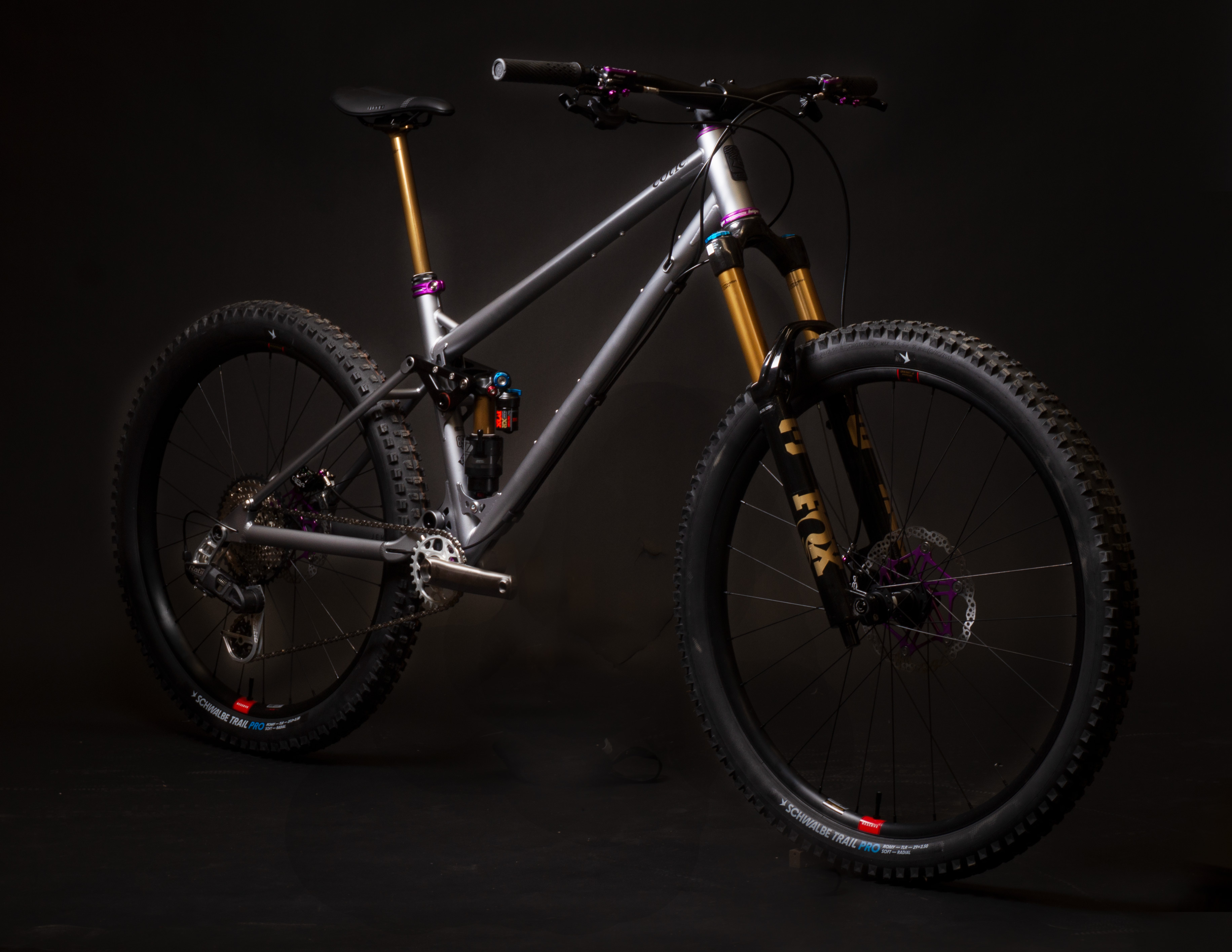
The Jeht has long, 450mm chainstays and a tall stack at 651mm. Paired with a 64° head tube angle, the Jeht has a lengthy 1,276mm wheelbase — longer than some enduro bikes. The Ripmo, on the other hand, is much closer to what we would expect from trail-bike geometry. With the 478mm “XM” reach number, 436mm chainstays, and a 633mm stack, the Ripmo has a 1,249mm wheelbase.
Ibis also equips the Ripmo with a 77° seat tube angle, one degree steeper than the Cotic, suggesting a more comfortable pedaling position.
The Jeht is quite a bit more affordable now
Cotic simplified its build line-up across the board. Where they once offered tiered “trail” and “enduro” builds with corresponding 150mm Lyrik or 160mm Zeb forks, they now offer 160mm Lyriks across Bronze, Silver, and Gold builds.
We opted for the Silver build, which features many of the same components as before, except the Zeb is swapped for a Lyrik. The build comes standard with a Shimano XT mechanical drivetrain, but Cotic lets buyers swap to a SRAM Eagle 90 at no extra cost, which we did to keep things fair. It comes with a Lyrik Select fork, a Deluxe Ultimate rear shock, and Shimano’s new M6220 four-piston stoppers.
The big story here, however, is the price drop. Previously, Cotic had the Silver build at $7,700. Apparently, Cotic’s simplification saved money, which they passed on to customers, with the new Silver build landing at $6,485. Upgrading to the new Gold-level Jeht is still cheaper than the previous Silver build, and features RockShox Ultimate-level squish, Hope brakes, an XT Di2 drivetrain, and Reserve wheels.
Cotic’s price drop brings the Jeht Silver down to nearly the same price as the Eagle 90 Ripmo build. However, for $6,400, Ibis gives you better components. Both builds share the Eagle 90 drivetrain, but the Ripmo’s Fox Factory suspension beats the Jeht’s RockShox Lyrik Select, and the SRAM Maven brakes are certainly more powerful than the Deore M6220 brakes.
Frame features and adjustability
As I mentioned in the previous Cotic matchup, the Jeht’s cool “frame features” are the frame itself. The frame is sourced and made in the UK from Reynolds 853 steel (front triangle) and T45 seatstays paired with an aluminum swingarm and machined rocker link. The frame features internal and external routing, UDH compatibility, and accommodates air or coil shocks.
The Jeht has no geometry adjustments or flip-chips and only accommodates a smaller 27.5 rear wheel. If mixed-wheel bikes aren’t your thing, unfortunately you’re out of luck. The Ibis Ripmo has a flip-chip to accommodate both rear wheel sizes and is actually modular, sharing the same frame as the Ripley. Those who want to switch between the two can do so with different suspension and a different shock clevis.
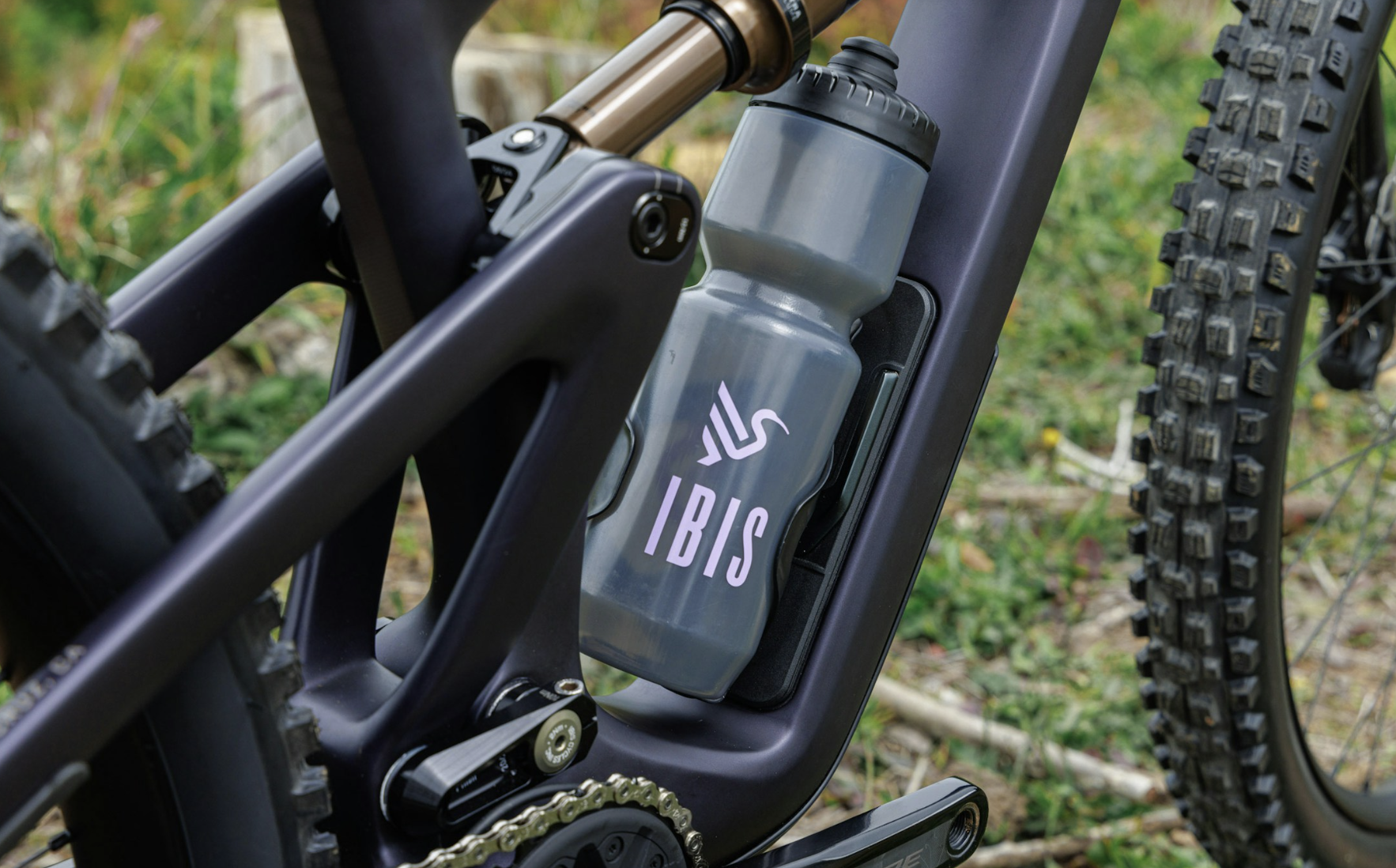
Ibis also equipped the Ripmo with modern features: fully internal cable routing, in-frame storage, and size-specific chainstays, though the differences between sizes are marginal.
The bottom line
In Cotic’s matchup against the Atherton A.150, the A.150’s nearly $10,000 price tag likely gave the Jeht the edge. Going into this matchup, the Jeht had the higher price, but an update to Cotic’s lineup makes the prices much more comparable.
The Ripmo easily handled the Evil Offering in round one, but will it do the same against this boutique steel machine? Cast your vote and see which bike moves on to the long-travel finals on November 18.
The news stinks. Why not follow Singletracks on Google News to bring more joy to your day?



0 Comments