

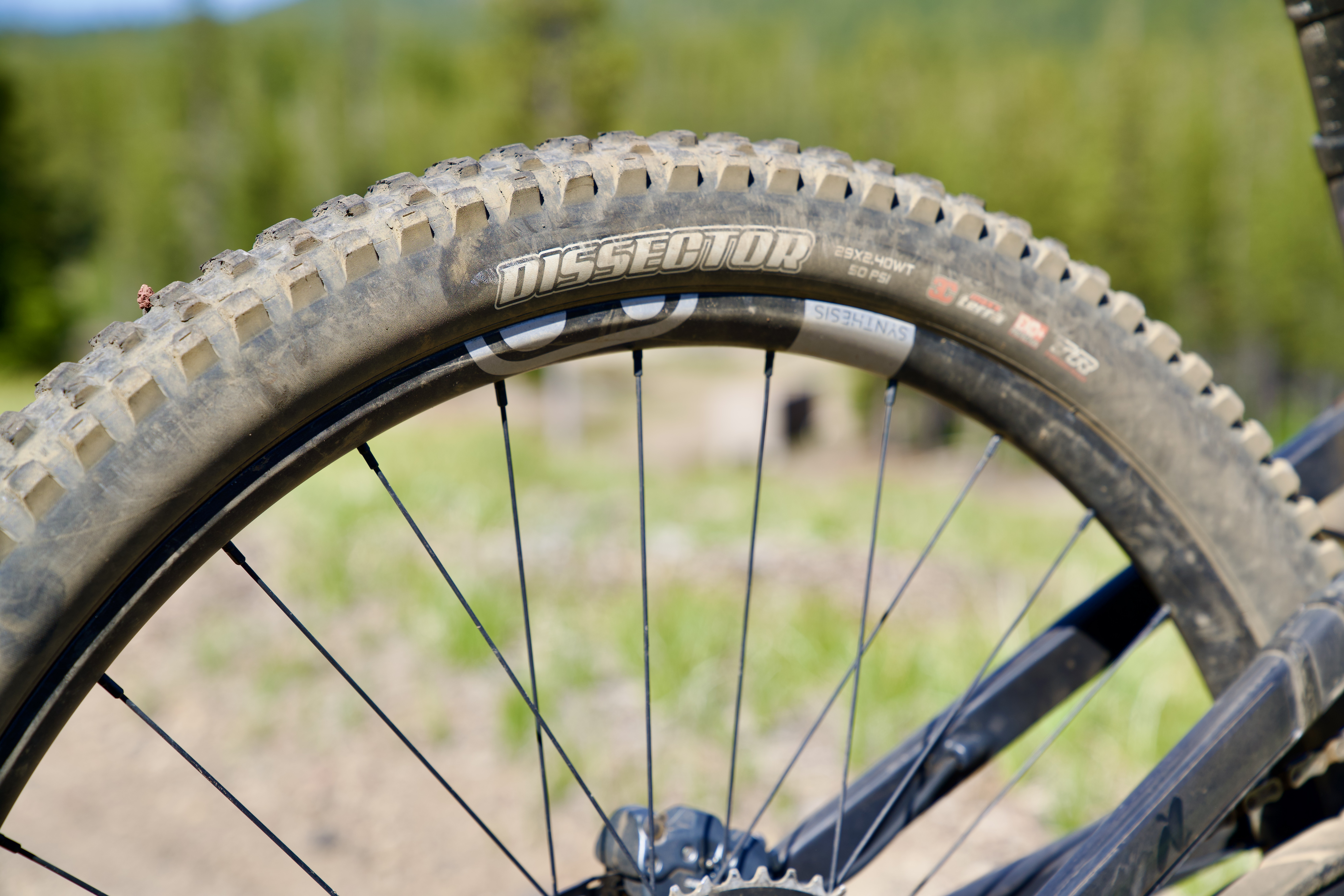
Like a lot of people who land on the more aggressive side of trail bike riding, my go-to tire combo is a Maxxis Assegai up front and a DHR II out back. Do I believe these are the very best tires one can buy? Not necessarily, but they are damn good, are common on many bikes, and are likely the tire combo I have the most experience with.
“Best” is relative.
But what about switching that tried-and-true DHR with the new Dissector? Ultimately, does the Dissector get the job done, or should I stick with what I know?
If given the option, I would choose…
Maxxis Dissector key specs
- 29×2.4″ (currently the only size option)
- Dual, MaxxTerra, or MaxxGrip compounds
- EXO, EXO+, and DD casing
- Completely updated tread design
- Price: From $85
- Buy from Worldwide Cyclery
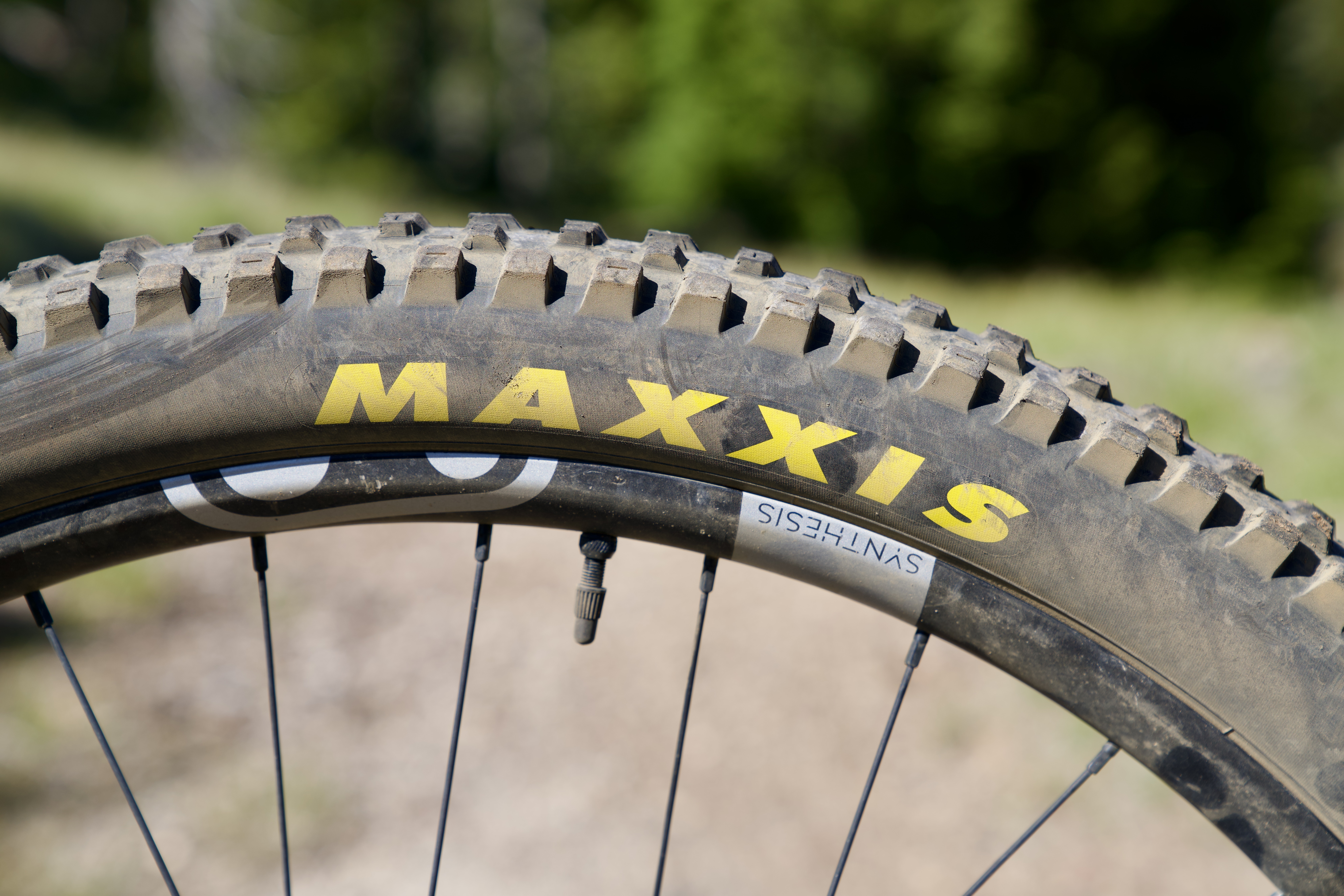
Dissector offerings
Currently, Maxxis offers the Dissector as a 29er, with a 2.4” width. However, keen observers might recall seeing that a 32” version of the tire was officially announced in April.
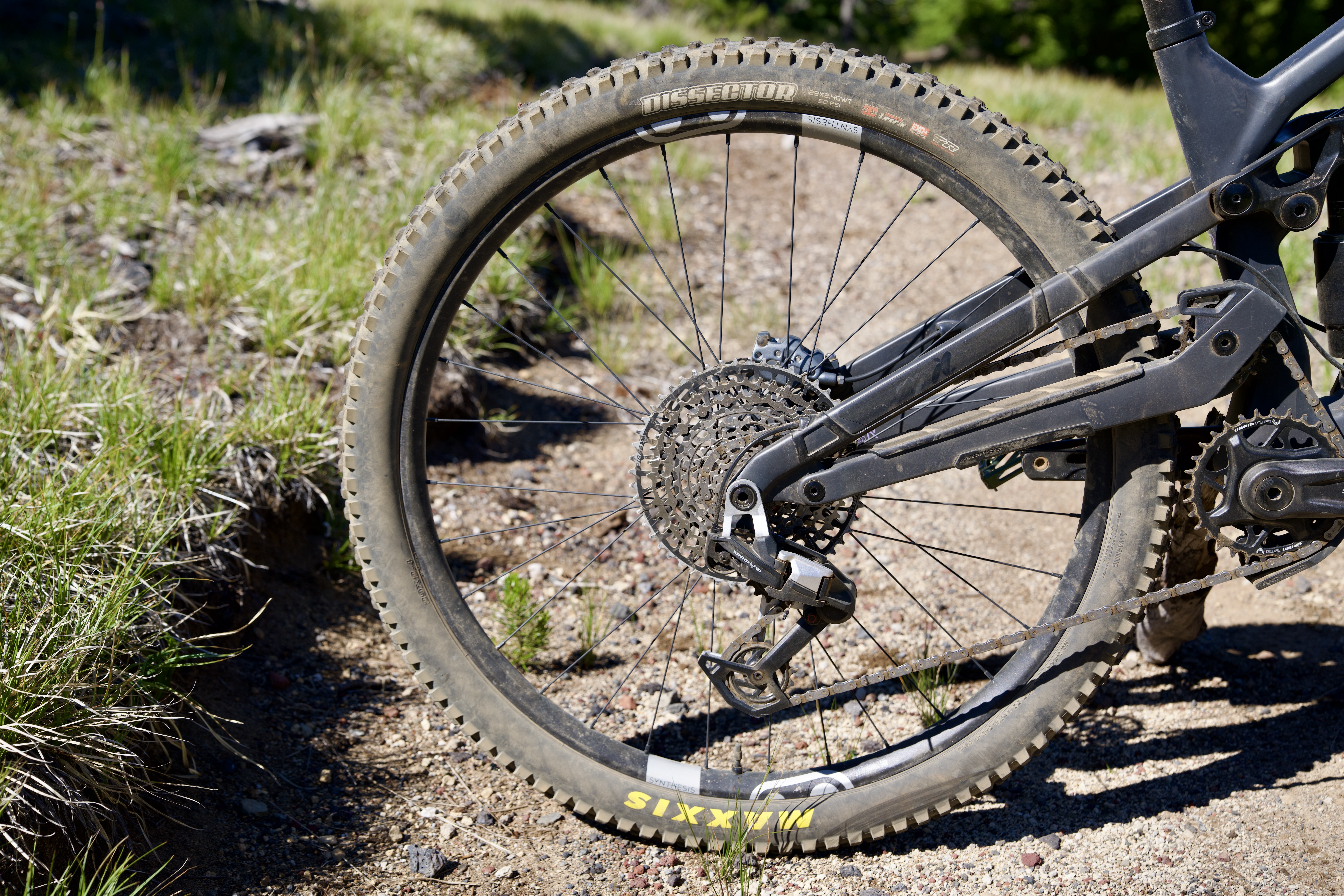
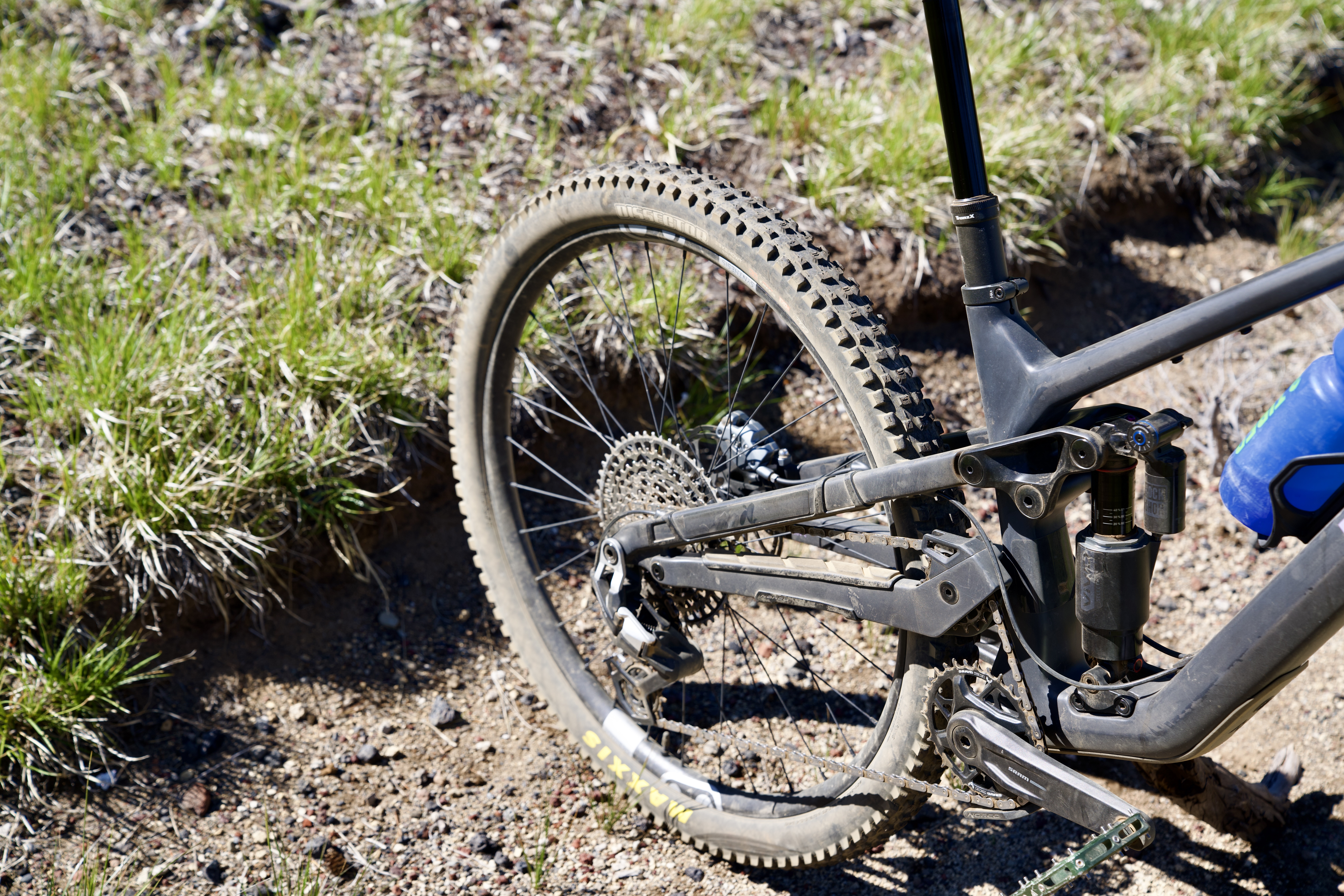
The tires are built around Maxxis’ Dual, 3C MaxxTerra, or 3C MaxxGrip rubber compound. For casing, the Dissector offers an EXO, EXO+, or DoubleDown. While I would have preferred a DD option for the rear tire, Maxxis didn’t have any available when they sent me the new Dissectors to test. I received two Dissectors, both in the EXO+ casing, one with the MaxxTerra compound and the other MaxxGrip.
My typical preference is to run a MaxxGrip casing up front and a MaxxTerra out back. During my test period, which spanned roughly nine months, I mainly used the Dissector as a rear tire, though it did roll on the front for a time as well.
Those curious about switching to the Dissector might find they simply cannot do so. If they want Maxxis’ DH casing, they will need to look at other options. The same is true for those wanting to use a Dissector on a 27.5” wheel, or wider than 2.4”.
The old vs. new Maxxis Dissector
Over the years, it seems that the Dissector yielded to more aggressive tires, particularly in the front position. The original tread pattern boasted rather tall side knobs with a 2-3-2 middle tread, with the middle tread packed quite closely together and the leading edge significantly ramped and wedged.
Especially on its three-block section, the treads were nearly triangular, creating a very fast-rolling trail option. While this had advantages in rolling speed, in my opinion, the original Dissector lacked the grip and stopping traction that more aggressive riders are looking for.
But the biggest knock that I, and many others, had against that original tire was the gap between the middle and side knobs. This gap is very noticeable when cornering, with a huge float zone when transitioning from the middle to the side knobs, leaving many, myself included, feeling uneasy on the original Dissectors.
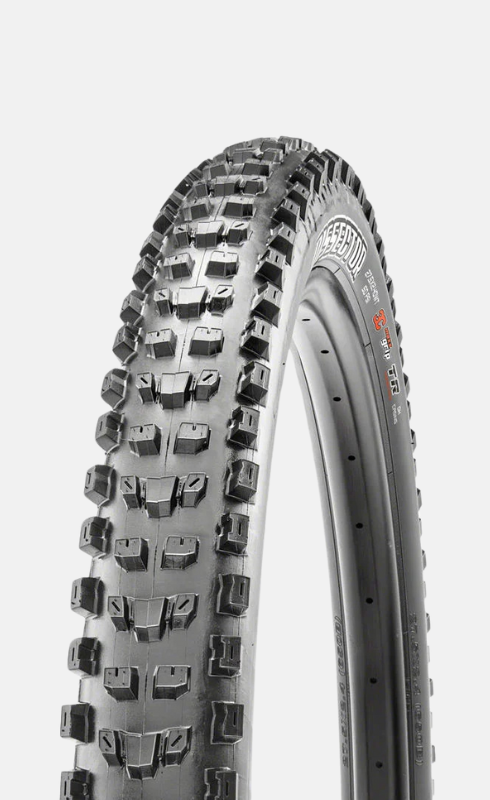
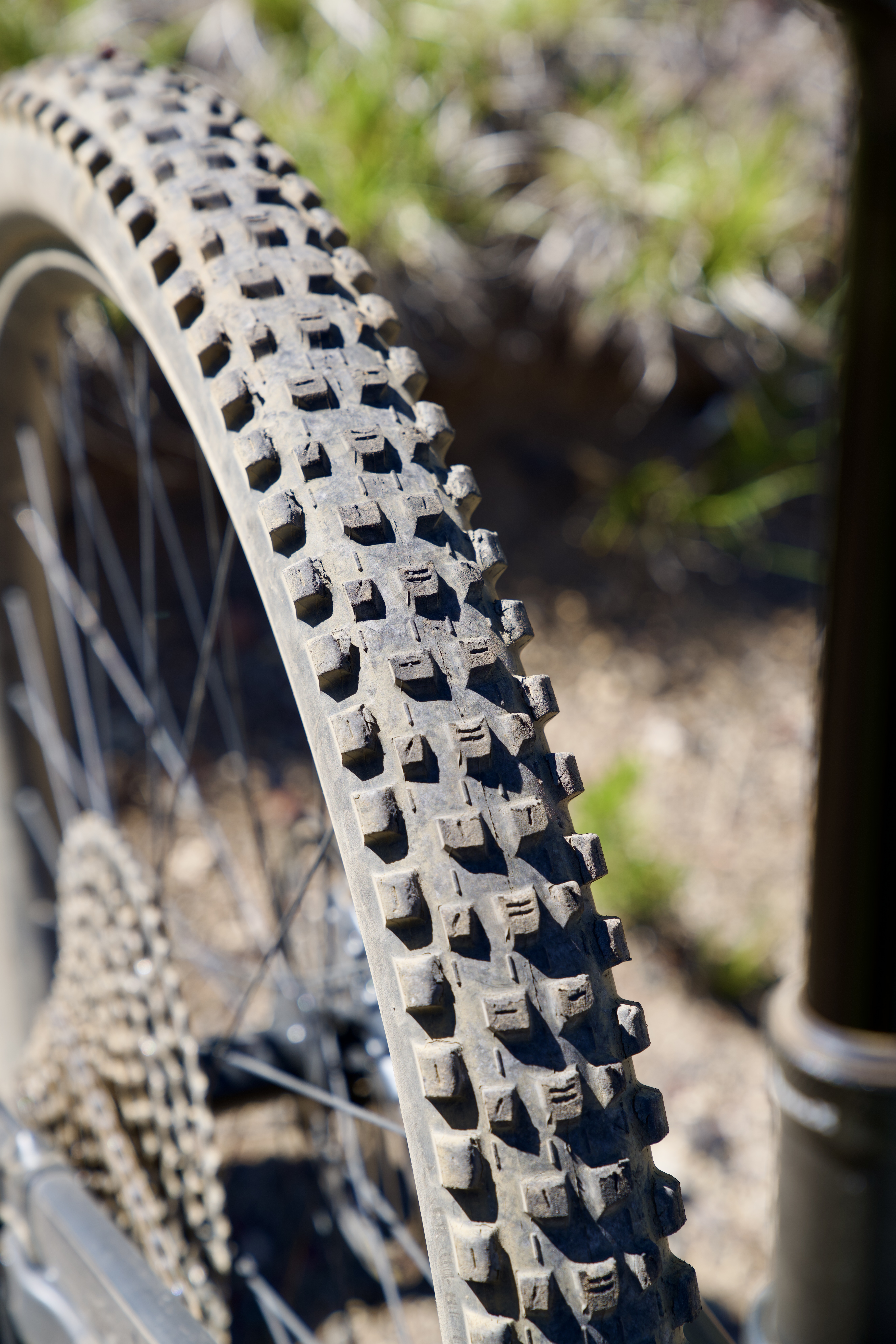
Maxxis addresses this issue on the new Dissectors, keeping the 2-3-2 middle tread pattern but spacing it out significantly, resulting in a tire that looks more like the Assegai than a “Dissector 2.0.” The new tread pattern closes the large gap between the middle and side knobs, creating a more consistent feel when transitioning between the two. While the middle tread is still ramped, it is more squared, providing better overall traction.
While that may come at the cost of rolling speed when compared to the previous Dissectors, the new offerings still roll well. They also lean more toward the aggressive side of the spectrum, a trade-off that I am happy with.
New Dissector or Minion DHR II?
I’ve always been pleased with the Maxxis Minion DHR II as a rear tire. Both the rolling speed and grip are more than adequate, and the tire does well in nearly all conditions. For the majority of riding I do – an average trail ride to bike park laps – the DHR is on the back of my bike.
When Maxxis released the new Dissector, its tread pattern drew many comparisons to the Assegai. While the two tires look similar, that is just about the only characteristic they share. As far as overall traction goes, the Dissector is far from the Assegai’s prowess. Rather, it performs much closer to the DHR than anything else.
As a front or a rear tire, the Dissector rolls faster than a DHR. Now, while the difference in rolling speed is noticeable, it doesn’t seem so drastic as to leave the DHR in the dust.
While the Dissector may roll faster than the DHR, the Dissector offers slightly less grip. Similar to the difference in rolling speed, the difference in grip is also fairly minor. It is noticeable, but minor. The DHR has the Dissector beat in cornering traction and confidence, and also takes a slight edge in braking traction and grip in loose conditions.
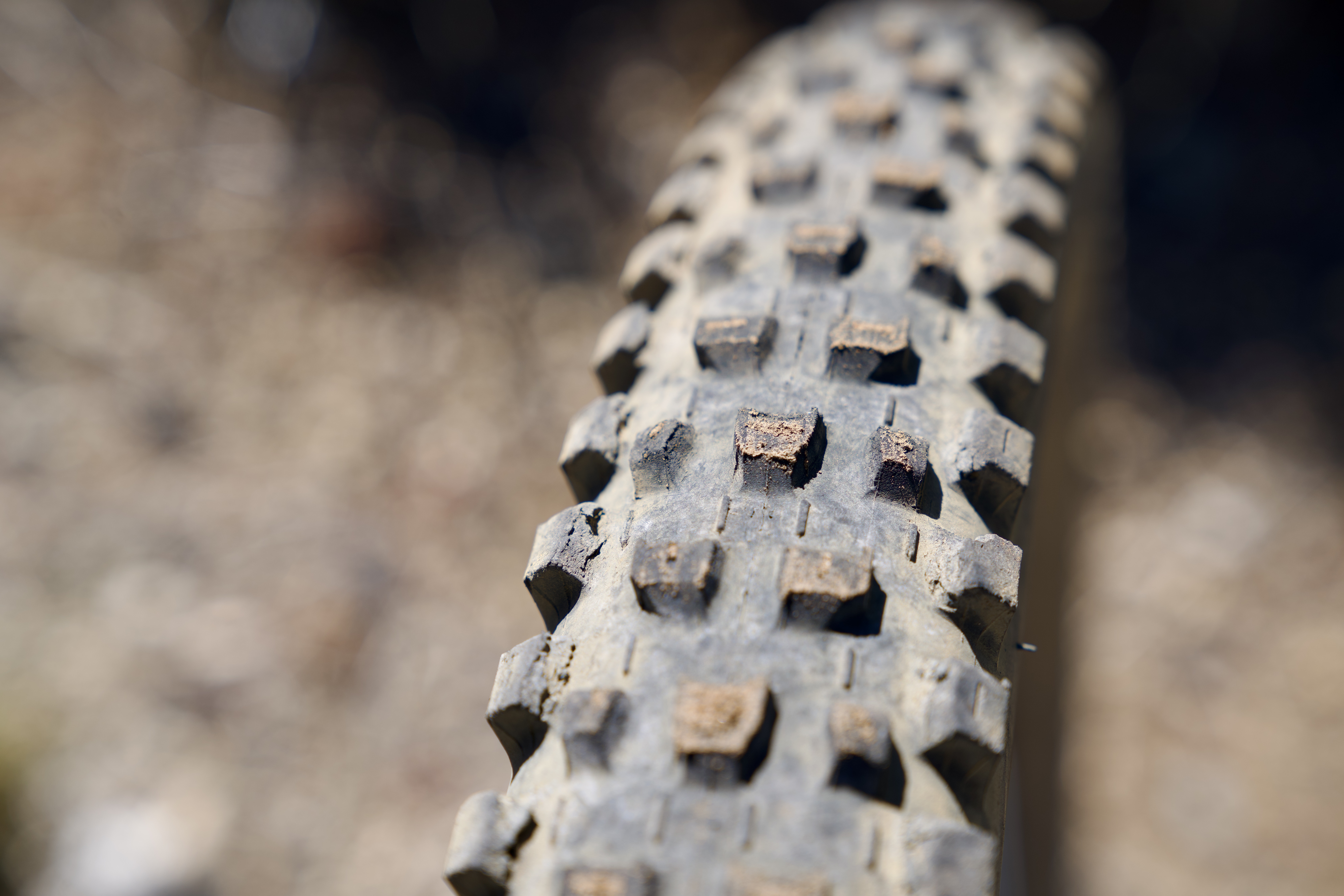
But here’s the deal: the Dissector isn’t that far behind. Yes, these differences are noticeable, especially when riding the tires back-to-back. However, I think that most who switch from a DHR to a Dissector will encounter a very short adjustment period.
So, which would I choose? While I would love to give a more definitive answer, I can honestly say I am happy with both. I’m certainly not running out and replacing a Dissector with a DHR. Rather, I’ll happily run that Dissector into the ground before replacing it with whatever I can get the better deal on – another Dissector or a DHR.
That said, I find that the Dissector’s Achilles’ heel is wet, tacky conditions where soil and debris stick between the treads. A DHR sheds debris significantly better than the new Dissector, and I imagine my takeaways would be different if I didn’t live in a dry climate.
Up front, too?
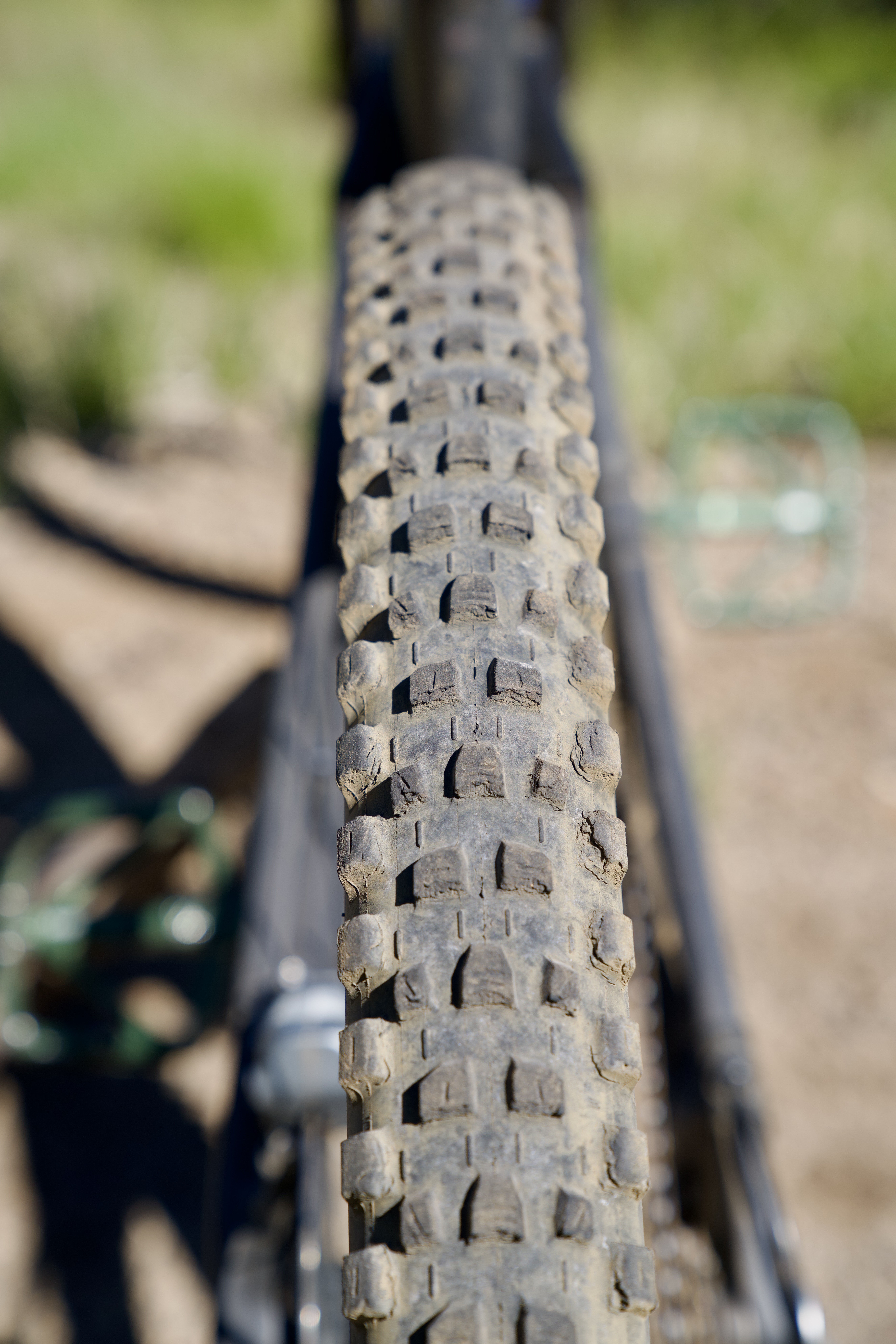
Yes. While I think most riders will use the new Dissector as a rear tire, it is also a great front tire option. Especially on shorter travel trail bikes, a Dissector up front offers solid traction and confidence with less rolling resistance. Pairing it with something like a Maxxis Aggressor or Forekaster (in the rear) creates a fun, fast-rolling experience.
Share your Maxxis Dissector review
My preference on short travel trail bikes is a Dissector up front and an Aggressor out back.
Obviously, a Dissector/Aggressor combo won’t hook up quite as well in the corners as an Assegai/DHR combo does. Especially coming from a more aggressive tire combo, there is a bit of an adjustment period when switching. After one ride or so, that adjustment period is over.
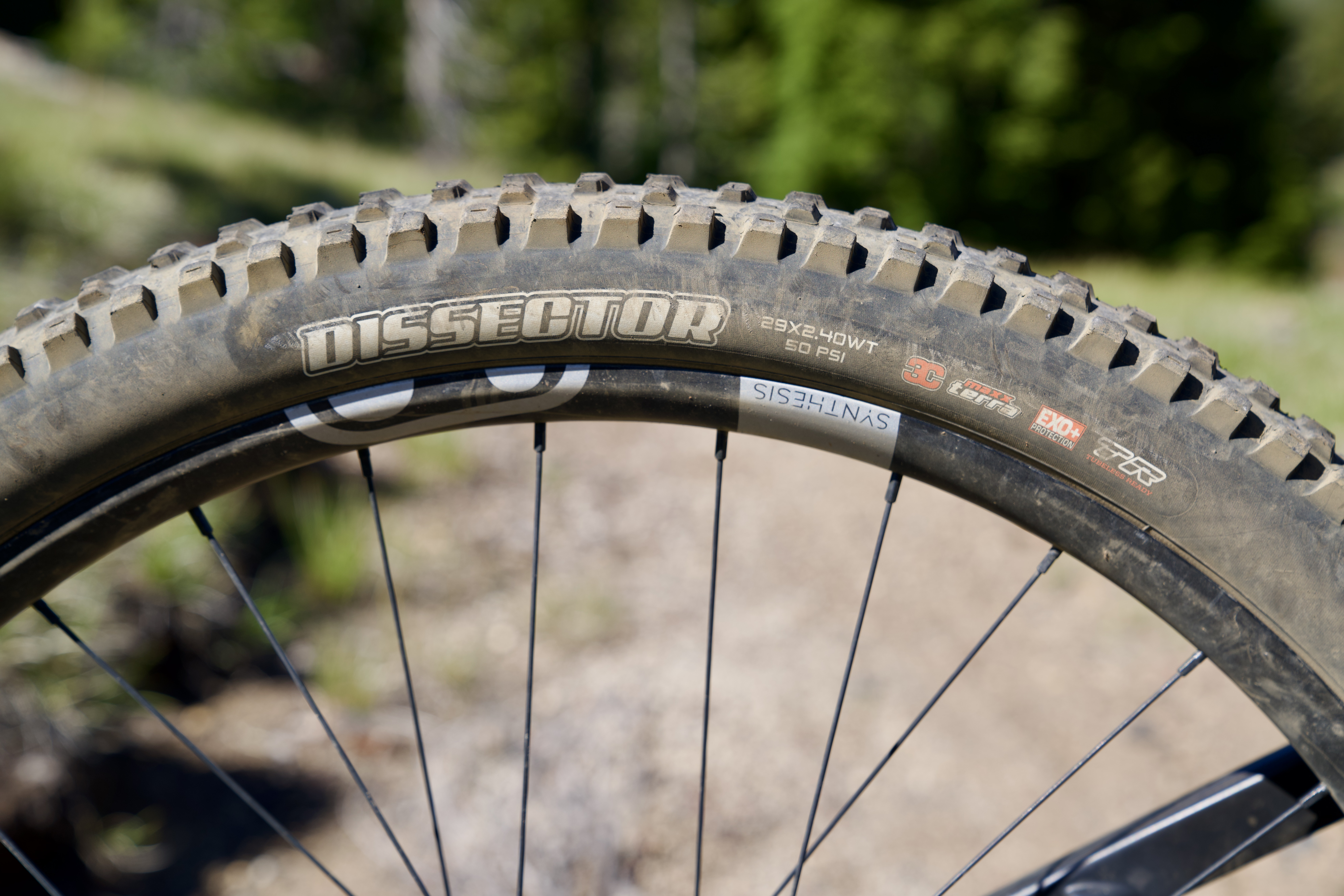
Pros and cons of the Maxxis Dissector
Pros
- Fast rolling
- Solid traction
- Great front/rear option (or both)
- New design fixed issues with the original
Cons
- No DH casing option
- No 27.5” offering
- Not great in muddy/tacky conditions
Bottom line
Unless you often ride in wet conditions, Maxxis’ new Dissector is a great option. It is a total redesign from the original tire, boasting more traction, consistency, and confidence, with little adjustment time, especially if you are coming from a DHR II.
The news stinks. Why not follow Singletracks on Google News to bring more joy to your day?




9 Comments
Jul 9, 2026
Jul 9, 2026
Jul 11, 2026
Jul 13, 2026
Jul 12, 2026
Jul 12, 2026
Jul 10, 2026
Sep 1, 2026
Sep 1, 2026