
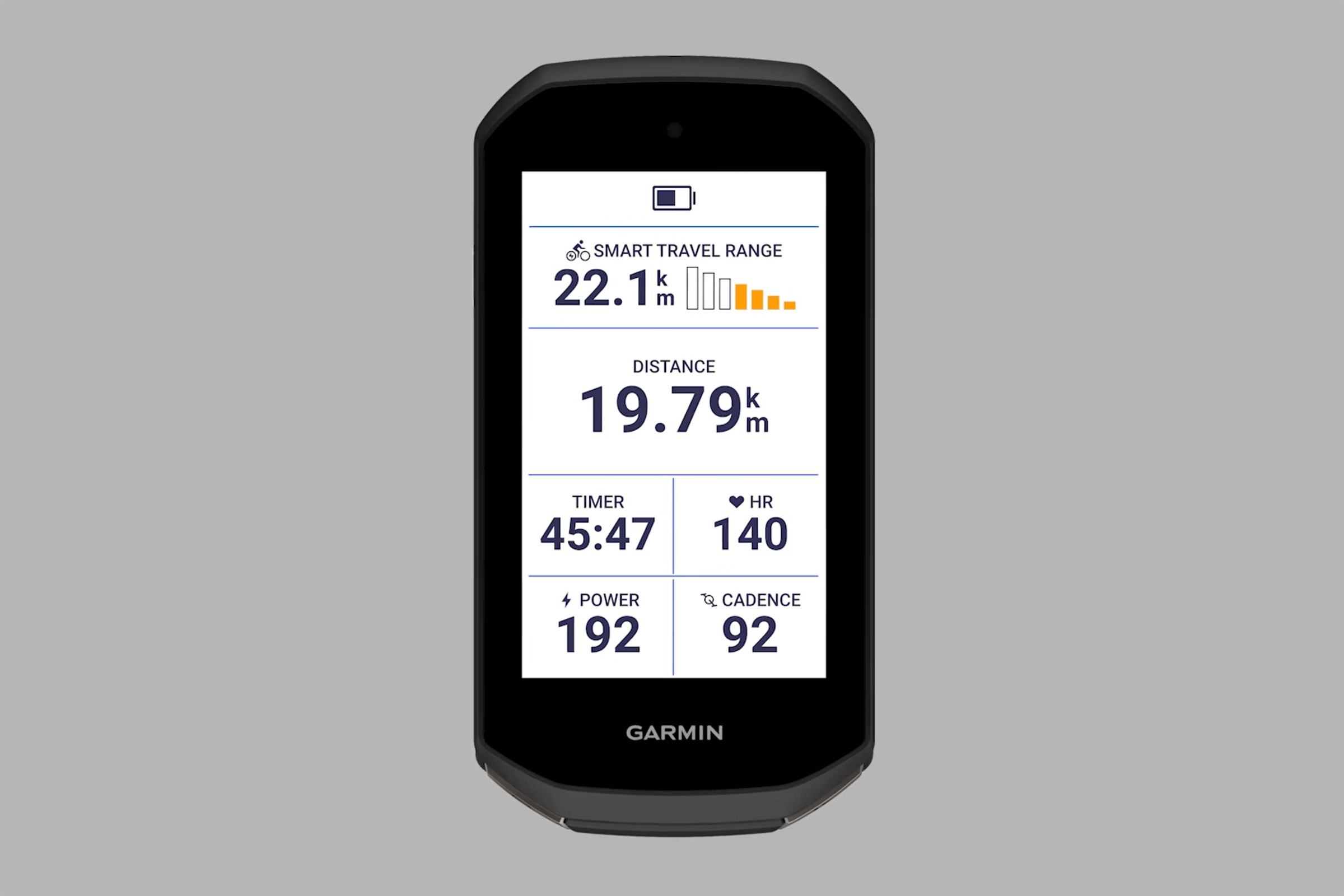
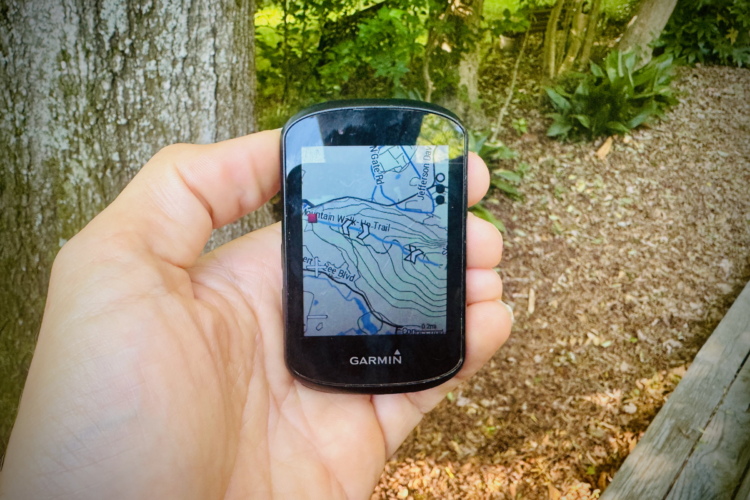
This week, Garmin introduced a new integration with select Bosch systems that promises to make ride data collected on e-bike rides more accurate. The Kansas-based GPS company also rolled out improved gear tracking for bikes and components on select devices.
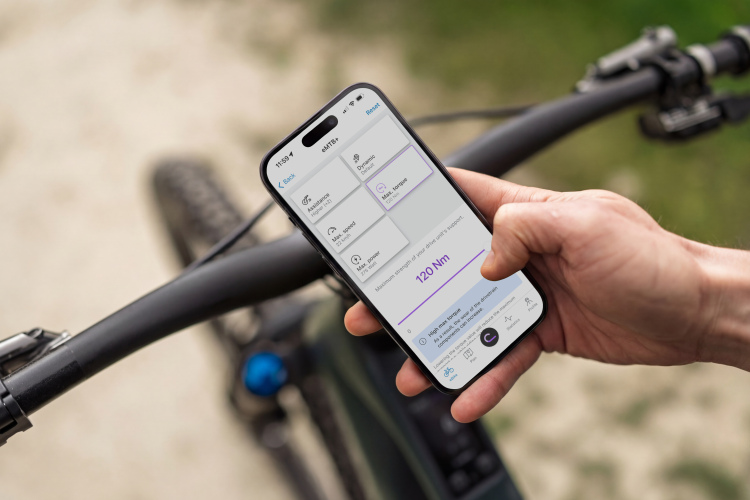
Bosch e-bike integration makes smart use of power and battery data
As any e-bike rider will tell you, an e-bike ride isn’t necessarily an easier ride. But getting an accurate picture of how hard the rider is working, and how much assistance the motor is providing, requires merging two data streams.
Garmin devices like Edge cycling computers measure time, distance, speed, and elevation data, and use that information to estimate, for example, how many calories you burned on the ride. Though the rider can specify that a ride was on an e-bike as opposed to a fully human-powered bike, the device doesn’t know how much assistance the rider received, making various health and training estimates less accurate.
With the Bosch integration, select Garmin devices — including the Edge 540, 850, 1050, and Edge MTB — use power data measured by the e-bike system to calculate fitness metrics more accurately. Could this put an end to arguments about whether e-bike riders work just as hard as everyone else? Perhaps.
“Since the Bosch eBike is measuring pedaling power, your Garmin Edge can better understand the effort you’re putting in, which will build a clearer picture of the training effects of each ride,” a Garmin representative told Singletracks over email. “Active calories would be one possible area you’d see that show up (heart rate is a key input as well), while key metrics like Training Effect, Training Load, and Performance Condition will be more accurate. The integration also allows Bosch e-bike riders to follow training plans based on power zones or cadence-based workouts, or simply to monitor where and when you’re working hardest.”
With the integration, Garmin brings a feature called Smart Travel Range to Bosch e-bikes as well. Smart Travel Range was previously available for other compatible e-bike systems and provides riders a range estimate based on battery life and a known route. Most e-bikes display their own range estimate based on remaining battery life, though the bike doesn’t know, for example, that a major climb (or descent) is coming up. By pairing battery information with route information, Garmin Smart Travel Range seeks to provide a more accurate estimate. So, for a route with a lot of hills, the Garmin range estimate can be wildly different from the e-bike’s own estimate.
Garmin is making it easier to track component use and service intervals
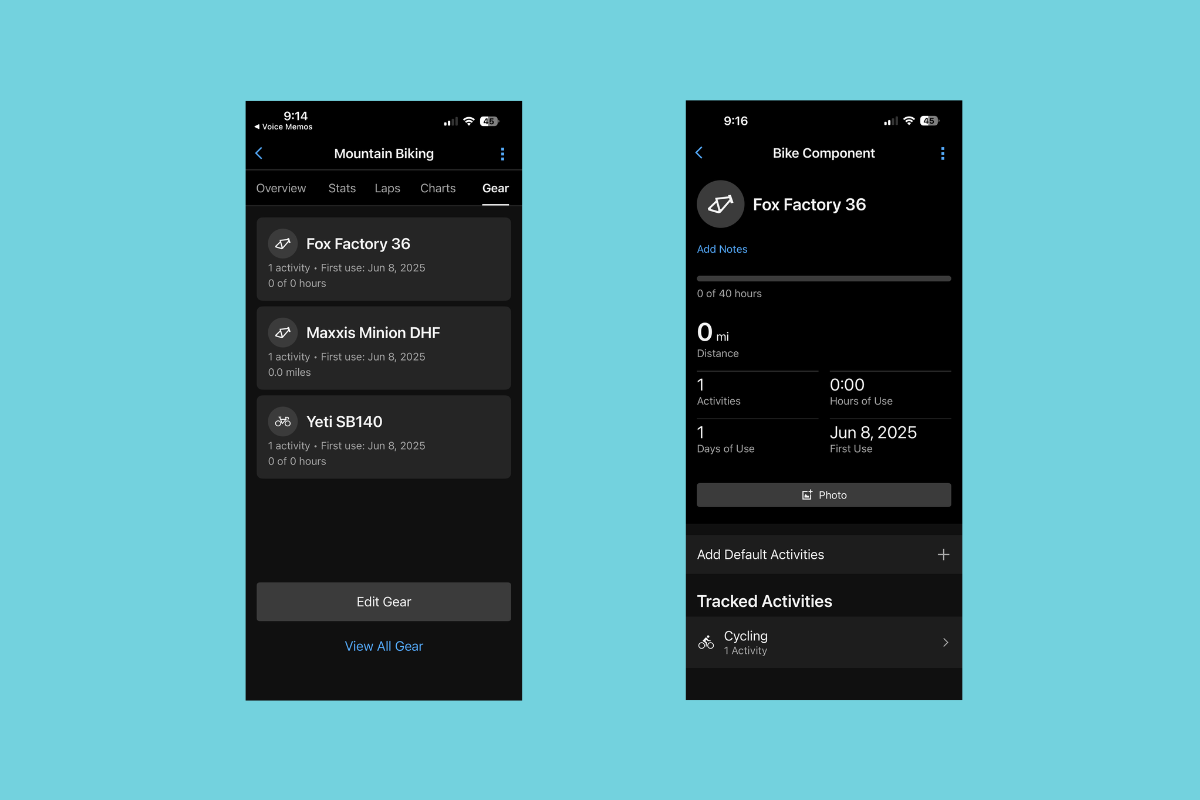
Tracking component service intervals and wear is a good practice, but it can be a hassle, and this latest Garmin update promises to make the process a little easier. Riders can track bikes and individual components as a part of a collection, and attach those bikes to specific activities.
We found it easy to set up a bike in the free Garmin Connect smartphone app. When adding a bike or component, you can configure an alert for a specific time or distance interval — for example, 40 hours of use for your Fox fork. If you only have one mountain bike, the whole thing is pretty seamless. Every time you log a mountain bike ride, Garmin Connect ties the ride to your bike and its components and tracks both time and distance.
For those with multiple bikes they use for the same activity — or who swap components regularly — the process becomes more involved and generally requires manual intervention.
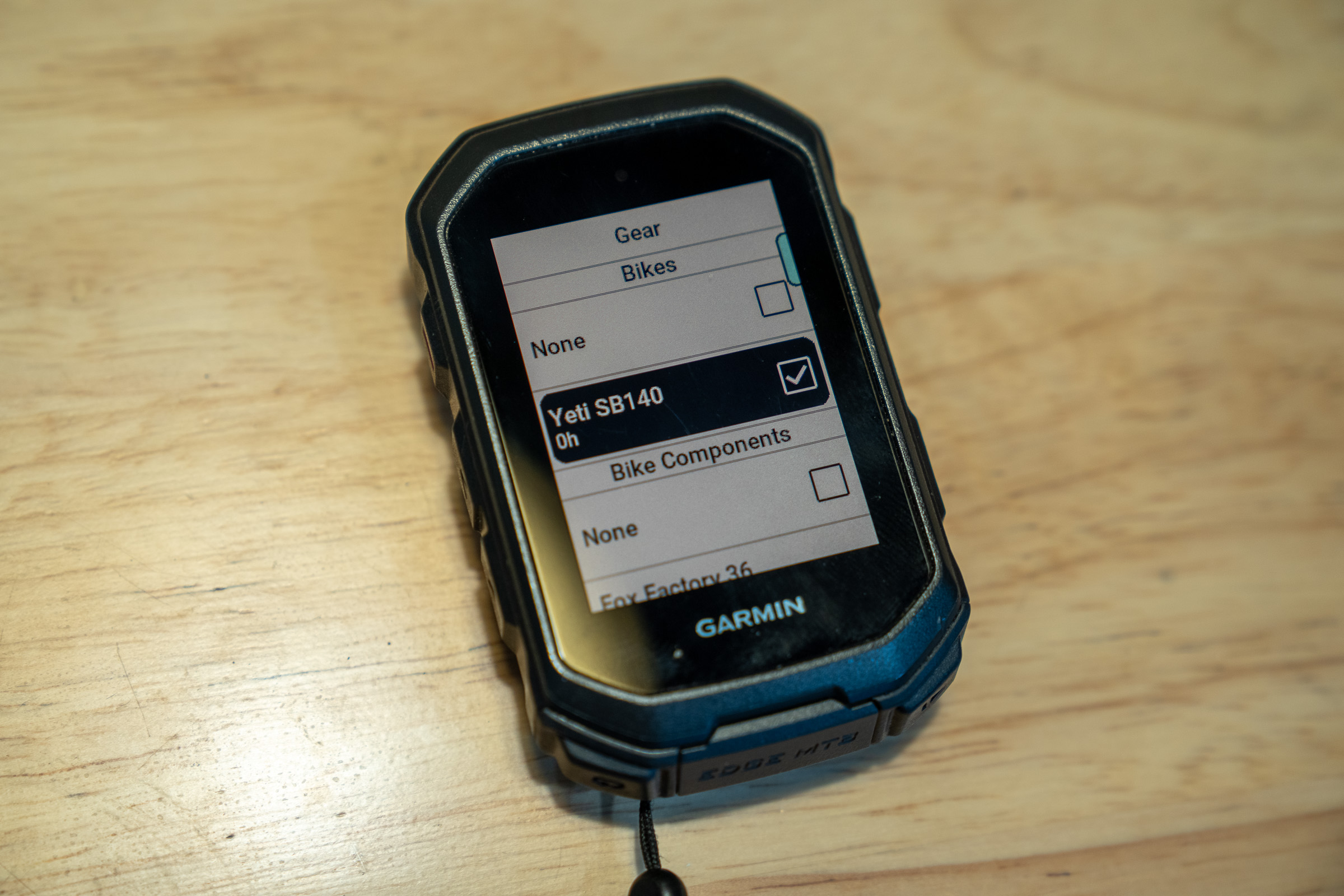
Garmin says gear tracking is now available on many popular devices, including Edge and Forerunner GPS units. Some Garmin users have reported that they are unable to access the gear-tracking feature on their devices. Singletracks initially had difficulty accessing the new feature on an Edge MTB test unit, though it now appears to be working as advertised. This video shows how the feature is designed to work.
Strava has long offered similar gear-tracking features in their smartphone app, though not on Garmin devices.
Keep up with the latest mountain bike news by adding Singletracks as a preferred source on Google.



0 Comments