
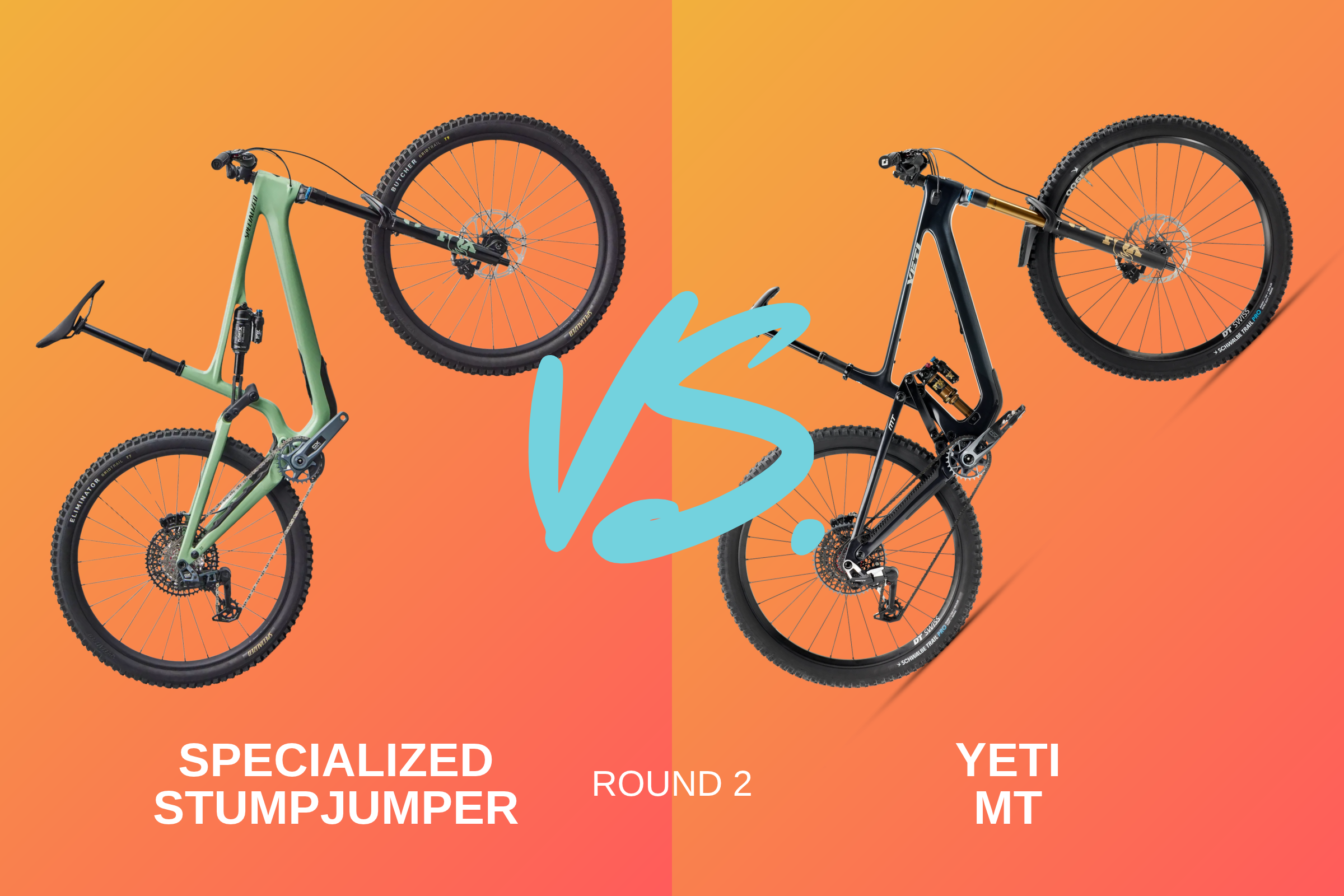
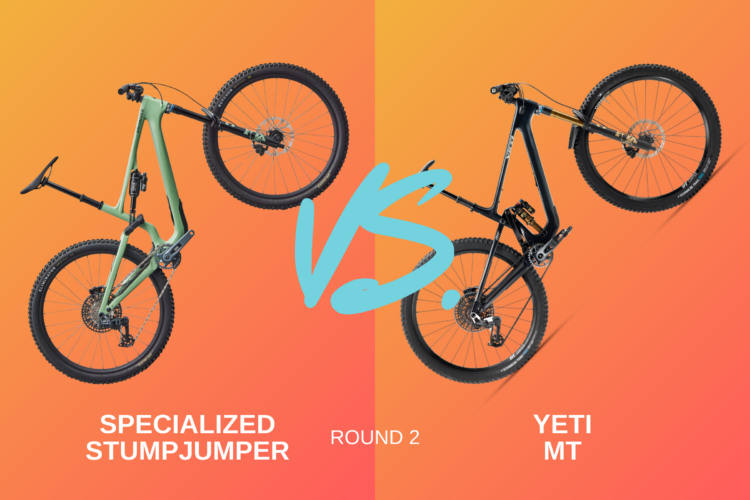
The first round of our Trail Bike of the Year Tournament wrapped up over the weekend, with the Specialized Stumpjumper and the Yeti MT advancing to the semifinals of our long-travel bracket. The travel numbers, the builds, and the weights of these two bikes are nearly spot on. The suspension platforms are also similar, with a four-bar on the Stumpjumper and a six-bar on the Yeti.
Despite the similarities, some geometry differences could affect how the bikes ride, potentially giving one the advantage. Oh, and let’s also acknowledge the sizeable price gap.
But first, here is a quick recap of the round one matchups that got us here.
The Specialized Stumpjumper 15 EVO wins handily
In round one, the Specialized Stumpjumper 15 EVO took on the Trek Fuel EX, and this wasn’t a David-vs.-Goliath matchup. The two brands are among the largest in the bike industry and, on paper at least, the Stumpy and Fuel are fairly evenly matched. Both have top-tier suspension from RockShox and Fox, Maven brakes, and in-house aluminum wheels.
Yet, Specialized took the victory by a decent margin, gathering 59% of the votes. Looking at the differences, perhaps each brand’s take on adjustability is what gave the Stumpjumper the win.
The Fuel frame is adjustable — very adjustable, in fact. The modular design lets users run the frame in three primary settings: the 150/145mm Fuel EX, the 160/150mm Fuel MX with mixed wheels, and the big 170/160mm LX. But all this adjustability comes at a cost. Trek charges for the needed links to switch the bikes between settings and, obviously, going from a 150mm to 170mm fork requires, well, a new fork. Perhaps modularity is just too costly.
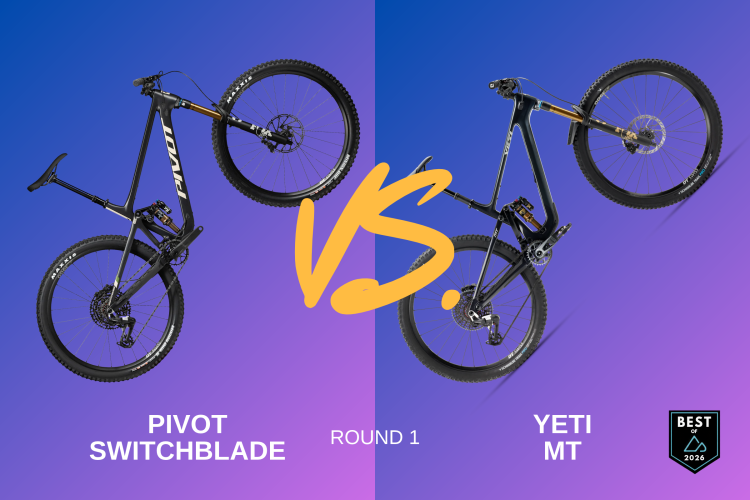
It was close, but the Yeti MT beats the Pivot Switchblade
The Yeti MT beat the Pivot Switchblade by a smaller margin, taking 54% of the votes. This was also a close matchup — travel numbers are within millimeters, the builds are very close, and both companies are known to provide a premium, high-quality frame. Yet, despite its high price tag, the Yeti MT moves on.
Along with a completely new suspension design, Yeti made some pretty significant geometry changes compared to the outgoing SB 140. The MT has a slacker head tube angle, longer chainstays, and a longer wheelbase than its predecessor.
This geometry comparison also applies to the Pivot Switchblade. The Switchblade has a nearly 1° steeper head tube angle, a slacker seat tube, and significantly shorter chainstays. Ultimately, the Switchblade’s less progressive geometry may have pushed the MT into the lead and onto round two.
We also have to acknowledge that the Yeti MT is a brand-new bike and, if we’re honest, people typically like new things. That said, this latest iteration of the Pivot Switchblade has been around for a handful of years now, and I wonder if we’ll see a Switchblade update for 2027.
The Stumpy takes on MT in the semi-finals
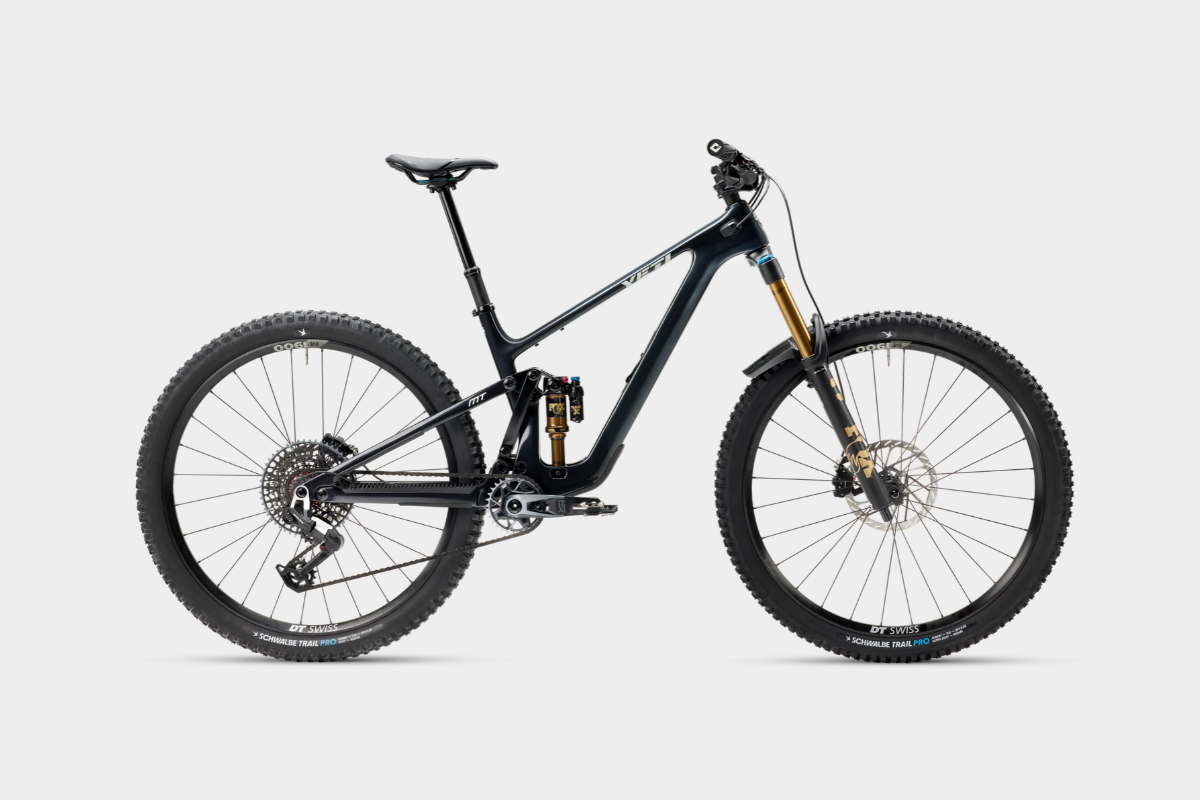
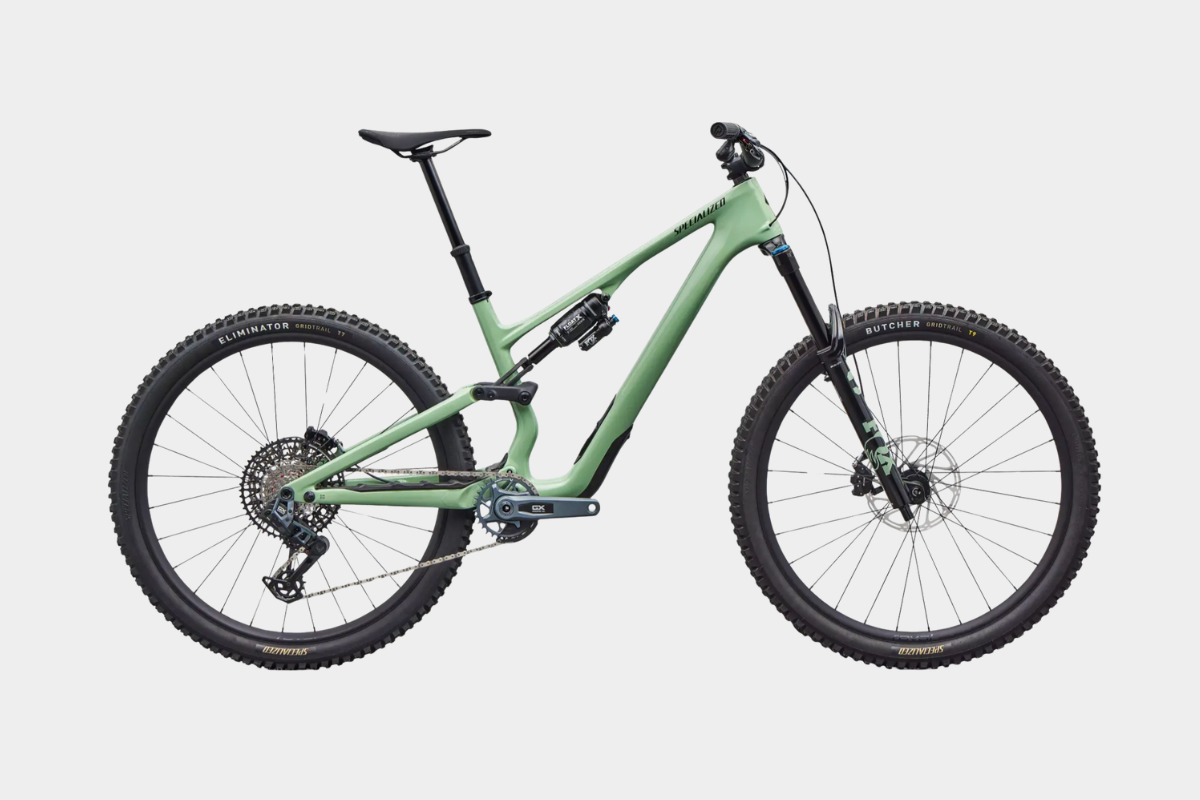
Today the tried-and-true Specialized Stumpjumper 15 EVO takes on the flashy new Yeti MT in our first long-travel semi-final matchup. The Stumpjumper offers more adjustments, features the Genie shock, and costs significantly less than the Yeti MT. But with three progressivity settings and the new six-bar suspension platform, the MT is serious competition.
| Specialized Stumpjumper 15 EVO Expert | Yeti MT X0/90 | |
| Suspension travel (F/R) | 160/145mm | 160/140mm |
| Drivetrain | SRAM GX AXS | SRAM Eagle 90 |
| Suspension | Fox 36 Performance Elite Grip X2, Fox Float X Genie | Fox Factory 36 Grip X2, Fox Factory Float X |
| Geometry* (size large frame) | HTA: 64° STA: 76° Reach: 470mm Chainstay: 435mm | HTA: 64.5° STA: 77° Reach: 480mm Chainstay: 446mm |
| Weight | 32.2lb (S4) | 32.41lb |
| Price | $6,199 | $8,000 |
The suspension is so close
The Specialized Stumpjumper 15 EVO and the Yeti MT are very close in suspension travel. In fact, only 5mm separates the two bikes, with the Stumpy gaining an extra 5 mm of travel in the rear. Both bikes feature 160mm forks up front and at least 140mm of travel out back, with the Stumpjumper at 145mm.
They also share the same suspension, though the Yeti gets shiny Kashima-coated stanchions and Fox Factory-level squish. That said, Kashima is the only thing separating Fox Factory from the Stumpjumper’s Performance-Elite suspension, and many would argue, myself included, that Kashima doesn’t make you go faster or jump higher.
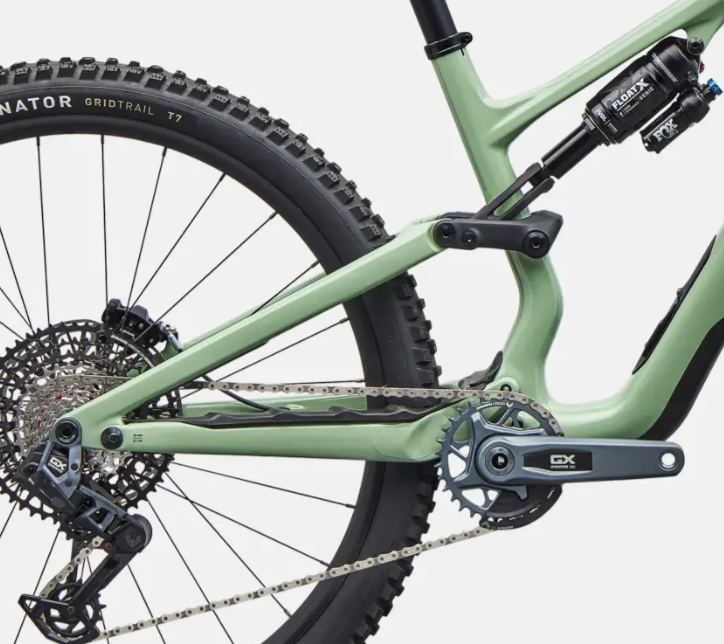
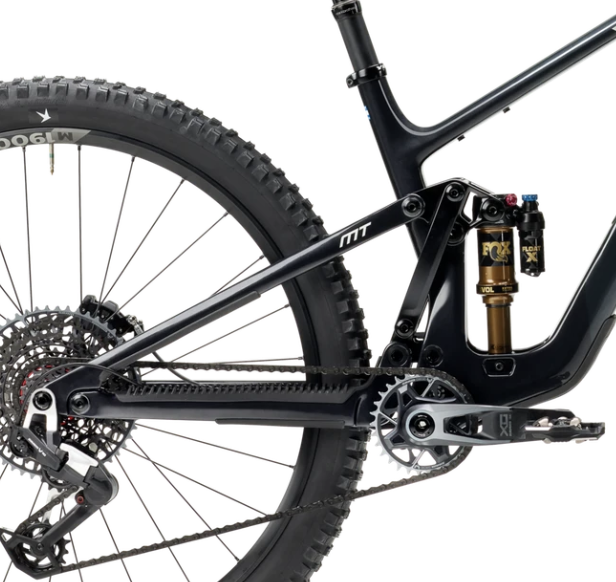
So the biggest difference will likely be between the suspension designs themselves. Specialized uses a tried-and-tested four-bar Horst link platform while Yeti now uses their more complex six-bar. A bit more complexity, along with progressivity adjustments, lets both Yeti and the rider tune the suspension feel more easily.
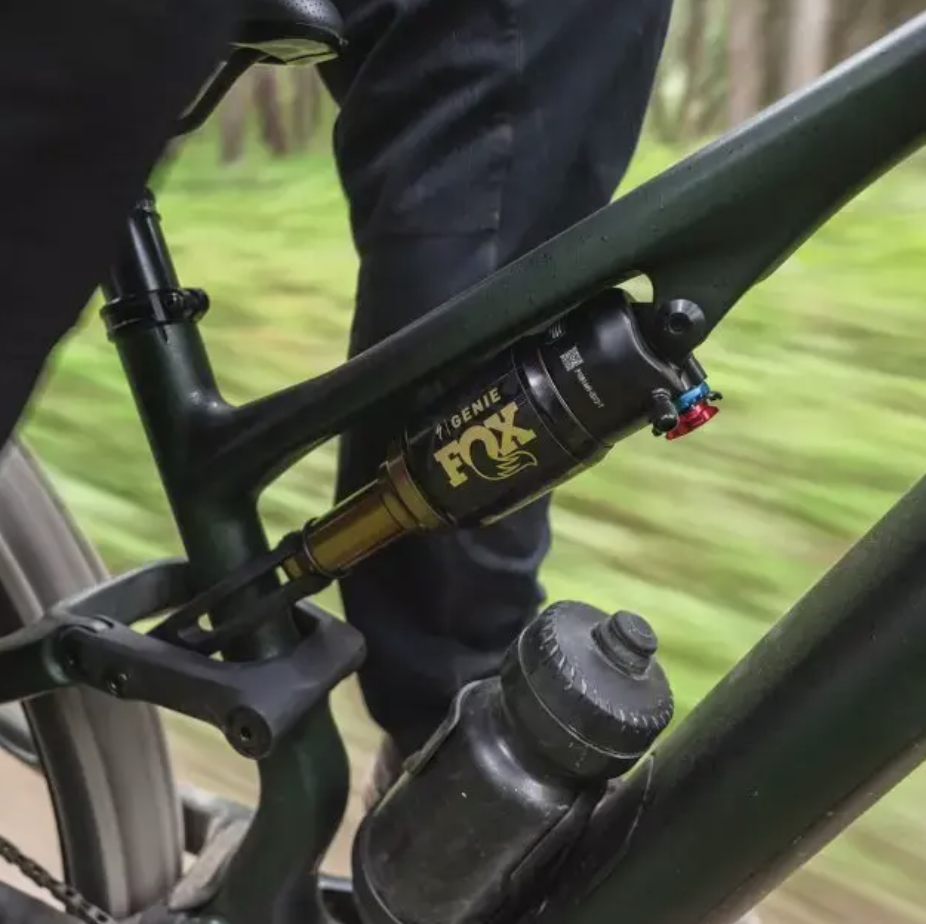
But wait, Specialized has something up its sleeve, too. While the brand doesn’t offer shock-mount progresivity settings, it does feature the proprietary Genie shock, available in both Fox and RockShox flavors. The Genie uses two positive air chambers for a supple, sensitive initial stroke. You can further tune mid- and end-stroke progressivity with different volume reducers and bands that are included.
Geometry: playful or planted
Geometry is certainly one area where the Yeti MT and the Specialized Stumpjumper 15 EVO differ. While numbers like head tube and seat tube angle are within one degree of each other, frame length is where we see the biggest differences. These differences can shape how each bike rides — shorter and playful, or longer and planted.
As I mentioned with the Stumpy vs. Fuel, reach can be a tricky number on the Stumpjumper. While many brands list “large” reach numbers at 480mm (like the Yeti MT), the Stumpjumper falls, well, short, with the S4 Stumpy we’re comparing having 470mm of reach. Moving up a size stretches that reach to 495mm.
And the chainstays are also quite a bit shorter as well. The S4 Stumpjumper has 435mm chainstays compared to the MT’s 446mm stays. That said, Specialized adds a high/low flip chip to the chainstays, letting them grow to 441mm, 5mm short of the Yeti. All told, the Specialized has a 1,249mm wheelbase while the Yeti’s stretches to 1,263mm.
On paper, the Yeti MT leans toward being more planted while the shorter Stumpjumper 15 EVO, especially the shorter chainstay position, is more playful. But despite the MT’s longer footprint, the Stumpjumper has a taller front end at 644mm, compared to the MT’s 635mm stack height. So, though the MT is longer and likely offers a more planted ride, the shorter front end could make riders feel more over the bars, especially on the steeps.
Frame features
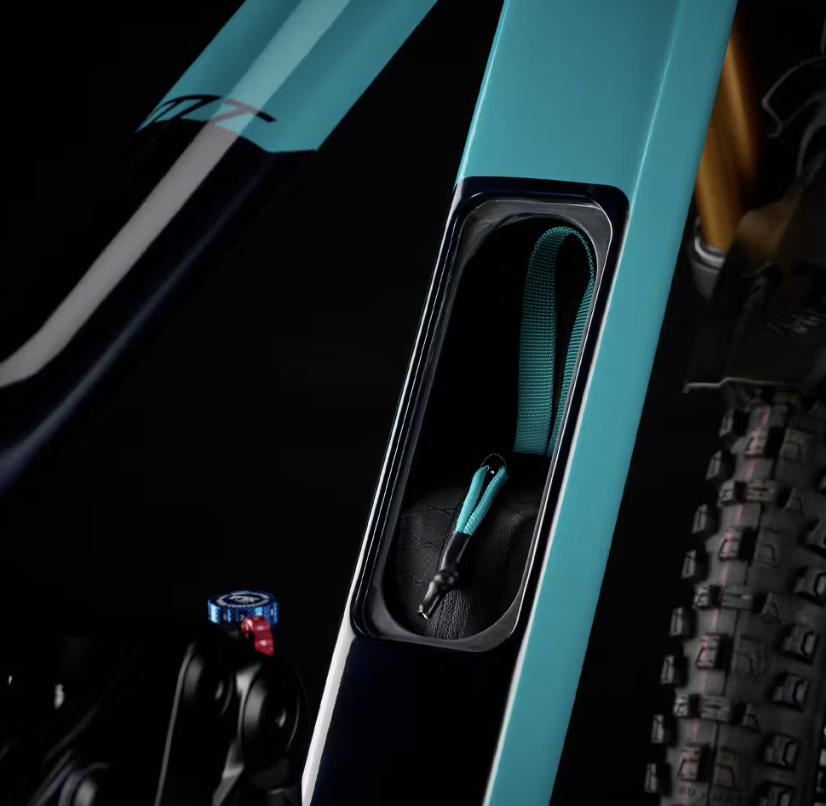
Both the Yeti MT and the Specialized Stumpjumper 15 EVO are carbon frames featuring each brand’s highest level of carbon — Fact 11 for Specialized, TURQ Series for Yeti. Both frames are UDH-compatible and feature in-frame storage, internal cable routing, and frame protection.
Many of the differences between the bikes come down to adjustability — or, perhaps, the lack thereof. The Stumpjumper offers plenty of adjustability. I already mentioned the flip-chip in the stays, which adjusts them by roughly 6mm. This flip-chip also raises the bottom bracket by 7mm, giving you a bit more clearance on chunky climbs if you’re getting pedal strikes.
The Stumpjumper also features angle-adjust headset cups, with +/- 1° of adjustment. Those geometry adjustments also let you swap out the rear link and run a 27.5 rear wheel. That would, of course, add to the bike’s overall cost, but it is a feature the MT doesn’t have.
Rather, the MT is sort of what you see is what you get, except for a headset size that accommodates aftermarket reach-adjust headsets. Now, don’t get me wrong, I think there’s nothing wrong with the geometry, though some might think those 446mm chainstays are a bit too long. The MT is a 29er only and offers no other adjustments besides three progressivity settings via a flip-chip at the lower shock mount.
Is $1,800 extra worth it?
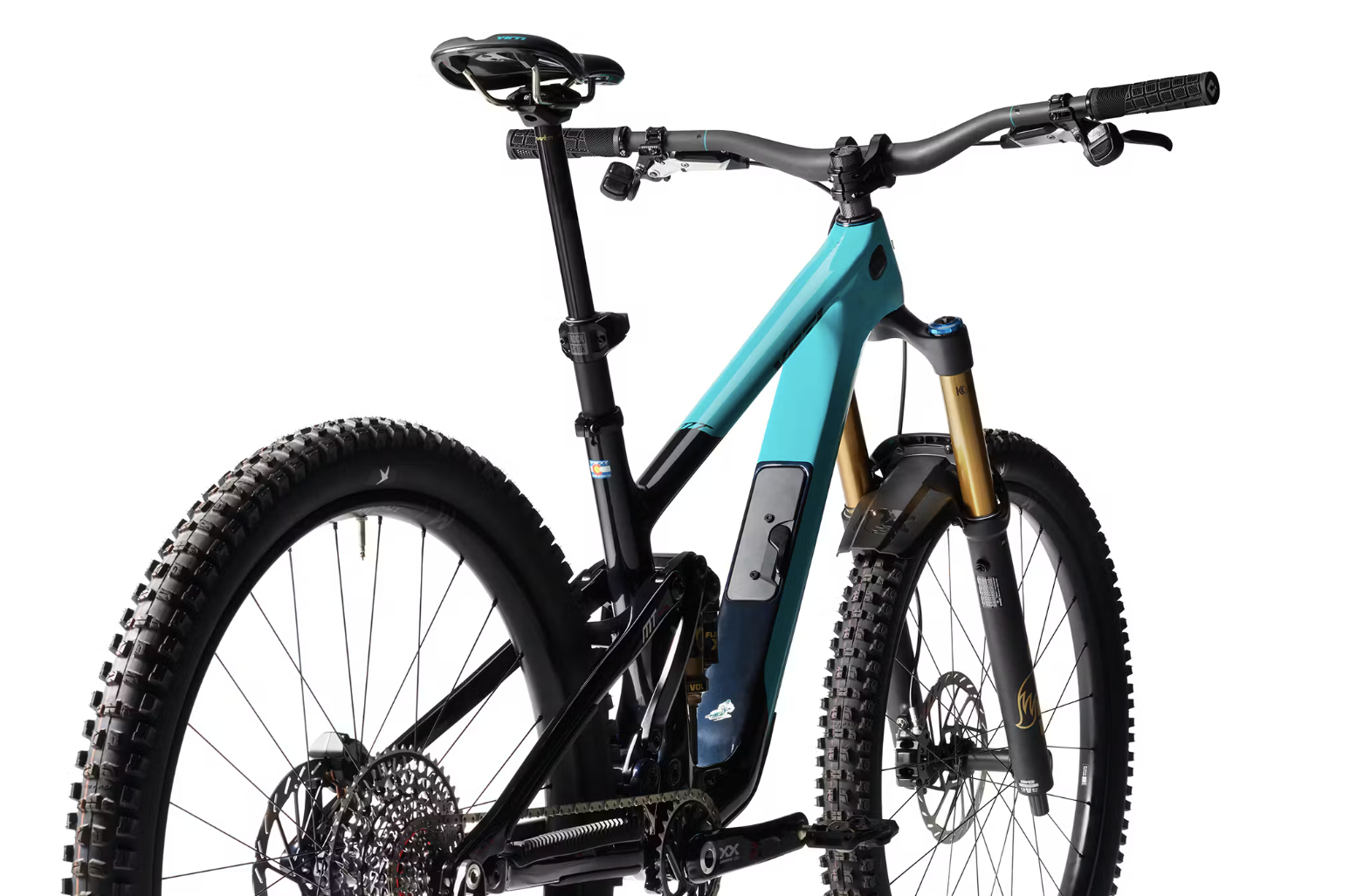
I think this could be the deciding factor. The Yeti MT is a completely new offering from the brand; it features a new suspension platform, and, hell, it’s a Yeti! But it comes at a Yeti price.
The SRAM Eagle X0/90 build of the Yeti MT leaves little to long for, if anything. It features a Fox Factory 36 with the new Grip X2 damper, a Fox Factory Float X shock, SRAM Maven Silver brakes, a SRAM X0/Eagle 90 drivetrain mashup, and DT Swiss M1900 wheels.
And the X0/90 MT weighs under 33lb.
But it also costs $8,000. The Specialized Stumpjumper 15 EVO will save you $1,800 with Fox Performance Elite suspension (same as the Yeti, just no Kashima), Maven Silver brakes, an electronic SRAM GX AXS Transmission drivetrain, and Roval wheels. The Stumpy is closer to 32lb than the MT and retails for $6,200.
The bottom line
This is definitely a tough matchup. Both brands offer their long-travel trail bikes with very similar builds and do-it-all claims. Yeti might edge out on stability with those long chainstays, but Specialized isn’t far behind when the Stumpy is in the low setting. Side by side, however, it is hard to miss the price gap between the two bikes, especially given their nearly identical builds.
Cast your vote and let us know who moves on to the long-travel finals on November 18.
Keep up with the latest mountain bike news by adding Singletracks as a preferred source on Google.




0 Comments