
Roughly one year ago, Kenda introduced a new lineup of tires — the K-Series. On the mountain biking side, the brand released the Double Black, an aggressive trail/enduro offering, followed by the Dagger, which sits squarely as an XC tire. These releases, however, left a gaping hole in the new lineup, with nothing really balancing rolling speed and overall traction.
In other words, the Kenda K-Series didn’t have a “trail” tire. That changes today with the introduction of the Ripper, which packs a serious traction punch considering how fast it rolls.
Kenda Ripper key specs
- New K-Series trail offering
- 29″ or 27.5″ options
- 2.4″ or 2.6″ widths
- Available in Trail casing (All Mountain casing to come)
- Claimed 995g weight (986g actual)
- Price: $84.95
- Buy from Kenda Tires
The new Kenda Ripper trail tire: a “big picture” look
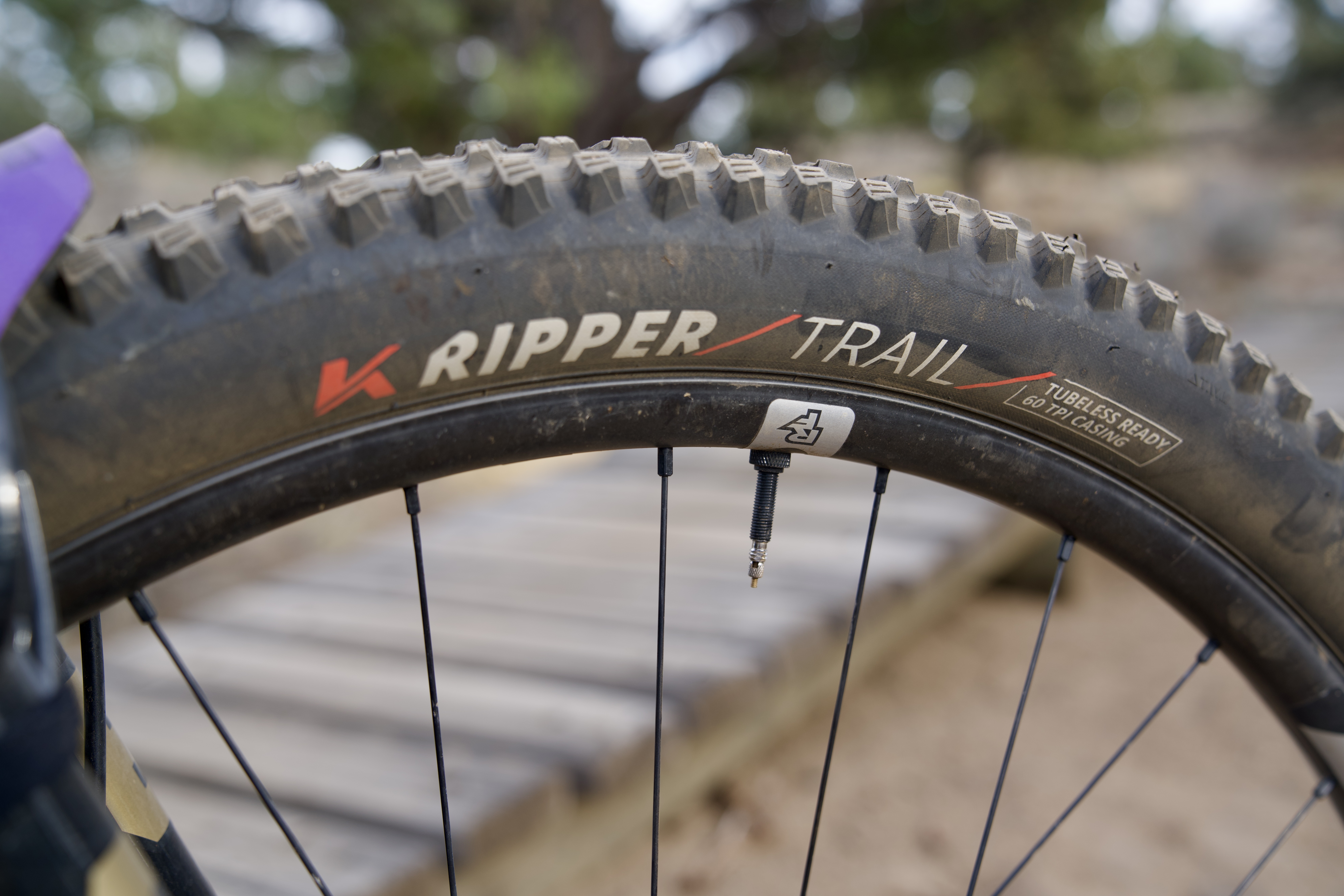
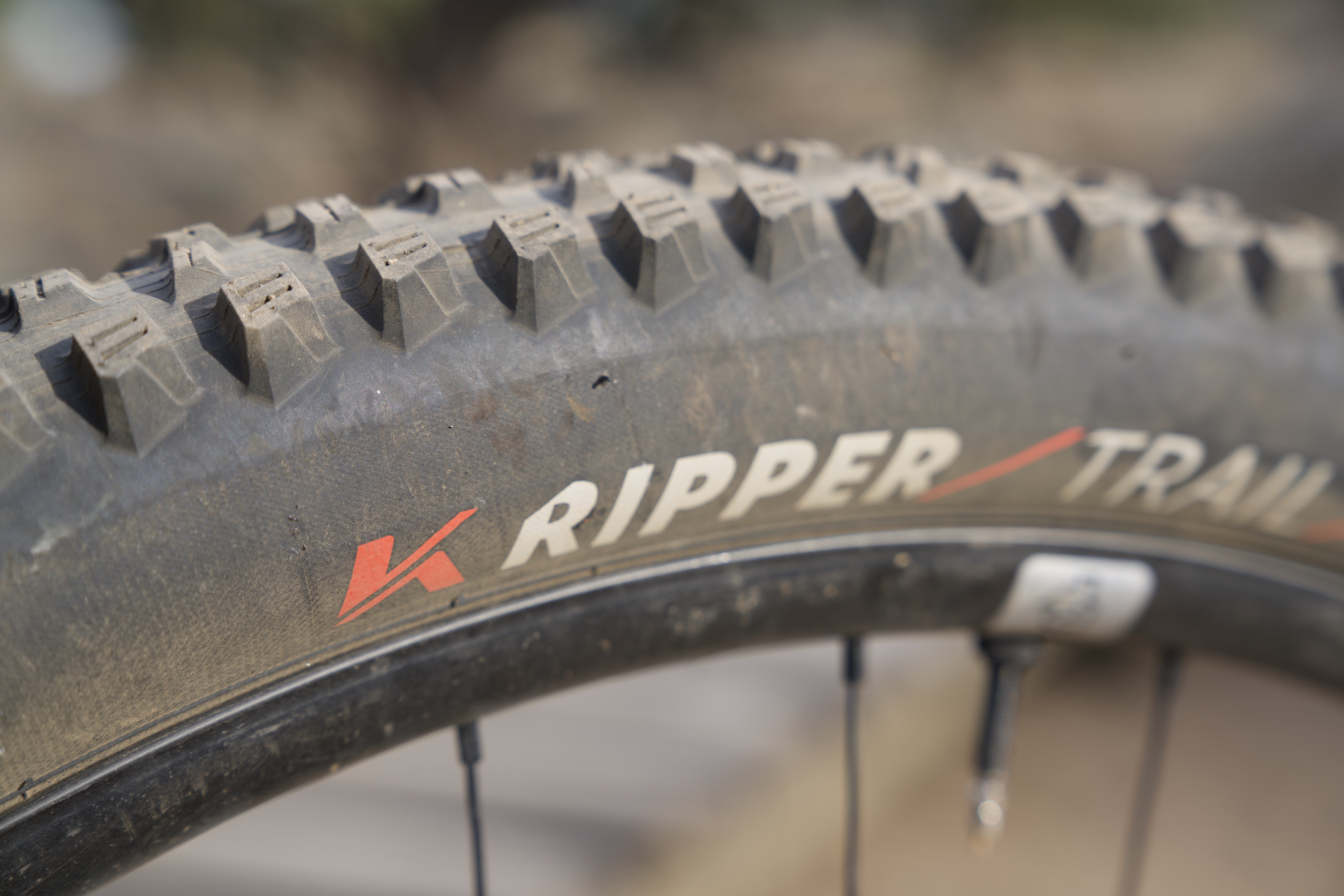
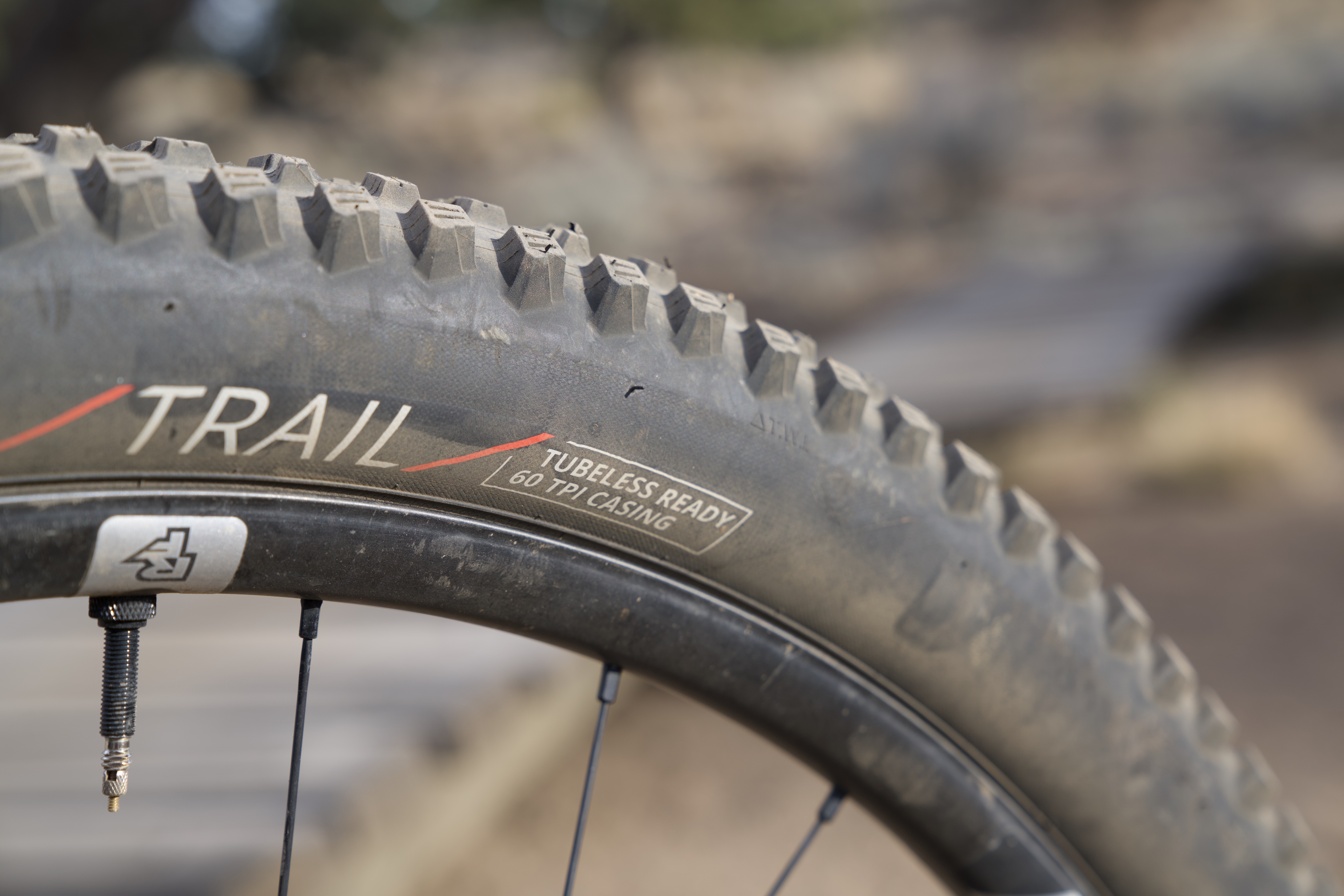
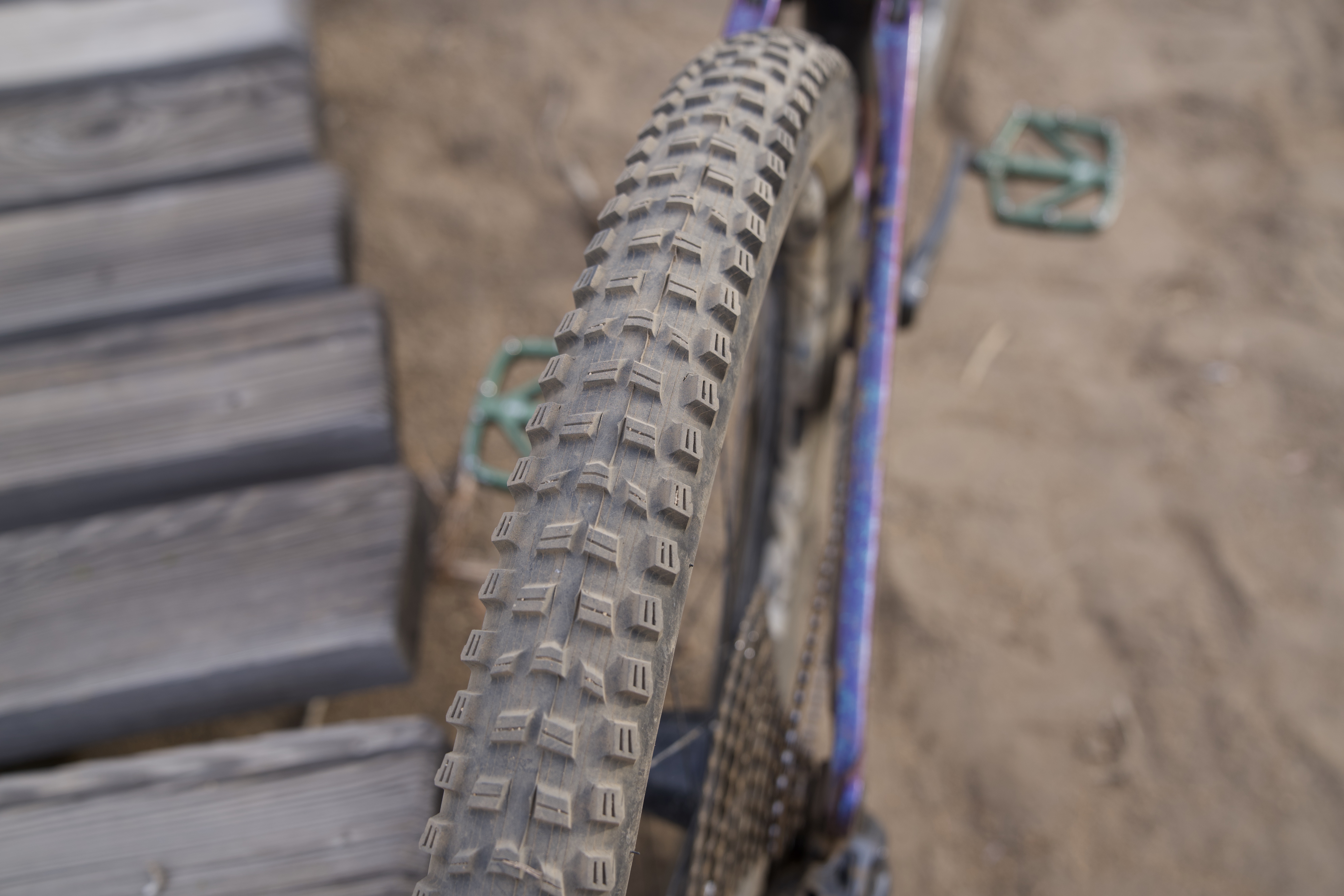
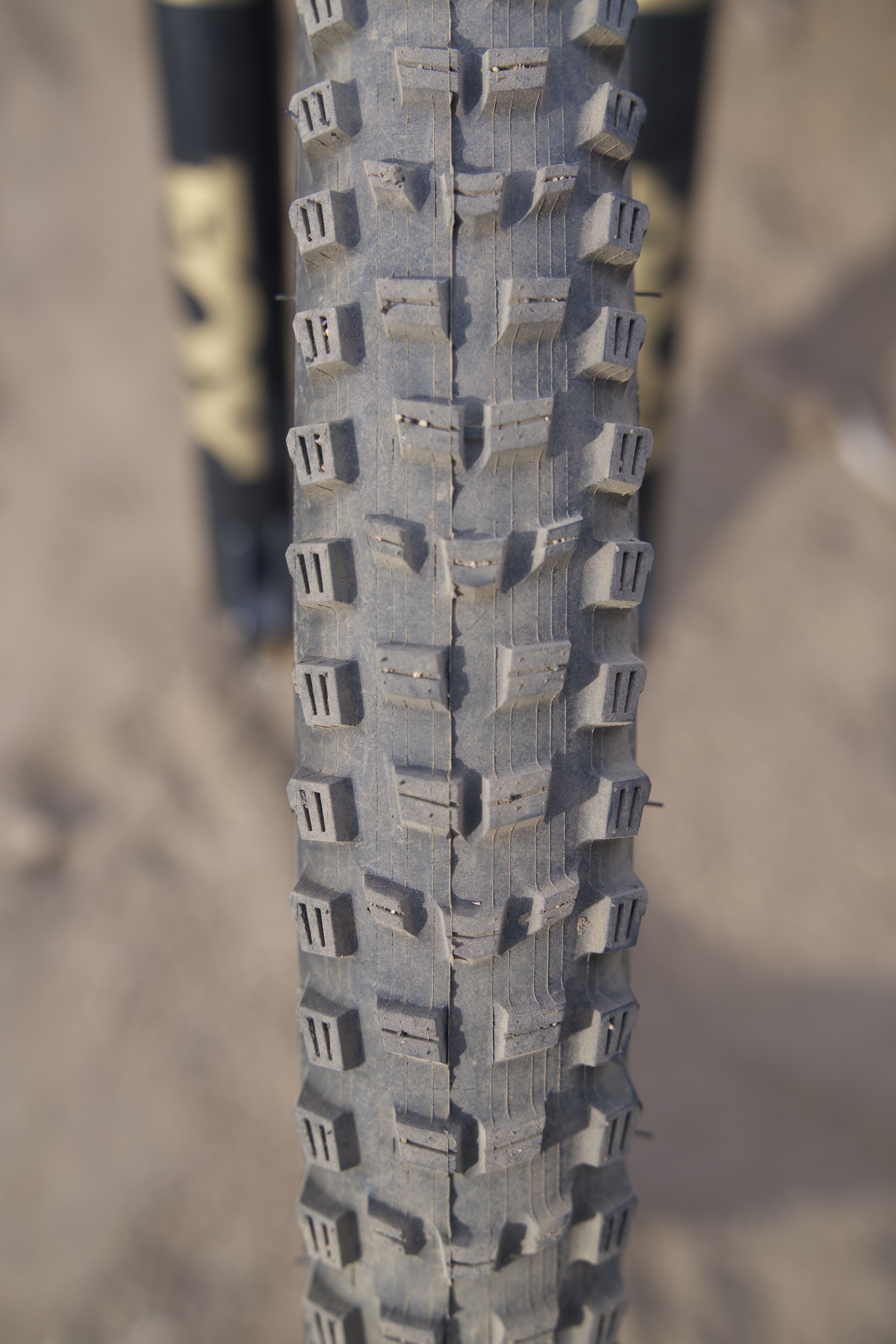
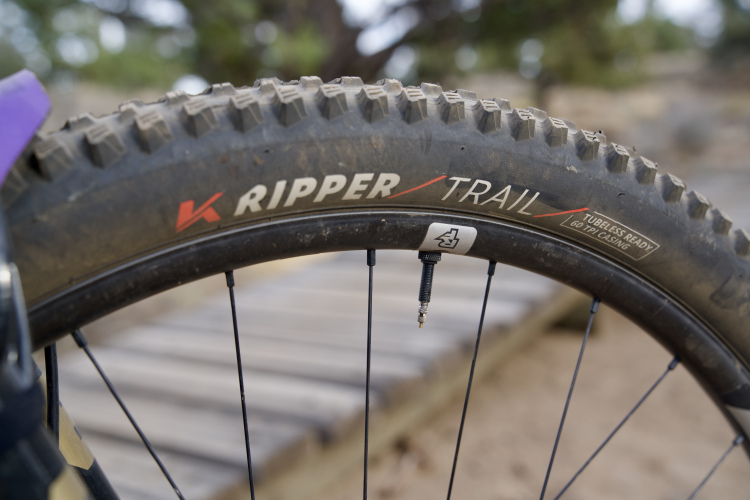
The Kenda Ripper is a trail tire that balances speed and traction well. It features a 3-2-2 ramped tread pattern that tapers, then repeats. The tire also features relatively aggressive alternating side knobs. Kenda’s goals for the Ripper are to provide a tire with low rolling resistance while holding traction on varying terrain, with “broad-based knobs delivering strong braking and cornering stability.”
In the press material, the Ripper claims to deliver just that, at least, according to Kenda. The tire brand says that the new tire’s “tread design wins on grip, control, and speed across all key performance dimensions.” These “performance dimensions” are: cornering, braking, trail speed, handling, predictability, and comfort. In these categories, the Ripper scored “110%” or better compared to a couple of other Kenda options and three “competitor” options.
Now, just how those comparisons were measured and who those “competitors” are is a bit of a mystery. Another mystery is the new K-Series’ casing options, which I am a fan of. Previously, Kenda used three-letter acronyms to identify casings: “AEC” is “Advanced Enduro Casing,” which isn’t as stout as “AGC,” or “Advanced Gravity Casing.” Both of those are beefier than “ATC,” or “Advanced Trail Casing,” but they also have “SCT” and “EMC.”
It is a lot of acronyms to keep track of. The new K-Series’ casing is significantly easier to remember: XC, Trail, All Mountain, Enduro, Downhill. Thank you, Kenda.
The new Ripper tire is available in two casing options — Trail and All Mountain — though the latter isn’t available yet. The “mystery” is whether this K-Series Trail casing differs significantly from the previous ATC trail option. All Kenda shared at the time was that “the Trail casing is a light but very capable casing built as 60 TPI with sidewall protection.” Kenda did confirm, however, that the new K-Series casings are different from the previous acronym lineup.
That said, the Trail casing performs how I expect from a tire in this category. It is likely a touch lighter than the Maxxis EXO+ casing, which I am very familiar with, and had to run slightly higher tire pressures to achieve a similar ride feel. That said, the Trail casing provides enough support to avoid feeling bogged down, but it doesn’t provide the incredibly damped feel like a heavier, gravity-oriented casing. I haven’t had a puncture yet, though I make sure to carry a repair kit on longer rides.
The press material does explain that the Trail casing is 60 TPI with a “dual compound” rubber. The Kenda Ripper is currently available in 29 and 27.5 options, in 2.6- and 2.4-inch widths. Future releases will also include a 26-, 24-, and 20-inch diameter option. Kenda claims a weight of 995g for a 29×2.4 Ripper Trail casing, though mine weigh slightly less at 986g each.
Surprised by a trail tire
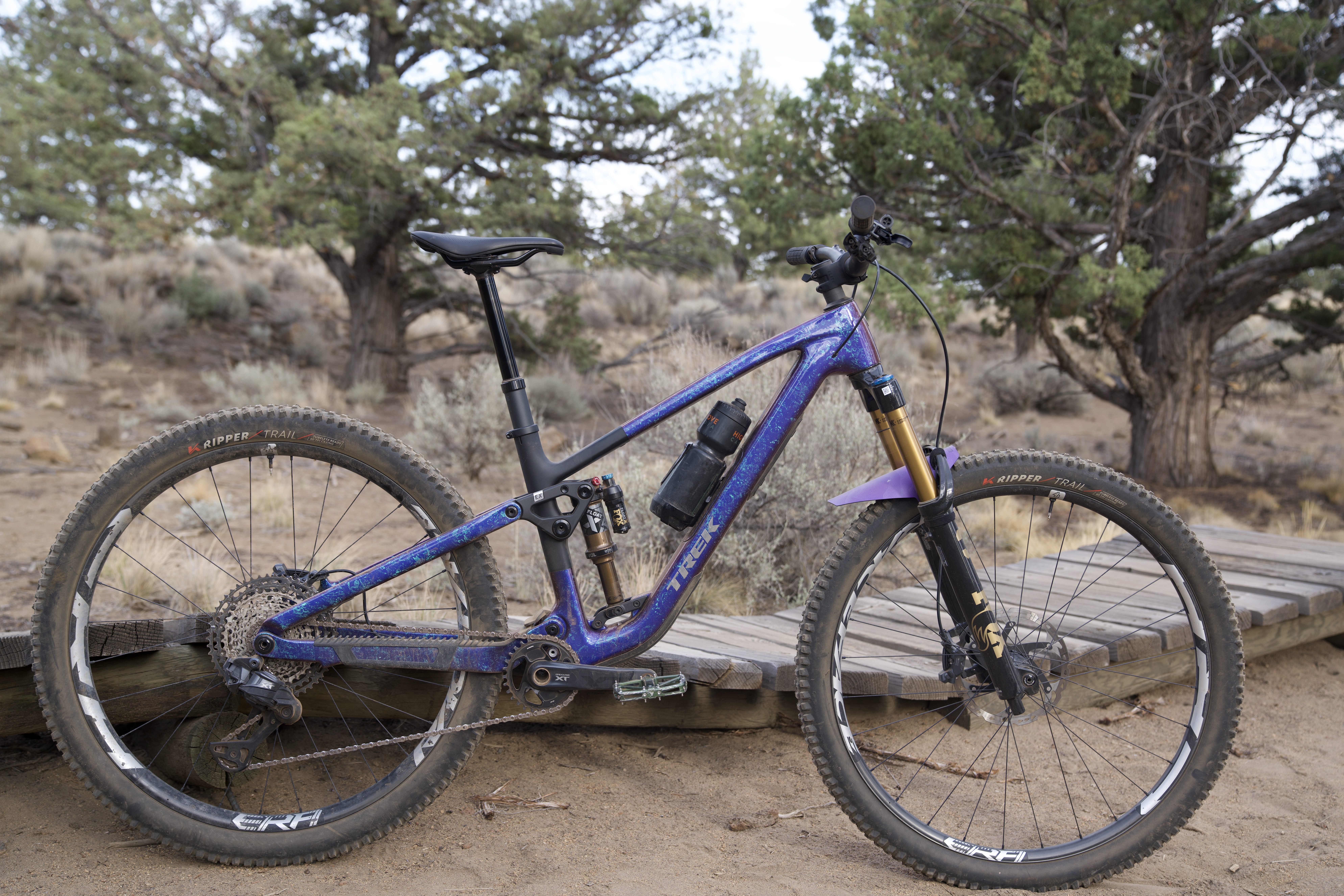
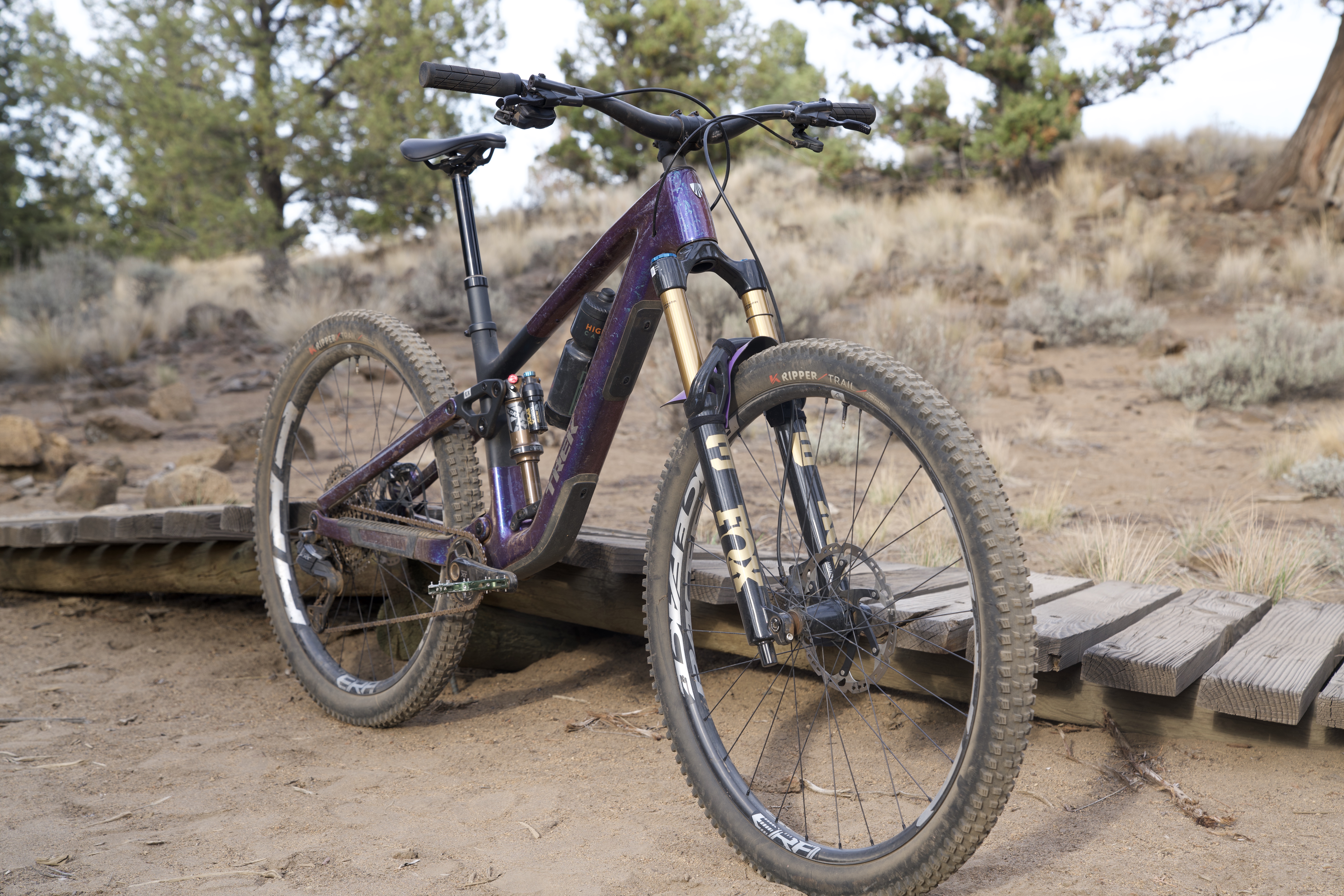
I’ve been running the 29×2.4 Ripper tires, front and rear, on a Trek Fuel EX for a handful of weeks now. When Kenda initially sent them out, they mentioned that I would “be surprised by the amount of grip.” Now, I mostly take a brand commenting on its own product with a grain of salt. But, that said, I am pleasantly surprised and pleased with the Rippers.
First, they roll fast. How fast? Well, significantly faster than the Maxxis Assegai/DHR (front/rear) combo I had on the Fuel before swapping to Kenda. I’ll address that in a bit. The tapered, ramped middle knobs cut through terrain efficiently while the side knobs are just low-profile enough to corner confidently but roll fast.
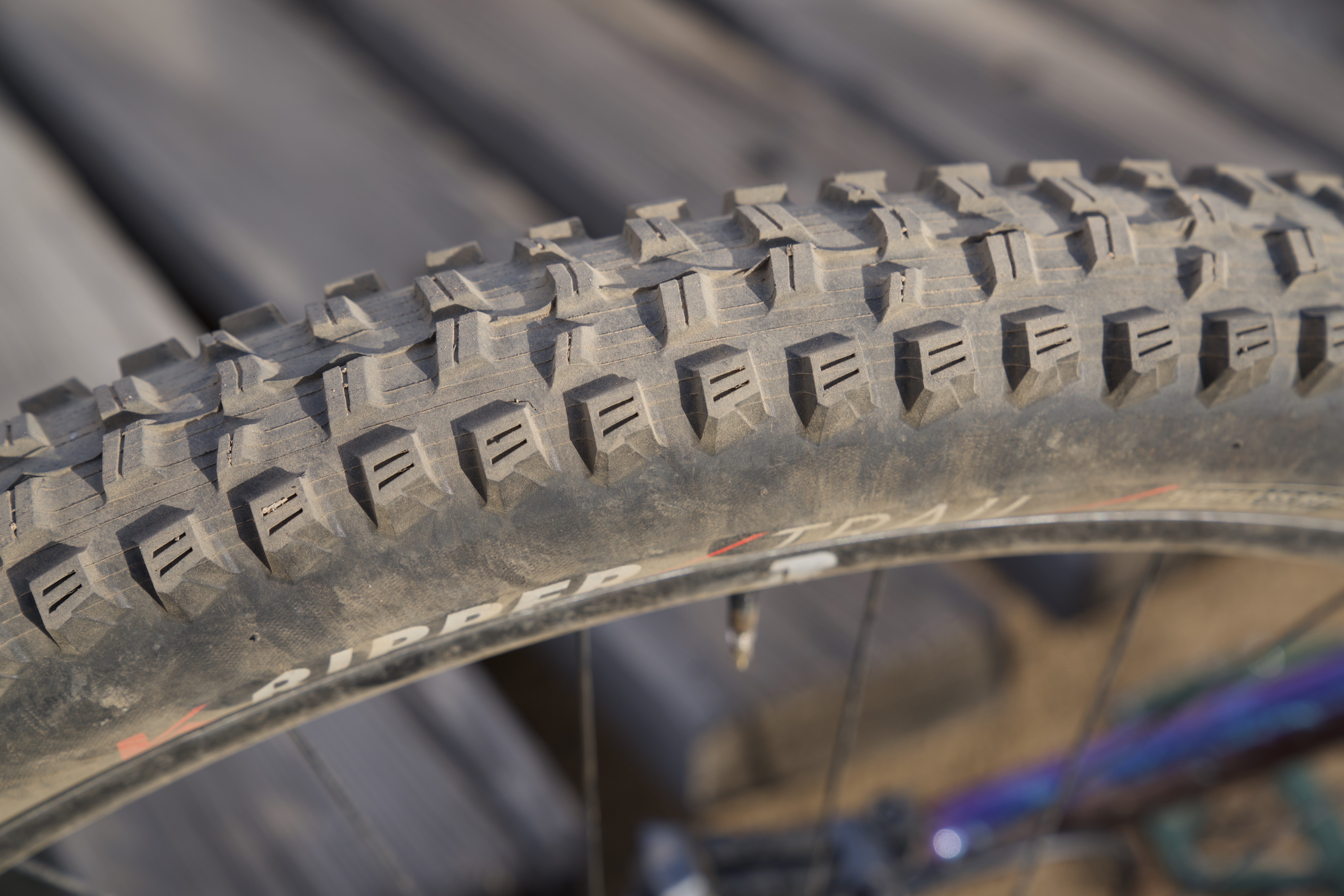
The Rippers also see less rolling resistance than what is likely a much better comparison: the Maxxis Dissector. I will also come back to that a bit later. For now, know the “fast rolling” claim is well founded.
Kenda’s grip claims hold up too. The Ripper doesn’t have the tallest knobs on a “trail” tire, but considering how fast it rolls, it provides quite a bit of grip. In the dry, relatively loose summer conditions I’m riding in, the Rippers provide plenty of traction.
They are also very predictable. The transition from the middle to side knobs is smooth and consistent, with no weird gaps or float zones in the traction. I assume this is due to the tapered spacing of the middle knobs. Lower knob surface area creates less resistance, but leaves awkward gaps in the tread. The tapered tread pattern balances low resistance with consistent ride feel.
Not surprised by a trail tire: braking and cornering
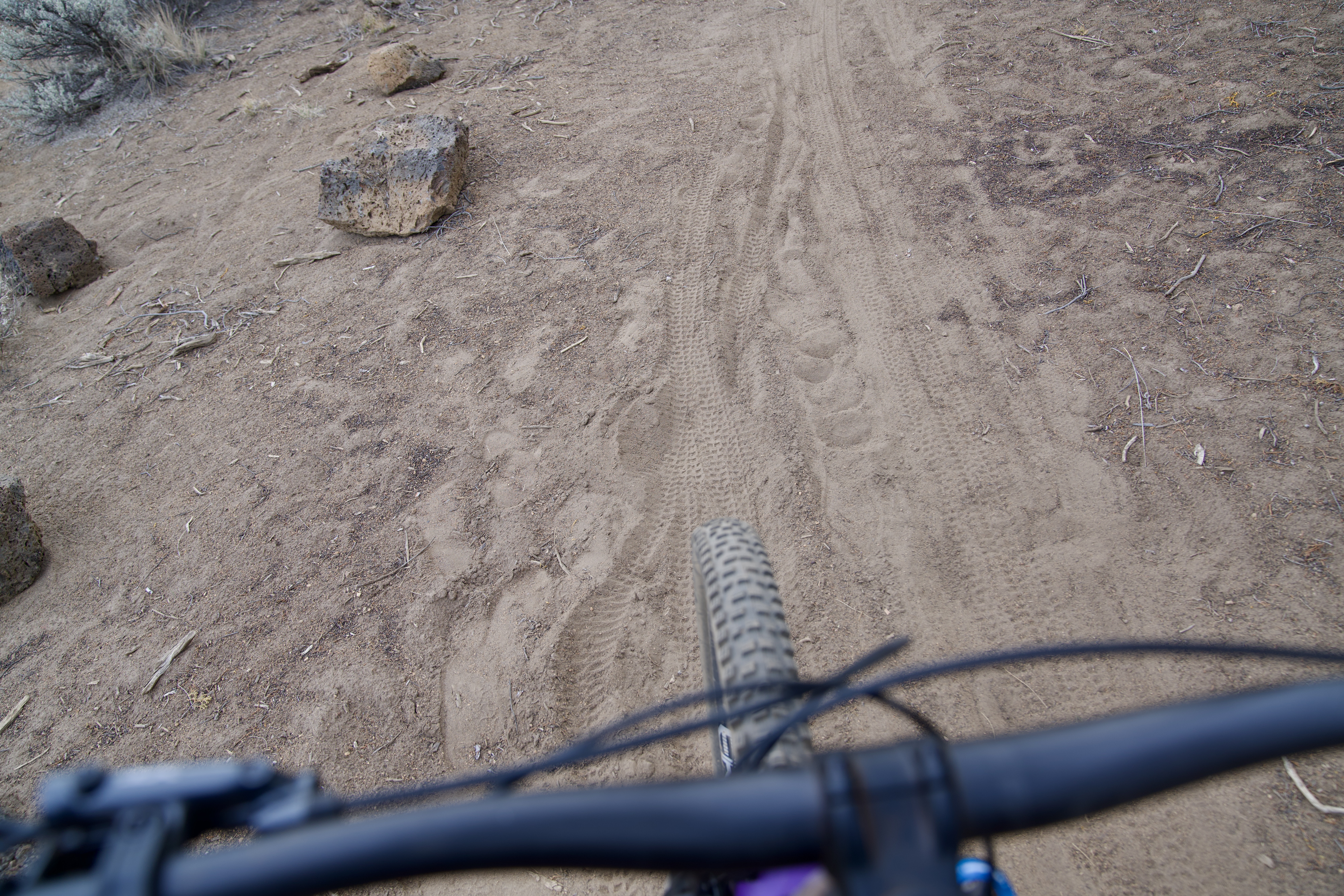
Obviously, tires are a game of compromise. Faster rolling means less grip and traction, and the Rippers are no exception. Ultimately, these tires don’t have the overall braking and cornering traction that I am accustomed to.
Now, this doesn’t surprise me. But the more that I ride them, the more that I realize that I often have an “apples-to-oranges” comparison when it comes to tires. As I mentioned before, the Rippers replaced a Maxxis Assegai and DHR — decidedly more aggressive tires. And, so, coming off of this combo, the Rippers may seem “less than” when considering grip and traction.
But it isn’t a fair comparison. No, the cornering, braking, and overall grip weren’t as robust as my standard Maxxis combo, but that combo is also commonly found on enduro and downhill bikes.
And trail bikes, too, apparently. (That said, the Trek Fuel EX originally had a DHF up front, which I promptly swapped for an Assegai because I don’t like the DHF.) We want “do-it-all” tires that can handle a trail ride or the bike park. But what I keep finding on my rides on the Rippers is that the bulky options I’ve used in the past are often too much.
“Less is more,” comes to mind. Or, maybe better yet, “Less is enough.” No, I’m not surprised by losing the front tire in sandy corners. Rather, I feel like I’ve tempered my expectations more regarding the Kenda Rippers.
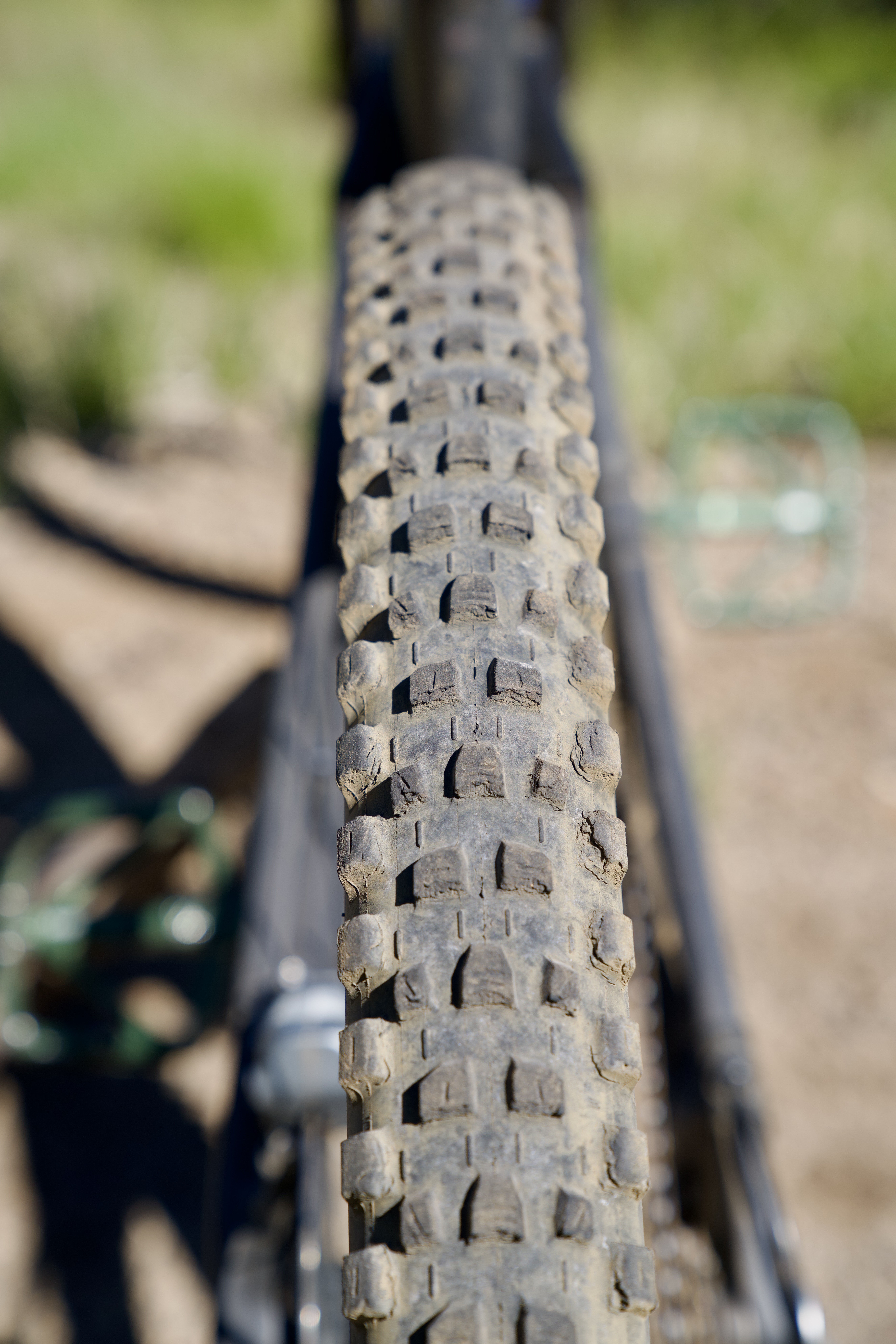
Now, a more appropriate comparison: the Dissector
Earlier this summer, I reviewed the new Maxxis Dissector, a tire I quite liked. It was also the first tire that came to mind during my time on the Rippers.
Here is a quick comparison: the Rippers roll significantly faster, but the Dissector beats the Ripper in grip and traction. This is likely due to the taller, more aggressive knobs on the Dissector — on both accounts.
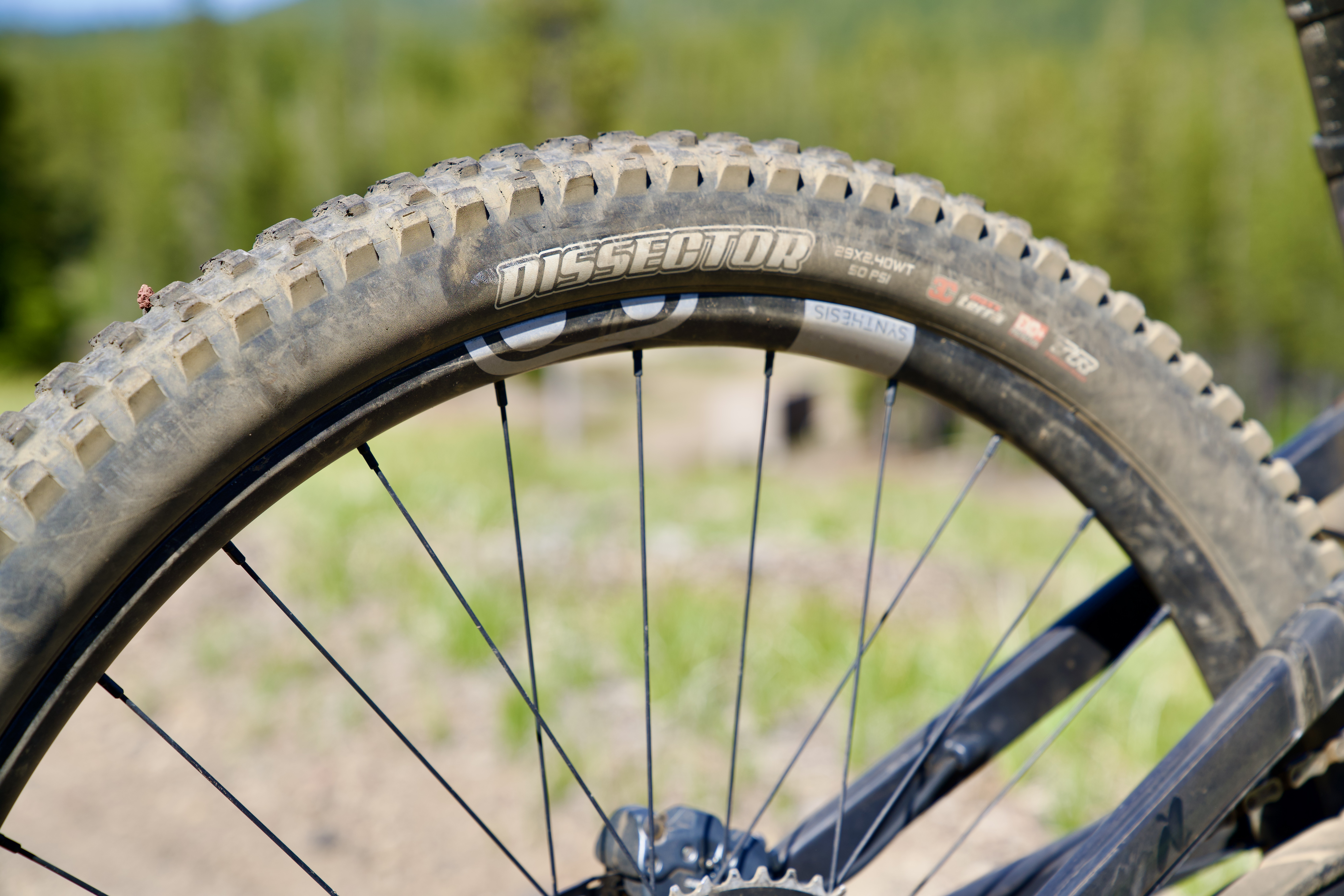
However, in the Bend, Oregon, soil I tested both on, the Kenda Rippers have the Dissector beat in one area: wet trails. The dirt here consists of a lot of volcanic ash, meaning that the trails can get quite a bit of moisture without becoming too muddy. A good amount of rain here often results in tacky, hero dirt.
And that Central Oregon hero dirt packed up during my time on the Dissectors. The tall, consistently spaced knobs held the soil in, which ultimately meant less grip. However, the lower-profile knobs of the Rippers shed the tacky dirt around here significantly better.
While the Dissectors have the Rippers beat on grip when it is loose and dry, the Rippers did better in Bend’s hero dirt.
Who are the Kenda Ripper tires for?
I can easily see multiple use cases for the Rippers, showing how versatile a tire in this category can be.
First, they work great as I’m running them — a front and rear offering on a mid-travel trail bike. They provide plenty of grip and really change the bike’s character, making it feel more lively and efficient.
Second, I could see the Ripper as a front tire on an XC/downcountry bike. I would pair it with a less aggressive tire, like the Dagger, on the back for a super-fast, efficient bike that can still get rowdy.
Lastly, it could easily be a rear-specific tire paired with something like the Kenda Double Black (front) on a long-travel trail or even an enduro bike. This is what I’m most excited to try next, and likely how I will run these tires in the future: keep things rolling quick while adding a bit more cornering grip on the front tire. That said, I would likely want to go up to the All Mountain casing option for the Ripper.
Share your Kenda Ripper review
Pros and cons of The new Kenda Ripper reminds us that, sometimes, less is more
Pros
- Fast rolling
- Quality grip
- Consistent mid- to side-knob transition
- K-Series casing name structure
- Easier on the wallet
Cons
- Braking traction
- Fewer options (compared to something like the Dissector)
Bottom line
My time on the Kenda Ripper tires has led me to a few conclusions, including that fast-rolling, “less aggressive” tires provide plenty of grip for summertime trail rides. And while they may have “less grip” than something like the Maxxis Dissector, other benefits, like the price tag, certainly make up for any shortcomings.
Keep up with the latest mountain bike news by adding Singletracks as a preferred source on Google.



0 Comments