


58 million acres of National Forest lands in the United States are currently protected under the 2001 Roadless Area Conservation Rule, better known as the “Roadless Rule.” In a nutshell, the rule protects this forest land from new road development, helping to keep some of our last wild and remote places just that — wild and remote.
Now, the Department of Agriculture (USDA) is proposing to rescind the Roadless Rule altogether, and this is your last chance to weigh in on the issue.
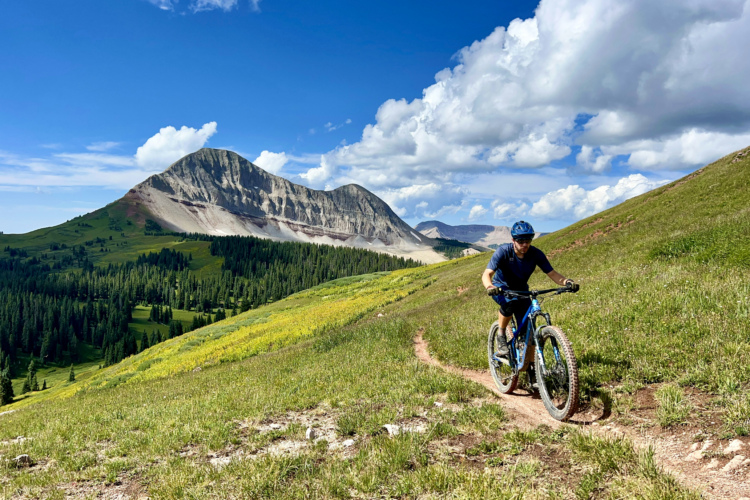
Trails in Pisgah, Eldorado, Tahoe, Tonto, and other National Forests could all be affected
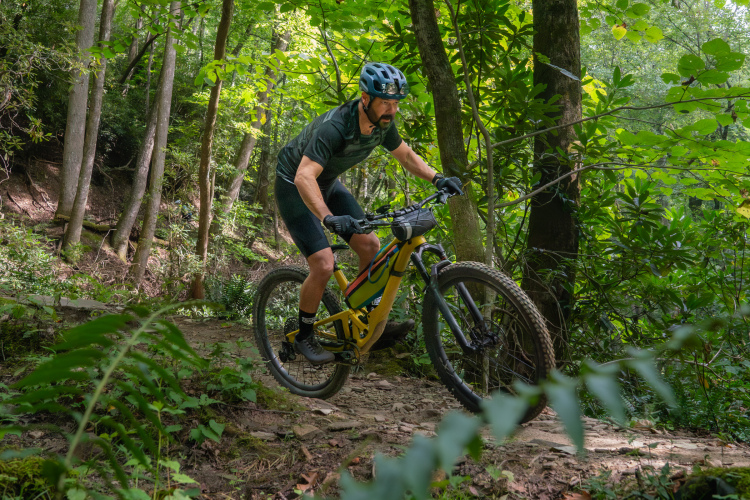
“I think that [Pisgah National Forest is] just a great example of one of the places that could have significant potential impacts,” Philip Darden, Executive Director of the Southern Off-Road Bicycle Association (SORBA), told Singletracks. “A lot of the trails that are considered ‘classic Pisgah’ fall within roadless areas.”
While trails in National Forests across the country could be affected if the Roadless Rule is removed, trail networks on the eastern side of the country could be especially impacted. National Forests, and public land for that matter, are much sparser in the eastern half of the country, so the proposed USDA changes are likely to have greater impacts.
Citizens can weigh in on three proposed courses of action. The first option is one of “no action” — maintain the existing Roadless Rule. Option two is the proposal from the USDA to rescind the Roadless Rule. The third option is to modify the existing rule — specifically the boundaries in place. Darden explained that this would allow new roads to be built in roadless areas as long as they are within half a mile of an existing road.
Option three also removes protections from areas that lie within “wildland-urban interface” zones. Simply put, these are National Forest areas in proximity to urban areas.
“Pretty much every single acre of National Forest land in the southeast is within that wildland-urban interface,” Darden said. “So for us, option three is the same as just completely removing [the Roadless Rule].”
Is wildfire mitigation the main concern?
The USDA proposal to rescind the Roadless Rule focuses on wildfire mitigation. “Substantial acreage within potentially affected inventoried roadless areas has a relatively high likelihood of burning under high-intensity conditions that are difficult to manage or could pose a risk to communities, infrastructure, or drinking water sources. Rescinding the 2001 Roadless Rule would increase opportunities for hazardous fuel treatments in the wildland-urban interface […].”
“If you read the Roadless Rule as it’s written, there are already measures put in place in the rule that help combat wildfire,” Darden said. And many of these areas already have roads that provide access to the forests. The Roadless Rule protected these areas from new roads — it didn’t address existing roads.
Rather, it seems that perhaps the lion’s share of the reason for rescinding the Roadless Rule is to provide greater access for logging and mineral extraction opportunities in roadless areas. It looks to be the same rhetoric used last year when we reported on the notice of intent issued by the USDA to rescind the rule.
This is combined with a move to “return land management decision-making for inventoried roadless areas to local Forest Service officials.” Essentially, the USDA and the current administration want to eliminate federal restrictions and return authority to individual Forest Service districts. We saw similar moves with changes to the NEPA process a few months ago.
SORBA created a Roadless Rule page on its website with extensive information and interactive maps showing roadless areas. Those looking to submit a comment need to do so by September 21.
The news stinks. Why not follow Singletracks on Google News to bring more joy to your day?



0 Comments