
Yesterday, European bike conglomerate Accell Group announced that the company has initiated
local insolvency proceedings in the Netherlands. The company, which claims to be “the European market leader in e-bikes and second largest in bicycle parts and accessories,” is “no longer able to meet its financial obligations.”
Accell Group operates multiple bike brands
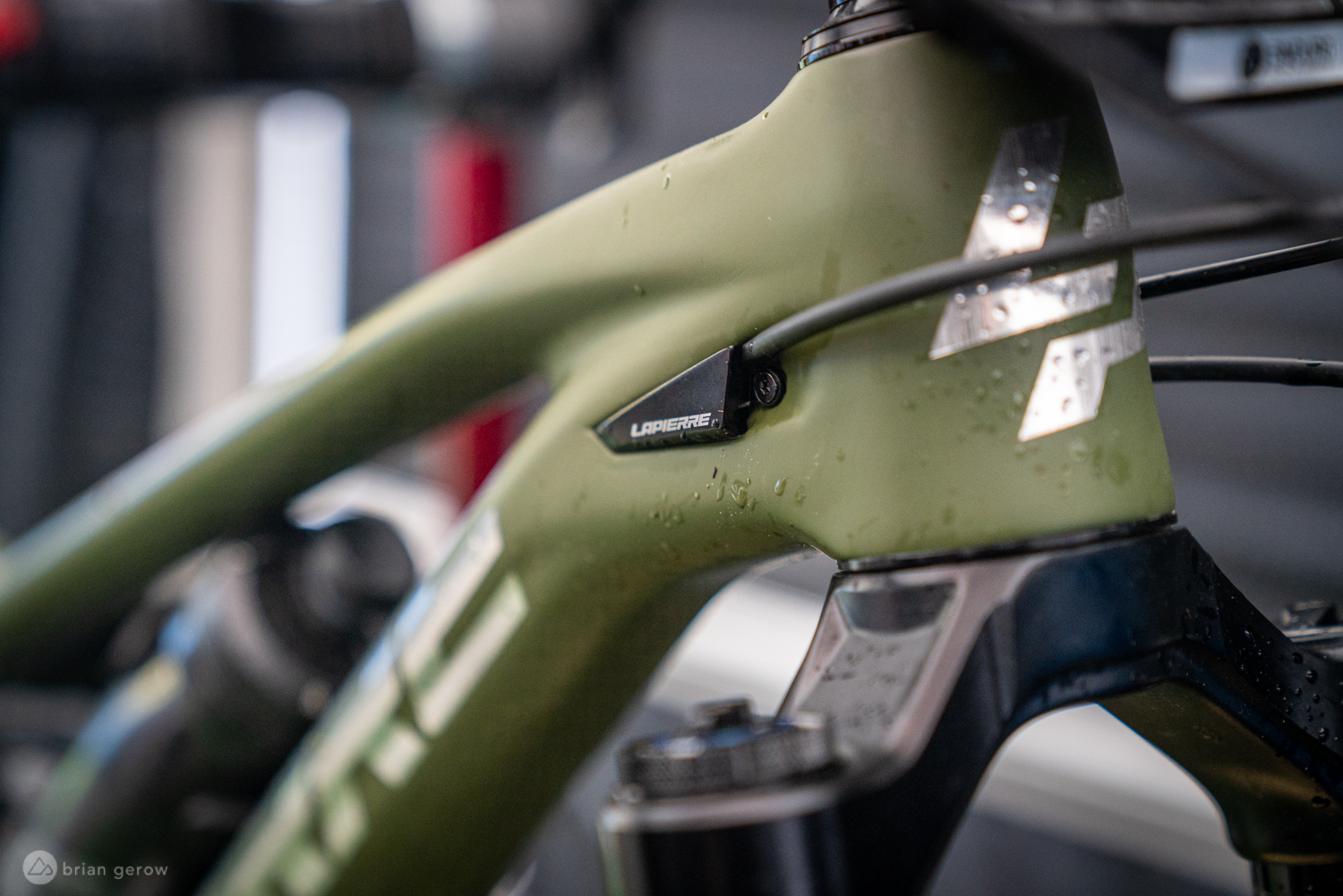
Though Accell Group might not be a household name, many of their bike brands are well known to riders. Accell owns LaPierre, a French bike brand known for high-end mountain and road bikes. LaPierre sponsors a World Cup cross-country team, Lapierre PXR Racing, which counts elite mountain bike racers Anne Terpstra, Olympian Anton Cooper, and recent Swiss National Champion Nicole Koller among its roster. It’s unknown if or how the recent filing will affect the team going forward.
On the e-bike side, Accell has the Haibike brand, which offers relatively affordable but also very high-end electric mountain bikes. In fact, Haibike was one of the first to develop an eMTB in the early 2010s.
Ghost is another Accell brand known for electric bikes, having gotten its start in the 1990s as a German mountain bike brand. In the 2010s, Ghost made a big push into the US thanks to a distribution deal with REI.
Long-time mountain bikers might also know another Accell brand, Raleigh. Though mostly associated with department store bikes today, Raleigh got its start in 1885, making it one of the world’s oldest bike brands. Accell acquired the Raleigh brand in 2012.
A turbulent run that began well before Covid
Though many bike brands faced challenges due to Covid beginning in 2020, Accell has had a turbulent run stretching back to at least 2017. That year, the firm rejected a takeover offer from the Netherlands-based Pon Holdings, the owner of the Santa Cruz, Cannondale, and OneUp brands. Accell also lost a key contract to sell bikes through Dick’s Sporting Goods in North America in 2017, causing financial strain within the division.
In 2019, Accell Group sold the Redline and Diamondback brands in order to restructure its North American business. Then, in 2022, Accell Group was acquired by Kohlberg Kravis Roberts & Co., an investment firm headquartered in New York City. By 2023, the company was suffering like many others from an industry downturn.
Insolvency doesn’t mean this is the end for Accell bike brands
In a prepared statement posted on the Accell Group website, CEO Jonas Nilsson wrote, “This is a deeply sad and frustrating situation given all the hard work and everything we have achieved, with the support of shareholders and lenders, to restructure Accell’s operations and finances. It is an especially difficult moment for our employees, creditors, customers, suppliers, and partners. Every realistic option for the future of the business has been tirelessly explored, and none have resulted in a solution to continue the Group in its current form.”
He continues, “Our immediate focus is to support an orderly process, provide clarity wherever possible, and work with the relevant court-appointed administrators to preserve viable activities and employment where circumstances allow.”
Accell Group is one of many bike companies to face insolvency over the past two years as the industry struggles with an oversupply of inventory and flagging consumer demand. In 2025, YT entered a “self-administrated legal restructure” due to financial struggles. And just this year, Knolly went into receivership in Canada and Lynskey filed for Chapter 11 bankruptcy protection in the US.
Keep up with the latest mountain bike news by adding Singletracks as a preferred source on Google.



0 Comments