

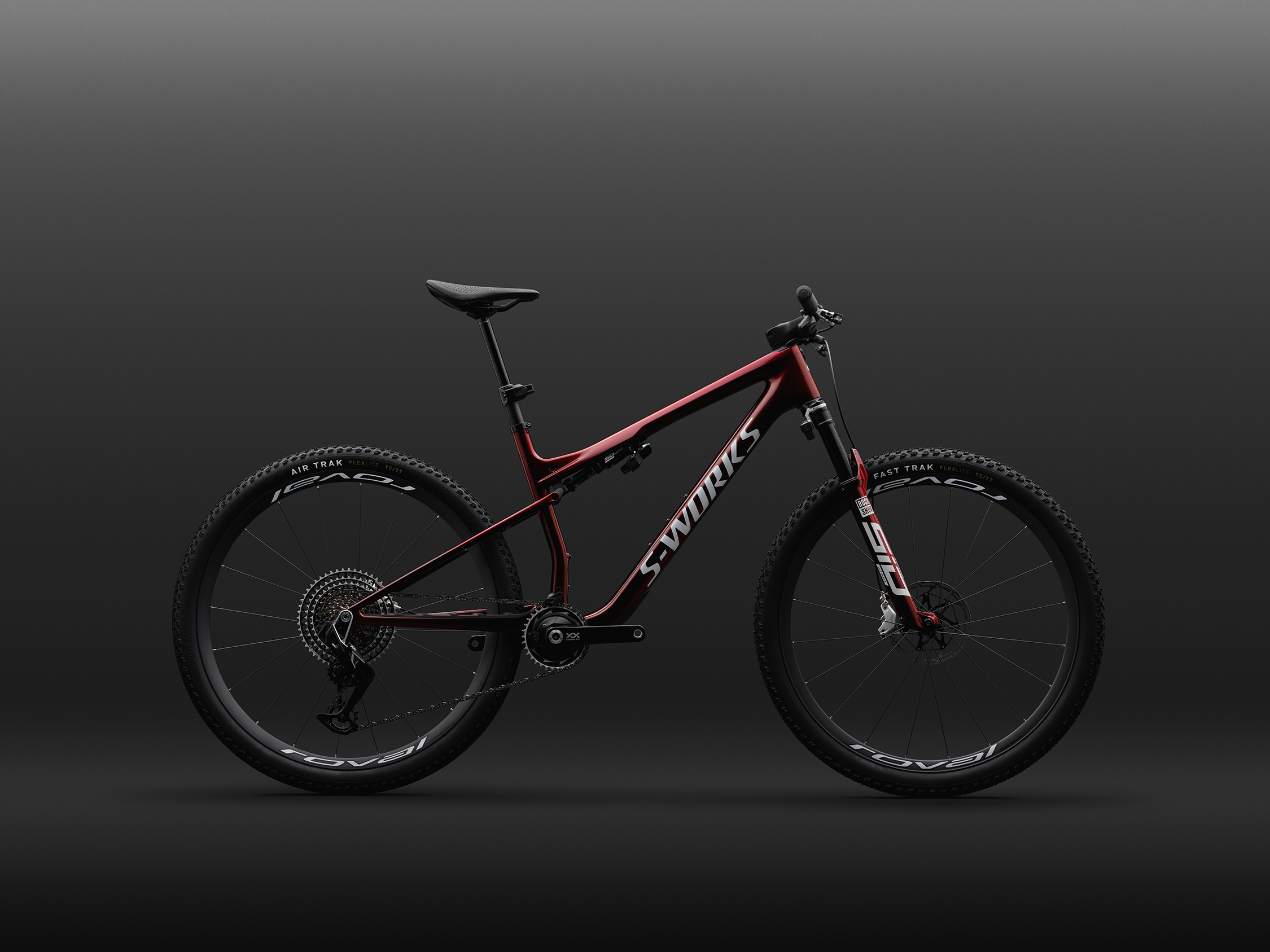
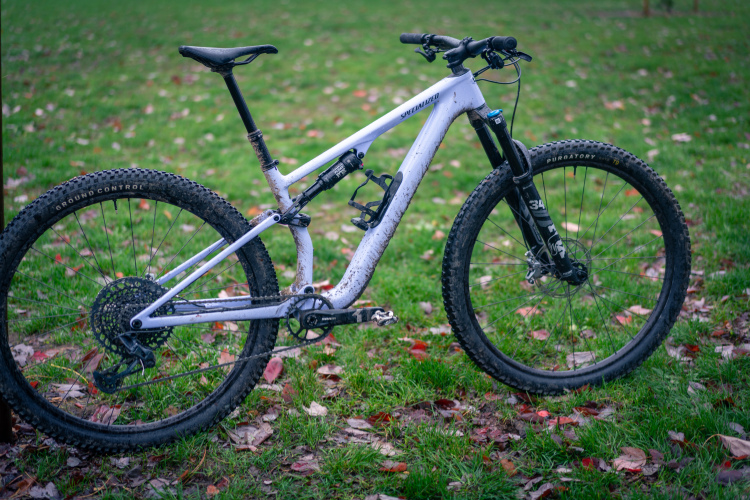
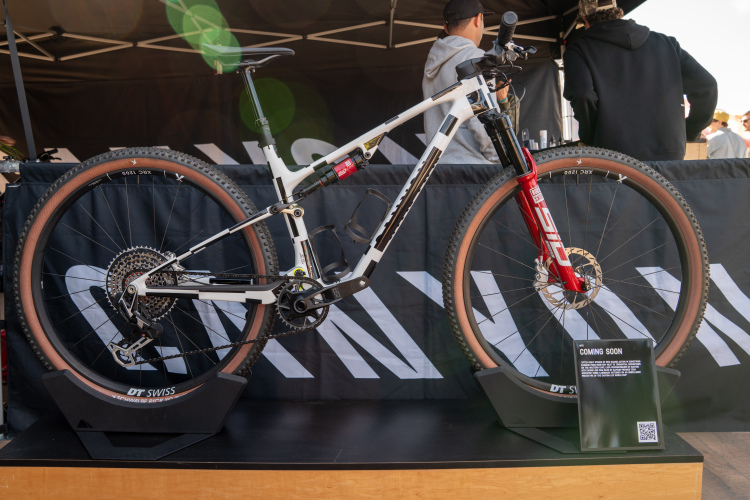
If you want to know where cross-country mountain bike designs are headed, just take a look at the new Specialized Epic 9, which launched today. The XC race bike, piloted by current XCC and XCO World Cup overall title holder Christopher Blevins, is lighter than ever before… but not as light as it could be. Specialized trimmed weight by eliminating a popular frame feature while hanging onto slightly heavier tech that makes riders faster. They also updated the kinematics to improve efficiency and performance.
World’s lightest full-suspension mountain bike frameset
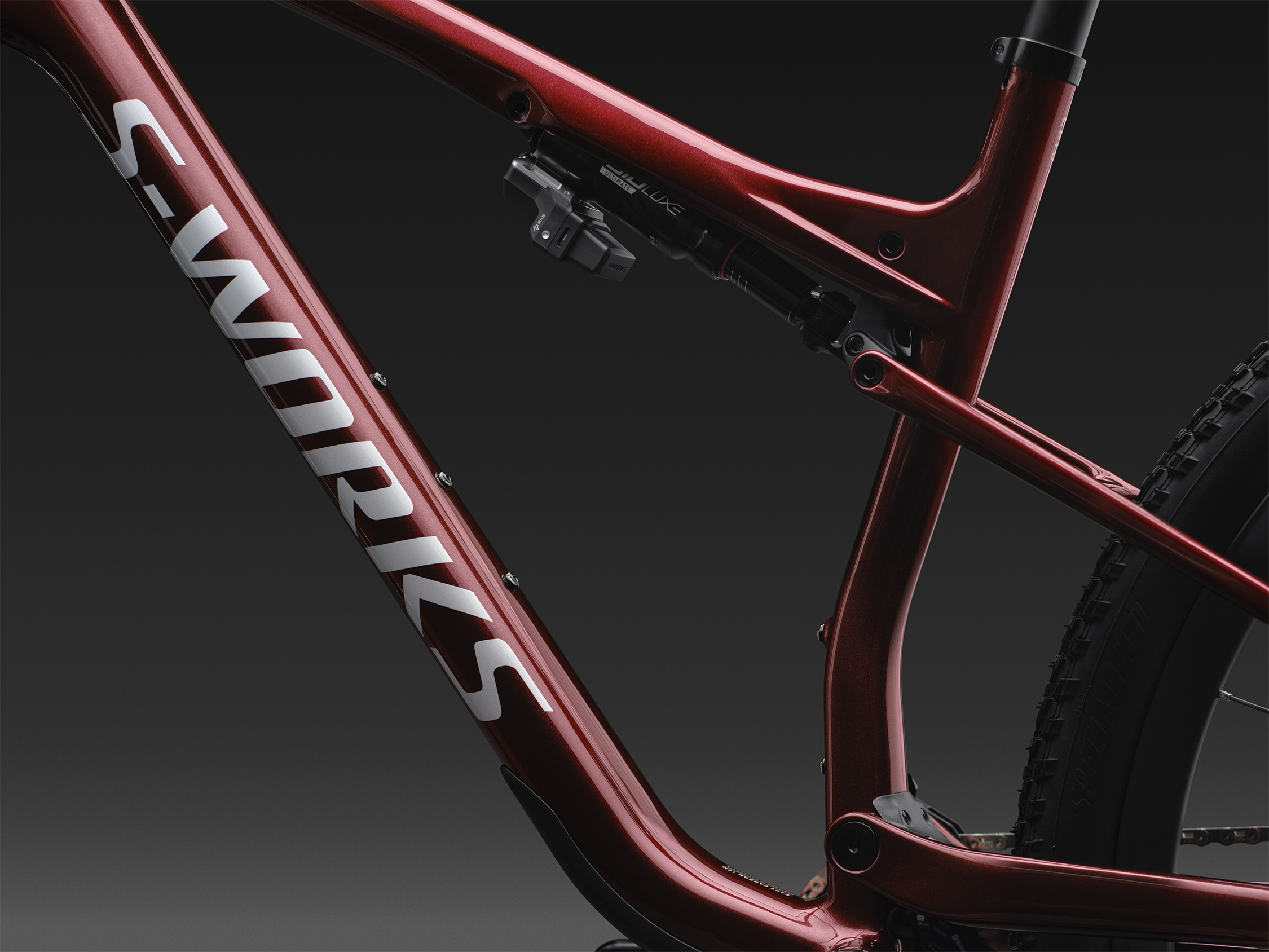
The new Specialized Epic 9 frameset is said to weigh just 1,589g, making it more than 100g lighter than the previous title holder, the Cervelo ZFS-5. The Epic 9 dropped 179g off the Epic 8, and the team says they achieved this “through full-frame FEA optimization and obsessive gram-saving design.” However, it’s likely the bulk of that savings came down to one simple change: the elimination of in-frame storage.
Specialized tells us 110g of the 179g total weight savings comes from the front triangle alone. That’s where the downtube in-frame storage feature, known as SWAT, was located on the Epic 8. It’s an obvious place to save weight; in fact Singletracks pointed this out when the Epic 8 was first released in 2024. “They’ve also added a SWAT box (read: downtube storage), which is a little surprising since the feature surely adds weight and this is an XC bike,” Matt Miller wrote then.
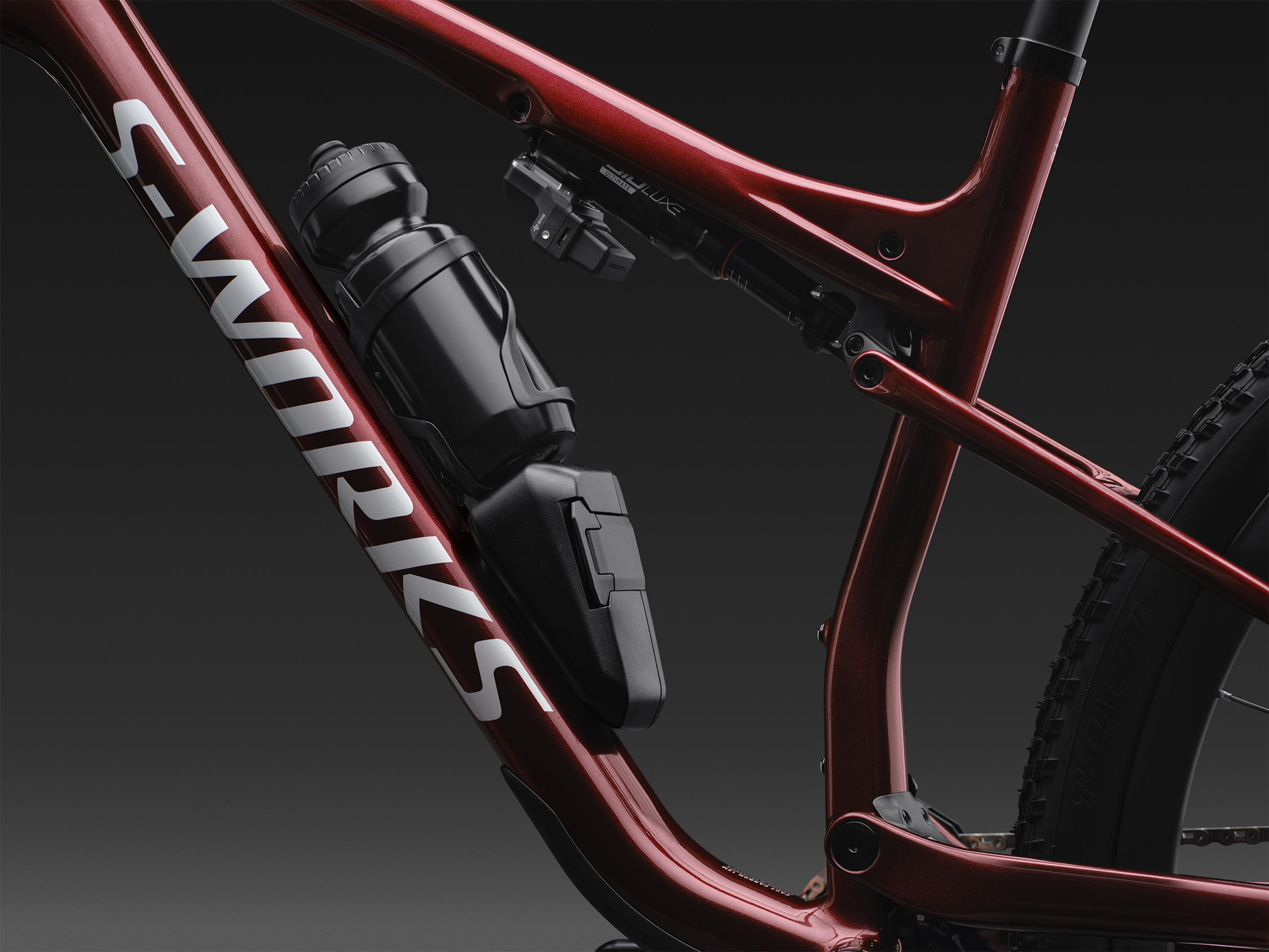
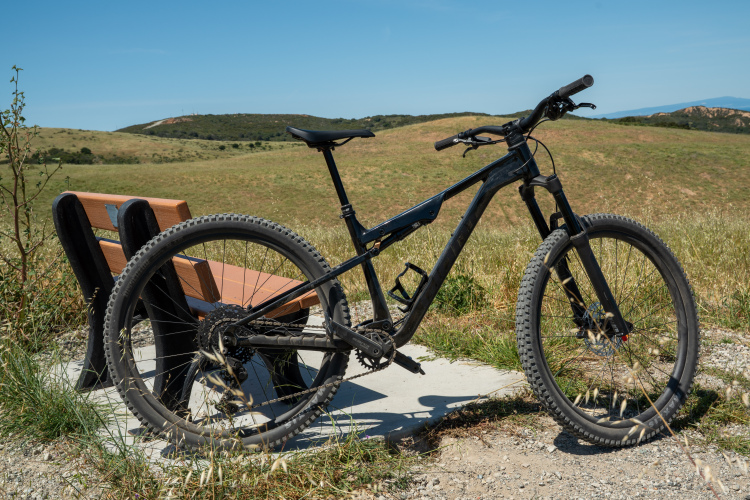
So in-frame storage is gone, which makes perfect sense. While convenient, the feature certainly doesn’t make a bike any faster unless you count aerodynamics. (And to be clear, no one is.) The Specialized Epic 9 uses the brand’s external SWAT storage system, which is essentially a toolbox you can optionally mount to the frame with traditional bolts.
The remaining 69g of weight savings comes from lighter linkage hardware (10g) and reduced carbon tube wall thicknesses in key areas.
It’s not just about weight
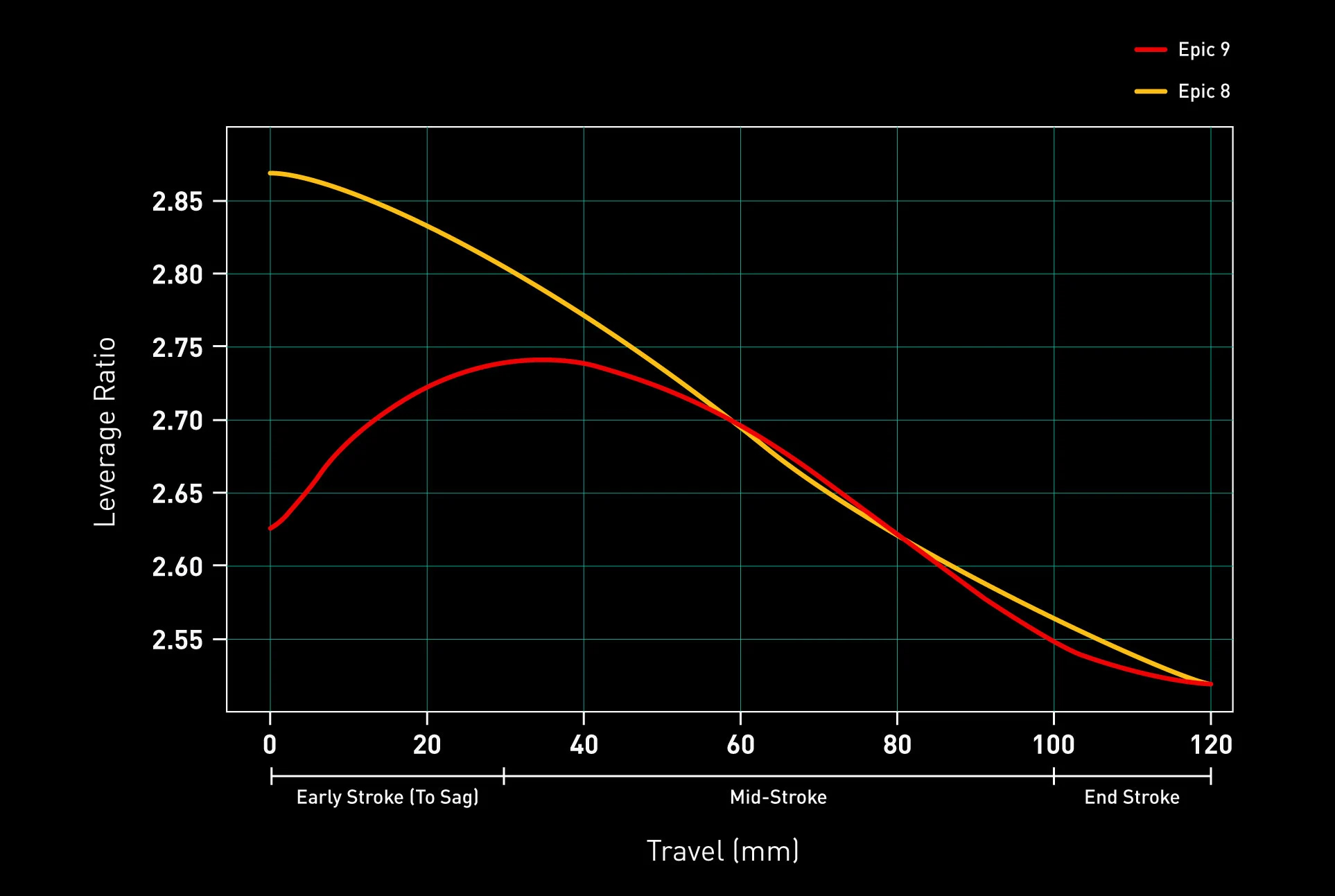
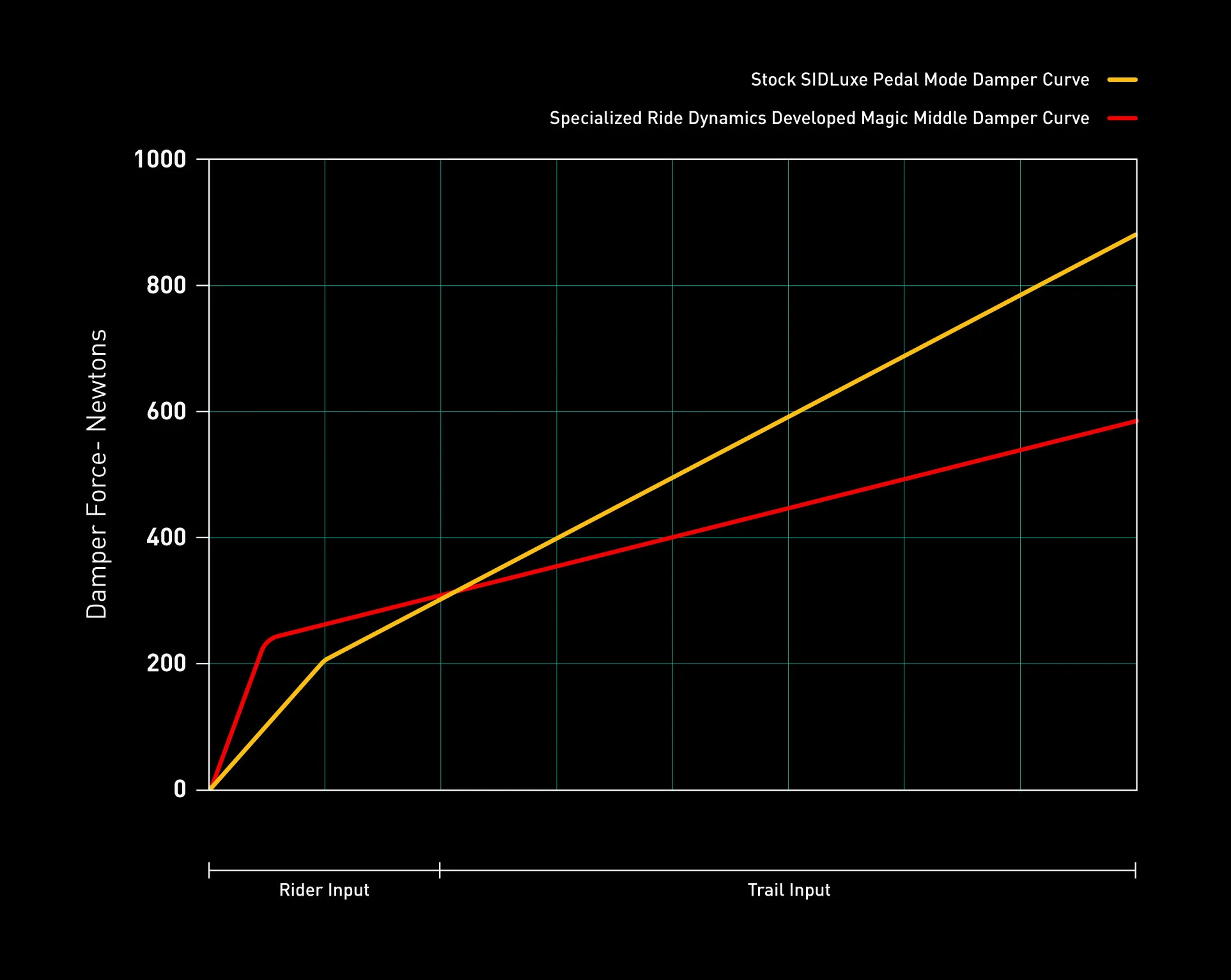
Specialized claims the new Epic 9 cross-country race bike, with 120mm of suspension travel front and rear, sees 11% less suspension friction than the Epic 8 and lower leverage at sag, promising a more efficient pedaling platform. As you can see above, the kinematics, and in particular the leverage curve, are dramatically different.
Like the Epic 8, the Epic 9 features a shock with three settings: Wide Open, Magic Middle, and Sprint‑On‑Lock. The latter setting is reserved for starts and finishes and paved transitions. Altogether, the updates promise a more efficient bike both up and down the mountain.
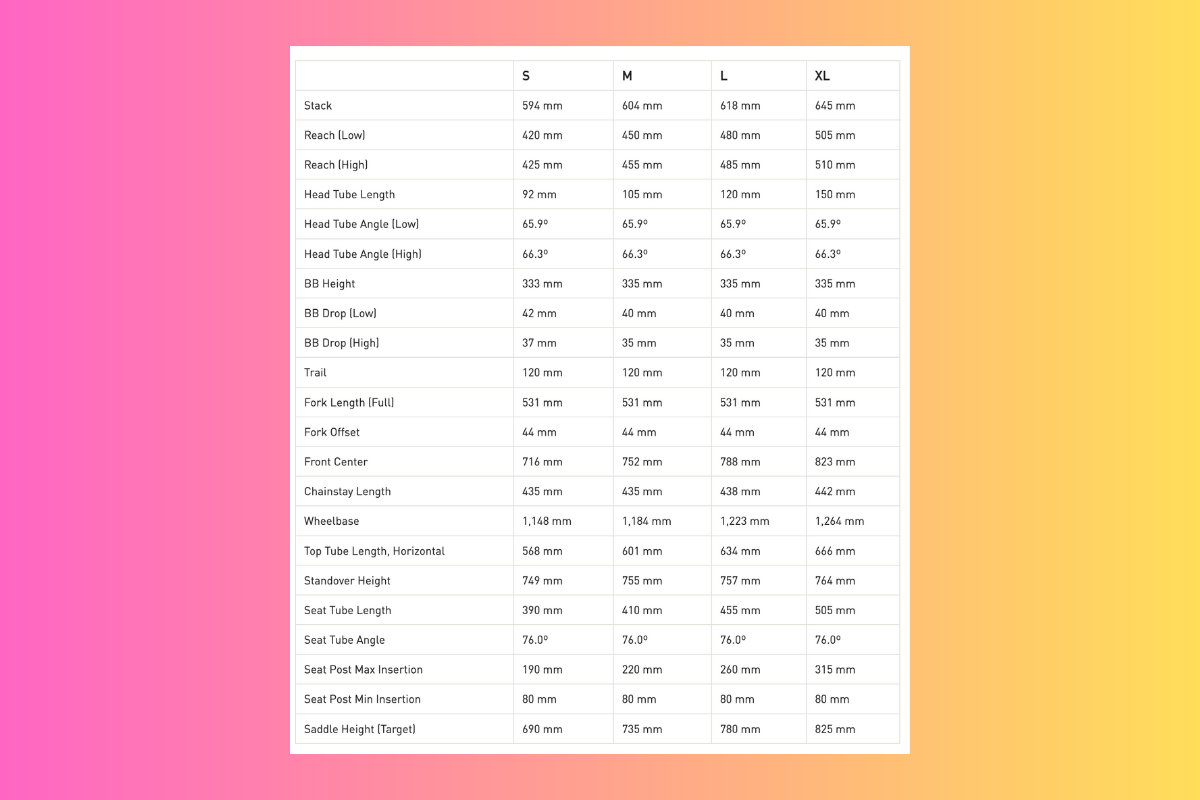
The geometry sees only minor changes, with a slightly higher bottom bracket height that can be lowered via flip chip and taller stack heights for size large and extra large frames. Chainstay lengths vary based on frame size, from 435mm to 442mm.
Specialized has a new Ultralight build option
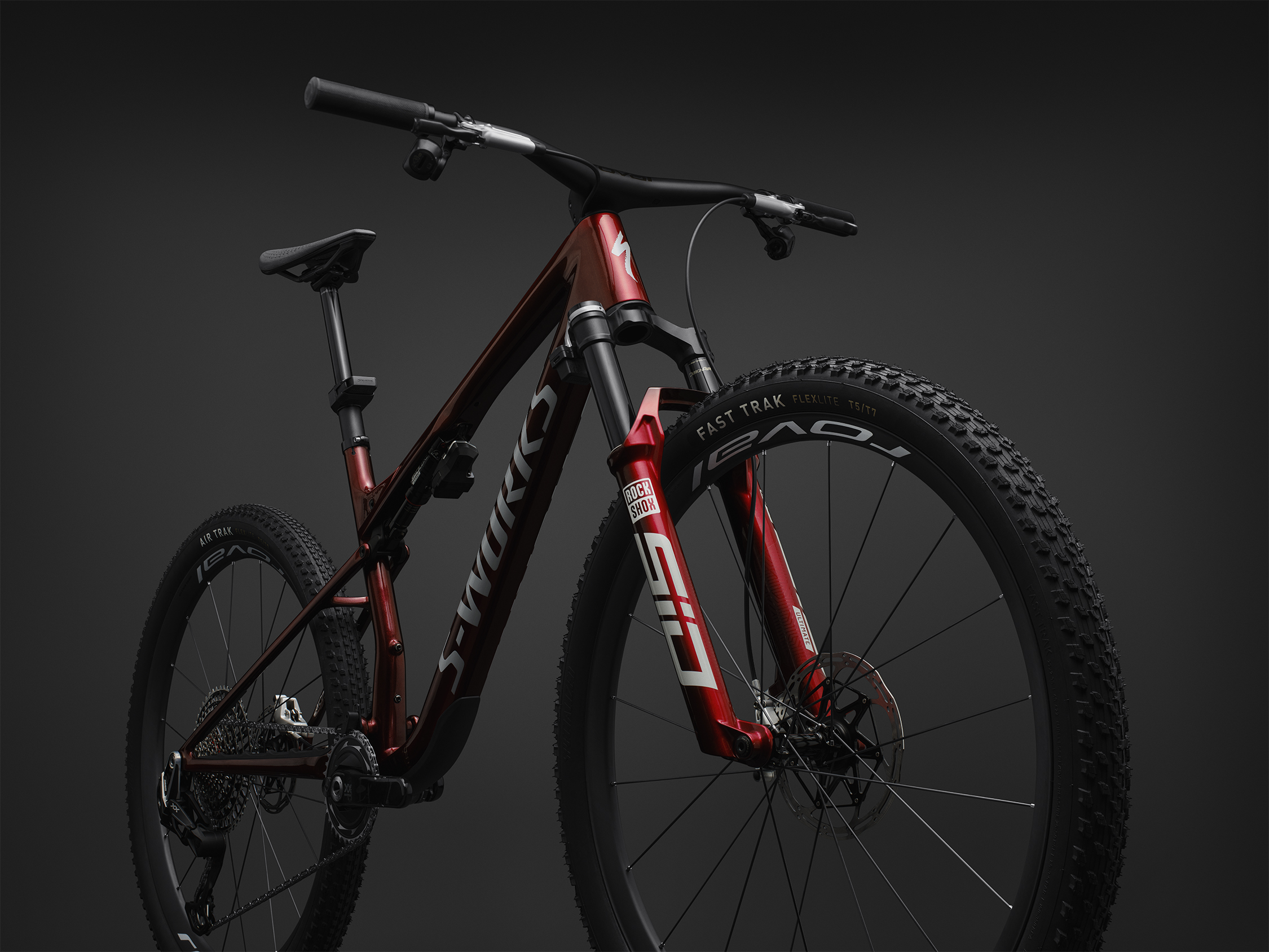
With the release of the Epic 9, Specialized is bringing all of the Epic builds under a single banner. Previously, Epic World Cup builds were offered as shorter-travel, lighter-weight, elite-race worthy alternatives to the Epic 8 builds. The new Epic 9 gets the same tucked rear-shock design as the Epic World Cup but offers more travel — 110mm or 120mm, depending on the build.
For the Epic 9 release, Specialized is introducing a new build designation, the Specialized S-Works Epic 9 Ultralight Limited, which is a mouthful despite economizing on weight. The build comes with lightweight two-piston Trickstuff Piccola brakes and unlike the standard S-Works, it doesn’t include the RockShox Flight Attendant electronic suspension system or a wireless electronic dropper post. The upshot is a bike that weighs 19lb, 1.5oz, more than a pound lighter than the Epic World Cup it presumably replaces.
Specialized is betting that some riders will be willing to give up a little brake power and battery-enhanced suspension and dropper posts for a lighter bike. Would riders opt to save even more weight with a lighter mechanical drivetrain? Perhaps we’ll never know since SRAM is axing the XX1 mechanical groupset.
In yet another nod toward the performance over weight calculation, the Epic hardtail appears to be on the way out, if it’s not already gone.
Pros are seeing a need for more rear travel
The Epic 9 Ultralight, with 110mm of rear suspension travel, seemingly replaces the Epic World Cup, which offered just 75mm of rear suspension travel. This suggests that elite-level riders are demanding a minimum baseline of rear travel that’s significantly higher than it has been in the past.
Despite hearing from multiple brands and even some pro XC racers about the benefits of 32-inch wheels, it should be noted that the Epic is not changing wheel sizes at the moment. Given the two-year gap between the release of the Epic 8 and Epic 9, it’s unlikely we’ll see a 32er Epic anytime soon.
There’s no Epic 9 EVO (yet)
When the Epic 8 was announced in March, 2024, Specialized also announced the Epic 8 EVO, which bumped the front suspension to 130mm. This time around, there isn’t an EVO version of the Epic, though we wouldn’t be surprised to see one eventually. The Epic EVO 8 filled an important gap between the Epic and Stumpjumper trail bike, essentially a downcountry offering, pairing a 130mm fork with the Epic’s 120mm of rear suspension travel.
Even pricing is epic
The top-of-the-line Specialized S-Works Epic 9 is priced at $15,250. That’s about $750 higher than the S-Works Epic 8 was priced when it launched, though the price of the Epic 8 eventually rose to $14,999. The S-Works Epic 9 Ultralight weighs a full two pounds less than the S-Works Epic 9, and is actually cheaper too, at $14,500. A frameset, including the shock and necessary hardware, is priced at $7,000. Builds start at $7,500.
The news stinks. Why not follow Singletracks on Google News to bring more joy to your day?

3 Comments
Apr 28, 2026
One thing I haven't seen discussed for racing: getting into the in-frame storage and pulling out your tools and tubes is such a pain in the ass, and it takes forever. If a racer actually needs to get and use their tools during a race, I think they'd want it externally accessible for pure speed.
May 5, 2026
At least where I live, endurance racing is the most popular form of mtb racing and it makes sense to optimize for water storage. Water is the heaviest and most difficult thing to carry in a long race and I want it off my body as much as possible. The stuff that would go in a frame box is much lighter and can easily go in the jersey pocket or on a gear strap.
I think my Rocky Element does it right, svelte tubing, room for TWO 950ml bottles in a L, and an extra set of top tube bosses for tools/accessories.
Apr 28, 2026