

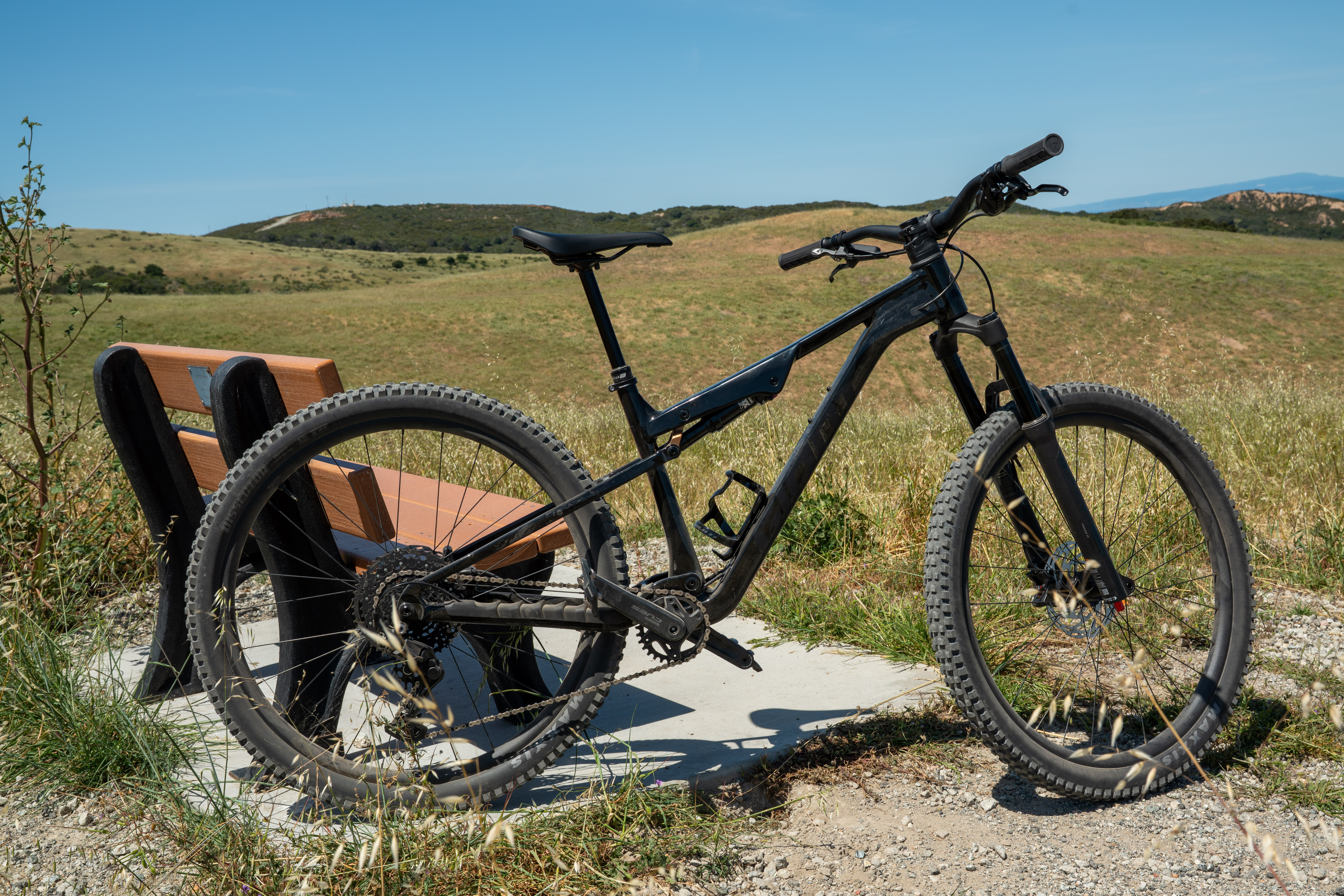
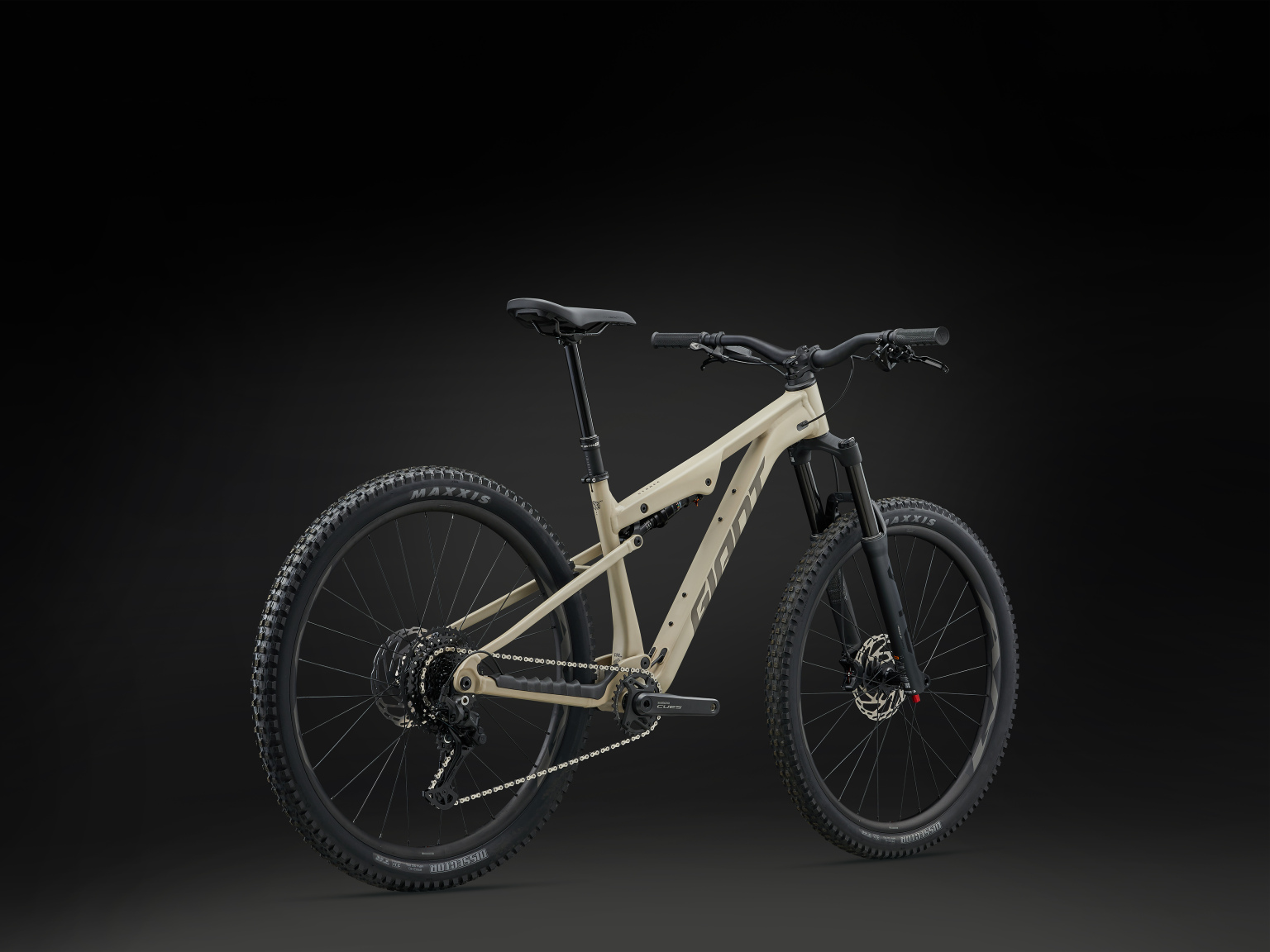
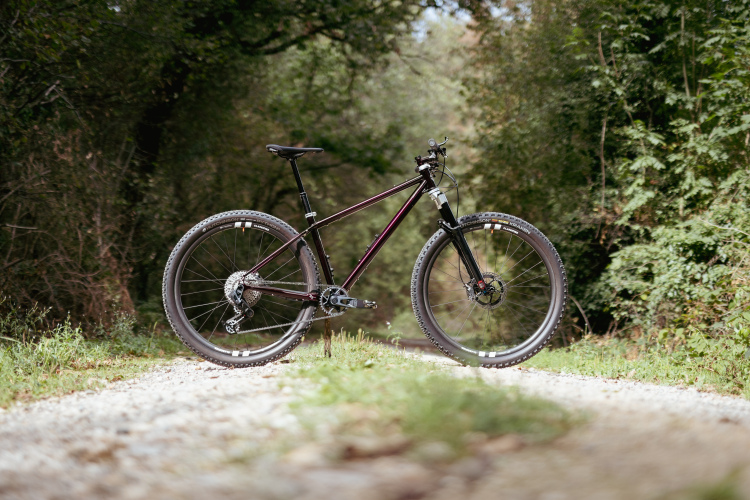
While high-end bikes only continue to grow more expensive, we’re seeing substantial progress on making high-quality mountain bikes accessible to riders without a six-figure salary. The latest installment in the affordable trail bikes market is the $2,200 Giant Stance.
The Stance has just been updated for US buyers after eight long years, and the current version offers 130mm of rear travel and 140mm up front while rolling on 29” wheels. Not content to just read stats online, I took a Stance out for a 13-mile test ride on the Fort Ord Trails in Monterey, California, during the Sea Otter Classic.
Giant Stance key specs
- 130mm rear travel, 140mm front travel
- Aluminum frame
- 29″ wheels
- 1×10 drivetrain, dropper post
- Geometry highlights: 65° head tube angle, 454mm reach (size medium), 442mm chainstay length
- Price: $2,200
- Buy from Giant dealers
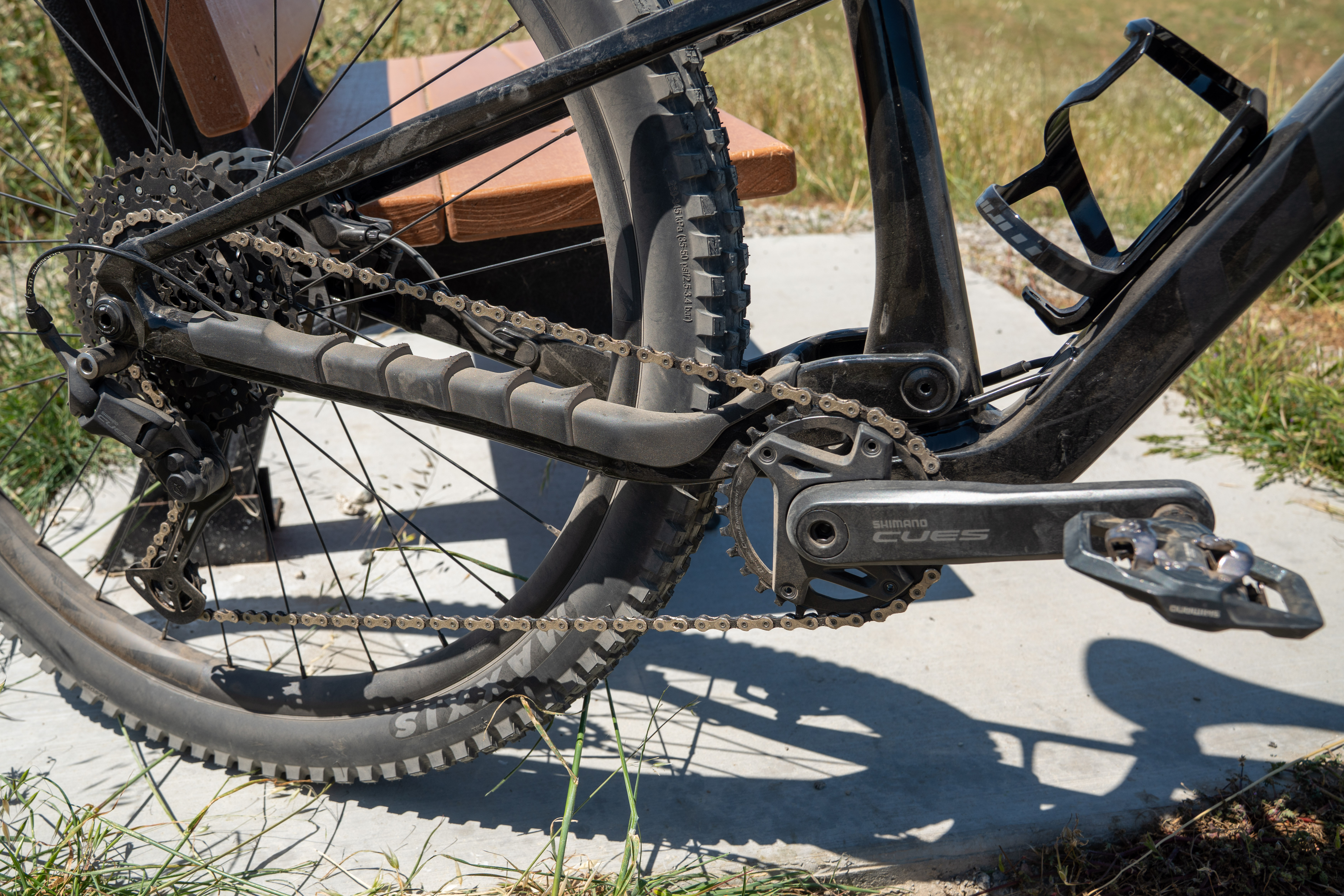
Giant Stance build kit and geometry
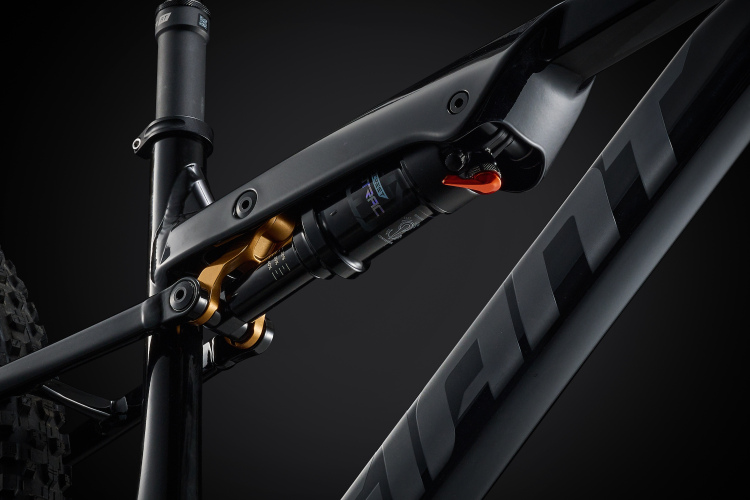
Up front, the Stance runs a Giant STL 34 fork with a twin air spring, self-equalizing negative air spring, hollow arch, integrated mud guard, and token tunability. The Giant Crest rear shock also uses a twin-air spring with open and lockout compression modes, though US-bound bikes get a Fox Rhythm rear shock instead, to comply with the Withhold Release Order imposed on Giant by US Customs and Border Protection late last year.
The build kit also includes four-piston Tektro brakes, a Giant Contact Switch AT dropper seatpost with different travel lengths depending on size (140-170mm size medium), 29×2.4″ Maxxis Dissector tires, and a 1×10-speed Shimano CUES drivetrain. The frame is UDH-compatible for future drivetrain upgrades.
Share your Giant Stance review
While the Stance retains Giant’s FlexPoint suspension tech, this iteration features a totally new shock orientation that tucks the shock beneath the top tube, creating a sleeker look and room for two water bottles inside the front triangle. The linkage-driven, single-pivot design relies on flexstays to save weight and reduce maintenance.
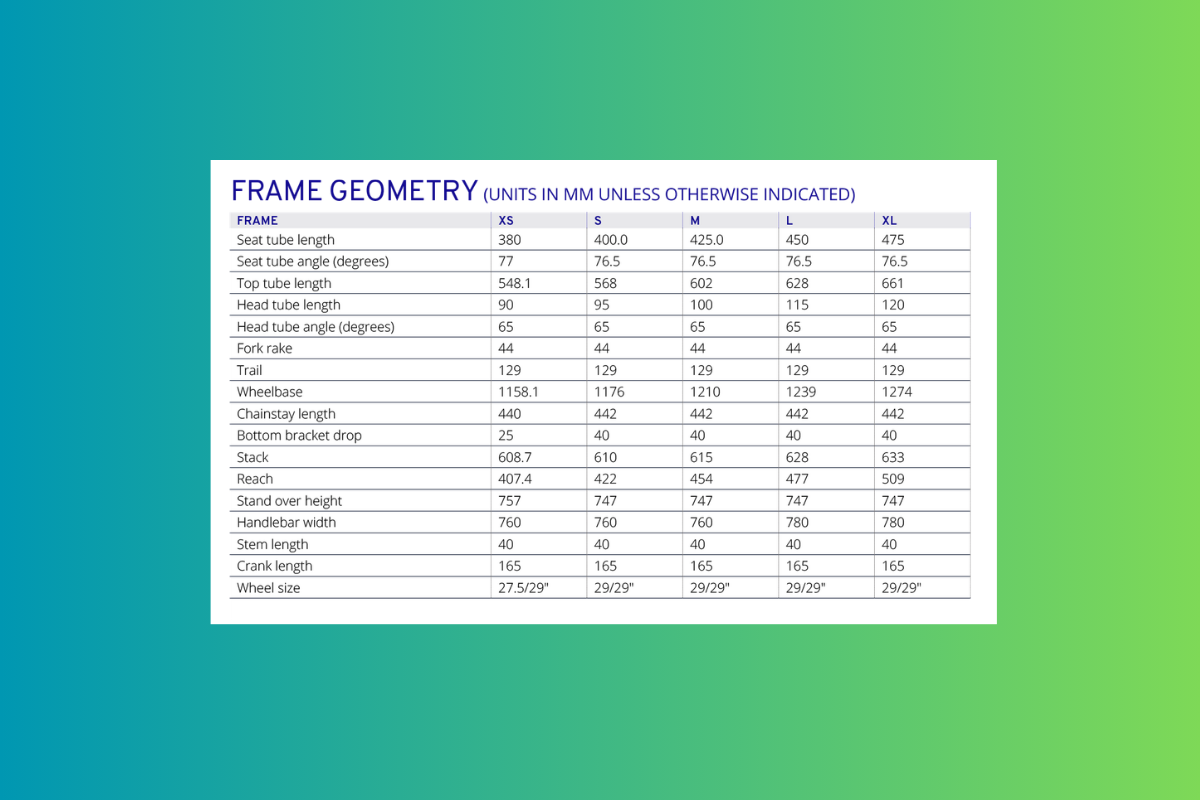
Geometry has been updated to what Giant calls “29er trail geometry,” with a much slacker 65° head tube angle and a steeper 76.5° effective seat tube angle. Reach on a size medium is to 454mm, and chainstay lengths sit at 442mm across most sizes (440mm on the XS).
Out on the trail at Fort Ord
This year’s Sea Otter Classic boasted perfect weather conditions: warm and sunny, with a cool breeze at just the right moment. While the weather was perfect for walking around the show, the lack of moisture made Fort Ord’s sandy soil, if anything, even looser than usual. This wasn’t going to be a gimme ride for the Stance.
Out of the gate, I found the Stance to feel composed and balanced. Unlike most other Shimano drivetrains, the Cues doesn’t allow for shifting multiple gears at once, which required an adjustment period. But after settling in, I found the bike to perform quite admirably on the climbs. While we still haven’t seen an official weight for the bike, it didn’t feel like a boat anchor at all, and the suspension performed reasonably well.
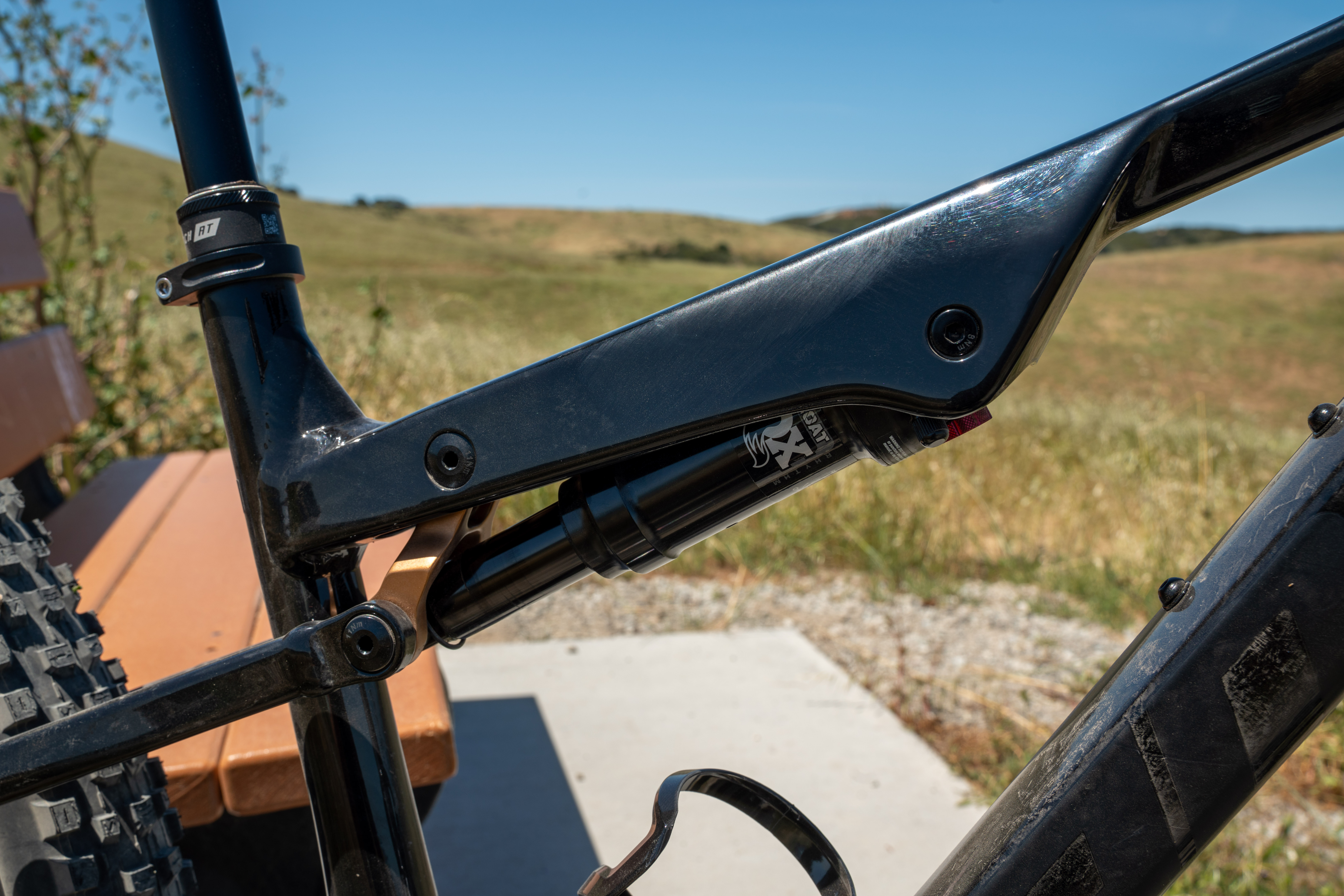
When it came time to descend the narrow, washed-out trails of Fort Ord, things got a bit trickier. The Giant STL 34 dual air fork doesn’t offer the rebound damping tunability found on a higher-end fork, and there was a bit of a pogo stick sensation. Granted, this is a test ride review, and more time to adjust the suspension settings the STL offers would undoubtedly help. Still, it paired well with the shock, and I was able to rip through plenty of washed-out ruts and some drops. With 140/130mm of travel front/rear, this bike is right in the sweet spot for most buyers.
There was one component spec that severely hampered the downhill handling: the Maxxis Dissector tire. In my opinion, the Dissector doesn’t offer nearly enough meat for a front tire. I would have much preferred a DHF or DHR instead. (I currently run a DHR front and Dissector rear on my own short-travel trail bike.) Especially in the loose, sandy conditions, the front tire was constantly breaking traction.
Even while pedaling uphill, I found the Dissector to constantly spit dirt and slip out. This was my first time riding the redesigned Dissector, so it’s too early to pass judgement on the new tread design; I’m willing to chalk a bit of that uphill traction loss to the challenging conditions at Fort Ord.
But a Dissector as a front tire? Please.
A too-short reach could be a deal-breaker
Finally, during my entire test ride I had the distinct sensation that the reach on the Stance was way too short. This made me feel cramped while climbing, and when the steep chutes opened up in front of me on the downhills, the short reach pulled me way too far forward over the front wheel.
I pulled up the geo and spec sheets to compare the Stance to my Pivot Trailcat SL trail bike, and confirmed my on-the-trail sensation. The size-medium Stance has a 454mm reach, vs. 465mm on my Trailcat.
But that’s not all.
My Trailcat is equipped with a 55mm stem, compared to a 40mm stem on the Stance. Shockingly, Giant specs the 40mm stem on all sizes, from XS to XL. (Note: bike brands measure “reach” to the head tube, so the stem/bar setup isn’t factored in.)
In total, that’s a 26mm difference in cockpit room on the size medium, which makes for a substantial difference in handling, both uphill and down.
The difference is so substantial that it’s worth considering jumping up a size. The standover height is the same across all sizes of the Stance, but the reach climbs 23mm to 477mm in a size large, and the stack height bumps up to 628mm.
Pros and cons of Giant Stance
Pros
- Affordable
- Balanced, reliable components that don’t need to be replaced
Cons
- Not enough front tire grip
- Short reach
Parting thoughts
For a $2,200 bike, the Stance performed admirably. Did any of the components wow me? No, but for the most part, they did their jobs and just kept on trucking.
The real story is that Giant hit an incredible price point on this bike that many riders will be able to afford. And for that, I think the brand should be lauded. We need more affordable bikes like the Stance to open up the sport to potential riders all across the socioeconomic spectrum, and when brands can offer affordable bikes with reliable components that don’t need to be swapped out immediately, that’s a huge win for riders.
I do wish Giant had done better on the tire spec, because dropping $80-$100 on a new front tire is a pretty substantial expense for someone buying a $2,200 bike. I thought the days of shit stock tire specs had mostly disappeared into the rearview mirror, but I guess I was wrong. So if you’re shopping for a Stance, be sure to budget for a new front tire.
Finally, consider my fit notes, and be sure to test ride before you buy. Based on the geo chart, it seems like bumping up a size compared to what you normally ride could very well be the solution. Your mileage may vary, but if you do purchase a Stance, let us know in the comments section below what size you landed on.
The news stinks. Why not follow Singletracks on Google News to bring more joy to your day?

4 Comments
Apr 27, 2026
Apr 27, 2026
Apr 28, 2026
May 29, 2026