

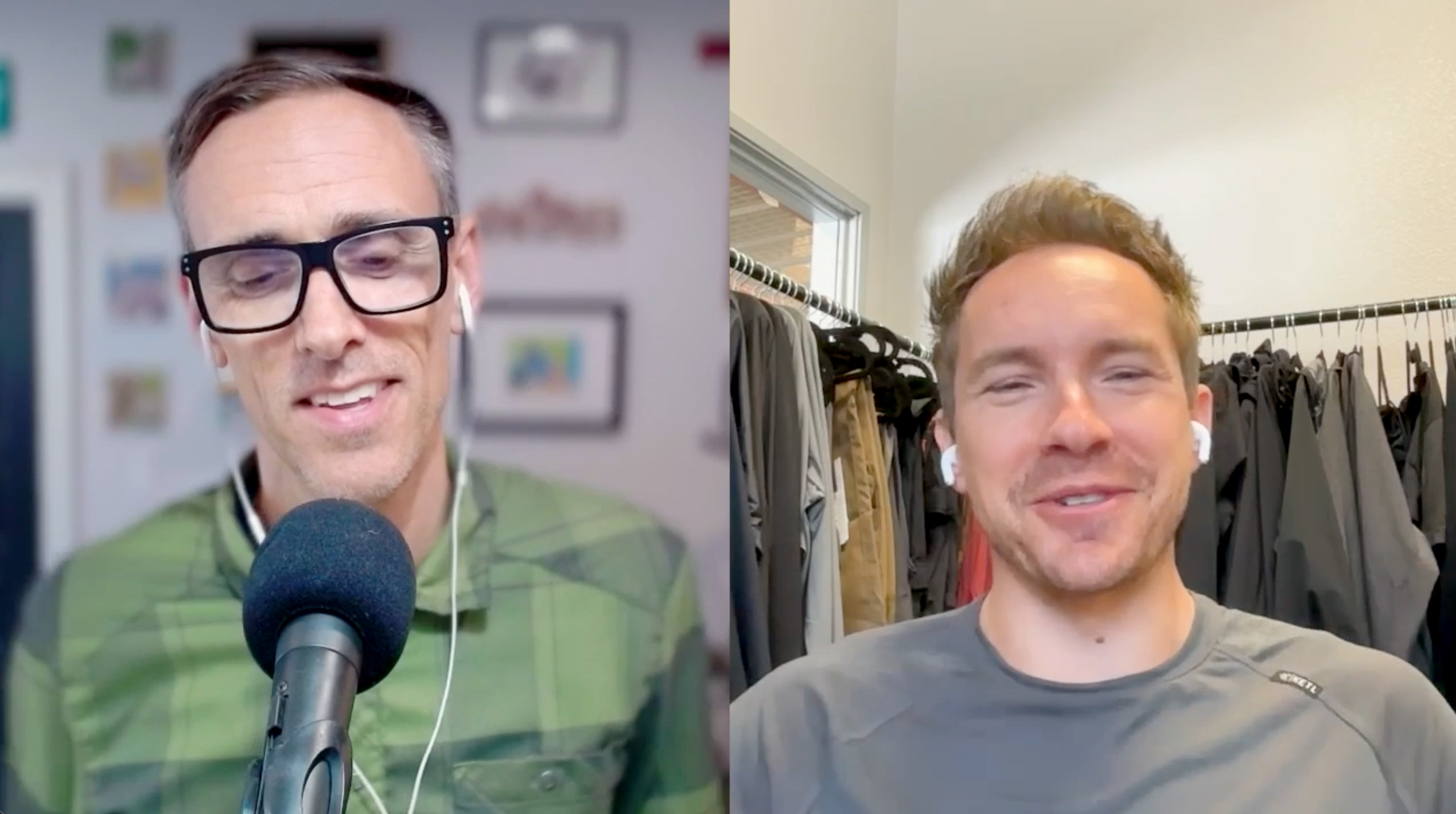
Jeff Cayley started Worldwide Cyclery in 2011 when he was just 21 years old, and today he’s also the founder and CEO of two more brands, KETL Mountain Apparel and Trail One Components. Jeff is based in Nevada, where he also co-hosts a podcast known as the MTB Podcast.
In this episode, we ask:
- What was happening in the bike industry when you started Worldwide Cyclery that made you think it was the right moment to launch an online retailer?
- What made you focus specifically on the high-end, enthusiast market?
- Is content creation and media an important part of selling bikes?
- What Covid-era effects are retailers like Worldwide Cyclery still seeing today?
- As someone who loves bikes, how do you square the convenience and price advantage of ordering online with wanting to support your local bike shop?
- In 2019, you acquired KETL Mountain Apparel when it was still in its infancy. What was the vision behind growing that brand?
- In 2021, you co-founded Trail One Components with a giving component attached to every sale. How does that model work?
- What’s the value proposition for Trail One products compared to other component brands?
- Why is owning your own brands, like KETL and Trail One, important to you?
- You’re known for building really dialed, unique custom bikes. What are you riding at the moment?
- You’ve mountain biked all over the US and even internationally. What are some of your favorite places to ride?
This episode is sponsored by Greater Sandpoint Chamber of Commerce.
If you’re looking for your next mountain bike destination that offers just about everything, put Sandpoint, Idaho at the top of your list! The Lower Basin trail system serves up world-class riding through towering timber and across massive granite rock slabs, with trails for every rider — from technical black-diamond descents to fast, flowy cross-country loops.
For excellent park-style riding, head up to Schweitzer Mountain Resort with dedicated downhill trails and e-bike access to more than two dozen trails. Or pedal from town to the Pine Street Woods trail system, where the trails range from flowy to technical.
When you’re ready to take a break from the trails, Lake Pend Oreille is right there for camping, boating, swimming, or even standup paddleboarding. And after a big day outdoors, head into the town of Sandpoint, where you’ll find a great selection of bars and restaurants to relax and refuel.
Get all the details to plan your perfect getaway at visitsandpoint.com. The trails and the good times are waiting for you when you Visit Idaho!
Support this Podcast
- Review the Singletracks podcast on Apple Podcasts or drop your feedback in the comments below!
- Make a donation to help sustain future episodes.
- Become a Singletracks Pro Supporter.
Never Miss an Episode
- Listen on Spotify
- Listen on Apple Podcasts
- Listen on Google Podcasts
- Listen on Stitcher
- Listen on Overcast
- Get the RSS Feed
- View all Podcast Episodes
Automated transcript
Jeff Barber 0:00
Hey everybody. Welcome to the Singletracks Podcast. I’m Jeff Barber, and today my guest is Jeff Cayley. Jeff started worldwide Cyclery in 2011 when he was just 21 years old, and today he’s also the founder and CEO of two more brands, KETL Mountain Apparel and also Trail One Components. Jeff is based in Nevada, where he co hosts a podcast known as the MTB Podcast. Thanks for joining me, Jeff.
Jeff Cayley 1:30
Yeah, thanks for having me excited to be on.
Jeff Barber 1:32
Man, yeah. So tell us. How did you get into mountain biking originally?
Jeff Cayley 1:38
Yeah. So I grew up in Southern California, and it was a bit of the the mecca of extreme sports, in many ways. So I kind of did, did all of it. Grew up riding BMX and motocross and skate, surf, snowboard, all that stuff. And got into mountain biking when I was 13, because a friend of mine had a couple of mountain bikes in his garage. And, yeah, it was he had a bike, and his dad had a bike, and we took them out one day. And I just thought it was the funnest thing ever, because it was this really beautiful blend of motocross and BMX, and it was just rad. And I just fell in love with the sport and started racing as a teenager. And, yeah, just loved anything and everything about riding bikes, racing mountain bikes, building weird bikes, modifying them. Yeah, it was a ton of fun. And that was so long ago. That was back when there was just constant, epic innovation in the sport, where it was, you know, every year that went by, there was things that dramatically changed how the bike rode. So it was just a really fun, fun time to be getting into the sport.
Jeff Barber 2:34
Yeah, I’m always surprised when I hear people say that they started riding Moto and then got into mountain biking, because, to me, and especially at such a young age, it’s like, motos are faster. They take less work. Like, what was it about mountain biking that you like really connected with, and I don’t know, got you excited?
Jeff Cayley 2:54
Yeah, I think that, uh, that I just where I lived, I had, I had pretty close proximity to a bunch of cool singletrack, much of which, as you know, young kid I didn’t really explore very much. And then a couple times we had taken BMX bikes up this trail. It’s called Rosewood trail, and it’s just kind of your classic SoCal switchbacky trail that’s full of embedded rocks loose over hard pack. And we’d taken BMX bikes up it before, just for fun and out of boredom, as you do as a kid and and, you know, barely survived going down it, and it was just a ton of fun. So then going back to that trail, you know, years later, with an actual mountain bike, and being able to pedal up the thing, and then going down it on a full suspension bike that had brakes that worked and tires that gripped, and it just felt so fun. And there’s sort of basically that trails, a bunch of switchbacks that come down, and then it opens up into sort of a big field area, and the singletrack runs through the middle of this big field with a nice downhill grade to it, and there’s just one huge hump of dirt. And you could just pedal as fast as you could, just yank it and just launch it as far as you can. And that’s the kind of stuff that you know you do as a 13-year-old boy, and you just have a smile ear to ear. And it felt so cool to have such a capable bike. I mean, it felt like riding a dirt bike, in a sense, going that fast on it. But the only problem with riding dirt bikes is, depending on where you live. That was about, I was about at least an hour drive from anywhere I could ride the dirt bike. So, you know, it’s, it’s always, it’s just riding motos, you know, you cleaning air filters back then it was two strokes. You’re mixing oil, you’re putting a thing on in a truck or on a trailer, and it’s just a more cumbersome sport to participate in, whereas you have a good mountain bike in your garage and you lift bike trails, you could just pedal right to the trails. And so, yeah, I don’t know. I definitely fell in love with it. I mean, you’re right, that Moto is a bit more of a adrenaline rush, in a sense. But yeah, mountain biking was, to me, this just just really cool blend of a BMX bike and a moto. And just felt so much fun to do and so easy to do, in a sense that you could just go ride the local trails, and you didn’t have to worry about cleaning your air filters or mixing gas and putting your bike on a trailer and all that stuff.
Jeff Barber 5:12
Yeah, that makes sense, too. Like, at a younger age, you know, you’re relying on parents to take you, and so you just probably don’t have as much opportunity. And then, just like, the independence, I think for a lot of us too, of being able to, like, hop on a mountain bike and just ride on our own, I think, yeah, that’s a huge draw. Makes a lot of sense.
So you started Worldwide Cyclery, as I mentioned, in 2011 when you were just 21 years old. So tell us a bit about like, what was happening in the bike industry at that time that made you think it was the right moment to launch an online retailer?
Jeff Cayley 5:49
Yeah, so I had spent years as a teenager racing mountain bikes and getting really into the sport, and then working at a local bike shop as a mechanic, and then eventually as a store manager, when I was 18, 19, 20 and and just loved the industry. Loved tthe people. Loved what the industry supported in terms of getting people outside having fun on bikes. And I loved how bikes were evolving and how you could modify them. And I was just passionate and obsessed and was really having a good time.
And from having some sponsorship deals and stuff as a teenager, racing and whatnot, I ended up with just various extra parts over the years, after every season, and I would just start selling them, putting them on putting them on eBay, putting them on Pinkbike, and yeah, and then just kind of figuring out, oh, wow, there’s a lot of people on the internet that are looking to buy these things and wanting to get unique products that are, you know, back then, were pretty much only available in the US, and mountain biking was just this huge global sport, and there would be people messaging you on eBay from all over the world, desperately wanting a Rockshox boxer for their downhill bike, which just discovering that was was cool and inspiring.
And, yeah, and I had kind of seen, you know, when I was as a teenager, I would, I would buy stuff from, from the big incumbents, right, the late Pricepoint, if you probably remember Pricepoint, I would buy from Pricepoint, I’d buy from Jensen, you know. And, yeah, I saw some of these online retailers having some success. I always really admired Competitive Cyclist back then. So that was pre Backcountry acquisition, and Competitive Cyclist was completely on the road side of things back then.
And it just had so much. It was so inspirational at the time, because it was so it is a beautifully designed website, completely curated, just high end road stuff. You know, the the guys who ran it were just incredibly knowledgeable, and so into road cycling and and I just thought, God, that would be amazing to build something like that for the high-end mountain bike side. And I didn’t really see that it existed. You know, there were places that were kind of selling anything and everything bikewise, and not really knowing how to do it well, and not really doing it in that sort of boutique fashion online that Competitive Cyclist was doing for road. So that’s, that’s what I wanted to create for the mountain bike space was a place that could have educational content and media, and really curate all of the best mountain bike brands and parts and goods and accessories and everything into one online area, and ideally have a brick and mortar too.
And so I had kind of that vision for it and and, yeah, back in 2011 it was, that was the time when e-commerce was getting, I mean, e-commerce was kind of already normal at that point, but it was becoming a little bit little bit more ubiquitous in niche industries like cycling. And, you know, I had also from riding motocross as a kid, actually an old, I don’t think they’re around anymore. BTO Sports was, was a pretty big early days online retailer for the motocross world, and I used to buy stuff from them. And they were actually local, but they’re either predominantly an e-commerce business, but they had a local shop as well in the area that I was living in, and so I would buy stuff from them. And it was just cool to see, you know, wow, that business did that in the motocross industry, that the whole motorcycle industry was five to 10 years ahead of the cycling industry, and still kind of is yeah, in terms of evolution,
Jeff Barber 9:23
You think, like, motorcycle, they’re bigger, heavier, dirtier things, and it’s like, wow, they figured out how to do e-commerce. So, why not bicycles?
Jeff Cayley 9:34
Yeah, yeah, totally Yeah. So it was, it was, it was pretty clear at that time that there was just good opportunity to build something like that. And it wasn’t, it wasn’t by any means a competitive landscape. It seemed like there was a lot more demand than there was supply in terms of good, high-end online retailers that knew what they were doing and curating a good catalog and operating effectively, and doing just basic stuff, you know, which seems basic, but. In the scheme of business, is not always simple in terms of just shipping things out quickly, having a catalog that’s dialed in, standing behind the products you sell, answering phones and emails quickly and promptly and thoroughly. I mean, this is table stakes in a good, well run business. But most businesses were not like that, and many still aren’t. We all still have those experiences.
So, yeah, that was, it was that time in the industry was just, wow, this is, this is a an opportunity that I just happened to see. And, you know, that’s like a lot of businesses right. Sort of, right place, right time. And it was also cool, because the industry was still just evolving. So much. Every year, new stuff came out, the bikes got better, cool things came out. There was just so much. I don’t know if the hype is the right word, but there was just so much passion and interest amongst mountain bikers all over the place to upgrade their bikes and get new bikes and try new things and and rightfully so, because, you know, get back then. I mean, you probably remember what it was like to not have a dropper post, and then all of a sudden that thing was invented. And actually, that actually was,the quote, unquote game changer, right?
Jeff Barber 11:13
Yeah, awesome. Well, I mean, you mentioned this idea of, like, a curated experience, curated products that you’re stocking. It also sounds like, and this is like, you know, in the name itself Worldwide Cyclery, it sounds like you were seeing this need for like international availability. Because a lot of bikers may not realize that what you’re able to buy here in the US, in terms of like bike products, is sometimes is really different than what you can find in Europe in terms of the brands, even some of the brands that we have here, the products are slightly different, like the configurations and things that they’re selling in other markets. So it was like, international? Did you see that as an opportunity or a thing to be like, figured out? Because it seems like that’s super complicated on its own, and maybe a lot of people weren’t willing to try to figure that out.
Jeff Cayley 12:08
Yeah, yeah, you’re completely right. And that’s that’s actually why I named the business Worldwide Cyclery, which, you know, in hindsight, is just a mouthful and way too long of a name. But you know, when you’re 20 years old, you don’t know what you’re doing. And I Ironically, when I registered that name with PayPal, I was talking to the gentleman at PayPal, you know, registering the business name. And he said, worldwide, is that one or two words? And I remember pausing and going, I don’t know, do you? So it was pretty funny talk about being unprepared, but, yeah, figure it out as you go.
But it was something that I saw as as an opportunity, because just from the basics of selling my own various random sponsored goods online and on eBay and on, you know, various forms and stuff, I would just get so much interest from people in all these other countries that wanted these products, and that’s what I that’s what I realized, because the some of the existing online players then just really weren’t tapping that market, and rightfully so. It’s complicated. It’s confusing. International shipping is very complicated. Back then, the payment gateways and the currency conversions were not nearly as, you know, sophisticated as they are now. So people would send money in the wrong currency through PayPal, and then you had to know how to know how to deal with that and know how to fill out customs forms. And so, yeah, I just saw that as this interesting opportunity that, you know, was was very much so underserved, and that’s what I initially went into, you know, and why not name the business that? Because I wanted to make it clear that we were willing to curate all the high end mountain bike stuff, but also ship everything internationally that we could so, yeah, that was a big piece of the puzzle.
And you know, the irony to the whole thing is that also was happening. I didn’t know at the time, but a lot of that was happening because the USD was actually quite low in terms of value against a large basket of different international currencies, and that was because the US was, you know, still in 2011 relatively, USD was suppressed because the US was still coming out of the great financial crisis, right? So the little did I know that that was a major variable in selling internationally is that the USD is low. Yeah, people want to buy from the US, and they realized, wow, now is the time to grab that XYZ product that I can’t get in whatever country you are, and I can get it from the US for less money. It totally ebbs and flows, because by 2015 the USD had gained a ton against various currencies, where there was a lot of mountain bikers had their currencies had gone the other direction, and all of a sudden it’s just, there goes all the international business like almost like that.
So the first three years of Worldwide Cyclery, it was make 80% international sales, and the following three years, year three to six, it was completely flipped to 80% domestic sales. And that’s just a huge currency game. And now there’s a lot of other variables, but you know. Back then it was, it was a pretty interesting thing to to just kind of learn on the fly and figure out. But it was just so fun. I just loved the game of business and what we were selling and doing. And, yeah, it was, it was kind of, you’re always ambitious to solve problems when you’re having fun.
Jeff Barber 15:15
Yeah, sounds like it. So you also mentioned that, I guess at this time, in conjunction with this launch, you launched a brick and mortar is that, right? Like, you started a brand new bike shop, or did you, like, latch onto an existing one? Like, how did you, how did you do that?
Jeff Cayley 15:32
Yeah, so, so back then, and this is sort of still the same, but not entirely. Back then, you basically needed a brick and mortar presence, just to become a authorized retailer and get products at wholesale and all that. So what I did was basically started with building that was 1200 square feet, so small, small shop, and just planned to have this tiny, awesome boutique, small shop where we did high-end service. And, you know, for the most part, it was less about foot traffic and people walking in, and more about space for us to work, to ship. And we were doing so many custom builds back then, because back in those days, not a single brand on the planet could spec an OE bike like correctly, right? Like you —
Jeff Barber 16:20
I’d argue, that’s still a problem.
Jeff Cayley 16:23
True, but it was way worse. I mean, you could, you’d get an enduro bike and it would have an 80mm stem on it, and it’s like just the dumbest things were happening. So everybody wanted to do custom builds. And it was also, from a cost standpoint, it was, it was much more reasonable back then to just the way things were structured, that you could do a custom build, and the whole thing would end up being 15% more than if you were to just buy the complete bike with a bunch of stuff you didn’t want. Nowadays, that delta is a lot bigger, so it makes a lot more sense to buy the complete but yeah. So yeah, we had a small brick and mortar that we were using to ship stuff out of and mostly building custom builds all day because we would, we would build the things, dial them in beautifully, test ride them, get them all set up, and then repackage them. So, yeah, that’s, that’s what we’re doing. That was the first little brick and mortar.
Jeff Barber 17:04
Yeah, awesome. Well, so your YouTube channel and also the MTB podcast have become huge parts of the worldwide Cyclery brand. So I’m curious, how is media content creation, how does that, like, feed into the business of selling bikes? Is that an important part?
Jeff Cayley 17:26
Yeah, yeah, it really was. So we started doing with Worldwide Cyclery. We started getting kind of really into, you know, what you could call from a business side, content marketing. But really, for us, it was, you know, just creating cool, useful, helpful content. And, you know, back then, it was just, it was just kind of a fun thing to do. We started making YouTube videos, largely because another big issue with a lot of the online retail back then, there was just so much bad product catalog data everywhere. So if you were to buy a Rockshox Pike fork, you have no idea, does it come with the star nut? Does it come with the front axle? Does it come with the shock pump? Like nobody knew anything like that, right? So there were just constant questions like that when, because people didn’t know, there was so much less familiar with buying all this stuff online.
And then there was all these fitment questions too, because that was when tapered steerers started becoming a thing. And people were all like, does this fit my bike? What would I have? A taper steer? What it currently has? A straight steerer when you change the lower headset, cup? Like, so many questions. Yeah, the complexity was so high. So we started making the most basic what’s in the box videos. You know, we think, okay, here are top-selling forks, or top-selling wheels, top-selling frames. What’s in the box?
Jeff Barber 18:41
Unboxing videos, that’s like a popular genre unto itself.
Jeff Cayley 18:46
And it wasn’t, it wasn’t technically unboxing videos. It was literally, what’s in the box. Literally. It’s like, if you’re buying $1,000 fork online, and you’ve never done that in your life, and you really want this fork. And, you know, you have no other way to get it, you know, anywhere else locally. You kind of want to know what’s inside of the box. It’s like, what does it look like? You know, it’s pretty basic stuff that we take for granted.
And, you know, we’re… e-commerce is so evolved now, and the way that we shop online, there’s just so much more assumptions and familiarity we have now with e-commerce that people just didn’t have back in, you know, 2011, 2015, those years.
So, yeah, we started making these very basic what’s in the box videos to just help people understand what the heck is in the box of all these various things they’re spending money on. And from there, we just started making other random fun videos that we kind of thought were interesting, that answered common questions, because there was a lot of common questions that were unanswered anywhere on the internet back then, whether that was in text or in video, especially in video, there was just holes everywhere of information people needed and wanted to know and didn’t exist. So we started, you know, just making videos about that, just really to share our knowledge, because we’re we’re passionate. Enthusiasts that were familiar with the products, that worked on the products, and talked about the products every day. We just had a lot of knowledge to share that was valuable to enthusiasts, mountain bikers who were upgrading their bike, buying a new bike, changing stuff on their bike, things like that.
In the first video we made that kind of put the YouTube, the Worldwide Cyclery YouTube channel on the map. At the time, because I had come from downhill racing, and I was riding trail bikes a lot more. I really wanted a trail bike with a longer wheel base, because the wheel bases and the reaches were so short. And this, again, this is like you got to really rewind your brain to remember what frames used to be like if you wanted you know, a certain reach. So for me, I’m a short guy, five foot eight, but I wanted a specific reach and with a short stem. But I couldn’t get that reach unless I bought an XL frame, right? And if I bought an XL frame, the seat tube was so huge I couldn’t fit a dropper on it, right? So I ended up getting a Yeti SB45, which is an incredible bike in size, extra large. And I put a 32mm stem on it, which was at the time there was one brand that even made the stem that short. And then I actually cut the seat tube, the carbon seat tube. I cut two inches, I think was two inches off of it very cautiously with a Dremel and sanding. You know, it was a big, huge risk, right? Because I had to cut the slash for the seat post clamp to go, and it kind of documented that. And I talked about why I did that. I talked about why I actually bought this huge frame, because I wanted this reach and this wheelbase with the short stem, but it was impossible because of my height and the size of the seat tube, and I just made of that video.
And that was the first video that people just started sharing like crazy, because it was one of those weird things back then that everybody looked at, and they go, Oh, that makes a ton of sense. That’s, that’s an awesome idea, you know, and you know, and I’ve since been credited many times now with kind of predicting the future, in a sense, because, as we all know, not many years after that, only a couple of years, basically, literally, every brand evolved all over the geometry to have shorter seat tubes, to accommodate bigger droppers, to have longer reaches, because they realized it rode better. You know, it’s just it was very sort of futuristic at the time, and nowadays, every brand kind of has adapted their geometry to work correctly, like this. But yeah, you go back to 2014, 2013 and bikes just were not shaped the same.
Jeff Barber 22:30
Well, how do you balance then, I mean, creating good content takes a ton of work and effort. How do you balance that between, you know, creating the content and running the business, especially, I’m thinking about, like the MTB Podcast. Like, that’s, there’s a lot of work to produce something like that on a regular basis. So like, how do you, how do you balance that?
Jeff Cayley 22:54
Yeah, you know, I would, I would like to ask you the same question, because you built an awesome content machine as well.
Jeff Barber 22:58
But that’s all I do, I don’t also sell bikes.
Jeff Cayley 23:03
That’s true. Yeah, you know, for us, it was a, I don’t know, man, I mean, it’s as I’ve as I’ve grown up in my entrepreneurial career. I enjoyed the sport of business so much that I really have enjoyed learning how to get better at the sport, and when it’s when it comes to business, and you talk about it as a sport, what is that? It’s time management, it’s leadership, it’s delegation, it’s incredibly, you know, sophisticated ways of organizing yourself and your team and your projects and your priorities. And I enjoyed that. So I was just devouring business books and leadership books and productivity books and time management books and all of this very nerdy stuff. But it to me, it was fun and engaging and entertaining and and what’s so cool when you run a small business, if you if you actually bring value to the world, you create a useful thing, a useful piece of marketing, a useful piece of content, a useful place for mountain bikers to go and buy the stuff they’re looking for, and you actually ship it out quickly and answer their emails, whatever, like when you do all this stuff, you really kind of it’s a very immediate feedback machine, you know, because if it works, then people want to come back. If you do good job at it, people want to talk to their friends about it. You get positive testimonials. And you’re realizing, you look at these testimonials, and you go, Oh, wow, we’re, we’re actually operating really well here, and people genuinely appreciate it. And that is very fulfilling and motivating to to want to keep doing it, in a sense. I mean, it’s, it’s basically the scoreboard. You know, if people are coming back, you repeat customer rate is up, your testimonials are up and saying good things about you. That’s that’s your scoreboard and business. And if those are all pointing in the right direction, it’s a good motivating feeling to just keep learning the game, playing the game, and enjoying the game. So yeah, I think, I think that’s how you know. It’s certainly one of those things that over the years, I’ve just constantly educated myself on because I just enjoyed the game, and it was, it was really fun, and it was really fun to see people leave positive testimonials and continuously shop with us, and the business grow. So that, that feedback loop is, is, I think, a large port part, large part of the motivation.
Jeff Barber 25:18
Yeah, that’s a great perspective. So, you know, you talked about how currency fluctuations sort of affected the business. And another thing that really affected the bike industry that everyone’s aware of by now is Covid. And the Covid era, supply and demand disruptions. So I’m curious what effects, and we don’t have to rehash, like, you know, everything that that happened, because I think people have, we’ve heard this ad nauseum, but I’m curious, like, where are we today? Like, how is the current environment still being shaped by stuff that happened a few years ago?
Jeff Cayley 26:00
Yeah, you know, I think that’s a great question, because you’re right that the industry has talked about the boom and bust covid bicycle industry situation at nauseam, you know. And I made an extensive YouTube video on it myself, because I saw so much just bad information out there. Wanted to put it in. I wanted to put a video out there that was a little bit more specific where we are today. I think there’s still some, surprisingly, still, some lingering ramifications with a little bit of oversupply of inventory here and there, but I think that’s very marginal. That’s kind of at the edges where the industry is today. I think is just in a very different place, not necessarily having much leftover impact from the boom and bust, but more so just because of the general evolution of the industry and the products. And here’s how, here’s how, I’ll explain that Worldwide Cyclery, along with essentially every other retailer, whether that’s brick and mortar or online pre covid. You know, all retailers would carry 100, 200 brands of those, of all those various brands that every retailer sold, probably 85-90% of them did not have a direct to consumer sales channel, just at all, right, okay. And the ones that did it was not their focus. They weren’t good at it. They didn’t really even use it post-Covid. It’s literally flipped about 95% of the brands that all of us retailers sell any kind talking, local brick and mortar shops, big online retailers, whatever, 90 plus percent of these brands all now have a consumer direct channel, and also, many of them are pretty good at it.
Jeff Barber 27:45
Yeah, they actually learned during Covid. I mean, a lot of them, like, felt like they had to do it. And so yeah, that that kind of forced them.
Jeff Cayley 27:51
Yeah, exactly. And, and not only did that force them, but their inventory overstock is what also really forced them. You know, for example, Fox suspension. You know, we used to sell a lot more Fox suspensions, like every retailer pre covid, because the only way you could get it was through an authorized retailer, whether that was online or in store, come covid times. Now, all the fox product is available consumer direct from Fox. Even worse, because they had some overstock inventory, because of the boom and bust cycle, not only did they have it online to compete directly with every single retailer of theirs, they were now competing against us in the ad auction. So you type in Fox 36 and the Google Shopping results now us and all the other retailers are literally paying to bid against Fox’s bid to get that click, yeah, and then they’re discounting it because they have an overstock of it, so that that’s still a huge issue. So the brands largely going consumer direct, opening that channel, and getting good at that channel and competing directly with the retailers has caused a permanent, structural piece of damage to the retail business model in the industry, and again, retail being brick and mortar or online, to make matters worse, the industry and the products within it have very much so hit an innovation plateau. There’s less reasons for the enthusiast mountain biker to pull out their wallet and buy the next new thing. Because if I tell you the next new thing is a wireless drivetrain that’s heavier than your current one and shifts just as good, yeah, but it doesn’t have a cable. It’s kind of cool…
Jeff Barber 29:34
And it costs more. You forgot that.
Jeff Cayley 29:39
Exactly, right? So there’s just, there’s, you know, that’s not, that’s not a good reason, yeah, so there’s, there’s less, there’s less innovation. And when an industry hits a product innovation plateau like that, there’s a bunch of other other industries that have gone through something like that over the years. But what happens when that happens, and what’s happening in the bike industry is the the overall consumer consumption of all of these various new bikes, parts, accessories, because they’re really not… there just negligibly better. They just don’t buy them. They buy them when their other one breaks, or when it wears out, or if it’s a wearable wear and tear product. But, you know, it just doesn’t. It’s not the way it used to be.
Whereas, if you look at the industry pre-2020, there was literally 30 years in the mountain bike industry where every year, people were just pumped on the sport and willing to just pay more for the next thing that actually made the bike better. Yeah, you know, first we had these 3×8 drivetrains, and then it was 3×9, and then it was 2×10, and then the front derailleur finally went the way of the wind. And we invented the narrow wide chain ring. Then we invented clutches and derailleurs. You know, we invented the dropper. I could go on at length for this stuff, like, if you go back the last 30 years, there’s just been unbelievably awesome innovation that genuinely changed the way the bike worked and rode and your experience on it, and each like… Try to argue that now, yeah, try to argue a bike right now. A 2026 model bike, is it all that much different than a 2022, 2019 model bike? Diminishing returns have been hit.
Jeff Barber 31:22
Well, yeah, I’m curious about a couple of things you said. So sticking with with the idea that we’ve kind of hit this plateau. Do you think that’s because we’re literally we, you know, bikes are about as good as they’re going to get. Or is it because, you know, companies maybe aren’t investing or aren’t looking in the right areas for these new improvements?
Jeff Cayley 31:46
I think it’s, it’s mostly because they’re as good as they’re going to get. It’s a little bit like mining gold once it’s all mined. You just have diminishing returns to continue digging deeper to find less and less of it. So I think, genuinely, bikes are incredible. And it’s, it’s, we’re splitting hairs, because the way you can kind of quantify that is, if I asked you, when you go ride an epic bike right now, what are your complaints?
Jeff Barber 32:12
Right? Not many, yeah. I mean, yeah, it used to be tires, but it’s like, yeah, nobody has flat tires anymore. Or, yeah. I mean, it’s pretty rare. There’s not a lot of complaints.
Jeff Cayley 32:23
It’s crazy. Because if I had asked you that question in 2015 you would have said, my hydraulic brakes pretty much suck. They’re inconsistent. They’re really not that powerful. They fade on me. My dropper post breaks every month. I feel like my head angle is so steep, I’m considering getting this thing called an angle set to change my head angle, like you could, you could go on at length of complaints, and they’ve just all been mined out. And bikes are so good.
So that’s, that’s kind of a really interesting way to just ask people. And, you know, again, if I asked you about an e-bike, what are your complaints? You might have some. But in general, you know, excluding e-bikes, there’s just so few complaints right now. So, so I think a lot of the innovation has been mined out in large ways.
And, yeah, some people like to point and say, Oh, that. You know, some of these big brands are not investing in the right things. And you know, if you get into the weeds of some of that stuff, which is actually pretty interesting. One of the things I always think about is gearboxes. You know, gearboxes, unfortunately, is in a tangled patent minefield mess. Fox. You can, you can search this, because Fox is a publicly traded company. They’ll often disclose how much they spent on lawsuits against SRAM. And I think the last time they did, it was like five, $5 million a year. Wow. Fox just suing SRAM over BS patent. It’s just this crazy. And then they do the same thing with Shimano.
So the innovation has largely been mined out, and now you can tell by just how little complaints we all have these days. On top of that the last few maybe major wins. I mean, imagine if you had a mountain bike right now that had a gearbox that, you know, if you took your existing bike now and you made it a gearbox, and it was shifted just as good, and it was lighter, and you had no derailleur hanging off the back, the weight distribution, we better like, that’s, that’s like, you could argue that could be a pretty major, big change. But that is one of those things that’s held in this massive patent minefield between all these different brands, between what Shimano, SRAM, pinion, various brands have these patents that are, that are still, they’re holding on to for, you know, the lifeblood of them, and then you have this other hodgepodge of, well, if, even if they all collaborated and got the patent situation figured out, which is probably not going to happen, then they still need to work with the frame manufacturers to make something so and again, it ends up in just the two words, diminishing returns.
So, yeah, I think that’s just where it is. And you know, it’s, it’s nothing to necessarily be sad about. I mean, it’s, it’s definitely. Really less exciting. I mean, even me personally, I’ve, I’ve, you know, I can recall decades of my life just being obsessed with when a new crank would drop to see how much stiffer it actually was, how much lighter it actually was, yeah, if this new 30 mil spindle idea is actually going to work, like I remember just being so pumped every time something new came out. And now I just don’t care as much anymore, because I just haven’t I mean, have you — What have you seen in the last few years that’s made you like, wow, I gotta have that?
Jeff Barber 35:26
Yeah, that’s a good question. No, all these parts, I think wireless electronic is, is interesting, but to your point, it’s not, it’s not like a game changer. But, yeah, yeah, you’re putting me on the spot. So I guess you’re proving your point here. You know Surly’s dropout thing that just came out yesterday, I guess, is kind of cool. I mean, like, it’s a very simple, you know, solution to a problem, I think. But we’re seeing less of those, you know, like you said, a lot of the low hanging fruit has been gathered. And yeah, everything else we’re going to be seeing is pretty, pretty marginal.
I want to get back to also what you were saying about how brands are starting to sell directly to consumers. And you know, while it sounds like a lot of gloom and doom, it also seems like, though, you know, retailers online and brick and mortar still have the advantage of like, customer service, fulfillment, like, all that stuff that the brands, they just don’t seem as invested in, you know, like, and the fact that, like, I’m not gonna waste the time creating an account on, you know, pearlizumi.com, when I can, you know, pick up a jersey, and also, you know, something for my drivetrain, and you know, one other thing at an online retailer or my local bike shop. So it does seem like retailers still do have an advantage. I mean, are there other advantages that that you’re kind of seeing as it relates to selling against some of the brands?
Jeff Cayley 37:08
Yeah, and that’s what you just described, is kind of one of the best durable moats and advantages that a retailer has, because it can curate a whole bunch of different brands, parts, accessories, apparel, all In one specific place, and it can give the customer a reliable place to find all of those in one place and put it all in one shopping cart, and know and trust that it’s a good retailer and they’re going to be able to fulfill that order. That is a very durable moat, because obviously these, you know, the brands, are not going to start doing that. You’re not going to go buy SRAM products on the SRAM website, and then they’re also gonna happen to pick up your Maxxis tires. They’re like, that’s not happening ever, right? So, so that that is a moat that retailers have, and that’s one of the reasons, you know, all of this change has certainly not made the the retail model obsolete. It’s just made it a little bit less good.
Because before the retailers were the exclusive way to buy these products, and now they’re not, and where that’s actually hurt the most is with the higher end stuff, because when people buy a, you know, $1,000 for good, $1,400 or $2,500 carbon wheel set. You know, you go on Enve site, and it’s just like a beautiful site, and they’ve done a good job and selling direct to customers. And it’s, you just, you know, you kind of almost feel, what’s the problem like, if you’re just gonna get a wheel set? So it’s just, again, it’s made the retail business model kind of, it’s just it’s past its heyday, I think, is the way I like to look at it.
I think that, you know, if you just talk about the business model being, you know, the most viable brick and mortar bicycle stores were a great small business to own and operate and run up until about 2011 and then around 2011ish era, they had to start competing with online retailers and Amazon and that that was a huge struggle. And everybody that’s been in the industry for a long time remembers how much people used to just hate online retailers. I got tons of flack for that, you know? I mean, I remember going to events at QBP, and people had sweatshirts on that said, “The internet can’t fix your bike.” There’s just full blown haters of just people buying anything bike-related on the internet. And I’m sure those same people, if they’re still in business with their brick and mortar store, they have an online e-commerce component to it. So the times have changed, but the, yeah, it’s just, it’s just an evolution, right?
So that, I think the heyday for those brick and mortar bike shops was, you know, I don’t know, maybe the 80s, all the way up to the, you know, 2010 ish, and then that the sort of the heyday for the online retailer was 2011ish until the end of the Covid boom. Yeah, because the Covid boom was obviously even more beneficial for the e-commerce players. But because what, what was the term for it? What was the, what was the classification that bike shops got because they were right the remember that they were allowed to stay open because they
Jeff Barber 40:20
Critical workers? Essential…
Jeff Cayley 40:23
Essential business, or something like that. They got to stay open, whereas the other ones are, which was just crazy in hindsight, being like, okay, we’re selling a $2,000 carbon wheel set. That’s essential.
Jeff Barber 40:36
Well, yeah, we needed to get our bikes, though. Yeah, it was hard.
Jeff Cayley 40:41
I think the theory was, well, a lot of first responders use bicycles as commuting devices and nurses and stuff. And it’s like, Okay, that’s fair. But guys like, okay, yeah. Like, such a crazy…
Jeff Barber 40:52
Anything to justify it. Well, I mean, yeah, you mentioned, or kind of touched on, the tension that I think a lot of us have between, you know, wanting the convenience of ordering online, and a lot of times a price advantage as well, versus wanting to support our local bike shop. And so I’m curious, like, how do you square that personally? Is that because you’re also lumping online retail into kind of the same bucket as those local bike shops, like retailers versus brands? And so I’m, I’m curious within retailers, how do you, how do you square that kind of wanting to support local bike shops?
Jeff Cayley 41:34
Yeah, I mean, the way I’ve always looked at it is, is a few ways. You know, people’s shopping habits and preferences are ever evolving, and the threat to any small business, whether in the bike industry, whether that’s a an online player or brick and mortar player, is much more largely Amazon eating their lunch than it is, you know, them competing against a good, well-run online player.
I look at it and I just think it’s, it’s kind of like Craigslist, you know, that guy got, if you look back at that story, Craigslist, you know, and Craig himself was, was vilified and getting death threats, because he pretty much, you know, was being accused of single handedly destroying all of the all of the revenue of all the classified magazine newspapers, which were huge businesses, huge businesses, and people making a lot of money doing that. And he was sort of, you know, pinholed as being the guy who ruined it for everyone. But was he, or would it have happened anyway? Like, the internet ruined it. The evolution of human connectivity, supply chains, like the evolution of the way the world works, is what ruined your old business model, not the people. And I think eventually, you know, a lot of the brick and mortar shops realized that and started playing in that game as well.
And, you know, again, it’s just people are going to have a preference. Some people are going to want to buy with a really good online retailer for this, that, or the other reason. Some people are going to want to buy from their brick and mortar shop for specific reasons. Some people are going to want to buy from Amazon for a reason. Some people are going to want to buy the brand direct, and if there’s demand for any of those methods of purchase, there will then be supply, because that’s the capitalist world and economy we’re living in.
And my take on it has kind of always been and I think largely the reason Worldwide Cyclery has had some good success is because the the high-end mountain bike segment and the curation of all that stuff was, in many ways, maybe depending on your brick and mortar, maybe not, but most of the time is neglected. Brick and mortars, more often than not, catered to a different subset of riders, riders who predominantly rode bikes that were a couple $1,000 or less fixing flat tires, doing service work. They were a little bit more like a Ford dealership, and you rolled in there with your Ferrari and wanted service on it. And they said, Oh, I’ve got a 14 year old kid who can do your tubeless tires set up on your Ferrari. And you went, no, I want somebody more qualified than that. And by the way, you don’t have this tire in stock because you only sell fours. And this is a Ferrari.
So it was in I think Competitive Cyclist ate the lunch of a lot of like, they tapped, they mined that gold in the early days on the high end road segment, because there was a segment of very affluent road cyclists who were riding and wanted to ride the pinnacle of bikes, and were willing to pay whatever it cost, and they would go into any local shop in 100 mile radius. And those bikes weren’t there, not the people that were there didn’t ride those bikes, that know anything about those bikes, and what it takes to sell those bikes and sell the parts of those bikes. So it was totally underserved from a brick and mortar standpoint. And largely that high end, let’s call it $7,000+ mountain bike segment was in very many ways and in very many locales, underserved by the brick and mortars. Now the again, not all brick and mortars are created the same. Of course, there’s undoubtedly, you know, to me, it always blows my mind going to Colorado and the greater Denver area, because every bike shop you walk into is just stocked to the brim with the most high end stuff.
Jeff Barber 45:26
Yeah, those people don’t know how how good they have it. They’re listening to this going, What do you mean? My bike shop’s got all the good stuff?
Jeff Cayley 45:35
Yeah, totally. But they’re forgetting that there’s huge swaths of the rest of us over the place suffering. It could drive to bike shops everywhere. And the nicest bike in there would be a $2,000 hardtail. And the most qualified mechanic in there has never seen SRAM Maven breaks in his life, right? Let alone is he gonna have the right bleed kit and know how to bleed them. So it was just things like that.
So in a lot of those ways that audience wanted it was underserved, and started wanting to buy online because that was the only place they could get it. They wanted to learn about it online because that was the only place they could learn about it. And then they started working on stuff themselves because they couldn’t, they didn’t have a local shop who could service that high end of a bike. So they, you know, watched Park Tool’s YouTube channel and figured out how to work on their own bike and bought Park Tool stuff and became their own mechanics. So, yeah, it’s, it’s, it’s, it was an underserved segment, you know.
And again, it’s, it’s just the nature of how spread out that niche is, you know, it doesn’t make any logical business sense for a lot of brick and mortars to just all of a sudden say, oh, we need to start serving the high end, the super high end enthusiast mountain bike community, because somebody online is, well, if you don’t have any of those people around, that’s doesn’t make any logical sense. Just keep serving, you know, the beach cruiser market that you’re in because you’re in Newport Beach, and that’s what people ride on the boardwalk, right in front of your store.
So, yeah I’ve always been an advocate of of trying to not look at things in a zero sum way. It’s not that everyone here is competing with each other, in large part. Just operate a great business, understand your target audience. Understand that every business is going to have strengths, weaknesses, opportunities and threats. And those strengths, weaknesses, opportunities and threats (SWOT) are going to evolve as humanity evolves, as supply chains evolve, as the internet evolves, as consumer shopping behavior evolves. And you can either evolve with it and keep playing the game as it ever changes, or you can get pissed off about it and point fingers and say it’s that person’s fault for my demise.
Jeff Barber 47:39
Yeah, yeah, yeah, that’s good way to look at it. So starting in 2019 you acquired a brand called KETL Mountain Apparel, and then in 2021 you started Trail One Components, co-founded that brand to sell branded components. And it sounds like this kind of grew out of what you were seeing happening with the brands that you carried. Can you tell us a bit about what led you down that path to owning some of your own brands?
Jeff Cayley 48:11
Yeah, so you know basically what I just mentioned about the strength, weaknesses, opportunities and threats, that analysis of Worldwide Cyclery over the years, which I consistently do every six months, basically led me to realizing and also watching the motorcycle industry. Basically led me to realize pre-Covid, seeing what happened in the motorcycle industry and leading up to Covid, we slow. We started slowly seeing one brand here or there start selling consumer direct, or even worse, that brand not just selling consumer direct, actually, then said, no retailers can sell on Amazon. We’re going to sell our product directly, first party to Amazon. So that was starting to happen.
This was pre Covid, so I essentially just thought, Okay, let’s extrapolate this 10 years from now, obviously, not knowing Covid was going to happen. Where does this go? It’s the same thing happened the motorcycle industry. The retailer business model very much changed, because a ton of the brands went direct to Amazon and or direct to consumer, and the retailers really just had a less viable business model.
So as I saw that happening. I also was just getting way more curious about creating products, because we had been selling and retailing and talking about products for so long, and I was so passionate about creating stuff ourselves and designing it from the ground up, being much more vertically integrated in the sense of we take care of the design, the manufacturing, the sourcing, the marketing, everything, and that business model seemed a lot more intriguing to me at the time, as I just kind of grew up. And it’s different because it’s much more capital intensive than retail is, because you’re funding all this inventory prior to selling it, as opposed to you kind of leaning on some just-in-time inventory. As a retailer, it just became much more intriguing to me, and it became much more apparent that it was going to be an important survival technique as the retail business sort of just continued to get chiseled away at more by more by brands that it sold, going direct, and by more competition from Amazon, yada yada.
So that was why I thought, man, we should really start doing some of our own stuff. And me, and a couple of the partners I brought at the time, and other guys at the shop, we were just really into other things than just mountain biking. We all started getting more into trail running and distance hiking and bikepacking and just like all these other multi-sport related things, and we’re really interested in apparel and outdoor apparel and mountain bike apparel and and also just all the hard goods. We started realizing, okay, all these components are kind of tapped out in terms of, there’s, there’s a lot less innovation in a lot of the componentry, but there’s a couple small tweaks we would love to put on certain mountain bike components to make it exactly the way we want it. And we would love to see brands evolve their business model to be more philanthropic and give back to the sport. And that’s the kind of the core thesis behind Trail One Components.
So, yeah, we just saw that evolution and thought, let’s, let’s charge ahead with it. And that’s what we did. QBP, which, for people who aren’t inside the industry is Quality Bicycle Products. They’re sort of a really, really big behind the scenes bicycle industry player that’s a distributor. So they own a bunch of their own brands — Salsa, Surly, 45NRTH, Teravail. And they also distribute 100, 200 plus brands to online retailers and brick and mortar retailers all over North America. So as a consumer, you don’t really see QBP, but they’re a huge piece of the puzzle behind the scenes.
And they had, one of their house brands was KETL, and they had made some really high end, fancy mountain bike apparel with it, and they had run it for two years, and it was tiny. It was an infancy. They basically had a handful of styles, and we we retailed it at Worldwide Cyclery. There was a retailer for it, and we really liked it, and we loved it. We were like, we’d never worn apparel that was made with such premium-level fabrics and trim details, and it was just really cool. And then, as as we were kind of looking to get into the apparel world ourselves. I was having a conversation with QBP, and they, you know, pretty much acknowledged. Yeah, we’re kind of realizing with KETL, we made it almost too high-end, and we don’t really know how to market it that well. And we, we don’t really think we’d be able to succeed with it unless we took it consumer direct, which we’re unwilling to do. And that’s when I said, well, I would love to buy it, and I’ll run it. I’ll take a consumer direct. I’ll breathe life into this thing. I guess I love the name. I love what you guys the starting point you had, and I mean, we’ve changed it. It’s hard to say we acquired it because we didn’t really acquire, really anything. It was like it’s such in its infancy, compared to where it is. Now, there’s very few remnants other than the same name.
So yeah, it ended up working out great. It was a win for QBP. It was, it was an awesome deal. And we said, hey, let’s, let’s take this off your hands. Since you guys, you know, are realizing the realities of apparel and having to sell it direct, and learning how to market it, yada yada. So, yeah, that’s how that opportunity came about. And we’ve just had so much fun with that and creating new products and creating stuff that isn’t just for mountain biking, of course, but for adventure travel and travel and, you know, all types of outdoor stuff, and that’s been a ton of fun and just super enjoyable, because we’ve just continued to make the stuff that we we’ve always wanted and see if it resonates as we market it, and it has, which has been cool.
And Trail One was, was kind of this idea. There isn’t some sort of grandiose vision with any of our these three brands that we run now, because we operate brands because they’re fun, and we’re doing business for the sake of fun and enjoyment and having a good lifestyle. We’re not trying to get rich, we’re not trying to buy jets, we’re we’re not trying to build and sell. It’s like the it’s kind of the antithesis of the Silicon Valley model. We’re over here just literally running a business because we enjoy it, and we want it to be fun, and we want to create cool products. We want to serve customers well. We want to be net positives to society for what we create and how we sell it and how we operate in the world of business, and to live the lifestyle we love. We don’t want to overwork ourselves. We want to ride mountain bikes and hike and travel and run and do adventure races and enjoy our lives as we run a business. And we want the business to be able to feel that and a culture of that. And a culture of that internally.
So the the thought process with Trail One was, you know, there’s some really cool, random little spins we want to put on products. And I also looked at it as you know, if we had any success with Trail One, with just our all. Our own unique spin on various mountain bike hard goods, but not necessarily just that, but trying to nudge the industry, the various brands in the industry, and the consumer expectations in the industry that these brands should support the sport and in a more tangible way. And I love to see that that’s happened more. I’m certainly not going to sit here and say Trail One should take all the credit for that, or maybe any, but it’s just cool to be a part of that, because that was meaningful to us. This this idea of we’ll name products after trails and trail networks, and then if people buy those products, a portion of that money will go directly back to supporting those trails, and then we’ll tangibly show how that money made bridges and helped hire trail builders to fix berms.
And to us, that’s just really cool stuff. And yeah, in the scheme of the world, yeah, we’re not solving climate change. We’re not, you know, making major impacts, but we’re finding cool ways to create great mountain bike parts that then tangibly show how it supported trail networks and people building, fixing, maintaining awesome mountain bike trails that we all ride and love, and so to that extent, it’s been fun and enjoyable. So that’s great. Yeah, I don’t know if that answered your question. I just rambled on you there sorry.
Jeff Barber 56:16
No, that’s awesome. All right, so shifting gears a little bit, I mentioned that you’re known for building, like, some pretty interesting bikes, custom builds and, like modified bikes and stuff. So I’m curious, what are you riding at the moment?
Jeff Cayley 56:33
Yeah, at the moment, I am currently on a Yeti ASR, and I’ve also got a Revel Rascal in the works. The ASR has been such a fun bike to me, because I never, prior to the ASR, I had never in my life ridden a full fledged World Cup level cross country race bike that didn’t just suck.
Jeff Barber 57:01
I mean, I always get on those bikes. I’m like, this thing hurts. I’m sure it’s fast.
Jeff Cayley 57:04
Yeah. So I’ve just never ridden one that, you know wasn’t a noodle and, or had terrible geometry and, or had some other fatal flaws to it that just made it not nearly as it’s just you rode those full fledged XC race bikes, and you just thought, That’s cool, but that’s too big of a sacrifice for that weight. You know, I’m sacrificing too much performance for weight savings and uphill performance, which I don’t care about as much ASR came out and rode that, and it was the World Cup XC weight, and the geo was like a trail bike, and the suspension actually worked pretty good, especially with how good shorter travel suspension had gotten, the with just Rock Shox Sid and that whole lineup. And I just thought that bike was so fun. And I’d also gotten more into adventure racing in the past handful of years, which had many of those. It’s kind of the full suspension XC bike for a lot of the riding in those races, and so I just had so much fun on that bike, and I’m now on my second one, and I’ve kept it all mechanical, and I actually have a 11-speed SRAM XX1 drivetrain on it with an e*13 cassette that goes nine to 48. So I am on a 32 chain ring, so I still have nearly the percentage gear range of an Eagle setup, but it’s lighter, smaller, chain ring, mid cage length derailer, and it has that beautiful, clicky, mechanical feeling to it. And I travel with it often, and I use it for adventure races, and I don’t want to deal with batteries. And yeah, as much as electronic drive chains are cool, I don’t want any more responsibilities in my life, and remembering to charge batteries is not one of the things I wanted to tackle on for my own personal bike.
So I’m on that Yeti ASR, and then I’ve got this Revel Rascal in the works, which we just laced up some Industry Nine system hubs and spokes to the trail one shed rims, which is an awesome, well designed rim by Liam on our team, and it’s bronze hubs and spokes with raw carbon frame with bronze decals. Everything else is going to be pretty blacked out. Yeah, I’m pumped on that one, so I’ll make a YouTube video when I create that one.
But yeah, I still love building custom bikes. I have, I have probably done less crazy shenanigans these days. And I’ve kept bikes longer because, you know, like we were talking about earlier, when the innovation was so rampant, I was swapping bikes out way more than, you know, faster than I was changing my underwear. So, but nowadays I’m doing it quite a little bit less as much. My ASR is custom painted. I had, I had technar, who’s an amazing bike painter, custom paint the frame that sort of cyan, Worldwide Cyclery blue.
Jeff Barber 59:50
And what did that do to the weight of it? Did you make it heavier by putting that paint on it?
Jeff Cayley 59:55
May have, it may have, but I, I look at the ASR, I mean, and I’m, I’m a weight weenie to some extent. But I’m not that far down, like I still run, you know, proper tires on it.
Jeff Barber 1:00:05
You said you only have 11 gears. I don’t know if I believe you.
Jeff Cayley 1:00:11
It’s, it’s a weird mix of saying, Okay, does this make sense from a weight perspective, or does it not? And, and, and always weighing your performance, right? I mean, I could run [Crankbrothers] Egg Beaters [pedals], but Egg Beaters are terrible. Ride experience feels like they’re on ice. They’re awful. But Mallets have a bigger platform. So I still, I still run heavier pedals, albeit I put titanium pins and titanium spindles on them to save 20 grams. So, yeah, I still want the performance. I’m not willing to make every weight sacrifice, but I’m willing to make some of them.
Jeff Barber 1:00:45
Right on. So in addition to the bikes, and you mentioned, you know, doing, participating in a lot of sports, beyond mountain biking, adventure racing and and trail running and all that sort of stuff, You’ve you’ve traveled a lot of places, so I’m curious what some of your places are to visit and to ride?
Jeff Cayley 1:01:05
Yeah, I think I have had a lot of you know, just being fortunate to travel a lot of places, mainly because a good friend of mine who used to operate the International Mountain Bike Tour business, Sacred Rides, he eventually sold that, and now he runs a business called Wayfinders. And Wayfinders puts on these all-inclusive adventure travel trips for entrepreneurs. So around 10-20, entrepreneurs all go to these crazy, unusual destinations and hang out and talk business and do adventurous things and have a fun time. And he’s, you know, just because I knew him, he’s put together all these really unique adventure travel trips into sort of exotic destinations.
One of the places that he’s done two trips to, and I’ve went both times, just last December, as well as in 2018 was Patagonia. And the Argentinian side of Patagonia, that is an area that, if I were to say, if you want to take an epic outdoors vacation, it’s, it’s amazing. It’s, it’s so cool. There. It’s world class rock climbing, hiking, mountain biking, river rafting, paragliding, like everything cool in the outdoor world in epic, awe-inspiring beauty is in Patagonia, so, and it’s very reasonable in terms of a cost standpoint, to get there, you fly to Buenos Aires, take a flight from Buenos Aires to Bariloche, and then from there, you know, USD is really strong against the Argentinian currency. And yeah, you can, you can have an incredible, you know, reasonably affordable vacation for how epically adventurous and amazing it is out there. So that’s, that’s a spot that I think I’ll always recommend, and pops into my head when you ask me that question.
Jeff Barber 1:02:48
Cool, awesome. Well, so what’s next? What’s next for Worldwide Cyclery and KETL and Trail One? What do you what are you looking at? What is your SWOT analysis telling you that that you need to be doing next?
Jeff Cayley 1:03:03
Yeah, so, so for us, you know, most of what I mentioned earlier about operating a great lifestyle business is what we continue to strive to do. We want to continue to create great products. We want to operate good businesses and have fun while we’re doing it and making sure that we have an internal company culture that people can really, truly, passionately enjoy, and it feeds their hobbies and passions and lifestyles and supports a good, healthy lifestyle. So we just want to keep doing that.
We don’t have any, you know, not planning for an IPO. I just want to run some good, you know, good fun, small businesses and, you know, operate them really well, and, and, yeah, as as the SWOT analysis goes, as you asked, you know, we things have obviously shifted for us in that, you know, the bike industry is in a bit of a precarious spot with the way that it’s structured now, and the product innovation and all the stuff we spoke about. So looking at, what does that mean for Worldwide Cyclery. How does, how do we continue to shape that? How does that evolve? It’s a different size and scale and sort of emphasis on different things now than it used to be, which we’re still kind of going through that process.
KETL has just done exceptionally well, albeit, we’ve, you know, just tried to make good product and try to constantly iterate on it. And we’ve taken a very different approach than most apparel brands have, where they’re chasing, chasing revenue and making this and discontinuing, introducing a new style just for the sake of driving growth. And our take is, let’s just make core pieces that will always want and just continuously refine them every production cycle, which is a very different approach than most brands take. And that’s really resonated with customers, is they’ve seen the products just get better throughout the production cycles, and it’s also led them to be surprisingly technical and really well done for the price point. So that’s been really fun. And KETL’s just done really well because of that, and it’s in a pretty large market, so that’s kind of the biggest thing we have going now that continues to eat up a lot of our time, but albeit really fun.
So yeah, and Trail One got a couple rad new products, actually, some seats coming out this year that I’m really looking forward to. Yeah, and we’ll continue to try and make awesome products with Trail One that you know we like and want on our own bikes and also support the sport so and we’re trying to evolve Trail One into having a product set that has one product that is the absolute best value, like it’s just straight up so competitive if you’re just looking at what is the best value, price point, specs, weight, all that stuff, warranty, nothing beats it. And then we want to know on the other product to be a little bit the opposite, what is the what is just insanely bougie, high end, ultra expensive that we just kind of want on our own bikes. And it’s a no expense of spare type of product. We really want to just crush those two segments. And the saddles are coming out like that, right? We have, we have an amazing design, and one of them is going to have a price point that I think is just going to blow others out of the water in terms of performance, comfort, esthetic, materials and the price point. And then the other one is printed carbon rails, as fancy as it gets, and it’s kind of a no expenses spared one.
So I want to do that, because I think that’s an interesting thing in a mountain bike world, that there’s almost too much choice, and a lot of people in just in my experience anecdotally, you know, you have those kind of core riders who want just the best, utter value full stop. And then you have another subset of riders who just go, well, I just, you know, I got some money burning a hole in my pocket. I want to, I want a $400 seat. Those people exist. I’m one of them. Like, I just love having the nicest stuff on my bike if I can, you know, because it’s just, it’s just cool and entertaining so far. So yeah, man, no, no, no, epic grand plans for what’s next, other than kind of continuing what we’re doing, because we feel like we’re having fun at it so far.
Jeff Barber 1:07:10
Yeah, right on. Well, Jeff, it’s been great talking to you and hearing what you’re up to. Definitely a lot of cool stuff going on. So thanks.
Jeff Cayley 1:07:18
Yeah, hey, you ask amazing questions. Jeff, I appreciate it, man, and we got to get you on the MTB Podcast, because I think you’d be, I have a million questions for you as well about your career, and I know you wanted to interview me—
Jeff Barber 1:07:32
I like ask questions. I don’t like to answer them.
Jeff Cayley 1:07:32
Oh, man, I got to flip the script on you, at least for one episode, because it’d be, it’d be awesome to talk to you.
Jeff Barber 1:07:38
Awesome. Well, yeah, thanks again, Jeff. If you’d like to check out more Singletracks podcast episodes, go to Singletracks.com/podcast. That’s all we’ve got this time we’ll talk to you again next time.
The news stinks. Why not follow Singletracks on Google News to bring more joy to your day?


1 Comments
Apr 26, 2026
Jeff Cayley seems like the guest from heaven: he DOES things. He KNOWS things. He’s always LEARNING. He’s PERSONABLE. He’s HUMBLE. His business is proof that he’s not just full of hot air. What a fascinating glimpse into his world.
In early 2021, I bought a Fox Factory 38 from WWC. No-one in Canada had one. The whole transaction was SMOOTH. Minutes before the 38 shipped, I said I prefer the simple thread-in axle (K-Bolt?). His staff opened the box and swapped axles. Such great service.
Jeff Cayley is a rare character: he wants to win. And he wants everyone else to win. Thanks guys! You made my day (and week).