

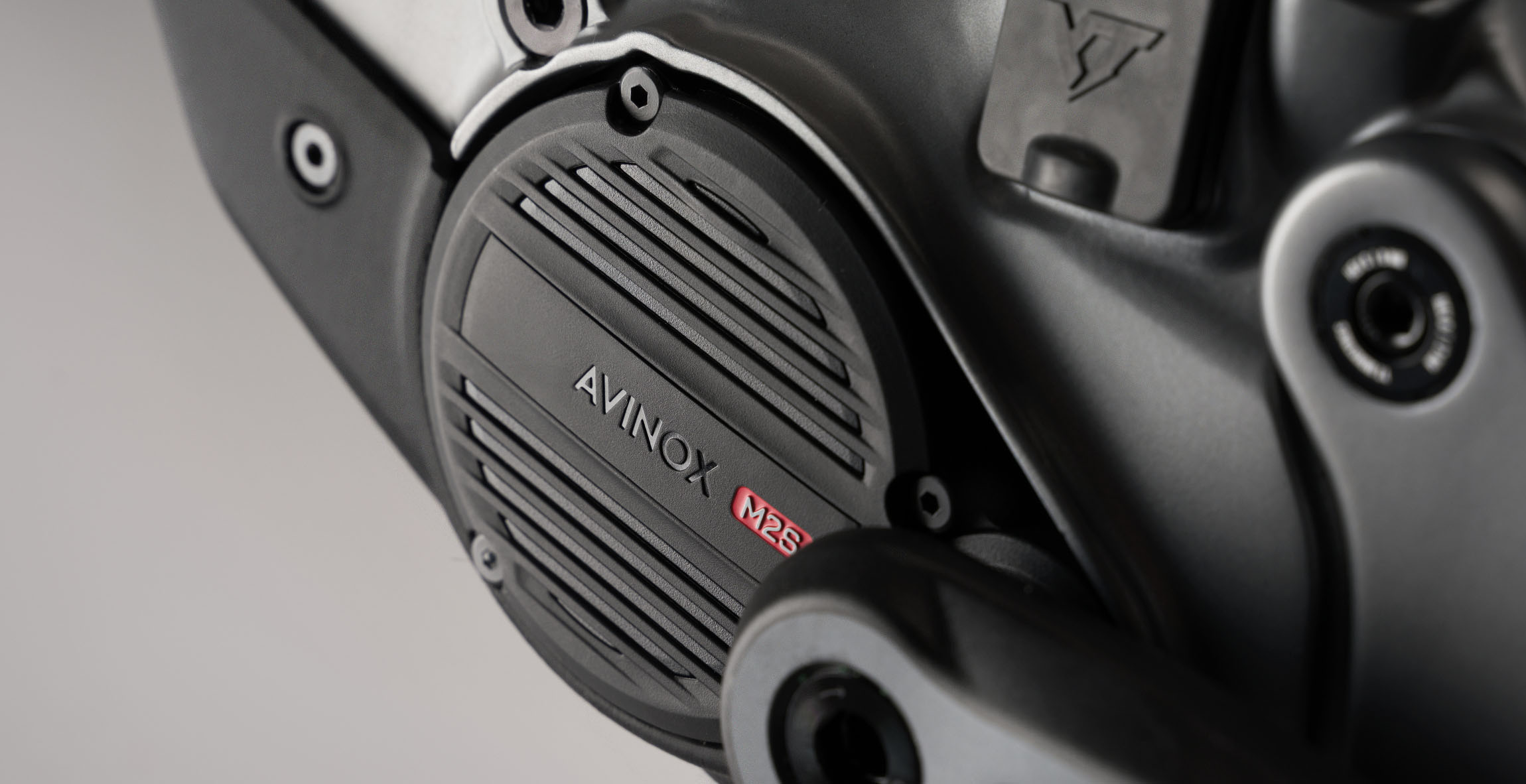
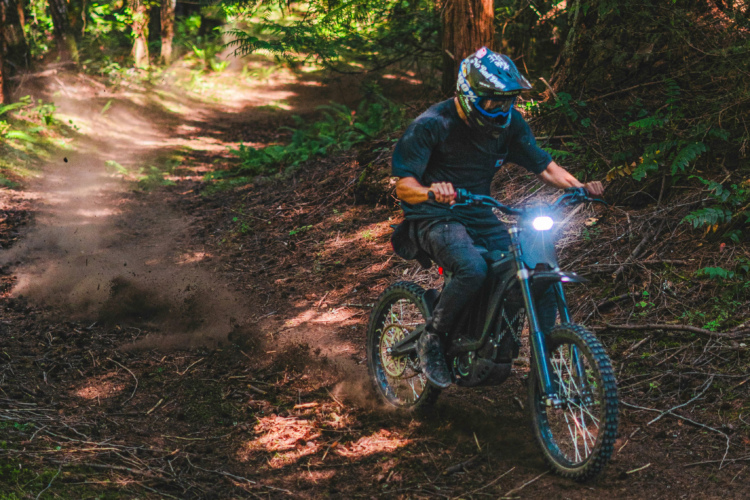
The new Avinox M2S e-bike motor released today is a beast. Capable of delivering 1500W of maximum power output, it delivers exactly twice the peak power of motors sold by Bosch and Shimano. The M2S launch comes amid an ongoing debate over the distinction between e-bikes and e-motos.
Nominal vs. continuous power
In the United States, Public Law 107-319, established in 2002, defines electric bikes as consumer products, rather than motor vehicles. To distinguish e-bikes from motorized vehicles, the law states that a low-speed electric bicycle is “a two- or three-wheeled vehicle with fully operable pedals and an electric motor of less than 750 watts (1 h.p.), whose maximum speed on a paved level surface, when powered solely by such a motor while ridden by an operator who weighs 170 pounds, is less than 20 mph.”
So, how is an e-bike, with a motor capable of delivering more than 750W, allowed to be sold in the US, given the law? In fact, Avinox isn’t the only manufacturer that claims a maximum motor power output above 750W; products from Specialized, Yamaha (formerly Brose), and Giant are said to exceed this limit as well. The answer lies in how the 750W limit is specified, or rather, not specified at all.
Without clear guidance on the matter, manufacturers have interpreted the limit in one of two ways. Either the law refers to maximum power output or continuous, aka nominal, power output. Those working under the latter interpretation claim their motors cannot be operated continuously above the 750W limit, only for short bursts without overheating or damaging the motor.
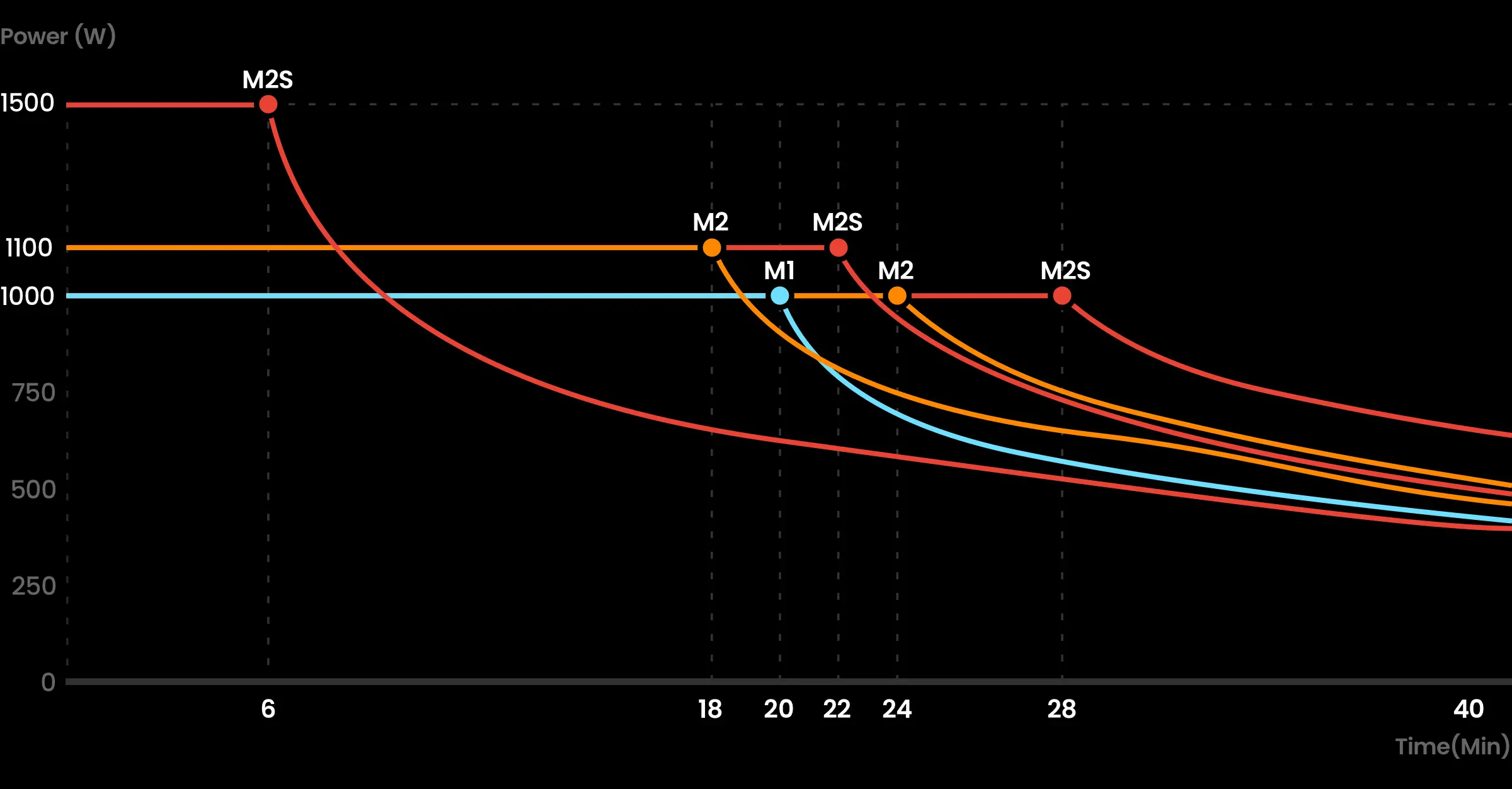
In Europe, the laws are more clear, dictating a maximum 250W of continuous power output. As you can see in the Avinox power output chart above, given a long enough time horizon (40+ minutes), these motors will eventually reduce their output to the limit to avoid overheating.
California recently enacted its own e-bike law, and initial drafts included the words “continuous rated mechanical power” in reference to the 750W limit. However, the final bill removed those words, defining an electric bicycle as a bike with a “motor that does not exceed 750 watts of power,” which is essentially the same as the federal law. Even though the California law is similarly ambiguous, some have interpreted the change in the final bill’s language from “continuous” power to simply power as an indication that the law is meant to refer to peak or maximum power. But that’s just one interpretation, leaving any limits unclear.
Some brands, like Bosch, are holding the line. But it could cost them.
Early last month, mountain bike Hall of Famer Hans Rey penned an open letter to the cycling industry arguing that a 750W maximum power limit should be enforced for Class 1 e-bikes, the most common class that’s allowed on mountain bike trails. One of Rey’s sponsors, Bosch, is the most notable motor brand that has (so far) stuck to the 750W maximum power output limit for their e-bike motors. Rey denies that his position on the matter is influenced by his relationship with Bosch; in fact, he says he partnered with Bosch in part because he agreed with their approach.
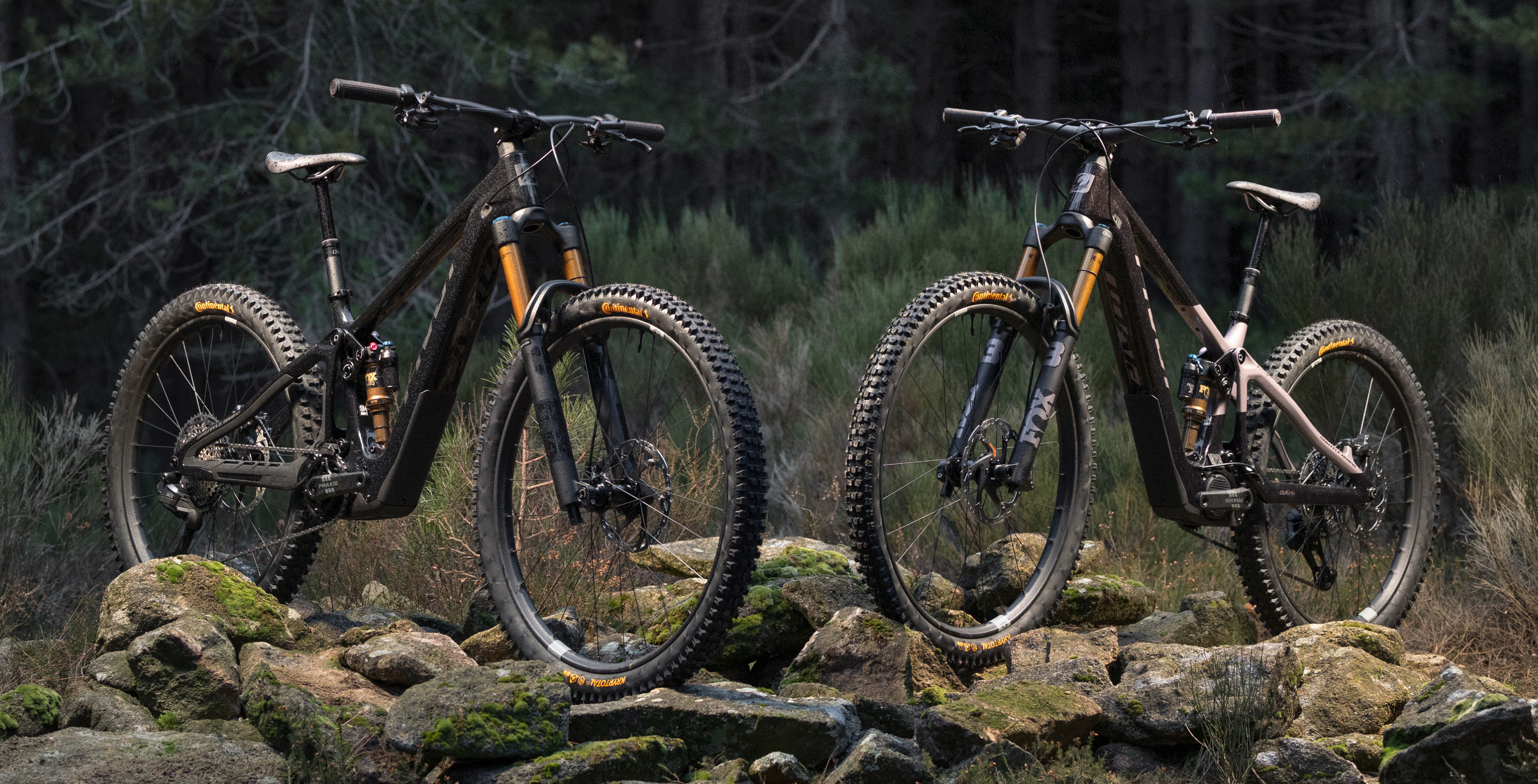
With the release of ever more powerful e-bike motors, Bosch risks being overlooked by riders seeking exceedingly capable machines. The new Pivot Shuttle AMP’d, announced today, specs the Avinox M2S motor; Pivot Shuttle AM and LT models, released in 2025 and 2026, respectively, specced Bosch Performance Line CX motors. The latest YT Decoy, also unveiled today, moves from a Bosch motor to the Avinox M2S. Mondraker’s Crafty eMTB specs Bosch motors, but their new e-bike, the Zendit, has the M2S.
Known for their edgy, renegade aesthetic, YT says their Avinox-equipped Decoy is “so powerful it feels illegal” and “it blurs the lines between climb and descent, delivering a criminally good ride experience.”
Theoretically, the Avinox system can deliver peak power continuously for up to six minutes, though from what I’ve gathered so far, most bikes will limit this output to 60 seconds.
The Avinox M2S is both powerful and capable
From the bits and pieces Singletracks has gleaned ahead of the official M2S launch, this new drive system is incredibly powerful and capable. In addition to offering 1500W of peak power, the motor delivers up to 150Nm of torque, which is significantly higher than what other e-bike motors offer. On the trail, more torque translates into faster accelerations from a stop.
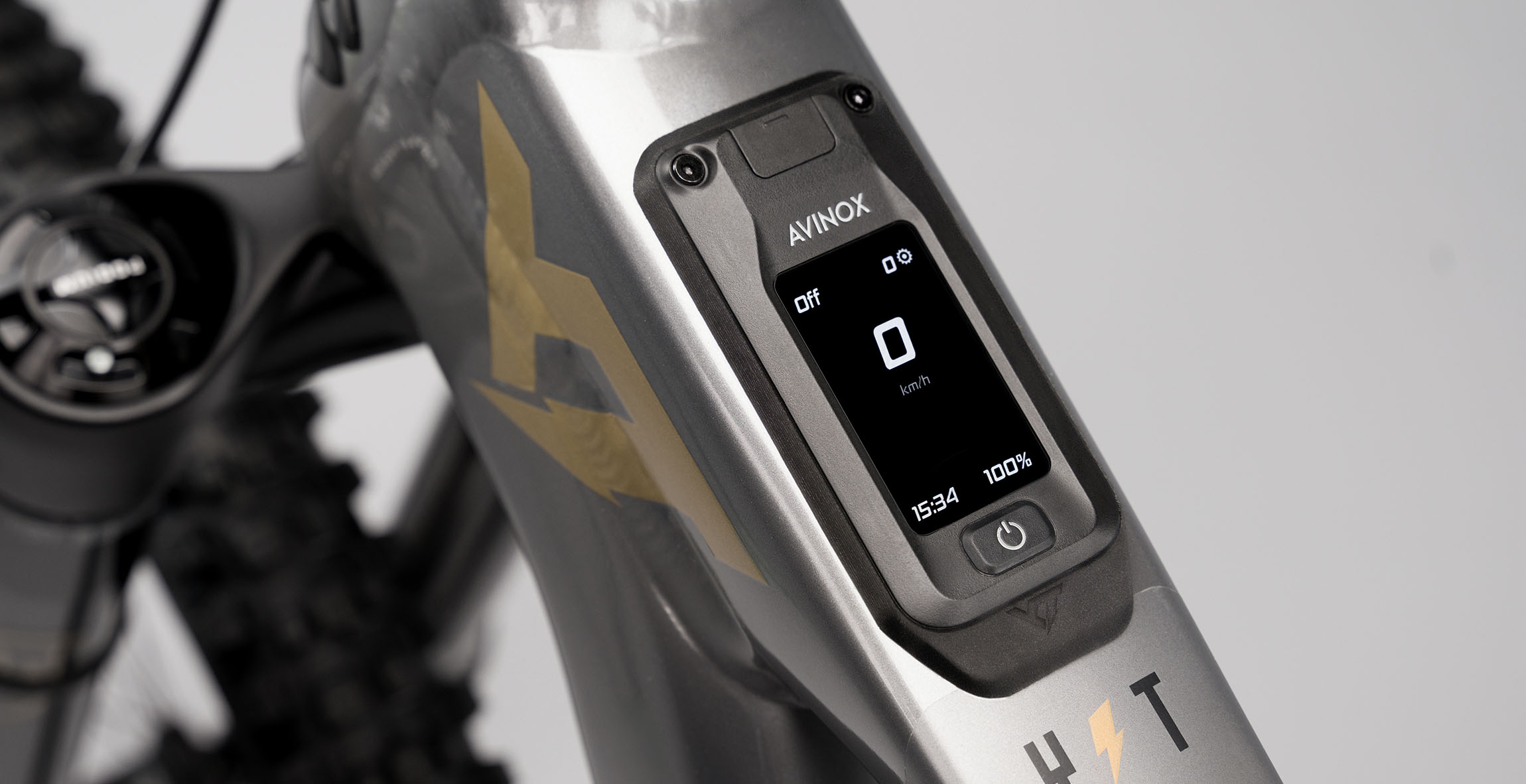
To manage all that power and torque, the M2S system is said to incorporate a sophisticated traction control system. Pivot’s press materials for the Shuttle AMP’d note the “Avinox’s Smart-Assist traction control system uses a 42-point rear speed sensor and gyroscope to detect wheel slip, instantly eliminating unwanted slippage of the rear wheel in even the roughest of climbs.”
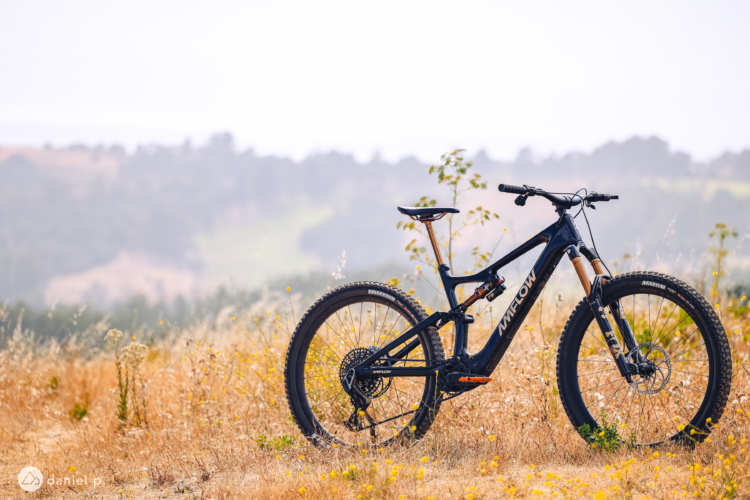
The Avinox M2S bests the brand’s previous-generation motor, the M1, in both power and torque. The M1 offered 1,000W of maximum power output and up to 120Nm of torque; the M2 essentially boosts both specs by about 30%. Many bike brands, including Amflow, Commencal, Forbidden, and Atherton, use the Avinox M1 and could be considering an upgrade to the higher-spec M2S in the future.
Bike brands are clearly attracted to the new Avinox M2S platform, and it’s likely consumers will be too. What this means for manufacturers like Bosch, which have chosen to interpret existing US consumer product laws more conservatively, remains to be seen.
Keep up with the latest mountain bike news by adding Singletracks as a preferred source on Google.


1 Comments
Apr 9, 2026