

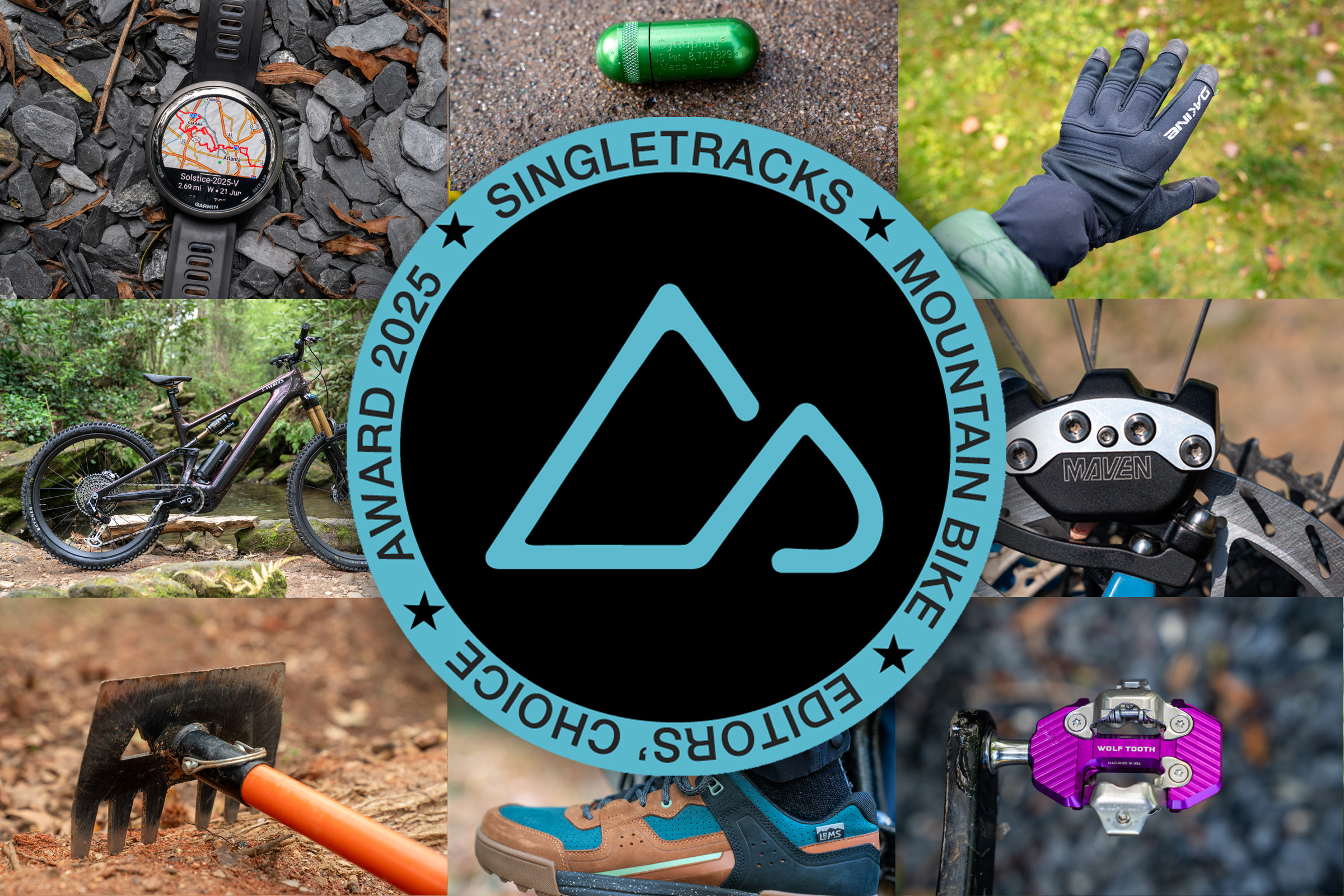
Every year, Singletracks staff members and contributors test hundreds of mountain bike products while riding countless miles of trails, from the dry deserts of the West to the tall mountains of the Rockies to the dense forests lining the East Coast. Among the products we test each year, a select few stand above the others based on their performance; these are our Editors’ Choice for the best gear of 2025.
- Backslope Clyde Jr trail tool
- Dakine White Knuckle glove
- Dynaplug Pill tire plug tool
- Garmin Forerunner 970 GPS watch
- High Above Venture 3D hip pack
- Lems Trail Thrasher bike shoe
- Oveja Negra 925 handlebar bag
- Shimano XTR Di2 drivetrain
- Specialized Turbo Levo 4 eMTB
- SRAM Maven Ultimate brakes
- Wolf Tooth CTRL pedals
Backslope Clyde Jr trail tool
- Price: $69
- Buy from Backslope Tools
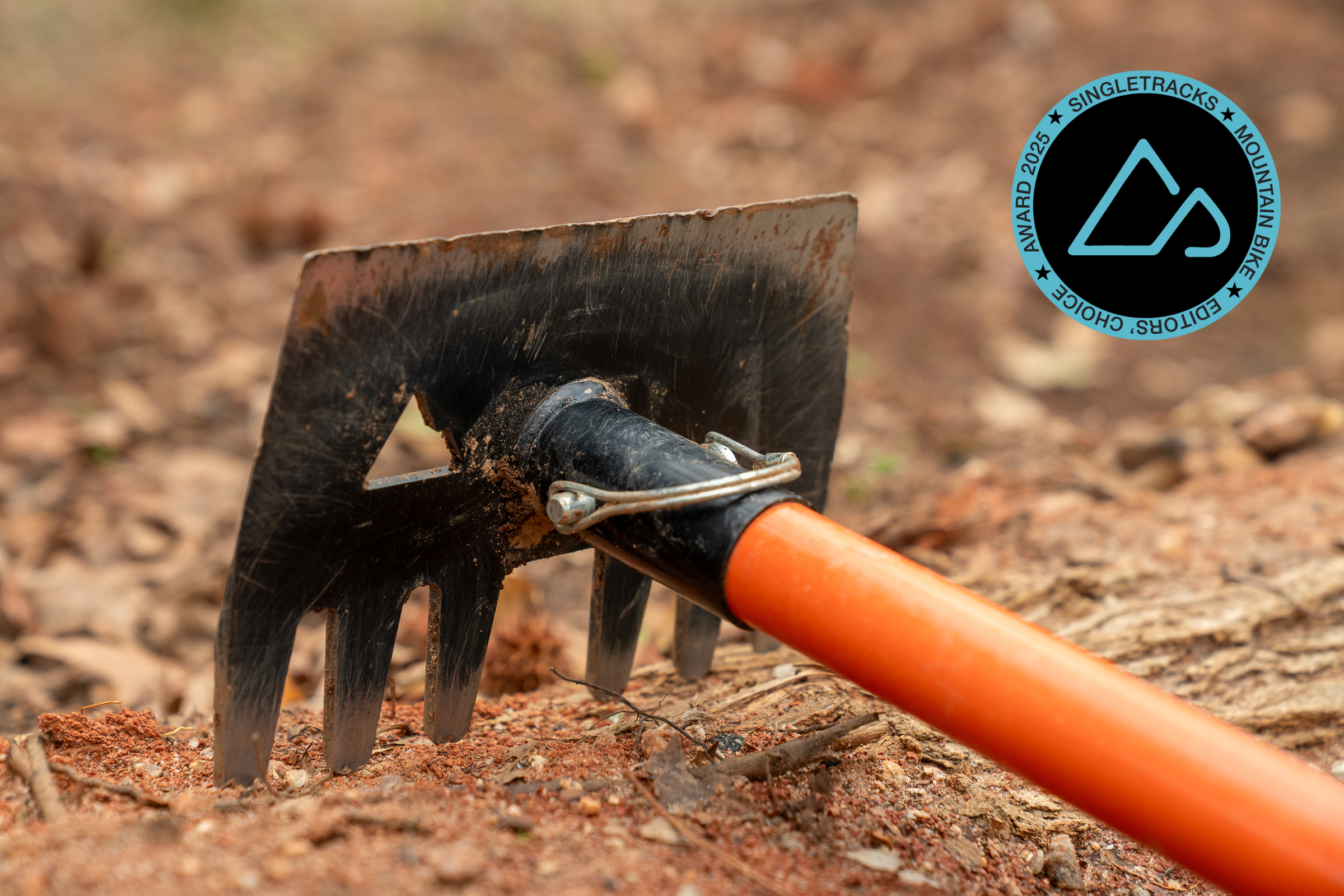
I’ve gotten a lot of use out of the Backslope Clyde Jr trail tool in 2025. This packable, McLeod-like tool comes with a short, 24″ fiberglass handle that is removable at the flip of the included clevis pin, which makes it easy to transport to the worksite by bike.
Though the Clyde Jr is small, it’s also mighty when it comes to cutting and shaping trails. The rake side is great for clearing sticks and leaves before flipping over to the eight-inch-wide cutting edge that slices through roots with ease. And the Clyde Jr features a flat bottom for packing and tamping dirt, which is perfect for putting finishing touches on berms and jumps. In short, it does everything a McLeod can do… just in a smaller form factor.
The steel head is just the right weight to get the job done without giving me a sore back at the end of the day. Made with quality materials, the Backslope Clyde Jr has held up well despite working in questionable conditions a few times this year. After all, if you’re not riding because of the weather, you might as well do a little trail work! On those days especially, the Clyde Jr is my little trail buddy.
Dakine White Knuckle glove
- Price: $55
- Buy from Amazon
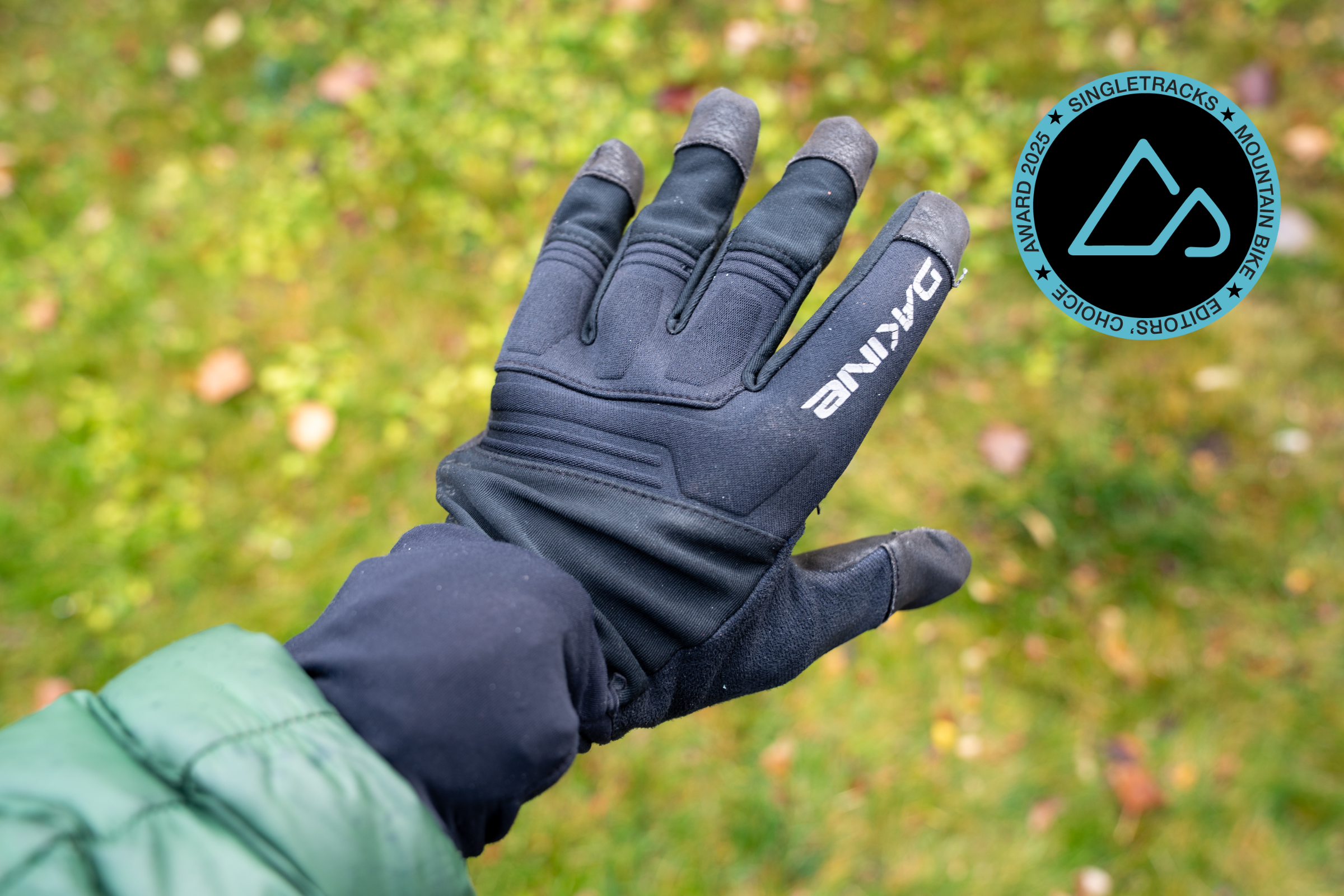
I bought the Dakine White Knuckle Bike Glove several seasons ago, and this fall-weight glove is still going strong years later. The synthetic suede palm has proven to be robust, and not a single stitch is out of place.
But what really sold me is the versatility. The White Knuckle features a deployable rain shell, which is permanently stitched to the glove. When not in use, the rain shell tucks into a pocket in the cuff. When deployed, the shell features a Gore-Tex Infinium softshell three-way laminate that blocks moisture and retains heat. The shell leaves the forefinger separate for braking, but covers the other three fingers together.
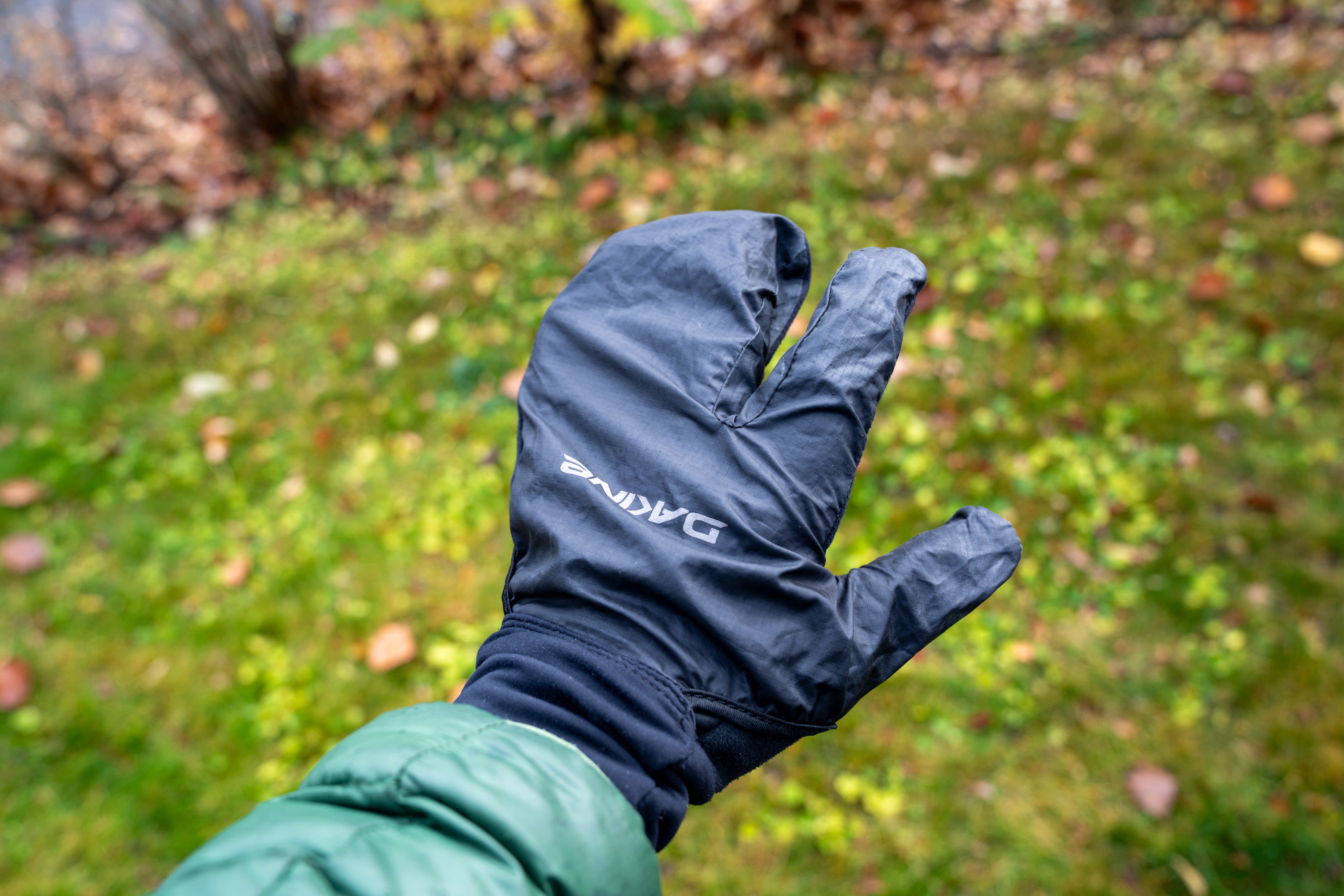
While the use case is obvious for riding in the rain, in sunny Colorado, such conditions are thankfully rare. Instead, I’ve found this glove to be perfect for adjusting to a range of temperatures. For cold early-morning starts, I’ll often begin with the cover deployed. As the day warms up, I can quickly tuck the rain cover away, which cools my hands back down. And if they start to get too chilly late in the evening or on a long descent? Out comes the rain cover yet again.
While the official marketing materials claim that the White Knuckle is “the ultimate cold weather cycling glove” and is suitable for “a frigid winter road session,” I’ve found that it’s only useful for fall-weather riding, at temperatures down to the 30s. For true mid-winter riding in Colorado, more insulation is required.
But that’s ok. Thanks to its incredible versatility, the White Knuckle is usable from the low 30s into the 50s. Combine that versatility with bomber construction, and this glove is a winner.
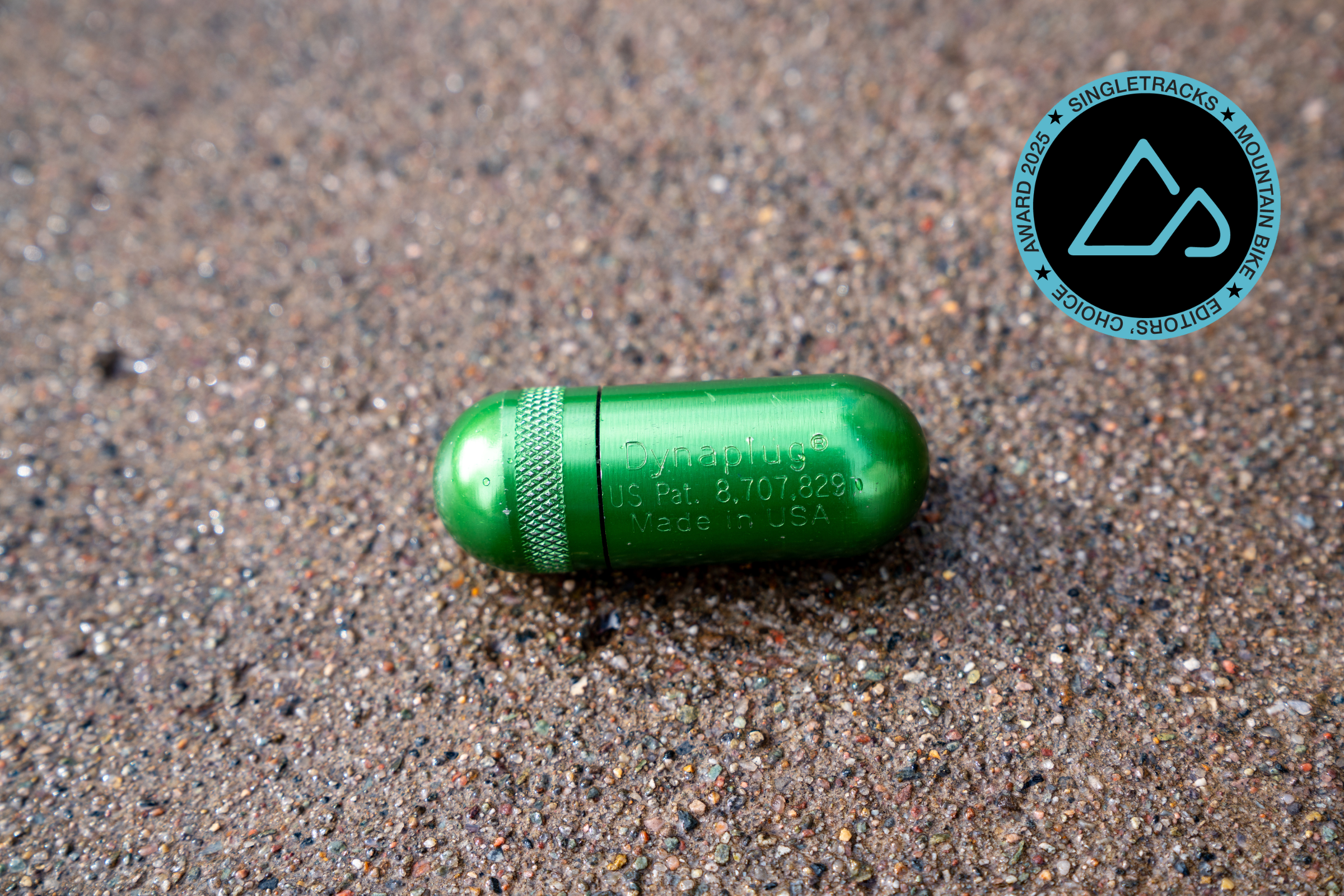
Dynaplug Pill tire plug tool
- Price: $64
- Buy from Performance Bike
Tire technology today is fucking amazing compared to when I started riding 20 years ago. At that time, I’d often carry two tubes and a patch kit on rides, and using both tubes and multiple patches was not unheard of. I recall going through five tubes on one particularly demoralizing media trip ride 12 years ago because the test bike came with tubes in the tires.
Today, flats are a rarity thanks to fantastic tubeless systems, wide rims, and robust sidewalls. On the rare chance I get a flat, it’s usually from a nail or another sharp object. When I do have to plug a hole in my tire, Dynaplug comes to the rescue.
I love Dynaplug in particular because their plugs are tipped with a solid metal head that stays firmly seated in the tire. A metal head isn’t found on all tire plug options, such as so-called “bacon strips” or similar products, which tend to get pulled out of the tire. The beauty of using Dynaplug is that once you’ve plugged your tire, you can just leave that plug in there for the rest of the tire’s usable life.
It’s easy to use the plugs to seal holes of varying sizes. One plug isn’t large enough? Just stick a second right next to it. Once, I pinch flatted the entire tire at the rim, and after punching a pair of Dynaplugs into the gash, they held for hundreds of miles.
While I’ve used both the Pill and the Racer Pro, the Pill wins for versatility. It comes with five plugs ready to go, a small Air Stopper tool to find and plug the hole temporarily to keep air in the tire, and a small saw to trim the ends of the plugs sticking out of the tire — optional, but useful for long-term riding.
I don’t know how many tires I’ve plugged using Dynaplug, and it’s never failed me once.
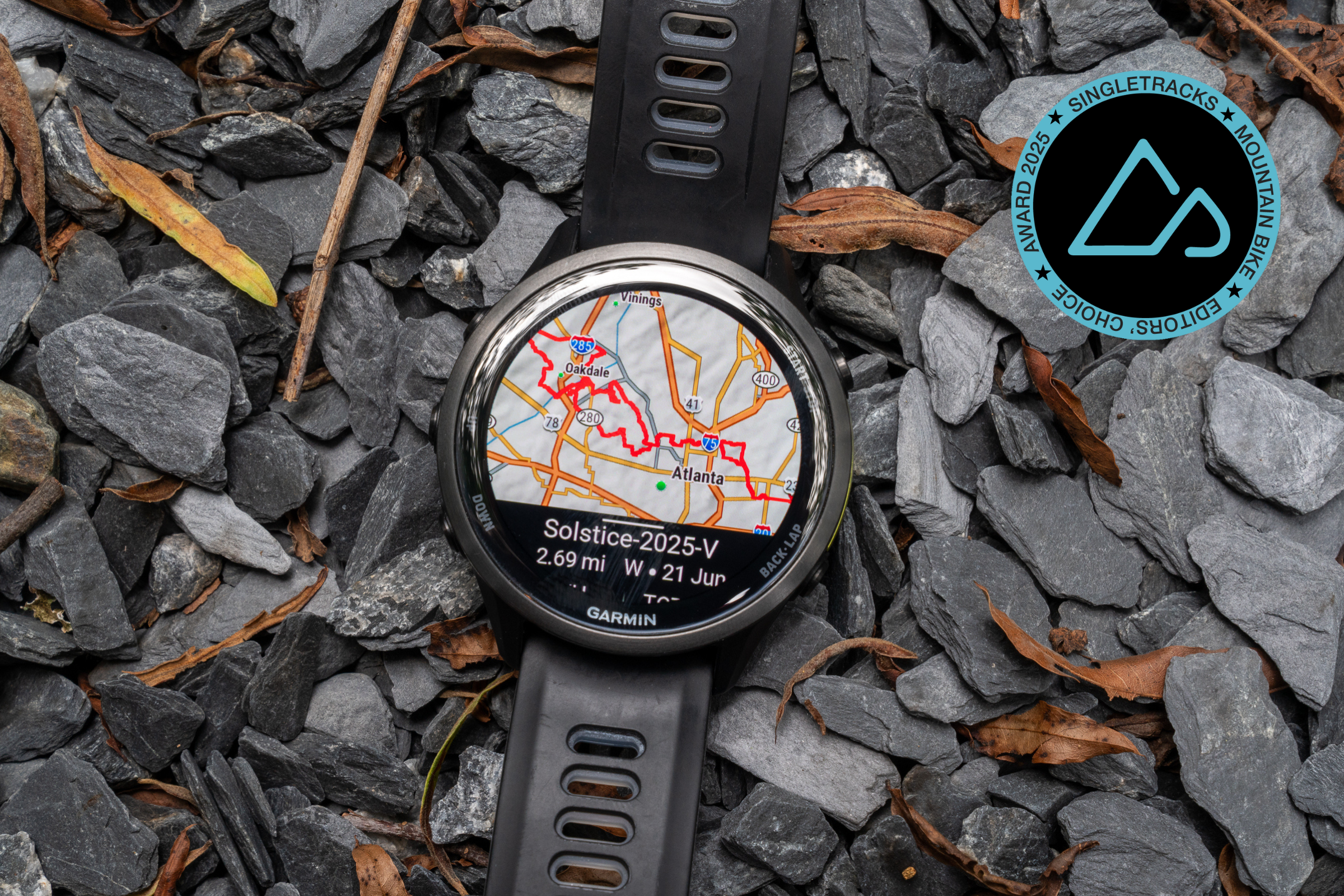
Garmin Forerunner 970 GPS watch
- Price: $749.99
- Buy from Amazon
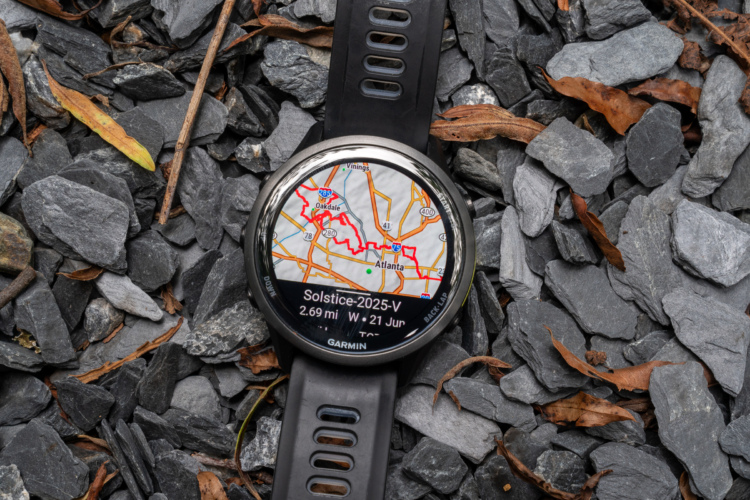
The Garmin Forerunner 970 is the rare item that’s with me 24/7. Come to think of it, it’s the only item I never go without. That’s because it’s constantly monitoring my vitals and crunching the numbers so I know when it’s time to go hard and when it’s time to rest.
Of course, plenty of wearables do the same thing. However, Garmin’s daily on-watch reports are the most insightful and useful I’ve found, and the free app delivers even more detail whenever I feel like digging in. Not only that, the Forerunner 970 includes the same navigation and mapping features I’ve come to rely on from my bar-mounted GPS units. It’s so effective that for most rides and trail runs, I leave my bar-mounted GPS unit at home and just go.
I also love the Forerunner 970’s smartwatch features, like the ability to listen to music and receive text notifications. I’ve tested plenty of smartwatches, including the Apple Watch Ultra, and the Garmin Forerunner 970 is by far my favorite thanks to its full feature set, long-lasting battery, and brilliant color screen.
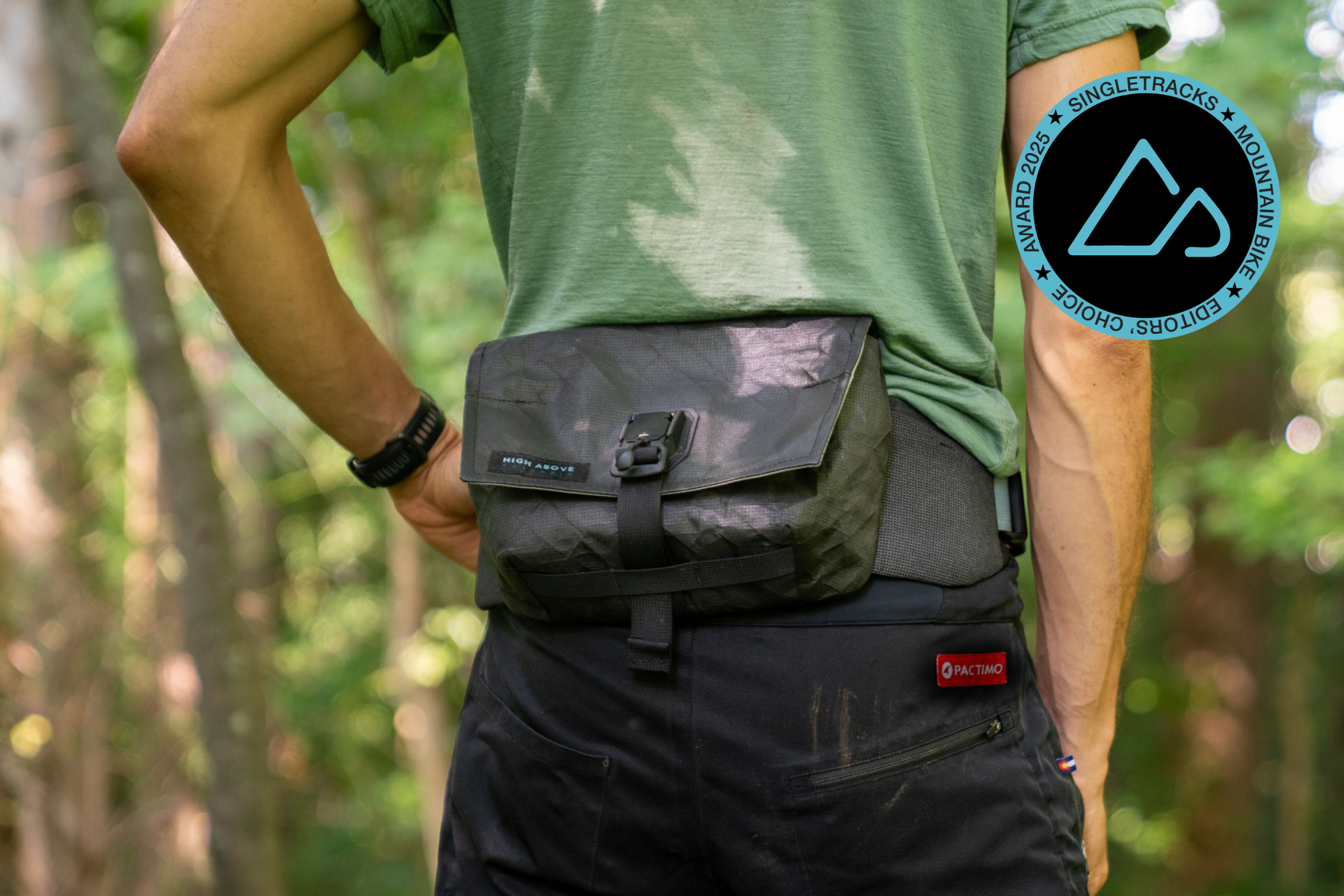
High Above Venture 3D hip pack
- Price: $200
- Buy from High Above
Based on the price alone, I wanted to hate the High Above Venture 3D hip pack. I already own plenty of hip packs, and besides, does anyone want a premium, $200 pack? Actually, maybe they do. More specifically, I do.
The High Above Venture 3D hip pack, made with durable, waterproof material, is just the right size for 2-3 hour rides, which covers the majority of my adventures. The squishy and grippy 3D-printed mesh back panel keeps the pack stable over bumpy trails and is incredibly comfortable on the waist. Magnetic buckles on the waist strap and closure give a satisfying “clunk” when you connect them, and at the same time, they’re easy to pop open with a gloved hand.
For such a functional pack, the High Above Venture 3D looks great too. I wore it to a music festival over the summer and got a lot of compliments, which came as a bit of a surprise. Who knew that such a useful trail pack could be cool, too?
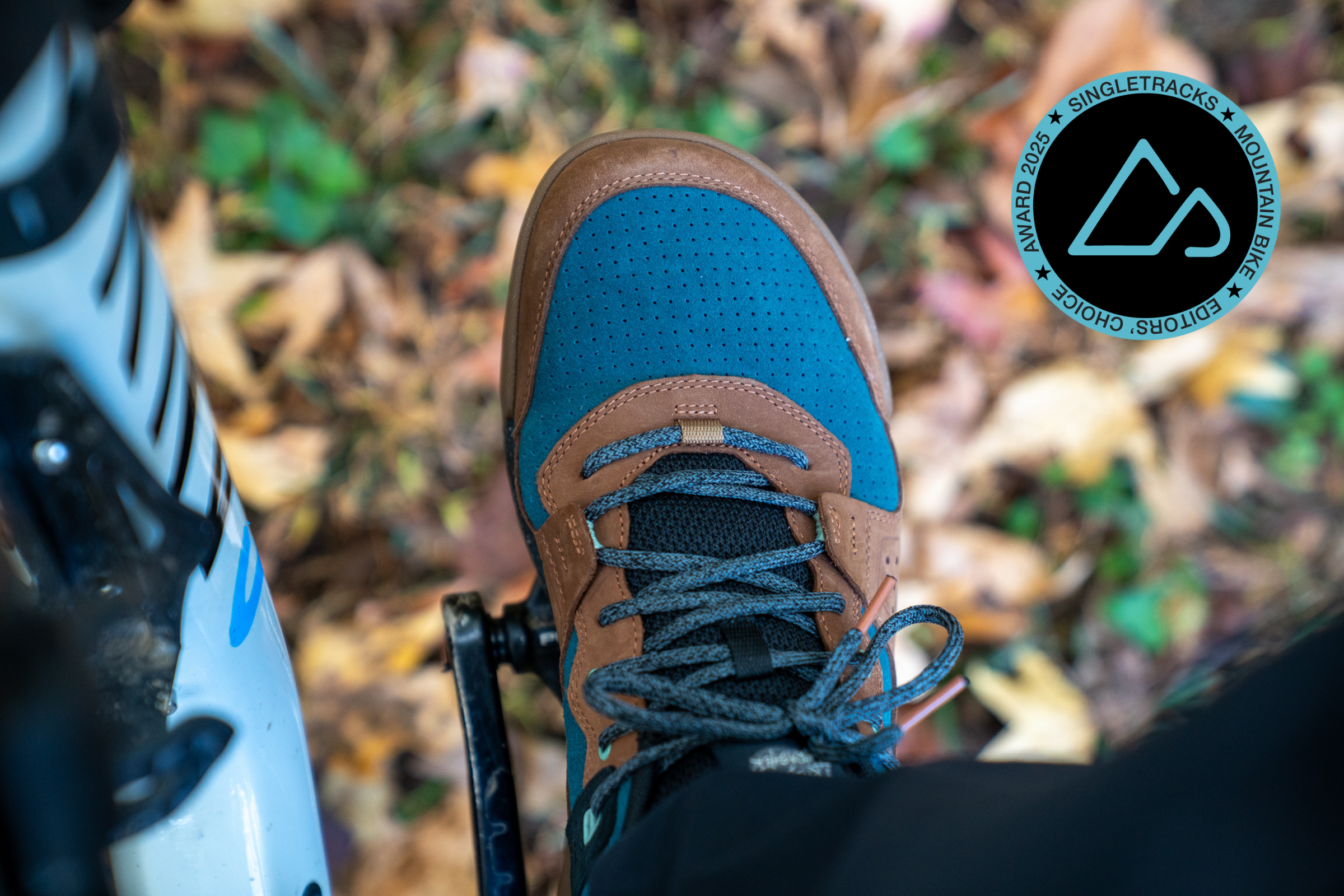
Lems Trail Thrasher bike shoe
- Price: $155
- Buy from Lems
I requested a pair of Lems Trail Thrasher flat pedal bike shoes sight unseen. I was curious to see what the Colorado-based brand would bring to the table for its first dedicated bike shoe, and was pleasantly surprised when it didn’t suck. In fact, not only does the Trail Thrasher look great, it’s one of the most comfortable trail shoes I’ve ever tested.
Lems designed the Trail Thrasher like many of their other shoes with a wide toe box and zero drop from the heel to the forefoot. That means the shoe doesn’t get tight after hours in the saddle when feet start to swell, and it’s easy to find your footing on flat pedals.
To be clear, the Lems Trail Thrasher is a more casual mountain bike shoe, with a sole that’s not super stiff and a basic lace system that gets tight, but not fully locked in. Still, the deep tread has proven to work well for hike-a-bike, and the uppers are durable enough to stand up to abuse on the trail.
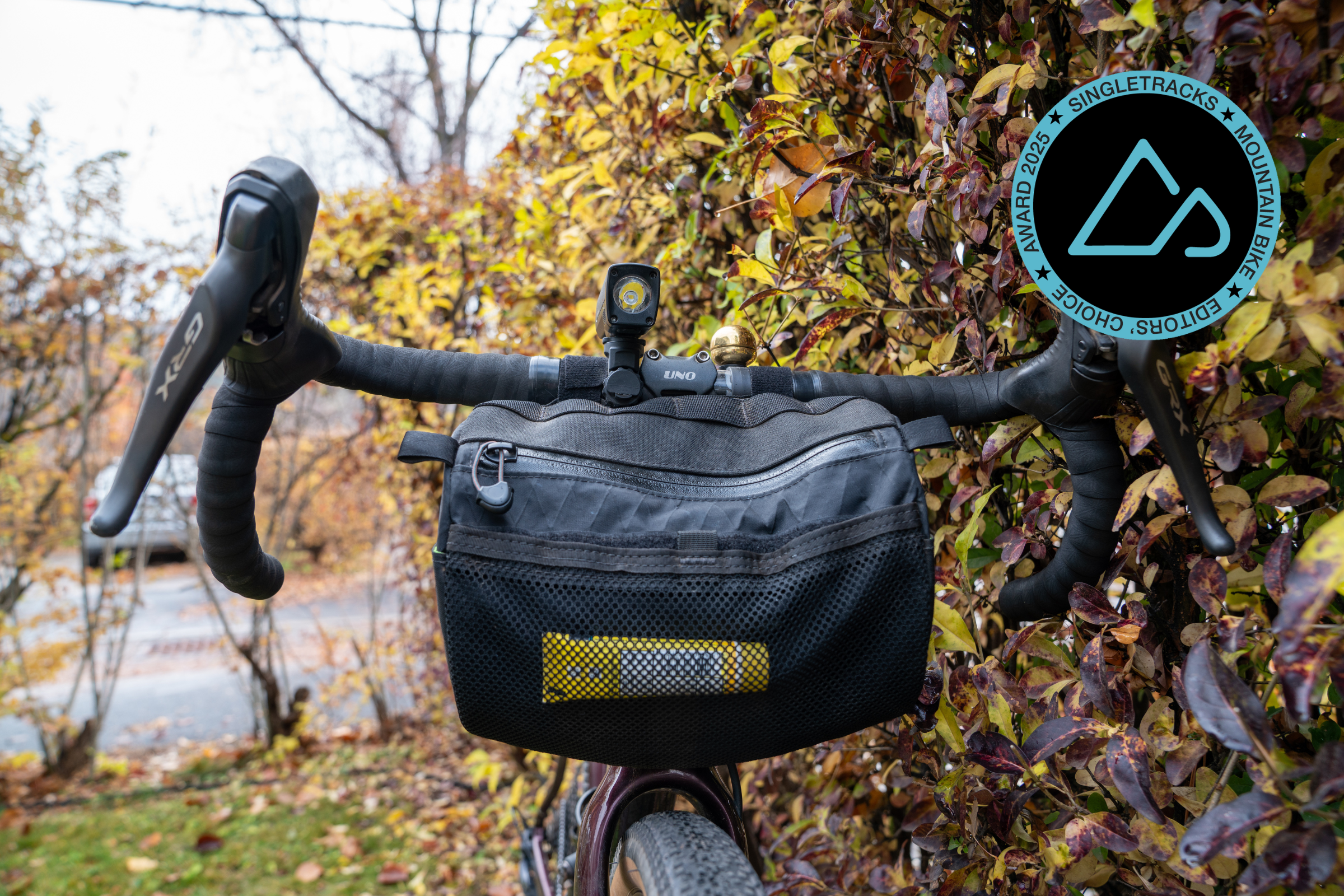
Oveja Negra 925 handlebar bag
- Price: $110
- Buy from Oveja Negra
One of my favorite purchases in the past year is the 925 Handlebar Bag from Oveja Negra. This compact bag boasts a deceptively large carrying capacity of five liters. It attaches to your handlebars, providing easy-to-access storage while grinding out the miles.
In addition to the main compartment, the bag offers a mesh velcroed front pocket and two easy-access side pockets. Inside the main compartment, there’s one zippered pocket to separate small essentials that you don’t want to bounce around, like a phone.
I’ll confess: I was shopping for a small handlebar bag for use on my two-week European bike tour this summer, and I spotted one on Amazon that was less than half the cost of this $110 bag from Oveja Negra. I couldn’t help myself: I bought the cheaper bag to try it out.
But guess what happened?
After just one ride, the stitching began to pull out of a piece of webbing. There’s no way the bag would have been durable enough for a two-week bike tour, so back to Amazon it went while I went down to my LBS to buy a made-in-Colorado bag from Oveja Negra.
This bag has lived on my gravel bike for over six months, and it shows zero signs of wear and has absolutely no issues. When it comes to bike bags, you get what you pay for.
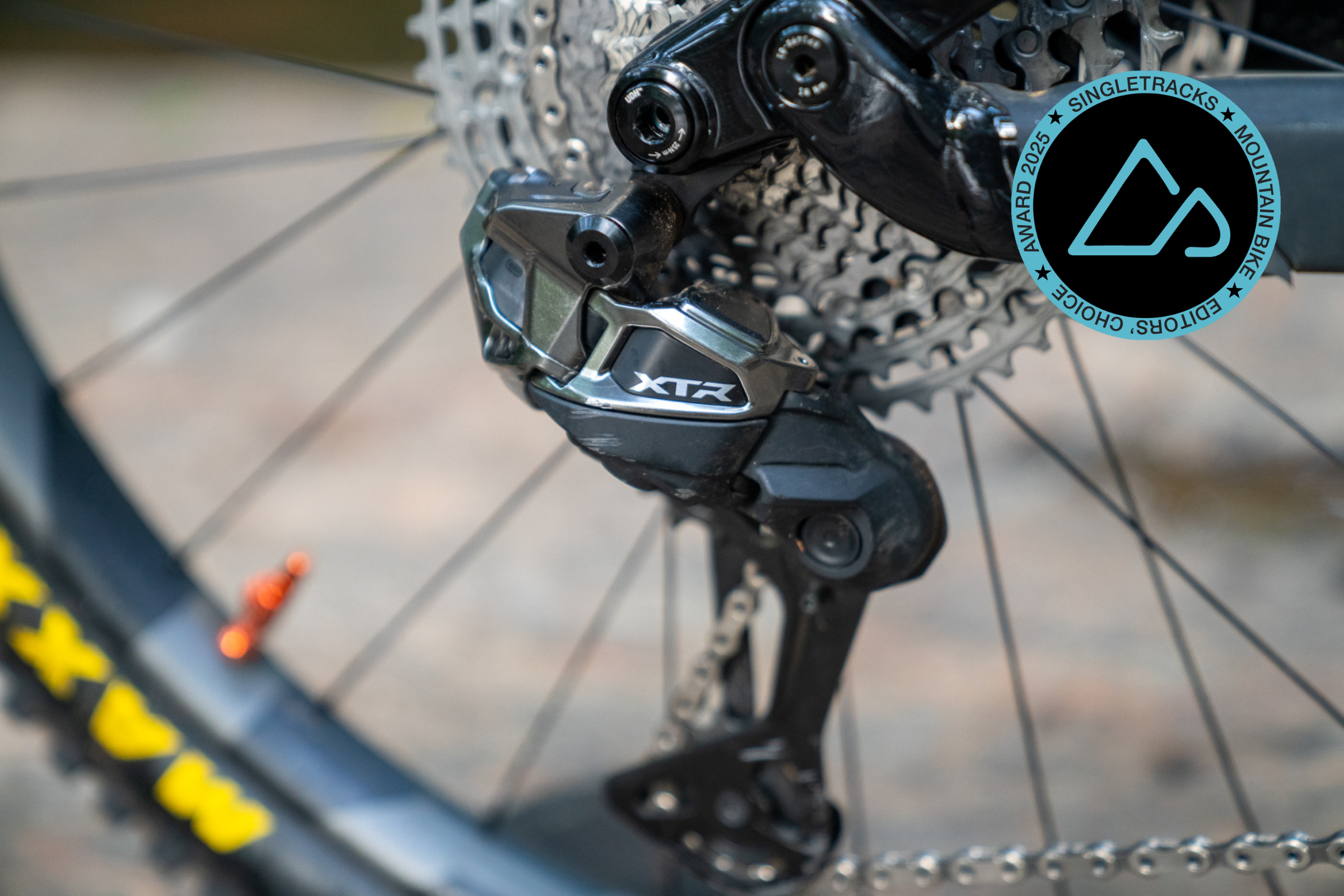
Shimano XTR Di2 drivetrain
- Price: $2,030 for the complete drivetrain; $985 for an upgrade kit with wireless shifter, derailleur, battery, and charger
- Buy from Jenson USA
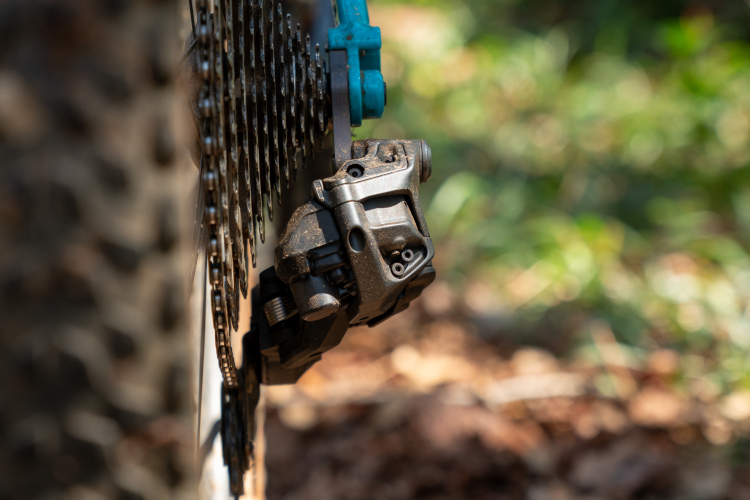
Initially, I wasn’t sure which I liked better: Shimano’s Di2 wireless electronic drivetrain or SRAM’s Eagle AXS Transmission. After spending nearly 10 months on Di2, I can confidently say it’s my favorite. Starting at the shifter, the controls feel natural and familiar, and ultimately, are easier to use when the trail gets rough.
Getting everything set up is a breeze, and I’ve found moving the drivetrain from one bike to another is easier than it is with my SRAM system. If you’ve already got a Shimano drivetrain, chances are you can upgrade to Di2 with just a few parts, unlike Transmission, which requires a whole new crankset, cassette, and chain.
Shimano XTR Di2 has proven incredibly reliable and robust over thousands of miles of riding singletrack in Arizona, Vermont, North Carolina, Arkansas, and Alabama, just to name a few states. It’s my favorite drivetrain release in many years, and I expect this collection to keep going strong for many years to come.
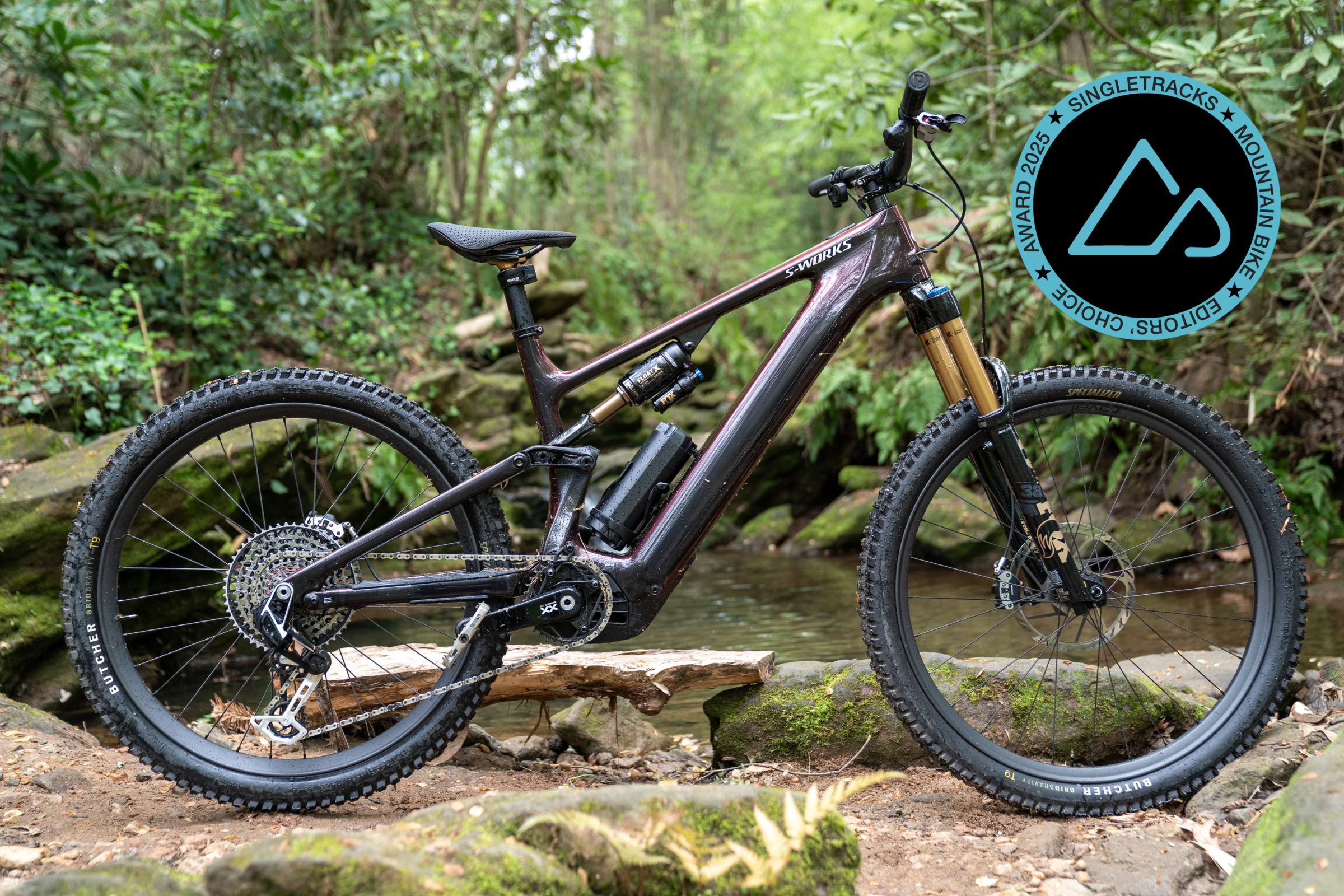
Specialized Turbo Levo 4 eMTB
- Price: $7,999 to $13,499 (tested)
- Buy from Specialized
With top models priced above $13,000, the Specialized Turbo Levo 4 eMTB better be amazing. And it is, even for someone like me who primarily rides mountain bikes without motors. That’s because the latest Levo delivers its power more naturally than any other e-bike I’ve tested, which makes it ride almost just like my favorite mountain bikes.
Though the Levo is heavy — my test bike tipped the scales at 55+ pounds — it’s suspended using the same impressive Genie tech found on the Specialized Stumpjumper 15. Genie makes suspension setup simple and delivers excellent traction, which is a big plus at e-bike speeds.
The whole ride experience is dialed, from the integrated top-tube display to the component selection to the optional range extender that lets you ride (almost) all day. Put simply, if I were to own an eMTB, this would be the one.
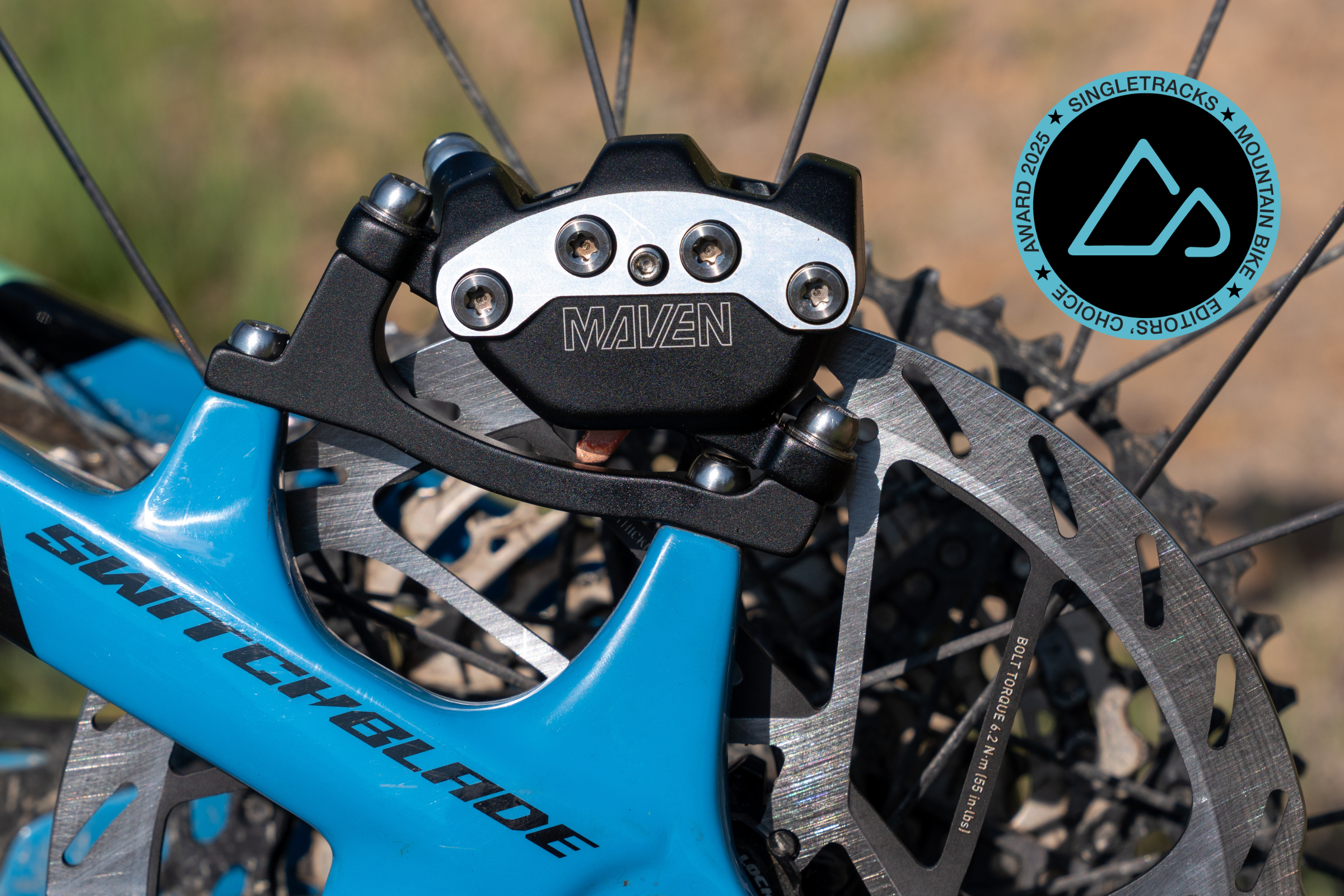
SRAM Maven Ultimate brakes
- Price: MSRP $330 each, rotors not included
- Buy for $264 from REI
One year later, and the SRAM Maven Ultimates are still the best mountain bike brakes I’ve ever used. Sure, the newest rendition of Shimano’s XT brake is damn good, too, but there’s just something about the power and confidence that the Mavens inspire. I’ve ridden the Mavens all across North America in conditions ranging from dry and dusty to wet and slick, and the premier stopping power these brakes offer just can’t be beat.
Yes, you pay a bit of a weight penalty to run a set of Mavens. No, they probably don’t make sense for a lightweight trail bike. But if you’re riding steep, aggressive terrain and routinely find yourself dropping into unknown trails in variable conditions that you expect to be filled with unrelenting gnar, the confidence of running the best brakes on the market could make the difference between chickening out and sending with confidence.
Since my original review, I’ve smashed the lever into an unrelenting rock slab, and it came away with mere cosmetic scratches. I’ve also changed my pads once and had the brakes bled once. Granted, I haven’t been riding my Pivot Switchblade as much as the Trailcat this year, but generally speaking, I’ve found the Mavens to require little maintenance and provide high performance.
Wolf Tooth CTRL pedals
- Price: $219.95
- Buy from Wolf Tooth
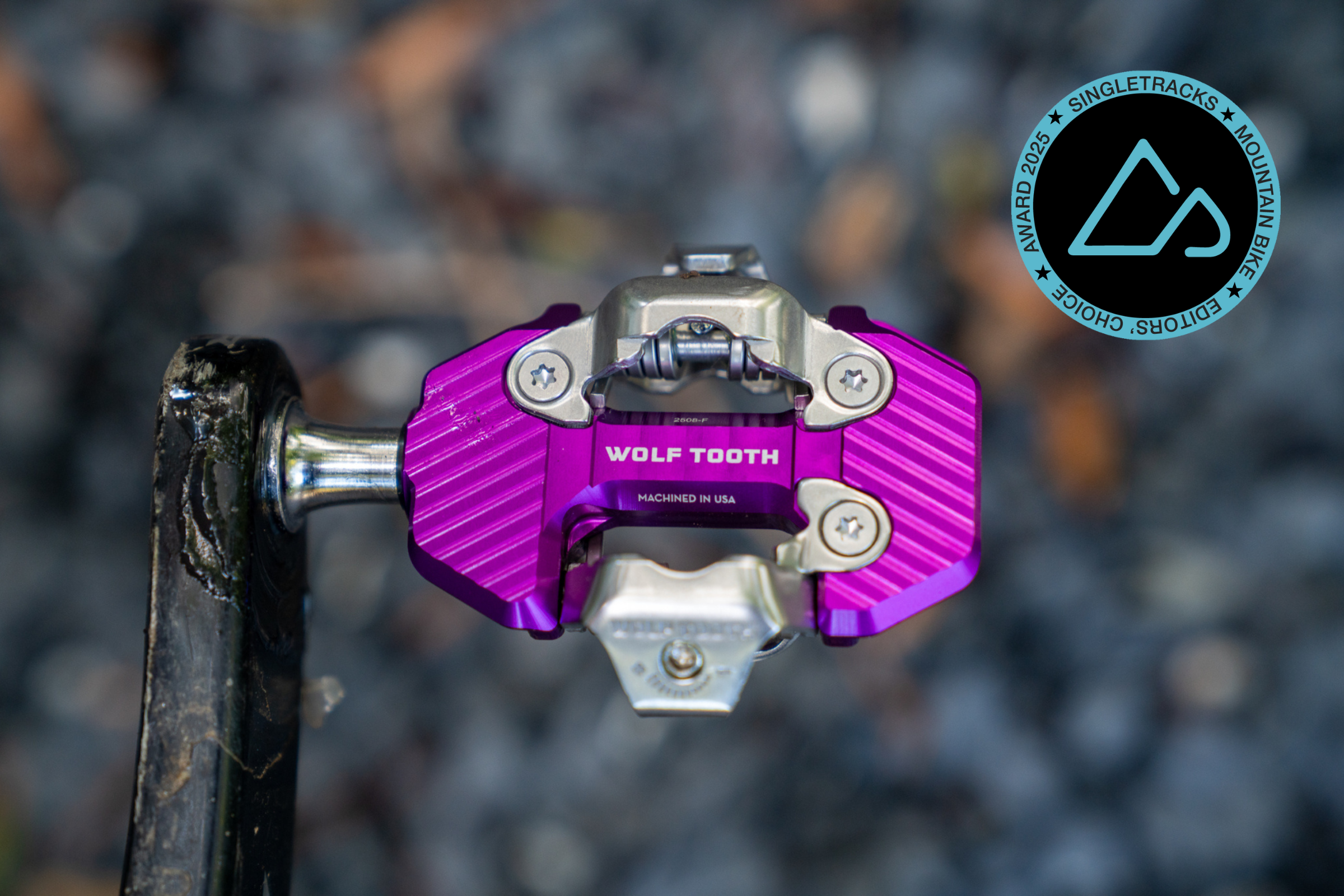
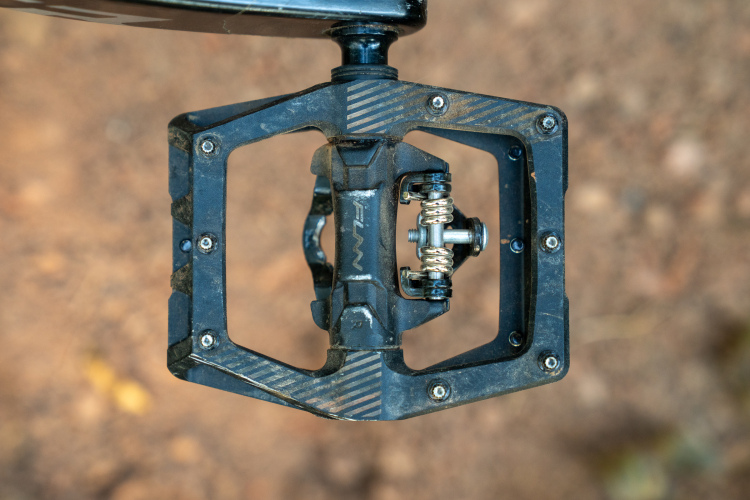
As far as clipless pedals go, the all-new Wolf Tooth CTRLs are among the best I’ve tested in many years. They’re lightweight while at the same time offering a decent-sized platform that offers support to minimize hot spots on long rides. Plus, the platform makes it easy to find the pedal with your foot and get clipped in without so much as a glance. The clipless mechanism is one of the smoothest on the market, with adjustable tension and an adjustable Q-factor that riders can customize to their liking.
I got a few solid months of riding on the CTRLs before publishing my review on October 9. That day, my friend Pearl forgot her pedals and stopped by to borrow a pair on the way to a ride.
“Take these,” I suggested.
After the ride she texted, “I like these pedals!” Since I usually ride with flat pedals, I told her to keep the CTRLs. “I’m going to get a lot of use out of them,” she replied. Given the quality construction and performance on the trail, I don’t doubt that one bit!



1 Comments
Dec 14, 2025
XTR Di2? Really???