
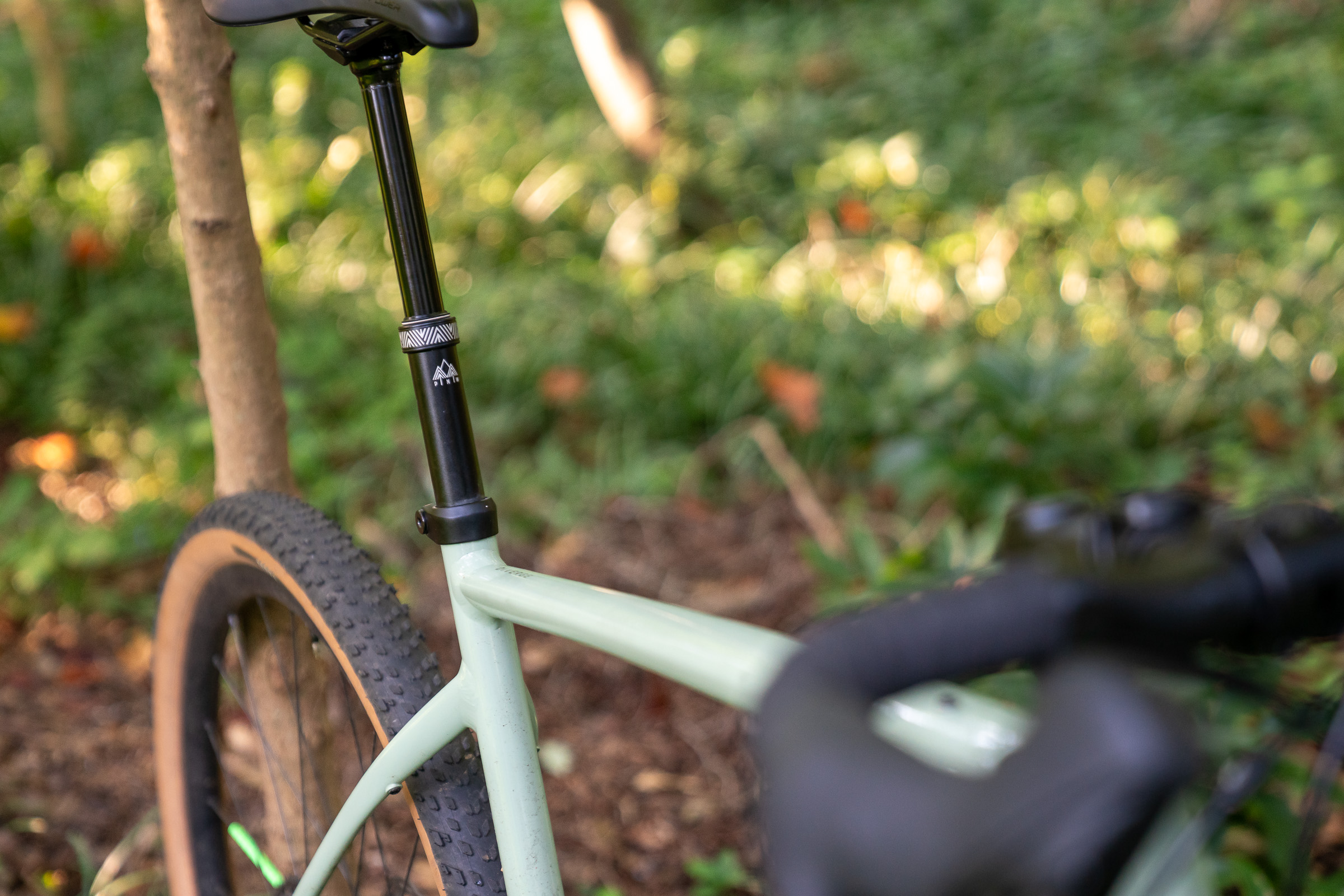
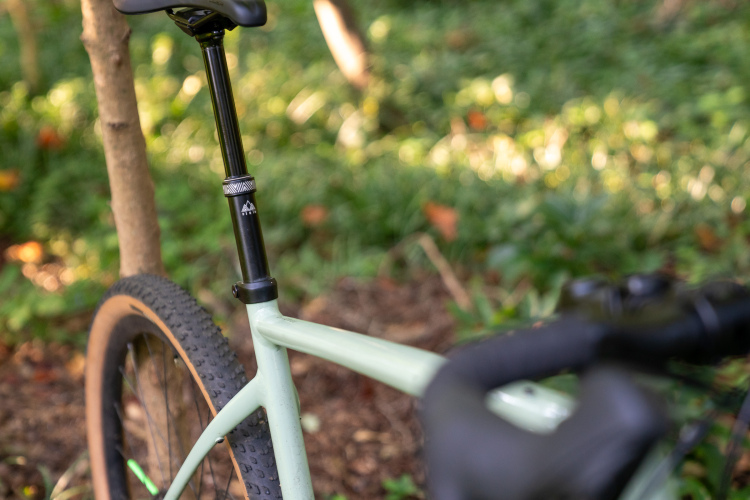
To me, the dropper post is the single most useful mountain bike component ever invented. Now, after adding the PNW Rainier to my gravel bike, I’m convinced it’s the most useful gravel component too.
Offering 125mm of travel, the PNW Rainier is one of only three 27.2mm diameter dropper posts that deliver that much drop. It also costs less than any of those and fits more riders. Adding the Rainier to my Specialized Diverge gravel bike completely transformed how I ride, and now I can’t imagine riding a drop-bar bike without it.
PNW Rainier key specs
- Travel: 125mm or 100mm
- Tool-less travel adjustment in 5mm decrements, 25mm max
- Weight: 450g (125mm version)
- Price: $199 (lever not included)
- Buy from PNW and Amazon
125mm of travel is actually a lot for a gravel bike dropper post
If you’re new to gravel bikes, you might be surprised to learn most bikes are built with a 27.2mm (internal) diameter seat tube, which is narrower than standard mountain bike seat tubes. Road bikes fit 27.2mm-diameter seat posts, so it kinda makes sense. Some kids’ bikes also fit 27.2mm posts.
Reviewer profile height: 190cm (6’3″) weight: 75kg (165lb) testing zone: Southeast, USA
With a smaller diameter to work with, component designers have to be careful about post length. Too much travel, and the stanchion could bend or worse. It seems 125mm of travel is right at the limit, as no other 27.2mm post offers more. Only the Crankbrothers Highline and the newly released Teravail Telec match the Rainier.
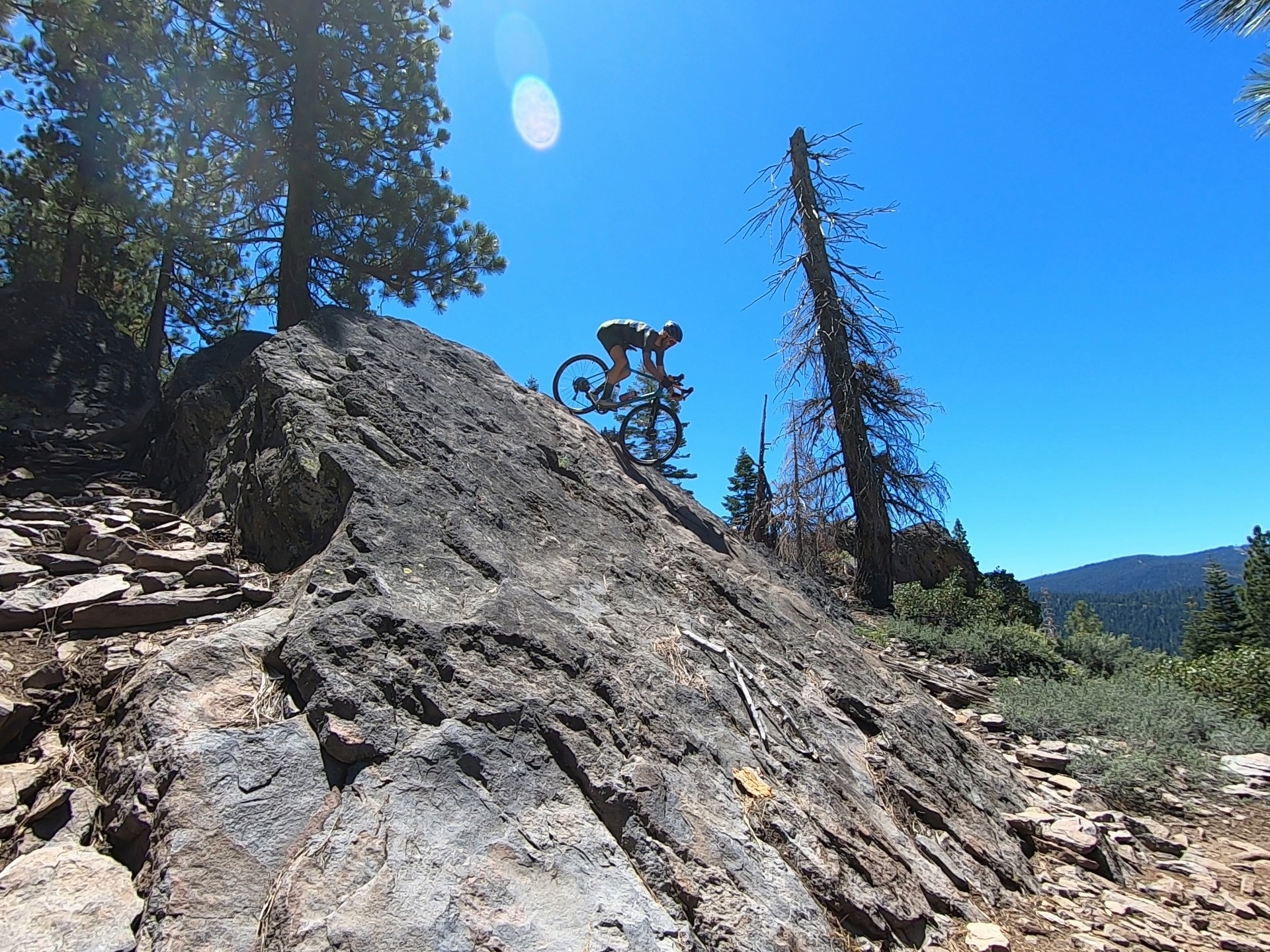
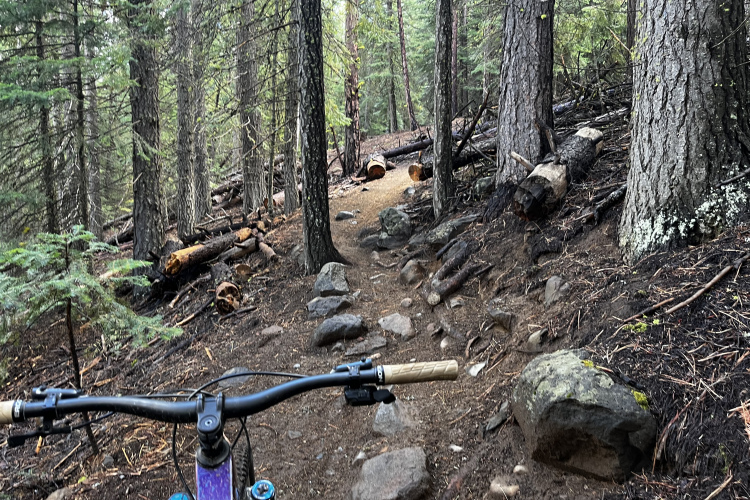
Now, some might argue that drop bar bikes don’t need very much travel anyway, though this tall and adventurous rider begs to differ. Early drop-bar dropper posts offered as little as 40mm of travel, but let’s be honest: that’s not enough to make a real difference for anyone. More drop is better, especially when riding steep or technical singletrack. If you don’t ride singletrack on your gravel bike, it might be because you don’t have a dropper post on it. Just sayin’.
With the post dropped, I can crawl over rocks and navigate steep drops without feeling like I’m going to flip over the bars. It’s also great for ducking low under branches on sketchy cut-throughs. One thing that hadn’t even crossed my mind was the ability to drop the seat at stoplights when riding on the road. Now I do it every time and can’t imagine road riding without a dropper.
For singletrack in particular, if I could get even more travel, I’d take it. On my 61cm gravel bike, I have about three inches of seatpost showing, which suggests there’s room for additional travel. Then again, I’d prefer my seatpost didn’t bend or bind, so I guess I’m OK with *just* 125mm.
The PNW Rainier is designed to fit more riders
Everybody deserves to run a long-travel dropper post, and the PNW Rainier beats the other 125mm posts in terms of fit. The post has a maximum insertion length of 257mm, which is less than the Highline (269mm) and the Telec (273mm).
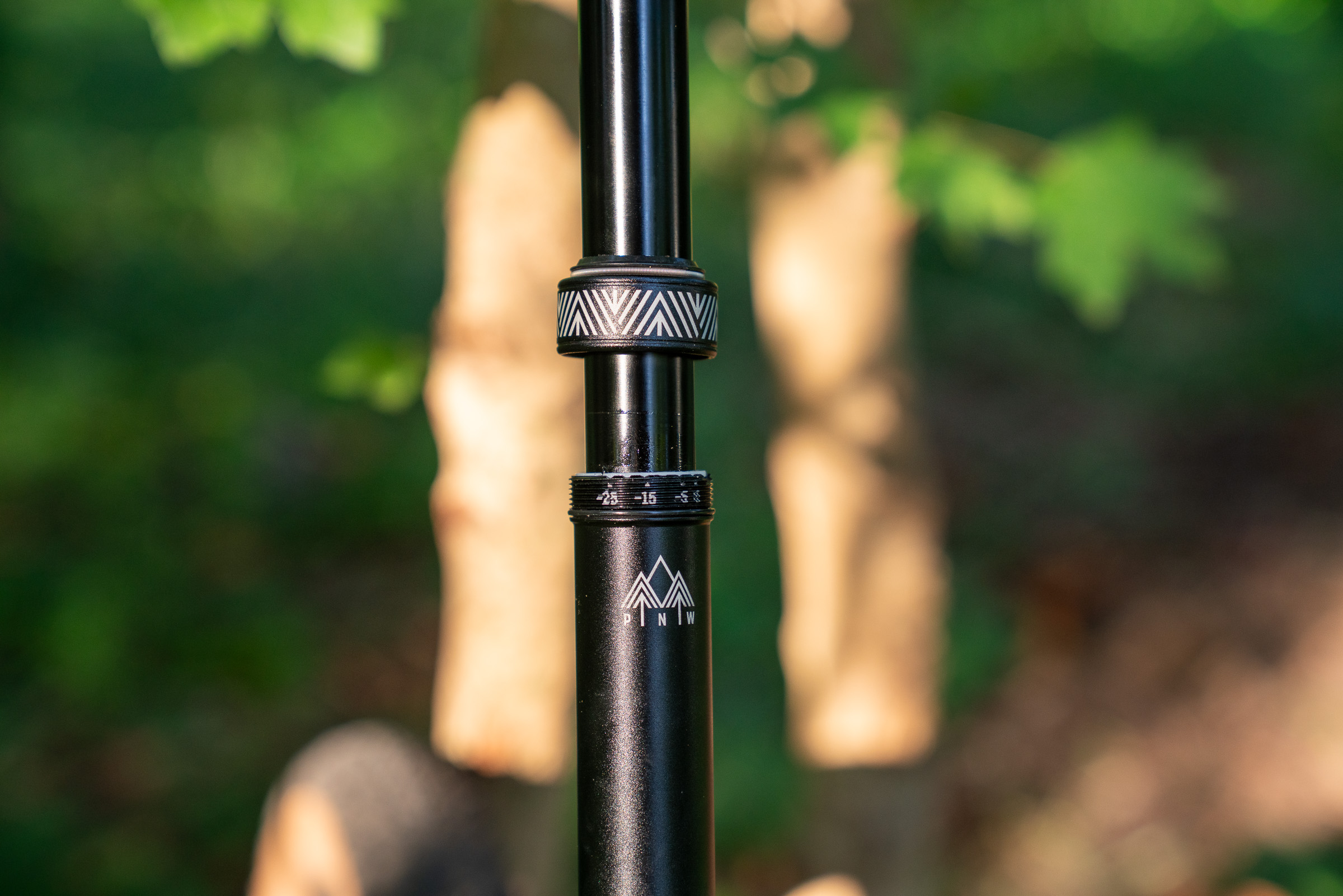
Plus, the Rainier has another trick up its sleeve. The post has a tool-free travel-adjust feature that lets you reduce the travel in 5mm decrements by up to 25mm. Other posts either don’t have this feature or offer clunkier 10mm adjustments. The upshot is riders can eke out just the right amount of travel based on their bike and fit.
There’s also a 100mm-travel version of the Rainier to fit smaller frame sizes. You can adjust that post down to 75mm of travel.
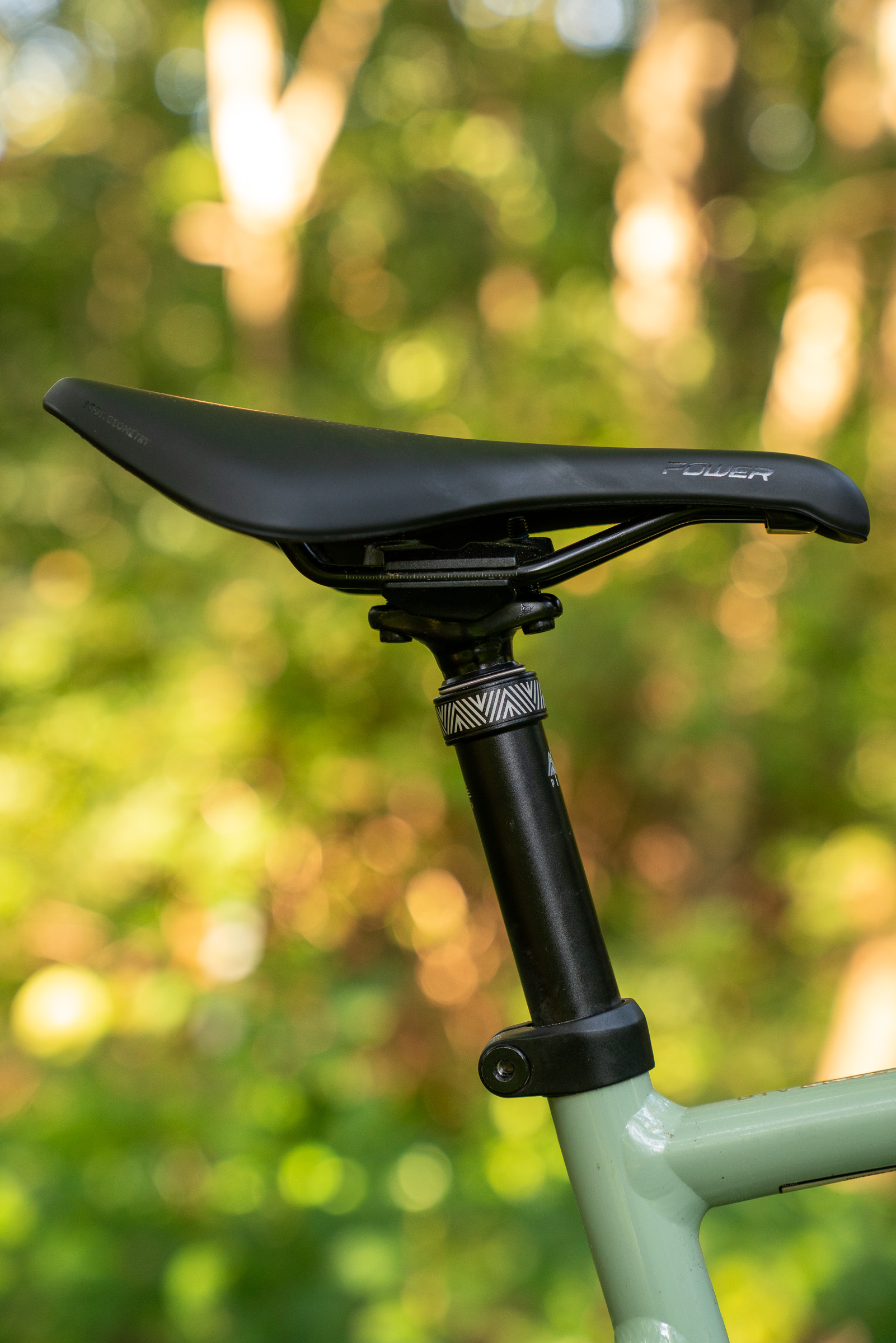
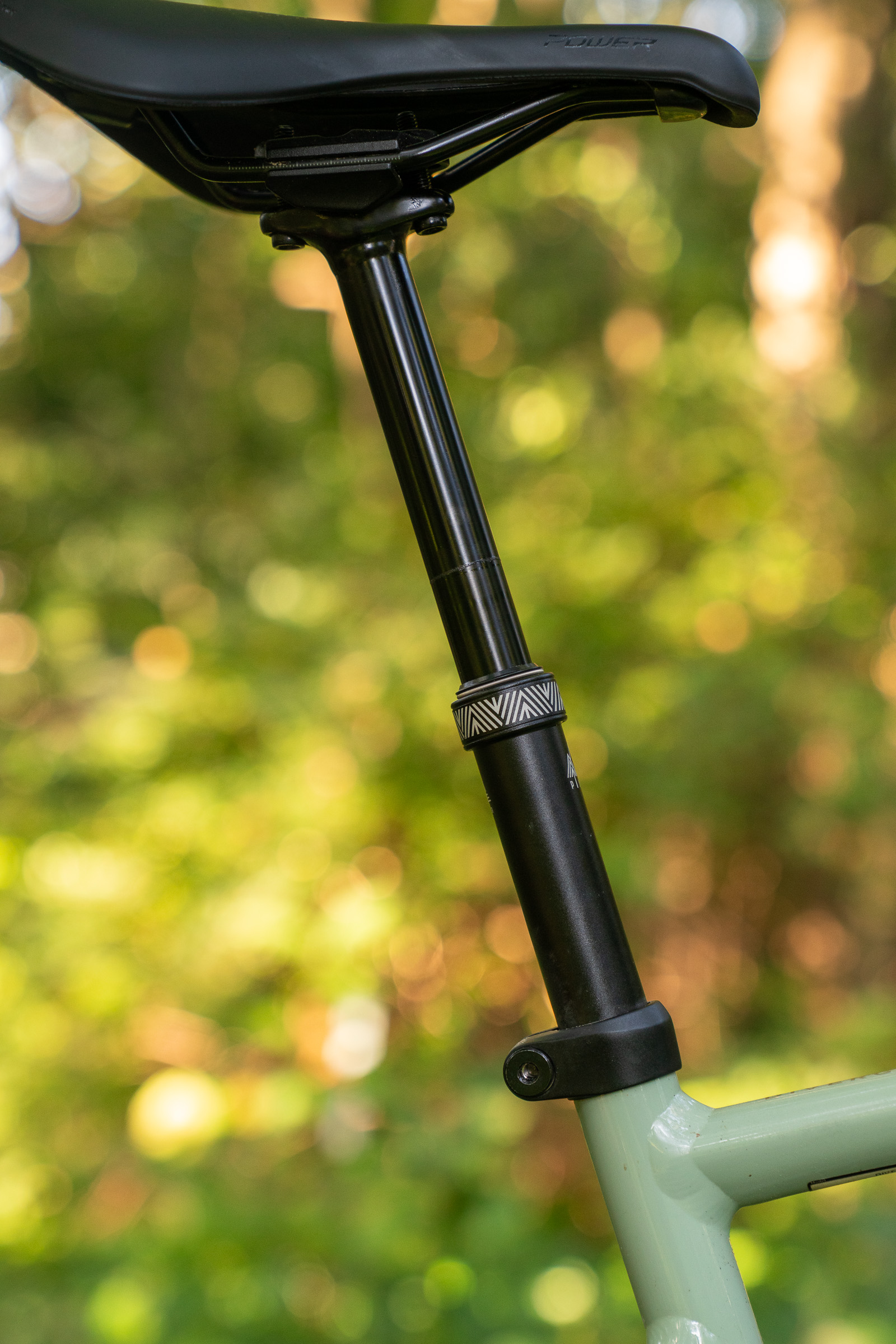
A reliable and snappy return
Compared to other posts I’ve tested, the PNW Rainier has what I’d call a medium-speed return. It’s not so fast that it catches you off guard, nor is it so slow you wonder if it’ll make it up at all. PNW uses a sealed air cartridge, which means less hassle, though it also means you can’t adjust the post’s return speed.
At the top of its travel, the PNW Rainier responds with a nice thunk. As expected, it goes down smoothly and has minimal rotational play.
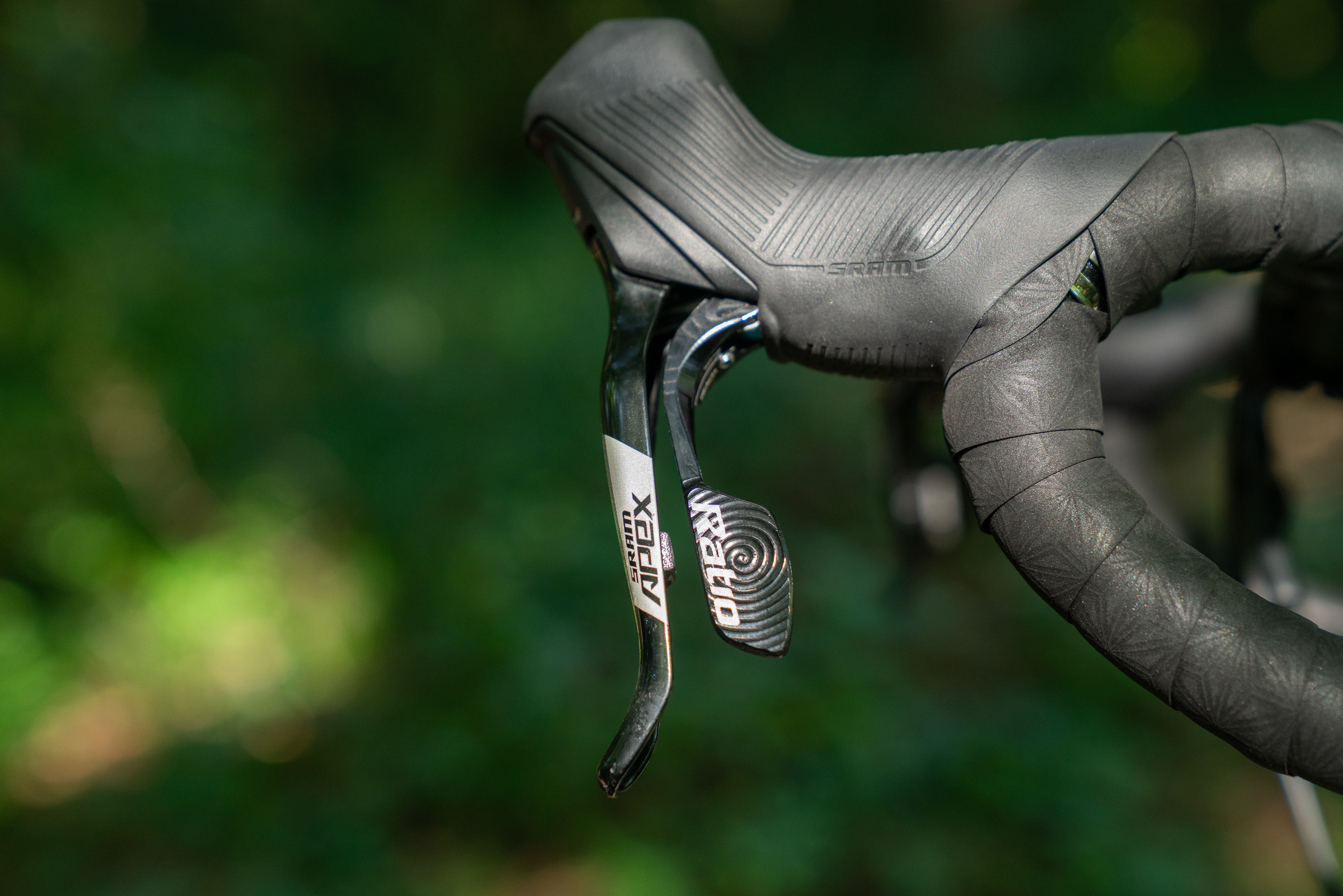
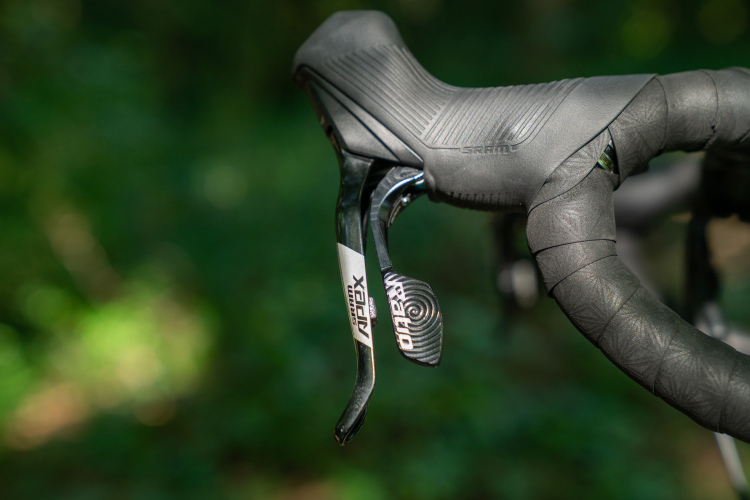
PNW offers a drop-bar lever kit (sold separately), but since I’ve tried this style of remote on a drop-bar bike before, I decided to go with something easier to use. The Ratio Drop Dropper lever works great with the Rainier and lets me drop and raise the post without compromising my grip.
It’s the details that matter
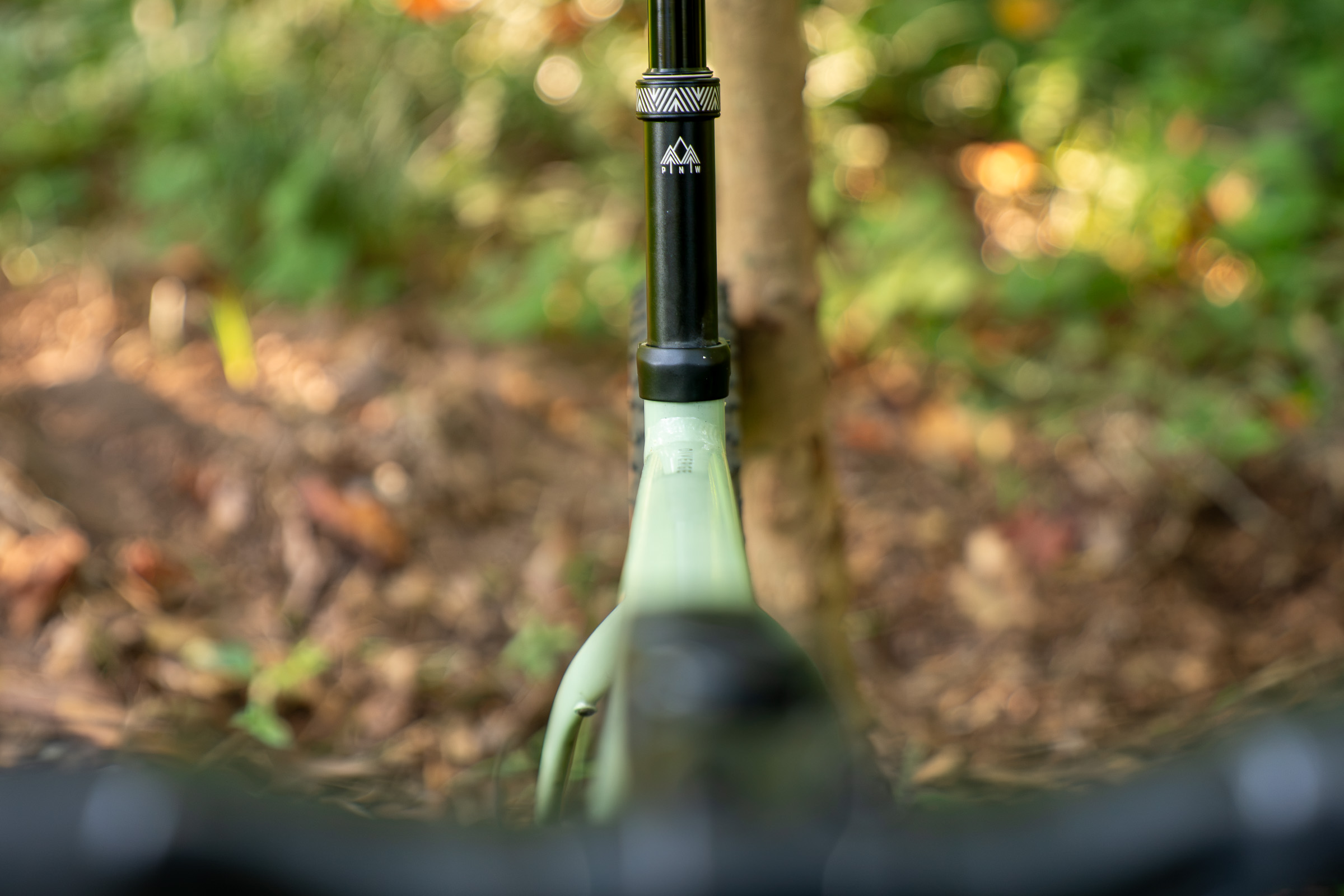
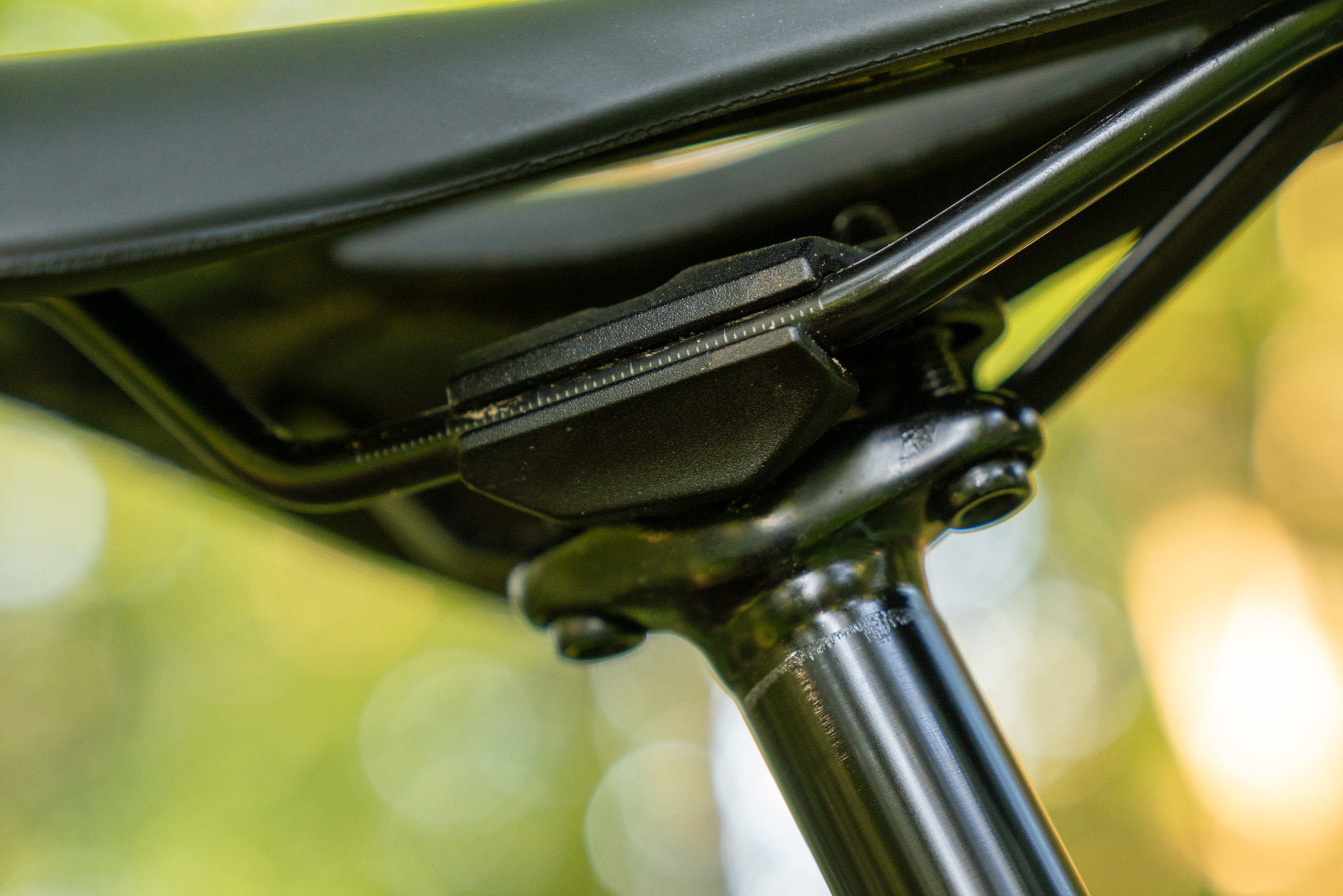
The PNW Rainier uses a simple two-bolt seat clamp that lets you dial in the saddle angle however you like. In the end, I only cursed a little bit while getting all the bolts and plates lined up. It’s remained creak-free throughout my testing.
The PNW Rainier uses internal cable routing, so you’ll need a bike that is dropper-post compatible. That’s not a given when it comes to gravel and road bikes, so if your frame doesn’t have internal routing, you will want to consider another 27.2mm PNW post with external routing, like the Pine 27.2 or the Coast Suspension dropper. You could also go with a wireless dropper post, like the RockShox Reverb AXS XPLR, though that one only offers up to 75mm of travel.
My post weighs 450g, which is exactly the weight PNW claims for the Rainier. That’s 5g heavier than Teravail’s 125mm/27.2mm post, and 33g lighter than the Crankbrothers Highline.
Priced at $199 (without remote), the PNW slides in a dollar cheaper than the Teravail Telec (also without remote) and $50 less than the Highline (remote not included). I tested a previous version of the Rainier in 2018 on my mountain bike, and looking back at that review, I was surprised to see the price hasn’t gone up in the eight years since.
Pros and cons of PNW Rainier
Pros
- Reliable and smooth operation
- Maximum travel with the ability to make small-increment adjustments
- Competitive weight and price
Cons
- Return speed/pressure not adjustable
Bottom line
For just $199, the PNW Rainier is reliable, easy to use, and completely transformed my gravel bike.
Share your PNW Rainier review
Keep up with the latest mountain bike news by adding Singletracks as a preferred source on Google.




0 Comments