


A gearbox on a bike isn’t a new idea, with bike developers and engineers toying with internal gears for over one hundred years. In the more modern era, Pinion introduced their P1.18 in 2012. And while that first Pinion gearbox found its way onto longer-travel bikes like the Nicolai Helius, it wasn’t long before other gearboxes, like the C1.12, were on trail and XC bikes.
While the descending advantages of a gearbox are easy to come by, most brands still opt for a traditional drivetrain on pedal-first bikes. But with more than a decade of gearbox development and recent World Cup wins on gearbox bikes, is it time that we start seeing more gearboxes on our everyday trail bikes?
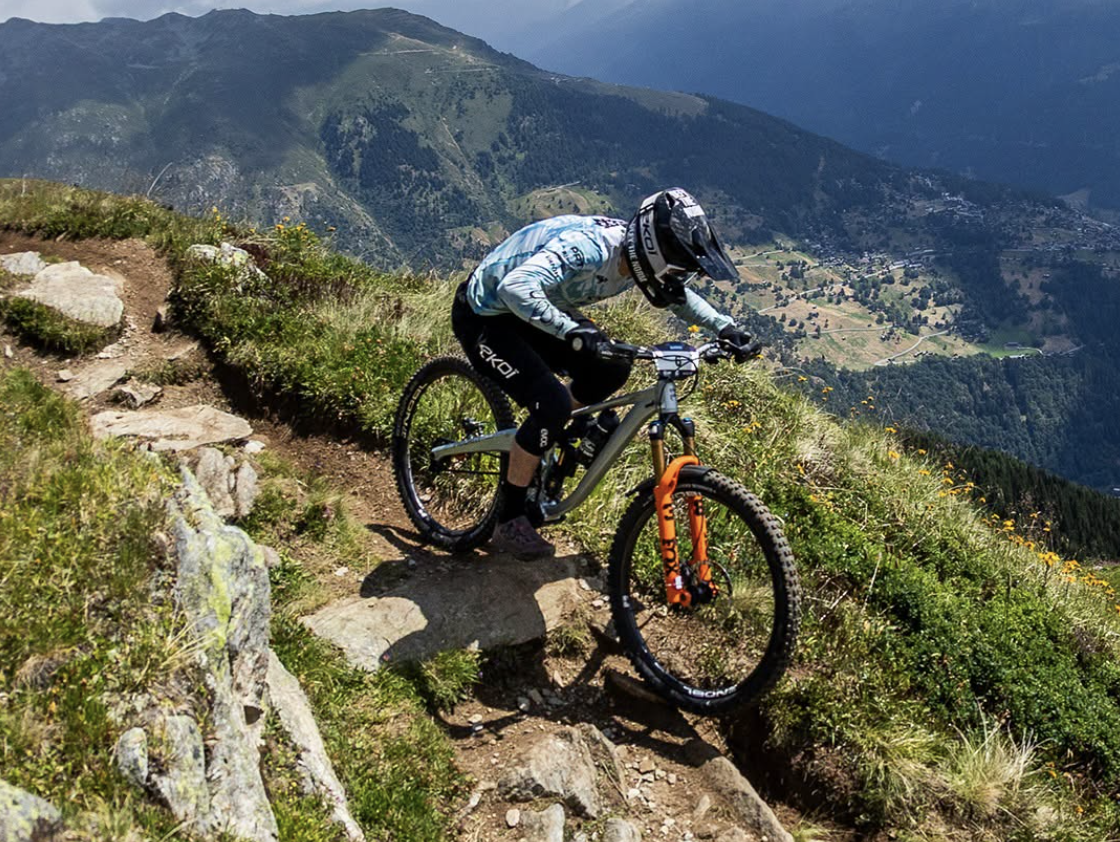
A gearbox bike is second overall in the 2026 Enduro World Cup
This year, Lief Rodgers finished second in overall points at the Enduro World Cup and did it all on the Priority Vanth — a gearbox-equipped bike. In fact, a gearbox bike might be particularly well suited to the enduro race format, where the timed portions are on the descents, and the climbs are untimed.
“The advantages of gearboxes in downhill riding are game-changing and obvious,” Dirk Menze, Head of Marketing and Design at Pinion, previously told Singletracks. “Teams and riders are already openly acknowledging them: optimal weight distribution, a low center of gravity, and significantly improved rear suspension performance.”
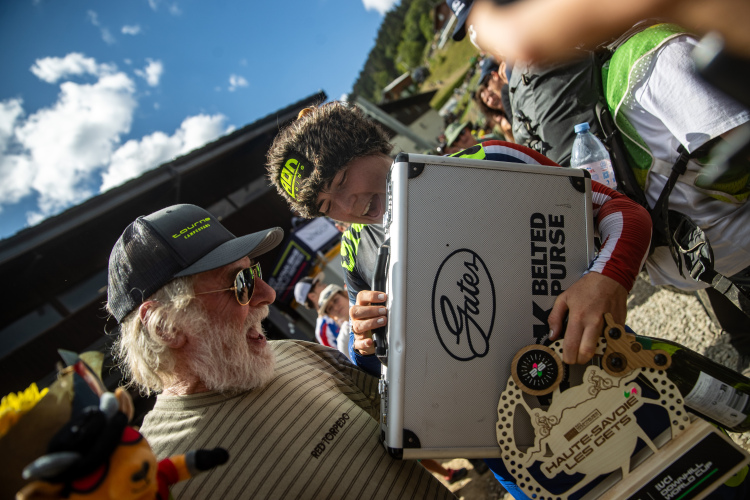
Gates Belt Drive, whose carbon belts are often paired with Pinion gearboxes, put their money where their mouth was. For the last few years, the belt manufacturer offered €100,000 to any elite DH racer to win on a belt-driven bike. Hattie Harnden recently claimed that purse.
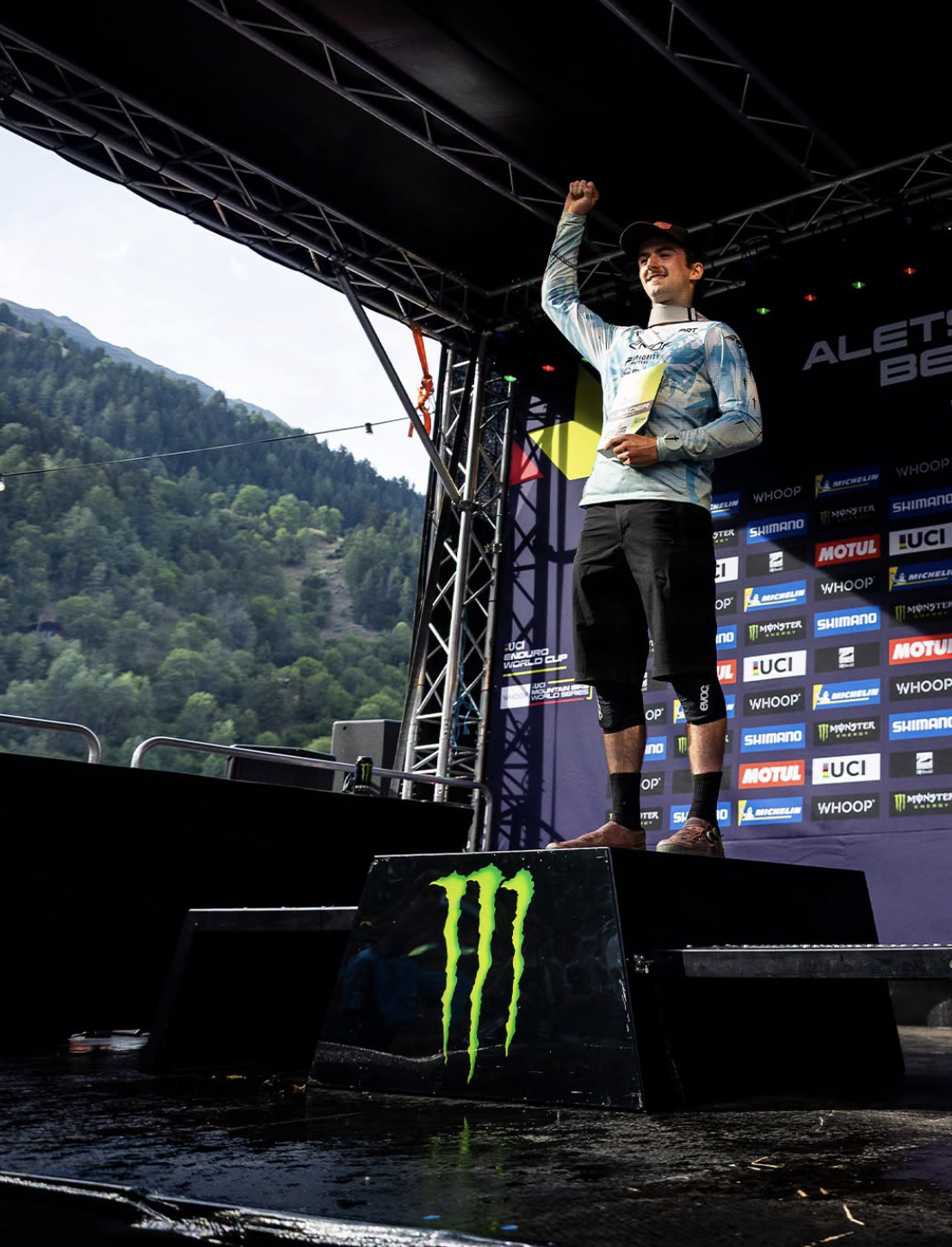
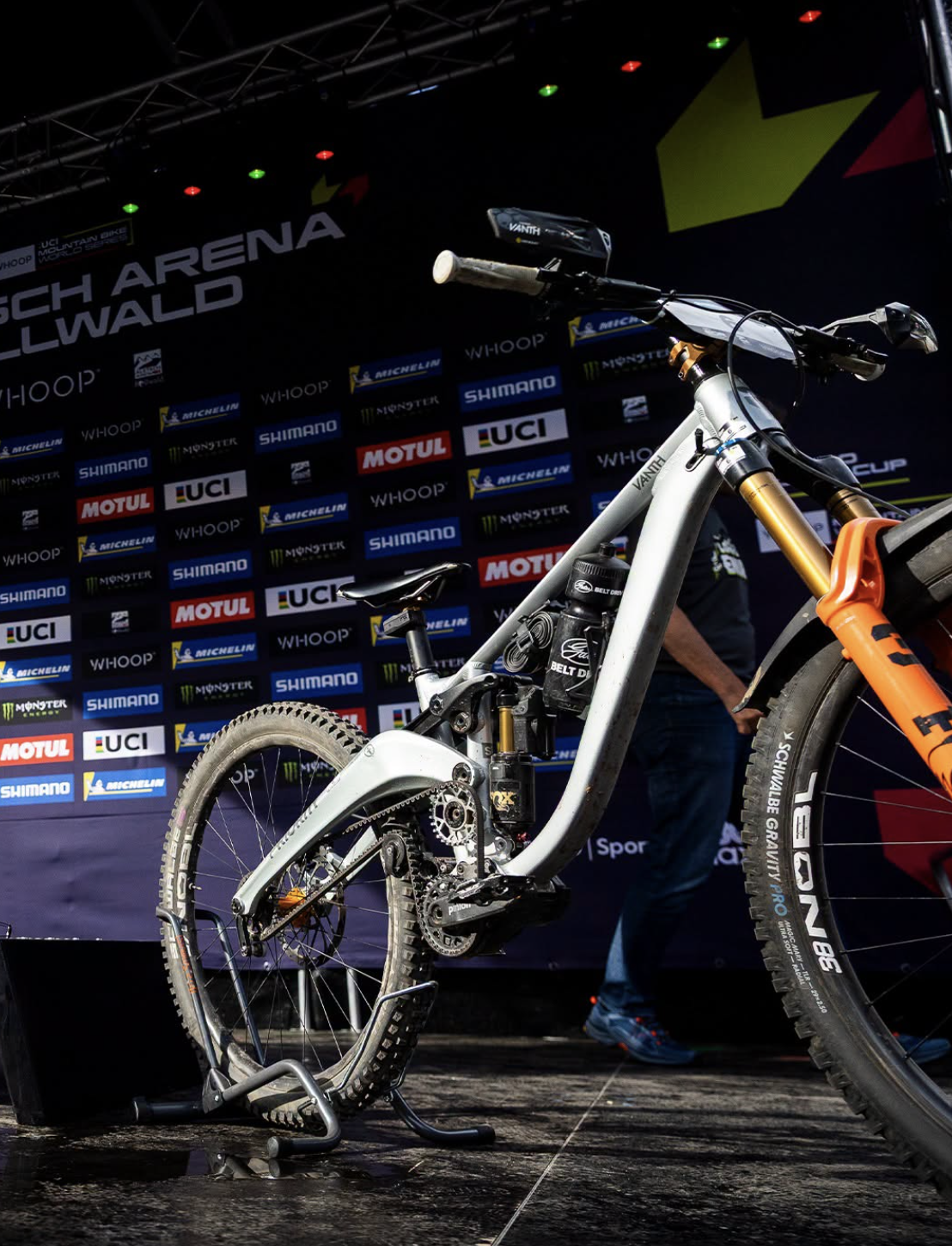
But that is DH racing, where pedaling isn’t always required. In enduro, however, pedaling and climbing matter much more. While the climbs aren’t timed, if a racer can’t make it to the start gate, they are disqualified. A second-place overall finish shows a gearbox bike can perform consistently well —both up and down.
Furthermore, Rodgers is performing well enough to lead the Enduro World Cup in overall points at times, which means climbing on the Vanth isn’t leaving his tank empty for the descents. Yes, it is only the downhill that is factored in, but the fact that a 40-pound gearbox bike is efficient enough to take him from stage to stage should count for something. Last year, on a Haro Greer with a traditional drivetrain, Rodgers notched a sixth-place overall ranking.
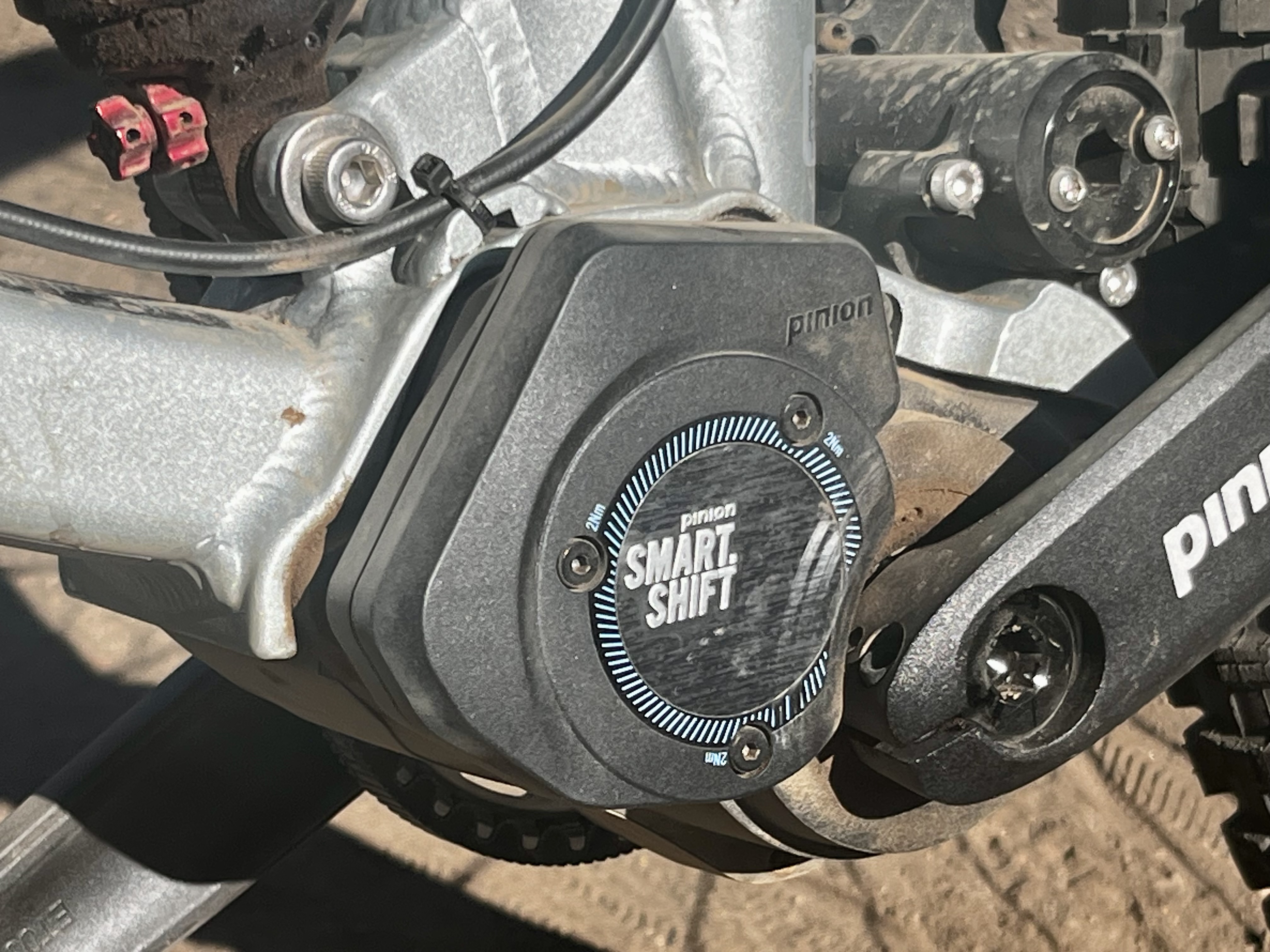
A gearbox compared to a traditional drivetrain
Gearboxes are undoubtedly heavier than traditional drivetrains. The Pinion C1.9 on the Priority Vanth that Rodgers raced has a claimed weight of 2,000 grams. That is nearly 2.5lbs heavier than the 915 grams a SRAM GX Transmission derailleur and cassette are said to weigh.
But a gearbox moves the two-pound weight of a cassette and derailleur off the rear of the bike and onto the bottom bracket. If we have to carry extra weight, the bottom bracket is where we want it.
“Shifting weight from the rear wheel to the bike’s center enhances handling, giving riders better control,” Chris Sugai, of Gates Corp, previously told us. The cassette and derailleur also count as unsprung mass on the rear wheel, affecting suspension performance. Moving that weight to the bottom bracket allows the suspension to move more freely.
This was clearly noticeable when I tested and reviewed the Vanth nearly a year ago. While it certainly didn’t win any climbing awards, in my opinion, it was easily one of the best descending enduro bikes I’ve ever experienced. The suspension felt incredibly supple, providing ample amounts of traction and support throughout the travel.


Simply put, it was the closest thing to riding a downhill bike that I’ve ever experienced. Not that I have skills remotely close to those of Lief Rodgers, but I can see why he did so well on that platform.
But, to be honest, climbing wasn’t terrible. The Pinion C1.9 gearbox boasts a 568% gear range, compared to a 520% range for a SRAM 12-speed cassette. While the gearbox adds a little more than 2lb, the aluminum frame and burly components matter far more for weight.
That said, the climbing position was comfortable, and while it was a grind, I always reached the top. Had it been a lighter-duty trail bike equipped with a gearbox, I would likely have been singing a different story.
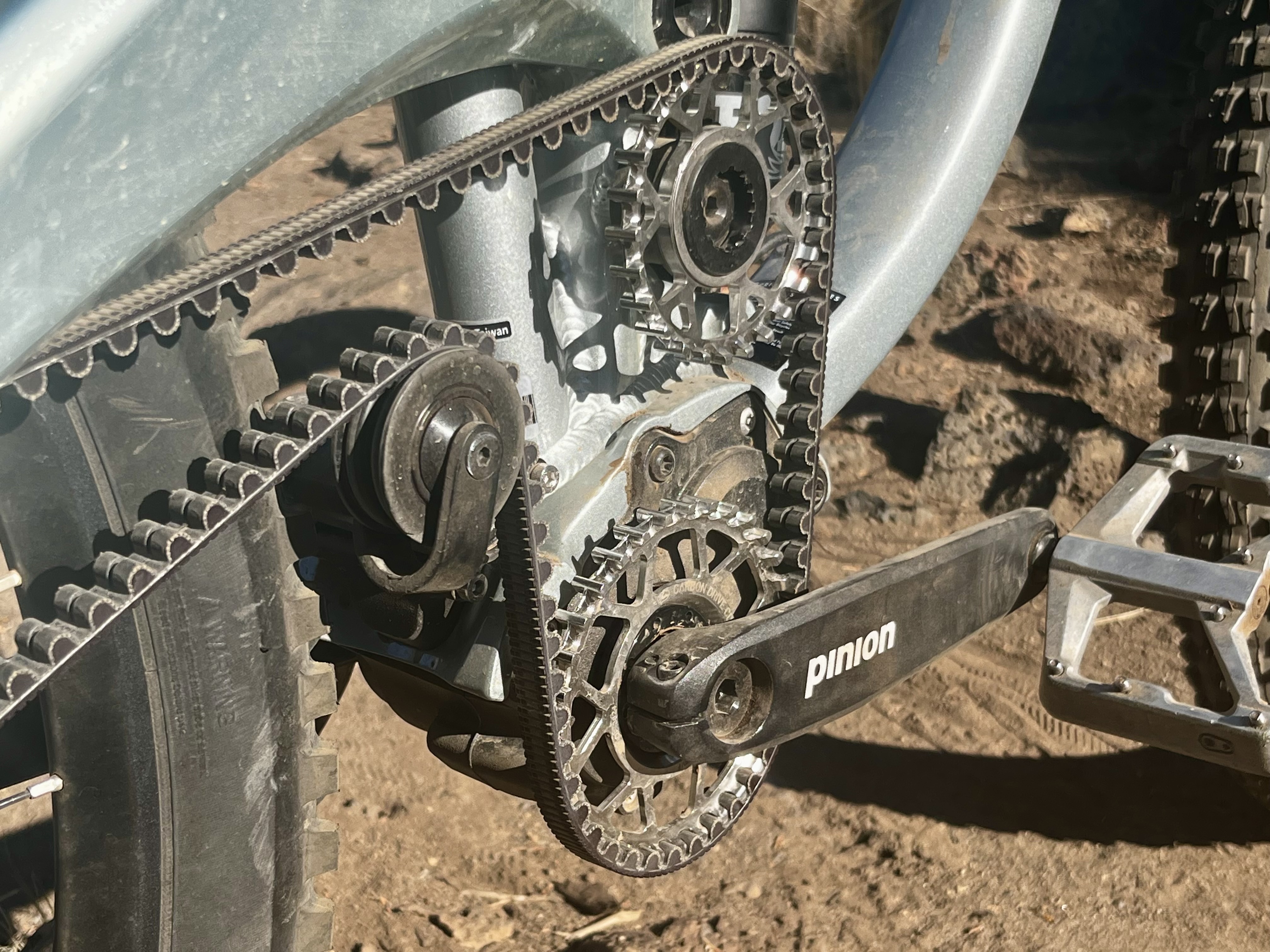
Maintenance (there wasn’t any, really) was also incredibly easy compared to a traditional drivetrain — no cleaning and lubing after each ride. Pinion recommends an oil change every 6,000 miles — that is it.
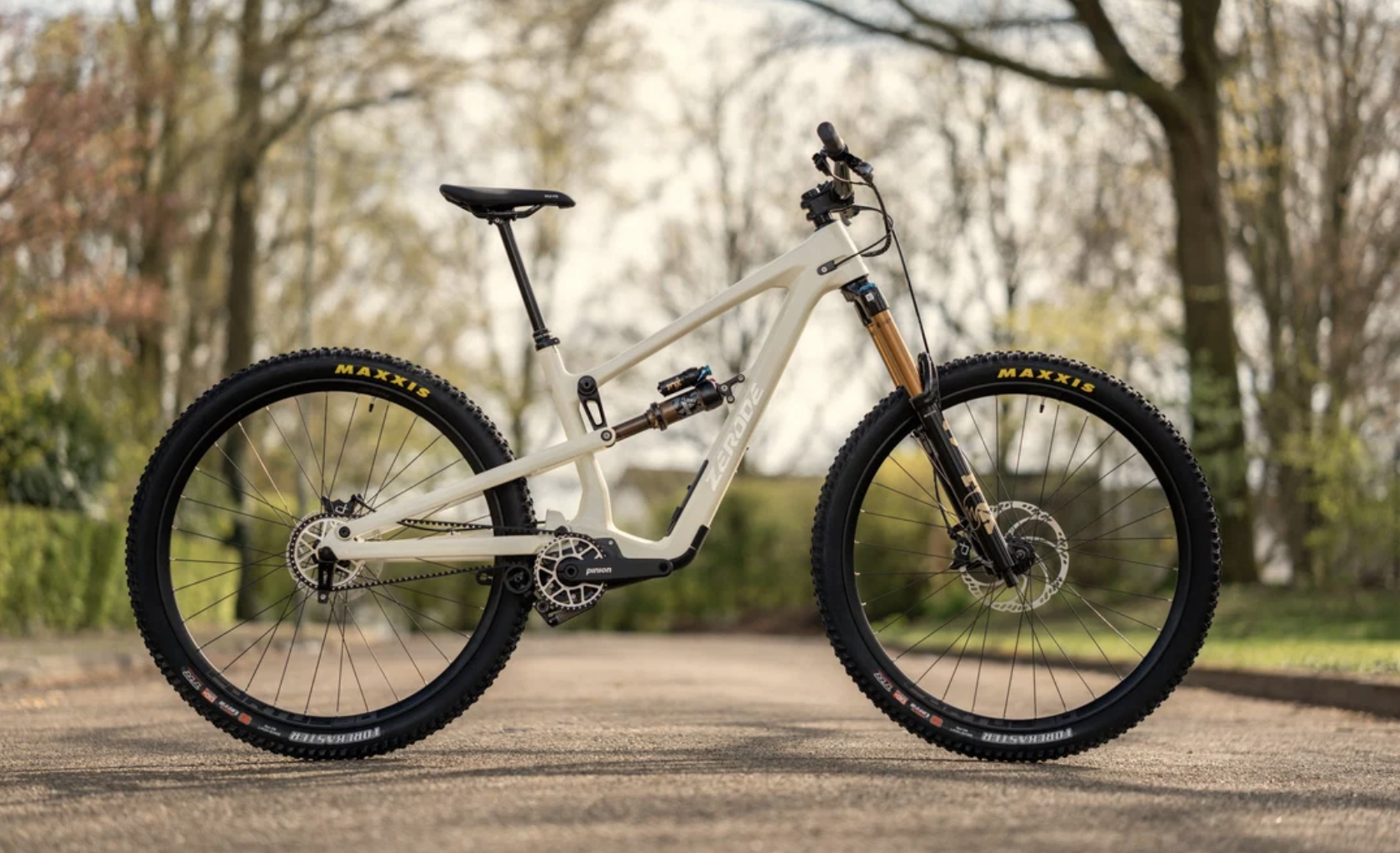
Gearbox bikes don’t have to be big behemoths
But not all gearbox bikes are big enduro and DH smashers. Zerode, one of the most notable gearbox brands, has a 150/140mm trail bike equipped with a Pinion C1.9, with a claimed weight of 35lb. It’s certainly not the lightest mountain bike, but that’s an acceptable weight for a mid- to long-travel trail bike.
Many riders, myself included, don’t necessarily care as much about climbing performance and pedaling efficiency. We are happy if the bike gets us to the top in a reasonable amount of time. Instead, we focus on descending performance — which gearbox bikes have plenty of.
In a 2019 survey, 34% of Singletracks readers said they thought uphill riders should yield to those heading down. I imagine that percentage has only increased since. In another survey this year, we asked Singletracks readers whether they would be riding at a bike park this season. Over 60% of respondents said they would.
For a customer base that prioritizes descending, a gearbox bike that descends better, requires less maintenance, and still pedals well is an easy choice. All the advantages seem to outweigh the 2.5lb weight penalty, especially at the long-travel end of the trail bike category, where riders focus more on descents than raw pedal efficiency.
So why aren’t we seeing more bikes with gearboxes?
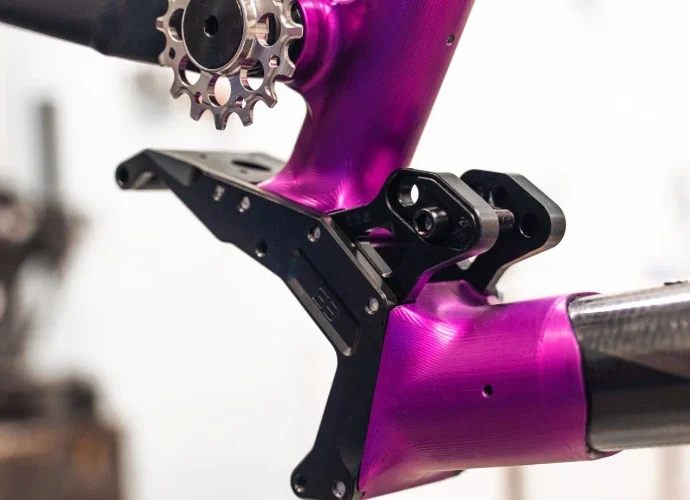
Last year I explored why, despite the advantages of gearboxes, we haven’t seen more bikes, especially trail bikes, specced with them. Though weight is a concern for some, the main barrier to adoption seems to be that existing frame designs need to be modified to fit a gearbox. Without clear gearbox demand from buyers, it’s difficult for frame manufacturers to commit to offering compatible frames.
What do you think: Would you be willing to make a gearbox mountain bike your everyday rider?
Keep up with the latest mountain bike news by adding Singletracks as a preferred source on Google.


11 Comments
Sep 13, 2026
Sep 14, 2026
Sep 9, 2026
Sep 9, 2026
Sep 14, 2026
Sep 14, 2026
Sep 10, 2026
Sep 10, 2026
Sep 12, 2026
Sep 12, 2026
Sep 12, 2026