
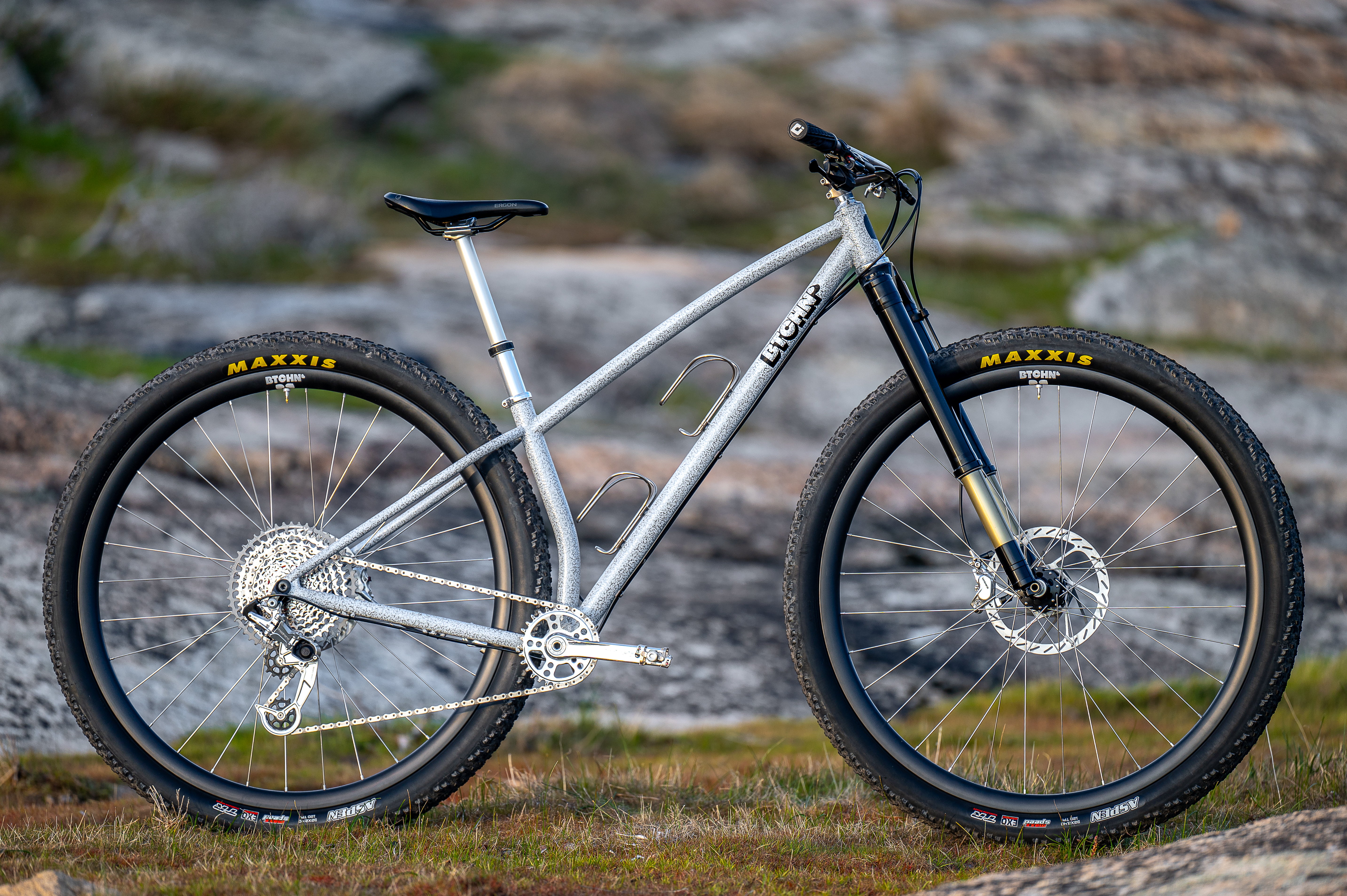
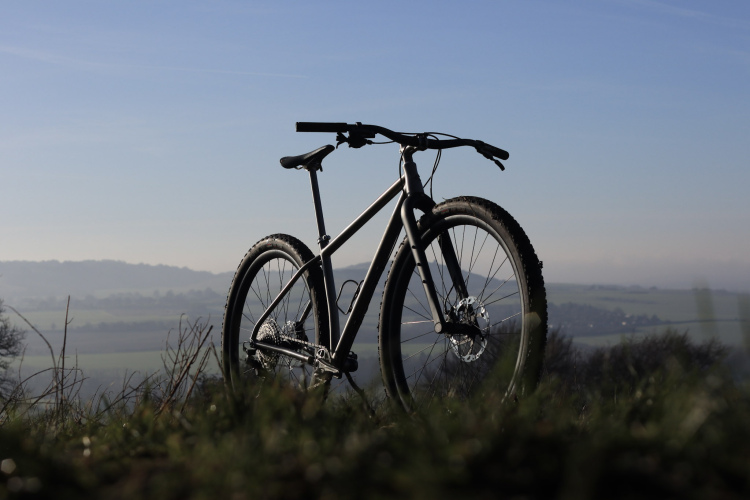
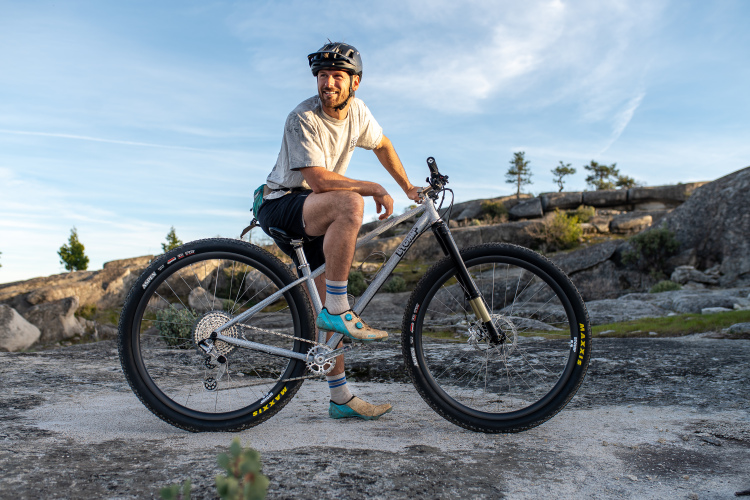
Another hardtail mountain bike is joining the 32er party, and it’s bringing chill California vibes. The steel BTCHN’ Alpina is offered in three stock sizes with complete bike prices starting at $6,800.
Recently, BTCHN’ founder Tyler Reiswig announced the company would be moving away from custom frames and into small batch production. “I’m shifting to small-batch frames, all handmade in the USA,” he wrote on the BTCHN’ website under the heading, “Small Batch Frames Coming in 2026.” “These won’t be one-off customs, but they’ll carry the same attention to detail, ride quality, and design decisions I used to make one frame at a time.”
BTCHN’ Alpina frame specs
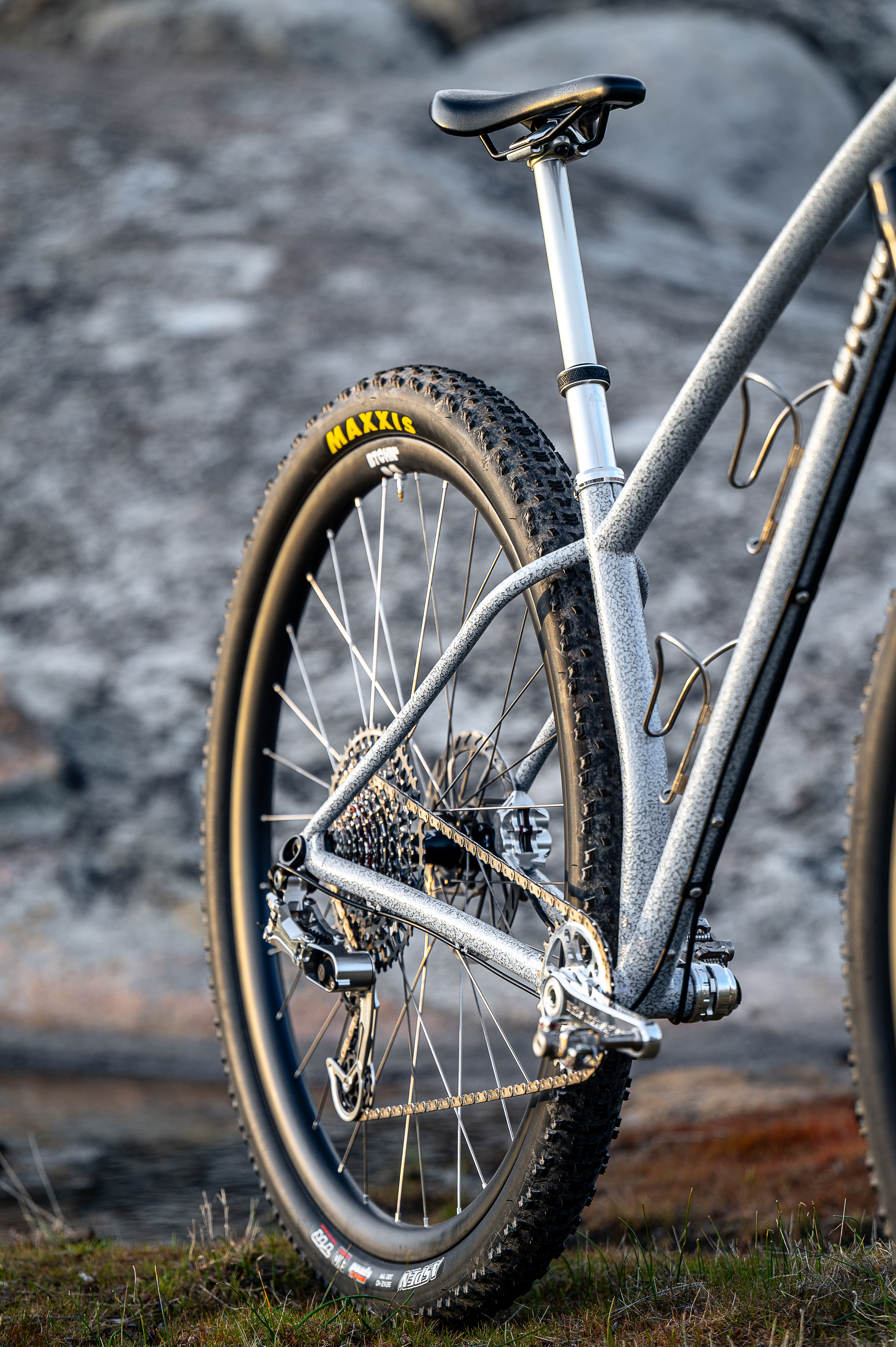
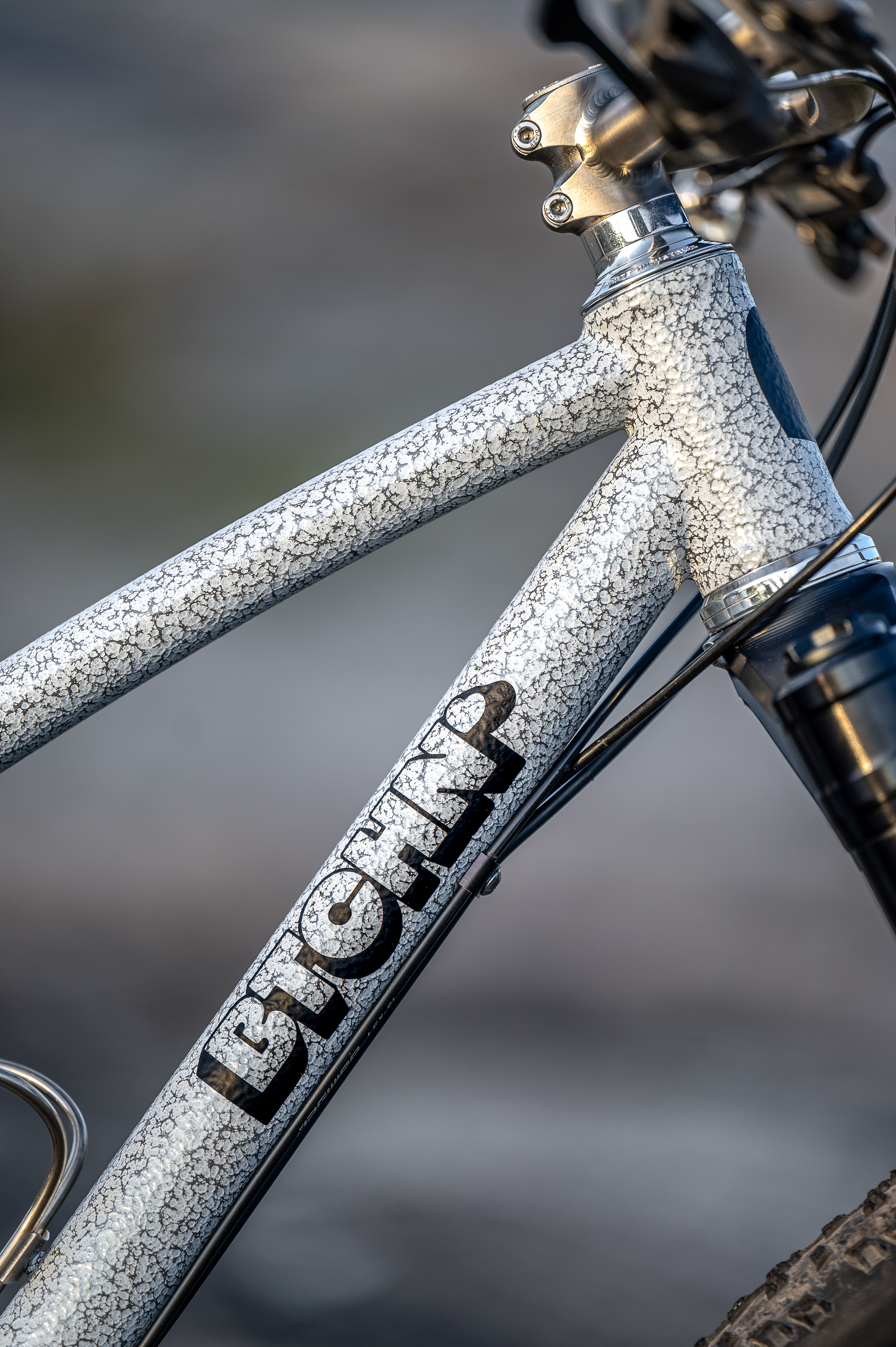
The BTCHN’ Alpina is a TIG-welded frame built with Reynolds steel tubing. The frames are being built in partnership with Falconer Bikes in Plumas County, California. Alpina frames feature UDH dropouts, three sets of bottle mounts, and a crackle finish.
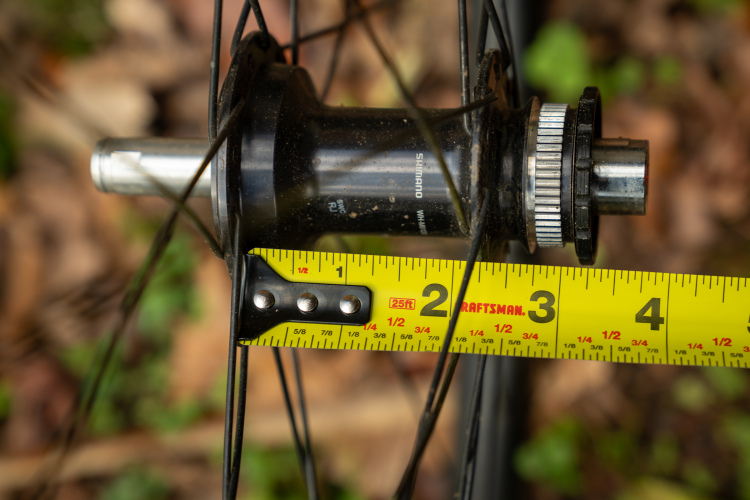
With Super Boost rear spacing, the Alpina has a 55mm chainline and clearance for 32-inch tires up to 2.6″ wide. Complete bikes ship with 32×2.4″ Maxxis Aspen tires, though clearly the bike is ready if/when wider 32er tires become available.
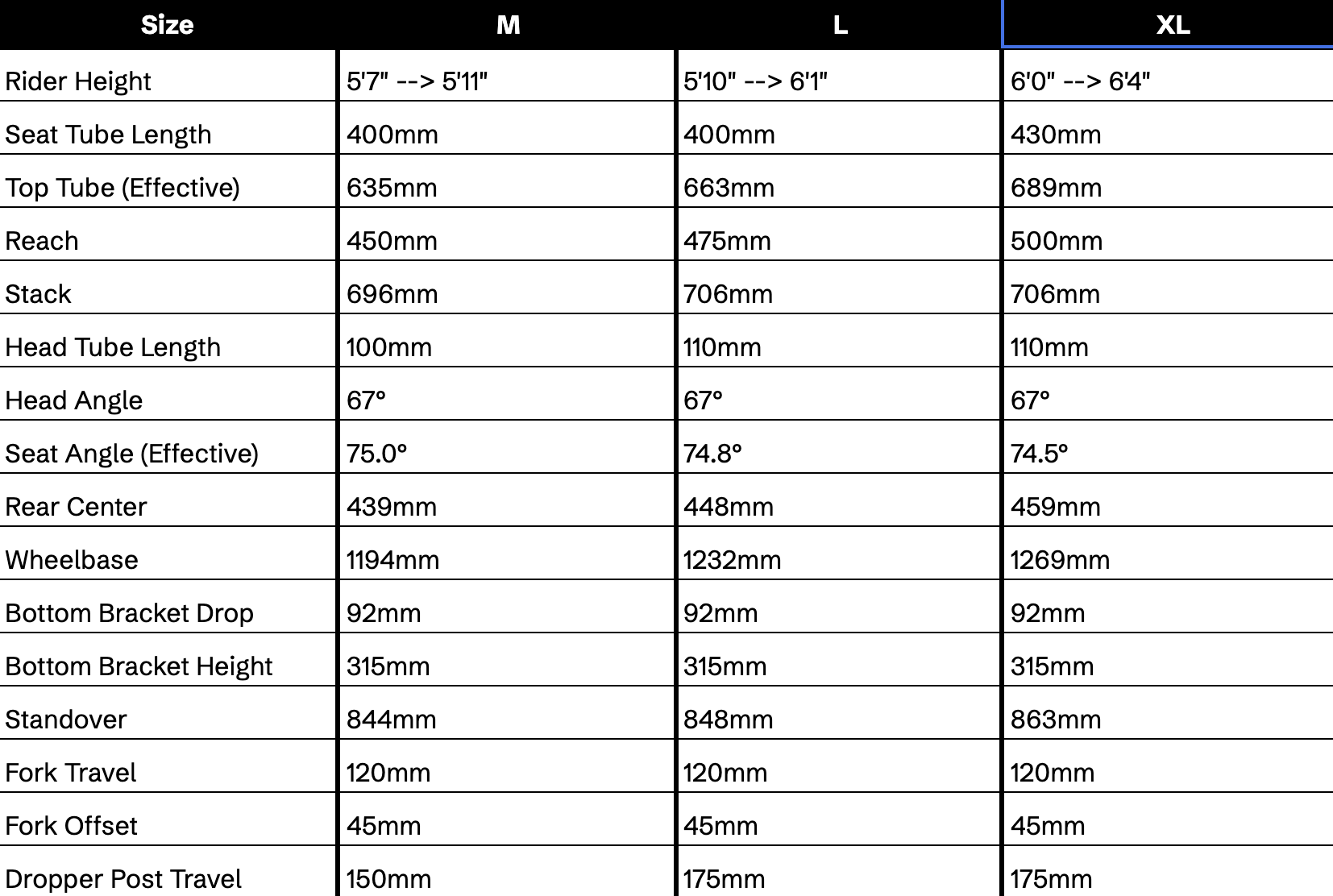
Geometry
The seat tube sports a pronounced kink, presumably to maximize dropper post insertion (up to 175mm travel) while still delivering proper wheel clearance and a 74°+ seat tube angle. Chainstay lengths vary based on the size, from 439mm to a massive 459mm. The Alpina has a 67° head tube angle with a 120mm suspension fork and a healthy 92mm bottom bracket drop so riders can “sit ‘in’ the bike rather than on top of it,” according to the brand.
The smallest size on offer, medium, is said to fit riders between 5’7″ and 5’11”. With the larger wheels, it’s little surprise that standover heights are on the high side, starting at 844mm. Compare that to a 29er bike like a size medium Trek Procaliber XC bike, which has a nearly four-inch lower standover height at 749mm.
Complete bikes only
Given the dearth of available 32-inch wheel, tire, and fork choices, BTCHN’ is offering the Alpina as a complete bike only. Buyers can upgrade select components, like the fork and/or wheels, for an additional charge.
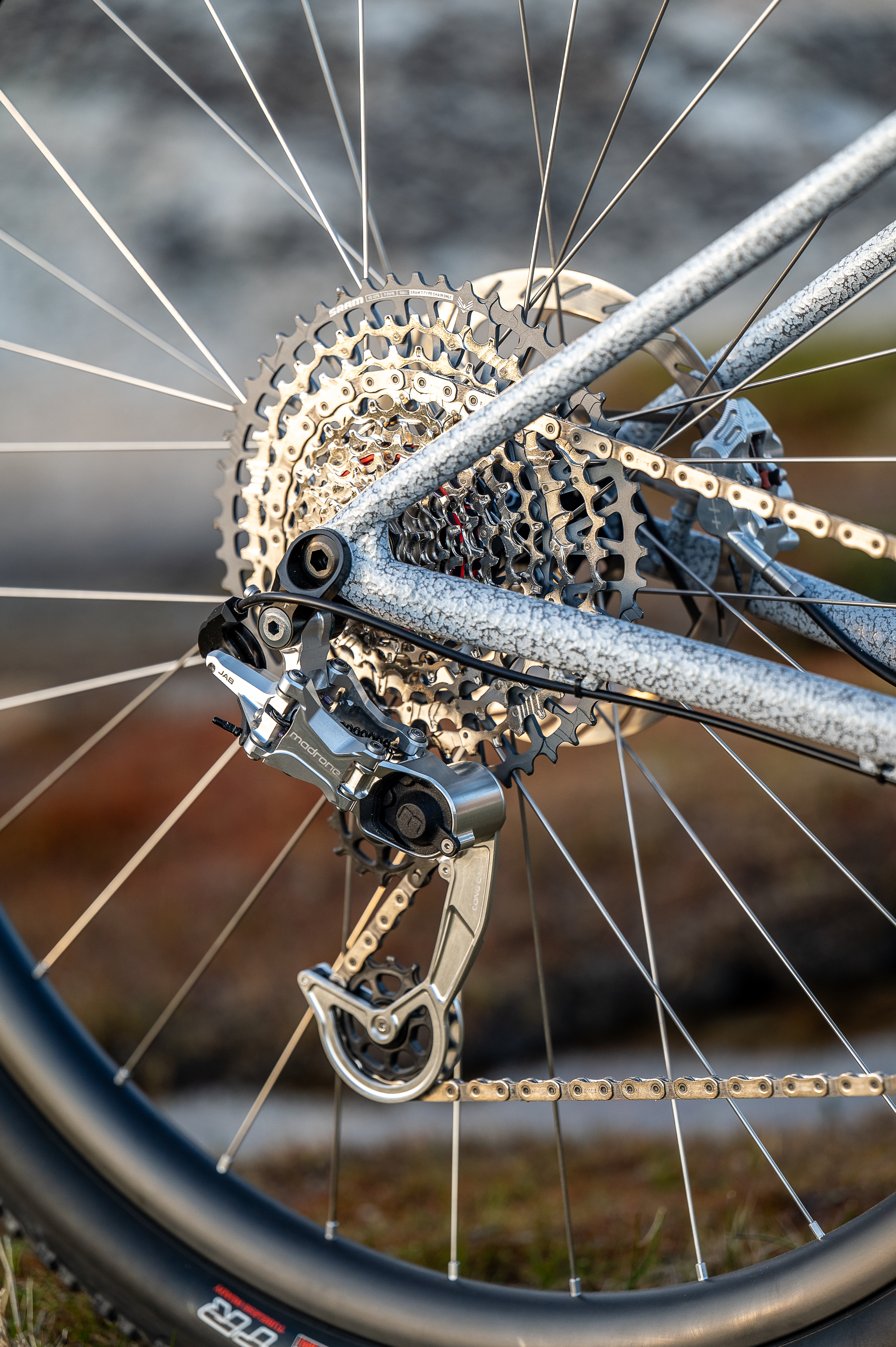
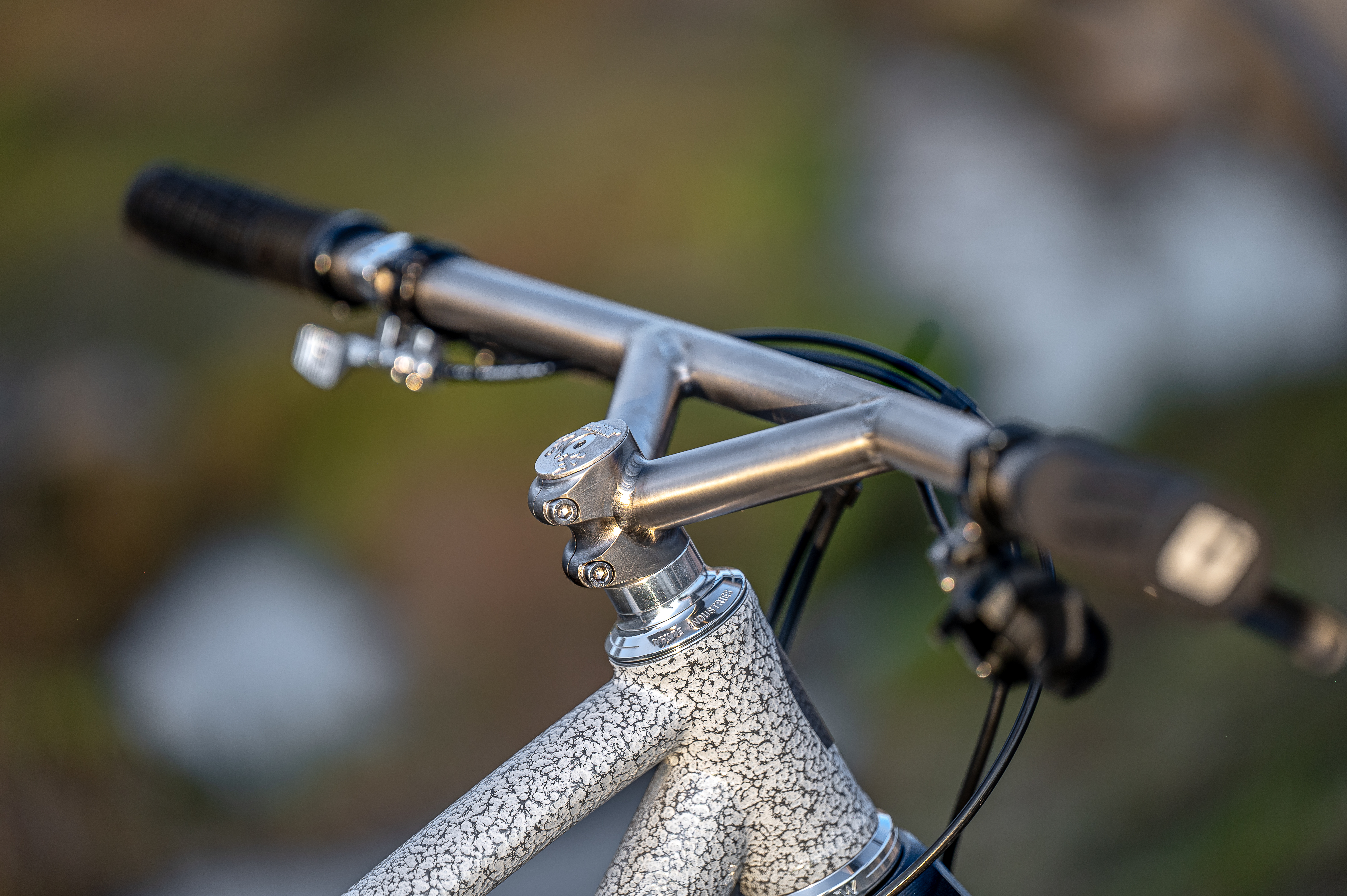
The standard build makes use of the Wren 32″ inverted fork and alloy Astral Jester 32″ wheels wrapped in Maxxis Aspen 32×2.4″ tires. The Alpina is specced with a 30T chainring and a mechanical T-type drivetrain featuring a Madrone Jab derailleur.
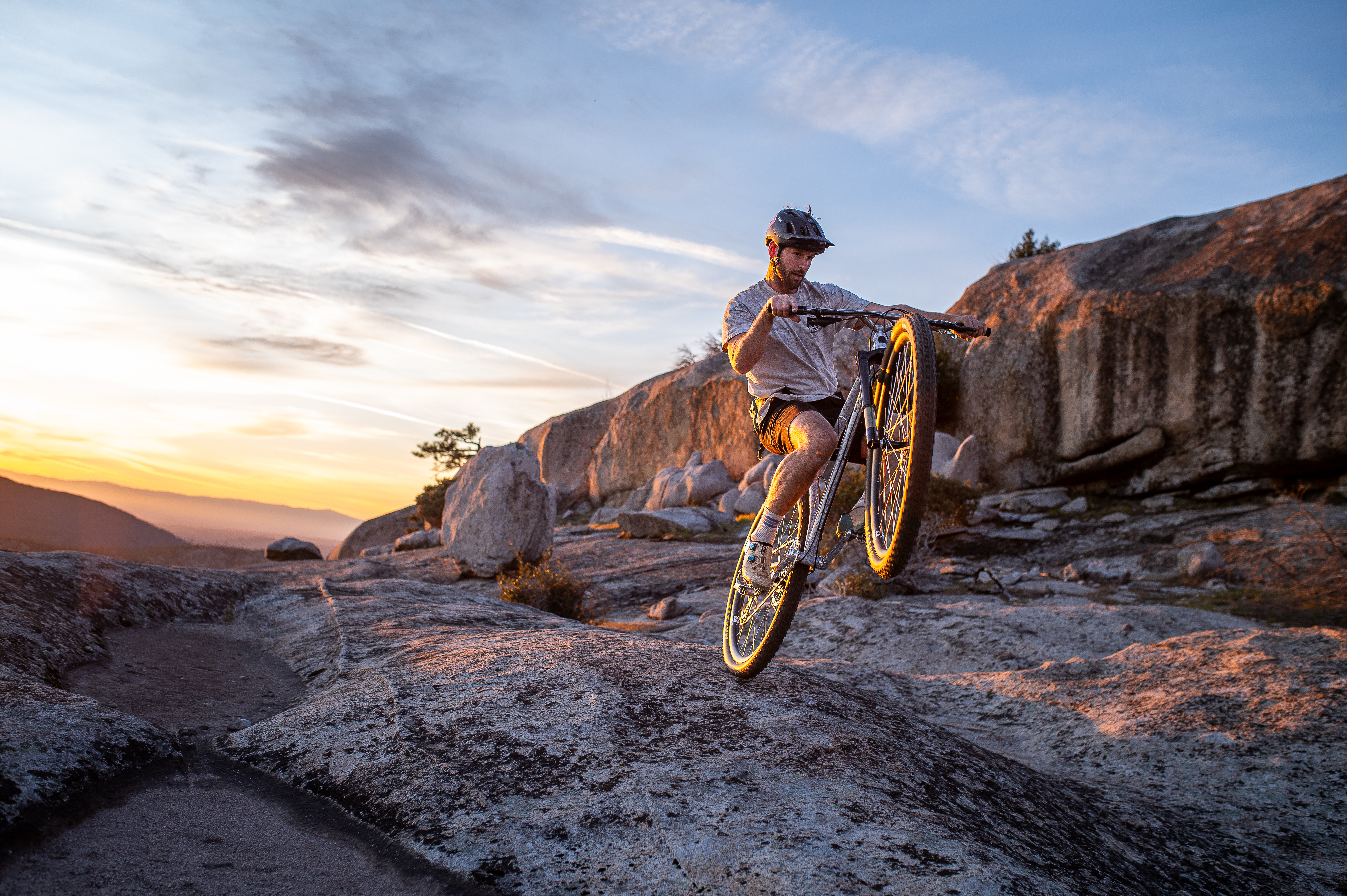
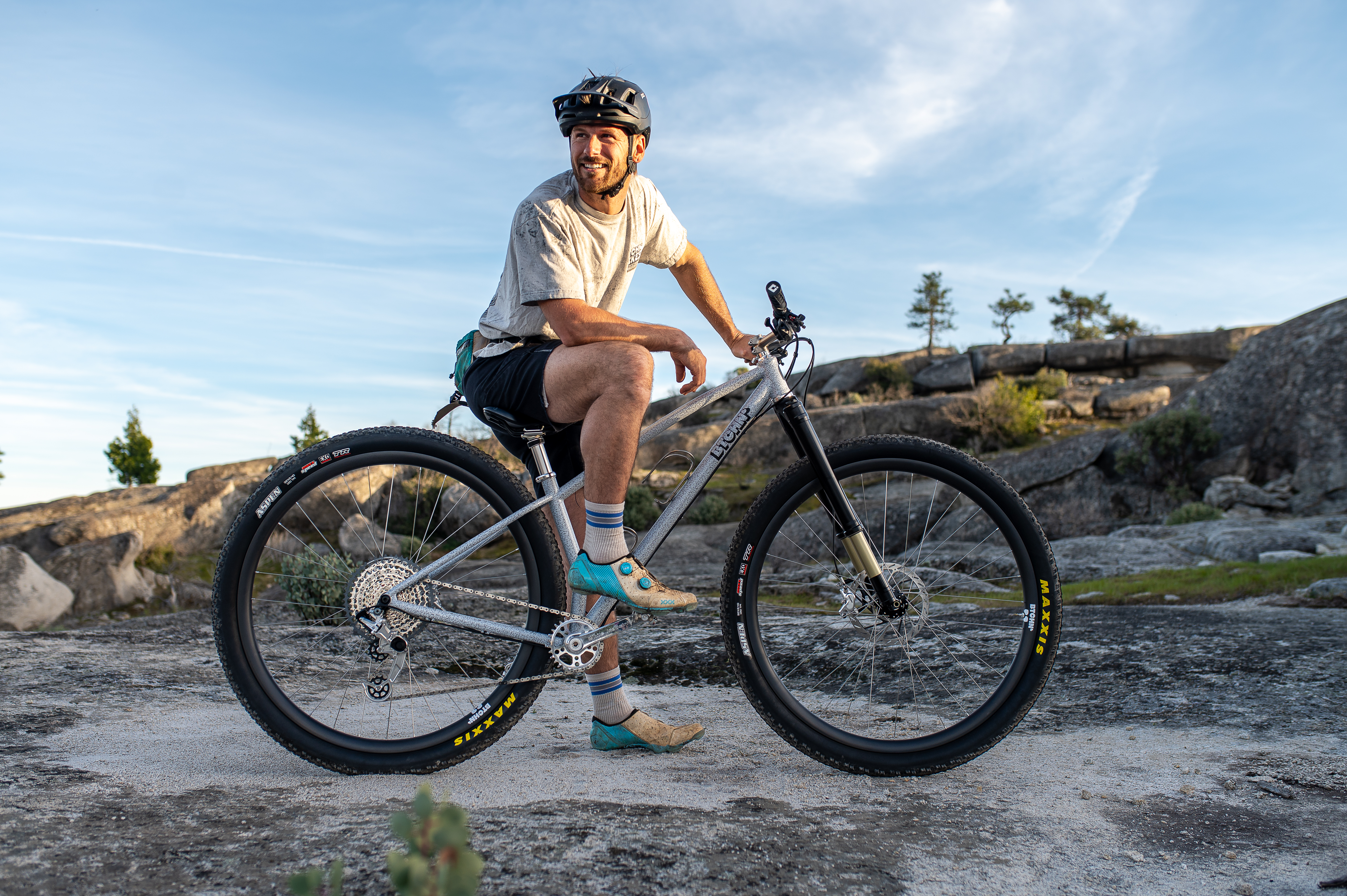
The BTCHN’ Alpina is one of more than a dozen 32ers that have been announced
For industry observers keeping track, BTCHN’ joins roughly a dozen brands and custom builders who are producing bike frames for 32-inch wheels.
- 36pollici Trentadue
- Actofive I-Train 32 (full-suspension)
- BTCHN’ Alpina
- Clydesdale Bronco
- Dirty Sixer MTB
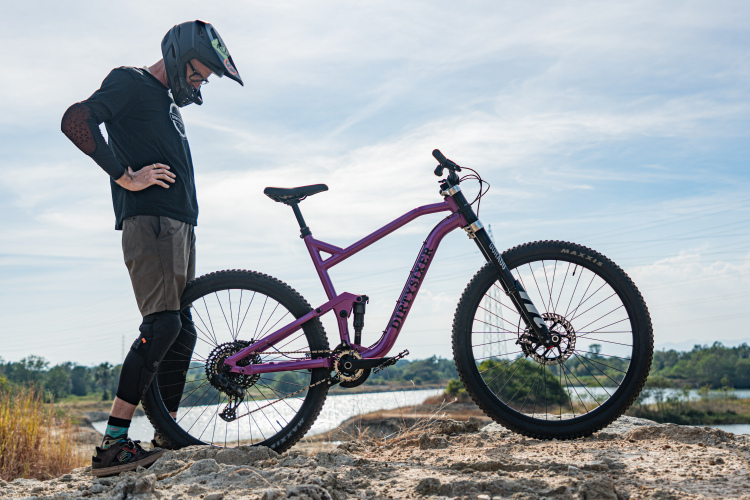
- Dirty Sixer MonsterEnduro (full-suspension)
- Falconer 32
- Quarry Project Rage Bait 32
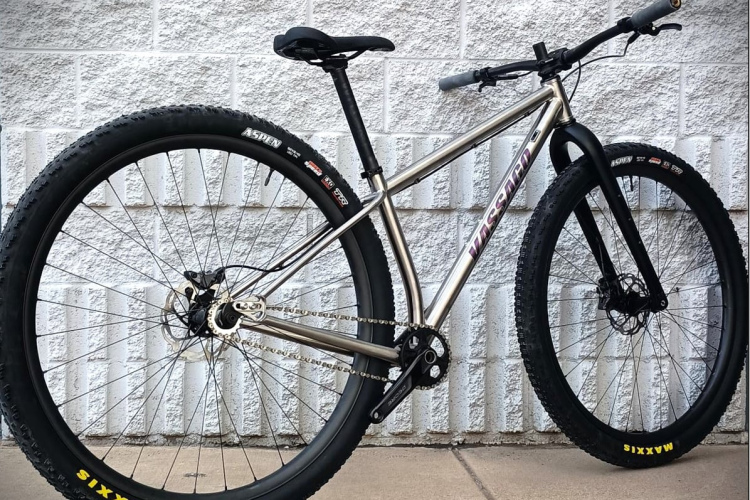
- Vassago Maximus Ti
- Singular Albatross
- Sour Pasta Party 32
- Stoll P32
- Zinn Titan 32er
- Zinn B.I.G. 32er (full-suspension)
Some brands, like Starling Cycles, are experimenting with mixed-wheel bikes that pair a 32-inch wheel up front with a 29er wheel in the rear.
Today’s 32er buyers have a few tires to choose from, including the Maxxis Aspen and Dissector, Vee Monster T, and Schwalbe Race Rick 32. Though neither Fox nor RockShox offers suspension forks for 32-inch wheels, smaller brands like Wren and Intend have dedicated solutions to fit the latest big-wheel bikes.
Major brands have yet to commit to the new wheel size
So far, the only companies that are producing bike frames designed for 32-inch wheels are smaller boutique brands like BTCHN’. BMC is perhaps the biggest bike brand that has publicly acknowledged testing a prototype 32er mountain bike, though rumors suggest that Trek may be doing so as well.
In one of the highest-profile races on a 32er yet, Felix Stehli is competing in the Cape Epic on a Stoll P32 this week. Stehli and his race partner, Marc Pritzen, who is racing on a 29er, took first place in Stage 3 for the Elite Men on Wednesday.
The early adoption by independent brands and frame builders mirrors the development of 29er wheels in the late 00s. Big brands and the industry as a whole took a conservative wait-and-see approach to the larger wheel size, releasing their 29er bikes once demand was proven, and components like forks and tires became more readily available. Larger brands typically face much longer lead times than small, domestic producers, allowing smaller brands to respond to wheel size trends more quickly.

0 Comments