

As a year-round mountain biker, I’m always on the search for better winter gloves. A good cold-weather mountain bike glove needs to balance warmth and dexterity, which is no easy task. I thought I had found just the right pair until this winter, when I tested two pairs of gloves — the Ornot Alpha and Pearl Izumi AmFIB Lobster Evo — that are even more dialed. Though each takes a different approach, both are keeping me warm and in control this winter.
Pearl Izumi AmFIB Lobster Evo
Several years ago, I tested Pearl Izumi’s AmFIB Lobster gel glove, and while it’s a very warm glove, my take is that it’s not ideal for mountain biking. The two-finger design forces you to brake with your index and middle finger, which, for those of us used to single-finger braking, just isn’t very natural.
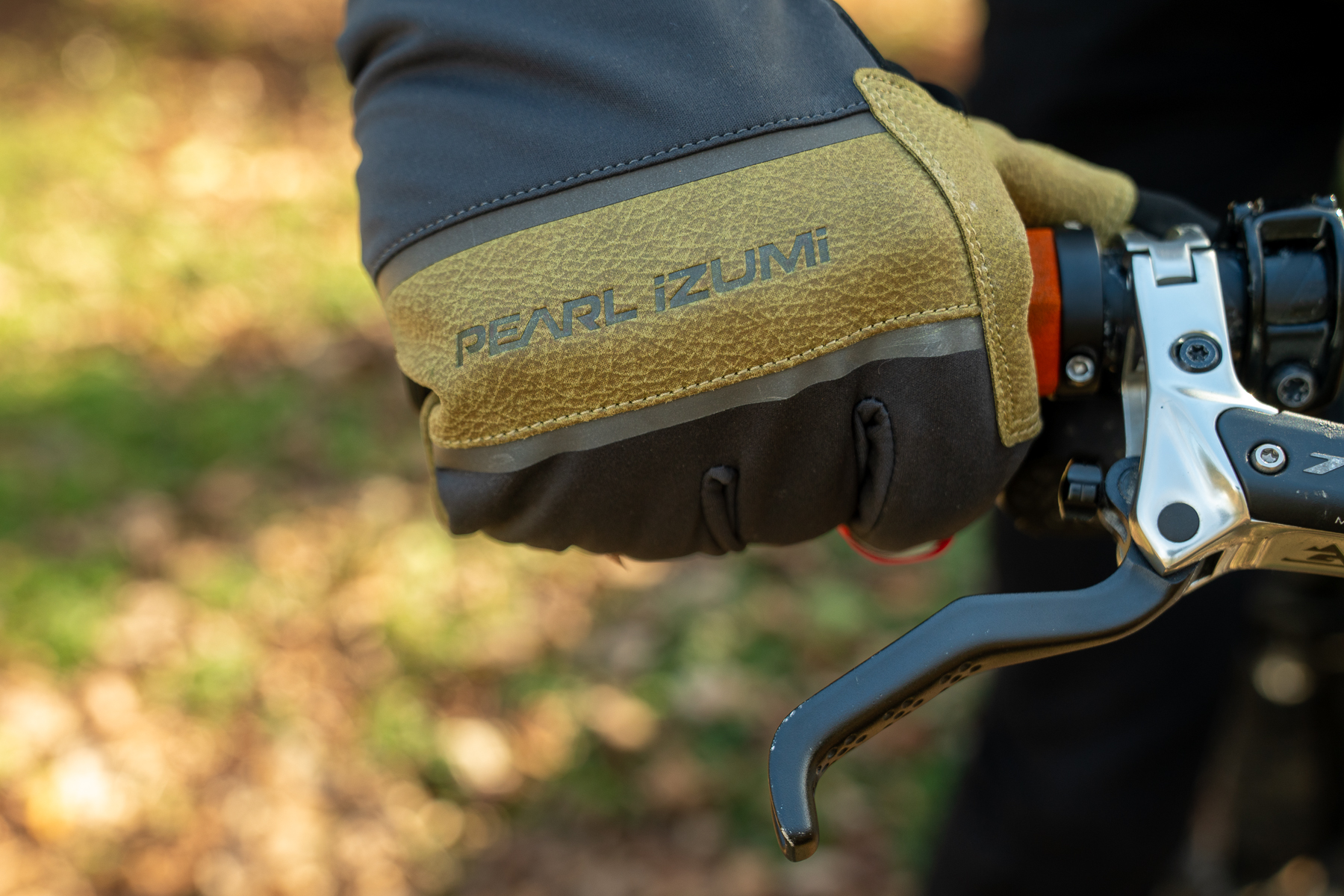
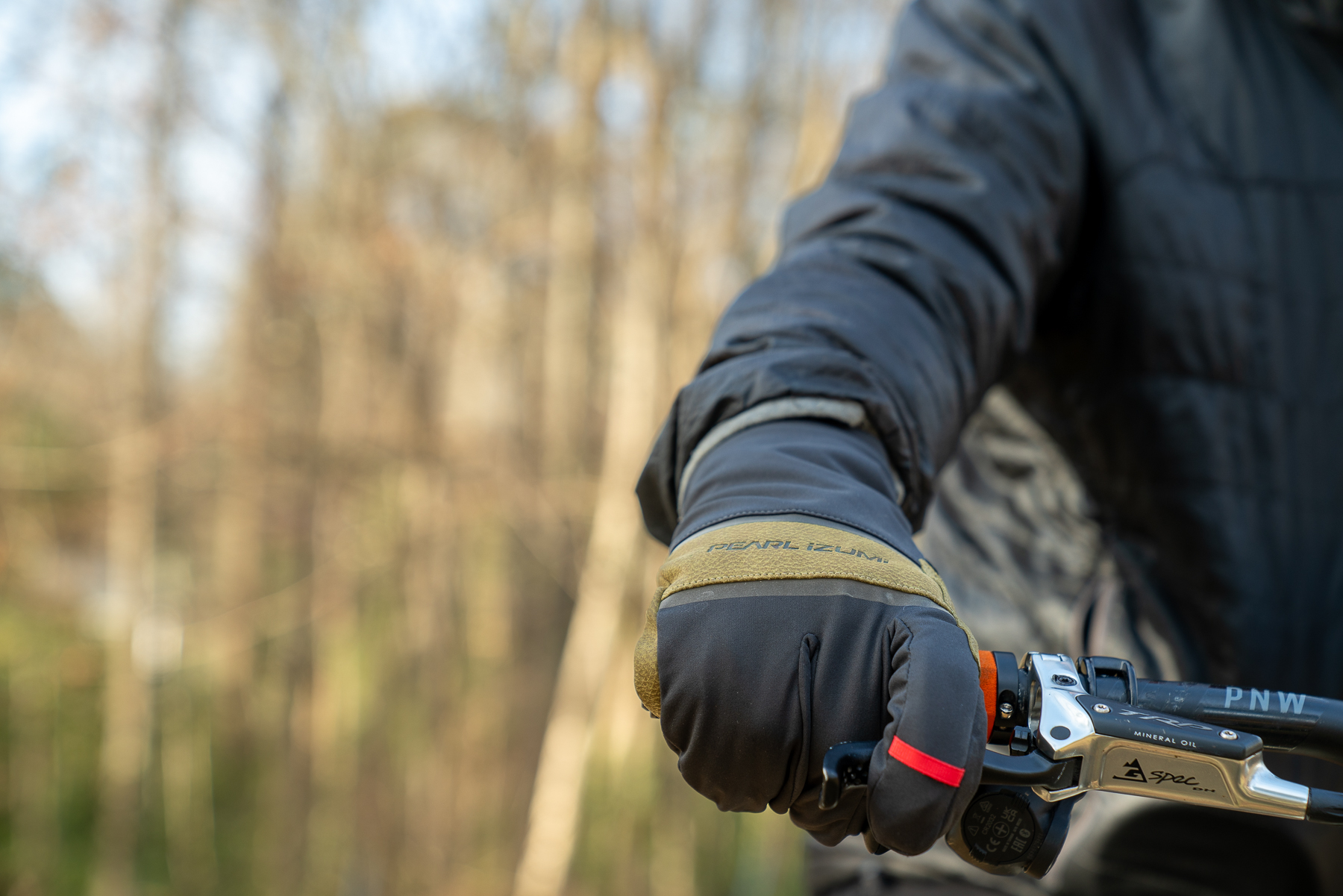
The AmFIB Lobster Evo splits the index and middle fingers while still allowing the pinkie and ring fingers to snuggle together for extra warmth. The palm features a synthetic material that looks and feels like real suede, and the back is covered in a softshell fabric that’s wind- and water-resistant. There’s a dedicated, though not especially soft or absorbent, nose wipe on the thumb, and touchscreen-friendly tips on the thumb and index finger that actually work. Pearl Izumi says this is the warmest glove they offer “with full brake and shift capability.”
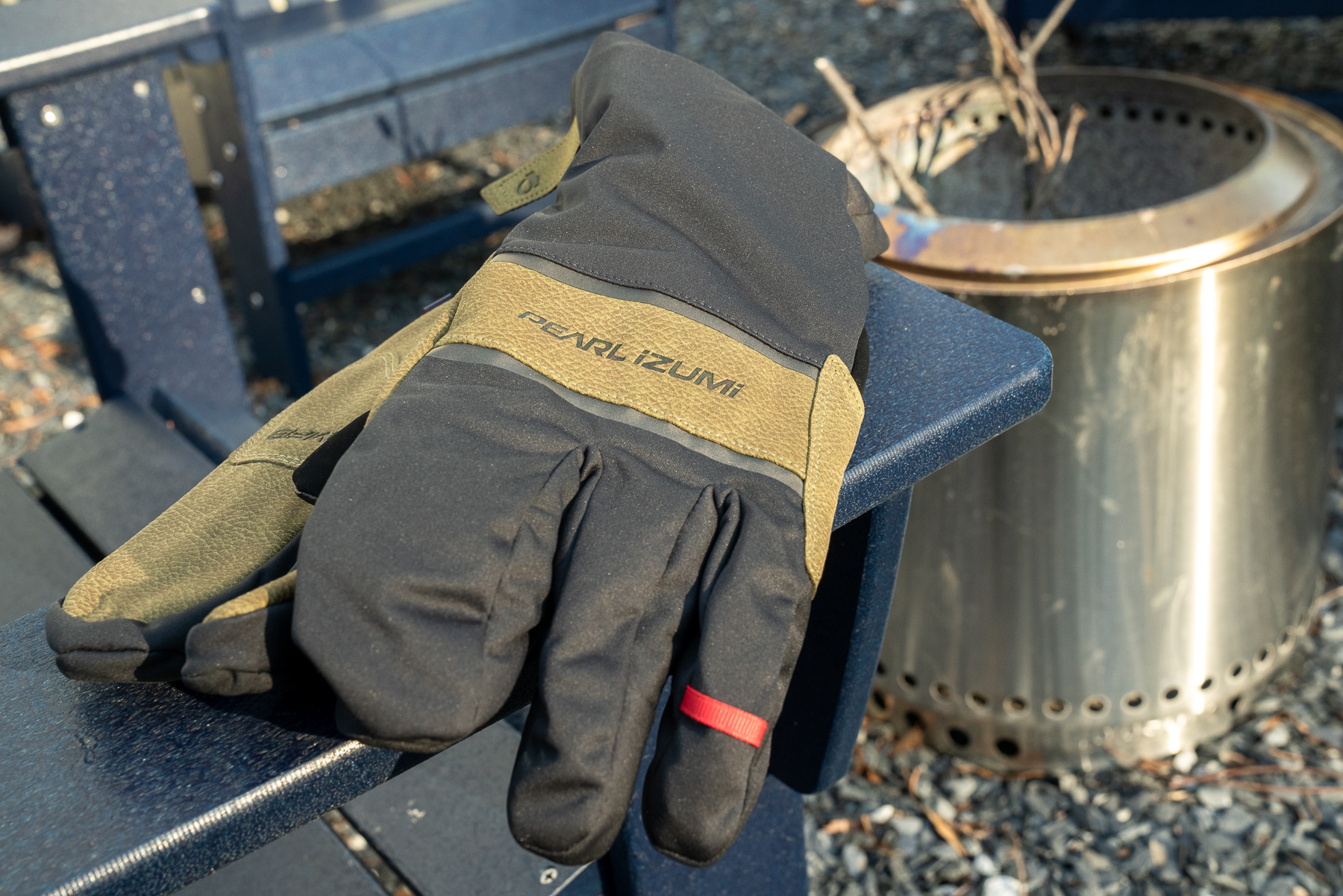
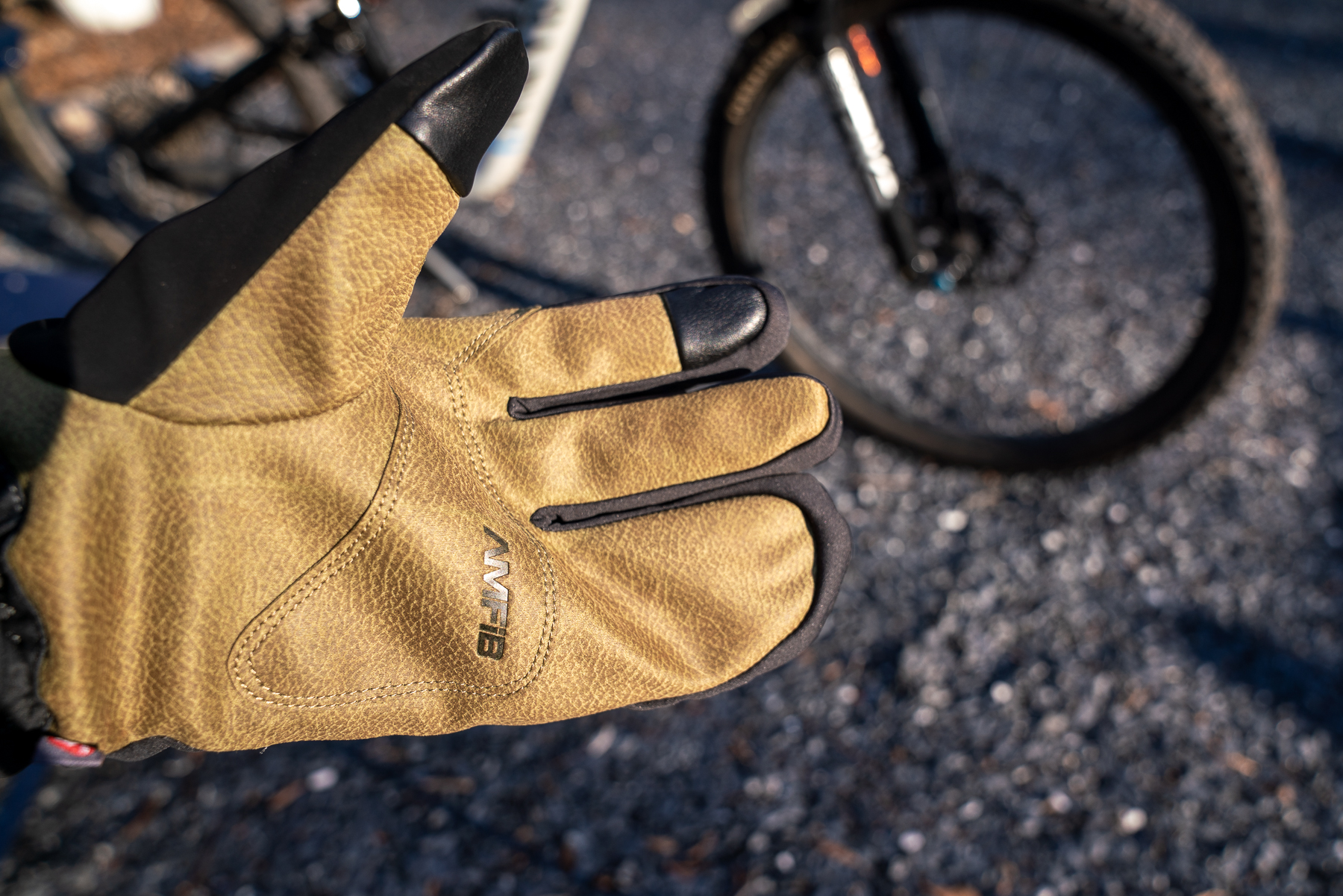
Inside the glove, there’s a thin and soft microfiber-like liner material that’s attached at the fingers and the cuff. My previous go-to winter glove for the coldest days, the Endura Pro SL Waterproof Primaloft, features a similar liner, but if I’m not careful, the liner gets pulled out of place. The liner on the AmFIB Lobster Evos is super warm and is more secure. However, I still make sure to hold onto the fingertips with my other hand when taking the gloves off, especially if my hands are sweaty, to avoid pulling the liner out of place.
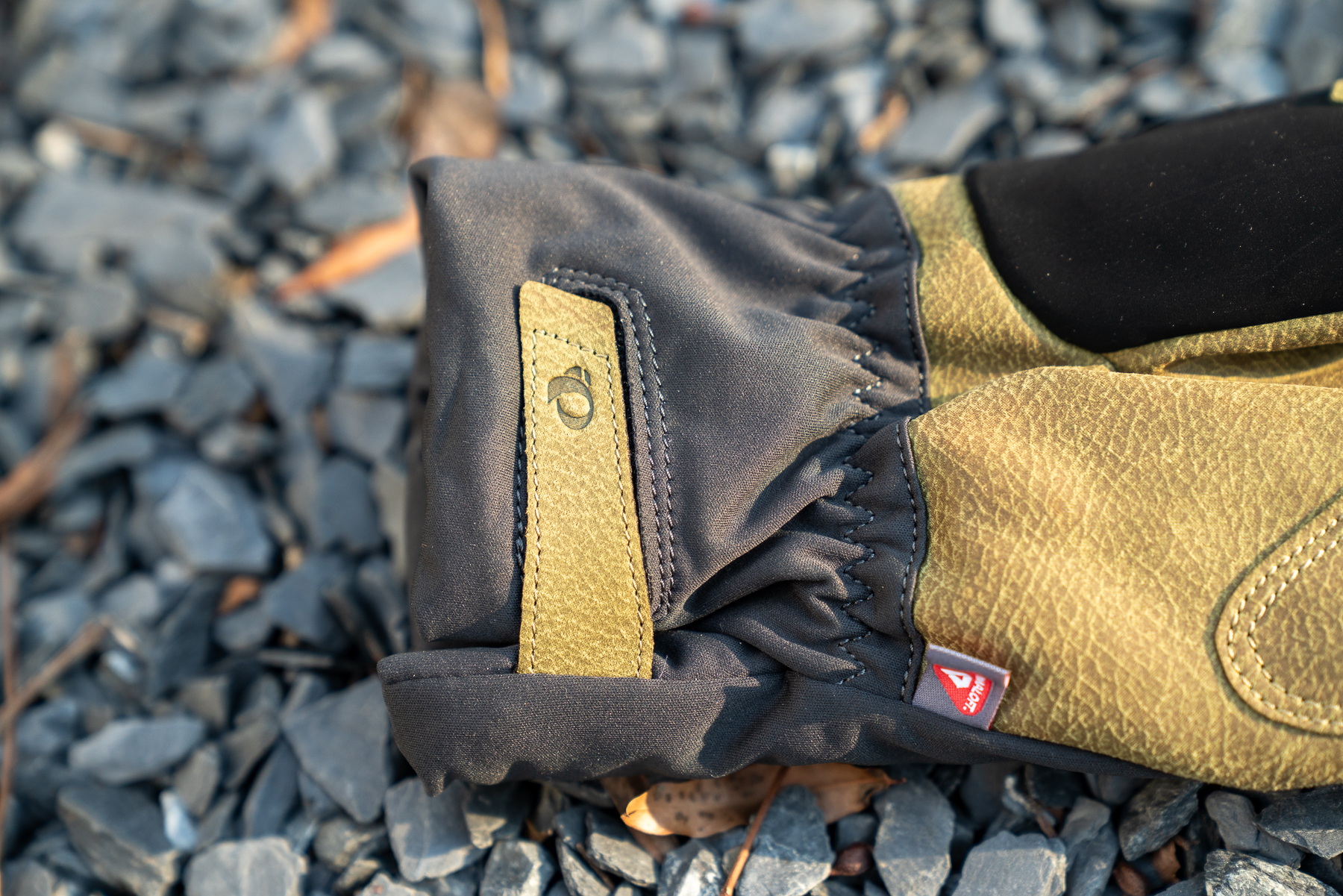
For added warmth, the Pearl Izumi AmFIB Lobster Evo gloves feature an extended cuff and a hook and loop closure for a tight, wind-chill-free fit. Pearl Izumi says the gloves are designed for comfort at temperatures below 30° F. How low can you go below 30°? Of course, everyone is different, but based on my tests, I’d say they are comfortable into the teens at least, particularly when you’re active. On a very recent mountain bike ride at 24° with the wind chill, my hands were absolutely roasting.
On the bike, the AmFIB Lobster Evo gloves give a good handlebar feel thanks to the supple synthetic material covering the palm and fingers. There’s no padding or gel, which I prefer for a consistent grip and feel, though I know some riders do appreciate a bit of padding.
Despite the insulated bulk of the AmFIB Lobster Evo gloves, I found it’s quite easy to operate brakes and handlebar controls. As I mentioned, I’ve tried other split-finger gloves that put the index and middle fingers together, and it just feels awkward for mountain biking. This glove feels natural, and the material on the thumb and index finger is nice and grippy for confident braking and shifting.
I tested a size large and found the Pearl Izumi AmFIB Lobster Evo gloves fit true to size. At $105, these gloves are pricey. If you mountain bike in below-freezing temperatures regularly and hate cold hands, these are likely worth the investment.
The $80 Outdoor Research (OR) Freewheel MTB 4-Finger glove makes use of a similar design, putting the pinkie and ring fingers together. That glove has proven to be incredibly popular, with large and extra-large sizes sold out at OR and major retailers alike.
Ornot Alpha winter gloves
Before I tell you about the Ornot Alpha winter gloves, you should know this: they’re already sold out, in all sizes. Clearly Ornot has a hit on their hands with this one (ha!), and the upshot is if you’re interested you can sign up to be notified when they’re back in stock. Just know that you probably won’t get to use them until next winter.
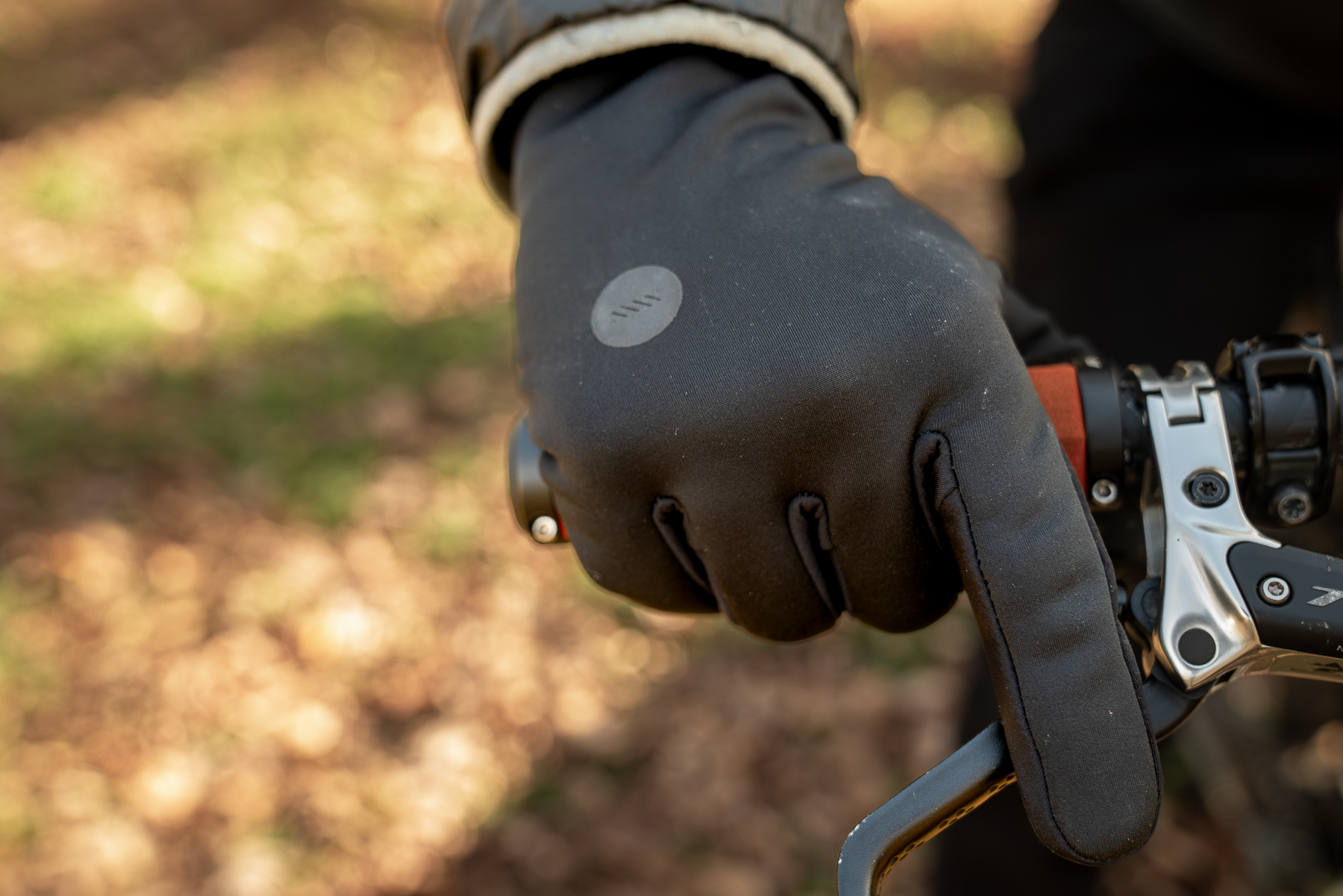
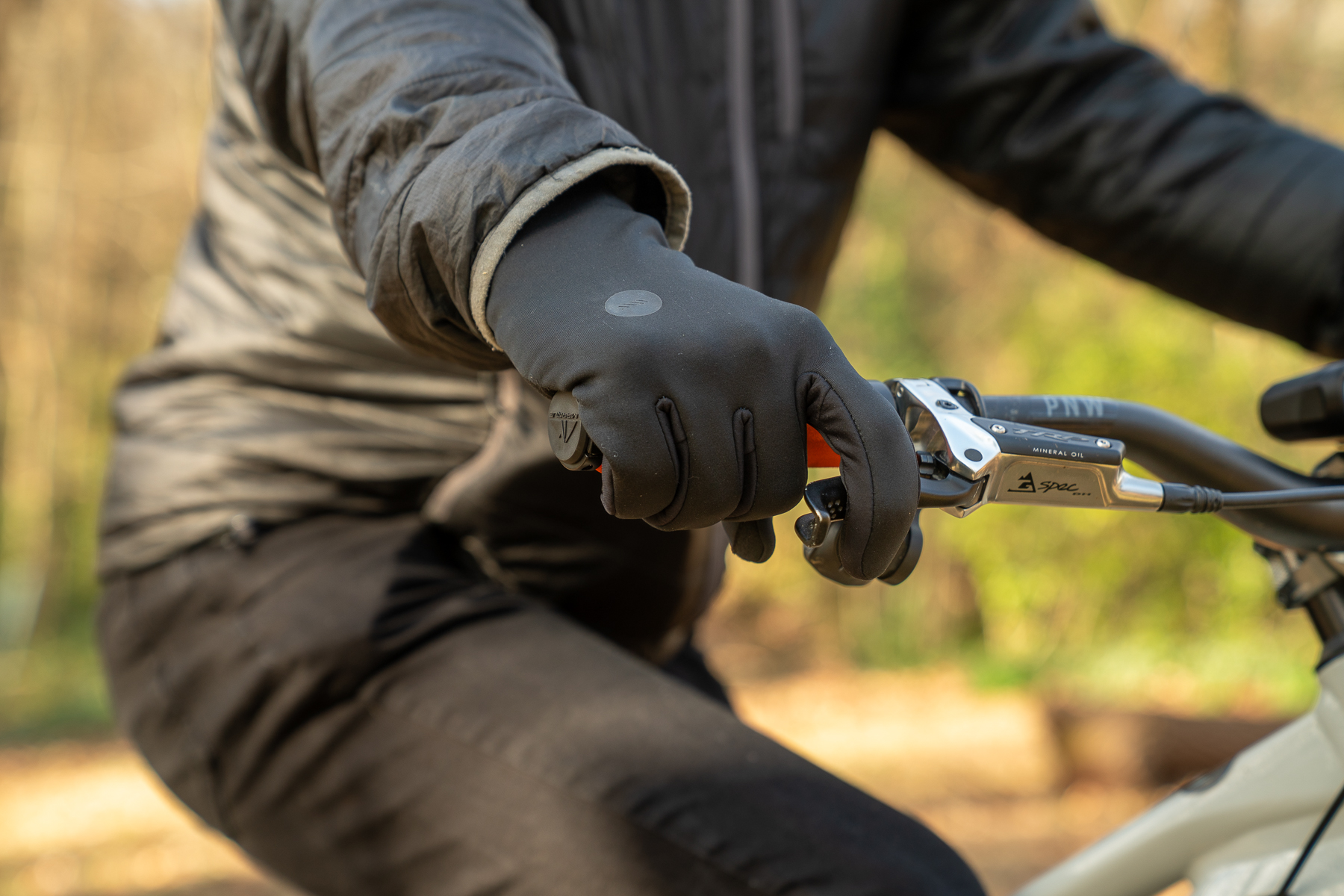
The Ornot Alpha gloves don’t really look like a winter glove. With a thin profile and a low-key aesthetic, it’s not obvious that they are warm at all. To tell the truth, I was so skeptical that they would be warm enough that I brought another pair of gloves as a backup on my first ride, when the temperatures dipped into the 20s (F).
For a proper head-to-head test, I wore an Ornot Alpha glove on my right hand and an Endura Pro SL glove on my left to see which hand got colder first. To my surprise, I couldn’t tell a difference. The Ornot Alpha glove felt every bit as warm as the Enduro Pro SL, which, until that point, had been my go-to winter-weather glove for the coldest nights.
Ornot says the outer material on their Alpha glove is wind- and water-resistant, and to me, it has sort of a soft neoprene feel to it. The palms feature some additional padding and reinforcement, and there’s touchscreen-friendly material on the thumb and index finger. The fingers and thumb in particular are pre-shaped to improve the fit, but I found that puts the touchscreen material on the thumb slightly out of place, at least for my hand. It’s possible that the size large glove I tested is a little big for me, which makes me think the gloves run a little big for the size. There’s no closure at the wrist; just a stretchy opening that is uber comfortable and surprisingly secure.
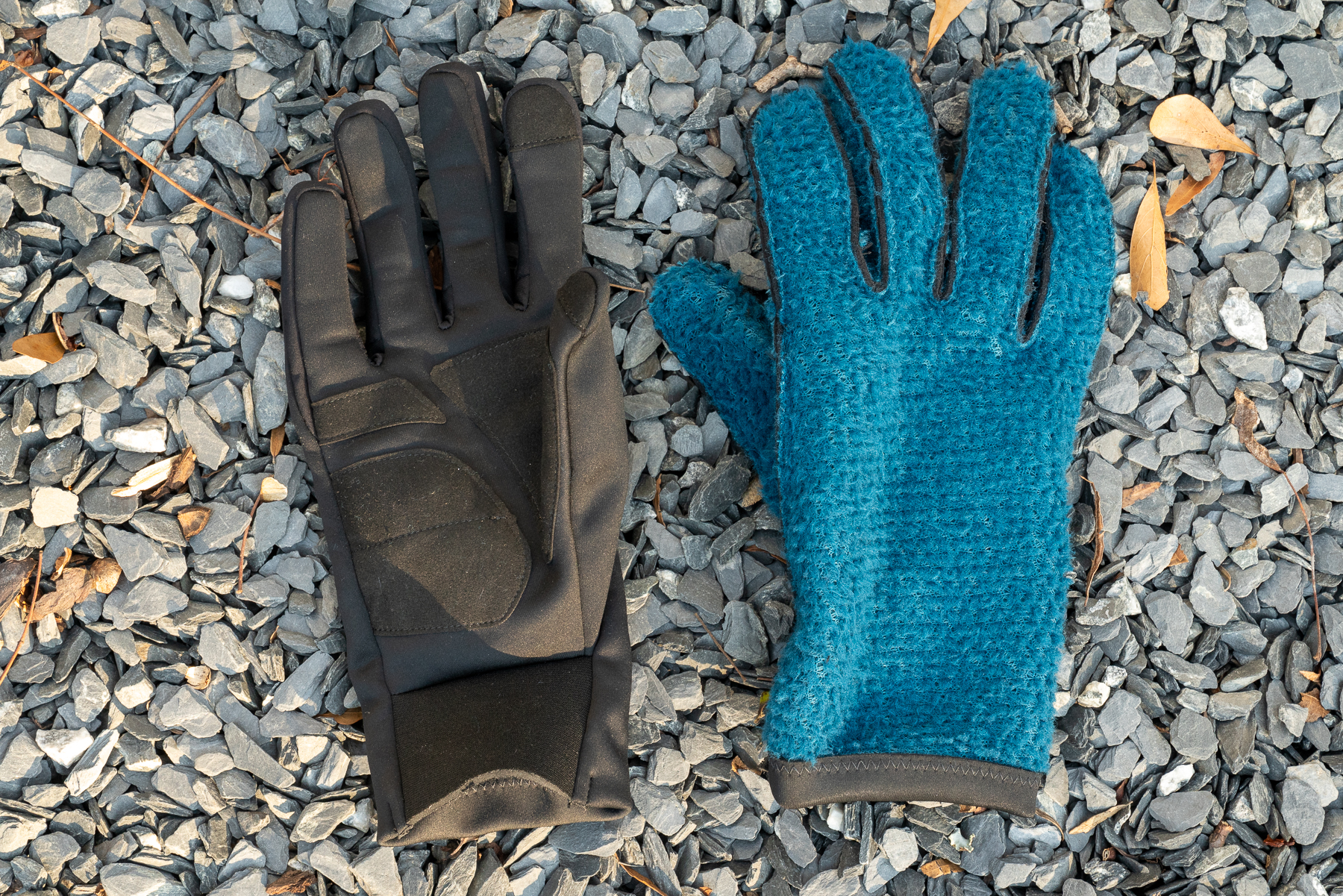
But enough about the outside of the glove. The magic of the Ornot Alpha glove is in the name, Alpha. Ornot lined the gloves with Polartec Alpha insulation, but only on the back of the fingers and hand. If you think about it, this is where wind hits first, and you don’t want any bulky insulation on the palm or underside of the fingers to interfere with your grip. In practice, this works exceptionally well, providing the optimal mix of handlebar feel and warmth that I’ve been seeking.
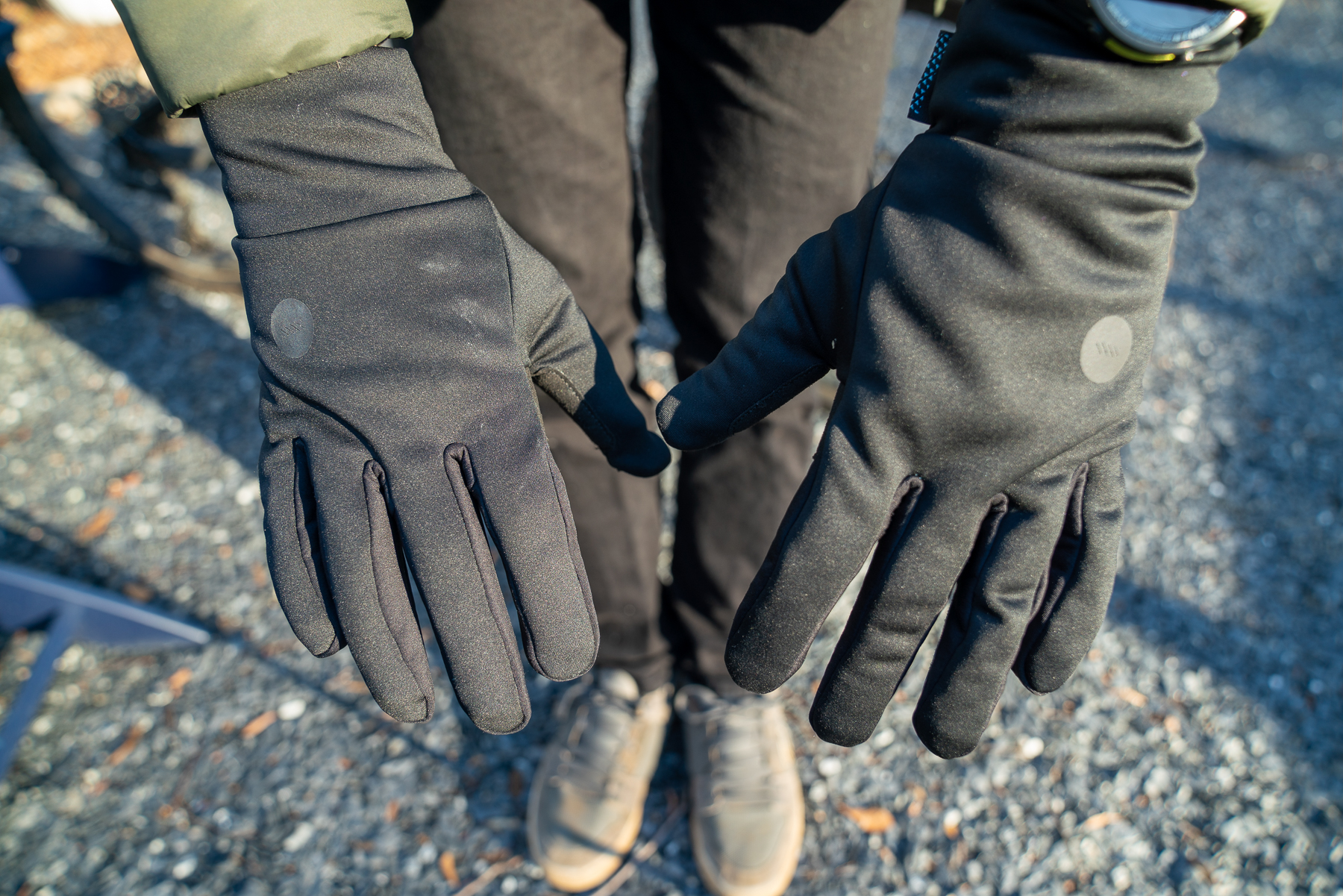
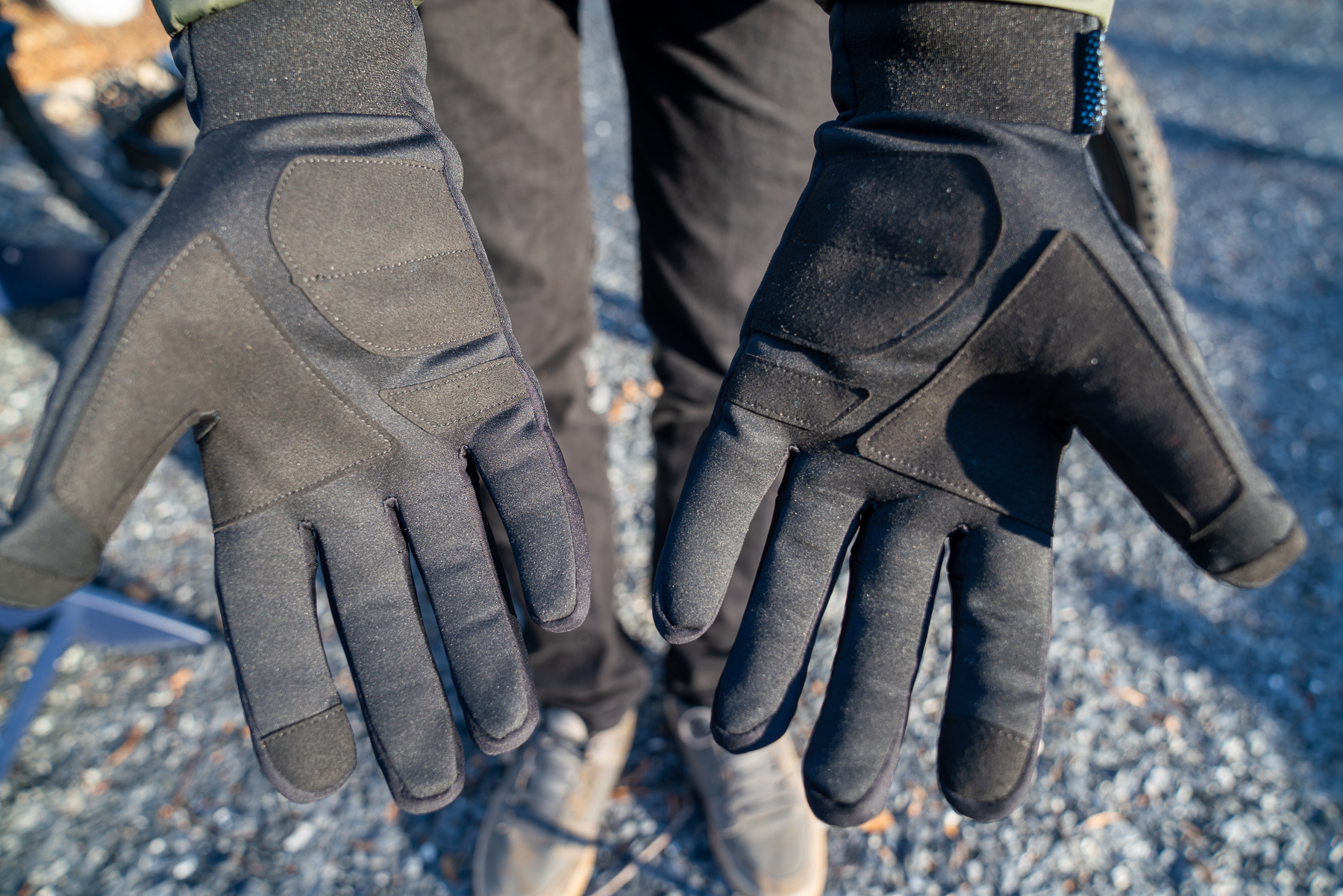
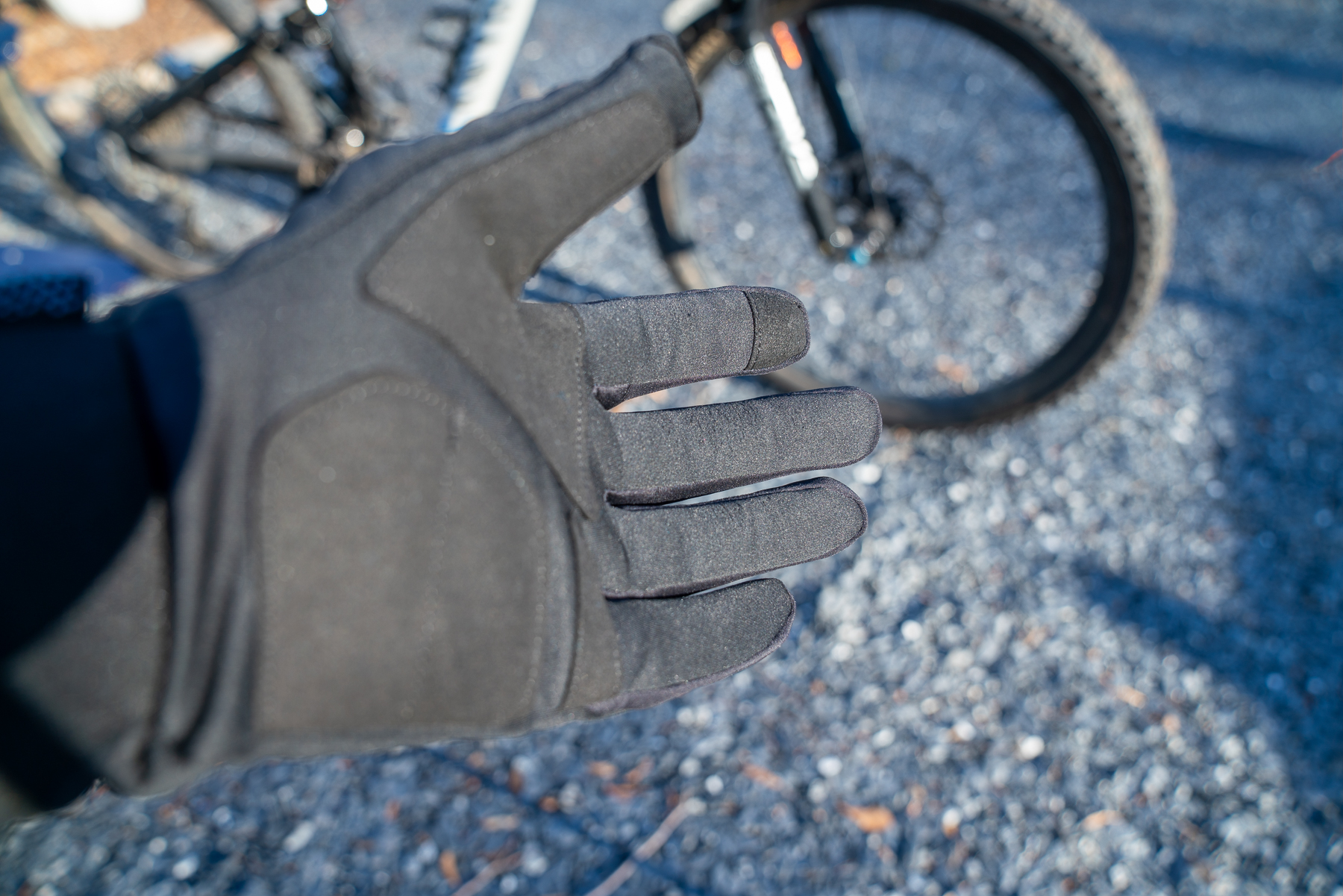
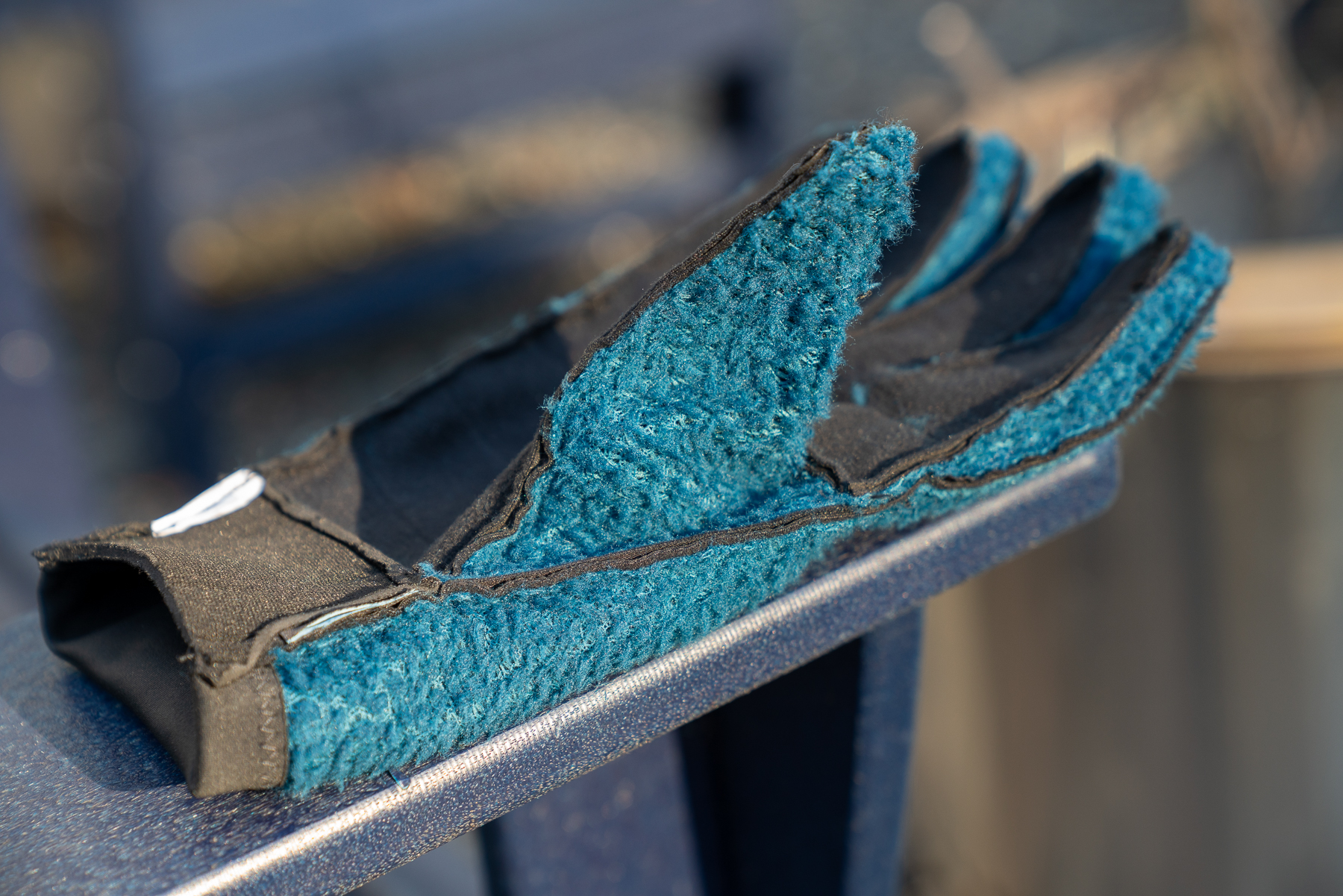
There’s a bit of reinforcement on the palms that gives the gloves a solid, durable feel. I would prefer a continuous layer to avoid extra seams and variations on the palms, which start to feel uncomfortable on longer rides. Still, the overall thin and sleek profile of the Ornot gloves is ideal for mountain biking, where riders need all the handlebar dexterity we can get.
Ornot recommends a comfortable temperature range of 50-28°F, and though I haven’t gone much lower than 28°, I think I could easily push into the low 20s and still feel OK. Below that, and I might just sit by the fire rather than ride.
Priced at $80, the Ornot Alphas are on par with the OR Freewheel 4-finger gloves, though the Ornots are much thinner. Like the Ornot Alpha gloves, the Pearl Izumi Summit Alphas also utilize Polartec Alpha material on the backside for warmth, though that glove is rated for slightly warmer temperatures, 60-30°F.
Your turn: What is your go-to winter glove for mountain biking in below-freezing temperatures?




2 Comments
Feb 2, 2026
Jan 29, 2026