

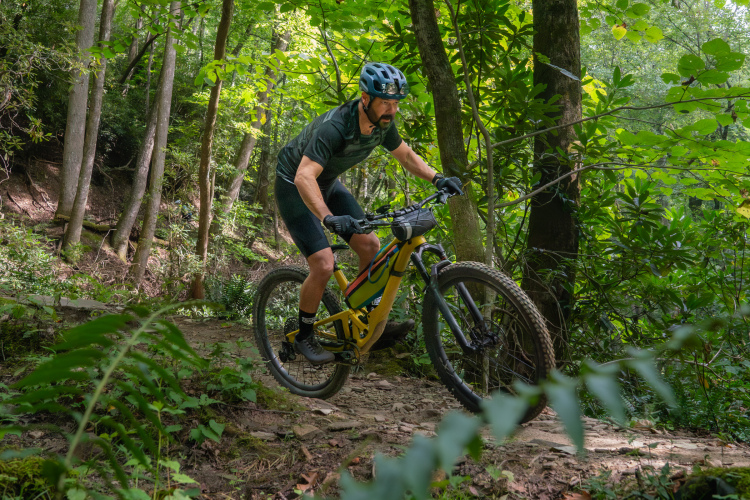
Geoff Kabush is a three-time Olympian and professional cross-country mountain bike and cyclocross racer with multiple Canadian National titles to his name. He’s also a two-time winner of BC Bike Race and recently finished seventh this year against a stacked field that included Nino Schurter.
- Tell us about your very first bike race. Why did you decide to sign up?
- Did you think you’d still be racing mountain bikes at age 49?
- In 2021, after multiple attempts, you set the FKT on the Repack DH course. What surprised you about the project? Would you ever consider giving it a try on a Klunker?
- You’ve been experimenting with 32-inch wheels, and recently picked up a Naked Bicycles 32er gravel bike. What do you think about the emerging wheel size? How substantial are the performance benefits?
- Do you have a favorite race format? Has that changed for you over the years?
- What was it like racing the BC Bike Race this year? Do you plan to race the new format next year?
- What’s your secret to staying fast into your 40s and 50s? How much of a race like the Downieville Classic is mental vs. physical?
- Racing and sponsorships look very different today than they did when you first started out. Do you think it’s harder for athletes today who are expected to be influencers and competitors at the same time?
- You’ve ridden your bike and raced all over the world. What’s your favorite place to ride? As a Squamish local, do you have any trail recommendations for visitors?
- What other challenges do you have planned for this year?
Keep up with Geoff’s latest adventures on Instagram @geoffkabush.
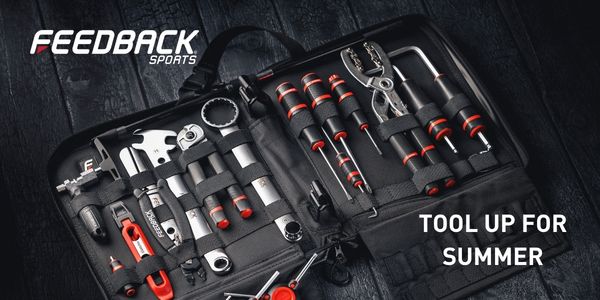
This episode of the podcast is brought to you by Feedback Sports.
If you love your bike, you know that regular maintenance is the key to a smoother, faster, and safer ride. But a good wrenching session starts with the right setup. Enter the Feedback Sports Pro Mechanic and Sprint repair stands. Trusted by World Tour mechanics and home hobbyists alike, these lightweight, anodized aluminum stands are ultra-stable, highly portable, and fold down in seconds.
Whether you’re chasing down a tricky drivetrain click in your garage or dialing in your shifting at the trailhead, Feedback Sports gives you shop-quality precision wherever you are. Pair their award-winning stands with their professional-grade tool kits—like the Reflex Fixed Torque Ratchet Kit—and you have everything you need to keep your rig running flawlessly. Stop wrestling with your bike upside down on the grass. Elevate your maintenance game and give your bike the care it deserves.
Head over to feedbacksports.com today to check out their full lineup of repair stands and precision tools.
Never Miss an Episode
- Listen on Spotify
- Listen on Apple Podcasts
- Listen on Google Podcasts
- Listen on Stitcher
- Listen on Overcast
- Get the RSS Feed
- View all Podcast Episodes
Automated transcript
Jeff Barber 0:00
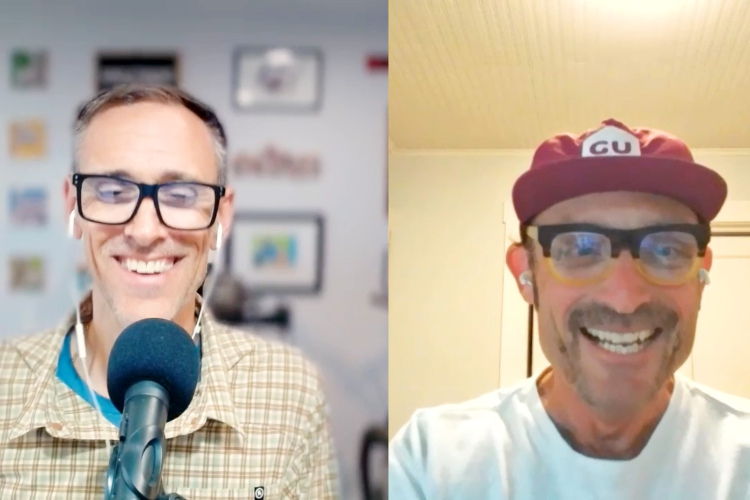
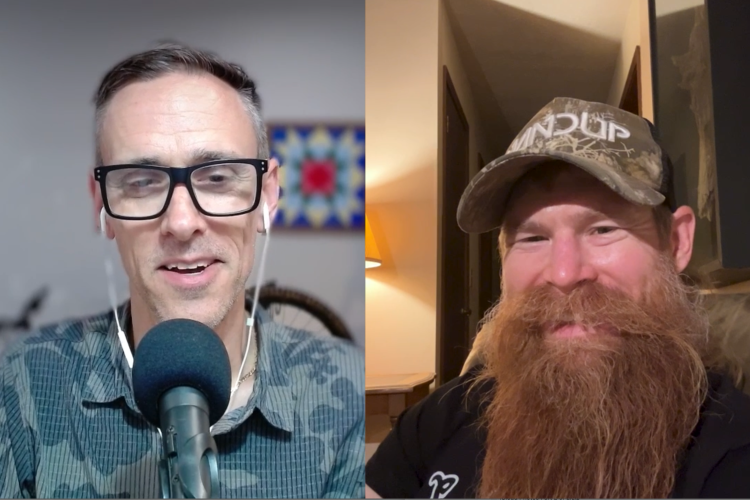
Hey everybody, welcome to the Singletracks podcast. My name is Jeff, and today my guest is Geoff Kabush. Geoff is a three-time Olympian and professional cross-country mountain biker and cyclocross racer with multiple Canadian National titles to his name. He’s also a two-time winner of the BC Bike Race and recently finished seventh this year against a stacked field that included Nino Schurter. Thanks for joining me, Geoff.
Geoff Kabush 1:32
Yeah, happy to chat.
Jeff Barber 1:34
So, tell us about your very first bike race. Why did you decide to sign up?
Geoff Kabush 1:41
That’s funny. I mean, I grew up in BC. Definitely feel lucky to grow up here. But actually, I mean, I played almost every sport growing up. But it was kind of actually my parents were teachers and did a teacher exchange to the southwest of England when I was 12.
Jeff Barber 1:57
Oh wow.
Geoff Kabush 1:58
And actually had a friend who bought his first mountain bike over there, That was you know early ’90s, and I had a 10-speed. We used to go out in the hills and get some flats, and so when I came back in ninth grade, I decided to get my first mountain bike and had some friends that were into local races in the Comox Valley where I grew up, and did yeah my first Comox Cup there at the end of ninth grade and kind of caught the bug. Still played, you know, every sport through high school. Basketball was kind of my main sport, but interesting. Kind of got hooked on racing in the valley and then kind of yeah went from there. Kind of escalated through high school.
Jeff Barber 2:37
Yeah. Well, it sounds like, were you competitive at that age?
Geoff Kabush 2:44
Yeah, I mean, I was really into athletics. You know, did a lot of soccer and track and field and running and competitive in a lot of sports athletic background. But yeah, really kind of started to do well in the local race series, and it was really my summer after high school, my last year as junior. Just when the Canada Cup Series started out West, and started doing really well at some of those, and decided to chase the Canada Cup Series across Canada, and ended up qualifying for World Championships in ’95 as a junior, and really kind of caught the bug there.
Jeff Barber 3:22
Yeah, yeah. Well, you know, having that background and doing all these different sports, did you think you’d still be racing mountain bikes at age 49?
Geoff Kabush 3:35
No. Yeah, things really escalated, but you know, just it’s such a it’s a sport that’s such a nice lifestyle, and that’s like kind of what hooked hooked me on it. You know, being out in the woods, exploring new trails, and yeah, you know, I’ve been lucky in my career that the sport’s evolved, and I’ve been able to find new avenues to compete and stay involved in the industry. And a big part of what fascinated me about mountain biking early on was the equipment, and it’s almost you know really come full circle. I’m really more involved in a bit more in the equipment and R and D, and still still love racing. Yeah, I’m getting close to 50, so all my my tricks are running out. Experience and tactics, but still you know enjoy having some events to focus on and kind of keep motivated for.
Jeff Barber 4:25
Yeah. Well, yeah. It’s been interesting to follow your career, and you know, you’ve raced so many different disciplines, but it seems like you keep finding more things and new things to do that like still fit kind of where you’re at in your career.
Geoff Kabush 4:40
Yeah. You know, I think doing the same thing over and over gets boring. And I think I would have retired a long time ago. We’re lucky sport of mountain biking seems like there’s always something new to learn. But early on in my World Cup career, where I had the most success, even during that period, I you know raced on the road a bit, some pro. Continental teams and cyclocross, and always tried to find something new and interesting to do. Even during my World Cup career, getting involved in some blind enduros, and yeah, keeping it interesting and fun. And as you know, at first looked at the career as kind of a you know four-year cycles with the Olympics, and early on, I didn’t think be able to continue on, but the sport evolved and into some, you know, really during the teen 20 teens, whatever you want to call it, there was a lot of great domestic events with the epic rides and BCBR, which were still you know really high profile and provide some value for my sponsors. So it’s really fun for me to be there at that time and transitioned in a lot of these really cool mountain bike races, and that’s kind of what I’m focused on now. Is just yeah the really fun, challenging mountain bike races, especially up here in BC, where traveled so much my entire career, just really enjoying being closer to home and taking advantage of all the opportunities in BC
Jeff Barber 6:02
Yeah, that’s awesome. Well, speaking of keeping things interesting, in 2021, after multiple attempts, I believe you set the FKT on the Repack downhill course. And for folks who don’t know, Repack was like the original mountain bike race, like back in the 70s, and people were doing this race on what they called Klunkers, which had no suspension. They were basically just like converted kind of cruiser bikes that they were racing on this course. And so, I’m super curious about that project. Like, what what surprised you about about trying to set that FKT and and understanding that course.
Geoff Kabush 6:43
Back in COVID, we were all looking for for fun things to do. I kind of split my time between here and NorCal, and it’s it’s actually really cool. You know, the birthplace of Mount Bike and Marin. A lot of those guys are are still around, and I’ve gone to some talks with Charlie Kelly, who organized Repack, and it’s really fun that those those guys from that era are still around. You can chat and talk about them. It’s yeah hard hard to believe how fast some of those guys went down on their their coaster bikes. But I mean yeah, it was it was a fun project. I thought like you know a fire road downhill. I’m gonna jump on you know my small trail bike and give it a rip, but yeah, and the speeds that you get going and the grip that you need to kind of fire down there. I had to go back with my big bike and yeah, just a really fun project being hanging out down there with with the history of the sport and those guys around, and it was yeah just a fun challenge in in COVID to kind of you know throw back to the old days. That’s I raced downhill back in the day too on on fire roads, and definitely it always feels like a bit of a burn of elevation. But it’s definitely fun to do some high-speed drifting down a fire road, and that’s definitely what Repack is.
Jeff Barber 7:58
Yeah, yeah, it was surprising, you know, reading about your attempt that you were actually faster on a longer travel bike. because it seems like your biggest challenge would be grip, right? Like tires seem to seem to have like a huge impact on that.
Geoff Kabush 8:15
Yeah, it’s just it’s really high speed. There’s a lot of rain ruts and some water bars, so it’s man just really feeling comfortable at speed and and being planted. And I mean, yeah, it’s a lot of events I do. It’s a fun debate about which bike’s faster, and it definitely be debatable which which bike you could go fastest down there. But yeah, it’s a it’s an open area and bit nerve wracking. A lot of blind corners, so you have to be careful careful and go for a rip there. A lot of sensitivities in in Marin County with mountain biking. So yeah, it was a it was a fun challenge. Had to be careful looking for traffic, which made it extra nerve wracking. And yeah, just so many S bends and switchbacks that look the same with a little bit of poison oak. Yeah, keep it spicy. But yeah, definitely, it’s yeah, it’s fun to have little things like that, especially during COVID, to to motivate and challenge myself.
Jeff Barber 9:18
Yeah, did you ever consider doing it on a Klunker? Can you even imagine what it would have been like to try to go that fast on a bike with no suspension?
Geoff Kabush 9:27
I know the Transition guys did a fun project. They kind of built a Klunker there several years ago and had to go. And yeah, unfortunately, had some pretty bad crashes, so that’s odd. But yeah, it would be incredibly yeah spicy and hard to imagine trying to do that on a coaster brake.
Jeff Barber 9:51
Yeah, yeah. Well, you’ve been experimenting with 32-inch wheels on bikes, and it looks like you recently picked up a Naked Bicycles 32er gravel bike, so I’m curious to know what do you think about the emerging wheel size, especially for for gravel biking?
Geoff Kabush 10:11
Yeah, that was a super fun project with Sam, who I’ve known for a long time at Naked Bikes about a year and a half ago or so. I did some testing on a mountain bike with Fox, working on some some geometry, and I definitely knew there’s a lot of potential in the wheel size where the wheels really shine. But the first thing I came out of that test was thinking, man, a lot of these benefits would be really suited to gravel, and you see a lot of discussion on around the mountain bike, and we’re going to see a lot of new mountain bikes. But man, for me, the a lot of the yeah advantages of big wheel really suited gravel. So it was definitely a challenging project to get all the pieces together for gravel bike, but really cool to work with Sam and just a really fun bike for the kind of riding I like to do. Kind of under biking has been a kind of a fun inside joke kind of riding. I really love to do more technical off road and rough gravel and yeah, those big wheels really dampen the bumps, and I could care less if it’s fast or not. But it’s definitely a lot funner bike to ride, and more comfortable. And really allows me to, yeah, open up a lot of routes and rides that I like to do in Squamish, and really enjoyed it down in in riding in the Bay Area as well.
Jeff Barber 11:42
Yeah, yeah. Well, I mean, you say you don’t care if it’s faster or not, but but you’re a racer. You’re still racing, so I’m curious. Like, do you see real benefits to having a bigger wheel size when it comes to racing?
Geoff Kabush 11:57
Yeah, I mean, it’s you cannot get over the rotational effect, so there’s some small downsides to the bigger wheels, and that’s one thing I definitely would like to get. The availability when I build my wheels was a bit limited, so I have more of a kind of a trail weight rim, and there’s already in the next couple months, there’ll be a lot more, you know, apples to apples comparisons as far as wheel sets and a lot of new equipment coming out. And there’s, I’d say, like the jump from 26 to 29 was was really dramatic and not quite that dramatic the improvements, but two thirds to three quarters, but man, there are some really tangible benefits. One of those, I mean, there’s a lot of talk about maybe we’ll see mixed wheels, but one of the huge benefits for me was the the climbing traction. I mean, Aspen tires in some pretty greasy conditions, and the the traction in the rear is a huge benefit, and then just yeah, the rollover when you get rolling through kind of undulating terrain, it’s pretty. I mean, the bike just makes makes you want to go faster. That’s when I was testing on kind of a bobsled like road. That’s where it was man eye opening the the speed you could carry, and just the the angle of attack on the big wheels on small bumps is a lot lower, and just kind of seems to minimize some of those those rough stuff. You could see on the weekend of the World Cup, the Thomas guys, Keller and Lukagur. Lukagur, yeah, they raced it without much success, but those are still, I think, prototypes with you know slap together fork, and it’s going to be interesting. I think towards the end of this year, probably see a few more people testing it out. I think the transition to 29. There’s definitely a few more hiccups with design and wheels, and I think it’ll be a lot smoother this this time. And I think it will maybe be a bit size dependent.
You know, you can see I’m a taller rider, six foot two, and and the it just feels like the right fit for me. And I mean, yeah, even some of the guys I raced with, like Barry Wicks and Ryan Trebon, they looked like they’re on clown bikes with the little wheels.
Jeff Barber 14:35
Right.
Geoff Kabush 14:37
It’d be a really nice fit for those people at the top of the bell curve, bigger might be more of a challenge for small riders. I think less of a challenge on the gravel bike. There’s lots of lots more room with the reach and drop bars. I mean, with a proper gravel fork on my bike, could easily drop the front end probably seven. Eight centimeters, and my fit on my gravel bike from Naked is exactly the same as my 700 seat bike minus about a centimeter taller stack, and that’s not even with doing any kind of funny stem. So it’s a really easy fit for me, and lots of room to adjust. And I think we’ll get there for a lot of body sizes, but it’s going to be really great for the taller riders.
Jeff Barber 15:24
Yeah, interesting. Yeah, I mean that’s a topic I’ve kind of explored in the past. Is like, is there an advantage to being tall in mountain bike racing? And it sounds like, particularly with this new wheel size, maybe taller riders are going to be able to take advantage of that maybe better than shorter riders? Have you seen that though over your career? Like, does being tall give you any sort of advantage?
Geoff Kabush 15:52
Man, it felt like a disadvantage a lot of my career. Yeah, yeah. Just it seemed like courses as they shrunk. I mean, started my career. The XC races were much longer, but as the courses became more compact, the designers really seemed to try to make steep courses much steeper and sharper. And I felt like I was one of the bigger guys, being 165 pounds.
Jeff Barber 16:24
Right. You got the weight, and then it’s also harder to…
Geoff Kabush 16:27
Yeah, and I could definitely have the the power and capacity. I think racing’s gotten more dynamic in in recent years, but it at times there were definitely it was definitely focused more towards lightweight climbers, and there was very few big guys like myself and Jaroslav Kohavi, and a few other taller, bigger guys. But it seemed much more suited to smaller, more explosive climbers. And I think for my size, the the courses have become more dynamic and faster. Could talk about how technical courses are or not.
Jeff Barber 17:08
Yeah.
Geoff Kabush 17:09
But yeah, I think there’ll be some advantages for tall guys on bigger bikes in certain courses. And yeah, that’s the fun thing about mountain biking is there’s a lot of different interpretations of what mountain biking is around the world that suits different styles and types of riders, and I think that’s really great to see you at the mountain bike World Cups, where different body types and styles of riders can and win. And I think that’s a that’s a real positive thing to see.
Jeff Barber 17:35
Yeah, yeah. Well, yeah. You mentioned that courses maybe are getting more technical, or did get more technical for cross-country racing. But then recently, you know, Canyon came out with that sort of prototype concept bike that focused a lot on aerodynamics. And part of that launch, they pointed out how, like you’re saying, speeds on World Cup cross country races have have grown a ton. They’re up like 33% over the last 10 years. So, what as a racer, like, what do you attribute that to? Is this are they getting faster despite courses getting more technical?
Geoff Kabush 18:16
Yeah, I mean, I would argue there’s more features, but I wouldn’t necessarily say they’re more technical. They hold up a lot more in the in the weather. But I think they realize. I think course designers and the World Cup Warner Brothers have realized that tighter racing is more exciting. So there isn’t the extended, really steep climbs on most courses that create bigger separations. The courses that courses are designed a bit to keep the racing closer, and that in turn has led to you know shorter climbs and more rolling terrain, which I think has increased the speed.
Jeff Barber 18:57
I see.
Geoff Kabush 18:58
And part of that is I think a bit more manufactured to like Lenzerheide, which last weekend was a bit of an outlier. That’s got some really natural terrain routes and stuff, but you will see a lot of technical features linked by a lot of flowing fast racing that tends to lead to higher speeds without the major climbs. I mean, back in the day, I can say, yeah, we used to have some really long, you know, 810 minute climbs on courses, and oh wow, now laps aren’t even that long. So yeah, when I started racing, the target time was two hours and 15 to two and a half hours, and yeah, that shrunk to much more compact course and more dynamic racing, which is kind of, I think, desirable to keep the racing closer and more interesting.
Jeff Barber 19:47
Yeah, yeah, for sure. And I mean, bikes have changed a ton in the last 10 years too. Do you think that had any effect on race speeds?
Geoff Kabush 19:57
Yeah, for sure. I mean. There used to be riders that would lose 45 seconds on descent in on a World Cup cross-country course. There was a German guy, Wolfram. We used to say, “Don’t want to get Wolfram. He was like a crazy strong climber, but a crazy slow descender. And and if you got stuck behind him, it was major impact on your race, I think.
Jeff Barber 20:23
And was that in the day of hardtails too. I mean, you rarely even see hardtails anymore in a World Cup cross country race.
Geoff Kabush 20:30
No, he had a full suspension, but I think it was a generation where I think we’re seeing now most World Cup riders grew up mountain biking and have the skill set. Or my generation, there was a lot of transfer over from road and cyclocross, different disciplines that didn’t were up on the bike and weren’t as natural. But for sure, the mountain bikes have developed incredibly. Like the the XC bikes these days are really incredible. I reference like how technical courses are now. Yes, they definitely have some bigger features and jumps, but the bikes are incredible. Reference. Have another conversation earlier this week about racing Mont Saint Anne on you know hardtail with a high post and high pressure little tires. Yeah, I mean that was you had to do some dancing on coming down La Beatrice at Mont Saint Anne on some slick slick rocks. Definitely challenging and more it tended to be more natural terrain in my era where courses could really deteriorate. Now they’re a bit more man-made and tend to hold up really well in in bad weather, which is minus South Korea this year. But that’s another conversation.
Jeff Barber 21:50
Yeah, yeah. Well, right. I mean, I guess you make a good point that these speed increases is also paralleled. I I would guess speed increases just in trail biking. You know, you go out to your local trail system. It’s more likely today to be machine-built flow trail versus you know what we used to have more natural technical trails where the speeds were just they were just lower.
Geoff Kabush 22:14
Yeah, and I think I think the biggest thing back to the racing is it’s really kind of leveled the playing field or narrowed the gap between riders and technical sections because, yeah, the bikes these days give you much much more confidence. So there are much smaller differences between the good riders and bad riders. And I think the biggest thing is more these days is the speed difference isn’t as big, but you really see the efficient riders kind of save energy over the course of a race. I mean, yeah, Chris Blevins is a great example. You can he is definitely fast, but you can also see he’s very relaxed, and you see that with I mean, Jenn Jackson is a good example Canadian rider that you can see. She’s very competent technically, and saves a lot of energy on the descents.
Jeff Barber 23:05
Yeah.
Geoff Kabush 23:06
She’s fast. Not a big difference, but saving a lot of energy. And that’s one thing in my career. Never necessarily went a ton faster, but I was just saving so much more energy that I was able to even have success on courses like Montsen, which are really hard, steep climbing. But I was just recovering so much more on the descents, not necessarily going faster.
Jeff Barber 23:28
Yeah, yeah. I mean, I’ve heard that idea of saving energy from like skills coaches. I mean, what does that look like for you? How do you save energy in a race?
Geoff Kabush 23:39
I think it’s just being relaxed. Yeah, like when you have that skill set. I was lucky to grow up in BC, so in general, World Cup courses were never challenging for me. So over course of the race, as well as the course the weekend, I saved a lot of energy and stress and pre-riding and analyzing the course. course, and yeah, it’s just staying relaxed and being comfortable on your bike and those technical sections where you’re not, yeah, tensing up and losing a lot of energy through stress and reacting to the terrain.
Jeff Barber 24:16
Yeah, and I guess braking less too. I mean, if you can brake less, you’re gonna you’re gonna carry that energy a lot more than if you’re constantly like braking and then trying to accelerate.
Geoff Kabush 24:26
Yeah, for sure. It’s just cornering speed and arm pump, and yeah, just overall being more relaxed and focused on recovery than really being on edge.
Jeff Barber 24:37
Yeah, yeah. Well, we mentioned that you’ve done the BC Bike Race many years in a row, and it’s it’s kind of your backyard race. So I’m curious, what was it like racing BC Bike Race this year? It being sort of the last year of this format that the race has had for many years.
Geoff Kabush 25:00
Yeah, I mean it’s nothing I like more than being on the race in my own province, and my mom’s over in the Comox Valley where Cumberland is. The first couple stages, so it’s it’s kind of the island is where I grew up riding. So it’s really fun to to go back to some of those networks. We went back to the trail network in Parksville called Hammerfest, which I raced last time in 1998. So really, really fun to go back to some of these places and towns where I started mountain biking. Really great community, and yeah, the being the last year, I think there’s a lot of people that had it on their bucket list, including Nino who showed up, they had near record numbers again in the 800, so it really felt like an event. And I think they moved it up to try to avoid the the summer heat. But man, yeah, it keeps on changing. Where it was really great. We had a wet day, day three in Cumberland, which made it really challenging for some riders, but really help the trails for the the rest of the weekend. Get moisture and yeah, it’s really been a fun part of my career the last decade to kind of race BCBR and really really fun event. And yeah, these days I’m focused on fun single track events, and that’s definitely a highlight.
Jeff Barber 26:20
Yeah, do you plan to race the new format next year?
Geoff Kabush 26:24
I keep saying, oh, maybe that’ll be the last one. But now they’re coming back to the Sea to Sky, Squamish Whistler, and nothing better than racing your own province, let alone sleeping in your own bed and getting to do a race. So I just yeah enjoy supporting those guys at BCBR, and they do a great job with the event. And so it’s always always fun to be a part of.
Jeff Barber 26:49
Yeah, awesome. Well, so I saw recently. I think you posted on Instagram that you’re planning to race the Downieville Classic this year, and it looks like last year you took fourth place in the XC race. And if I’m looking at this correctly, the only people who finished faster than you were in their 20s and 30s. And so you’re-I mean-you’re closing in on 50 years old. So I’m-I’m curious, what’s your secret to staying fast into your 40s and and ultimately into your 50s?
Geoff Kabush 27:24
Yeah, actually, gonna miss Downieville for the first time in a long time. But it’s been a really fun event. I’m doing a trip over to Europe this summer during Downieville. But yeah, that’s a. I really love events that’s a bit that are a bit of a puzzle, and Downieville is definitely a real puzzle. You have to use the same bike for the XC and then the same bike for a really high-speed kind of rough 45 minute downhill for the fastest rider. So it’s a really fun challenge trying to balance it, and you know I’ve been able to keep on having success in my 40s, just using all the experience, tactics, and skills, and those come in really handy at Downieville. It’s because it’s such a long, high-speed downhill. It really helps to have experience on that track, just carrying speed, it was really impressive seeing Carter win it in his first year last time. It’s really hard to show up to Downieville. Oh yeah, logistics are challenging and tiring. It’s a big course, a big pre-ride, and a long, obviously 40-five minute downhill to piece together with a lot of blind rises and really fast rocky sections, so it’s been a really fun challenge. Again, you know, transitioning from the World Cup, it’s been a really fun event to do, along with BCBR and some of the other mountain bikes. And yeah, I’m lucky to have some of these really cool events to participate in and showcase some of the stuff for my sponsors I’ve been riding.
Jeff Barber 29:00
Yeah, yeah. Well, yeah. It’s it’s interesting because clearly experience does pay off, and it sounds like you know the mental side of a race like Downieville is just as important as the physical.
Geoff Kabush 29:16
Yeah, it’s. I mean, it’s the downhill, especially. It’s just well the XC downhill too. It’s it’s just really controlled aggression. I mean you can go flat out, but there’s just tons of mechanicals and flats and broken wheels. So it’s yeah the downhill you kind of have to run tires that are too light for the downhill to have success in the XC. So it’s just that balance of controlled aggression and knowing where to go fast and where to control your efforts and that’s a really fun challenge for sure.
Jeff Barber 29:49
Yeah, yeah, that’s interesting. And I guess I didn’t realize that it’s not just you don’t have to just have the same bike, the same frame. I mean, you have to run the same tires and brakes and all of that stuff. Is that right?
Geoff Kabush 30:01
Yeah, exactly the same. So you have to weigh your bike before the XC, and then do another weigh in the morning of the downhill.
Geoff Kabush 30:08
So yeah, it’s really a compromise and a frustrating, frustrating compromise sometimes.
Jeff Barber 30:15
Yeah, interesting. Well, so you know, these days racing and sponsorships look very different than they did when you first started out in your career. So I’m curious: Do you think it’s harder for athletes today who are expected to be influencers and competitors at the same time? Like, how is is balancing that difficult?
Geoff Kabush 30:40
Yeah, for sure. I’m very appreciative of the time I grew up racing. I think I was definitely a quieter performance-focused athlete, and I think I might have might have been okay. But I think I’ve definitely had the conversation. Athletes struggle with the balance these days, it was just not that we didn’t have any obligations, but it seemed a lot simpler in my day before the internet. We could, you know, race and train, and then we go home in the winter and put in our time.
Jeff Barber 31:12
Yeah.
Geoff Kabush 31:13
But it’s much busier, much more challenging as an athlete with the demands to always be online and present, and especially during COVID, that really ramped up the importance of social media, and it was definitely really challenging for a lot of athletes that were focused on more on being an athlete. Yeah, part of part of the job now, which is there’s always some parts of any job that are challenging, but yeah, it’s tough for some personalities that are more introverted or quiet. I’m glad to see. I think in recent years it’s swung back a bit more to the performance side in some some parts of the sport, but I think it’s also positive. It’s opened up some avenues for other people to have success in a place in the industry. But for the athletes focused on performance, it’s definitely more challenging to balance that side of the job. I think.
Jeff Barber 32:14
Yeah, I mean, in the past, as an athlete, would it be like I assume part of a contract would say you know you’re going to make so many appearances for your sponsors or things like that, but now is it more even more specific about like in terms of posting regularly and and that sort of thing? Like, has the time required to do all of those extra things increased from what you’ve seen?
Geoff Kabush 32:41
Yeah, I mean, I think in my era it was really fixed obligations. I mean, we’d often have media camps, or we’d get a lot of the media done, or specific interviews or video projects. But it seems more now really all-encompassing. I think if you have a team and media around you, you have people to help you with that. But a lot of us don’t just want athletes to do everything. You know, take pictures and film and produce videos.
And yeah, it’s really a big skill set that athletes have to develop, and it’s just more and more just ongoing, 24/7 being engaged. Where we really had our times of peace and quiet, where we could go and just train. And I think athletes are having to learn the discipline to kind of you know schedule their time and their commitments. And some athletes really thrive and enjoy that part of the job online. I don’t think I was would have been one of them. And I think yeah, it just depends on the personality. Some athletes are really thriving in that environment, and some are fun and more challenging. And that’s where yeah, having the support of a team with some of that media really helps.
Jeff Barber 34:01
Yeah, yeah. Well, it is. You know, as as a consumer, as a person who follows, you know, mountain bike athletes and racing, it is cool to see the stuff. You know, like your Downieville, sorry, your Repack project. You know, to see those kinds of things going on that are like, oh yeah like these athletes are doing really cool stuff and I appreciate too that it takes time to like produce that and share it and everything but it’s also really cool for us to see.
Geoff Kabush 34:33
Yeah you really get to know athletes a lot better these days some athletes are better self promoters sharing a lot more information. I guess, yeah. Like I said, this goes back goes back to personality and whether some athletes enjoy it or not.
But yeah, you really get a good insight into what goes on in an athlete’s day to day life, and I think the hardest part is as. Comes back to is just balancing that commercialization with authenticity. You’ve definitely seen that with platforms like like Instagram. But first, it was just a fun way to share photos and personality. And you see these days, it’s really become commercialized. And yeah, yeah. Sometimes that just turns me off. It’s overwhelming, but yeah, it’s a really fine balance for athletes to kind of balance that. Yeah, it’s your job to promote stuff, but keeping it authentic is sometimes a really a real challenge.
Jeff Barber 35:36
Yeah, yeah. Well, you’ve ridden your bike and raced all over the world, so I’m curious. Outside of Squamish, what is your favorite place to ride?
Geoff Kabush 35:49
Well, BC for sure.
Jeff Barber 35:51
Okay. But outside of BC?
Geoff Kabush 35:55
Yeah, I mean the Pacific Northwest. Like one of my later on in my career, I started doing some some blind enduros. One of those being over in France, Trans Provence and Stone King Rally were really cool events. One of my favorite kind of formats, where it’s kind of everyone’s out in the back country camping together and traveling together. But one of those was Trans Cascadia on the Pacific Northwest, and just on the wet side of the Cascades, I’ve had some yeah really memorable days. It started down in Oregon and kind of moved its way up up the Cascades over six different events, and yeah, some some of those times we had some bad weather, but that makes the dirt just incredible. And getting to access some of these kind of backcountry descents with the assistants of the Transcascadia crew with some shuttles around to some pretty remote spaces, places pretty special memories.
Jeff Barber 36:58
Yeah, that’s awesome. Well, yeah, and then obviously Squamish and BC have amazing riding opportunities. So, if someone were coming to visit and they asked you for a recommendation, where would you send them?
Geoff Kabush 37:12
It’s pretty mind-blowing up here. I can hardly keep up with Squamish. I mean, that’s one of the things on my list is there’s so many places in BC that I haven’t got a chance to ride, and the amount of work and volunteer work that goes in the trails in Squamish is pretty insane. And it’s actually pretty tough for me to sometimes take visitors on a ride because the level here is kind of insane, and it kind of gets normalized. And trails in my head that I think like, oh, that’s not too bad. Or it’s like the free wild free ride world tour out here in the woods sometimes.
But there are like some really great like favorites out at Alice Lake. Rupert’s a classic, or the Diamond Head area, Angry midget. I mean, I don’t ride it much, but Half Nelson is an incredible piece of work, and encourage people to start with some of those classics and take a look around, and you’ll be surprised how many trails you might discover that aren’t on the map, and those are definitely some of my favorites. There’s just yeah, mind blowing amount of variety here, and small sticks there. You could spend a like right now this week. I’m just trying to tick off some classic rides that are just incredible trails, but I haven’t hardly ridden in the last four or five years because there’s just the amount here is pretty insane. And respect all the trail builders here. It’s it’s really impressive. One thing I’ve been kind of enjoying more is having a bit more time in town to kind of help out on some small projects.
Jeff Barber 38:55
Oh, cool. Yeah, yeah. And maybe I should have asked, what are some of the easier rides that you would recommend to folks because obviously there’s a lot of challenging trails and and places to ride there and so it sounds like maybe the classic rides is a good place to start like those generally are not going to be like where people are going to get in over their heads, is that right?
Geoff Kabush 39:18
Yeah, I mean they’re definitely doing a lot better job. I mean, Half Nelson is an iconic trail, that flow trail that’s been here forever, and yeah, you can start with some of those, like a Half Nelson Pseudotsuga lap is the the flow trail, and the Diamondhead the main network here, and over in Alice Lake, you can go ride, start out on like Leave of Absence / Rupert, which have a few rock features, and then yeah, you can graduate to there to maybe some of the things you see on on Instagram, some of the the slabs of of Squamish, like In and Out. But have to warn you, they look a lot bigger in real life than on the internet. Yeah, gotta gotta warm up. Yeah, we have search and rescue sent out to quite a few incidents because yeah, people see things on the internet and yeah, the scale things in real life is pretty dramatic.
Jeff Barber 40:12
Yeah, that’s crazy. And the reason they’re attracted is because on Instagram it looks big and cool, but yeah, if if it’s even bigger in person. That’s really saying something.
Geoff Kabush 40:23
Yeah, never quite relates the online YouTube video, but yeah.
Jeff Barber 40:31
Well, Geoff, tell us what other challenges do you have planned for this year? Sounds like you’re not doing Downeyville this year, but you also have some other cool stuff planned.
Geoff Kabush 40:42
Yeah, had a really busy spring. A lot of really fun events. It’s actually slowing down quite a bit. Looking forward to going to Europe. My partner Katerina, she’s Czech and doing a big trip over there. Really enjoy the gravel riding in her neck of the woods, southern Czech. There’s some really incredible kind of back roads, national parks, gravel routes. We’ll probably do event over there in August. Going to visit some family there in Czech in Norway this summer, and really actually looking forward to. I’m going to be attending Mountain Bike Worlds, gathering works at the UCI, and I’m going to be attending that event and have not been to a World Cup or Championship since 2016. So really looking forward to attending Mountain Bike Worlds and as a spectator this time. It should be really fun to see those guys and yeah, World Cup back here in Whistler in the fall. Got to decide if I want to go to that or Road Worlds, which is in Canada in Montreal. So, doing some less and less events, but really enjoying being a fan of the the sport as well these days.
Jeff Barber 41:52
Yeah, that’s awesome. Well, Geoff, what’s what’s the best way for fans and folks to keep up with you online?
Geoff Kabush 42:01
Instagram probably the only one right now. I don’t don’t post a ton of stuff, but try to check my messages there every once in a while and update people what’s what’s going on there.
Jeff Barber 42:13
Yeah, awesome. Well, yeah, it’s it’s been great following your career and seeing what you’re up to, and yeah, really appreciate you taking the time to join us on the podcast.
Geoff Kabush 42:23
Yeah, happy to connect. Good chat.
Jeff Barber 42:26
Awesome. Well, if you’d like to check out more episodes from the Singletracks podcast, go to Singletracks.com/podcast. That’s all we’ve got this week. We’ll talk to you again next week.
The news stinks. Why not follow Singletracks on Google News to bring more joy to your day?


1 Comments
Jul 26, 2026
A
N
D
Thank you! The things you're doing editorially with "Singletracks"are incredible welcome to see.