

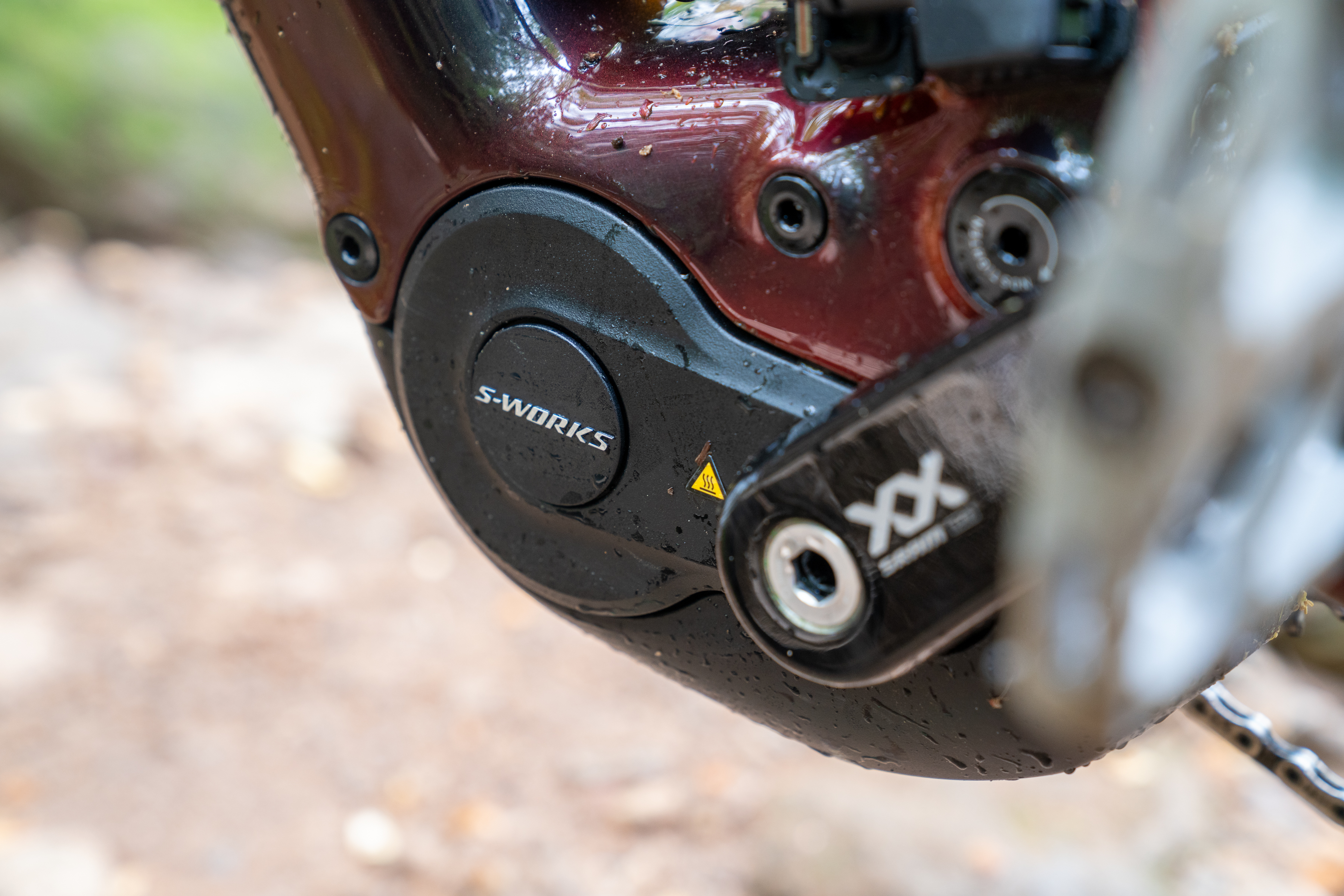
E-mountain bikers in New Jersey will now be required to possess a valid license, register their e-bikes with the New Jersey Motor Vehicle Commission, and carry their license and registration at all times while riding. The change comes after Governor Phil Murphy signed S4834/A6235 into law on January 19, 2026, establishing some of the nation’s strictest e-bike regulations.
The new bill consolidates the three e-bike classes into two, while also adding an additional class for high-powered e-bikes
New Jersey’s new e-bike classes
Now, New Jersey will only recognize two classes of e-bikes: low-speed electric bicycles and motorized bicycles. E-motos have now been accurately categorized in their own class, dubbed “electric motorized bicycle.”
A low-speed electric bicycle is now defined as “a two-wheeled vehicle with fully operable pedals and an electric motor that provides assistance only when the rider is pedaling, and that ceases to provide assistance when the bicycle reaches the speed of 20 miles per hour,” according to the bill. All class 1 e-bikes, including class 1 eMTBs, would fall under this category.
A motorized bicycle “means a pedal bicycle that is equipped with: (1) a helper motor characterized in that either the maximum piston displacement is less than 50 cubic centimeters or the helper motor is rated at no more than 1.5 brake horsepower; (2) an electric motor that can provide assistance when the rider is pedaling or that, through the use of a throttle, can be used to exclusively propel the bicycle to a speed of not more than 15 miles per hour; (3) a helper motor that is powered by an electric drive motor that provides assistance when the rider is pedaling and has a maximum speed between 21 miles per hour and 28 miles per hour on a flat surface; or (4) an electric motor that is capable of propelling the bicycle in excess of 15 miles per hour through the use of a throttle with a maximum motor-powered speed of no more than 28 miles per hour on a flat surface.” Typical class 2 and class 3 e-bikes fall into this category.
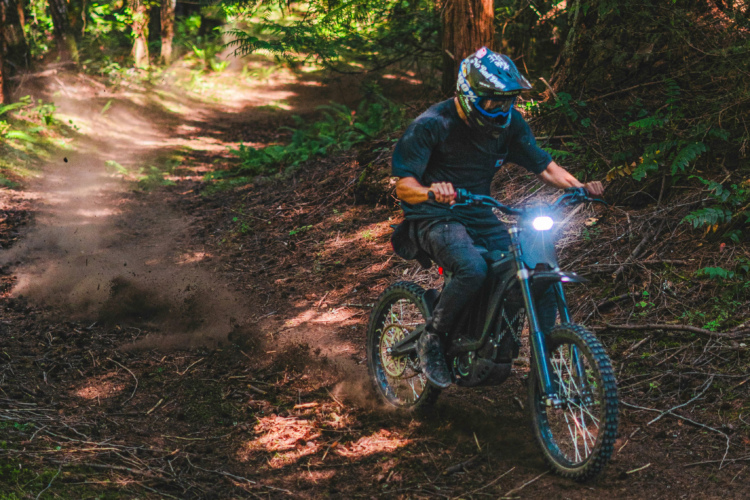
A third category has also been added by the law, called “electric motorized bicycle.” This category is “any two-wheeled vehicle with fully operable pedals and an electric motor capable of greater than 750 watts that is capable of reaching a speed greater than 28 miles per hour.” While we’ve covered the problem of e-motos in this explainer, the “electric motorized bicycle” category appears to be slightly different due to the “fully operable pedals” language.
Restrictions and requirements for New Jersey’s e-bike classes
Under the new law, riders of low-speed electric bicycles must now register their bikes with the New Jersey Motor Vehicle Commission and have a valid license to ride. Registration costs $15 per year. If you’re 17 or older, you’ll need a standard driver’s license, while riders aged 15-16 must obtain a motorized bicycle license or permit (which requires passing an exam on vehicle mechanics, traffic laws, and a practical riding test). Nobody under 15 is allowed to ride an e-bike. Registration must be renewed annually, though the state did waive all fees for the first year. These slower e-bikes don’t require insurance, and riders using bike-share programs operating under local government contracts get a pass on the license requirement as long as the company enforces a 16+ age minimum.
Motorized bicycles face even more regulatory hurdles and are now treated almost like motorcycles under New Jersey law. You’ll need the same licensing and registration as low-speed e-bikes, but motorized bicycles must carry liability insurance, and you’re required to have that insurance card on you whenever you’re riding.
Both classes are banned from interstates, divided highways, any road with a speed limit over 50 mph, and railroad rights-of-way. Riders must carry their license, registration certificate, and insurance card (for motorized bikes) at all times, though the state did grant a six-month grace period from the law’s effective date to get everything sorted.
The path to legally operating an electric motorized bicycle in New Jersey has become nearly impossible under the new law. Because these high-powered e-bikes are now classified as motorcycles, riders would need to obtain a motorcycle license, secure full motorcycle registration with the NJ Motor Vehicle Commission, and carry motorcycle liability insurance. The regulatory hurdle becomes insurmountable when considering that most electric motorized bicycles lack the Federal Motor Vehicle Safety Standards compliance required for street-legal motorcycles, including mandated lighting systems, mirrors, turn signals, and proper brake configurations. Even if an owner managed to retrofit their e-bike to meet these standards, the vehicles remain prohibited from interstates, divided highways, roads with speed limits exceeding 50 mph, and railroad rights-of-way.
In addition, the law includes a one-year ban on internet sales of electric motorized bicycles following the effective date, suggesting the state aims to phase out these vehicles entirely rather than create a viable regulatory framework. For riders of high-powered delivery bikes or modified e-bikes capable of exceeding 30 mph, the message is unambiguous—New Jersey has effectively ended legal operation of these vehicles on public roads.
Why the change?
The legislative changes follow the deaths of two e-bikers in separate incidents in New Jersey. “It is clear that we are in an age of increasing e-bike use that requires us to take action and update regulations that help prevent tragedies from occurring,” said Governor Murphy. “Making our roads safer for all users has been a key priority for my Administration.”
“The dramatic increase in the use of e-bikes has created greater dangers for their operators, other motorists, and pedestrians,” said Senate President Nick Scutari, who put forward the legislation. “They are faster, more powerful, and far more prevalent. Their popularity with young people, coupled with their inexperience as operators, puts them at greater risk. We are in a new era of e-bike use that requires updated safety standards to help prevent accidents, injuries, and fatalities. Requiring registration and licensing will improve their safe use, and having them insured will protect those injured in accidents.”
“Too many people have fallen victim to the dangers that come with operating electric bikes, and it is our responsibility to make sure residents understand the danger inherent in their use,” said Assemblyman Sterley Stanley.
These statements were published in an announcement of Murphy’s signing of the bill into law on NJ.Gov on January 19, 2026. The page currently returns a 404 error, but these comments were recovered using the Wayback Machine.
People For Bikes opposed the bill and hopes to change the new law
On December 15, 2025, People For Bikes (PFB) published an article opposing the proposed New Jersey legislation. In it, PFB asserts that the New Jersey legislation incorrectly conflates e-motos and e-bikes, as we’ve covered previously on Singletracks. When speaking of the deaths that prompted this legislation, PFB stated that the “several tragic crashes appearing to involve e-motos […] have rightly led to calls for action.”
PFB goes on to oppose the reclassification of e-bikes in New Jersey, noting the license, registration, and insurance requirements. “There are a lot of people in New Jersey who ride electric bicycles for recreation and rely on them for transportation that will simply be unable to meet these requirements,” wrote PFB. “Alternatively, for a tourist or visitor who wants to take their electric bicycle on vacation to New Jersey, that e-bike will be an unregistered and uninsured motor vehicle.”
Following the passage of the bill, PFB expressed optimism about the restrictions on the online sales of e-motos, but they’re still working to get the law changed for legitimate e-bikers. “We are already cooperating on draft language for a new bill to address the issues created by this legislation, and redirect the focus of regulatory and safety efforts where they belong: on e-motos, the fast electric mopeds, motorcycles and electric dirt bikes that are being marketed to kids in New Jersey and across the country,” said Matt Moore, general and policy counsel for PFB, in an article on NJ.com. “These are the devices that have been involved in recent fatal New Jersey crashes that lead [sic] to this bill.”
It’s not just road riders — e-mountain bikers are impacted, too
We checked to see if there was an exclusion in the law that would allow eMTBs to ride without registration, but based on the language of the law, it seems that mountain bikers are affected, too: “No low-speed electric bicycle or motorized bicycle, as those terms are defined by R.S. 39:1-1, shall be operated on the public highways or on public lands of this State unless registered by the owner thereof as provided by this act.” (Emphasis added.)
E-mountain bikers will now be required to register their class 1 eMTBs and carry their driver’s license and registration with them at all times while riding. Riders aged 15-16 will be required to take a course to attain their special e-bike license, and e-bikes for kids? Forget about them — it doesn’t matter how small they are, they’re now illegal.
If you own an e-bike and want to travel to New Jersey to ride, you’ll technically need to register your e-bike in the state in order to abide by the law. According to my research, the law doesn’t include an exemption for nonresidents or temporary visitors. While New Jersey has reciprocity laws for motorcycles registered in other states, New Jersey is the first state that we know of that requires e-bikes to be registered. In essence, there’s no possibility of registration reciprocity because no out-of-state riders have ever been required to register their e-bikes before.
Now, whether or not you’ll actually be caught while riding an unlicensed e-bike? That’s the real question. But if you decide to risk it and do get caught, you’ll face a fine of up to $50.
New Jersey has built in a six-month compliance window from the effective date, meaning current low-speed e-bike owners won’t face penalties while they scramble to get their bikes registered and obtain the required license. The state is also waiving all examination, registration, and licensing fees for low-speed electric bicycles and motorized bicycles for the first year the law is in effect.
Your turn: Are you an e-biker in New Jersey, or do you travel to New Jersey to ride? Let us know in the comments section what you think of the new law. 👇




14 Comments
Jan 23, 2026
The governor and assembly person's comments are misplaced and hypocritical. I feel for the families of the e-bikers. I also feel for the families shot and will be because guns aren't enough of a safety issue.
Just saying. PFB needs a bigger lobbying budget.
Jan 23, 2026
Jan 23, 2026
Jan 23, 2026
Jan 23, 2026
Jan 22, 2026
Jan 22, 2026
I'm curious to know what the registration fees will be used for. Granted, it probably won't add up to much $$, but if those funds went toward trail and bike infrastructure development, that would be ideal.
Jan 23, 2026
Jan 23, 2026
Jan 29, 2026
Also, for those dissing e-bikes in the comments, wait until you have health issues like the dissected aorta I had. If you live through it and if you can cycle afterwards, you'll be grateful for that assistance that keeps your pulse under 140 and allows you to do something you have done your whole life, ride a bike.
Jan 23, 2026
Jan 25, 2026
Jan 29, 2026
Jan 23, 2026