


Well, we’ve finally reached the long-travel trail bike finals, where two of the category’s most popular bikes meet. The 160/150mm (F/R) Ibis Ripmo takes on the 160/145mm Specialized Stumpjumper 15 EVO. From build to geo to price, these two bikes share many similarities. But before we jump into the comparison, let’s look back at the semifinal matchups to see how we got here. And, spoiler alert: both bikes beat their semifinal competition fairly handily.
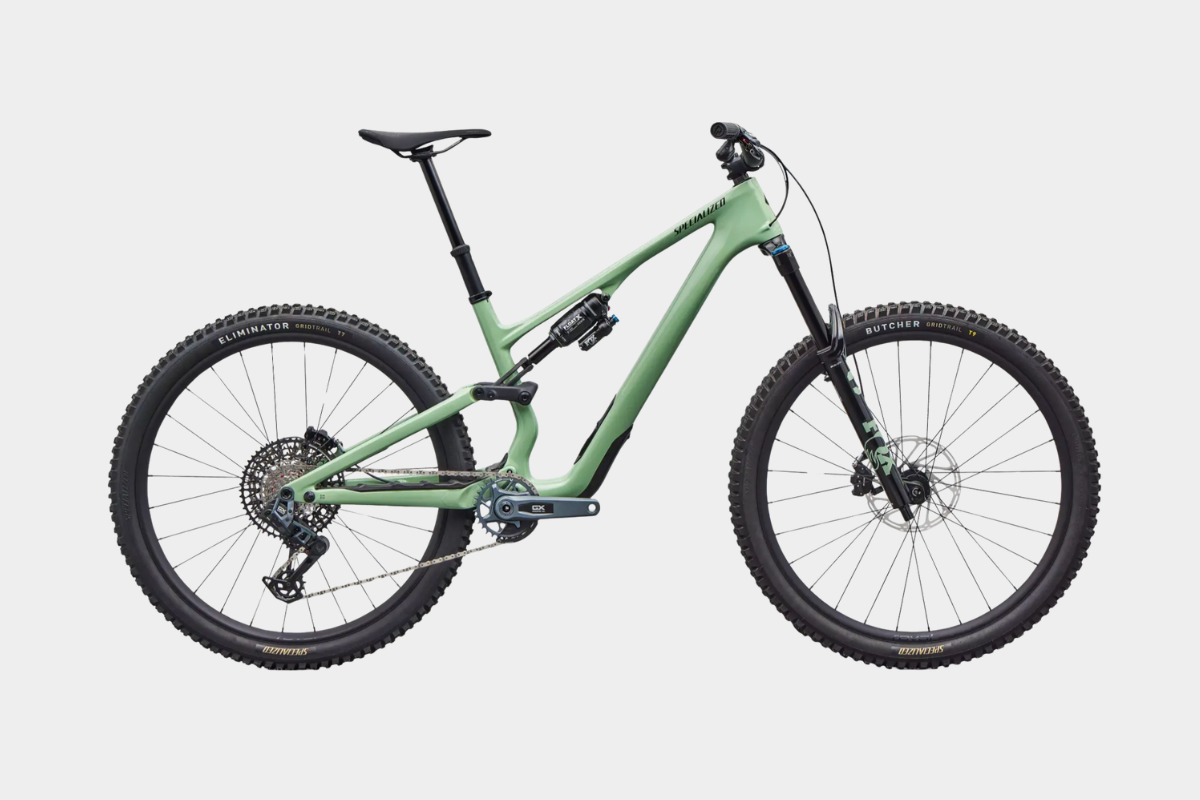
The Stumpjumper takes down the Yeti MT
In our first long-travel semifinal matchup, the Stumpjumper 15 EVO took on the brand-new Yeti MT. Both bikes use 29-inch wheels, front and rear, and share features like in-frame storage and UDH compatibility. That said, the Stumpy is perhaps a bit more versatile, with additional links to run a 27.5 rear wheel (the MT is 29er only), angle-adjustable headset cups, and a high/low flip-chip.
For its part, the Yeti MT features progression adjustments at the lower shock mount, but other than that, what you see is what you get. The MT’s geo is fairly similar to the Stumpy, aside from its long 446mm chainstays compared to the 435mm stays on the Specialized. However, swapping the Stumpy’s flip-chip to low grows the chainstays to within 5mm of the Yeti’s.
In the end, I have to assume value wins out. The Stumpjumper and MT share similar builds, each with very adjustable Fox suspension, Maven brakes, and direct-mount SRAM drivetrains. However, the Stumpjumper does it for nearly $2,000 less than the Yeti, which likely pushed it into the final round of long-travel bikes.
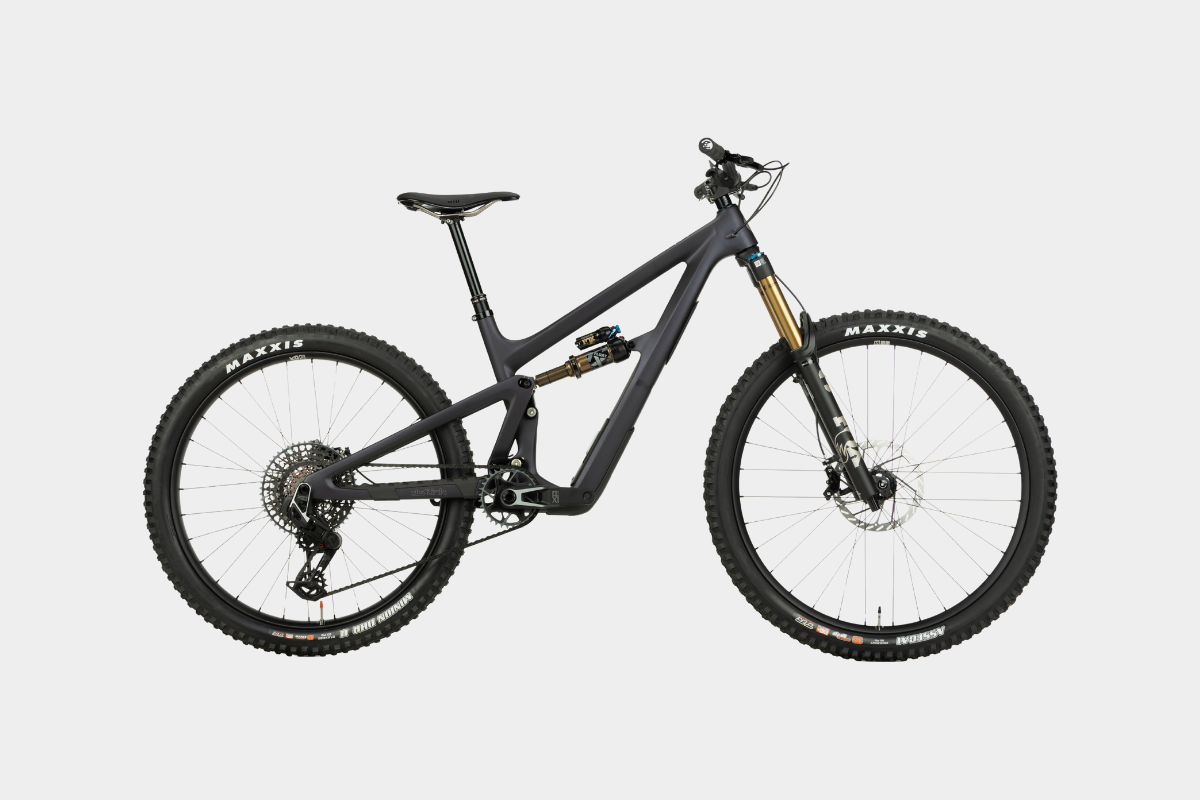
The Ripmo moves on
Our hats are off to the Cotic Jeht. The small UK bike brand reminds us that “steel is real,” taking the Jeht all the way to the semifinal. In that semifinal, the Jeht met the Ripmo, a matchup between two very different bikes.
The Jeht is a lengthy, long-travel trail bike with a tall front end. Its chainstays measure 450mm, its stack is 651mm, and its reach is 476mm. Pairing this with a 64° head tube angle (HTA) creates a massive 1,276mm wheelbase. Adding just 10mm more travel to each end would easily put the Jeht in the enduro category — and a long enduro bike, at that!
Ibis, on the other hand, gives the Ripmo more traditional trail bike geo. In the extra medium size, the Ripmo has a 478mm reach, 633mm stack, and 436mm chainstays. Those numbers paired with a 64.5° HTA give a more moderate wheelbase of 1,249mm.
Ultimately, it came down to steel vs. carbon; big vs. boutique. While the Cotic Jeht is a beautifully unique bike, it might be too niche: long geo, mixed-wheels only, and no frame features like geo adjustments or in-frame storage that are a staple on many modern bikes. Despite a last-minute price drop making the Jeht even more appealing, the Ripmo beat it by a significant chunk.
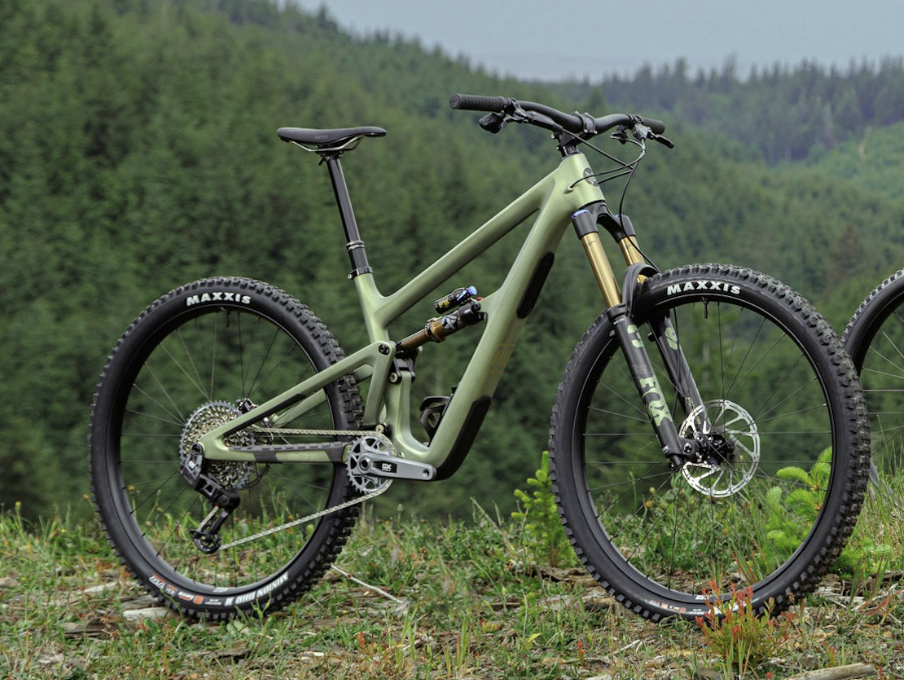
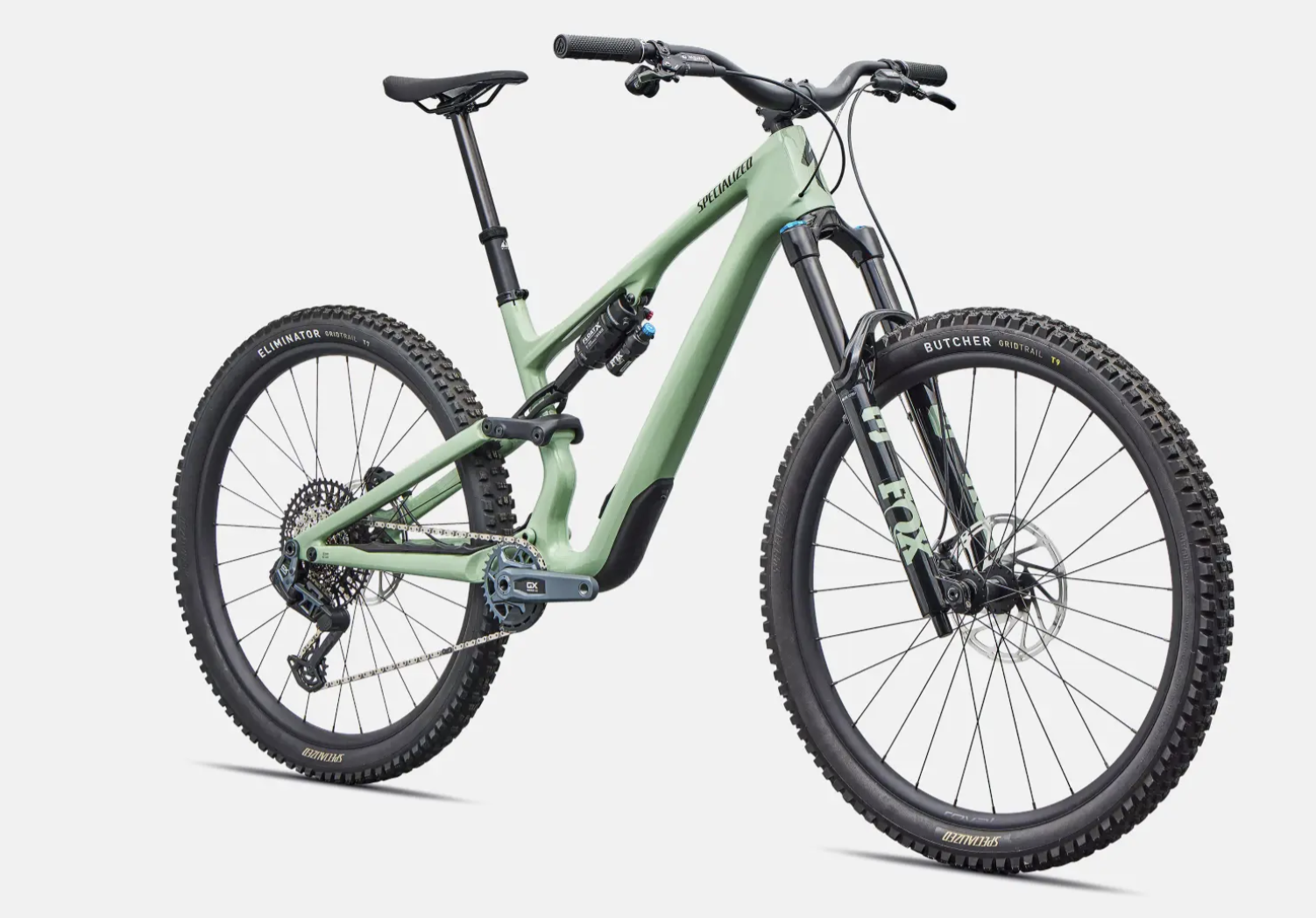
The Ibis Ripmo and Specialized Stumpjumper meet in the long-travel finals
I am not too surprised to see these two bikes making it to the finals on the long-travel side of the bracket. At least where I live in Central Oregon, I see the Stumpjumper 15 EVO and Ripmo regularly at trailheads, and I would even venture a guess that this isn’t limited to my local trails.
This might be the closest matchup we’ve done. Both brands are popular, and the travel numbers are within millimeters. The geo numbers are also very close, with very comparable builds and prices separated by only $200.
| Ibis Ripmo Eagle 90 | Specialized Stumpjumper 15 EVO Expert | |
| Suspension travel (F/R) | 160/150mm | 160/145mm |
| Drivetrain | SRAM Eagle 90 | SRAM GX AXS |
| Suspension | Fox Factory 36 Grip X2, Fox Factory Float X2 | Fox 36 Performance Elite Grip X2, Fox Float X Genie |
| Geometry*(size large frame) | HTA: 64.5° STA: 77° Reach: 506mm Chainstay: 438mm | HTA: 64° STA: 76° Reach: 470mm Chainstay: 435mm |
| Frameset weight | 7.6 lb (XM frame) | 6.4lb (S4) |
| Price | $6,399 | $6,199 |
Suspension and travel category
Both Ibis and Specialized tout the “do-it-all” nature of the Ripmo and the Stumpjumper 15 EVO. Just 5mm of suspension travel separates them: the Ripmo offers 150mm of rear travel, while the Stumpjumper offers 145mm, and both feature 160mm forks.
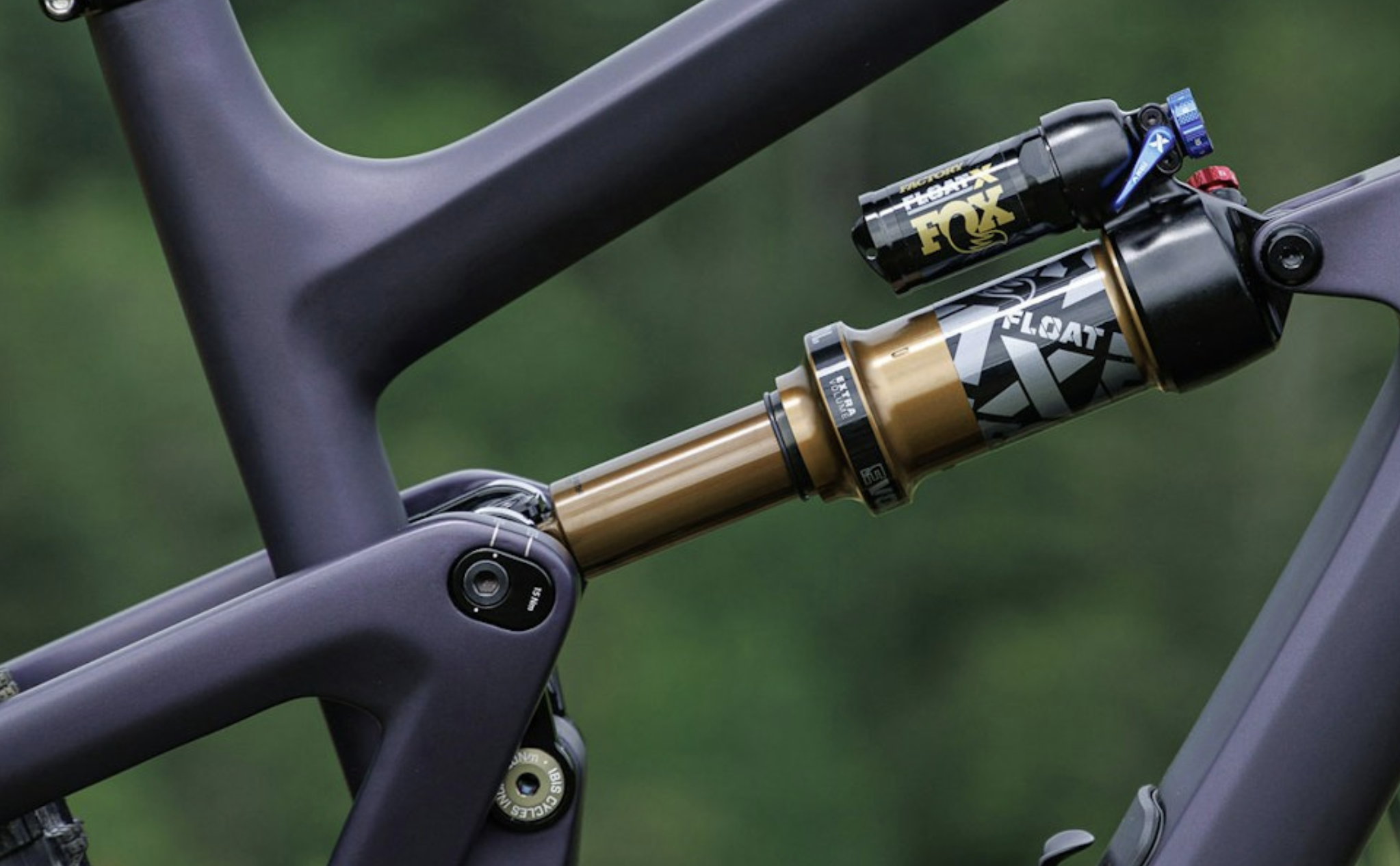
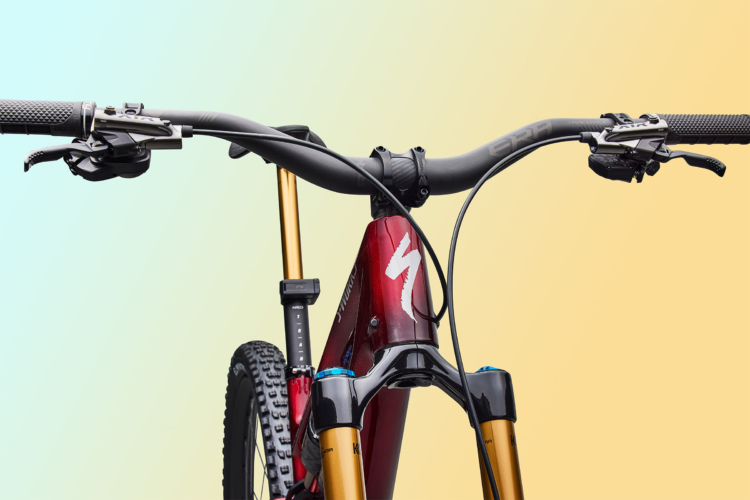
And, for the most part, the suspension is the same, though those wanting gold stanchions will need to opt for the Fox Factory-equipped Ripmo. The Stumpy, on the other hand, features Performance Elite-level suspension — essentially the same performance and adjustments as the Kashima-coated Fox Factory squish, minus the Kashima.
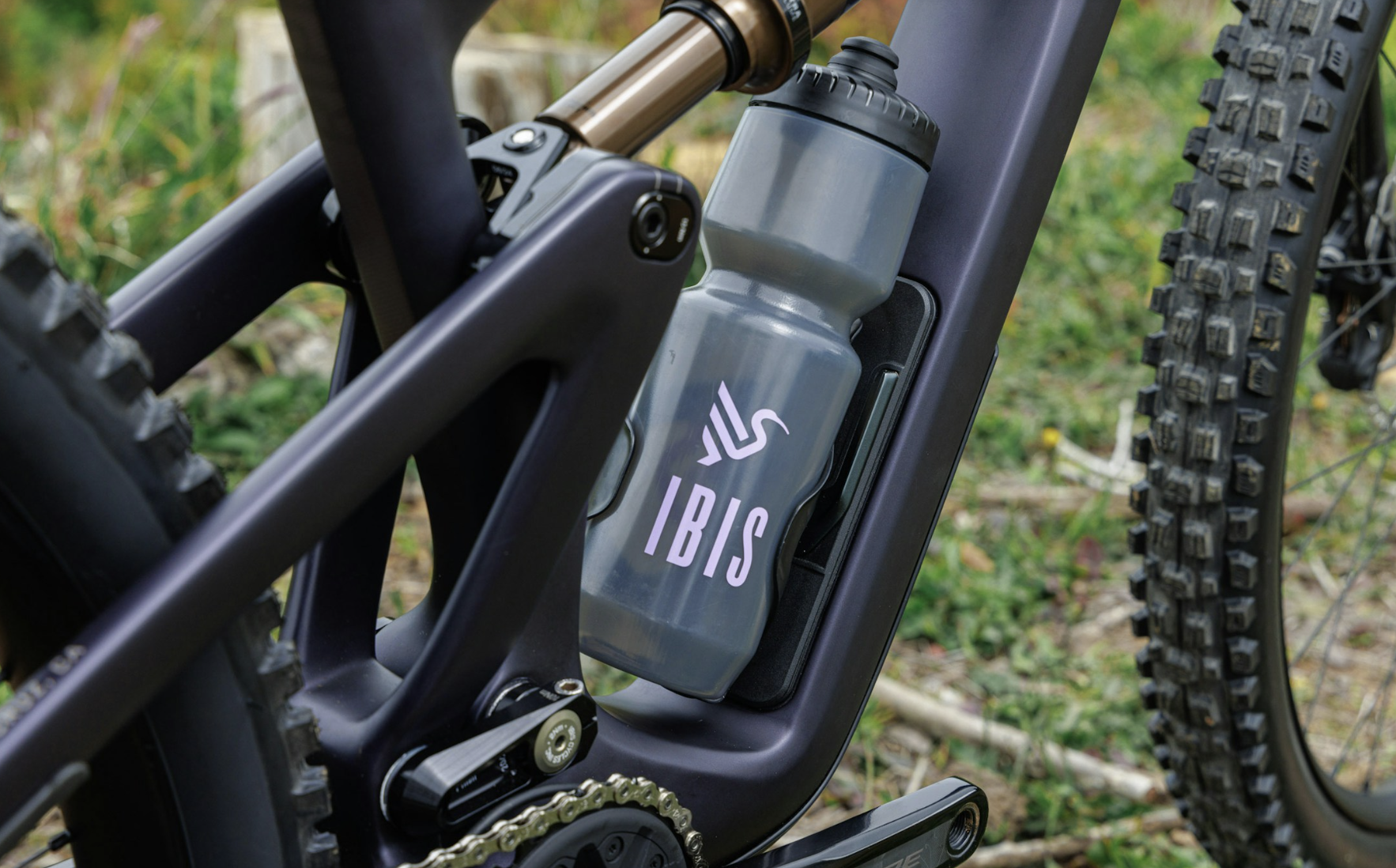
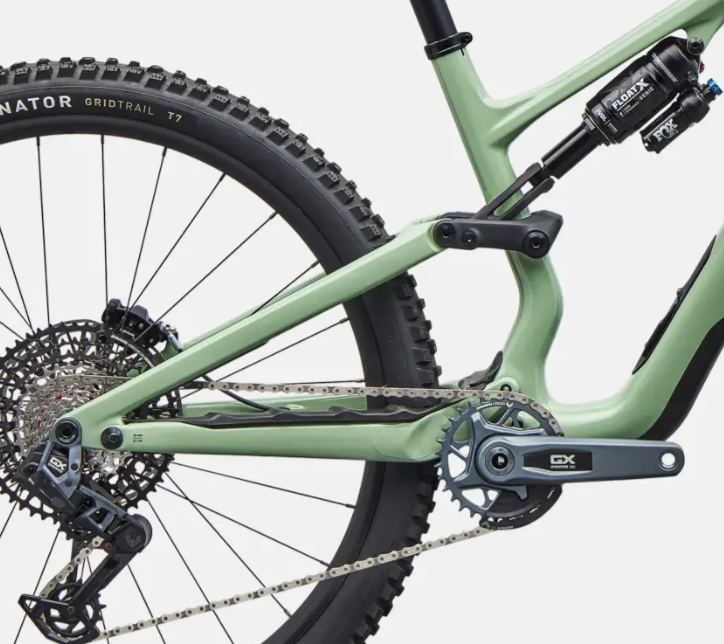
Another feature also distinguishes the Stumpjumper from the Ripmo: while the Ripmo uses the standard Fox Factory Float X shock, the Stumpy features the proprietary Genie Float X. The Genie’s two-positive-air-chamber system provides a soft, supple feel off the top while maintaining solid bottom-out resistance. This supple, even more linear suspension feel is likely a bit different from the sporty, supportive DW-Link platform Ibis bikes are known for.
The geometry is close, but frame features may give one bike the edge
I’ve been harping on the geometry of the size “Large” Ripmo throughout the matchups. For the brackets, we are choosing to compare size large bikes, or the equivalent if the brand uses a different sizing structure. And what Ibis calls a large is massive, with a reach stretching over 500mm.
So, to get closer to the 480mm-ish reach number we see on most sizes, I’ve been mentioning the “extra-medium” (XM) size Ibis offers with a 478mm reach. Compared to the S4 Stumpjumper, that is only 8mm longer. That said, the Stumpjumper is a bit short for a “large,” with a 470mm reach. Moving up to an S5 Stumpy frame, the reach grows significantly to 495mm, much closer to the large Ripmo’s 506mm reach.
All that to say, both frames are a bit tricky and require some careful consideration of their respective geo charts. For this section, I’ll compare the S4 Specialized and the XM Ibis.
The Stumpjumper has 435mm chainstays, just 1mm shorter than the Ripmo’s 436mm stays. Both bikes have an identical 1,249mm wheelbase, have HTAs within 0.5° of each other, and seat tube angles also within 0.5°. Only the stack height differs significantly, with the Stumpjumper at 644mm and the Ripmo at 633mm.
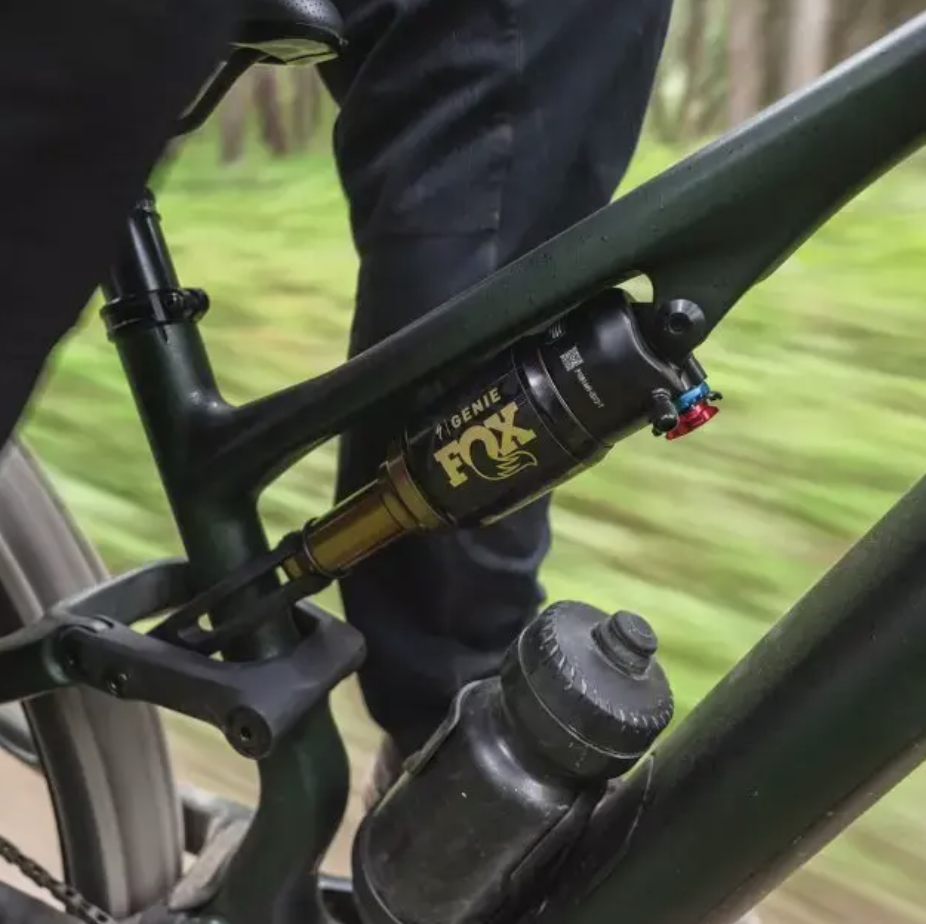
But does one frame offer more adjustability than the other? Both bikes can run a smaller 27.5 rear wheel, though they go about the change differently. Ibis uses a flip-chip on the Ripmo, while Specialized requires a separate link for the Stumpjumper.
The Stumpjumper also has a flip-chip, but the changes affect the geo, not wheel size. If you don’t like the shorter chainstays, flipping the chip grows them to a modest 441mm, something the Ripmo can’t do. It also lowers the bottom bracket, so you might run into more pedal strikes. The Stumpjumper also offers +/- 1° HTA adjustment.
That said, the Ripmo can technically be two bikes. Ibis built the latest generation of Ripley and Ripmo from one frame, meaning that swapping the shock and clevis allows the Ripmo to become the short-travel trail bike that won it all last year.
The build spec is close, and only $200 separates the bikes
Kashima aside, both the Stumpjumper and Ripmo feature high-performing Fox suspension. The Stumpjumper gets a SRAM GX Transmission AXS drivetrain and SRAM Maven Silver brakes with Centerline rotors. Specialized uses in-house components for the remainder of the build, with Roval wheels, Specialized tires, and mostly in-house touchpoints.
Ibis has a very similar build on the Eagle 90 Ripmo, at least aside from the drivetrain. As the name suggests, the bike has a mechanical SRAM Eagle 90 drivetrain, Maven Base brakes, and Centerline rotors. Ibis’ in-house brand, Blackbird, handles the wheels and several other touchpoints. The build is capped with a Maxxis Assegai tire up front and a Minion DHR II out back.
While Specialized may beat Ibis on brakes and drivetrain, the Ripmo features Fox Factory suspension. That said, the Ripmo costs $200 more than the Stumpjumper’s $6,200 price tag.
The bottom line
The Ibis Ripmo and Specialized Stumpjumper 15 EVO might be the closest matchup we’ve had on the long-travel side of the bracket. The builds are similar, the prices are close, and both bikes require you to double-check geo charts.
In fact, geometry might be the distinguishing factor, with stack height playing a significant role. The Stumpjumper’s tall 644mm stack, combined with the option to run longer chainstays, points to a bike that is stable and confident downhill. A 633mm stack and shorter chainstays on the Ripmo make it plenty playful and ready for long days in the saddle.
Only one can be our long-travel trail bike champion. Vote below, and we will reveal the winner on November 26.
Keep up with the latest mountain bike news by adding Singletracks as a preferred source on Google.




1 Comments
15 minutes ago