
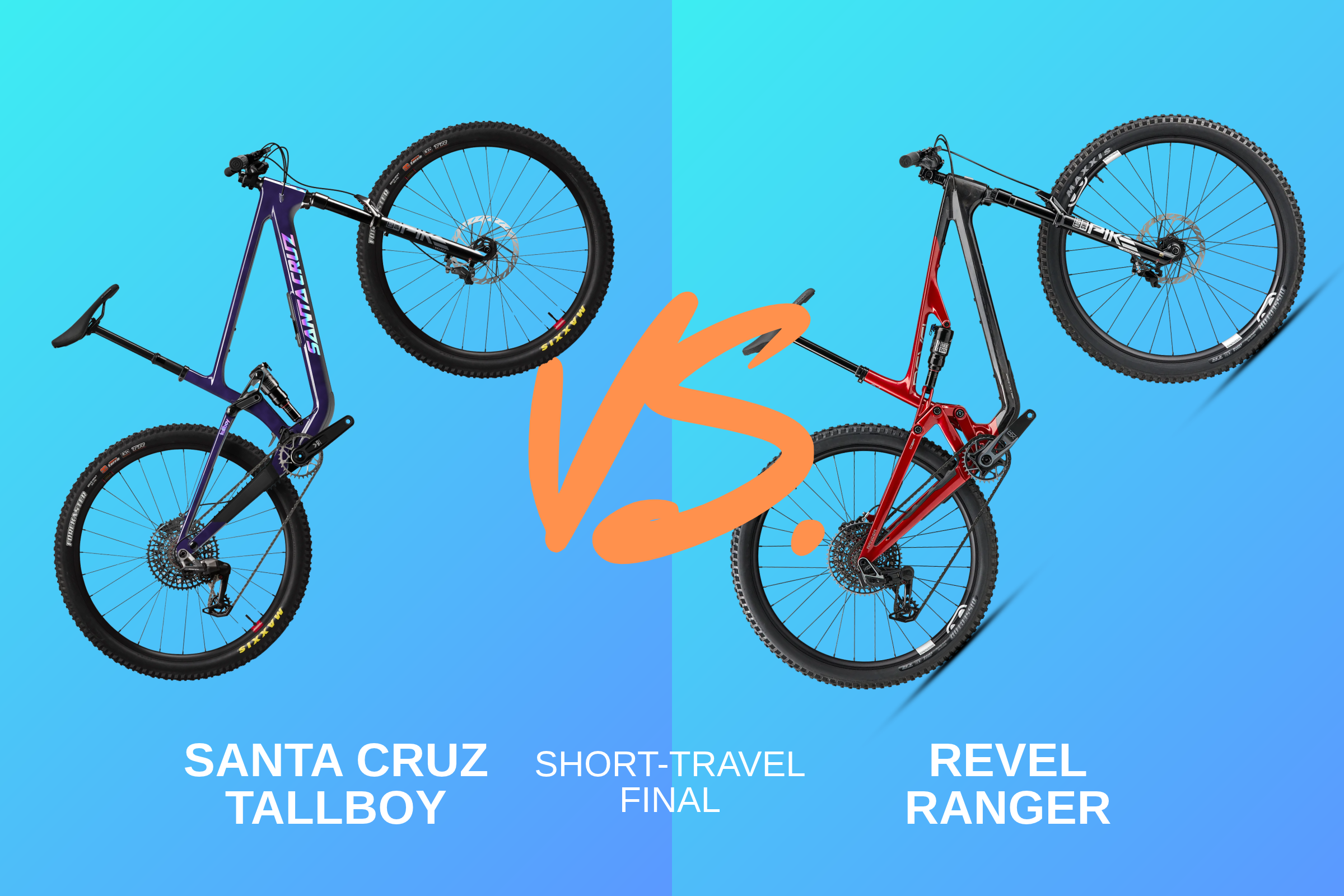
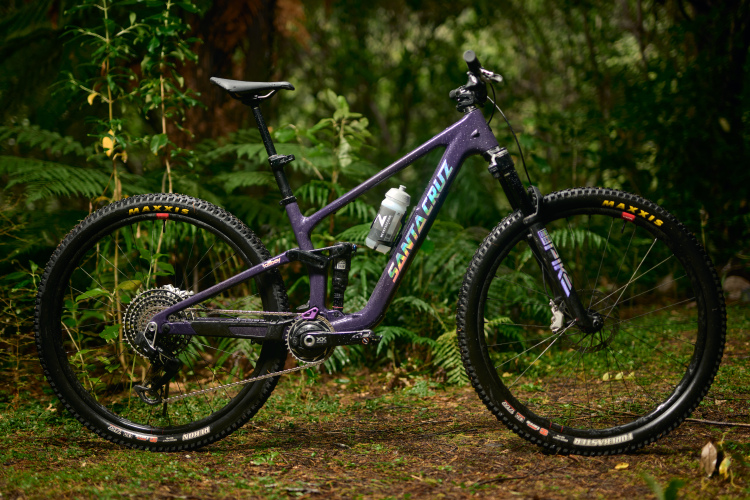
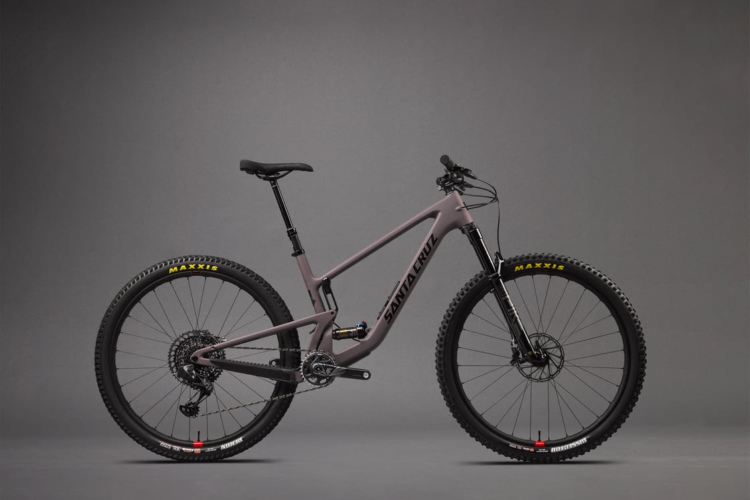
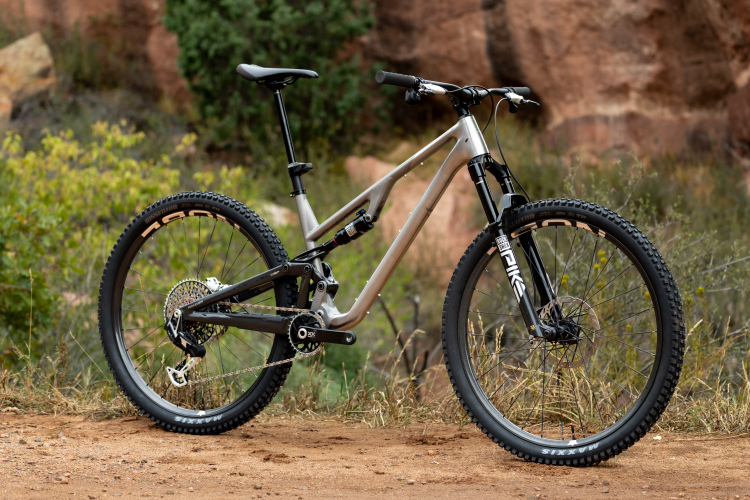
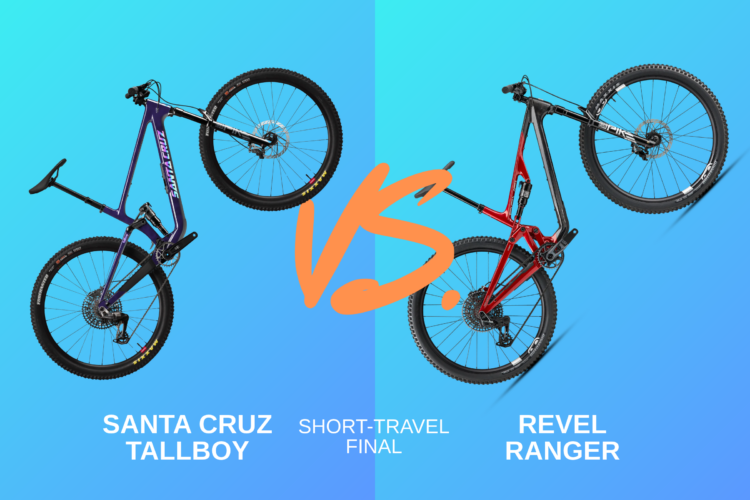
From 45 short-travel trail bike nominations, to an eight-bike bracket, to the final two bikes: It’s the Revel Ranger vs. the Santa Cruz Tallboy. Both bikes saw major updates this year and in their Eagle 90 builds, their prices are within $100 of one another. Though Santa Cruz has a much stronger worldwide brand, Revel is no underdog, with bikes like the Rascal and Ranger earning “Bike of the Year” accolades from multiple publications over the past three seasons.
Before we dive into how the Tallboy and Ranger stack up, here’s how these two excellent short-travel trail bikes earned their spots in the final matchup.

The Revel Ranger beat the Canyon Lux Trail, no doubt thanks to CBF suspension
The Revel Ranger had two important factors working against it in the competition with the Lux Trail: it was not only the heavier bike, but it was also the more expensive choice. And yet, a resounding 57% of you said it’s the better bike.
Geometry and minor frame features aside, what surely gave the Ranger an edge is its CBF suspension design. Riders who have tested Revel CBF bikes praise how capable the suspension is for descending while still offering an efficient pedaling platform on the climbs. So it’s no surprise that CBF suspension in a downcountry package makes it a compelling choice.
The Tallboy barely squeaked by the Murmur in the semifinals
In a total shock, the closest matchup of the tournament ended up being the Santa Cruz Tallboy vs. the Starling Murmur. Only one vote separated the two in the end! That says a lot about the Murmur, the only metal bike to make it to the semifinals and a boutique one at that. Because the votes were so close, it’s hard to read anything into the results of that matchup.
How the Revel Ranger and Santa Cruz Tallboy compare
Let’s start with what makes these bikes similar: both are available in carbon frames only, and as I noted earlier, the Eagle 90 builds are priced within $100 of each other. The weights are pretty close too; by my calculations, the builds as priced are within about half a pound of each other, with a slight advantage to the Ranger.
And that’s where the similarities end. Travel, suspension design, geometry, and even frame features are distinctly different between these two short-travel trail bikes.
| Santa Cruz Tallboy 90 | Revel Ranger SRAM Eagle 90 | |
|---|---|---|
| Suspension travel (F/R) | 140/130mm | 130/120mm |
| Frame | CC carbon | Carbon |
| Drivetrain | SRAM Eagle 90 | SRAM Eagle 90 |
| Suspension | RockShox Pike Select, RockShox Deluxe Select+ | RockShox Pike Ultimate fork, RockShox Deluxe Ultimate shock |
| Geometry* (size large frame) | HTA: 64.8° STA: 76.3° Reach: 472mm Chainstay: 438.5mm | HTA: 65.7° STA: 77° Reach: 485mm Chainstay: 437mm |
| Sizes | XS–XXL | S–XL |
| Weight | 30.79lb | 29.1lb** |
| Price | $5,899 | $5,799 |
The Tallboy has 10mm more travel front and rear
What is a short-travel trail bike, and is it the same thing as downcountry? For the purposes of our nominations, we pegged trail bikes as mountain bikes with between 120mm and 150mm of rear suspension travel. The midpoint between those is 135mm, which means we’re considering bikes with less than 135mm of rear suspension travel a short-travel trail bike.
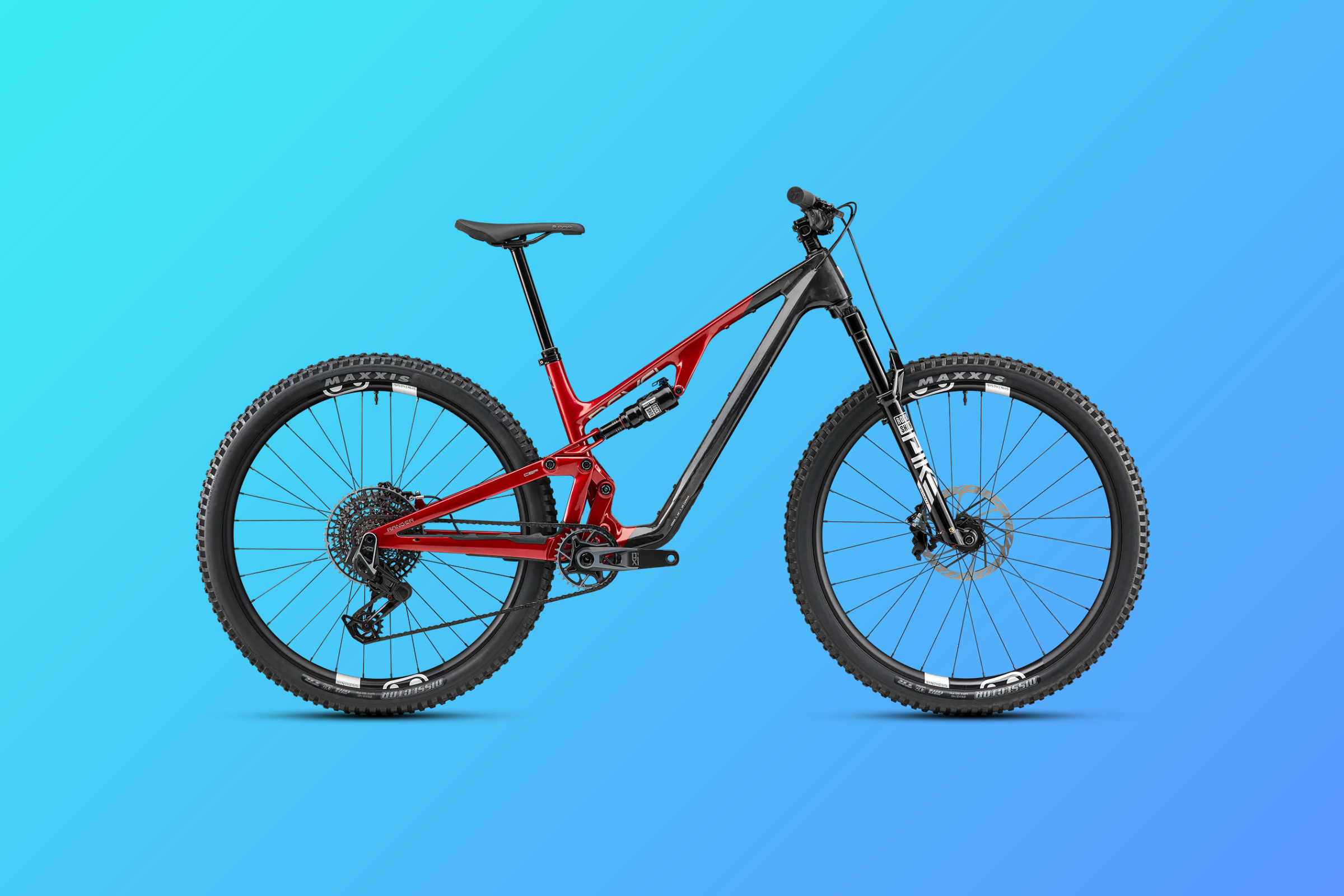
As for the downcountry label, the term tends to be applied a subset of short-travel trail bikes, the shortest of the short travel. Looking at the marketing materials for the Ranger, Revel uses the term downcountry throughout. With 130/120mm of travel front/rear, that fits most riders’ definition of the category.
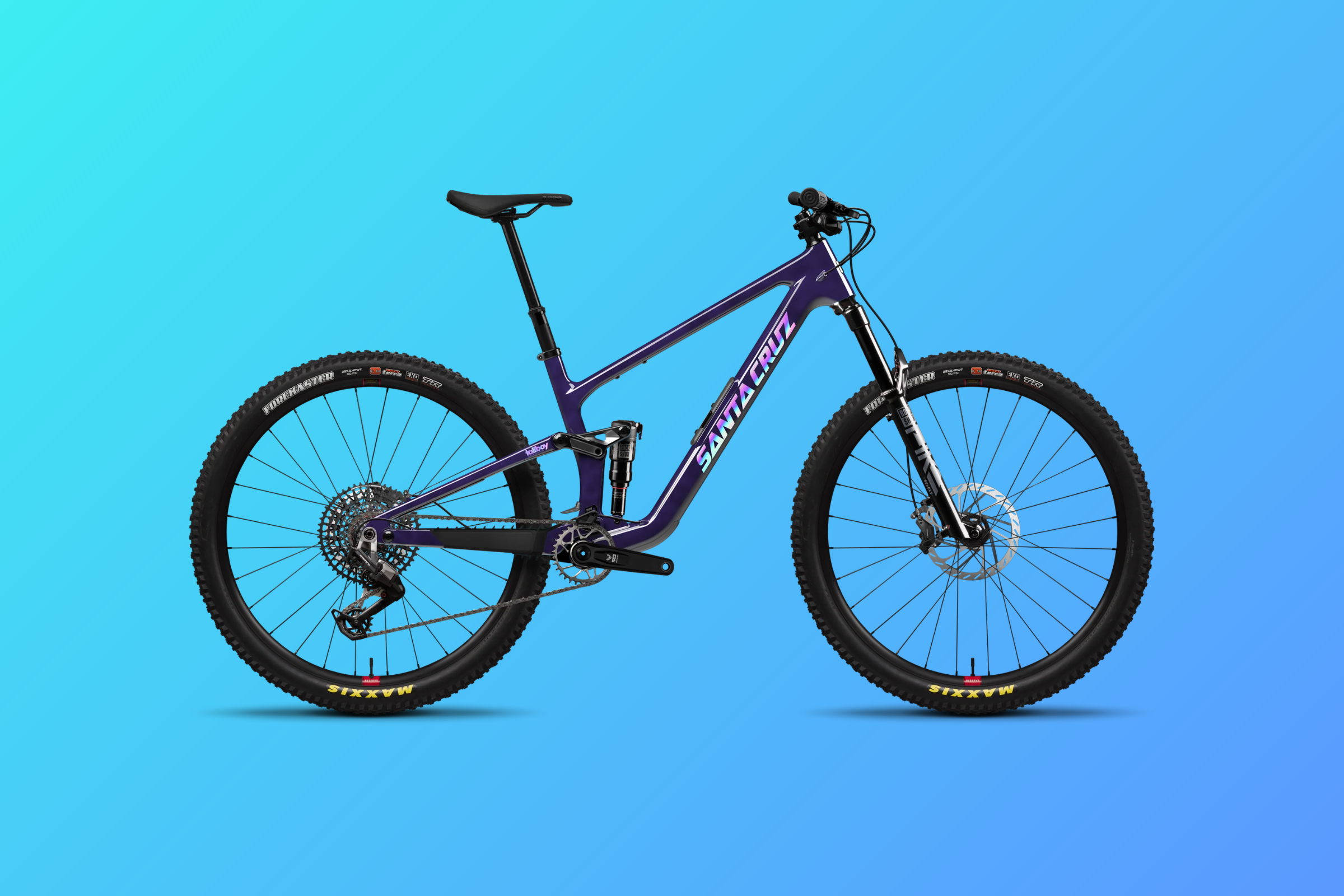
The Tallboy, with just 10mm more travel front/rear (140/130mm), is billed as “a short-travel bike with long legs.” Prior to this year, the Tallboy had the same travel as the Ranger — 130/120mm front/rear — which Santa Cruz described as “a downhiller’s XC bike,” aka downcountry.
For some mountain bikers, the decision between the Tallboy and the Ranger comes down to travel numbers and how well each bike handles everyday trail rides.

Four-bar vs. CBF
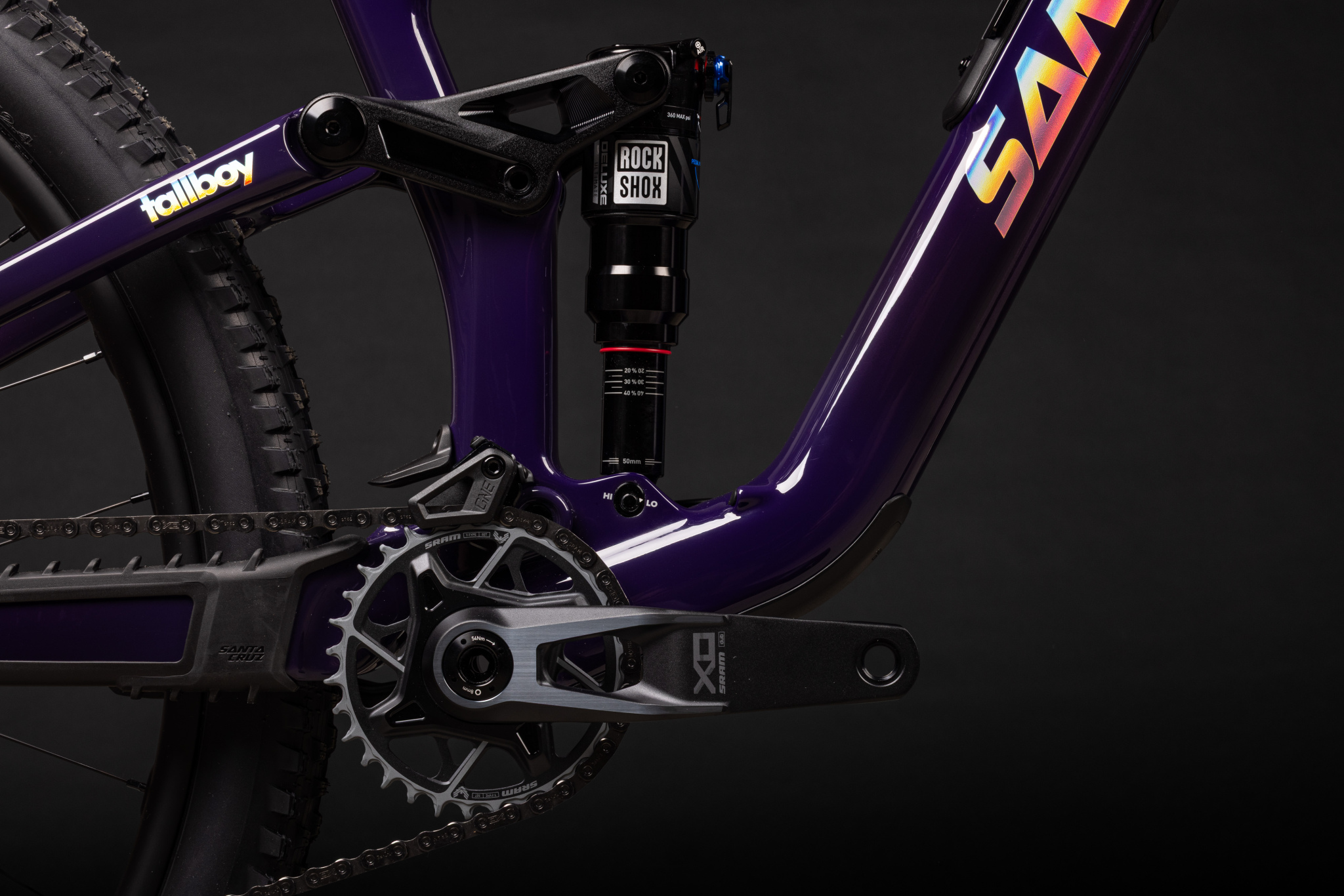
With this year’s update to the Tallboy, Santa Cruz ditched the VPP suspension design the brand had been using for years in favor of a four-bar setup. The move came with a focus on reduced anti-squat in order to prioritize traction on technical climbs. The sixth-generation Tallboy also sees a reduction in anti-rise, which promises to improve braking traction on steep, rough terrain, particularly toward the end of the bike’s travel.
Revel’s Ranger update took a totally different track. The brand tweaked its Canfield Balance Formula layout (CBF) to add more anti-squat for improved pedal efficiency and more anti-rise for an improved “sitting in the bike” feel.
What is progressive trail bike geometry anymore?
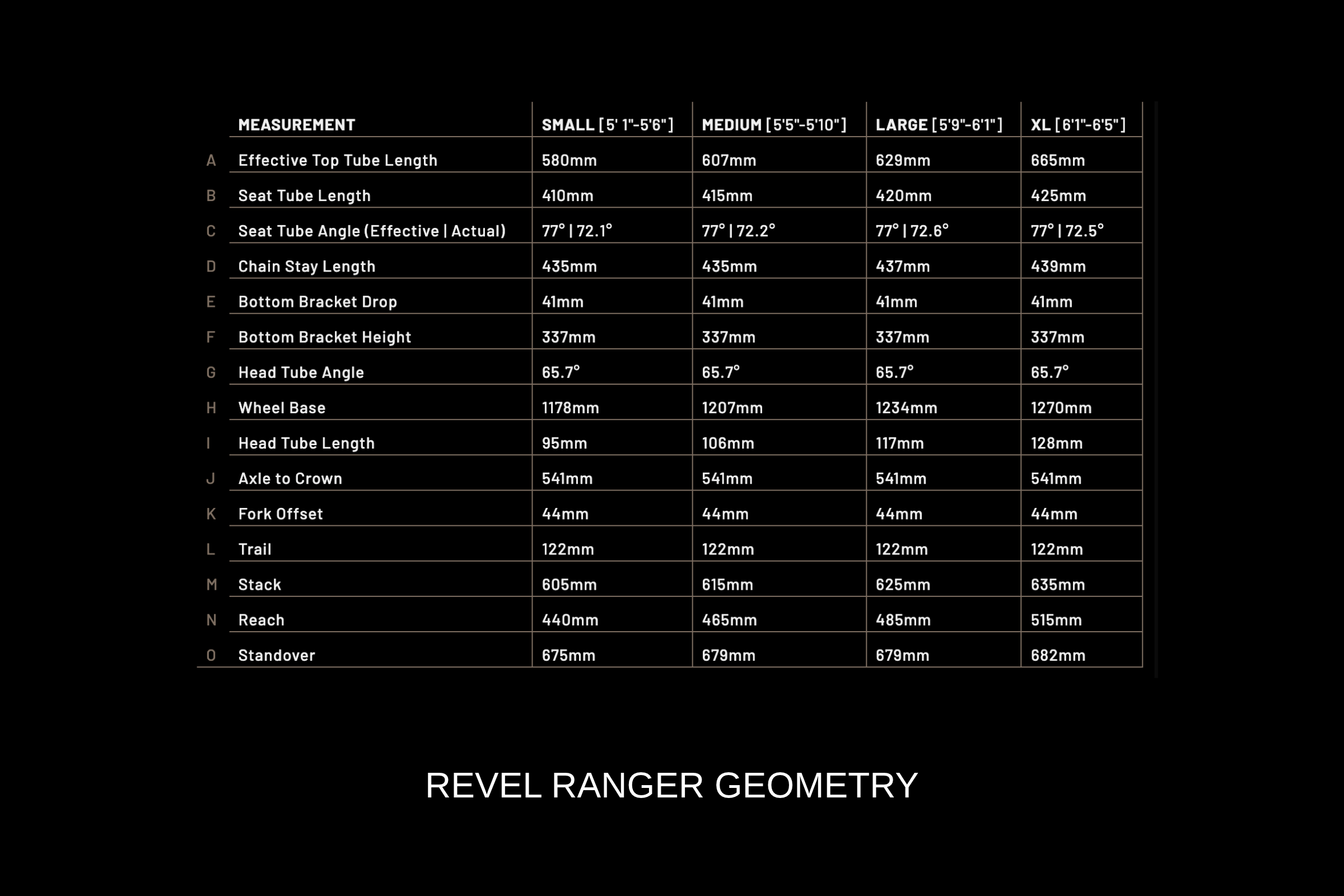
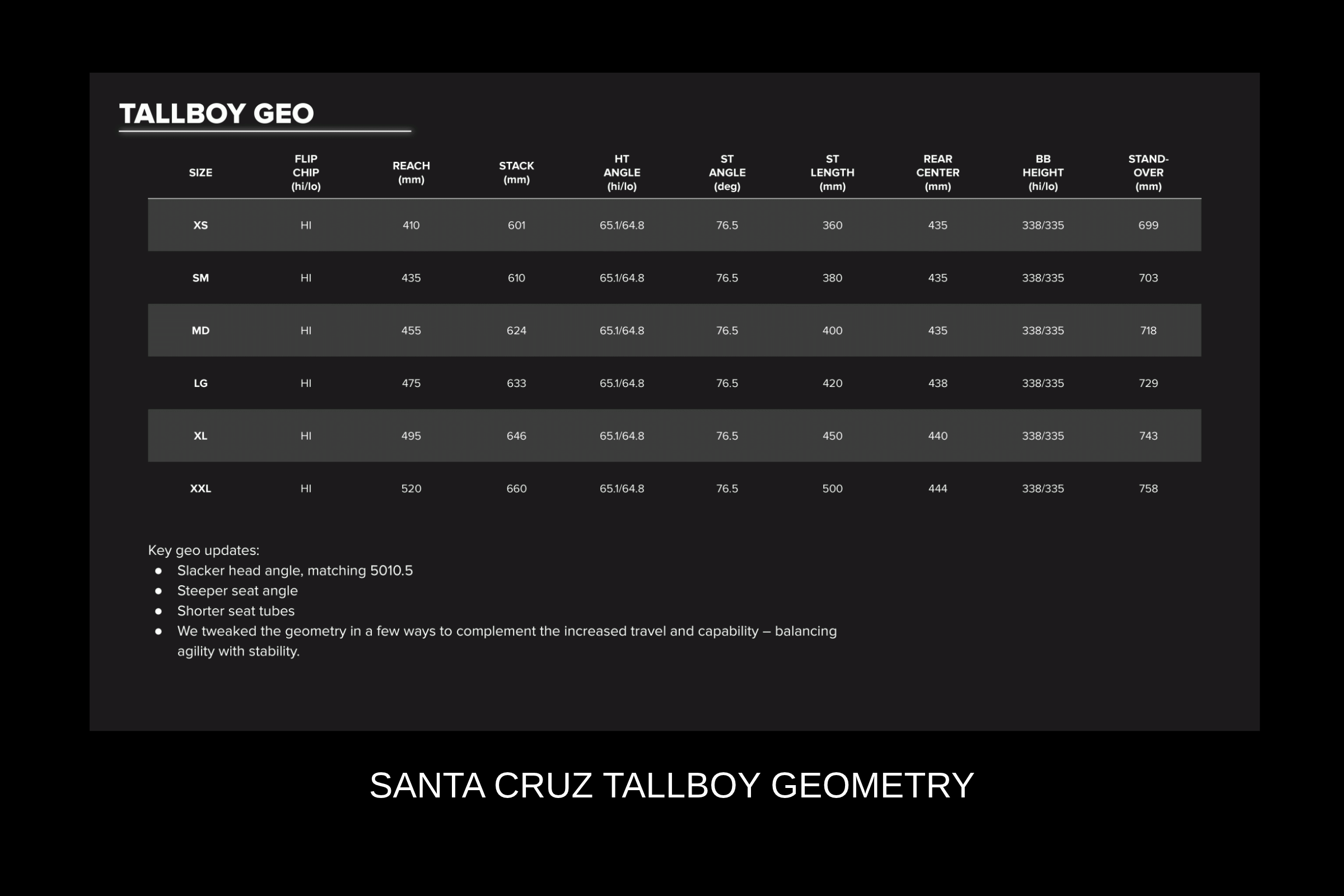
“Progressive geometry” is one of those phrases that gets thrown around, though by definition it’s not a static entity. For a long time, it (mostly) meant long reaches and wheelbases, low bottom brackets, and slack head tube angles — long, low, and slack. But progress stops for no one, and today’s definition of progression is a little murkier. Today it seems riders are less interested in slacker head tube angles than longer chainstays, and are looking for higher stack heights over longer reaches.
Here’s what we can say about these bikes, starting with the Tallboy. It’s the slacker of the two with a significantly shorter reach than the Ranger. It’s got a taller stack height too. The slacker head angle likely has more to do with the extra travel the Tallboy has over the Ranger, while the shorter reach is a deliberate choice. It’s 3mm shorter than the previous-generation Tallboy, which was itself on the shorter end of the average trail bike. That bodes well for agility on tight and technical trails and climbing too, though it comes at the expense of stability at speed.
Both the Ranger and Tallboy vary chainstay lengths depending on frame size, and are generally within a millimeter or two of one another. In a size large, both are pretty safe with chainstay lengths most riders consider to be a nice blend between “stable” and “playful.”
The Revel Ranger, with its longer reach, should feel more stable on descents, though the steeper head tube angle balances that to a degree. The steeper seat tube angle delivers a more upright pedaling position, further prioritizing climbing efficiency.
Frame features and specs
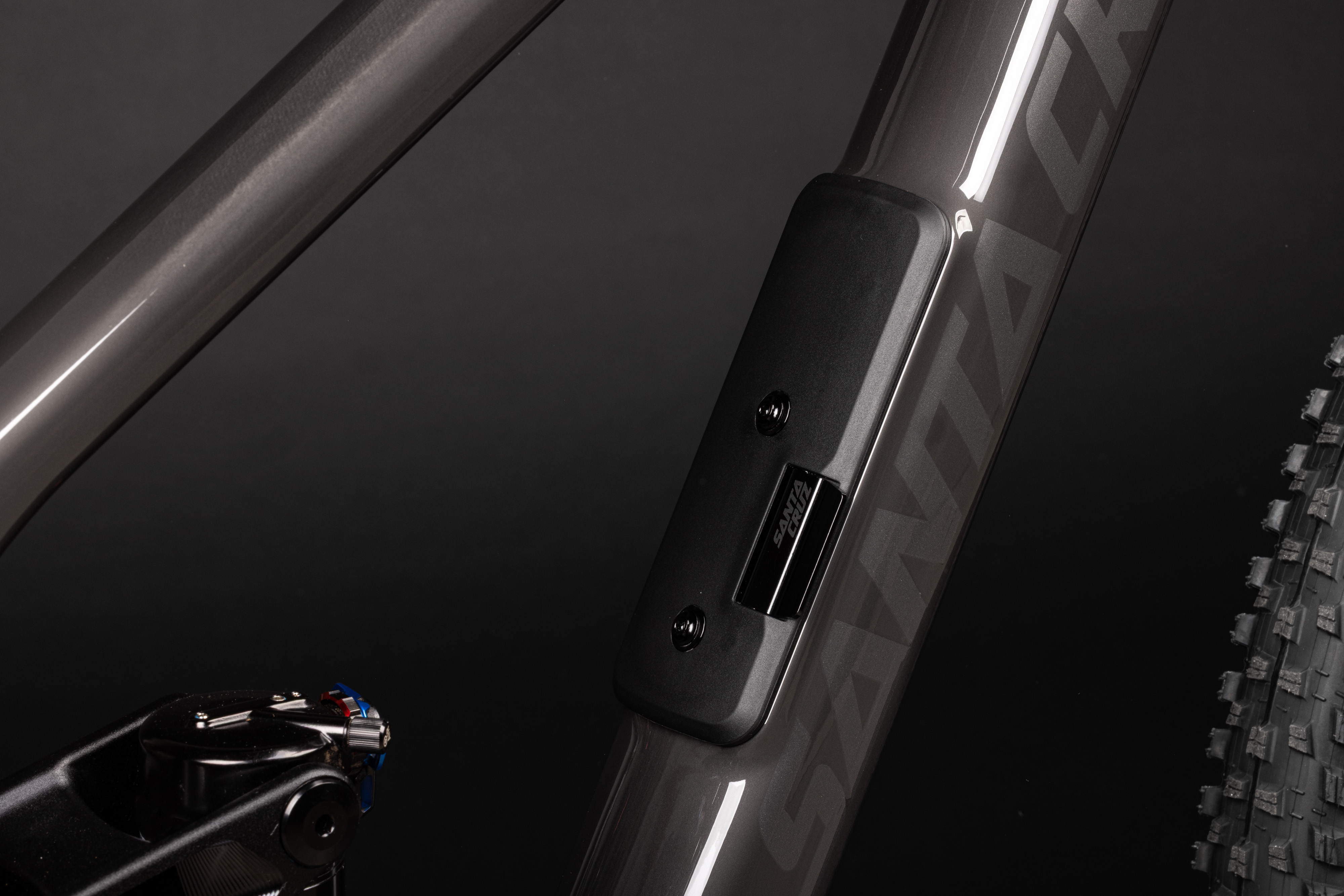
The Santa Cruz Tallboy features Glovebox in-frame storage, while the Ranger does not have this feature. Where the Ranger has the Tallboy beat is on water bottle mounts; all sizes of the Ranger feature three sets, while the Tallboy gets just one. Both bikes have accessory mounts beneath the top tube.
The Revel Ranger has clearance for tires up to 29×2.6″; the Tallboy can fit rear tires up to 29×2.5″ (the Tallboy frame-only spec lists a 2.4″ maximum tire width). Riders can run up to 223mm diameter rotors on the Ranger, while the Tallboy tops out at 203mm rotors. The Ranger is compatible with up to a 36T chainring (34T oval), while the Tallboy’s limit is 34T.
Both bikes are designed to run matched 29er wheels only. The Tallboy is offered in six sizes and boasts a wider fit range; the extra small size is designed for riders between 4’8″and 5’1″ tall and the extra extra large is designed for riders 6’4″ to 6’7″ tall. The Ranger comes in four sizes, with the smallest frame size, small, designed for riders 5’1″ to 5’6″ tall. The Ranger’s extra-large size is said to fit riders up to 6’5″ tall
It’s decision time!
Now it’s time for you to decide which mountain bike should be Singletracks readers’ short-travel trail bike of the year.
We’ll share the results next week, so stay tuned!
The news stinks. Why not follow Singletracks on Google News to bring more joy to your day?


0 Comments