
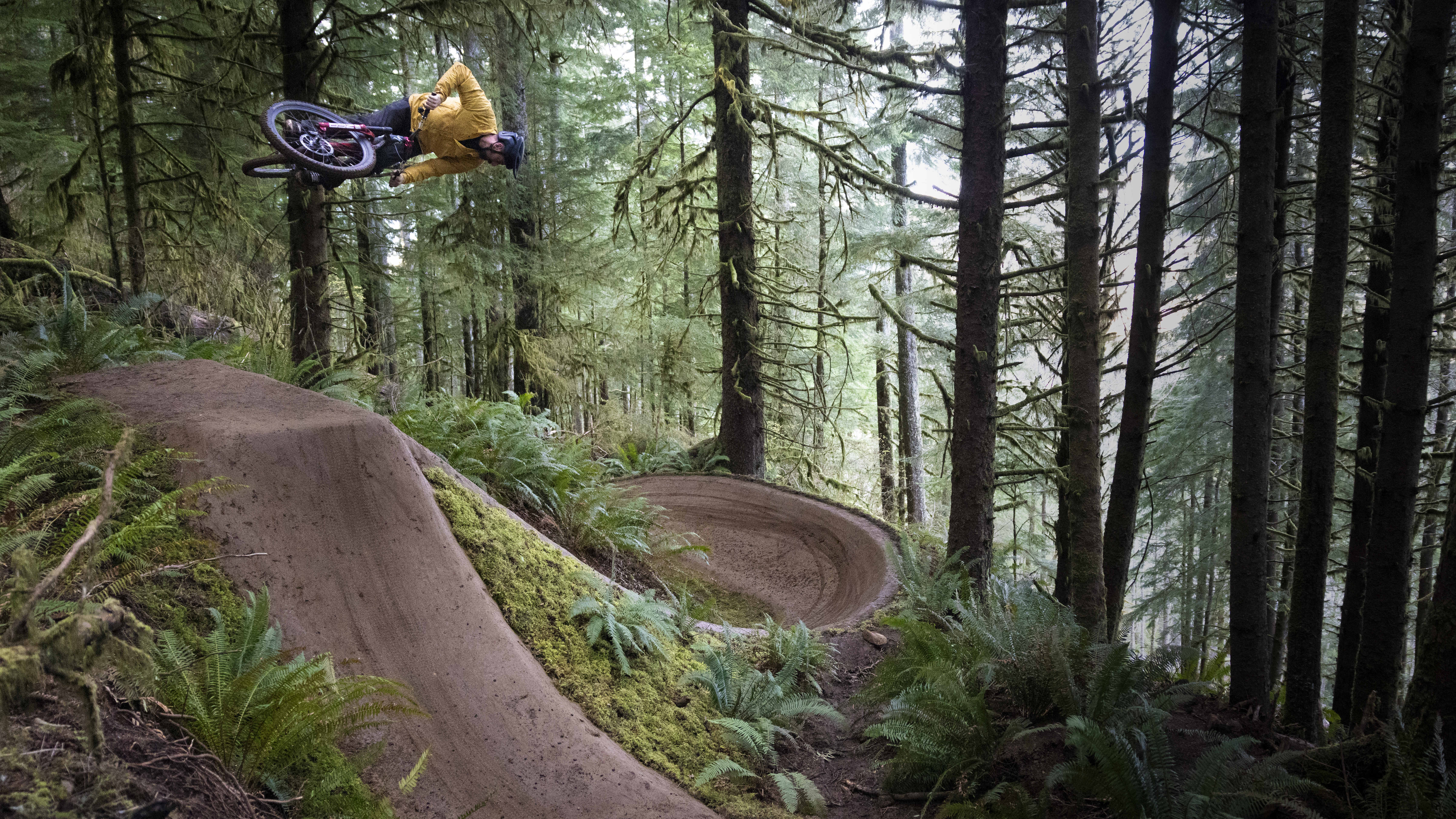
Mountain bike trail systems on the Oregon Coast are relatively few and far between, despite having some of the best terrain and dirt the state has to offer. Organizations like the Tillamook Off-Road Trail Alliance (TORTA) hope to change that, officially opening the Buzzard Butte Trail Network earlier this year with a mix of trails for all skill levels.
Near the end of the summer, Buzzard Butte saw four more trails opened, this time leaning very much toward the advanced side of the spectrum. Pro riders like Christian Rigal, Carson Storch, Ryan Rodriguez, and others are building black and double-black trails, with features to back up the trail ratings. And the new trails are helping establish Buzzard Butte as one of the most popular trail systems currently in Oregon.
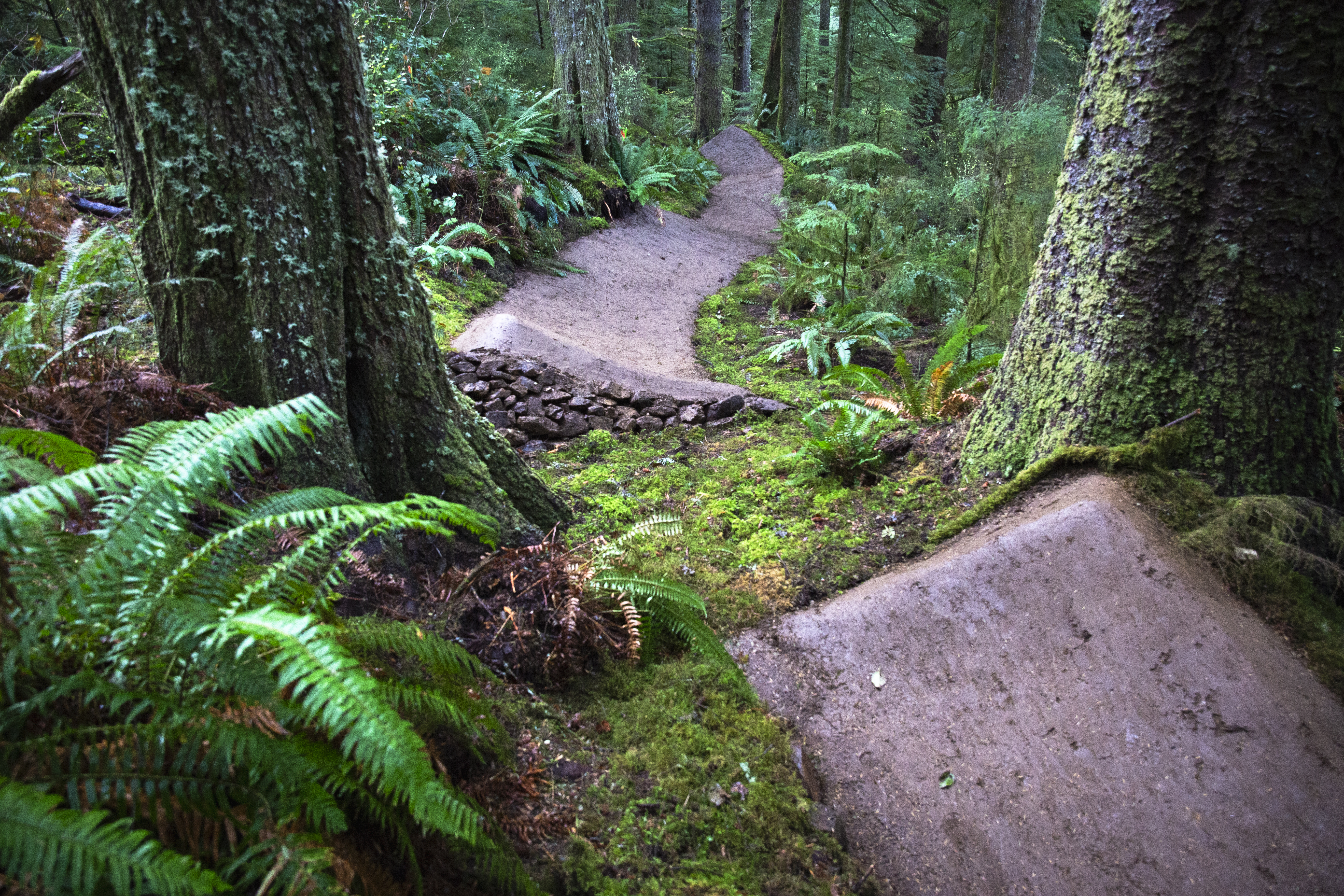
One of the new double-black trails is truly a visual masterpiece
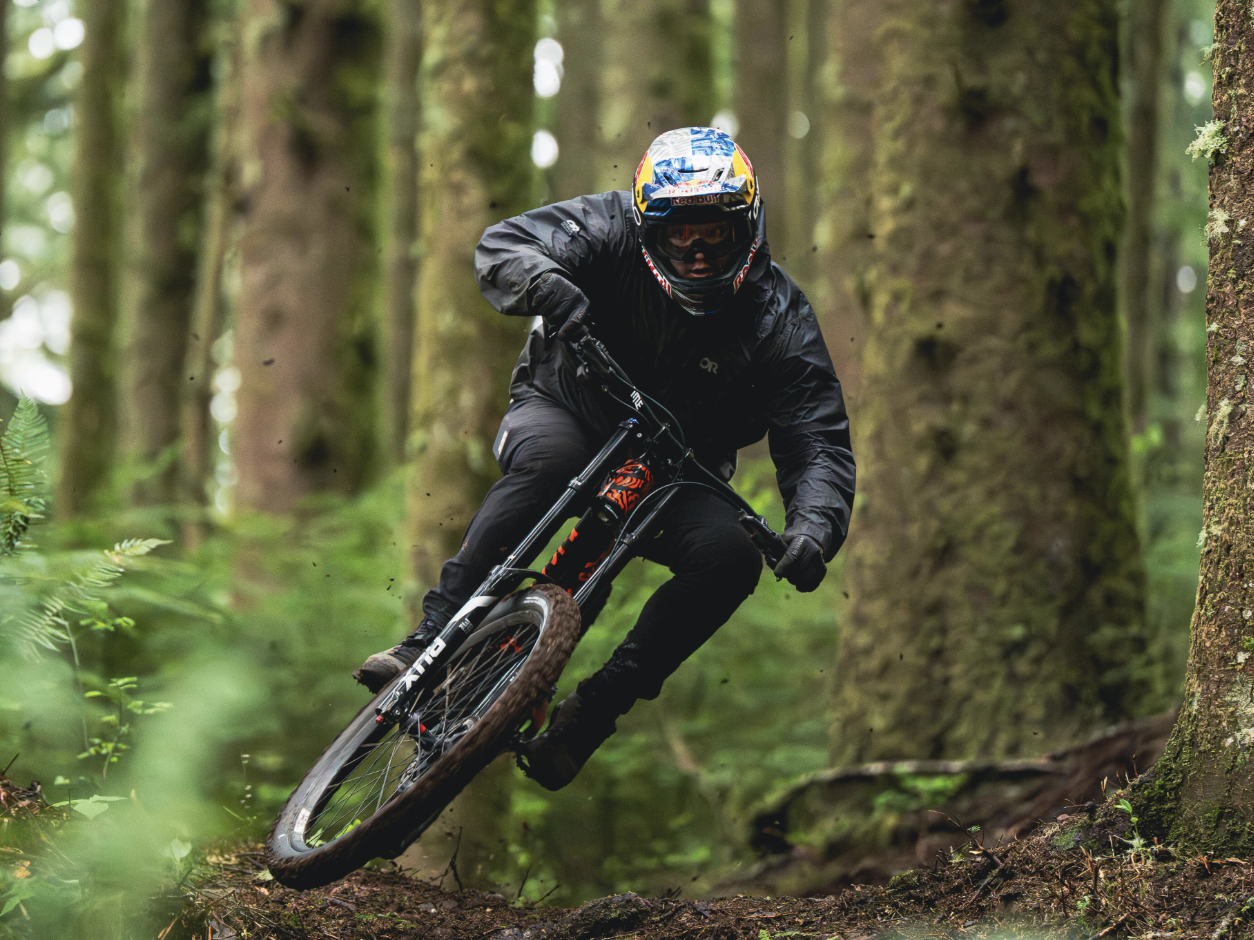
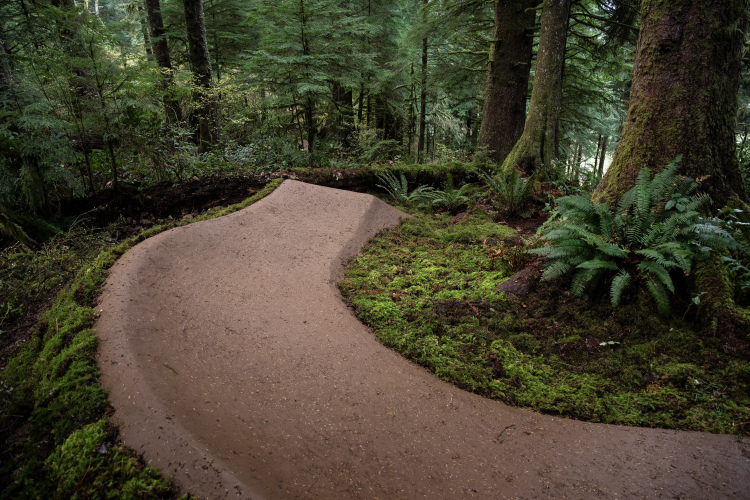
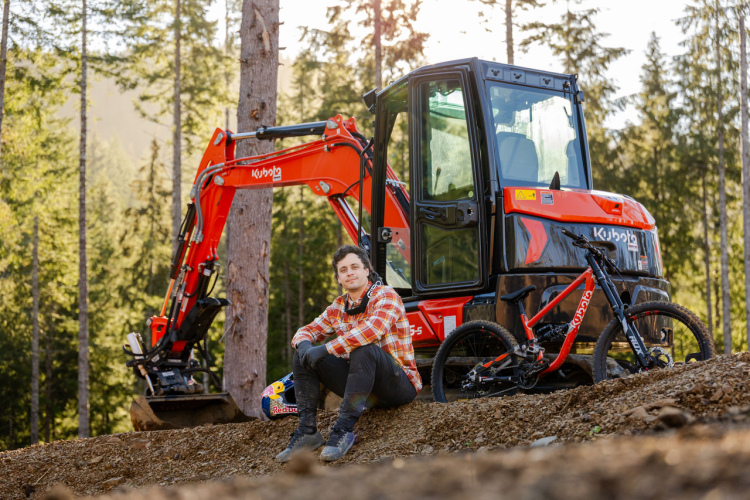
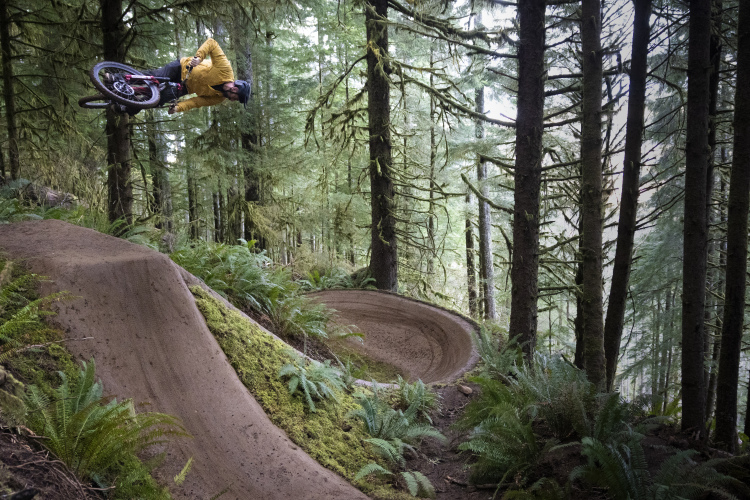
Most of the professional mountain bikers who have been lending a hand at Buzzard Butte happen to live in Oregon. Christian Rigal, however, hails from California. He rides for Specialized, SRAM, and RockShox, and a few other brands. Along with the Trailshark trail crew, Rigal built Mossy Hogs, a double-black, quarter-mile-long masterpiece that descends over 300 feet. While it is essentially a jump trail, Rigal wouldn’t exactly call it “flow.”
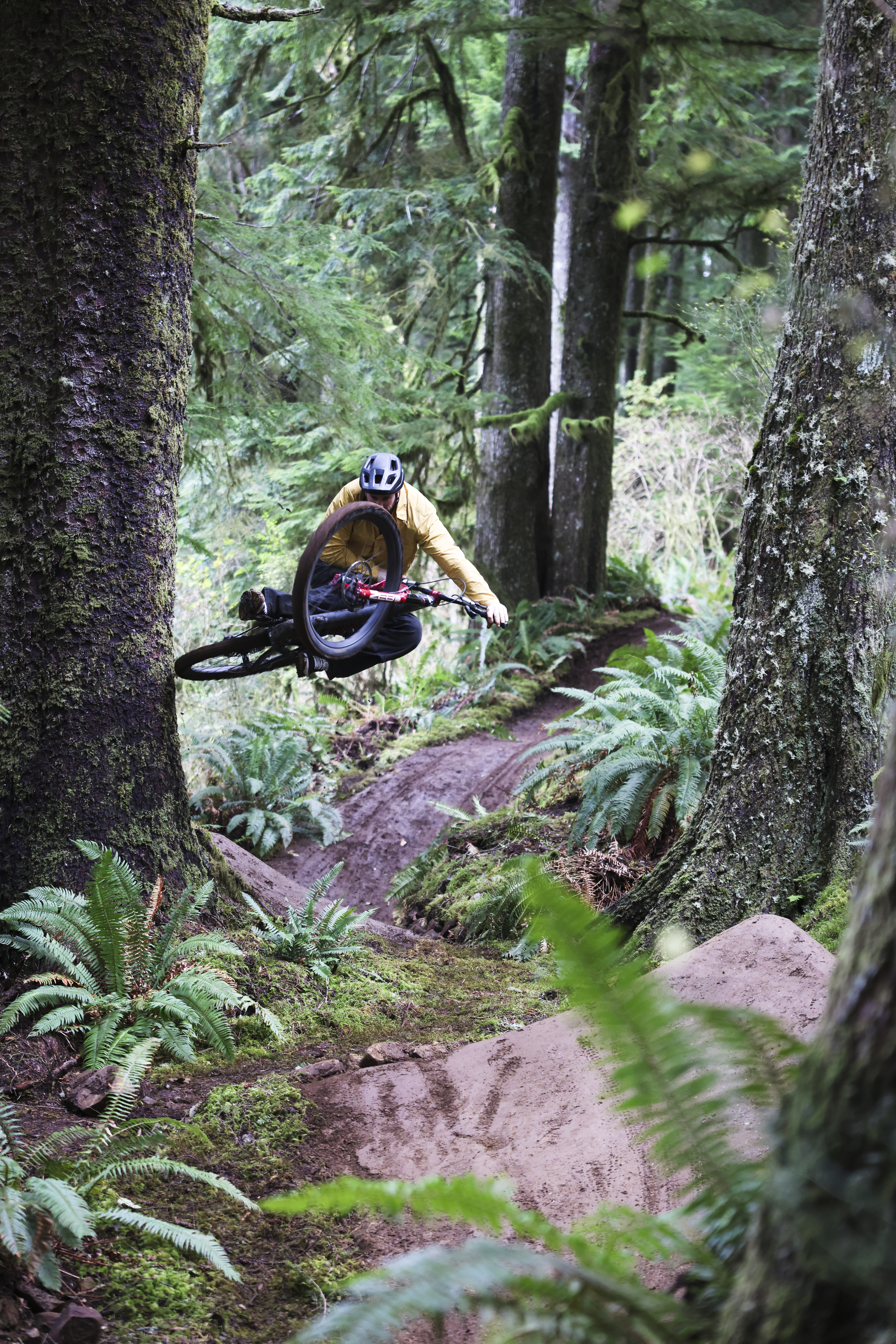
“It seems as though people often think a ‘tech’ trail means there’s rock jank and sketchy roots everywhere,’ Rigal told Singletracks. “This is a technical trail in the sense of precise tire placement, brake control, and confidence and commitment on blind jumps and features.”
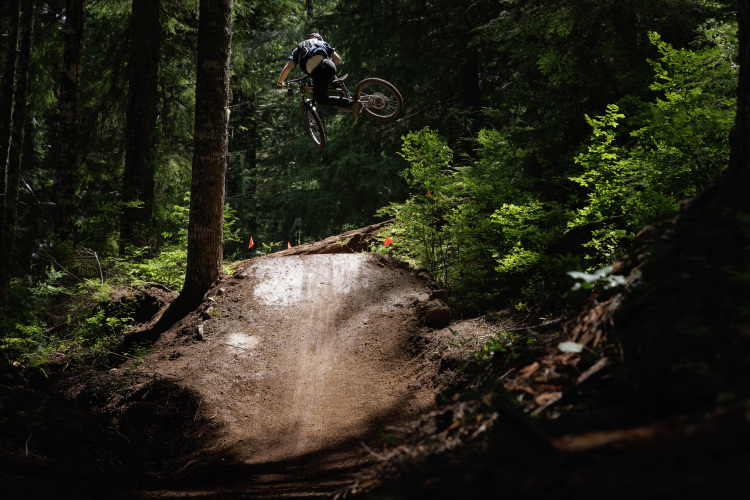
Rigal mentioned that it is very easy to carry speed on Mossy Hogs, so speed management is a must. Riders also need to remember that the trail is rated double-black, and a proper double-black at that. The jumps are large, with mandatory gaps. This is true of both the top and bottom sections of Mossy Hogs, while the middle is a steep and much less manicured natural chute.
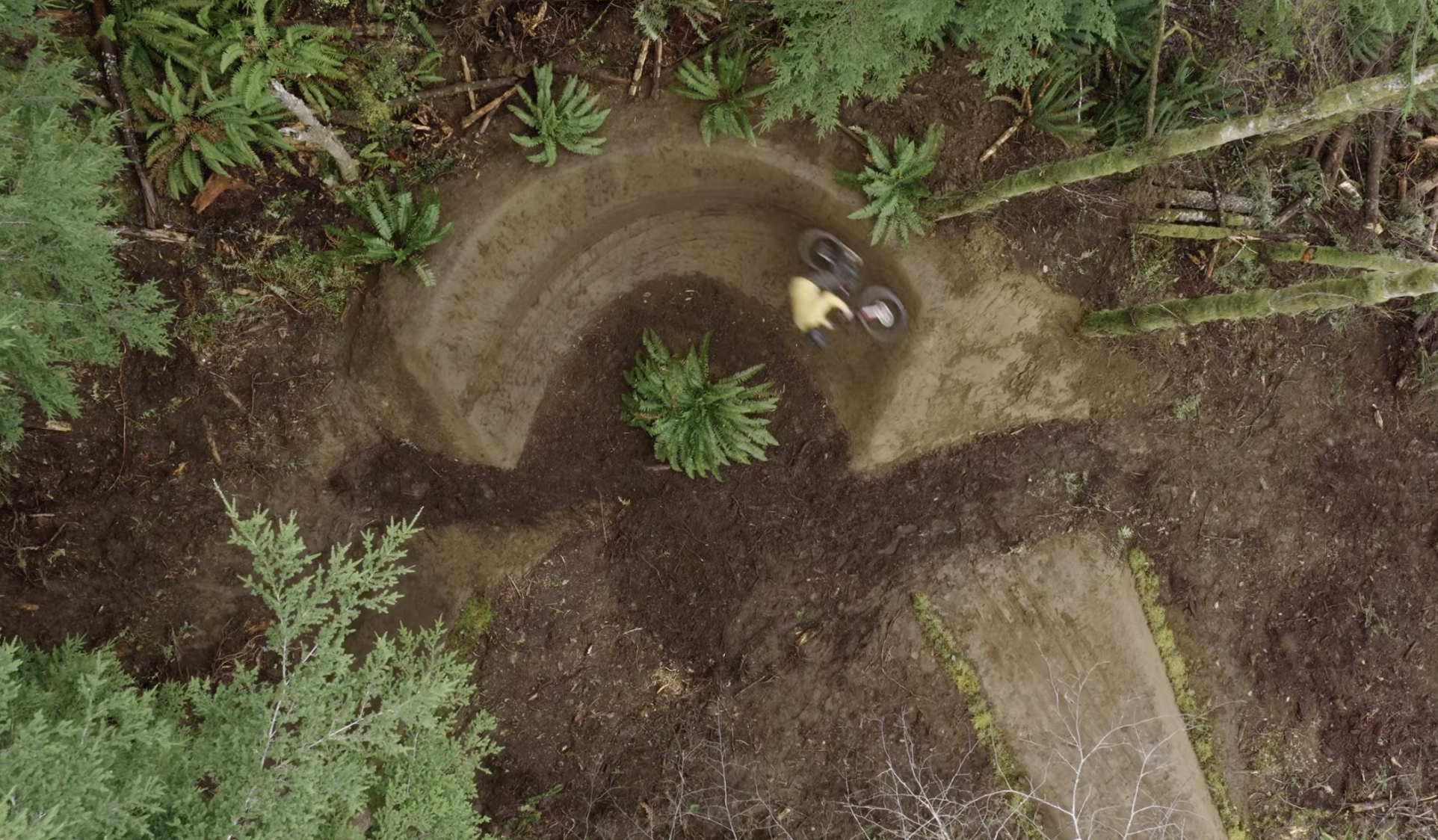
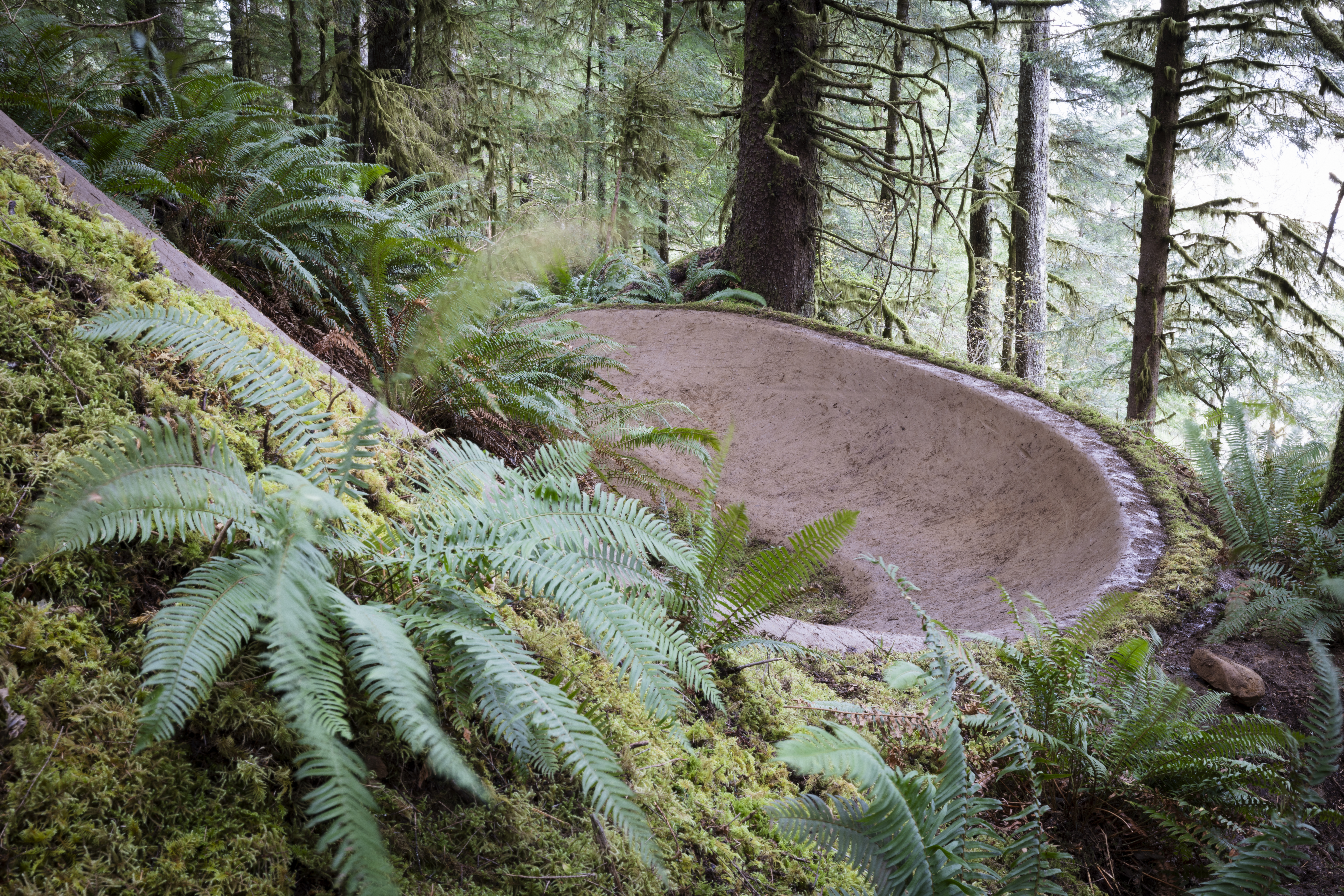
“There’s a dirt curved wall ride style feature at the bottom that’s super fun and not like anything you’ll find on another trail,” Rigal added. It may be intimidating at first, but once you hit it, it all makes sense and is so fun! There are some non-traditional shapes and features that make it not your average ‘jump trail.’”
Rigal and the Trailshark crew built Mossy Hogs as a part of a yearly trail build and film project. This would be one of the first times, however, that the builders would work with a trail organization to build a trail open to the public.
“I think it’s essential for public trail networks to offer something for everyone,” Rigal said, regarding providing more advanced options. “From beginners to top-tier pros, and every type of rider in between, having a variety of trails that check all the boxes for everyone is the dream.”
Wavelength, built by Carson Storch, leans more towards traditional tech
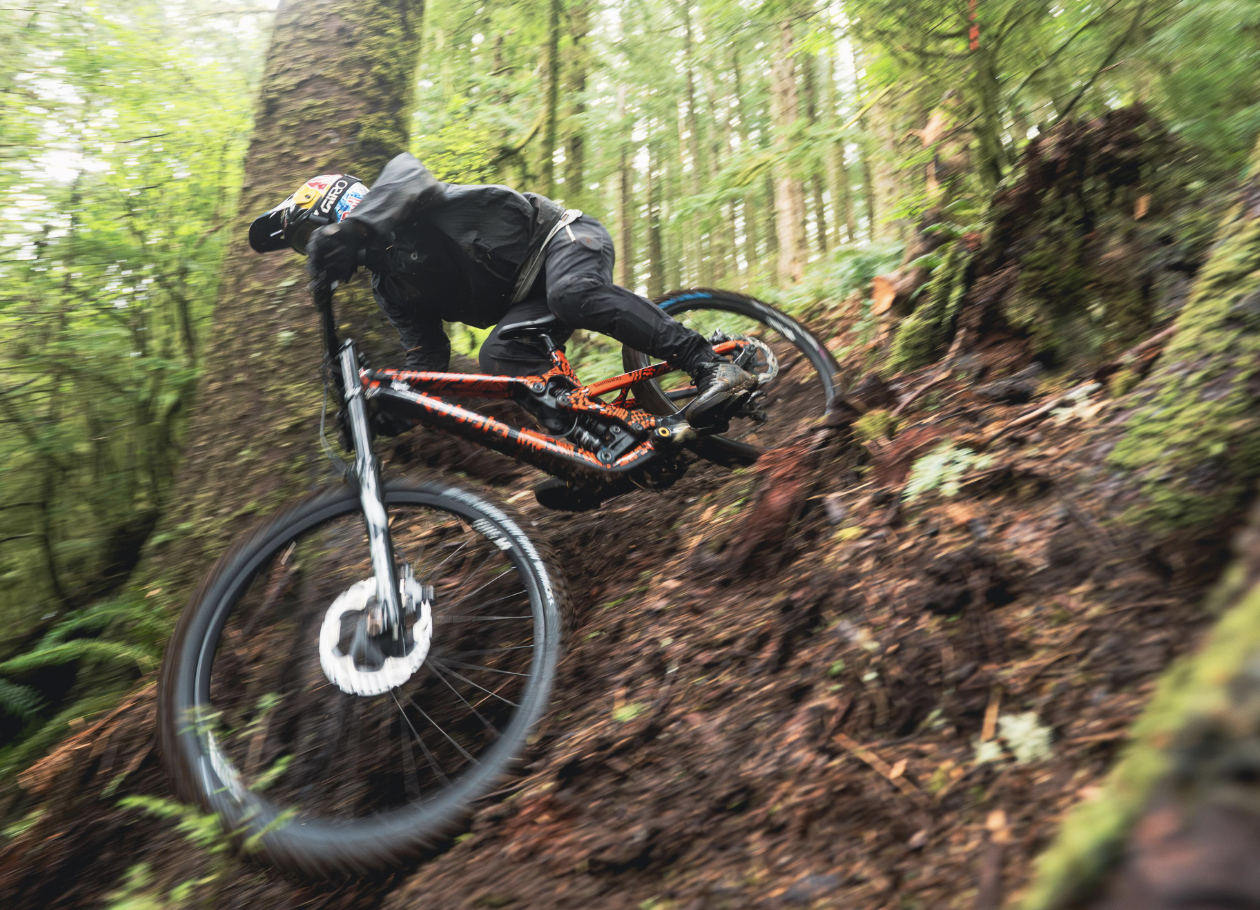
Nearly parallel to Mossy Hogs is another double-black option built by Carson Storch called Wavelength. This trail is also roughly a quarter-mile long, dropping 350 feet over rough, rooty, steep terrain.
Ryan Rodriguez is another professional rider who has been heavily involved in trail development at Buzzard Butte. While people might refer to a trail like Wavelength as “Carson’s trail,” of course other builders, like Rodriguez, were heavily involved. And a local trail building crew, Bros. and Hoes Landscaping, has been instrumental since day one. Josh Venti, owner of Bros. and Hoes, also mentioned that brands like Shimano and Kubota have provided funding.
“It’s pretty gnarly and kind of more natural,” Rodriguez told us. “And then it goes into a huge step-up. It’s a pretty intimidating step-up for a lot of people.”
Rodriguez isn’t lying, but there are certainly other features before the step-up. POV videos show a long-and-low double that serves as a speed check, with a long step-down over ferns before that.
Above that is rough and raw singletrack. The trail traverses a bit before getting steep, although “traverse” may not be accurate given how much speed you carry. Essentially, Wavelength starts steep and becomes steeper.
At speed, bumps quickly become doubles. While there aren’t any slabs or much rock to speak of, the technical nature comes from the many roots, stumps, and overall undulating terrain.
Skidzfernia is likely the choice for mere mortals
For us mere mortals who hesitate at the pro-built double-black options, Skidzzfernia (great play on words) is another new advanced option at Buzzard Butte. Rodriguez told us that this is “everyone’s trail,” meaning that there isn’t a pro rider’s name attached to the build.
Certainly, however, many different pros, including Rodriguez, lent a hand.
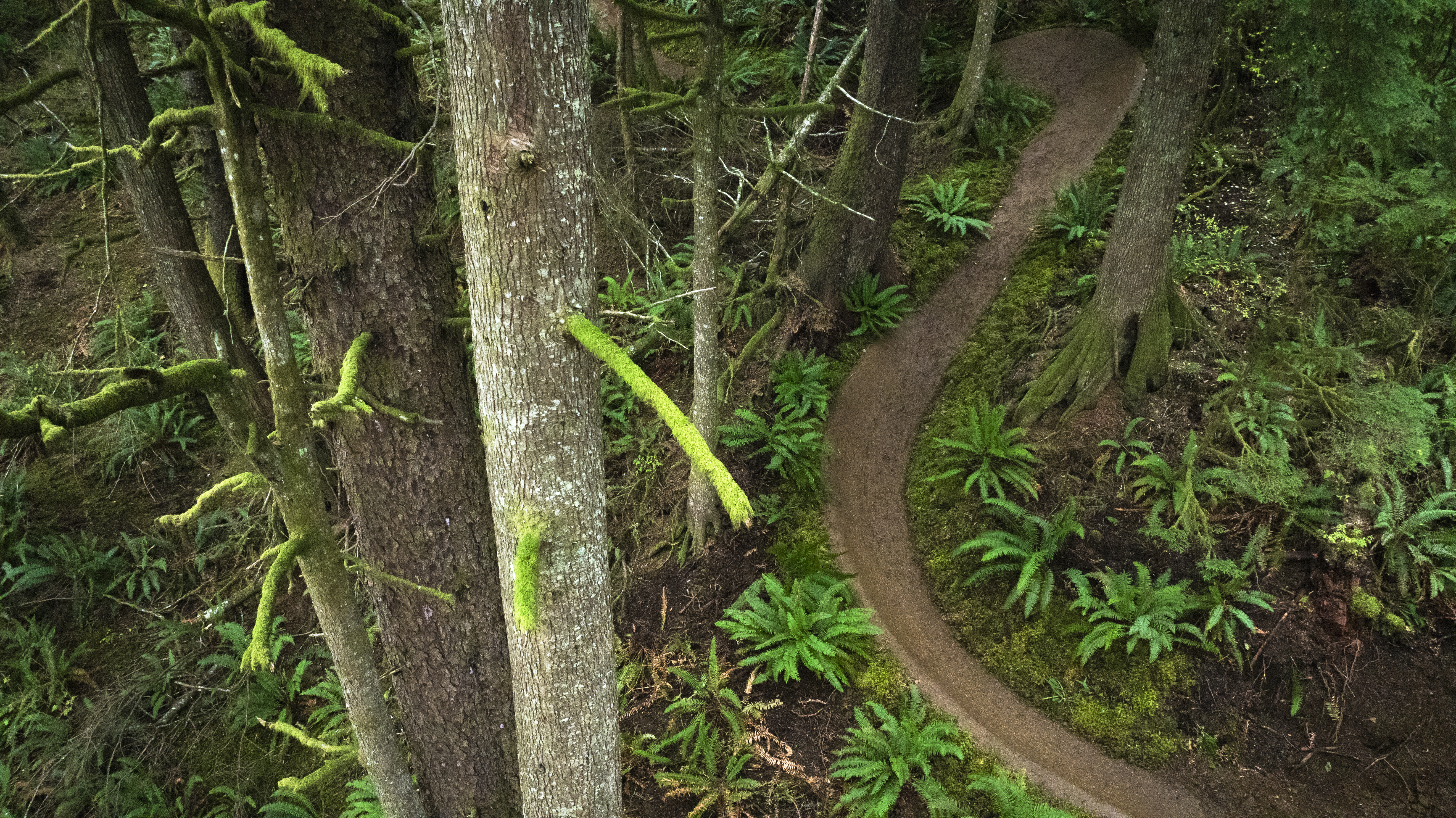
Skidzafernia is decidedly longer than the double-black trails beside it. The trail descends nearly 1,000 feet in one mile, making it the longest trail (currently) at Buzzard Butte. Skidzafernia has two descents, with a relatively short traverse and climb in the middle.
Like the beginning of Wavelength, the descents on Skidzafernia are rough and raw, with optional gaps to pull for. Overall, it’s steep and fast, with even steeper and faster chutes. While the drops and doubles aren’t mandatory, carrying proper speed on the trail means clearing them, which is no small feat.
Having this level of advanced trail open to the public comes with added responsibility. TORTA, Rodriguez, and the other trail builders fortunately have a lot of experience building very advanced lines, and can do so with as little risk as possible. At the end of the day, though, mountain biking is still a risky sport, and riders need to assess their personal skill level before dropping into some of what Buzzard Butte has to offer.
“That’s definitely one of the hopes with this place is getting public lands to have trails that are what the people really want,” Rodriguez said. “But it still needs to be built well.”
There’s also an adaptive-friendly option
“I think the one we are most proud of is Groundswell,” Ron Baker of TORTA told us.
Groundswell is an intermediate adaptive trail that was funded by a $125,000 grant from Travel Oregon. The grant also helped add two ADA-accessible paved parking spots to the main trailhead. The trail is nearly a mile long, drops over 300 feet, and is, without a doubt, for jumping.
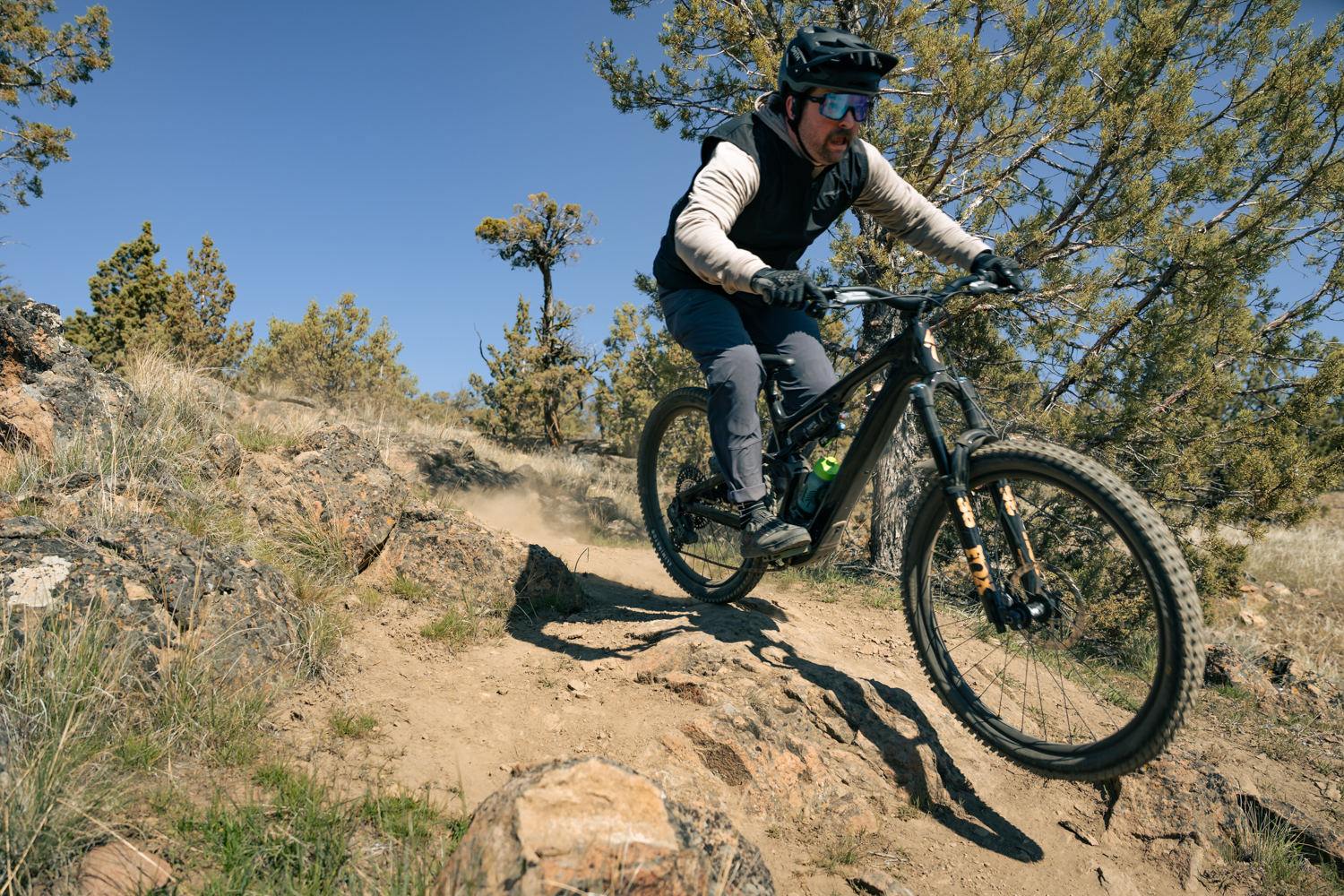
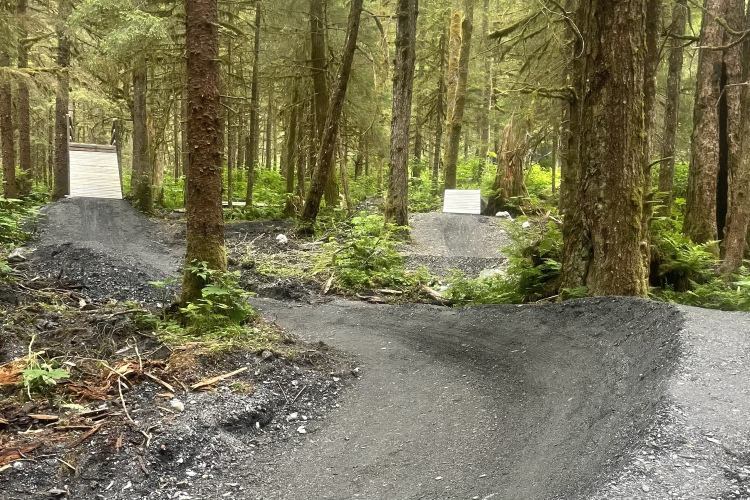
It’s a blue-rated jump trail, which, at Buzzard Butte, means pretty big jumps. And there are a lot of them, with multiple lines and multiple options. Skip one takeoff for another and launch a bit further, skipping the landing and turning the next berm into a makeshift landing. It is a choose-your-own-adventure of sorts, and you can probably ride it all day without doing the same thing twice.
Rodriguez also said Groundswell might continue further down Buzzard Butte. The trail network has a “lower parking lot” that Groundswell isn’t too far away from. He mentioned that both Skidzafernia and Wavelength would also continue further on, adding to what might eventually be a 35-mile trail system in a stretch of Oregon not known for trails, but definitely should be.
“It is going to be really cool,” Rodriguez added. “The terrain is super cool, and it definitely has potential for trails that typically aren’t public.”
The news stinks. Why not follow Singletracks on Google News to bring more joy to your day?


0 Comments