
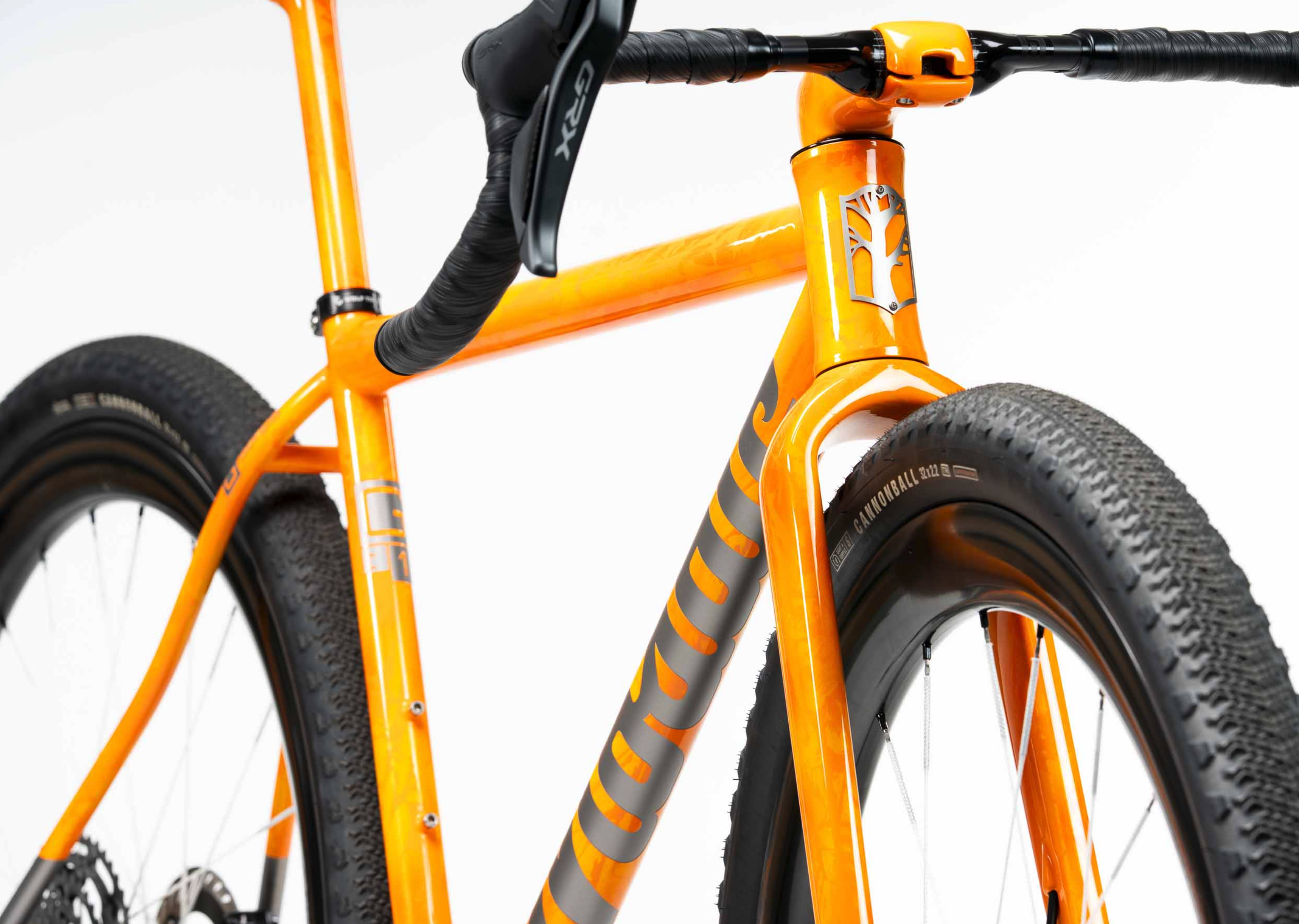
Again and again, one of the most significant hurdles bike manufacturers have encountered when trying to produce a 32” bike is that there just aren’t components available. For many, manufacturing a frame is the easy part. They struggle to find the wheels, tires, fork, and other components.
This is exactly what Boulder-based Mosaic ran into when they were developing the new GT i55 32 — a 32” gravel bike. So, rather than waiting for another brand to manufacture the needed components for big-wheeled bikes, Mosaic decided to create their own 32” components.
A 32” gravel fork
“Zero Components started because we kept wanting to do things with our bikes that the existing component market couldn’t support,” Aaron Barcheck, founder of Mosaic Cycles, said in a press release. “Instead of compromising the bike around what was available, we started asking what the component would look like if we could design it specifically for what we needed. Zero Components is the result.”
The G55 32 Gravel Fork is one of four forks from the new component manufacturer. Zero Components says that the G55 32 gravel fork features a tapered steerer tube, a thru-axle, flat-mount disc brakes, and both external and internal routing options. They have tested the fork to the ISO 4210 standard.
The other three Zero Components forks are designed for 700c wheels, and two of those are specifically for road bikes.
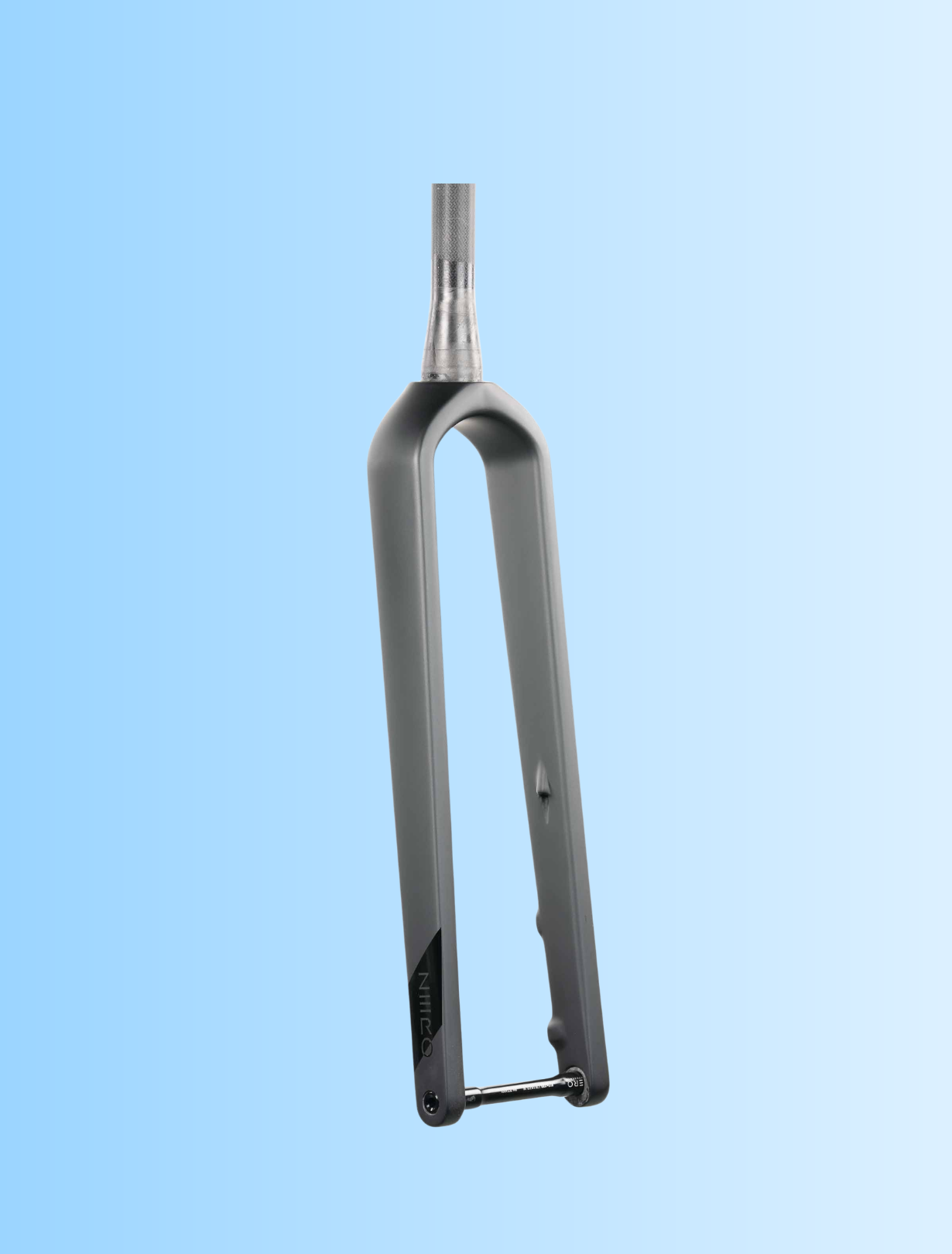
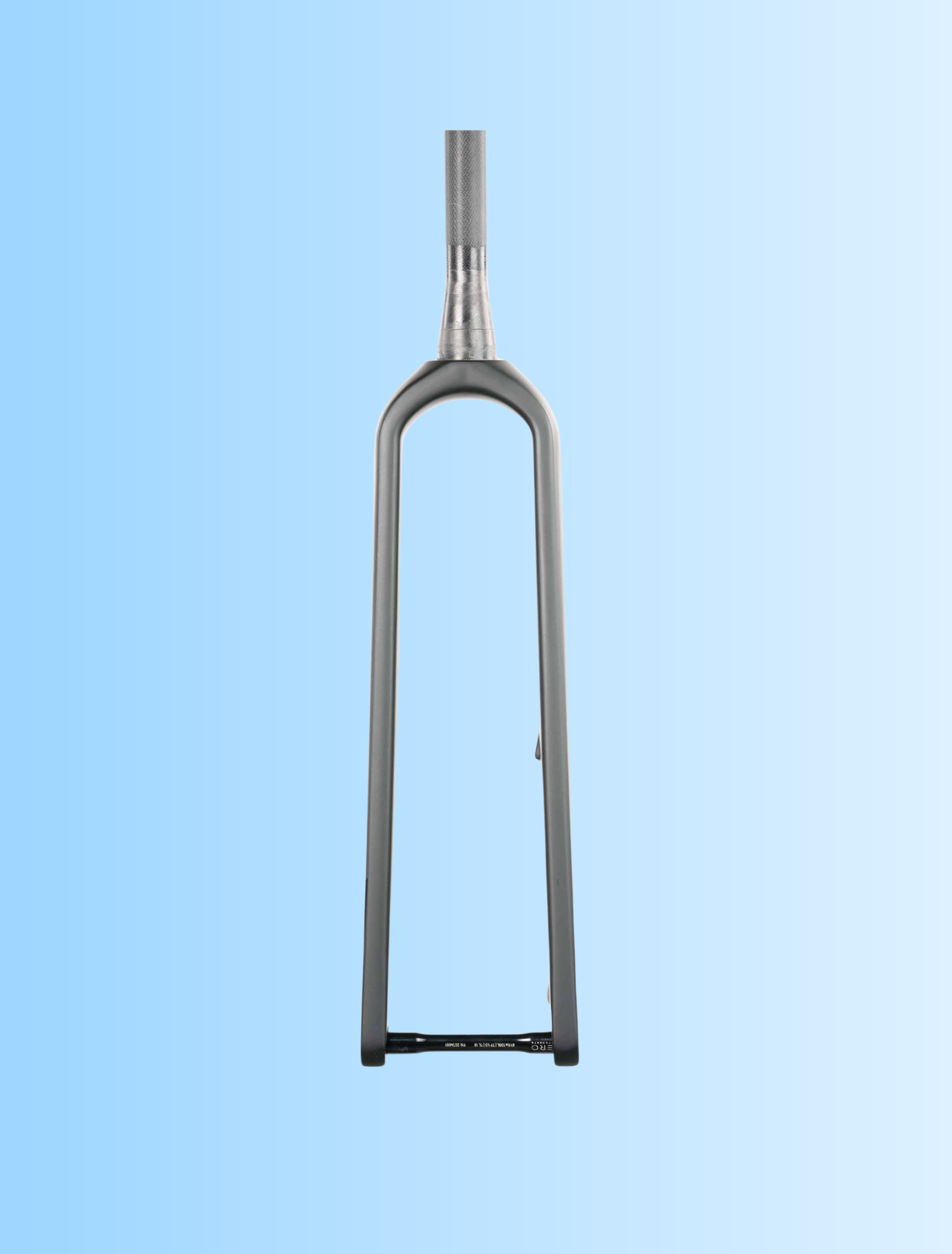
Zero Components is making the G55 32 — and its other forks — available as an aftermarket purchase for those looking to upgrade a current bike. They will also make forks available to small-batch frame builders and small OEM manufacturers.
G55 32 Gravel Fork
- Material: Carbon
- Tire Clearance: 55mm
- Axle to Crown: 445mm
- Offset: 60mm
- Brake Routing: Internal / External
- Brake Mount: Flat Mount 160/180mm
- Steer Tube: 1.125”-1.5” tapered
- Steerer Length: 300mm
- Mounts: None
- Weight: 560g
- Price: $640
From R&D to a component brand
Mosaic says it’s done letting existing bike components dictate its next bike design. The brand felt that as their bikes evolved, many components didn’t keep up. Things like clearance for wider tires often weren’t enough, leading to the genesis of what would become Zero Components.
But it didn’t start that way. In 2025, Mosaic introduced Zero Ops, the brand’s R&D program, giving designers and fabricators room to experiment beyond its production bikes. The first results were two bikes — one road bike and the other an all-road bike. But the Colorado company says that Zero Ops was never really about a specific bike; it was about pushing beyond industry constraints.
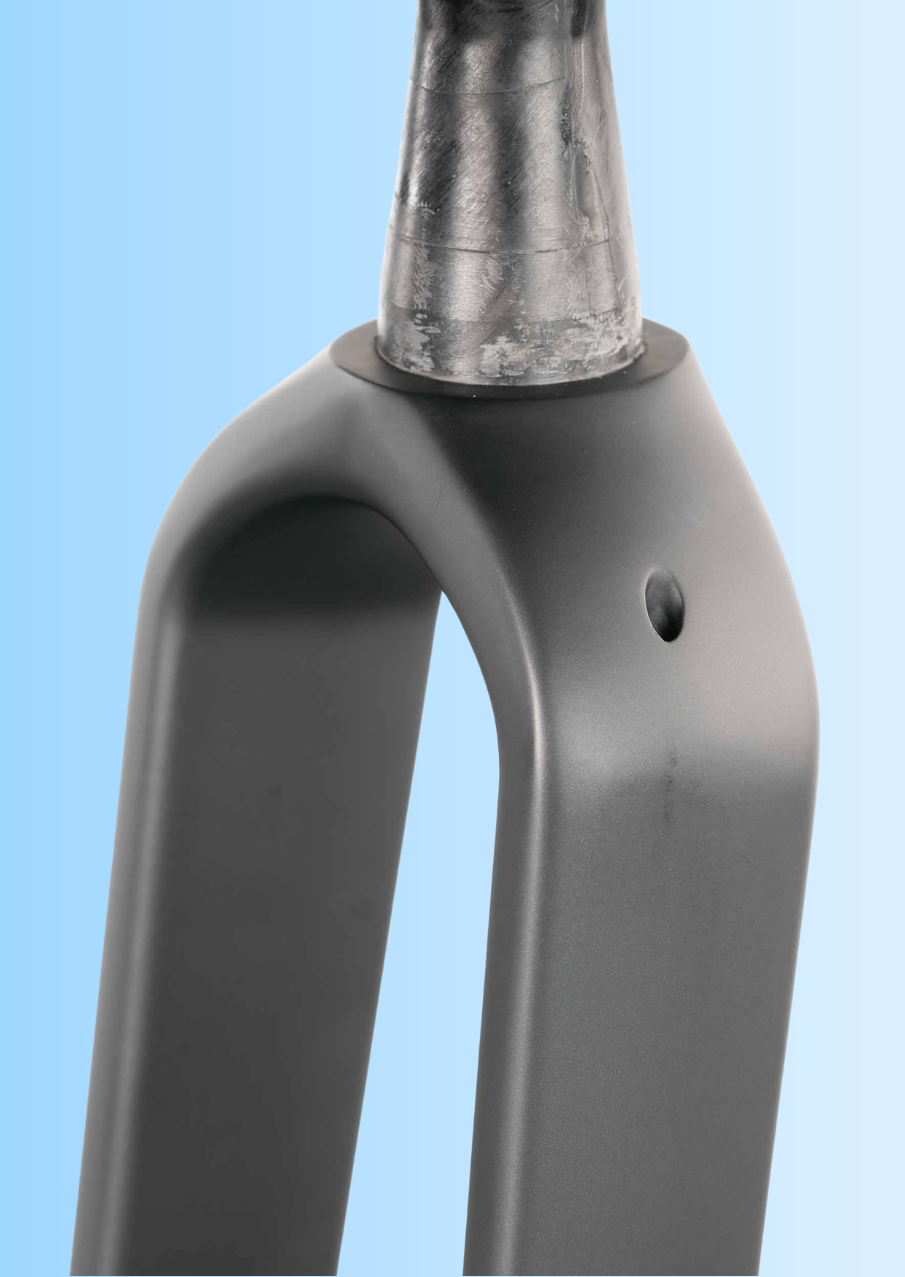
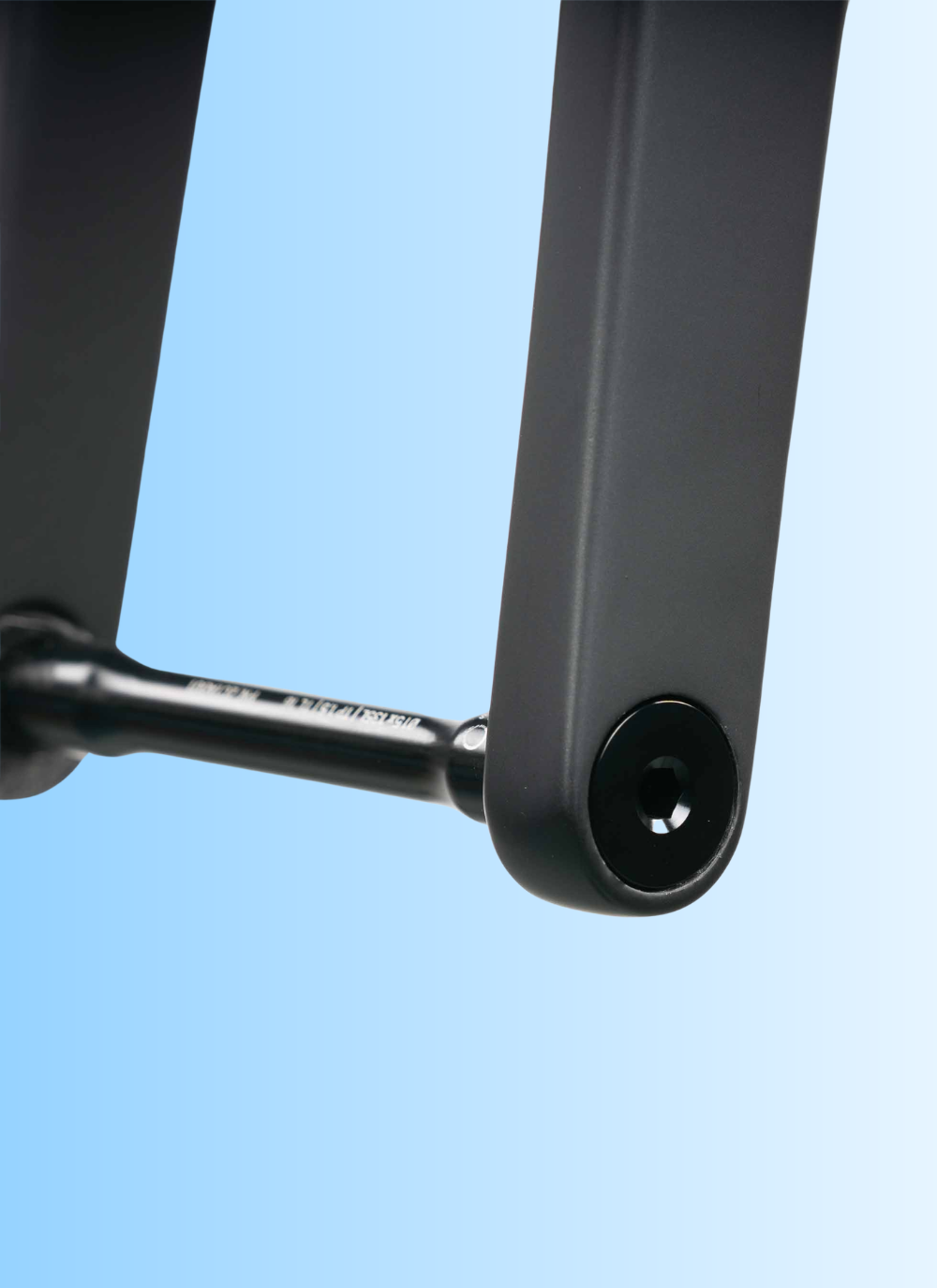
First, they simply wanted more tire clearance. So they made the G55 700c Gravel Fork for 700c (29”) wheels, with more than 2” of tire clearance. While tire clearance was a priority, Mosaic also had specific geometry and integration requirements they couldn’t find in any current forks.
But then 32” wheels became a possibility. They needed a fork that fit the larger wheel diameter, but they also had other considerations beyond just making the fork bigger. They needed to find the right axle-to-crown height, offset, and toe overlap to create a fork with appropriate geometry to match that of the bike. And so the G55 32 Gravel Fork was born.
“Again, an off-the-shelf fork wasn’t going to get us there. So we built one.”
At this point, Mosaic realized they weren’t just solving an issue for their own bike; they could also solve the same problems for others. This realization took Zero from R&D to Zero Components.
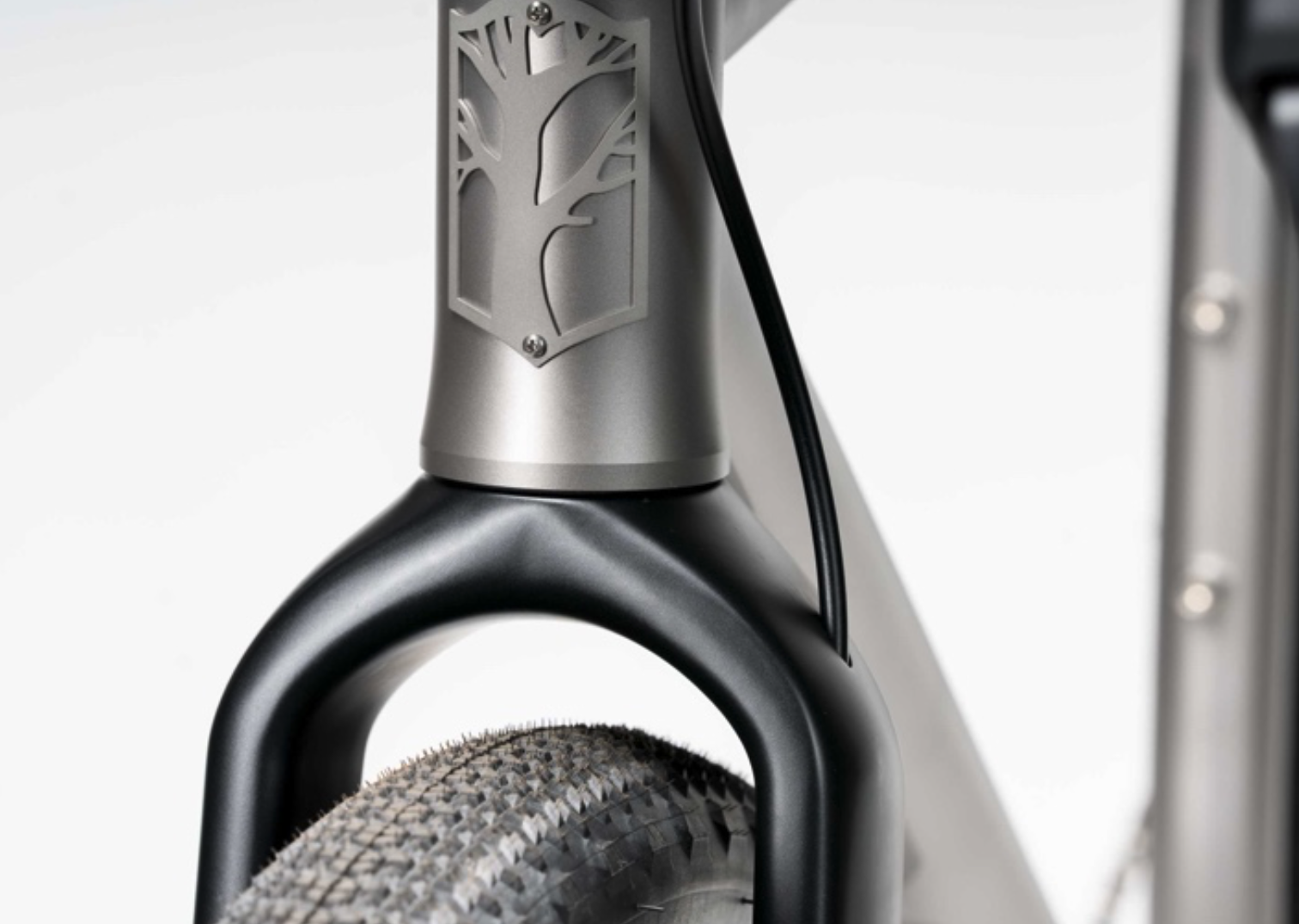
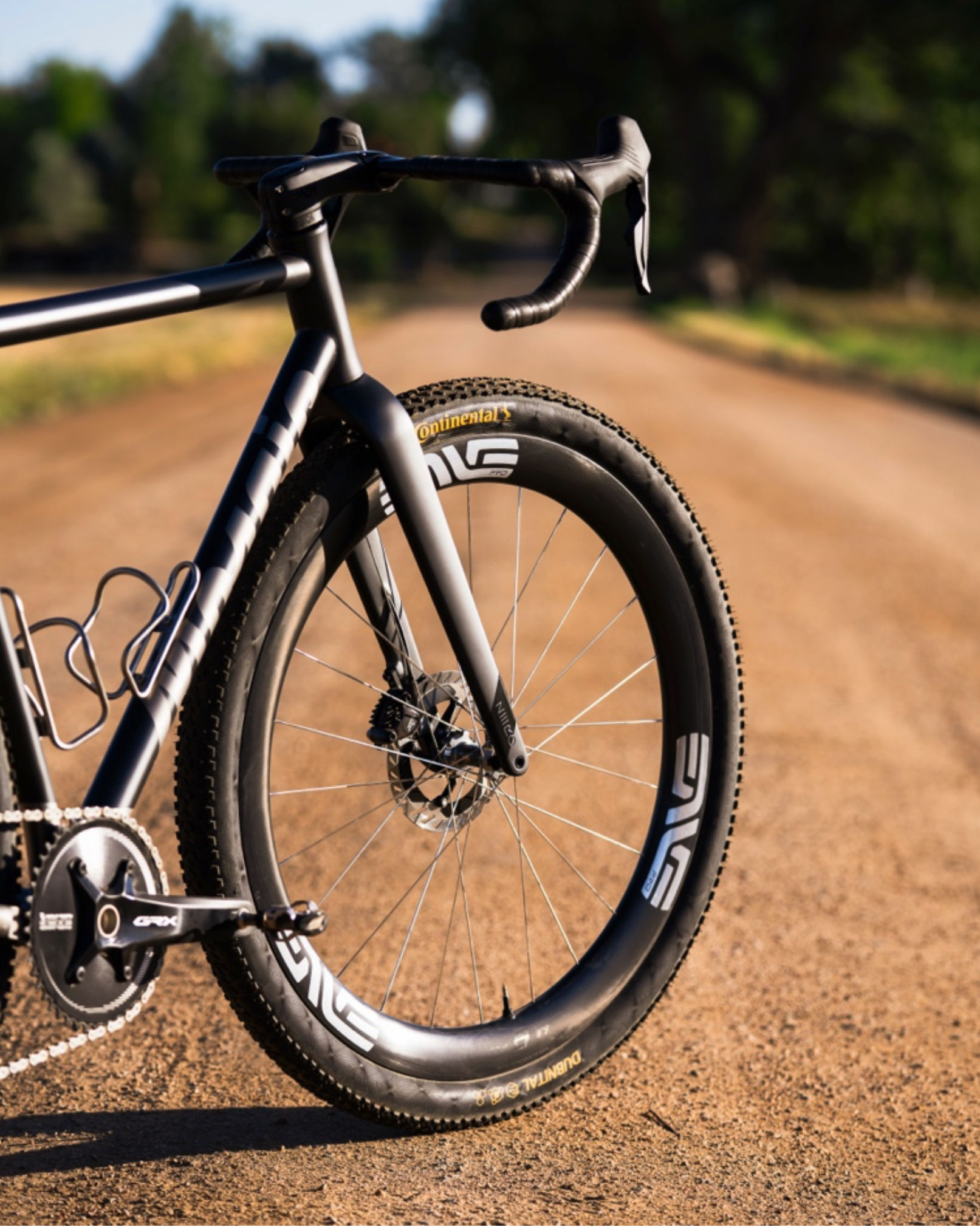
A 32” gravel fork for a 32” gravel bike
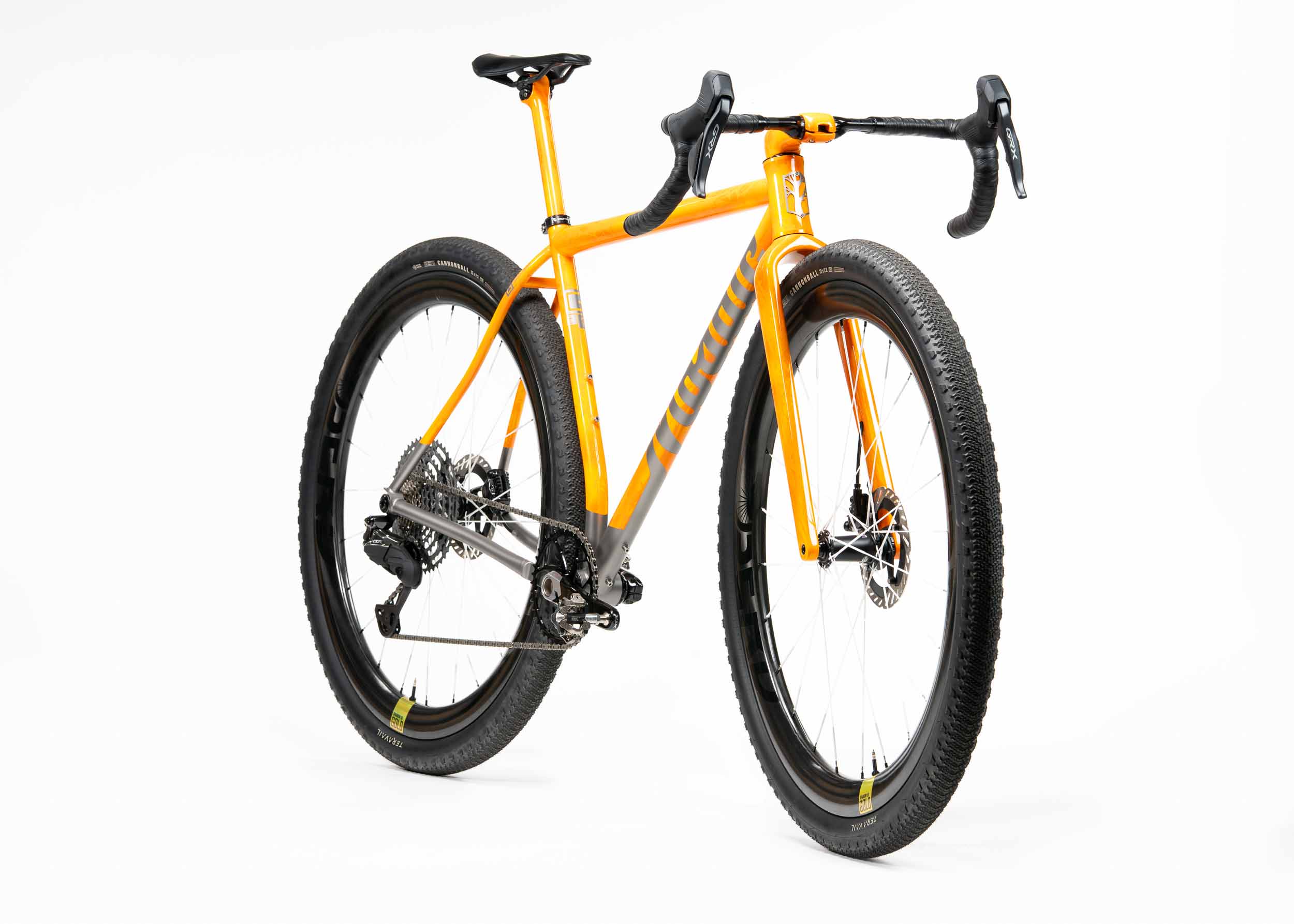
The bike the G55 32 Gravel Fork was designed for is the GT i55 32, a titanium gravel bike that rolls on, of course, 32” wheels. Here, Mosaic says that their intention wasn’t to create a gravel bike that can accept 32” wheels, but rather to design a gravel bike around the larger wheel size that makes “a big wheel feel small.”
A common issue with 32” bikes is that they can’t accommodate smaller riders — smaller frame sizes don’t mix well with bigger wheels. But Mosaic felt that this was an engineering issue rather than an “unavoidable consequence of the wheel size.” Part of the solution was in the fork design. So, the GT i55 32 uses the G55 32 fork with a short axle-to-crown and a 60mm offset to help with toe overlap.
The frame was also designed with a compact rear triangle (440-445mm chainstays) and an offset seat tube, which provides even more room for a 32” rear wheel and, ultimately, a shorter wheelbase. These and other design features “all work together to make the platform accessible across a wider range of rider sizes.”
Mosaic designed the GT i55 32 to use mountain-bike hub standards—110×15 up front and 148×12 out back. The frame and fork can accommodate 2.2-inch-wide tires with clearance for a massive 46T chainring. Mosaic will offer GT-1 and GT-2 builds for $8,250 and $5,000, respectively. Geometry is tailored to the rider, so those interested will need to contact Mosaic to learn about the custom geometry options.
Is this the way of the future?
Mosaic couldn’t find what they needed, so they made their own. Mountain bike manufacturers that are dabbling with the 32” wheel size have run into the same issue — they can’t find components. And when they do, rare components typically come with a high price tag.
So, just make them, right? Well, sure, in some cases. Obviously, a fully rigid steel bike can have a rigid steel fork made by the bike manufacturer. But if they want a suspension fork, small manufacturers likely don’t have the R&D to figure out the squishy bits.
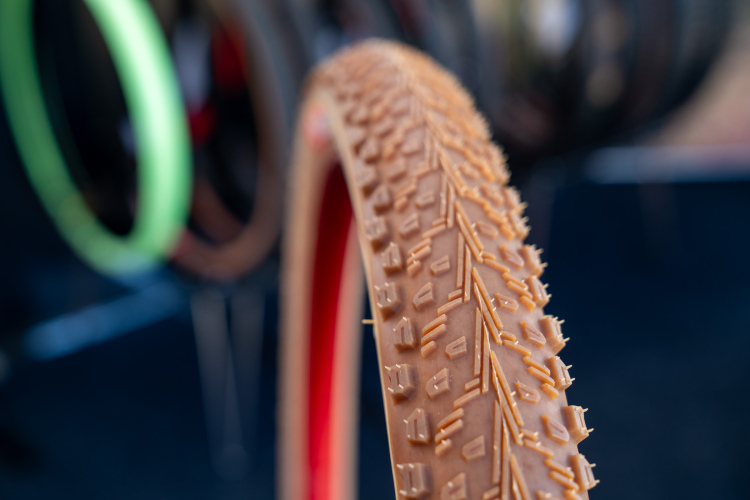
And what about tires? One thing we have heard from different small-batch bike brands toying with 32” manufacturing is that tires have been hard to come by. While they might be able to build their own 32” wheel, the rubber bit around the outside is a completely different manufacturing process — one that few actually have access to.
We just saw the debut of a 32” bike at Leadville (Mike Woods finished 14th) and at the Lenzerheide World Cup (Alessandra Keller took 3rd in XCC). Both are concept/prototype-style bikes with many prototype components — especially forks. And while these brands likely won’t manufacture all their own components soon, it seems the bigger bike brands would have the capability and budget to do so.
Keep up with the latest mountain bike news by adding Singletracks as a preferred source on Google.

0 Comments