
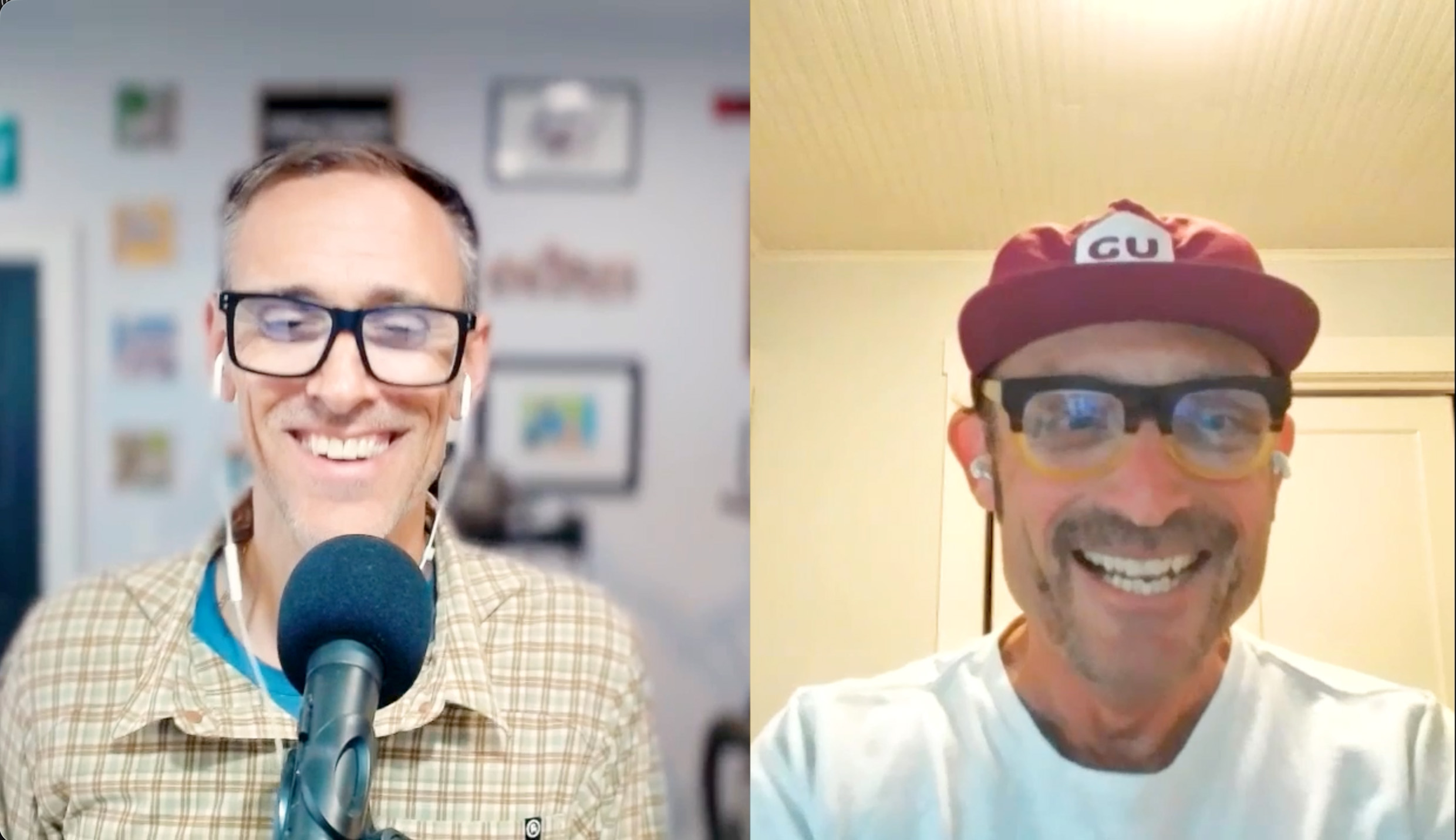
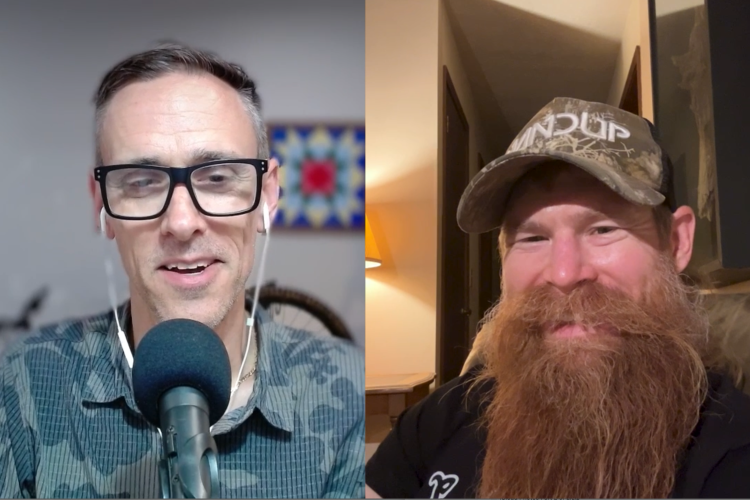
Yuri Hauswald is a former 24 Hour Solo mountain bike racer who won the Unbound Gravel 200 in 2015 at age 45. In 2023, he was inducted into the Gravel Cycling Hall of Fame, and this year, he’s hoping to raise $50K to support cycling in Emporia, Kansas through a unique fundraiser.
- You didn’t turn pro until you were 36 years old. How did you get into cycling?
- What attracted you to gravel racing after all those years of mountain bike racing?
- Tell us about your Unbound 200 win in 2015. How did that unfold?
- How did the Bantam Classic gravel race in Petaluma, CA get started? How does the event compare to Unbound or, say a UCI gravel race?
- Do you think gravel racing has changed over the years, particularly since 2022 when the UCI added gravel events?
- Do you think there’s an opportunity to young riders into gravel riding in the same way NICA has introduced them to mountain biking?
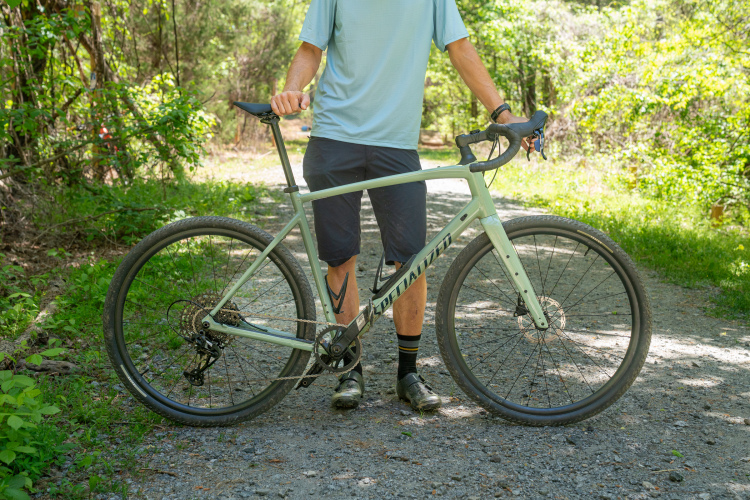
- How have gravel bikes changed since you started riding? Is the line between gravel bikes and drop bar road bikes becoming blurred? What do you think about 32″ gravel wheels?
- Tell us about the Life Time Foundation’s “Chase the Race” initiative. How many riders do you hope to pass? What will the funds support?
- Outside of racing, what does a fun ride look like for you?
- What are some places you’ve visited that are worth going back and riding again?
- Can you ever really retire from bike racing?
- You’ve reinvented yourself several times over your career. What’s next?
You can contribute to Chase the Race here.
This episode is sponsored by Greater Sandpoint Chamber of Commerce.
If you’re looking for your next mountain bike destination that offers just about everything, put Sandpoint, Idaho at the top of your list! The Lower Basin trail system serves up world-class riding through towering timber and across massive granite rock slabs, with trails for every rider — from technical black-diamond descents to fast, flowy cross-country loops.
For excellent park-style riding, head up to Schweitzer Mountain Resort with dedicated downhill trails and e-bike access to more than two dozen trails. Or pedal from town to the Pine Street Woods trail system, where the trails range from flowy to technical.
When you’re ready to take a break from the trails, Lake Pend Oreille is right there for camping, boating, swimming, or even standup paddleboarding. And after a big day outdoors, head into the town of Sandpoint, where you’ll find a great selection of bars and restaurants to relax and refuel.
Get all the details to plan your perfect getaway at visitsandpoint.com. The trails and the good times are waiting for you when you Visit Idaho!
Support this Podcast
- Review the Singletracks podcast on Apple Podcasts or drop your feedback in the comments below!
- Make a donation to help sustain future episodes.
- Become a Singletracks Pro Supporter.
Never Miss an Episode
- Listen on Spotify
- Listen on Apple Podcasts
- Listen on Google Podcasts
- Listen on Stitcher
- Listen on Overcast
- Get the RSS Feed
- View all Podcast Episodes
Automated transcript
Jeff Barber 0:00
Hey everybody, welcome to the Singletracks podcast. My name is Jeff, and today my guest is Yuri Hauswald. Yuri is a 24-hour solo mountain bike racer who won the Unbound Gravel 200 in 2015 at age 45, In 2023, he was inducted into the gravel cycling Hall of Fame, and this year, he’s hoping to raise $50,000 to support cycling through a unique fundraiser. Thanks for joining me. Yuri,
Yuri Hauswald 0:29
Yeah, I’m really happy to be here. Jeff, thanks for having me.
Jeff Barber 0:31
So I understand that you got sort of a late start into mountain biking, and you actually didn’t turn pro until you were 36 years old. What were you doing before that? How’d you get into cycling?
Yuri Hauswald 0:44
Well, to go way, way back, I grew up on a farm here in Northern California, played all this stick and ball sports growing up, and then in high school, I decided to try a new sport, lacrosse.
Jeff Barber 0:56
Okay.
Yuri Hauswald
You’ll see where this is going.
Jeff Barber
Still not mountain biking. But yeah, okay,
Yuri Hauswald 1:02
I’ll get there. I promise lacrosse was my ticket to college. I play. I had a collegiate career at Cal Berkeley, and then post graduation, I had the opportunity to teach at a prep school in Pennsylvania, and was no longer playing lacrosse. Went back to Pottstown, Pennsylvania, and some friends there were into mountain biking. I knew how to ride a bike, didn’t own a bike, and needed something to channel my energy, because I wasn’t playing lacrosse anymore, and they shared their passion of mountain biking with me, and I fell head over heels for it, and haven’t looked back since. So, yeah, late bloomer in terms of picking up a bike. I didn’t really pick it up till I was, like, 24 Yeah, but it was in Pennsylvania and and then I just, I went all in on it after that.
Jeff Barber 1:54
Yeah, wow. Well, I mean it seems like, I mean, you must have had, like, a good base of fitness to, like, start mountain biking and then, like, how quickly did you realize, and were your friends, like, you’re actually pretty fast, like you should, you should do this more.
Yuri Hauswald 2:09
Actually, that didn’t happen because I wasn’t that fast. So I think I’m more of a testament to somebody of, like a slow burn bill. Because, you know, yes, I did have a good aerobic base from running a lot in college, but I played defense. So I was a big fella, you know, I was like 5’11”, 210lb which is not your ideal size for a cyclist.
Jeff Barber 2:31
Yeah.
Yuri Hauswald 2:31
And you know, that quickly became apparent when I started doing shorter cross-country races. This was when the NORBA series existed. I’m dating myself a bit. Yeah, and, you know, slowly started losing a little bit of weight and getting faster and things like that. But I was more of like an endurance guy from the beginning, and didn’t really have aspirations of becoming pro until I sort of moved my way into the semi pro category, which was a category that existed as a transitional step for people going from the expert category to the pro okay. And was like, you know, maybe there’s something for me here, but I would have never made it out of the semi pro category if it hadn’t been for 24 hours solo racing, which showed that I had a diesel engine, and could go in circles for long periods of time at a decent pace. And as you mentioned in the intro, I think you did. I won a couple 24 hour solo events that allowed me to, well, is actually an event in your backyard in Conyers, Georgia.
Yuri Hauswald 3:37
In 2005 they had the 24 hour World Championships in Conyers, Georgia, on the old Olympic course. And I got ninth at that and back in that day, you could send in a written petition to USAC stating why you felt you should be upgraded to Pro. And Fingers crossed. I fired that off, and they upgraded me, but it was based on 24 hour racing, which is much different than cross-country racing. So I would never say I was really like that fast.
Jeff Barber 4:10
You weren’t fast, but you could ride for a long time.
Yuri Hauswald 4:13
Yes.
Jeff Barber 4:14
That’s awesome. Yeah. I mean, I was gonna ask about that distinction too, between Semi Pro and Pro. It sounds like that is like an official designation. It’s not like a matter of, you know, I’m doing this part-time versus, like, now I have sponsors and so, like, this is my full-time deal
Yuri Hauswald 4:30
Exactly, you know, I definitely, when I got those three letters on my USAC license. Pro, like, it didn’t change anything for me. I had a day job. Endorsements didn’t come rolling in. You know, I was a school teacher at the time, which allowed me to have summers off and follow the series and race and focus on it during those summer months.
Yuri Hauswald 4:54
But yeah, turning pro didn’t change my daily life. Really, it was just a goal or something. Thing that I had been chasing and but then it sort of lit a fire in me to just continue doing what I what I love. So yeah, yeah. It’s been a fun journey. It’s not over yet.
Jeff Barber 5:12
Awesome, yeah? Well, so in 2013 I think, is when you raced Unbound for the first time. So I’m curious what attracted you to gravel after all those years of mountain bike racing?
Yuri Hauswald 5:24
Yeah, good question. So, you know, being from Northern California, we at, particularly at that time, gravel wasn’t a word that was, you know, thrown around. Really, I have been a long time goo athlete sports nutrition company, and I was working for the company at that time as their marketing manager. And we were actually one of the early sports nutrition sponsors of Unbound, formerly DK. We started sponsoring that event in, I believe it’s 2012 so it was on my radar, but I didn’t know what this gravel thing was. And then in 2013 I had the opportunity to go out for work and check out this new phenomenon called gravel, a place I’d never heard of, Emporia, Kansas, and I completely fell in love with it. I’d never ridden, you know, 200 miles like that from, you know, point to point, you know, I covered that distance multiple times in 24 hour solo racing, but never, like 200 miles from like a point to an end point.
Jeff Barber 6:35
Yeah.
Yuri Hauswald 6:36
So it’s just like a new challenge. It was the community. It was the camaraderie, like Midwest hospitality is definitely a thing.
Jeff Barber 6:44
Yeah.
Yuri Hauswald 6:45
And you know, that sort of lit a new fire for me and set me on a new path, because I fell in love with it, and have been back to that event every year since 2013.
Jeff Barber 6:57
Yeah. Wow, yeah. So then I think a couple years later, in 2015 just two years later, you came back and you won the Unbound 200 and in that race, I understand there was… You were, you were, like, 20 minutes behind the leader at one of the checkpoints. So how tell us about that finish. Like, what happened? How were you able to make such a massive leap in that race to win it?
Yuri Hauswald 7:24
Yeah, magic, I don’t know. Yeah, that year, for folks that don’t know, their Unbound history, is considered like the mud year, Mother Nature really threw a curve ball at us that year with torrential rains, flooding.
Jeff Barber 7:40
During the event, or was this like leading up to it?
Yuri Hauswald 7:43
Leading up to the event, the actual day of the race, go figure was relatively dry. Okay, we weren’t getting rained on, but the damage had been done in the days leading into the event.
Jeff Barber 7:54
Yeah.
Yuri Hauswald 7:54
So really, really bad. Long stretches of what I like to call, or don’t like to call prairie peanut butter mud just sticks to your body. Yeah, everything up. So I will step back a little bit and say that I had decided to start working with a coach in 2014 first time in my, you know, pro career, I had set a goal of trying to be on the podium at this event. Yeah, was that was really a focus for me. And so 2015 my performance there was really the culmination of, like, eight months of really focused training. I definitely wasn’t the fastest or the strongest rider that towed the line that day, but I was able to figure out a way to get through those patches of mud and not destroy my bike or my body.
Jeff Barber 8:44
Yeah.
Yuri Hauswald 8:45
And then, as you mentioned, yeah at the last aid station, which was cottonwood falls, with 50 miles to go, I rolled into that with another rider, so we were second and third, and had Yeah 19 to 20 minute gap to the kid who had disappeared early in the race, and I figured he was long gone.
Yuri Hauswald 9:08
But I was just so excited to be in second place in this race that I’d been really training hard for my wife had flown out and surprised me at the event. She was in that last pit, ran out of town with me, cheering for me. And I knew the last 50 miles of that event really well, because I had attended the Unbound camp prior, and so I just sort of settled into a pace I knew I could hold and figured that, you know, I was riding for second place, and then with about three miles to go, I rolled up on somebody that looked a tad different than the other 100 mile riders I had been passing, and did his number plate, and was like, Oh, you’re the leader. There’s a guy.
Jeff Barber 9:58
Yeah, wow.
Yuri Hauswald 9:58
What’s going on? Yeah. Yeah, looks like things are about to get spicy now. So yeah, then we played a bit of cat and mouse, and it came down to like a full five block sprint, and got him by like half a bike length.
Jeff Barber 10:15
Wow, wow, that’s exciting. Do you think your mountain bike skills? Did that play into like, navigating those conditions that day at all?
Yuri Hauswald 10:23
I do. I think, you know, my mountain bike skills have helped me navigate what folks consider like gnarly, chunky gravel zones. I also feel like my years of playing lacrosse and being a bigger person than somebody who’s able to run was allowed me to shoulder my bike and run.
Jeff Barber 10:46
Oh, I see.
Yuri Hauswald 10:48
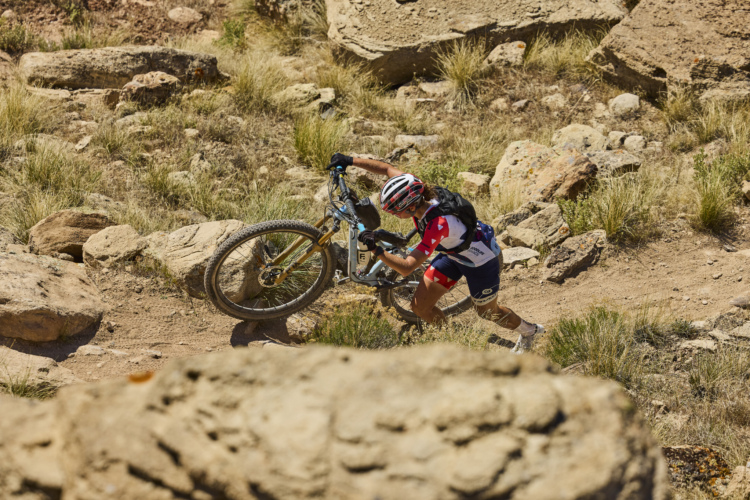
And because, you know, I probably all said and done, ran or walked or pushed, you know, about five to seven miles. Wow, all said and done. I mean, there was some really long, gnarly stretches where it just didn’t make sense to try to ride your bike.
Yuri Hauswald 11:05
And so it was a combination of my training that I’d been doing and the fact that I wasn’t afraid to get off my bike shoulder it ride, walk through these zones that were destroying bikes.
Jeff Barber 11:18
Yeah, yeah. I mean, I should have looked it up beforehand, like, what, what were the finish times like that year? I mean, were they, like, based on those conditions? It sounds like that’s, that’s got to be one of the, like, slowest races.
Yuri Hauswald 11:31
Possibly.
Jeff Barber 11:33
If you had to run all that, my goodness, that’s crazy.
Yuri Hauswald 11:36
It definitely. So my winning time was, I think, 13:01:37. So 13 hours, not land speed records by any stretch of the imagination, not my fastest Unbound in my history of doing two hundreds, either. I will also say that the race has changed dramatically since that time, the horsepower and star power has gone through the roof. So different event back then. But, yeah, not, not the fastest year for sure.
Jeff Barber 12:11
Interesting. Well. So I also want to talk about a race that that you started, I believe, and still put on the Bantam classic in Petaluma, California. How did that get started? And how does the event compared to like Unbound, or say like a UCI gravel race.
Yuri Hauswald 12:31
We’re as grassroots as it gets. Jeff,
Jeff Barber 12:35
Okay, what does that mean? People love to say that. What does that look like? Paint us the picture.
Yuri Hauswald 12:40
I will paint you a picture. We are nothing like Unbound or a UCI event. So, you know, it is held the first year I held it out of my backyard and had 60 people. And this is really an event for me to show off my backyard, bucolic country roads. Here, I live in a really amazing spot in Northern California that has access to really quiet backcountry roads.
Yuri Hauswald 13:09
I spend a lot of time on my road bike, and there’s a lot of punchy little hills out in the countryside here in Petaluma, where I live. And so it was riding those roads and being with some friends. And it was actually a bit of a nod to, like, the spring classics. I held it typically in March or April. And we have all these punchy little climbs that we would call Bergs, yeah, you know, like they do in Belgium. And so I it was just me riding with some buddies and like, oh man, we should put on a little event. It would be fun, and like I said, you know, the first year was us just partying in my backyard and going out. And it’s grown. I’m glad that you asked. I’m hosting it next weekend on May.
Jeff Barber 13:52
Oh, wow.
Yuri Hauswald 13:53
Probably have about 130 people. So it just gives you, I purposely kept it small. There’s no official web page. There’s the results are on binder paper, you know, stuck to in my garage. People always asking about results. I’m like, this event isn’t about your results, even though I do, I do podiums for one, two and three and men’s and women’s, but it’s more about bringing the community together, celebrating a beautiful place, throwing a great party, and then raising money for local causes. So for the last 12 years, I’ve raised money for the local high school team, mountain bike team, which my wife helped start. My wife was for 15 years, the director of the NorCal High School League, one of the founding League of sort of the high school cycling movement. And so we would donate, I would donate money to that team to help them. So really, no comparison between my event and Unbound or UCI. It’s fun. I had a local musician buddy who also grew up on a farm, who’s played music every. Year, have a DJ in the morning. It’s really just go out, maybe kick your friends in the teeth a little bit, and then have a good party afterwards and celebrate this place we live in. So that’s the Bantam classic in a nutshell.
Jeff Barber 15:14
Yeah, that’s cool. I mean, I’m always curious though. I mean, one: It sounds like you’re, you’re attempting to, you know, keep it small and limiting the number of racers. But I’m also curious, how do you balance that like, like people show up, they’re gonna want to race, they’re gonna want to compete, and like, how do you keep that like vibe from getting too competitive, you know, and staying this sort of like, fun event?
Yuri Hauswald 15:37
Yeah, that’s a good question. I think a couple ways I keep registration sort of hidden. And it’s almost like, if you know, you know,
Yuri Hauswald 15:48
And so that sort of limits who has access to my event. I’m not trying to be exclusionary at all. But like I said, I kind of try to keep this flying under the radar. The other bit is, you know, I at the racers meeting, I purposely say those of you who want to go out and smash it, line up at the front. Everybody else like line up behind them. And when we roll out and make the turn on to where the race starts, and again, there’s no timing mats, nothing like that. Yeah, super there’s somebody at the end writing your name on a piece of binder paper, you know. And those that want to, you know, drill it at the front. Drill it at the front. And we’re on, you know, really quiet roads, so not worried about a lot of traffic issues. And the race tends to sort itself out pretty, pretty quickly. So, yeah, those are the ways that I try to sort of balance that. But, yeah, I mean, we’ve, you know, in my first year, Levi lightheimer, a name that might ring a bell for who’s, you know, stood on, you know, the vueltas, you know, Vuelta podium, all that stuff he won the first year. Oh, wow. And you know, Allison Tetrick, who’s one Unbound, she’s a friend of mine, lives here in Petaluma. She’s won it, you know. And then we’ve had, you know, some local, local kid who, you know, wanted, I think two years ago he was all over 16, wow, you know. And then there’s some local masters guys and things like that. But really, I think most folks understand that this event is more about coming together, celebrating the cycling community, having a good time, and let those people who want to go and really smash it, they go. Everybody else kind of does it at their own pace, or party pace, or however they want to do it. The course is like 45 miles. So it’s not a super long day, but it’s, it’s lumpy. There are all these punchy climbs that that hurt at the end of those 45 miles.
Jeff Barber 17:50
Yeah.
Yuri Hauswald 17:50
So yeah. And then, and then, you know, we finish with a great meal and music and a raffle and a local brewery donates beer. And it’s just, yeah, it’s a super fun day. It’s one of the best days of the year for me. I just love bringing everybody together like that.
Jeff Barber 18:06
Yeah, that’s awesome. Sounds like a lot of fun.
Yuri Hauswald 18:09
You should come out sometime.
Jeff Barber 18:11
Yeah? Oh, I got the invite, sweet. I will be at the back.
Well, so you know you’ve been riding gravel for a long time, longer than a lot of people, given that it’s a relatively new genre. Do you think that gravel racing has changed over the years? I’m thinking particularly since 2022 when the UCI started adding their own gravel events.
Yuri Hauswald 18:37
Yeah, yeah. Gravel has. Gravel has grown up a lot in the years since I first started it, for sure, it’s changed dramatically. And I know there’s folks that would love to, like, retain the old, more grassrootsy way, right? You know, the spirit of gravel gets, you know, bandied about a lot. People like to make fun of that. And I think you know, as with anything you know, you could look at the trajectory of how mountain biking began. Mountain biking began as a very grassroots endeavor, and then grew into norba and UCI and all those things too. So I feel like gravel has seen a similar evolution, for sure, aided by folks like the UCI dropping in and creating events, or aided by, you know, lifetime who’s invested a lot of money, their own personal money, to raise the sport up, to professionalize it more. You know, I mean, when the year I want Unbound, everybody’s like, Oh, you must have got a sweet paycheck. I’m like, I got a belt buckle, you know?
Jeff Barber 19:45
Like, that’s the spirit of gravel, right there.
Yuri Hauswald 19:48
Right there. And I’m totally fine and great with that. And I love seeing where it’s gone now, I mean gravel, particularly with the help of lifetime. Time, and what they’ve done with the Grand Prix, it’s a space where young writers can carve out a career, you know, now because sponsors are really focused on it. It’s the segment in cycling right now that’s still growing. There’s there’s still, you know, I feel like room, room to grow for folks, and so you’re seeing brands invest in it. Technologically, we’ve seen a ton of changes over the years. So, yeah, I feel like, well, you know, I’m the grandpa on my porch, kind of being like back in my day, like I love to see where it has gone. And you know, my day job now, I manage elite athletes. I have multiple athletes that are at the front end of the gravel scene right now. Speaking of the UCI just had a rider, Daxton Mock win the first UCI gravel race that happened this past weekend.
Jeff Barber 20:52
Oh, wow.
Yuri Hauswald 20:53
That qualified him for worlds. So, yeah, it’s it’s fun to watch it. I know some people like I said, would like to have it stay as it was, but nothing really stays as it was, and things evolve and change. And I feel like gravel, if people don’t want a professionalized race, like an Unbound or something, there are plenty other options out there in the gravel scene. There are plenty of very grassroots events that you can still attend. That’s the beauty of gravel. It’s a very crowded calendar for better or worse,
Jeff Barber 21:26
Yeah, well, and when you’re talking about, you know, your Bantam, classic event I was thinking about, I mean, even Unbound itself, even the 200 there are plenty of people who who do it, just to do it. I mean, they’re, they’re there because they want the experience. They want to, you know, have fun riding their bike all day, and they’re not there to podium or anything like that. So, yeah, it does seem like gravel maybe is unique in that way, where you’re able to mix sort of, you know, the serious riders and the more recreational ones.
Yuri Hauswald 21:58
I think you hit it on the head there, particularly the fact that, you know, your amateurs often still get to line up with the pros and are riding the same course as the pros, right, which is part of the whole experience. You know, with gravel changing and speeds changing and become more professionalized, we’ve seen that changed, right, with separate starts for men and women and things like that, to try to, you know, make things more safe. But, you know, for most gravel events, like you get to toe the line with somebody you’ve read about on Cycling Weekly or something like that, which is really cool and unique. You know, you know, when I raced in the NORBA series in mountain biking, like you were in your category, those categories you started there. There was no mingling. While you may have been on a similar course as the pros, you weren’t like mixing it up with the pros on the start line. So that’s one of the unique things about gravel, I feel like, is that sort of overlap or sharing between pros and your regular folks who are just out there, like you said, to tick off a bucket list ride for them.
Jeff Barber 23:03
Yeah, yeah. You also, you know, you mentioned, sort of your involvement, connection with NICA over the years, and, you know, as a result of NICA, you know, we’ve seen, like more younger people getting into mountain biking. It seems to be working and helping. So I’m, I’m curious, do you think is there currently an opportunity, or maybe something in the future that can be done with gravel riding? Like, how are we getting young people into gravel riding? Why would they choose, you know, to, like, pursue this, this athletic ambition in gravel instead of like mountain biking or road biking, what’s, what’s sort of the path for young people?
Yuri Hauswald 23:45
Well, I think there’s, there’s a couple ways to answer that. First off, you know, with the professionalization of gravel, those young kids who may want to chase that 1% of trying to be a pro, right? There’s a path for them. Now, they can see folks like a Daxton mock who I just mentioned, mentioned who raced in the Wisconsin NICA League, and as a kid I’ve seen come up through the bear dev national program, there’s a path for them now. Do that you’re also seeing more events have Junior categories and highlighting youth participation. You know, it’s interesting, like the Kansas league is still considered a mountain bike League, though, there, to my knowledge, there are no leagues in NICA that have gravel races. They’re still mountain bike races. And so while a lot of those kids, particularly in the Midwest, I’m sure, do plenty of gravel races in junior categories, it’s still mountain bike focused.
Yuri Hauswald 24:49
But that can also be a great like gateway into exploring gravel, particularly because gravel tends to be a bit safer, less intimidating to. A lot of folks, right? Less technical at times.
Yuri Hauswald 25:02
So I still think there’s a ton of room for growth in youth development and gravel, particularly when you have a lot of events creating categories or shorter distances, right? That allow kids to like, you know what? Like the hundreds too much. Let me try the 50 and see how that goes and they can progressively work their way up, instead of, you know, jumping right into the deep end of a 200-mile race,
Jeff Barber 25:26
Yeah, that’s great. You also mentioned, sort of with how gravel has, you know, grown up and professionalized a bit over the last few years, that the bikes and the tech has changed. So like, how have the bikes changed since you’ve started riding and like, Are you keeping up with these changes yourself?
Yuri Hauswald 25:48
I am.
Jeff Barber 25:51
You’re not still riding the same bike that you were in 2013? 🙂
Yuri Hauswald 25:55
No. Well, gravel bikes didn’t really exist, right? So when I did my first Unbound I was on a carbon Marin cyclocross Cortina.
Yuri Hauswald 26:08
I think I had disc brakes, but I could barely squeeze 38 into the in because of…
Jeff Barber 26:16
Those are narrow tires.
Yuri Hauswald 26:18
Yeah, and that’s now that’s considered super narrow back then that was like, that was a whopper back in 23 get 38 on. You know, I want to tip my hat to brands like salsa and niner, who I feel like were the early pioneers, particularly salsa, of developing gravel specific bikes made for events like Unbound, you know, and then, so then, you know, you’ve seen a whole cottage industry essentially pop up around gravel. Gravel bikes designed specifically to handle bigger tires, different geometry, lower bottom brackets, specific tires, specific packs. You’re seeing gravel shoes, all the different things, you know, Arrow gains, all the things it’s progressively people just gone deeper and deeper, right? You’re seeing I think, crossover from, you know, triathlon and stuff like that, in terms of Arrow, as these pros, current pros, are looking for all the marginal gains that they can get out there in the Flint Hills.
Yuri Hauswald 27:24
So it’s changed dramatically, and it’s been really fun just to watch that progression of gear, you know, and how, you know, back when I first started doing it, 38 were considered big, and now, like, if you don’t have something bigger than a 45 people are like, right?
Jeff Barber 27:46
Yeah, I was gonna ask you about tire widths. I mean, we’re seeing, like, especially, not necessarily race bikes, like, maybe the more like recreational bikes, but we’re seeing tire widths that are, like, 2.2 inches, now, 2.4s, I think on some of the bikes that were at Sea Otter this year.
So I’m curious, is there a line where you’re like, that’s, that’s a draw bar mountain bike at this point, or, you know, or are these, like, is it different when you’re looking at gravel racing versus, like, what you know, the normal consumer might buy as a gravel bike?
Yuri Hauswald 28:22
Yeah, that’s a good question. You know, I’m guessing purists might say something like, about the tire width.
Jeff Barber 28:30
If it gets beyond something, I want to say above 2.2 I mean, that’s, I don’t know?
Yuri Hauswald 28:35
Yeah, I’m not putting a… I’m not putting my flag in the sand over that, because I’ll get ripped by the internet. But, like, you know, personally, I think, you know, whatever bike like makes you feel comfortable out there on the gravel, whether you’re running 30 eights or two point fours. Like, I’m all for it. Yeah, I do think. And I, you know, I saw some of those bikes you’re talking about, those are probably more like adventure bike packing type rigs, you know, that aren’t your racy bikes that you’ll see at Unbound in five weeks. So, you know, I mean, it’s part of what’s keeping I think our industry healthy is the the evolution and development of the gravel side, you know, keeping a lot of interest there. As you know, people sort of swing in and out of like road to mountain where, you know, we’re seeing this big push with gravel for the last few years. So I think it’s good for the industry. Personally, I don’t have a tire with that makes it a drop bar bike or gravel bike or anything like that. I just excited to see more people out there riding their bikes.
Yuri Hauswald 29:45
Obviously, bigger tires, better contact patch allows you to corner better, allows you to break better, maybe a little bit more cushion so it’s easier on your body and maybe protects you from the sharp Flint rocks out there.
Jeff Barber 30:00
Well, do you have thoughts on bigger wheels, like 32-inch wheels? Do you think we’ll see any of those at Unbound this year?
Yuri Hauswald 30:06
You probably will.
Yuri Hauswald 30:08
I will admit that when I saw 32-inch stuff starting to gain some traction, personally, I was like, can we just make it stop? Do we really need another real platform? But that’s just me. You know, I was also, you know, on the front end of 20 Niners back in the day. And people probably said the same thing about 20 Niners. I’m sure they did. Yeah, so I’m guessing we will see some 32-inch bikes at Unbound this year. I mean, I rode to Sea Otter this year with some folks from Easton, and somebody in our crew was on like, a prototype ish 32 inch gravel bike.
Yuri Hauswald 30:45
So we will, we will see them. But I don’t have, I haven’t ridden one. I don’t really have any educated thoughts on 32 inch wheels, besides my old curmudgeon way of saying, like, just make it stop. We don’t need another wheel platform. That’s just me.
Jeff Barber 30:58
Right on. Well, so tell us about the Lifetime Foundation’s Chase the Race initiative. So what does that look like? What’s the idea behind it?
Yuri Hauswald 31:10
Yeah. So the Lifetime Foundation has like three pillars underneath their sort of overarching goals, and they’re all, they all revolve around like youth movement, empowering kids to lead healthy lives. They’ve done something similar for years at Leadville. I believe it’s called the Dream Chaser. And they have a gentleman or female start dead last and catch as many folks as possible. They raise money, and I believe that money goes to the local Leadville community as part of I think college scholarships so empowering folks in that community to further their education. When Kristi Moen reached out to me with this idea, I immediately jumped at it, because I will say that I swore I was never going to do the 200 again, because I’ve done it six times. I’ve done the XL I’ve done most all the distances. It just wasn’t something that I thought I would do. But being a former elementary school teacher and seeing the power of movement and what bikes can do for kids, I immediately jumped and said, yes. So we’re going to be raising money for a bike park, a bike skills park that’s being built in Emporia, Kansas, and it’s going to provide kids with the ability to ride their bikes and perfect their skills. And they’re also going to work on some bike infrastructure in the town to allow kids to have safer routes to get out to gravel or the few bits of singletrack trails that do exist in town, so infrastructure that will allow kids who, maybe you know, live in a really trafficky zone to access places safely, and so that’s all I needed to know. It was going to benefit kids. It was going to be like this permanent thing that will live on forever. And I jumped at it, and I started working with a coach again, which I haven’t done in six years, because I want it to be my personal best when I tow the line in five weeks. So I figured if I’m gonna go all in on this, I’m gonna pull out all the stops to try to be my best self, to raise as much money as possible. Because to your question, like people can either donate a lump sum to me, or they can do 10 cents a rider, whatever, dollar rider, yeah, and then their amount will be predicated on how many folks I catch.
Jeff Barber 33:48
Yeah, wow. So I think, I think I saw last year there were 1,400-1500 people in the race. So how many people you think you’re gonna catch?
Yuri Hauswald 34:02
That’s the million dollar question, Jeff. I would like to think I could catch 500 to 700 people. You know, I have a goal of trying to beat my fastest time, which I set in 2017 which got me nowhere near the podium. Yeah, but it was 11:55 so I would love to if I could ride in that range. I think I can catch that many people.
Jeff Barber 34:30
Okay, how much of a disadvantage is starting at the very back of the pack? Like, once the gun goes off, or whatever, at the start line, how long is it before the last person crosses that start line?
Yuri Hauswald 34:44
That’s a good question. I’m not totally sure, because I’ve never started back there before. I’ve always been at the front, you know, called up. I’m guessing it’s going to be, at least, I don’t know, 10 or 15 minutes, possibly, to get those people to roll.
Jeff Barber 35:00
That’s a big gap.
Yuri Hauswald 35:02
Yeah somewhere in there. But, you know, I’m actually really excited to start from the back, because it’s going to give me a whole new perspective on the event. Like riding with and through, like, those folks we mentioned earlier that are there to, like, tick off this huge bucket list event for them, and have interactions with folks that I normally wouldn’t when I would start at the front and be, you know, out of breath and just focused on the race and everything. So while I will, you know, go as fast as I can, I am looking forward to having interactions with people along the way that I normally wouldn’t have.
Yuri Hauswald 35:45
I’m going to be riding with golden tickets. I’m going to have about 20 tickets.
Jeff Barber 35:50
Oh, cool.
Yuri Hauswald 35:50
And the idea is to stoke people out when they maybe say something to me or I say something to them, right? And we have this cool, unique interaction be like, No, hey, here’s a golden ticket. Make sure you come back to Merchant Cycles, which is the main bike shop in town. And a bunch of my sponsors have kicked in swag that people can then come in and and and win something just for having a simple like, interaction or hello with me. And so I’m really looking forward to that because, like, it’s been scientifically proven when we say nice things to others, it makes you feel better about yourself, and you like, go faster. So it’s, like, stoked to get stoked, and so hopefully, like me passing out those tickets will allow me to go faster and reward somebody at the end of their long day with a cool piece of swag from Gu or Castelli or Giant or Garmin, you know, all folks who are, who are getting behind this fundraising effort.
Jeff Barber 36:52
Yeah, yeah. It seems like for sure, you’ll, you’ll have more fun with the folks at the back of the pack. I remember a few years ago, a couple of folks did the race on, like, beach cruisers. And maybe that wasn’t, were you one of them?
Yuri Hauswald 37:07
No, oh, that was epic.
Jeff Barber 37:09
Yeah. It was like, Oh man, that’s a lot of fun.
Yuri Hauswald 37:14
Yeah that was, yeah. They, I think they bought Walmart bikes.
Jeff Barber 37:17
Like, the night before.
Yuri Hauswald 37:20
Then retrofitted them a wee bit, just to, you know, make sure they could possibly make it through. But, like, yeah, that was a really fun experience for them. And so, yeah, I’m, I’m looking forward to having more fun this year, but also go fast, as fast as I can go, yeah, because the faster I go, the more money I can raise.
Jeff Barber 37:40
Yeah, right on. Well, you know you’ve been, you’ve been going back to Emporia year after year, and now, you know you’re doing this fundraiser to support the local community. I’m curious, like, how does a guy from the West Coast fall in love with the Midwest? You mentioned, like the people there? And, I mean, obviously that’s a big part of it, is there is there other aspects of it that, like, you really connect with being someone from the West Coast, like, like, how different is it?
Yuri Hauswald 38:12
Very different. It’s very different. But it truly was the community out there when I first landed in Emporia that really just sort of lit my fire, about about gravel, whether it was from, you know, the sort of original founders of Unbound, who I became friends with because of our, you know, Gu’s relationship with the event, or folks who don’t even ride bites, but are part of that community that love this event that sort of transformed their town. I’ve had countless encounters with people over the years that just speak so highly of this weekend. You know, you I’ve seen it grow in my time, too, of families that set up like makeshift aid stations at the base of the road and are out there with signs and cheering people on like I’ve never really experienced that here in any of the race. Granted, this was sort of pre-gravel racing in California, but I’d never seen anything like that, in terms of a community really getting behind this event. I mean, it truly is a spectacle. And I, you know, was lucky enough to, sort of, you know, become friends with some of the original founders of the event. I helped found the camp that has been happening ever since 2014 so I’ve been going back as like a coach or a teacher to help, you know, arm people with knowledge and skills to navigate the Flint Hills, because that place has changed my life, you know. And then. I will say that, you know, I’ve sort of got like, non blood family there now, because of my years of going back, because of my experiences at the camp, because of doing fundraising for local causes, which I’ve done before. There, there’s a there’s a youth safe house there called Bloom house that I’ve raised money for before, that provides, you know, shelter, food services for kids who are marginalized. I’m also part owner of the bike shop there in town now. Cycles with Tim and Christy moan. Bobby Wintel and I, founder of Mid South, are part owners of that shop. So like, it’s become the part fabric of my life. You know, I would like to say I have a niece and nephew who aren’t blood to me, but are like a niece and nephew, one of whom is Mason Moen, who sort of helps run Unbound. So, yeah, I can’t really put my finger on, like, exactly how all of that started, but you add up 13 plus years of me going there, and this is where we’re at right now. And so, like, I will continue to go back to this event, whether I’m doing the 200 or not, just because it, it pulls on my heartstrings, and it is like, such a, like, a integral part of of, like, my career extended. That event is essentially extended my career. You know, like you said in the intro, I won it when I was 45 Yeah, I’ll be 56 this year, and so, and I still have sponsors that support me, but they don’t care. Like that, I’m not really a competitor anymore. And so anyway, it’s just, yeah, it’s hard to totally, like, put my finger on exactly what it is about that. Then it was sort of a culmination of all of all those, you know, experiences over the years with folks in the community, folks who’ve helped start the cycling team, and folks who run the local businesses, and just relationships that I’ve built in that time bring me back.
Jeff Barber 42:10
Right on. Yeah, it sounds like you’ve formed, yeah, some amazing connections there and and have roots now in the community, which, which is awesome. And, you know, kind of like, some of the press materials for this chase the race fundraiser mentioned that you were coming out of retirement to do this. But it doesn’t sound like you’re actually, you know, you never really left, right? And I’m guessing you never really will, right. So, like, yeah. I mean, how can you retire from this?
Yuri Hauswald 42:38
Yeah, you can’t. Yeah, that was, you know, semantics. I think the retirement is retirement from doing the 200s. Because, you know, after, after logging six, you know, I have my gravel grail of doing five. I just figured that I didn’t need to put my body through doing more 200s there. So, you know, the last two years, I’ve actually ridden the 50 with friends who were experiencing the Flint Hills for the first time. And that was those were both extremely rewarding experiences. One was with Lisa Kong, the artist last year who’s helped, she helped do the design for my chase the race kit this year. And she was coming back from double knee replacement surgery, and so I was like, Lisa, let me help guide you through the 50. And we had an amazing day out there. So, yeah, retirement, not totally true. I ride a lot. You know, I will never stop riding my bike. Yeah, I will continue coming to Unbound, but I probably won’t, you know, do the 200 again after this year, but I’m not retired, that’s for sure. But you know, slapping on a number plate isn’t what really motivates me anymore. At one point in my career, it did, but right now, it’s, it’s more trying to share this event or an experience with others who haven’t experienced it, because it’s meant so much to me.
Jeff Barber 44:07
Well, so outside of racing, which, you know it sounds like you’re you’re definitely doing less of, what does a fun ride look like for you? Like, what do you do when you just want to go out and have some fun? You’re not training. You’re just like, I want to go for a good ride.
Yuri Hauswald 44:23
Yeah, it could involve a lot of things. I spend a lot of time on my road bike, which a lot of people scratch their head. They’re the gravel guy. I’m like, Well, I don’t have any gravel in my backyard.
You know for me, like, there’s a couple ways a fun day manifests itself for me. You know, it’s heading out to the coast on my road bike. I live near Highway One, hitting a bakery or two on the ride.
Jeff Barber 44:51
Sounds like a good ride.
Yuri Hauswald 44:52
Yeah. I also still enjoy, you know, doing big adventure rides like up in the Lost Sierra zone, up in Tahoe. Going out on, you know, the endless roads up there and exploring new zones with friends. I love going out on rides with my wife, and, you know, having a great day out there. And maybe it revolves around ending with a meal, or ending at an amazing camp spot or something like that. You know, fun rides for me these days too. And then this is sort of speaks to the evolution of my career of being less of a competitor. I’m trying to be more of a creator. These days. I’ve started a film series called horizons that two of my sponsors, Giant and Castelli, have helped fund. I just shot my fourth film in March down in Arizona, and the basic idea of these films is highlight a place that has impacted me and I’ve loved riding in and then share it with others in a way that hopefully inspires them to go explore it. Either maybe it’s a credit card tour, or some have been a one day ride. The one I most recently shot is which will be released at Unbound I call the Dirty Lemon, which is a ride around Mount Lemmon outside of Tucson.
Jeff Barber 46:13
Cool.
Yuri Hauswald 46:14
Yeah, a big, epic day. So, yeah, fun rides for me often revolve around exploring zones that I can then maybe tell a story about. I write for Fausto magazine here or there, and so I’m trying to still scratch the itch of loving cycling, but express it not through racing, but through creative means now, in the hopes that it inspires others to go out and do the same.
Jeff Barber 46:41
Yeah, that’s awesome. Well, yeah, you mentioned that you know you’ve done, you’ve explored some routes, like up in the Lost Sierra, I think in Oregon as well. And so I’m curious, though. So exploring and going new places is always a lot of fun. What are the places that you think are worth going back to and riding again. I mean, Emporia, of course, but what like are there other spots that are worth another ride? Let’s hear your like top two or three.
Yuri Hauswald 47:12
Okay. Well, if people have the means to go here, I highly recommend going to Iceland. I was part of a crew that got to scout the rift course back in 2017 and I’ve done that event multiple times. But that landscape is just so otherworldly and mind-blowing that if you can go ride in Iceland, I highly recommend it. Girona, Spain is another favorite of mine. I will be heading back there this June. I shot a video project over there two years ago with Jack, ultra cyclist, an athlete I’ve worked with, and that was a bike packing credit card journey along the Costa Brava.
Jeff Barber 47:57
Oh, cool.
Yuri Hauswald 47:58
If Patagonia, Arizona isn’t on people’s lists. It needs to be a very magical zone along the Mexico border, just south of Tucson to explore on gravel bikes. Sun Valley and Stanley, Idaho are also really amazing zones to ride your bike on with very few people.
Yuri Hauswald 48:22
I mean, there’s, there’s countless. I also shot a Horizons in probably one of the most you like remote zones in the United States, Ely Nevada. When I say Ely Nevada, most folks are like, where?
Jeff Barber 48:36
Yeah, we’ve heard a bit about it.
Yuri Hauswald 48:37
Ely, Nevada is at the eastern terminus of highway 50, which is, you know, the loneliest highway in the United States, very deep zone, but tons of riding potential there gravel mountain and so, yeah, those are just a few of the places. Obviously, Colorado has endless miles of gravel, but those are some of my top spots that I would recommend people go check out if they haven’t already.
Jeff Barber 49:05
Yeah, awesome. Well, I mean, part of like, exploring, I imagine, is that you’re, I mean, you’ve been to all these great places, you’re hoping to find, like, more great places, or like a place that’s even better than you know, the places you’ve been before and so but now I’m curious, like, Are there places that you went and you’re, like, not going back or, like, it didn’t quite live up to, you know, what you thought it was gonna be?
Yuri Hauswald 49:30
Um, I think I’d be hard pressed to find a place I wouldn’t go back to at this point. I mean, you know, I yeah, I haven’t really had any experiences at an event where I was like, I don’t think I would ever ride here again.
Jeff Barber 49:51
Interesting. It sounds like you’re able to make the best of, you know, find the fun in whatever you’re doing.
Yuri Hauswald 49:57
Yes, “fun,” air quotes around fun. Because some people wouldn’t consider what I do fun.
But yeah, I don’t have any spots where I was like, Ah, I’m never gonna ride there again. Mainly, you know, for me here, it’s trying to avoid cars and on the roads when I’m riding is the biggest hang up for me, and it that actually predicates like, where I ride my bike more than anything else, is the amount of traffic. And that’s, as we mentioned way earlier in this that, you know, that’s one of the beauties of gravel, is there’s not a lot of traffic out on these roads. And that’s one of the things that I think that has attracted people to this discipline, is the relative safety of being out on those, those, you know, gridded for the most part, roads in the Midwest.
Jeff Barber 50:45
So you know, you’ve reinvented yourself several times over your career, you know, moving from teaching to riding bikes, and then even within cycling, you know, you did mountain biking and gravel biking. And so I’m curious, like, what’s next? You mentioned being a creator, but in terms of, like, the style of writing, are you seeing, like, new sort of formats or things that have you excited about, you know, trying more new things in the future?
Yuri Hauswald 51:16
Yeah, that’s a great question. Um, you know, I still feel like I’m in the creative chapter of my evolution as a racer or rider where I’m going to lean more into doing more creative projects, because that brings me a lot of joy in terms of, like, Unique race formats. You’ve seen many events and like Pete stetna is pay dirt comes to mind that have implemented, like an enduro style, where you race certain segments and then people regroup, ride to the next segment, race that. And so that’s been, you know, a fun format to embrace. I’ve done Pete’s event a few times. His event, I think, is coming up in three weeks, Carson City, and, yeah, he has done a lot to help bolster that format where, you know, everybody rolls out sort of as a group. There’s more of the community vibe. But then, you know, when that first segment hits, like game on, people race it super hard for however long that is, and then people come back together. And so that’s been a fun format to explore. And you know, there’s also an event series out here called the grasshopper adventure series that many would consider sort of one of the first to do, like mixed terrain type events that come on road and gravel, and it’s Miguel Crawford. He was inducted in the Hall of Fame the same year as me, which was really serendipitous, because his event series was foundational in my development as a rider, way back in late 90s, when I was getting into racing, I discovered his events. So yeah, and he’s also got events that have, like this enduro type style of segment racing. So it’s it, there’s, there’s, there’s more camaraderie with that because people tend to band together after the segment ends, catch up, refuel, ride to the next one, then pin it. So, you know, doing events like that, you know, I would love to, like, explore other events that I haven’t done. You know, something like the troca in Girona might be fun to check out. Because I do enjoy traveling. And Girona is a really special place. So yeah, those are sort of my thoughts on that.
Jeff Barber 53:46
Yeah, awesome. Always lots to explore and new things to try. So yeah, Yuri, thanks so much for joining us, sharing your story, and good luck in your efforts at Unbound this year.
Yuri Hauswald 53:58
I really appreciate the opportunity to chat with you, Jeff, and thanks for sharing the Chase the Race fundraising ride,
Jeff Barber 54:05
Absolutely. Well, that’s all we’ve got this week. We’ll talk to you again next week.
The news stinks. Why not follow Singletracks on Google News to bring more joy to your day?


0 Comments