

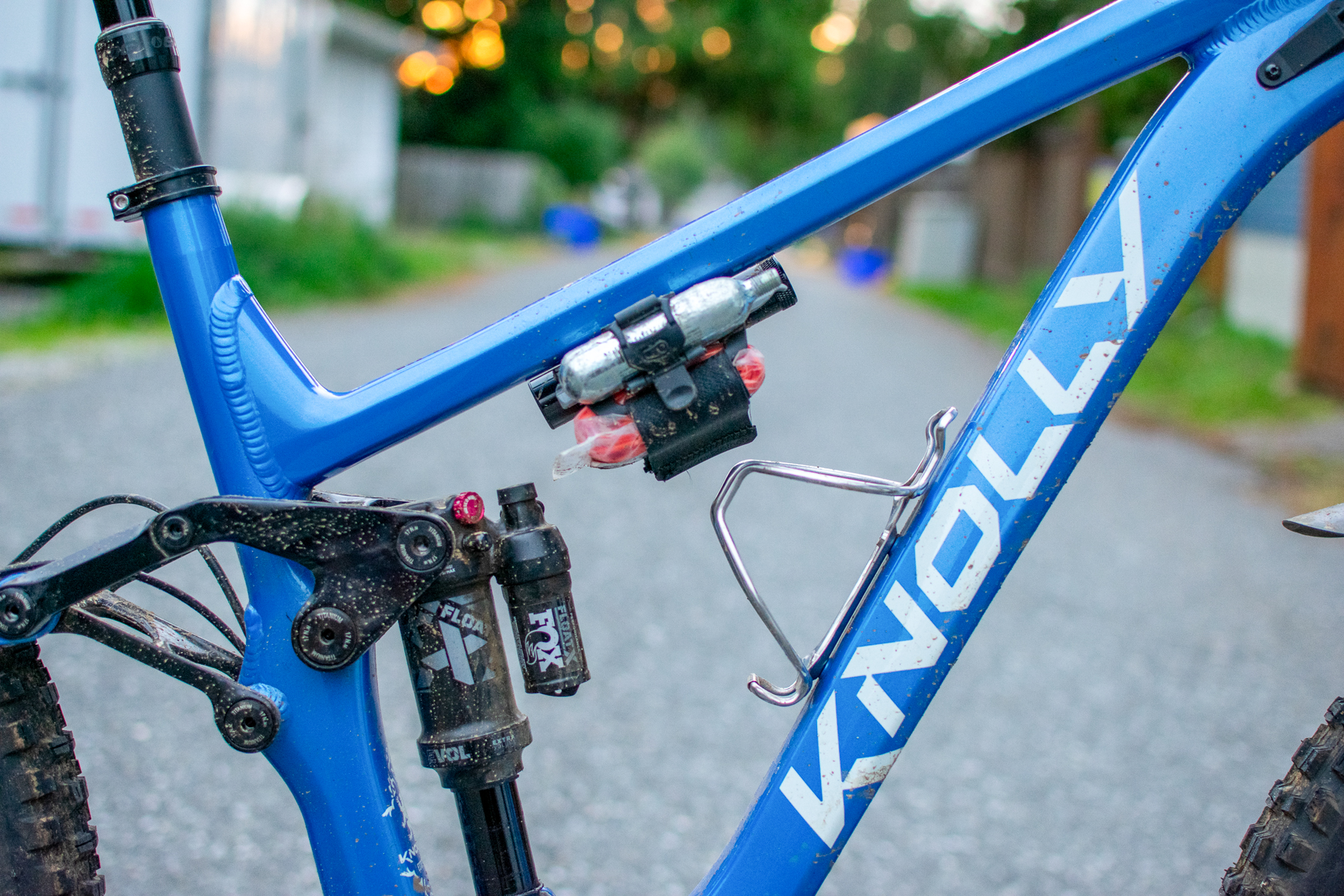
North Vancouver, BC-based Knolly Bikes announced today that it is evaluating options to restructure. Like many bike brands, Knolly has faced challenges and has been working to right-size the business based on the current environment.
The company’s bank, RBC, has called their account
In a press release shared with Singletracks and posted on the Knolly website, Knolly says RBC is calling and writing down the bike brand’s account. Put simply, RBC is ending its financial relationship with Knolly and has signaled it doesn’t expect to recover the full amount owed.
What this means in terms of Knolly’s ability to borrow in the future and/or repay existing debts is unclear. However, a notice posted online on March 13 announces a receiver was appointed for the business on March 11. Though receivership is legally not the same as bankruptcy, the notice reads, in part, “for information on the assets for sale, please contact Morris Choo.”
Knolly Bikes Founder and CEO Noel Buckley wrote that the bank’s actions are particularly disheartening at a time of record profits for RBC.
Founded in 2003 in North Vancouver, British Columbia
Buckley started Knolly in 2003 to build mountain bikes that were durable and capable enough to handle the demanding trails found in the North Shore. Their V-Tach prototype was a success, and In 2004 the company sold out its first production run of bikes. Knolly went on to create their own patented Fourby4 suspension system and Offset Seat Tube Design (OSD).
Knolly famously escewed carbon bike frames, preferring to work in 6066-series aluminum but also steel and titanium. For a time the Knolly Warden enduro/freeride bike was offered in carbon. Unlike most bike brands, Knolly did not offer an electric bike.
For Spring 2026, Knolly was planning to add another gravel bike to the lineup, the Tantalus, “a new ultra-premium titanium performance gravel bike.”
What this means for Knolly’s future
“We are now in a position where we must evaluate all restructuring options to determine the best path forward,” Buckley said. “This is not an obituary. I started Knolly in a garage because I believed I could build a better bike. I still believe that. The question in front of me right now isn’t whether Knolly should exist — it’s what Knolly needs to look like to keep existing.”
In the near term, the brand is prioritizing the support of their staff and customers. Knolly promises they “won’t leave any customers hanging” and says that just a few open orders are remaining to be resolved. As of press time, the Knolly website is not accepting new bike orders, with all models, including closeout items, listed as “Sold Out.”
“Knolly frames are built to outlast trends — that was always the point,” Buckley wrote. “I will keep you informed, honestly and without spin. That’s the only way I know how to do this. More to follow.”
The bike industry continues to face challenges
Multiple bike brands have faced financial challenges over the past several years, the result of supply and demand mismatches brought on by the Coronavirus pandemic. Initially, demand for bikes far outstripped supply, and many brands increased future orders to meet projected demand. However, the increased interest in bikes proved to be short-lived and fell far short of projections, leaving companies with massive inventories and few buyers.
In 2025, popular mountain bike brands YT and Revel faced insolvency and were ultimately re-purchased by their original founders. Alchemy, a Colorado-based bike company, put its brand assets up for sale, though it does not appear the brand has found a buyer. In 2024, big bike brands including Kona, GT, and Rocky Mountain faced their own financial difficulties.
The news stinks. Why not follow Singletracks on Google News to bring more joy to your day?





5 Comments
Mar 19, 2026
Mar 21, 2026
Mar 21, 2026
If payments were timely, one would be compelled to ask, WTF, and try to sort out the situation.
Mar 20, 2026
Mar 21, 2026
One, spending like drunken sailors
Two, expanding through credit.
Eventually, both of those are a guaranteed failure!!
Growth can happen, provided income is reinvested within, as opposed to squandered while increasing dependency on credit. Eventually, there is no cushion available when sales are down by a small percentage and payment is no longer met.