


Editor’s note: this article originally appeared in the February 26, 2026, Singletracks email newsletter. It’s free to sign up, and you’ll receive links to the week’s top articles plus original content just like this in your inbox each week.
I don’t mean to brag, but I can fix a flat mountain bike tire pretty dang fast. A friend once compared me to a member of a NASCAR pit crew, and while that’s definitely a stretch, I’m confident I can get a busted tire rolling again in no time flat.
When I first started mountain biking, I was scared to death of getting a flat tire. On more than one occasion, I decided to walk back to my car rather than waste time trying to fix a flat trailside. Over the past two decades of riding, I probably only flatted one or two tires a year, which wasn’t nearly enough to turn me into a pro tire wrangler.
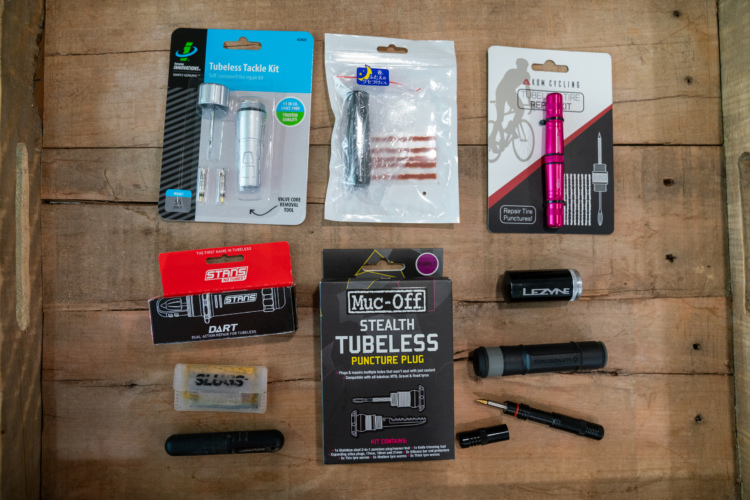
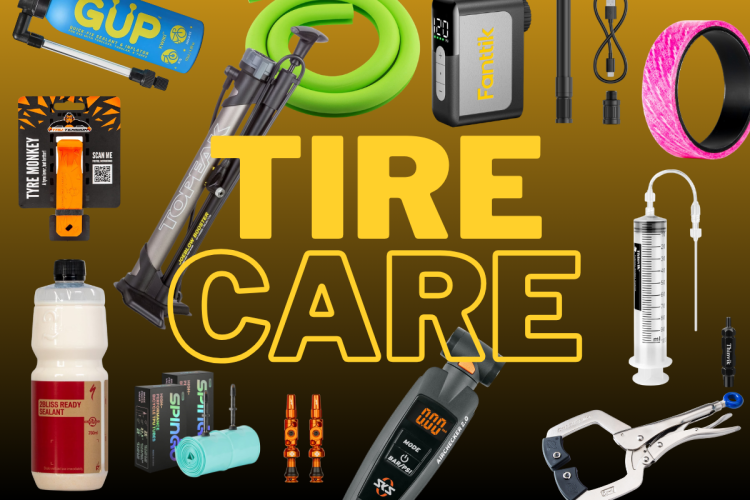
Then, I unintentionally stumbled onto what I had been missing: practice. For this tubeless tire plug test, I poked dozens of holes in my tires before plugging them with various tools. Another time, I inflated tire after tire with various mini pumps to see how quickly each one would work. And because I’m always testing new tires, it’s not unusual for me to swap four tubeless mountain bike tires between bikes on a random Saturday.
Every now and then, I’ll see a rider on the trail with a tire plug in hand and a confused look in their eyes. They’ve purchased the tool, but they have no idea how to use it. I’ve been there myself, and it’s not a great feeling. If only we had practiced!
Most, if not all of us, understand that practice makes progress when it comes to bike skills, and I’m here to argue that the same goes for emergency bike repairs. It might seem silly at first, but poking a bunch of holes in an old tire and then patching them will have you feeling confident in thirty minutes or less. The same goes for taking a tire off the rim and putting it right back on in your driveway. Bonus points if you can eventually do it without using a tire lever!
Though tires generally give us the most problems on the trail, drivetrains can be real boogers, too. So pick up an old chain and practice adding and removing links with your chain tool, and fiddle with that barrel adjuster until you finally understand how it works. One day — perhaps even sooner than you think — you’ll be glad you did.
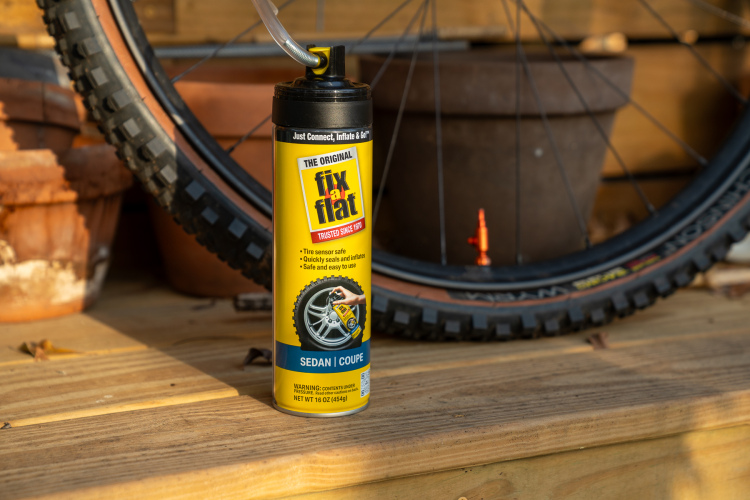
For the past several months, I’ve been riding around with a can of GUP, a product that combines tire sealant with an inflator. I watched a video online to learn how to use it, and I felt prepared for the next emergency. That emergency never came, so I finally decided to give it a try in the backyard.
It was a disaster.
Sealant went everywhere, and I struggled to cap the valve when I was finished inflating. If this had happened to me on the trail, I surely would have been walking back to the car.
So, I bought a fresh can of GUP to give it another try in my backyard. Practice won’t make me perfect, but I’m convinced it very well could save my next ride.
Sign up for the free Singletracks newsletter to get more exclusive content like this delivered via email each week.
Keep up with the latest mountain bike news by adding Singletracks as a preferred source on Google.


1 Comments
Mar 11, 2026