

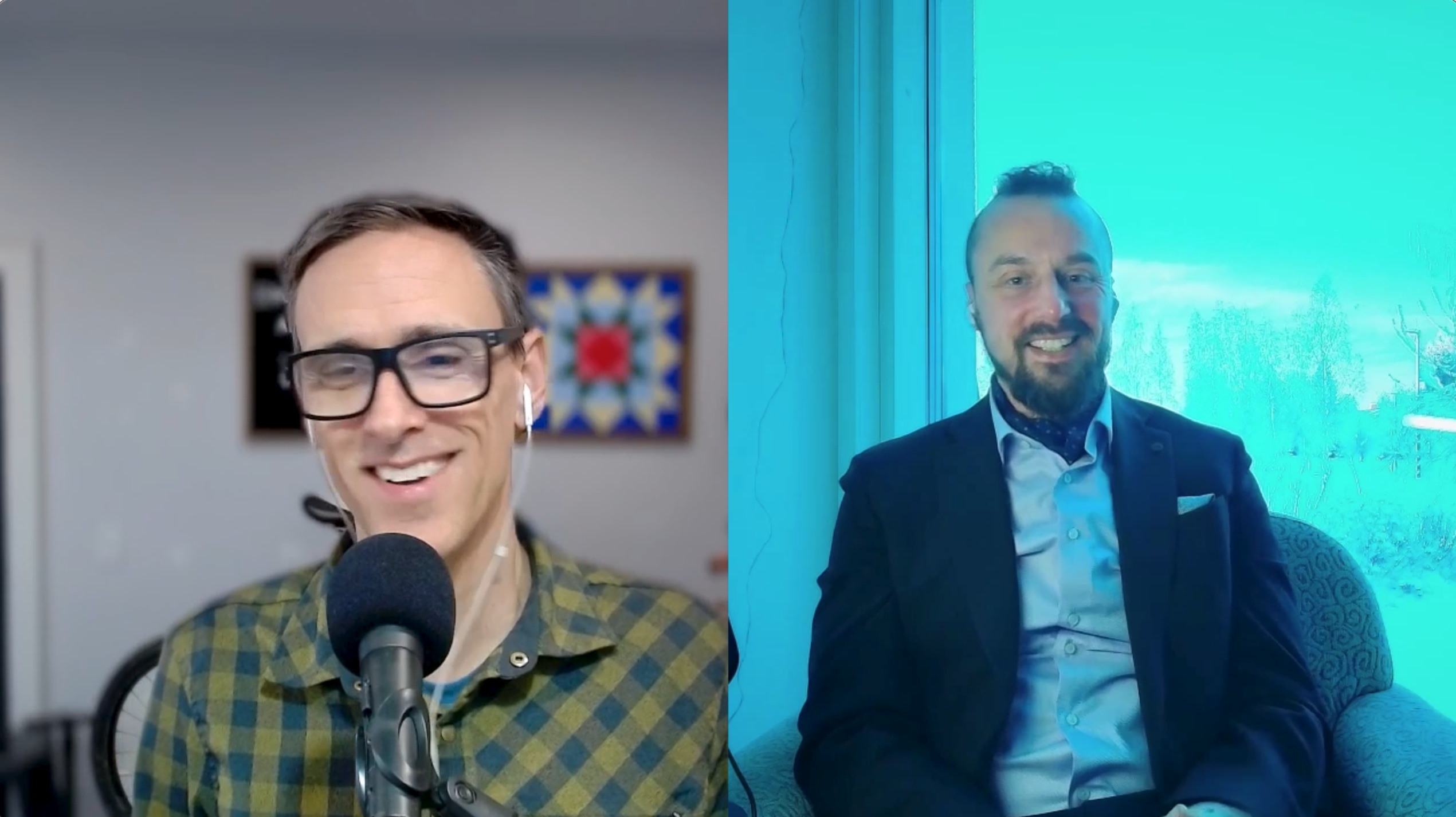
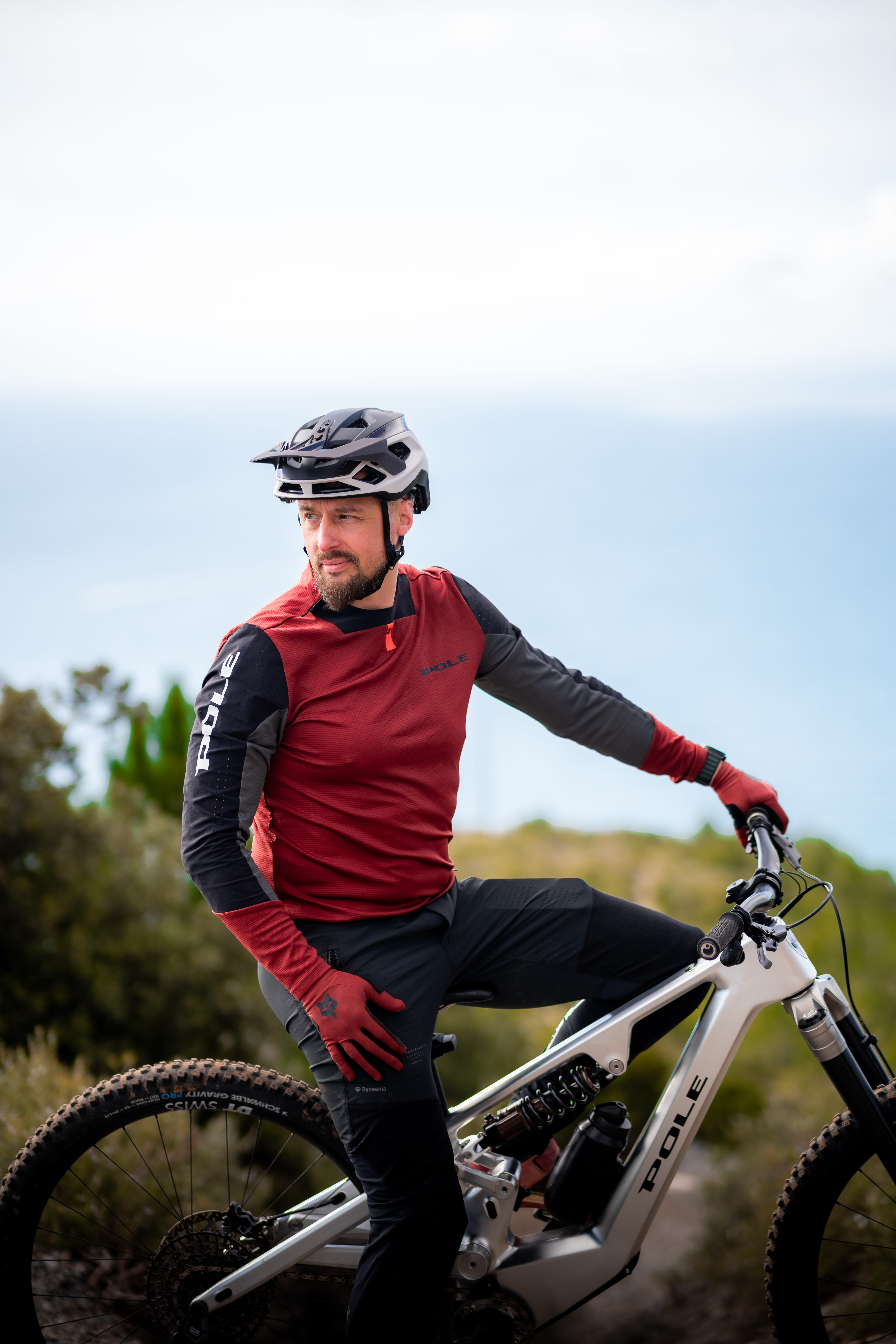
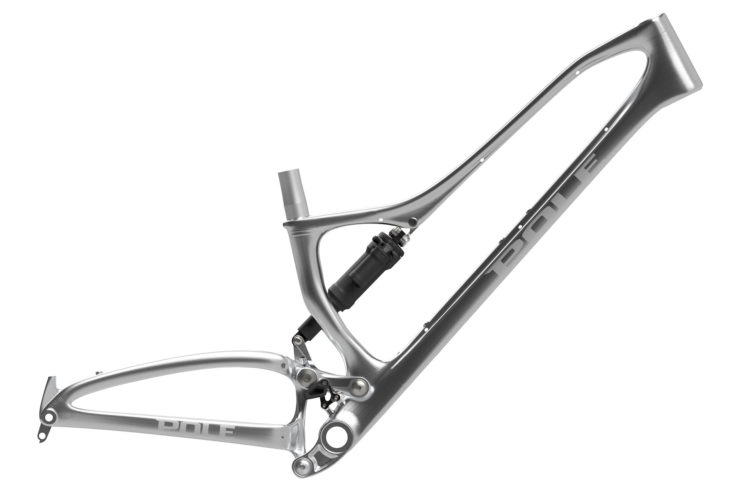
Leo Kokkonen is the founder of Pole Bicycles, a boutique mountain bike brand based in Finland that’s known for its innovative design and construction techniques. Founded in 2013, the brand was forced to file for bankruptcy in 2024, but now they’re back with a brand new prototype and a desire to continue pushing the envelope.
- Why start a bike company in 2013? What did you want to do that wasn’t already being done
- How did the mountain bike community react to your geometry ideas back then?
- In 2017, you were planning to produce a carbon fiber bike. But then you decided not to. Why
- How did you come up with your process for machining frames out of aluminum?
- What are the advantages of designing and manufacturing bikes in Finland? What are the challenges?
- What are the MTB trails like in your area of Finland?
- Tell us about the challenges Pole faced that ultimately led to bankruptcy. What happened? What did you learn?
- What can you tell us about the latest prototype you’re working on?
- How has your production method changed?
- What’s next for Pole?
Visit polebicycles.com to see the bikes and to keep up with the brand.
Support this Podcast
- Review the Singletracks podcast on Apple Podcasts or drop your feedback in the comments below!
- Make a donation to help sustain future episodes.
- Become a Singletracks Pro Supporter.
Never Miss an Episode
- Listen on Spotify
- Listen on Apple Podcasts
- Listen on Google Podcasts
- Listen on Stitcher
- Listen on Overcast
- Get the RSS Feed
- View all Podcast Episodes
Automated transcript
Jeff Barber 0:00
Hey everybody, welcome to the Singletracks podcast. My name is Jeff, and today my guest is Leo Kokkonen. Leo is the founder of Pole bicycles, a boutique mountain bike brand based in Finland that’s known for its innovative design and construction techniques. Founded in 2013 the brand was forced to file for bankruptcy in 2024 but now they’re back with a brand new prototype and a desire to continue pushing the envelope.
It’s a story of innovation challenges and resilience, and I think there’s a lot we can learn from Leo’s journey. We’ll talk about why he started poll some of the bold design choices the company has made over the years, and also what’s next for this unique brand? Leo, welcome to the show.
Leo Kokkonen
Thank you. Pleasure to be here.
Jeff Barber
So take us back to the beginning. Why did you want to start a bike company in 2013 what? What were you trying to do that other bike brands weren’t already doing?
Leo Kokkonen 0:57
Well, obviously, it was the geometry. Yeah. Yeah. Enduro was getting bigger. I was mainly downhilling myself. And I have a like, Well, when I was a kid, there was an A mountain bikes round, and had to save a lot of money to buy one, and it was a like an 90s on a bike, which was all of them, pretty much, XC bikes, more or less, yeah, and yeah, the geometry of the Android bikes weren’t there, actually, if you look, look, look everything back then, most of the bikes were quite horrible to pedal uphill and quite horrible to ride downhill. So the seat tubes were very slack and head tubes were quite steep. So they were more like, I would say, like from road bikes kind of, but downhill bikes were great. They were they had a like Slack head angle, and everything was fine. However, the reaches of download blocks have also grown so okay, the weight balance between the axles. That was the thing. So I just got a mule. It was a canine. DH, 1000 s, it was Luis arises bike, and, yeah, I just put minus two head, head cups and put a 140 fork, 141 40 fork, so the front drop, but the head angle was pretty, pretty good. And at the same time, the C tube kind of rocked forward, yeah. So that bike was quite ideal to pedal, but the handlebar was really close to the knees because there wasn’t enough reach, right, yeah. So I was like, I’m on to something. And I really love this sport. I would like to make a bike that is kind of doing it all bike.
Jeff Barber 3:07
And did you know anything about making bikes? I mean, it sounds like you kind of cobbled this together, you know, using stuff you could buy off the shelf. But what like, How’d you make that next leap where you said, I can make this, or I know somebody who can make it. What? What did you do?
Leo Kokkonen 3:25
Yeah, it was BTR fabrications, who I contacted. Could, could they make a mule? So BTR was also working with, I think tam was, who is not anymore at BTR, but it was Bert and tam racing. BTR and Tom was working for Louis when he Lewis did canine. So Louis is a guy who was in Cannondale just now. I think he’s a teacher or something like that. I don’t have exact knowledge of that, but nevertheless, Tam and buff made a first mule for us, and I started testing that. And initially I didn’t have an idea of putting up a bike, bicycle brand, but kind of it was just…
Jeff Barber 4:19
You wanted that bike for yourself? Was that kind of the initial thought?
Leo Kokkonen 4:25
And yeah, I had an industrial design company so, so design, like engineering design, it wasn’t a problem to me. I kind of knew what to do, threed modeling and stuff. And, yeah, that was the kind of get go. We got the bike and tried it, and it was pretty good. And pretty much right away, I thought maybe I may make a like some batch in Taiwan. And I didn’t have any connections, I just went to Eurobike with my friend and started asking questions. And. Uh, pretty soon we were in Taichung and, wow, there we go.
Jeff Barber 5:06
Well, so was that test mule, that first bike? I mean, was it, it was perfect, as it was, like, everything you liked, everything about it, or were there things that you had to change, or what was kind of that process like?
Leo Kokkonen 5:20
Quite far from perfect. I mean, we tested as well this kind of concentric link at the bottom bracket. So basically the suspension bearings were also like BB bearings. So while my idea behind that was that I wanted the eliminate a lot of anti squat as well. At the same time, I thought we we make more balanced suspension. By doing that, it was very, very good to ride downhill, but the hardest part was to get the suspension linkage progressive enough to work with the because the single pivot usually is not very progressive. It’s more like regressive, more or less and well, we thought that we could play around with the like the air with the air shocks the volumes, but the shocks back then weren’t that adjustable as they are now, but it worked pretty good. I won some competition as well, dH national championships with the mule in masters, not in elite, but masters. So it was pretty good. It was very the geometry was very good, and that was the main thing, when we realized that, like the the bikes, geometry defines a lot of its characteristics, so it plays a huge role, as well as all the other kinematic features like anti squad leverage ratios and stuff.
Jeff Barber 7:07
Well, so that geometry at that time it was, it was, sounds like it was very different from the other bikes that were available that people were racing. How far off? I mean, this was 13 years ago so how far off is are like today’s bikes compared to that one like, like, were you? How far ahead of the time were you? Have we progressed beyond sort of what you were doing in 2013?
Leo Kokkonen 7:41
Well, in terms of our bikes, truly, the first ole geometry that we have now was 2016 which was the evolink. Okay, so we, well, mainly we just steeped in up the C tube angle. Okay, that was probably a little bit played around with reach, but that bike was quite close to what, what it is at the moment,
Jeff Barber 8:10
Like, what was the seat tube angle on that? Do you remember?
Leo Kokkonen 8:17
I think it was some somewhat 75 ish, and that at that time, most of the bikes were like 73 or something like that. So, yeah, adding two degrees was radical kind of but now we’re at 80 degrees, right?
Jeff Barber 8:35
So, a little bit further.
Leo Kokkonen 8:37
Yeah, but yeah, it was like 2016 was the biggest like milestone for for us in terms of geometry, we kind of locked it in. And I kind of play around with that geometry numbers still today. So I kind of did a lot of research with the geometry, and now I kind of balance it out with all the other kinematic numbers. So geometry is like, I don’t see the geometry as, like, static. I always look at the dynamic geometry of the bike. So when you hop on the bike, if you have, like, less travel in rear, like, like a hardtail, your head angle will get very steep when you hop on the bike. So in terms of dynamic, where the suspension kind of is when you ride, when you corner, and all that kind of stuff, and yeah, currently, what I think is the biggest upside of the geometry that I did for the latest two bikes, like only Sony, and the prototype that we have that you can throw in 650 B in a rear, make it a mullet, and you don’t need to do anything with like no flip chips, anything, and it’s totally the characteristics pretty much the same. And with the 29 or 650 B setup, but you get more room for your bum with a smaller wheel.
Jeff Barber 10:08
Yeah, yeah, cool. So in 2017 I believe you were planning to produce a carbon fiber bike, but then it sounds like you decided not to. What made you change your mind about using carbon?
Leo Kokkonen 10:23
Yeah, it was a there was a quite a lot of different reasons behind it, but the main reason was that I want to be a part of, like trashing the environment with ocean fail with the carbon waste. So the factory. Factories that are making carbon fiber bikes, they have a problem with the cutting waste. So, so when you’re doing the layup, you have this prepreg carbon fiber and epoxy mixture, and you need to cut out all those pieces that you’re gonna bake into a frame, yeah? And it’s like, making, like a cookies, you have this cookie cutter, yeah? And you, you kind of make those cookie cookies from, from the dough that is kind of rolled into a flat, flat surface. So, so you, you are left out with the dough and but when you making cookies, you can kind of…
Jeff Barber 11:30
Yeah, you can, like, mash it all back together.
Leo Kokkonen 11:32
Mash it out, yeah, and roll it again. But with carbon fiber, that’s not the case. You You’re left over with toxic, uh, compounds. So you have carbon fiber and also the resin, and you can’t really burn it without putting a lot of emissions that are not healthy, and therefore it’s either a landfill or ocean fill that is in India, China, yeah, I don’t know how they do it now, but that was the case back then. And, yeah, there’s some ways of kind of down cycling that you can these days. You can put it in plastic. You can make carbon, reinforced plastics and stuff. But still, it’s a it’s a problem after that plastic, it’s at its end of its life. So, so I’m not totally against carbon fiber composites. It’s, it’s a great product for certain applications, but, like, I think that bicycles can be made differently as well. So, and yeah, there was other reasons as well, like, we cannot control the design and the materials. The factories wouldn’t let us change the carbon fiber. Carbon fiber itself, it was, it was just something that they, they source, and couldn’t affect it. They have their engineers where to put it and, and, yeah, it was, would have been kind of quite different concept. But we, we want it to be, so I had to look elsewhere.
Jeff Barber 13:12
Yeah, yeah. Well, I mean, what about the in terms of the like performance of carbon, though? I mean, do you ride any of your bikes carbon obviously, you’re going to be riding pole bikes, but I don’t know. Do you have, like, a carbon road bike or something that you that you do ride?
Leo Kokkonen 13:30
No, I don’t have any carbon fiber bikes. I’ve been riding carbon fiber bikes and now, every now and again from somebody else. I just had the like, Maxim motor test bike. God, I forgot the name of the bike. Let’s see if I can memorize it was. Yeah. Anyway, so that was a carbon fiber bike.
Jeff Barber 14:05
Are you concerned about some people who ride really hard? You know, might be concerned about carbon, it definitely seems like a choice. There are people who prefer metal bikes. And I’m just curious if that’s it, or if it’s all just about the environmental side of it for you.
Leo Kokkonen 14:29
Well, I mean, for example, wheels. When you riding really hard, you bend those aluminum wheels every now and again, and it’s like one season. I don’t know if I can get even one season with one rear wheel, it’s going to be so much dense, it’s hard to get the tubeless set up on. So I need to replace rim, depending. Sometimes I’m lucky I don’t have any big dents there. But so some people get away. With a with a carbon fiber wheel for a longer time. The only problem with me is that I don’t trust it that much, that if I’m racing for experimenter, like, six days of racing, and you crack a wheel and and you are at the top of the mountain, it’s like gonna be a hellish ride, like you’re gonna lose the race. But with aluminum, you have a big dent. You put a tube and you can at least ride, and then on the next mechanic stop, you can, hopefully they have a rim, and you replace it with but carbon fiber is not always the case. However, I’ve heard that some carbon fiber wheels are very, very durable. And some pros has been, have been racing two seasons like the top. What an EDR now? So, yeah, so they have been racing to two seasons with one wheel set. So that is quite impressive. So that’s possible. I’m game on with that, that carbon fiber wheel.
Jeff Barber 16:06
Yeah, right on well, so ultimately, the bike that you introduced was the machine, and this frame was CNC from a block of aluminum. So for people who aren’t familiar, I mean, CNC is a process where you start with literally a block of aluminum, and then you kind of carve out the frame, or the parts of the frame. So tell us, how does this even work? How can you make a bike frame using this process?
Leo Kokkonen 16:37
So first of all, we chose the material like that was the like I wanted to compete with carbon fiber features like the, so stiffness to weight ratio is the like, the main, main thing, what you want to compete with other materials. So, right. So let’s start with steel. For example, steel frames are known to be heavier, although the wall thickness of the steel tube is really thin. It’s like 0.5 millimeters or so, okay, but steel is quite heavy to its volume, and when you have a small tube, the steel tubes tend to be smaller, because otherwise it would get heavier. So that’s why some steel frames are quite flexier. Flexi okay, because it’s small tubes. So So larger the tube, the more stiffness you will have, and the wall thickness doesn’t matter that much. Let’s say, for example, like a soda can, it’s, it’s quite stiff, if you anybody, if you poke it from the side, it kind of crumbles, but, but it’s quite stiff, nevertheless, if you try to take it from the end, so, so aluminum, there’s so many different kind of aluminums, And normally bicycles are made out of 6061, aluminum, and that is very good aluminum corrosion resistance, and also it’s pretty easy, weldable, and the heat treatment is, process is quite, quite easy. And then you have the 7000 aluminums and some of the elements can be welded. So Nikolai uses, I remember which aluminum, but nevertheless, 7000 aluminum, and then you have 7075 aluminum, which is not weldable, and that is used by airspace, and that is almost twice as tough as the 6061 which is the normal aluminum, more than 30% tougher than those 7003 for example, aluminum. So we chose that one, and it is quite tough process. I I kind of, my initial idea was doing it with similar things, what some of the companies are trying out now that you have, like logs and you bond, like Atherton state, like they have the aluminum logs, and they bond aluminum tubes in into those so, so they initially started with titanium printing, and then bonded carbon fibers and carbon fiber tubes. And now they’re doing kind of both, both ways. So the aluminum log design was the first thing I was thinking about. However, I started thinking more and more, and it was actually a joke that a CNC machinist said that this, these are so big pieces that why don’t you CNC machine the whole thing? And and I was like thinking that maybe if we joined in the middle, and because you need to, you need quite a many. Parts so you have the logs, and then you put a jig. You need to bond it there. You need to be careful that it’s not twisted, and you have a limited time on the bonding and all that together. I started considering that like we would have the seam in the middle, then we could control the inner wall. The wall thickness is really, really accurately.
Jeff Barber 20:22
Right, which you can’t do with tubing. I mean, with tubing, you kind of can, you can shape it to a degree, but not, not to the level that you’re talking about.
Leo Kokkonen 20:30
Exactly so, so when you have hydroformed tubes, you kind of roll them from inside, so you can control the wall fixes here and there, and then you pressurize it water against the mold. You get a get those shapes for the element frames, and then for, for the steel tubes, they just roll it and you have, like, double butted, that’s the so it’s easier to weld when you have more material at the ends, ends of the tubes. So, yeah, I made some threed prints from plastic. Kind of, did the bonding with adhesive and kind of like tried to kind of figure it out, does it work, or is it stiff enough, and Will it break and split half from the middle and, and, yeah, I kind of how, the way I do design, I kind of tried to imagine things. I can kind of visualize in my head how things work. And here I had, I had this plastic parts, and I was just like, let’s try it. Let’s make a bike out of it. And yeah, we tried it, and worked very good, yeah. And yeah, it was also bolted from the side. So, so that’s how we press, press together. First go.
Jeff Barber 21:55
So, and that were the bolts. You’re talking about, the prototype stage where you bolted it, but the bikes now they’re not. There’s no bolts in there.
Leo Kokkonen 22:05
Yeah, are there? Yeah, that’s that’s a next step
Jeff Barber 22:09
Before we move on to you know, you’re saying that these, the two halves are bonded together. Is this the same way that you would do a lugged design. Is it because people are familiar with with lugs like that makes sense. Is it the same bonding? Because, I guess we trust that bonding, but then when you’re talking about, like, two halves of a frame, that starts to be like, Whoa. Like, is that strong enough?
Leo Kokkonen 22:36
Yeah, so, so the good thing with the lugs is that you don’t have this seam in the middle, for example, for the head tube is it’s like, way better this way, as when it’s long and but then when you’re bonding, you have this kind of pulling up mechanism as well. Like the you have a, like, one meter lever at the bottom of the like, like, you have the head tube here, and then you have a fork, you have one meter lever to, kind of, yeah, lock away from the so you’re standing on the BB, and that stretch, like, if you land, like a case, a jump, yeah, and your kind of, rear wheel wants to go that way, and front wheel wants to go that way, it’s going to want to pull the downtube off. And we saw that with one of the pivots racing bikes when they were racing. Was it in? Was it Australia, or Anyway, okay, yeah. So that can happen. However, I think that you can mechanically lock it so so pivot bike had that they were aligned the top tube and down to logs so that couldn’t come out. But when you have it like this, it kind of kind of do do it as easy. So there’s a mechanical resistance as well when, you have it. So if somebody is making these lugs, don’t put the down tube and top tube kind of in the same angle.
Jeff Barber 24:07
Yeah, right. It’s right. You’re sorta bracing it.
Leo Kokkonen 24:11
So kind of wedges to different directions go up. So I don’t know they, I don’t know what was the there’s also possible corrosion, because if you have a carbon and aluminum, they don’t work together. They form a battery, and they start to corrode. So it needs to be very careful with that bonding, yeah, so however, yeah, the forces that are working also our design is the they’re not that big really. Like, it’s not a big problem. So we have, we have also patented constructions, how we keyed in from those areas.
Jeff Barber 24:53
That would make sense. There aren’t forces that are trying to pull it apart this way.
Leo Kokkonen 25:02
Like you have the head headset cup, and then you have it kind of tries to wedge it, but that, that is not that big force anyway. Well, not anyway. I mean, nevertheless, it’s not that significant.
Jeff Barber 25:21
But, and because it’s the whole frame, it’s a lot of surface area, I guess in the end, that’s bonded together. Is that true? Like, like, do you do that calculation? Like, how much surface area there is, where they interface? Is that important?
Leo Kokkonen 25:38
Well, usually it comes to that point where, where the hot spots are, so, so the worst case is kind of this kind of squeezing a rag, kind of effect when you when you have a like, when you’re cornering, and this is the BB, and there’s a head tube, so your weight wants to swing on the BB to the other direction, and it kind of rotates the tube like this. So this is the force the frame needs to withstand the most. And of course, the second worst scenario is that casing where the rear wheel and front wheel are going kind of different directions. So yeah, but it is very, very hard to calculate that with a we can do some analysis, but there’s always kind of other factors which are more important than than the theory. So, so the adhesives are very strong, so you can, like for one centimeter times one centimeter surface area, it can hold 500 kilograms. So, so that is basically me gluing my nails like that, and that will be 500 kilograms pulling force. So, however, aluminum is way stronger. But in that central line, those forces are never that big. Usually it’s it’s more like on bicycle. It’s a fatigue and it’s around chain stays and down on the downtube. So we can use more wall thickness there, and all that kind of stuff, other stuff to make it so it’s not, it doesn’t come to the TC, the critical points. It’s only, I guess, on the front of the head to where there’s a kind of adhesive critical area for bike.
Jeff Barber 27:42
Yeah. Well, so obviously this is a really innovative and unusual way to build a bike, but it seems to work well for you. Are you surprised that nobody else is doing this? I assume you’re still the only one that’s doing it this way, right?
Leo Kokkonen 27:58
I mean, well, we hold some patents over it, and patents pending a lot. So that might be one thing. Second thing is that it is not easy. It is quite it is we have some knowledge that, like this actor five, who is doing it. They, they have been doing it for a while, although they’re doing it differently than we do. They do it like we did stamina, like six years ago, seven years ago. So so there we have a quite more advanced method, how we do it and but the you need to know a lot about CNC machining and also how to keep the element very, very clean before the bonding. So so we have this surface like in house surface treatment system that we first remove the grease and a little bit, well, it’s not etching, but kind of etch the surface. So we remove some corrosion, which basically the when, when when aluminum is conducted with air, it’s immediately starts to form this oxidation over, yeah. So I think the window of welding aluminum is like two hours, so that you can weld it. So that’s why we dip it in this poles, and then we passivate the web, passivate the surface, so that closes the surface, so we can put the adhesive on top of it, and then, then it stays good, so it doesn’t grow.
Jeff Barber 29:53
Well, yeah. I mean, you, you said it’s not easy and, and, obviously, yeah, it’s a very complex process. But I guess it’s worth it, right? I mean, this there are enough advantages to make it worth doing this way. Is that fair to say?
Leo Kokkonen 30:10
Yeah. I mean, it’s not easy to make carbon fiber frames, either. So carbon fiber frames have more processes actually, than we do. So our method is maybe more straightforward than making carbon fiber frame. And carbon fiber frame has a lot of manual labor you need to, if I remember correctly, so 26 different steps and, and, yeah, so. And if we compared to the printing method, for example. So if you print logs, you need to air hammer them out from the from the stack, then you need to grind it, clean it. And then if you want to press bearings into that, you need, nevertheless, need to CNC machine it. So it’s not good as easy as people think, printing.
Jeff Barber 31:02
You don’t just press a button and it just does everything.
Leo Kokkonen 31:06
No, no. It’s not like you still need to do a lot of processes. So nothing is really straightforward and simple. Like people think that you just weld something, maybe when you make it from straight tubes and something, something like that, it kind of looks more straightforward. You get very, very simple bikes out of it. They work, but they’re not as sophisticated as as the modern bikes. So, yeah, I mean the well, we could say that, like microprocessors are very, very complex to make. The machines are very, very complex, but when you set it up, it’s quite easy to make them. I see this is how we kind of say that when we set our factor up, it is you need to know a lot about precision and cleanliness and all that stuff. But when it’s set it set up, it’s easier to make them than carbon fiber frames, yeah, faster as well, like carbon fiber layup, I think it takes 48 hours, or something like that altogether when you if you want to make a carbon fiber frame. And for for us, it’s since the machining is, well, we can do them side by side. So it’s not like straight line, but it’s like 2021, hours, or something like that. But the bottleneck is the front triangle, of course. So if you have several machines you can make, yeah, you need to bond it and all that kind of the surface treatment. But one bike a day we have one, one person working on it. Yeah, it could be.
Jeff Barber 32:45
And are you doing this in Finland? Is that right?
Leo Kokkonen
Yes, yeah.
Jeff Barber
Well, so what are the advantages of designing and manufacturing your bike in the same place?
Leo Kokkonen 32:58
Well, I mean, I think that the best thing is that we don’t really need to have stock on frames. It’s more like make to order. So if somebody orders it, we can make the size and surface treatment everything by the order. So, yeah, instead of, like, ordering bunch of bikes frames from from Far East and they’re floating on the ocean for a while, or, yeah, stuck in canals, if there’s some, yeah, yeah. So that is the main, main thing. The downside is it is more at this scale that we’re doing. It’s more expensive. But yeah, like, I think that our customers don’t mind too much about that. They want to really cool product and right?
Jeff Barber 34:03
And are you able to make kind of, like, rolling changes, or the designs pretty much set, like, once you have a design, you’re not going to change that until you’re ready for, like, the next generation. Or are you able to, like, tweak stuff and do things a little differently if you need to?
Leo Kokkonen 34:20
We do tweak stuff constantly, because it’s a computer program that is machining so big changes needs to be rolled out. Like if we need to change the fixtures, because the billets need to be fixed to the to the machine at some somehow. So yeah, if we change design too much. We need to make a new fixture or something like that. But if we want to, I don’t know, increase the wall thickness or decrease the wall thickness, we can do it, like pretty quickly.
Jeff Barber 34:51
Or, like, adjust the, I don’t know, the ports for the cable routing or something like that. Like that would be that would be pretty easy to do.
Leo Kokkonen 35:00
Yep, it is everything that is, like, shape, little bit shapes, or something like that. It’s, it’s quite straightforward. We just just change the programming.
Jeff Barber 35:15
Yeah, that seems like a big advantage. For sure.
Leo Kokkonen 35:19
You see the background is getting blue. Now the sun is setting it’s gonna get dark soon.
Jeff Barber 35:25
Sun is fading. Well, so yeah, you’re in Finland, obviously. And so tell like, what is the riding like in Finland? What are the trails like around you? And how does that sort of influence the bikes that you like to ride at the moment?
Leo Kokkonen 35:47
Well, e-bike is good in winter when you have a lot of trails. So one thing that we have in Finland is freedom to roam, so there’s no like bicycle is seen as walking. So you can ride anywhere, where, where you want. There’s some rules. You can’t go to anyone’s backyard or too close to, like houses or something like that. But yeah, so there’s a lot of trails. There’s not, not big mountains here. So we have a lot of small hills. So there’s a lot of lot to ride here. And people, they, they hike a lot in the forest, so around bigger cities, well, in Finland terms, bigger cities. So we have like, 130,000 people here, so not very big city in terms of American cities. But so there’s a lot of trails, a lot of trails.
Jeff Barber 36:57
Are they purpose built, though, or are these, like, I mean, it sounds like they’re more natural sort of trails?
Leo Kokkonen 37:03
Some of them are built, but we don’t really need to build anything. They’re like, singletrack trails, quite technical. Around here, we have a lot of rocks and roots, like, Rocky, yeah, this is very rocky. But then we have a bike park nearby as well. And there’s quite a lot of small bike parks around New Finland because we have ski ski resorts, so we have these drag lifts or chair lifts or something like that. So it’s quite easy to like make a bike park.
Jeff Barber 37:38
Yeah, yeah. Very cool. So in 2021 pole released its first e bike. And I’m curious, has that become like a big part of your sales? Like, is that? Is that bringing new customers, or what’s what was kind of the shift since you introduced the E bike?
Leo Kokkonen 37:58
Yeah, I think e bikes were, I remember correctly, almost 80% of the sales after that.
Speaker 1 38:06
Oh, wow.
Leo Kokkonen 38:09
E-bikes are, that’s the business, really, yeah, and regular bikes are, well, at least for us, when we concentrate on the higher end market. So, yeah, push bikes are like people. People want them. I want to have one. I wouldn’t only own an E bike. So, but nevertheless, the growth is in the E bike. I think that other companies share the I think was it Canyon just said that they’re going to focus on more on E bikes, and that’s probably the smart choice at the moment.
Jeff Barber 39:00
Well, so does your process, do you think your process of building frames? Does it lend itself more toward e-bikes, or does that add another challenge to it?
Leo Kokkonen 39:11
Yeah, it’s another challenge, because we need to grow the billet size, because there’s the battery inside so, so we can make it’s it’s a bigger volume that you need to CNC machine out. So, so we start from 100 kilos of aluminum and end up 100 kilos. Yeah, 100 kilos. And then we end up having only, only three and a half or four, something like that. Oh, my E bike or normal bike. Wow, yeah.
Jeff Barber 39:39
Is there any any comparison with like you mentioned that this type of aluminum is used in aerospace. Like, is anybody else doing something at that scale, starting with 100 kilos, and then their final product is only, like, three or four?
Leo Kokkonen 39:54
It’s not very ideal. Yeah. I mean, I can’t think of anything. There’s something I was, I was in Expo with DMG Mori, and I talked with some of course, when you make molds, you need to do basically, we’re making molds at the first stage, but, but there was some companies that did some products. I don’t recall what they were, yeah, but that’s pretty rare, but it’s but it’s very rare to do it like this.
Jeff Barber 40:25
And the good to be clear, too, for people listening who maybe aren’t familiar, too. I mean, that’s not waste, though, right? I mean, that’s the aluminum is recyclable, and is it? Is it, like, easily recyclable? Like, will it go back 100% and you could use it for another bike down the line. Or does it lose something when you have to recycle it?
Leo Kokkonen 40:49
I think the like rule of thumb is that you lose like, 5% of material when, when you recycle metals and so,
Jeff Barber 40:56
But you literally just lose it, like, like the dust or whatever. And it’s not, it’s not that like melting it down again, like alters its properties, or anything like that, right?
Leo Kokkonen 41:05
No, it’s like, if you melt aluminum, you can make from seven or seven five. You just, I’m not metabolic. But basically you refine it with other substances inside. And then you can have whatever aluminum again.
Jeff Barber 41:23
So it’s not like, where it like, degrades every time you recycle it. And it’s one, and then it’s a two, and,
Leo Kokkonen 41:30
Yeah, it’s totally reusable. And, yeah, metal, metals recycle forever, basically. So, yeah, I don’t remember the number, but you can check it out the most, like most of the metals humans have created are still in recycle, like, still used somewhere. So the the main thing is that companies are paying you to recycle. So the pay for metals if you return it. So that is not the case with plastic or carbon fibers, composites or whatever you need to pay in order to get them recycled. But metals you’re getting paid to recycle.
Jeff Barber 42:17
Yeah, yeah. So let’s talk a little bit about some of the challenges that Pole faced in 2024 what happened? I mean, we all kind of know what happened with the industry, but, but specifically, like, what? What were you seeing at poll in 2024
Leo Kokkonen 42:40
I mean, I think all started during covid, so we sold quite a lot of those e-bikes, yeah, so I bet we got really good sales. And we sold more e bikes in two weeks than we sold, like, in numbers, like units, than we sold last the previous year. Whoa, wow, yeah, when we released the bike, so, but from that pre sales to the delivery, it took one year.
Jeff Barber 43:14
I mean, how do you scale that? Did you have to hire people and get more machines? Like, how would you even deal with that kind of demand growth?
Leo Kokkonen 43:23
We were in quite heavily invested by private, private money. So, okay, so we that was kind of indication that they knew that, okay, this company has some potential, and we already had infrastructure, like we had machines, and that wasn’t the problem. Really. The problem started to when we needed components. So, so there wasn’t any motors or batteries or even chains were nearly impossible to get, yeah, so our problem wasn’t to get our product into the market, but the problem was to get the components for the for the bike, for the frame. So there was a lot of overheads during that time, and also the information that we got from suppliers were like, next month, next month, next month. Yeah, next week. There was it was ongoing that. I don’t know why, why this happened, but, like everyone was unaware of what’s going on, when, when do you get some change or…
Jeff Barber 44:43
And were your customers, they were probably coming to you saying, where’s my bike? When do I get it? Yeah, and you were just, you didn’t know.
Leo Kokkonen 44:51
Yeah, we didn’t know. But obviously, I guess other companies had problems as well, because hardly anyone canceled their pre-order.
Jeff Barber 45:00
Oh, yeah. So people, right, they couldn’t get a bike anywhere else, so they were waiting.
Leo Kokkonen 45:06
And I think that they wanted this bike as well. Like, I mean, there was customers who bought bikes but still waited on this bike as well, because they knew that they can get rid of that other bike in when this arrives so but after that we we had record sales like so. 22 we released the bike. 23 launched another set of bikes, Sonni and Onni, which was down on the bike, and another version of the Bosch Gen four. It was like a, I wanted to make a real like, do it all on the kind of downhill side bike, which was Sony and released that, and also did a pre sales on that, and it was looking very good. We we grew our sales constantly, like even 23 we grew ourselves, like 26%.
Jeff Barber 46:24
Wow, yeah, and that’s when it was for others. Or at least there was, like an oversupply.
Leo Kokkonen 46:33
But all the suppliers, like, we didn’t have any problems, getting aluminum or any of that, our frames were perfectly fine; we could produce frames fairly easily, but getting motors, batteries, and all those other company components were kind of hard. And when you don’t get any like even though you could get sales, but you can’t turn it to revenue, that’s a problem, because your sales stretch over time. You still have the overheads. Yeah, you can’t lay off people because you kind of need them for the next month, and right once you do get the parts, Yep, yeah. So that was the problem, and it kind of fluctuated a lot. And 23 like August, I was thinking that, yeah, we kind of made it and everything. Everything looks good, yeah, but then, when, then something happened, like I thought our website is broken, or something like that. There was zero sales. Weeks started to roll in, and then we realized that, like Cygnus sports went bank to insolvency, they start dumping products, like, really heavily. And then also nukeproof, well, same time, nukeproof also felt bank. It’s the same company, yeah, yeah. So they started to dump new products into the market, like big, big discounts, and other companies as well started doing the same. I think Specialized had a big sale.
Jeff Barber 48:11
A real big sale.
Leo Kokkonen 48:13
And also, one thing I also think that was slowing down the business world, because pinion came out with an MGU at the same time, but they didn’t have it. They released it, but they didn’t they couldn’t sell it. Nobody had the bike. Everybody started waiting for new tech, and there was no reviews or anything. So a lot of we got a lot of messages from people that, are you going to make a pinion MGU bike or something like that. So at the same time, there was big discount and new tech coming up and and overall, I think that created kind of this uncertainty, or I’m just going to wait the next Tech, new motors or something like that. And, yeah, that was the, I think the biggest thing we we still sold, but we didn’t sell as many bikes that we could, and, and we did lay off people during that time. And but then early 2024 there was a big strike in Finland, like, last, like, a month, and it was logistics strike. There was a new, yeah, our new bar Parliament wanted to change some, like, work related stuff, and the unions wanted to fight that. And our CNC machines broke down at the same time. Oh no, like two of them, and we were already running thin on cash flow. And then, yeah, when we really didn’t have any cash, our investors were kind of fed up to the to the industry. Mm, hmm, and yeah for them, it was basically, there was one company who were interested in buying Bolla, but they didn’t offer enough, so it was cheaper for the investors to write off as a tax write off when you bankrupt the company.
Jeff Barber 50:26
Yeah, yeah. And this is a pretty common thing too. I mean, among the US companies that that had trouble as well, revel is one that comes to mind where they had the investors, and then eventually the investors got tired of waiting for their return, and so they decided to just, you know, get rid of the company. And so I’m, I’m curious, you know, after that experience, one, I’m sure you learned a lot, but also, why get back into it? I mean, it seems like it’s a it’s a tough business. Why? Why do you want to keep going?
Leo Kokkonen 50:59
I love bikes, yeah. And I know that I’m good at this, and we really put a lot of effort into the tech, and I know that our products are great. And there was a lot of customers who were asking that, please come back. And there was a big conversation or our Facebook group, people were thinking, Okay, what next if Paula is not here, what we’re gonna buy next? Because nobody’s offering anything similar. So, I mean, I’m not hoping any companies to go bankrupt here. But like, if, if trek would go bankrupt, it would be quite easy to find similar bike, you know, yeah, yeah. Like, there’s tons of similar, like, you can go easily to specialize, or cube or, or, I don’t know, America, do you have Cubes?
Jeff Barber 51:50
We don’t have Cube. But yeah, you could get a Santa Cruz.
Leo Kokkonen 51:56
So, there’s tons of kind of competition in that. But, yeah, so, and we’re not like, we’re not big, and we’re not going to focus, we’re not going to focus that much on the growth side. So we just want to create a steady business, do our own only little thing, create awesome bikes, and kind of had the like, because we have created so many innovations, and we want to continue doing those. And kind of I’m interested, as well, riding those bikes that I create. So I’m always interested, what can we do next, and and so. So proximal with this latest design I have, I’ve again, made some new new things. However, I think the motor battery combo now is quite big step forward.
Jeff Barber 52:55
Yeah, tell us about that. So you have this new prototype. Do you have a name for the bike?
Leo Kokkonen 53:03
I have a name for it, but I want to say yes, the prototype. It’s a prototype. Yeah.
So, yeah. So I wanted to continue where, where we left with Sonni, and only the suspension is so good. It was, we tested it a lot. It was racing, World Cup downhill racing. I’ve raced it a lot. I’ve had the same bike, if I remember, yeah, unserviced for three seasons. Seasons now, the bearings are so my E bike, I’ve been riding it all weathers here, and it’s super good. No failures whatsoever. And now we found, well, I started the new project like you asked, I need to go back to the previous question a little bit, sure. So you asked, Why did I come back? So there was customers and also friends who helped me a lot during this time, and one of them is also a customer who said, let’s, let’s restart it. Let’s, yeah, let’s restart it. We can find people who can fund it and and we have, like, we don’t have, like, big millionaires or whoever funding it at the moment, we have just bunch of friends and customers.
Jeff Barber 54:36
Yeah, well, the big investors, it sounds like they’re the ones who kind of messed it up last time. So yeah, seems smart.
Leo Kokkonen 54:43
Well, I don’t know if they messed it up I mean,
Jeff Barber 54:46
But they didn’t stick with you.
Leo Kokkonen 54:49
They didn’t stick with me. That’s yeah, and I was also left out with dead and yeah, had to figure out how to handle that as well. Yeah. Quite a quite a lot of money. I had to kind of borrow and and restructure it. And anyway, so, yeah, so I started, I told him that we need to find a partner for for the motors, because there’s no business in I mean, there’s business with normal bikes, but you need to make a living as well. If I’m going to do this, I need to focus on this only. I can’t do any other gigs at the same time. It’s fairly impossible. Bicycle business. It needs a lot of time, yeah?
Jeff Barber 55:39
And it moves fast too.
Leo Kokkonen 55:43
Yeah, so I told them that we need to focus 100% and we need to make an E-bike, because that’s where the money is, and that’s, that’s what people want at the moment. And of course, we’re going to make also a normal bike, because I want a normal, normal bike as well. Yeah, like, and there’s customers who who want it. So, so we wanted to find a find a motor partner who wants to work with us as well. And I want it to be something different. So, yeah, obviously, most of the companies jumped on DJI same goal. I also talked with DJI, and they they want huge quantities the if you want to make a bike out of it. And I told them, I don’t want to make huge quantities anymore, so I want to start slow. We just make limited editions. And yeah. So then there was some other motor options as well.
Jeff Barber 56:48
Before you were using Bosch, is that right?
Leo Kokkonen 56:53
Yeah, yeah. I wanted to look elsewhere. I wanted to find I knew already what Bosch was coming up. Bosch has really good information for the for the companies, they kind of release roadmap quite early, so you know what’s coming up, and it’s very good on their side. So, but yeah, I wanted to look also other options. And I went to Eurobike to see all the different motor I knew what’s out there, and just wanted to see them face to face booth, making what and when I was at Maxon booth, and I talked with the engineers and and and the managers were doing it. I think that when they explain I saw the motor is really small, the footprint is small, yeah, and the torque is impressive. So, so you have fasu, a size motor, but way more torque. Okay, yeah. So it’s 90 newton meters of torque, and it’s so it’s five Newton is more than Gen four Bosch, but it’s one kilo lighter.
Jeff Barber 58:06
Oh, wow, that’s, that’s a good bit.
Leo Kokkonen 58:09
And also, what they started talking about this efficiency of the motor. So it’s, it’s so much more efficient. It doesn’t heat up as much as the other so, so I think Maxon has huge knowledge over making motors. So they work with NASA, with the with the Mars Rovers, and they make this tiny pumps that you put in, like it’s pumping blood, help the human heart to work. So, so, so they know this kind of efficiency stuff a lot. They have huge background with designing motors. Yeah, so it’s very silent. You literally can’t hear almost anything when you’re riding it.
Jeff Barber 58:51
Did they have any other bike partners at that point when you first were talking to them? Or is this they’re just trying to find if anybody wanted to use this motor.
Leo Kokkonen 59:09
They have some partners. I think it’s bike Lab, which was the bike I had, if I remember, I’m not correct. There’s some other other companies as well. So mainly like Swiss German smaller brands and some other smaller brands who are building bikes, but they don’t have this kind of globally known brand like Bolla. We’re not that big, but obviously we have a lot of reach in the world. So yeah, it’s quite funny. Actually, when you go anywhere the bikers, they know what Pole is.
Jeff Barber 59:53
I was saying, before we started recording, I have a friend here in Atlanta that that rides one. And so, yeah, they’re everywhere.
Leo Kokkonen 1:00:02
Yeah, we only sold 20% of our bikes to Finland, so, and 30% was us, and then, like UK was 9% and then scattered all over the world. Wow. And so they got interested about working with us together, and also I offered that we could do some testing for them as well, so we can together, do some, I don’t know, refinements or or even new products in the future. Like we can offer our our knowledge in testing. Obviously, we don’t know anything about motors, but we know about the interface.
Jeff Barber 1:00:46
You can iterate faster, I imagine, because of your process, in terms of like changing up the frame mounts or things like that, if you need to, and figuring out what works.
Leo Kokkonen 1:00:57
Yeah. So now we’re developing together the 600 watt hour battery with them. So it’s actually people probably think that you have a 400 and you just change it to 600 but you need a different firmware for the 600 watt hour battery, for it, okay, or if you put the range extender. So you need to test everything. So because the currents are different with them, so you need to test it. And our bike is pretty good actually for testing, because we have a lot of travel. So like, yeah, so there’s all kind of interferences with the motor. When you have like, a lot of travel, you have the pedal kick bikes, antiquat and and all that. So, but I was impressed about the company culture and the precision of the motor and the silence and, yeah, the cool guys as well, like, I think they’re bored. There’s people who mountain bike and their sponsor already, XC. I think they sponsor it’s not related to the motor, because it’s XC, but, but, yeah, so I thought it was a very good match. And I think that, well, what is the German magazine? It’s they have the Android magazine, Android magazine, and then they have the E bike, MTB, or something like that. They, they did a huge test with all the motors in in the market, and they chose Maxon as the editors, editors choice.
Jeff Barber 1:02:32
So, so, and have you had a chance to ride this prototype yet it looked, I mean, it looked like it was brand new, right off the right out of the machine. But yeah, is this? Have you been able to test it yet?
Leo Kokkonen 1:02:47
Our, our new product?
Jeff Barber 1:02:48
Yeah.
Leo Kokkonen 1:02:51
No I’m just, we’re or I just shipped the bike actually, to Switzerland, so so they, they can do some of the testing there, and we’re going to meet maybe two weeks from now. We’re going to book a trip to Italy, so that’s the first time we’re going to ride it. So, so pretty exciting, yeah, only on a factory floor, like I but on But literally, that’s like, I know from experience, I could go on the trails and ride it, but it’s really not, not testing for a bike, so I leave it to later. I just build it and see did some testing on the on the factories, we can we do the kind of small stress test. So everything is good, everything fits so it’s rideable, so we can start actually test ride it. But suspension, the swing arms, everything. They’re the same as on the and so on they so I don’t need to actually test that. It’s more like the front triangle and the motor. And I did some small geometry changes and leverage ratio changes, but I kind of know what they do. But it’s more about like when we go testing is, do we find out something? Does some cable rattle or something that? So it’s, it’s quite, quite ready.
Jeff Barber 1:04:09
Yeah, cool. Well, so in a recent Instagram post that I saw from you, you mentioned new facilities and a refined production method. So how has your production method changed for this go around?
Leo Kokkonen 1:04:24
Well, this is quite hard to explain, but I’ll give it a go. So, so when you, when you CNC machine from a big block, a lot of material, it wants to bend like a banana, hmm, okay, yeah. So, so we already found out a lot of methods how to control this, but now we found a method that it’s dead straight after we machine, yeah, so So we knew how to release that tension and then do our thing, and also. Made a this kind of connection to the head tube area, where it’s even more keyed in than previously. So it was keyed in, but now it’s it’s even more keyed in. Okay, we didn’t have any issues with riding, but some, there was some issues with somebody put a like a headset cups, and you put it like, like they they didn’t go well, and they rammed it in, and they kind of went the So, so the frame doesn’t kind of pop open. You can just see that this little bit of the adhesive breaks, and then it starts weep the so we want it to be like, I don’t know, idiot proof.
Jeff Barber 1:05:42
Yeah, that’s a good way.
Leo Kokkonen 1:05:44
Which is not possible, but like, still wanted to, kind of, I just had this idea how to make it, and we implemented o this one.
Jeff Barber 1:05:52
Well, so yeah, it sounds like the changes were mostly to improve the quality.
Leo Kokkonen 1:05:57
Actually, I’m one of those idiots. I did it okay. I did it once. So I went to the by accident. I was just talking with people, and just screwing the headset cup there, and especially when we had those big cups on, like, 56 on bottom top and cane creeks, 56 on the top has a lot of material, so it doesn’t give in at all when, like, there’s one centimeter worth of like, that room, because it still uses smaller bearing, yeah, so I used that and broke a frame. Wow, that was my frame then.
Jeff Barber 1:06:33
So these changes, though, yeah, it sounds like it’s improving the quality of the product. Is it? Is it going to help you make the bikes any faster or cheaper. Like, is that? Is that a focus at all going forward?
Leo Kokkonen 1:06:46
Well, we use the same process, but they’re not, well, we’re going to focus only on the higher end bikes. So okay, like our the component set up, where we start is, like rock shop ultimate And so basically, our we’re not going to make any select plus or other component sets well, so we’re going to focus on the most expensive stuff. We found out that at the end that usually our customers didn’t want those cheaper suspension components or anything, so they usually started to kind of pile up, and we were always selling out the most expensive components. So what I’m looking forward to work with is with intent and yeah, other who make this really unique component. So, so, and we, we don’t have resources to start, although a tile, which was our steel hardtail, it was very popular. Unfortunately, we don’t have resources to start doing that, because you need to buy a big batch, and you need a lot of room and and like that. So we’re going to focus on only on the CNC machining and and, well, the I wouldn’t I know the how to make a really like cutting edge stuff. So I just want to focus on that and make even more cutting edge stuff.
Jeff Barber 1:08:23
That’s what you’re known for. And yeah, keeping things simple going forward, that makes sense. How soon do you think it’ll be before you have bikes available for people to purchase?
Leo Kokkonen 1:08:36
I think that we will start selling in April.
Jeff Barber 1:08:40
So pre orders?
Leo Kokkonen 1:08:43
Yeah and then production, like the, I think that Maxon starts to produce the 600 watt battery in July. So I think that we can start shipping up bikes August, ish, somewhere there. So, but I want to do it this way, because last time we were always late on production. I want to finalize production first, yeah, and then when, when I know that it’s it’s ready. Well, this product was very, very easy to make. We I have my old scenes, like who was working with me previously. He works in another place, but we work together, and it was so straightforward to go forward with.
Jeff Barber 1:09:28
Yeah, that’s great, awesome. Well, I’m curious if someone came to you today and said they wanted to start a bike company, what would you tell them?
Leo Kokkonen 1:09:39
Are you sure? I mean, I was just in the craft bike days, and there’s a lot of guys who make awesome products, but the main problem is that you can create something all. Awesome once you’re putting your mind into it, but when you when you want to make your living out of it, you need to make several and you need help. And, like, good example is that there was a lot of EVs coming into the market during covid and something like that. There was always this, like, spectacular prototype that they had, yeah, but when it rolled into production, a lot of features were skinned off. It’s the thing is that when you have smart people working like the like the really smart people working in something, you can create a prototype or two, but when you need to do a serial production, it’s gonna have to be dumb and down a little bit, because you need to make so many out of it. And there’s a lot of people working who are not so interested about it. Let’s just do their job. So and bicycles are, like you said, they’ve all quickly, you can make a wrong choice of components, or this at the moment, with motors, for example. Yeah, you don’t know what the tech is going to be like one year from now, and it is very capital intensive. You need to put a lot of money into the into your stock, and lead times are not very short. I think the best lead times are 60 days, or something like that. And, and, but can be six months, yeah, and, and when you’re starting, you need to pre payments. And if you don’t know anyone in the industry, you need to first contact anyone. It’s going to be long, long way until you are in in the point where you want to you can sell so. So you need to be very, very, very, very prepared in all these hurdles if you want to get into bicycle business.
Jeff Barber 1:12:01
But it sounds like a big part of what you’re saying, too, is to stay small. I mean, there’s a lot of challenges with trying to to grow and to be, you know, a trek or a specialized or, you know, even, even a company, you know, quarter that size. Sounds like you got to, you got to focus on small and be really good at what you do?
Leo Kokkonen 1:12:22
Yeah, I think, like our strategy now, is that we want to be small, but if there’s an opportunity that we can grow, we will grow, and we will expand the company. But still, the the growth, there’s a big risk with capital, what you’re investing to your inventory and everything. It’s, it’s, it is always a risk to grow as well. You need to hire more people and and all that. So, I mean, well, I don’t think it’s easy in any business, but there are easier businesses where you can get into and bicycle business, because I this is not steady. If somebody doesn’t like your bike, for example, it’s hard to sell if you just put all in your effort, and then you come out with the bike. Here it is. And then people say like, or the worst thing that they don’t say anything, yeah, yeah. If they even say that, that’s ugly or something like, that means that they created a reaction. There’s somebody who might like it as well. So, yeah, so I can be happy about this release, that we get the photos of the prototype. If we look at the our Instagram, there’s a lot of people who liked it. Yeah, awesome. Pinkbike is another story.
Jeff Barber 1:13:44
Who reads that, who listens to them, don’t worry about it. Well, Leo, yeah, thanks so much for sharing your story with us. Super inspiring and cool to see what you’re doing. What’s the best way that people can follow along and keep up with the latest from Pole?
Leo Kokkonen 1:14:04
Yeah, I mean my Instagram, @leo_kokkonen, or also @polebicycles. Instagram, poly bicycles, YouTube, I’ll I update that not so often, but I put longer videos there for testing or building something or like that. So less produced at the moment. So I just put a camera on, do something and put there. So these are the best ways to do it. Of course, the website as well. And there’s a Facebook group, bullet bicycle riders group where you can join. And there’s our customers and previous customers, they’re talking about it, so that’s where, where you can engage anyone else in me, Instagram is pretty dull, because you know how it is.
Jeff Barber 1:14:54
Awesome. Well, thank you again, and thanks to our listeners. You want to check out more Singletracks podcast episodes. Go to singletracks.com/podcast, thanks for listening, and we’ll talk to you next time.
Keep up with the latest mountain bike news by adding Singletracks as a preferred source on Google.

1 Comments
Mar 2, 2026