

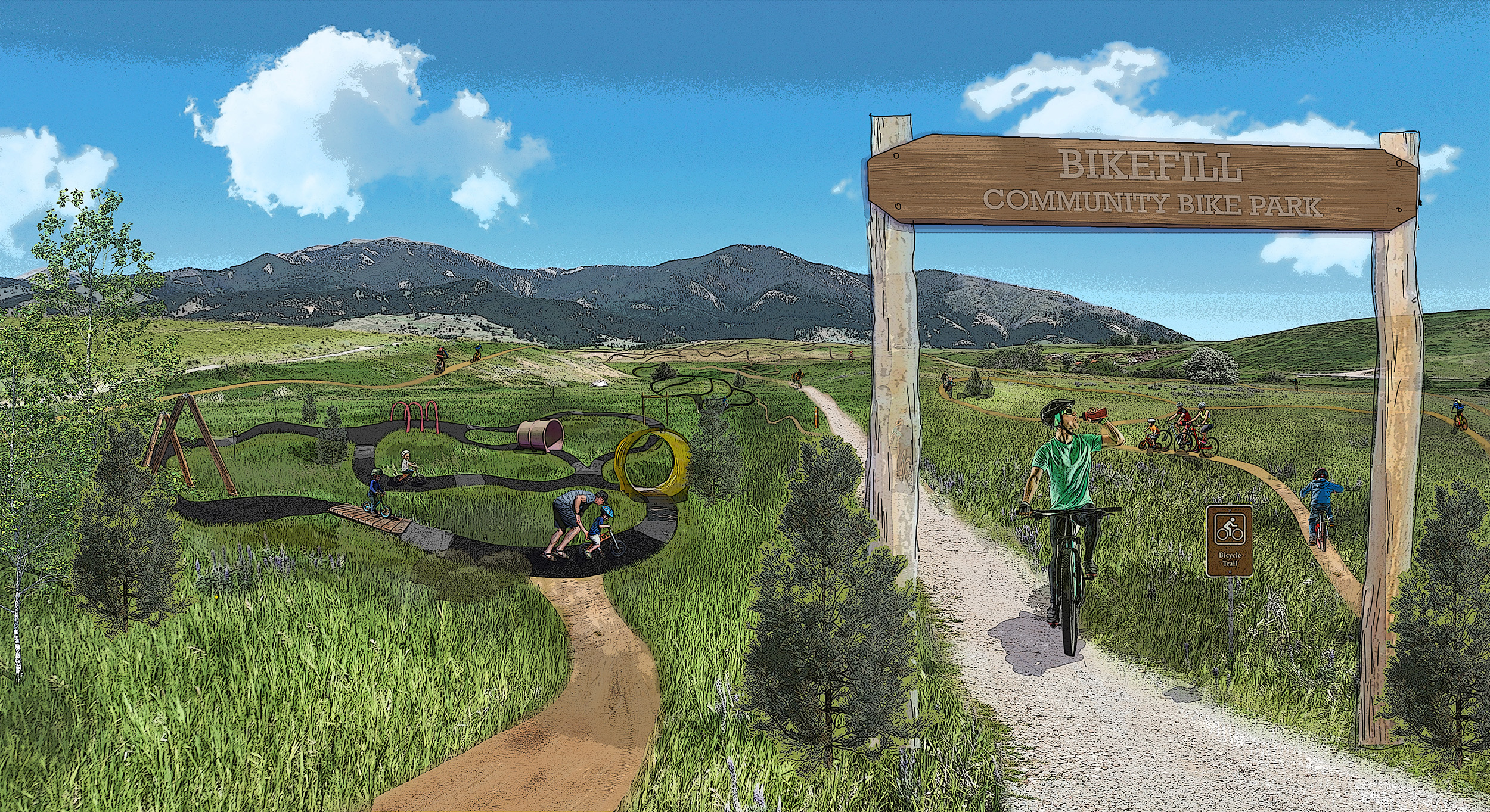
“We’ve been through such a massive population growth in the past few years that our trail infrastructure has been working to keep up,” said Adam Johnson. “This is where we really need to start thinking about, ‘Where can we give these designated places to allow separate user groups to be their user groups?’”
While this story applies to dozens of towns across the Mountain West, one small city in particular has felt the growing pains: Bozeman, Montana. According to World Population Review, Bozeman has grown from a population of 37,000 in 2010 to 58,000 in 2024, with the population estimated at just shy of 60,000 in 2026. Between 2019 and 2021, the population boomed by over 5,000 people, marking more than a 10% growth in less than two years.
Bozeman attracts a particular type of transplant: people who are passionate about outdoor sports. “I would describe it as a very vibrant bike community,” said Joe Pugh, Project Manager for the Dirt Concern. “I mean, it can sometimes be startling when you drive around town and see the percentage of vehicles with bikes on them.”
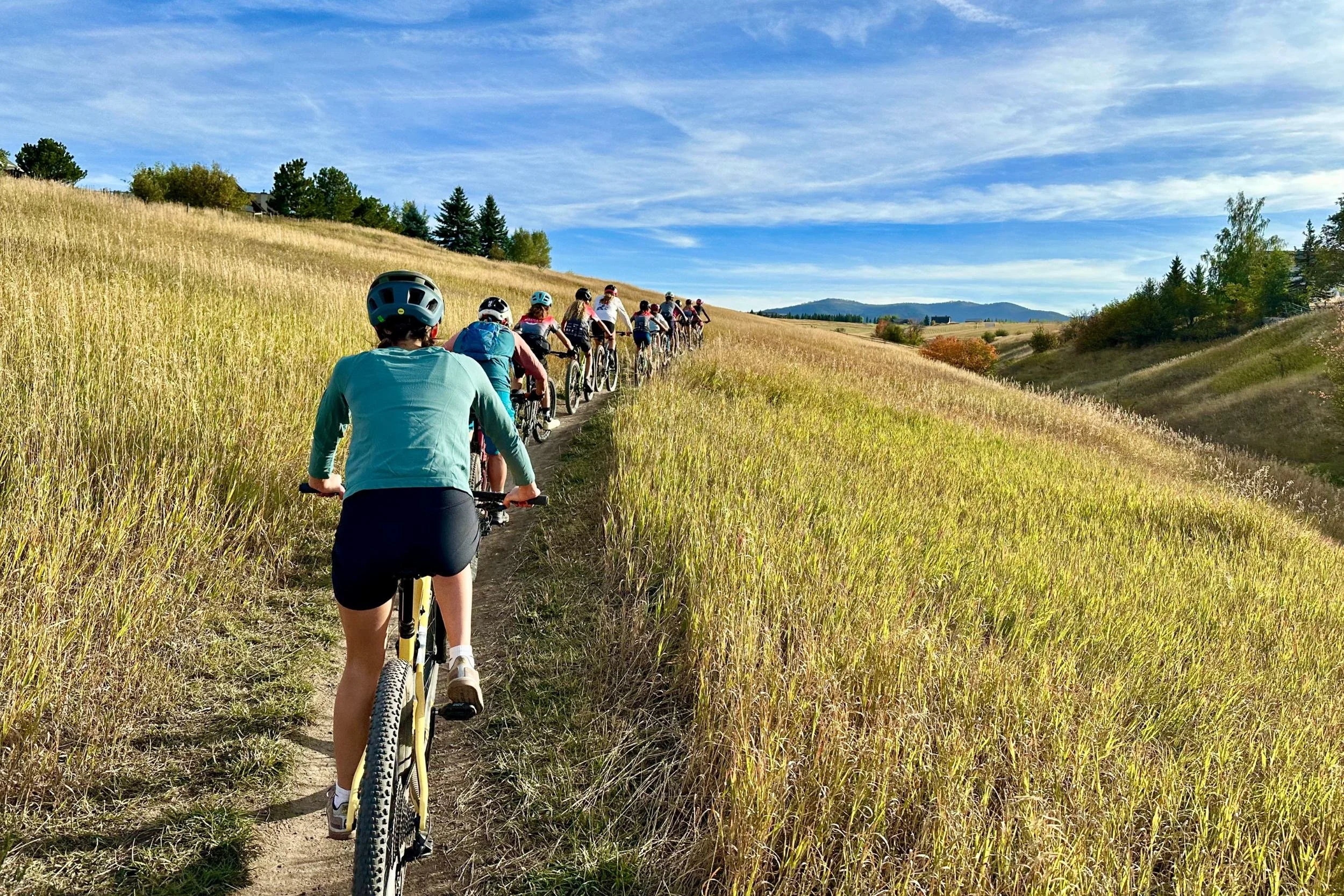
The locals love to ride, but the kids don’t have a place to practice
Johnson is the Trails Program Manager for the Gallatin Valley Land Trust (GVLT), and he has his finger on the pulse of outdoor access in and around Bozeman. “We have a population that loves being outside, and that’s reflected by the youth programming,” he said. While Bozeman is literally surrounded by national forest land and seemingly endless trails, surprisingly, the local youth cycling programs have very few places to practice.
“There are no permits available for any of our cycling teams,” said Johnson. “They cannot go on any of our federal lands to run the youth programming.”
He went on to explain that the local cycling teams and youth programs can only practice on trails on county or city land. That restriction “really limits where they can go with the number of kids, and it’s limited how many kids can participate in the programming, as there’s just not any other room for them to go without choking out every other trail user on the trails when they go out to do their practices.” Johnson said that just one of the local programs, Big Sky Youth Cycling, serves over 400 kids every summer.
Enter Bikefill Bike Park
If there’s one way to get trails built, it’s the rallying cry of “Do it for the kids!” Bozeman residents are working to build a brand-new bike park on 66 acres of unused city land, in large part to give their kids a place to hold their cycling team practices.
The new Bikefill Bike Park will be progression-focused and will help plug a hole in Bozeman’s current trail offerings. Currently, the region’s trails “go from valley to mountain, so it goes from flat to steep, and there’s not a lot of wiggle room in there for a lot of beginner progression,” said Johnson.
“I think one of our goals on this project is to have features and trails for as wide a variety of users as possible,” said Pugh. “What we’re envisioning is every rider from, say, a push bike toddler, to be able to go out there on a small pump track with some very small features, and be able to work your way all the way up to some harder stuff and and prepare yourself and practice so that you can be able, sometime in the future, to potentially participate in some of the more black diamond trails.”
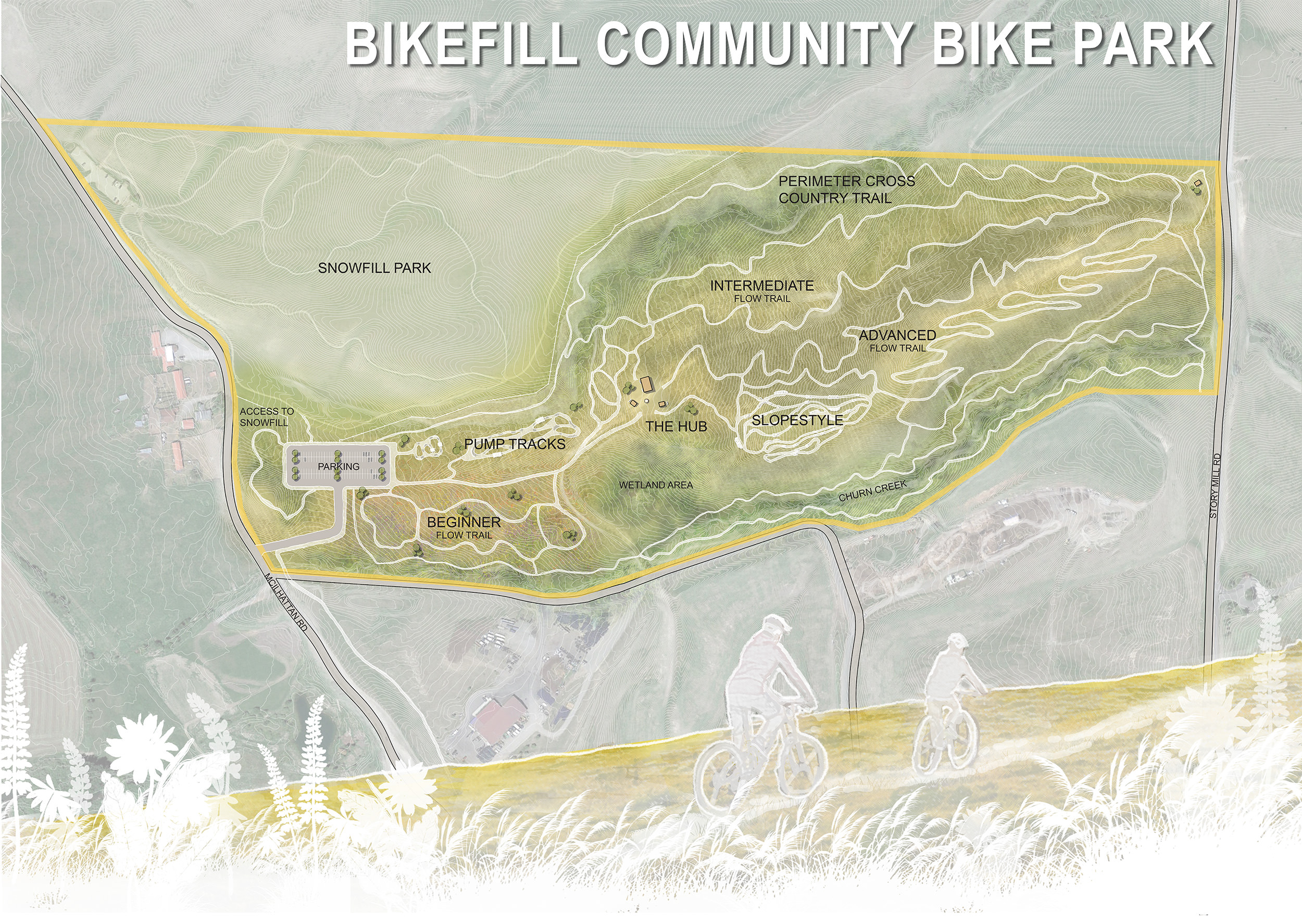
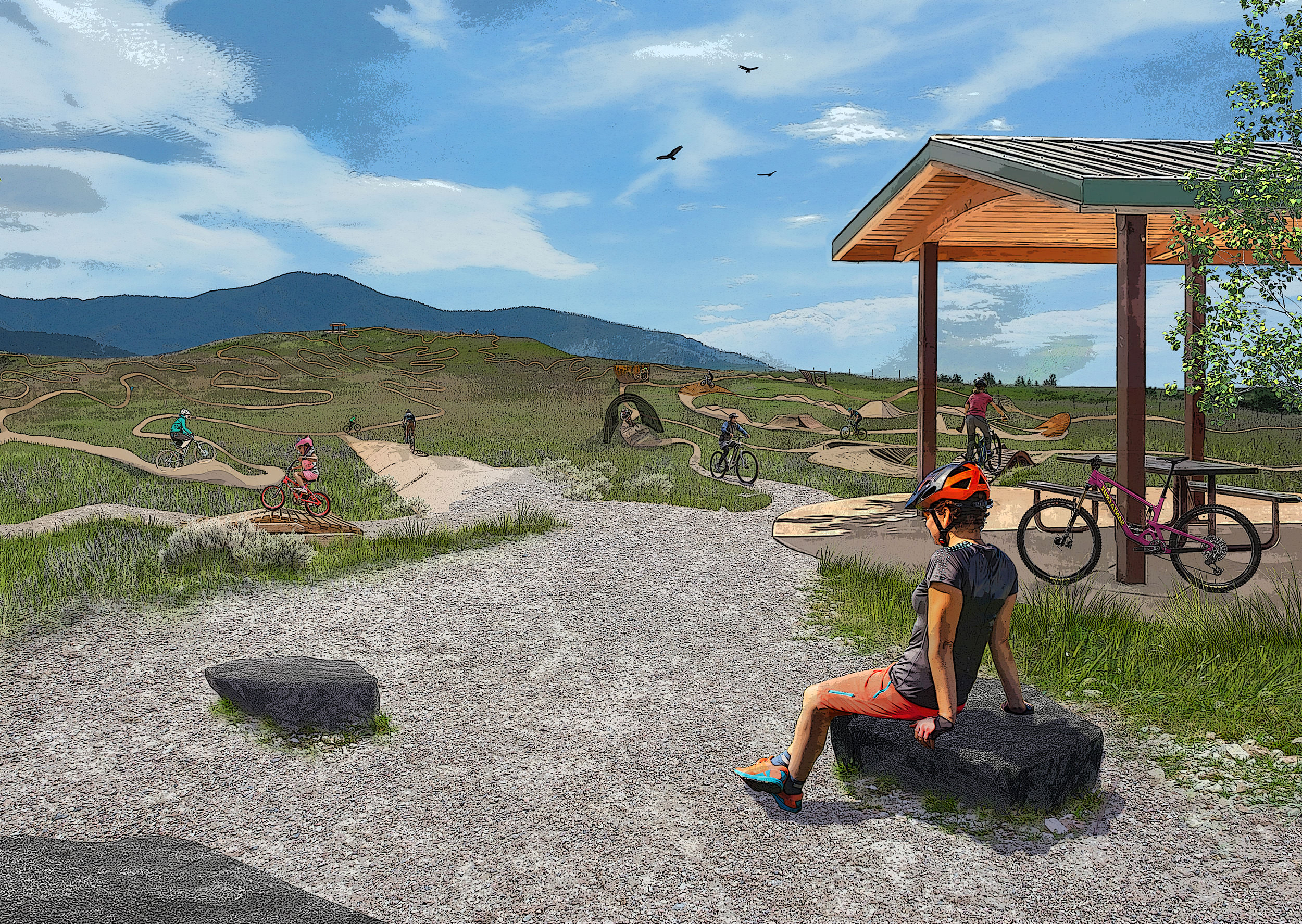
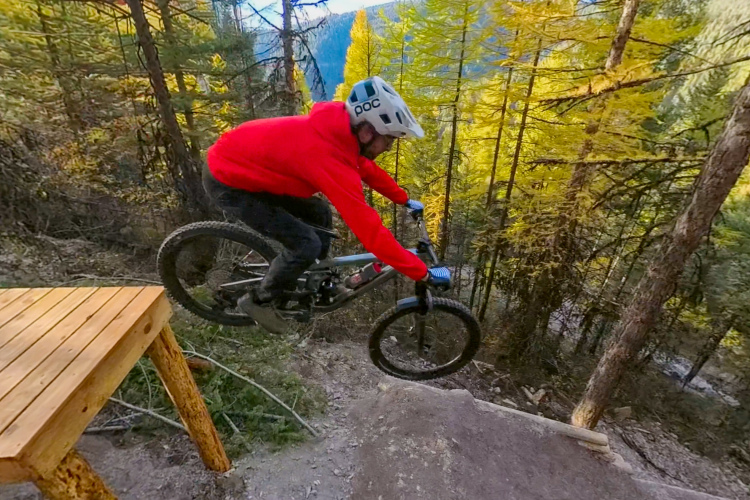
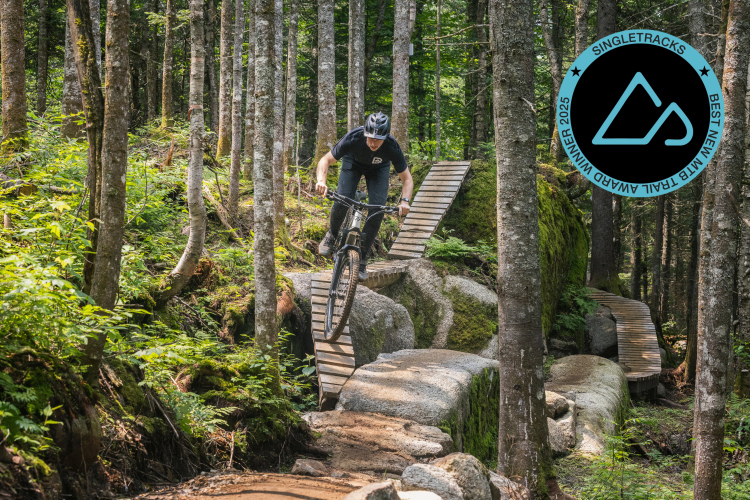
The final bike park design is coming together based on community feedback gathered during recent local engagement meetings. Currently, they anticipate building roughly five miles of singletrack, which will include classic cross-country trails as well as more aggressive jump-filled flow trails with drops and berms, and maybe even enduro-style lines. Riders can also expect features like an asphalt pump track, a skills park, slopestyle jumps, wooden bridges, and more.
Above and beyond the bike-specific features, Bikefill Bike Park “is envisioned to be a community space and a real area for the local community to come together,” said Pugh. “There’s components like pavilions and shade structures [planned]. We really […] envision this to be a place where the bike community can gather and hold events as well.”
It’s been a long time coming
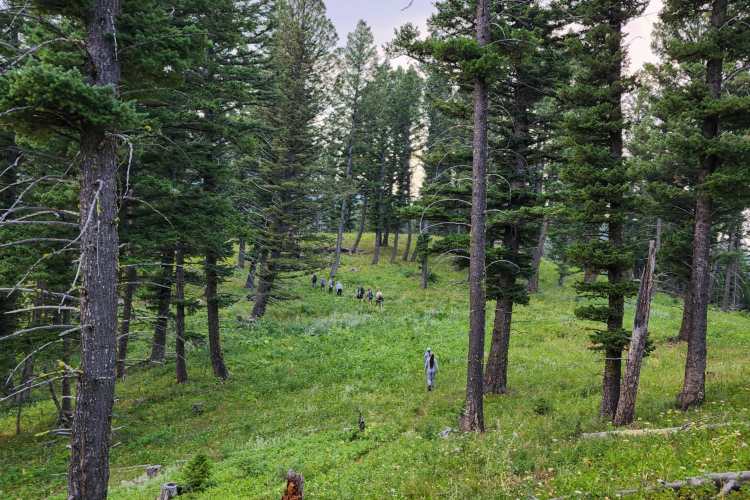
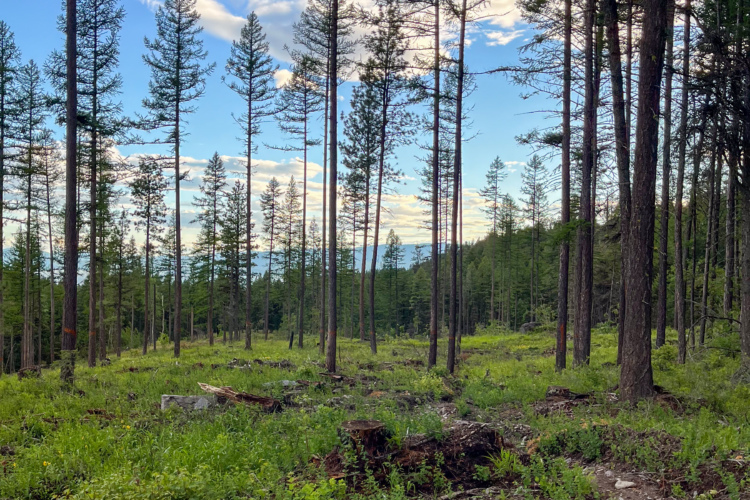
The 66-acre parcel where Bikefill will be built is adjacent to the Snowfill Dog Park and a capped city landfill. The topsoil was scraped off this land over 15 years ago to cap the landfill, and since that time, building a bike park on the property has been discussed… but there have been some very serious hurdles to overcome.
“There have been many, many hoops. I am the last of many that have been trying to carry this through from GVLT,” said Johnson.
One of the biggest hurdles was a city infrastructure requirement that mandated that full water, sewer, and electric be run to the site — “everything that we would do as if we were building a subdivision,” said Johnson. Unfortunately, the bike park is located at the very northern edge of the city limits, and running that infrastructure was a nonstarter, blocking construction for years. “We don’t need to have the large size, water, sewer infrastructure that requires lift stations and all this other infrastructure before you can even start the park,” said Johnson.
Thanks to years of advocacy to build trusted relationships and a recent change in city leadership, “we have transportation directors and facility directors and park directors that are all in agreement that a park like this doesn’t need subdivision-level infrastructure to get it off the ground.” So finally, Bikefill is about to become a reality!
The project will cost $4.5 million, but the GVLT has successfully raised the funds
Even though the city government waived the most onerous restrictions, building an urban infrastructure project like this isn’t cheap: the total project cost is projected at $4.5 million. This includes $1.5 million in city funding for a road upgrade and an additional $1 million from the city parks department for civil infrastructure.
For the remainder of the buildout, GVLT and the city are waiting on a few grants to come back, but in the meantime, they’ve been wildly successful in raising funds from the local community. During a short four-month fundraising campaign, GVLT raised $1.9 million for the bike park build.
“That says a ton about several things, like GVLT’s relationships and connections and support from the community, but then also the pent-up demand and desire that the community has for these kind of trails and features,” said Pugh.
When will riders be able to hit the trails?
A consortium of local contractors submitted a bid for the project, with local Montana trail builders Integrated Trail Labs and Terraflow Trails planning to partner on the trail build-out. Terraflow just built the now wildly-popular Gnomadic flow trail at Bridger Bowl, and Integrated Trail Labs built Bozeman’s first jump park — the West Lake Bike Park, which also opened in 2025. The other contractors will handle the architectural and infrastructure development.
They plan to break ground on the project in spring 2026. While the full 66-acre build-out is planned as a single phase of development, realistically, Johnson and Pugh think the build won’t be finished in one season and that it will roll over into 2027.
“There’s some stuff that, […] once we have a design and we know what we’re going to do, we have to manufacture some of that off-site, you know: lips and features for drops and other stuff like that that we’re going to want to build offsite [and] bring on so that we can have a durable, very low cost maintenance facility in the future,” said Johnson.
Johnson expects to have “a majority of trail mileage built by the end of the summer, with some of those specific, specialized trail types still going into the next summer.”
While the Bikefill Bike Park is far from an overnight success, with millions of dollars raised and a groundbreaking scheduled for this spring, the success of this project is proof that dedication pays off.
Know about a new trail project we should cover? Whether you’re breaking ground on the next must-ride trail network or putting the finishing touches on a neighborhood flow trail, we want to hear about it. Drop us a line at [email protected] with the details, and your project could be featured!
The news stinks. Why not follow Singletracks on Google News to bring more joy to your day?

3 Comments
Feb 2, 2026
Feb 2, 2026
Feb 2, 2026