

In a refrain that’s quickly becoming a cliché, mountain bike advocates in the town of Richmond, Vermont, have had to pivot from efforts to build trails on public land to building on nearby private land. Here’s what happened.
Richmond Mountain Trails (RMT) was advocating for the construction of singletrack trails on a 428-acre parcel of land the town had acquired from a larger farm property, but they ran into problems. “They started putting in some recreational trails on that [property], and then politics and a bunch of just different views and visions of what people wanted there kind of collided,” said Bruce Hennessey, co-owner of Maple Wind Farm. “And so basically, things, you know, got stuck.”
That 428-acre property used to be a part of Maple Wind Farm, but now it’s a part of the Richmond Town Forest. Unfortunately, while “it’s a piece of land that was conserved for both recreation and conservation,” “no one in the town can agree on whether there should be trails there or not trails there,” said Berne Broudy, President of RMT.
As in many other places in the country, when RMT couldn’t make headway on public land, they turned to private landowners — and Hennessey was ready and willing. “I’ve been saying forever, ‘Wouldn’t it be neat if we could do some trails on our property,’ which connects to that property, which was part of the old farm anyway, and connect them up. And so I’ve been talking to Richmond Mountain Trails about this for a long time. And when things got stuck in the actual town property itself, they came back to me and said, ‘Well, since we can’t do anything over there, what do you think about getting started over here?’ And I was like, ‘We’re 100% ready.’”
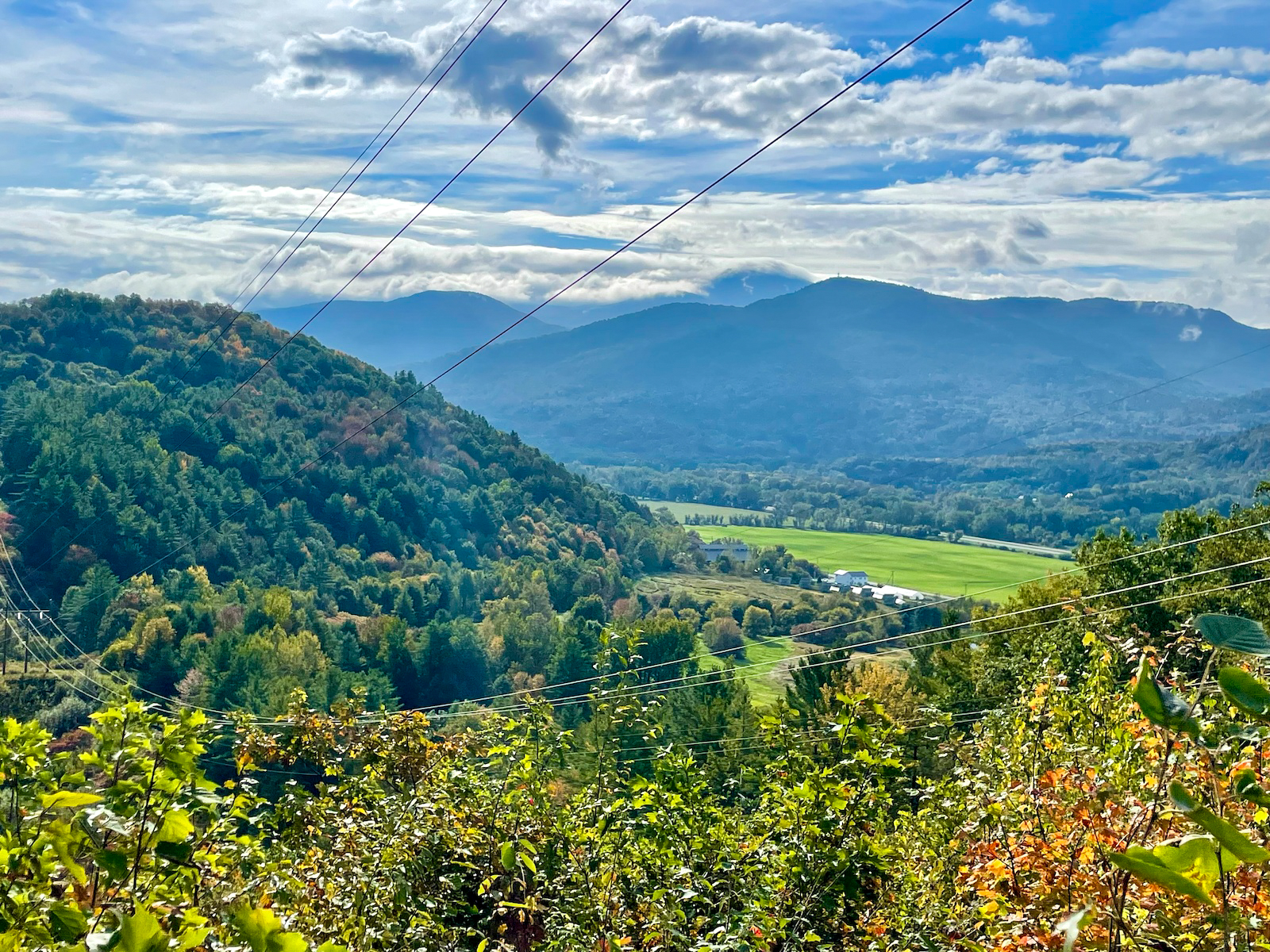
Bruce Hennessey has been a mountain biker and skier for decades
Hennessey has a long history in outdoor adventure sports. He’s a longtime skier and mountaineer who used to guide in the Tetons. Though he mountain biked in the 90s, he took a break from the sport (but kept skiing avidly) when he got married, started farming, and raised kids.
A few years ago, after a knee replacement surgery, Hennessey’s rehab gift to himself was a brand-new e-mountain bike. “That’s when I really started [and] got back into the sport. I realized how much it had changed, and how much trail design and trail building, even on just the hand built-level, had far surpassed everything I ever had been on before, and just fell in love with it.”
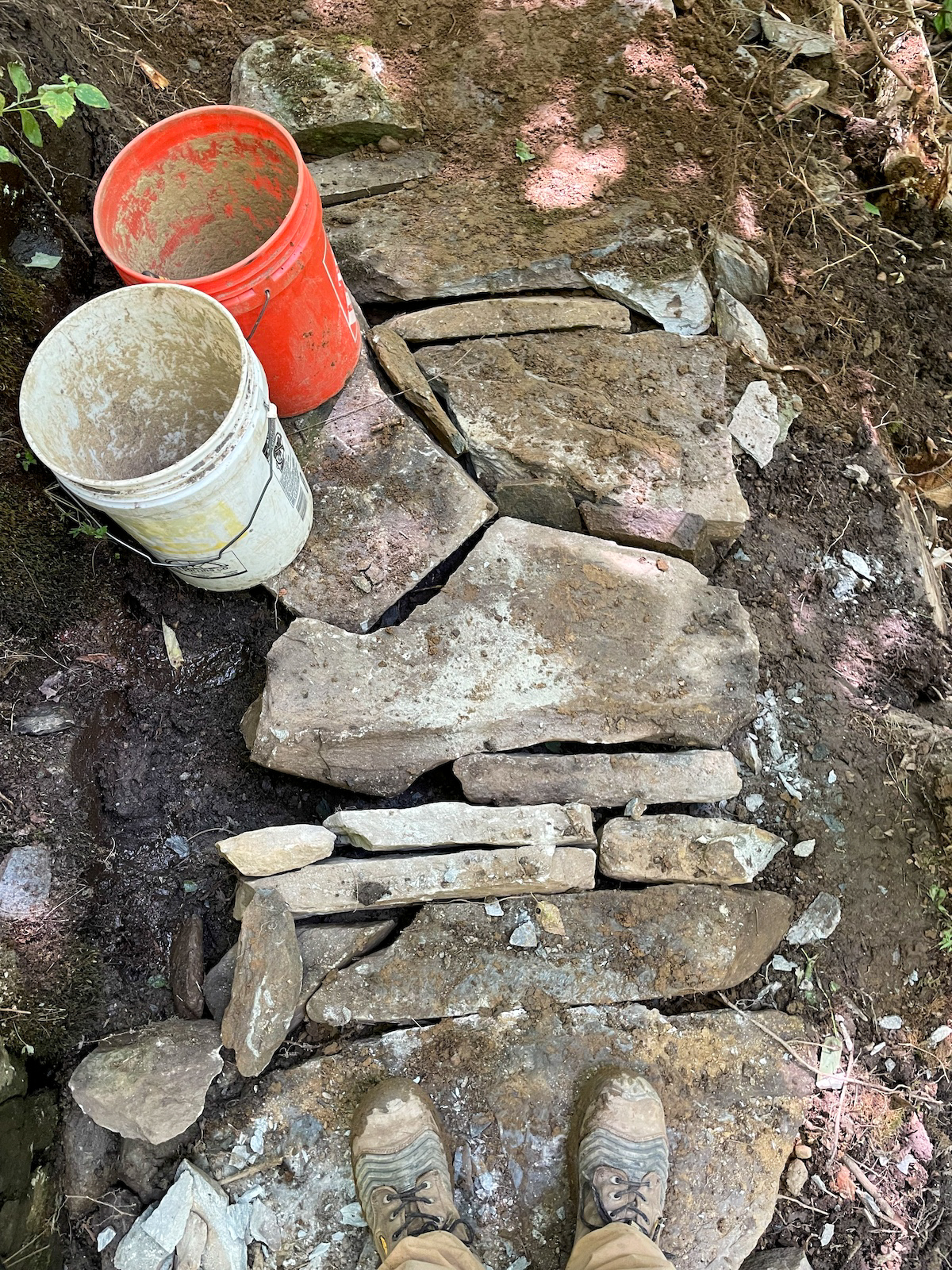
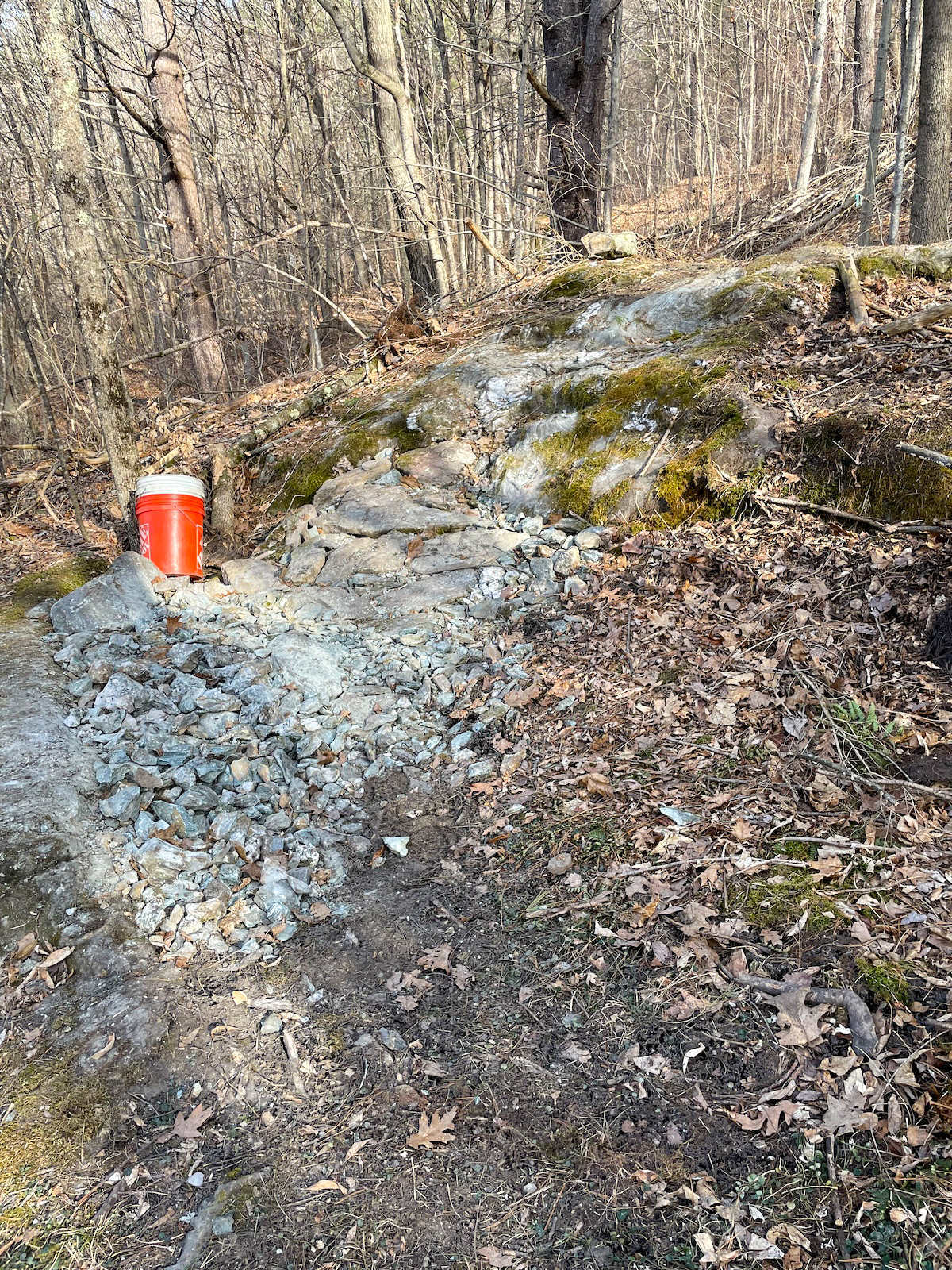
Photos: Jake Robertson
Enter Jake Robertson
Hennessey had long been friends with Broudy and was involved in volunteering at RMT’s recent project at the Driving Range. After volunteering with RMT, “I saw the ethic of all those people that volunteered there, what they were doing, and how they thought about it,” and he came away incredibly impressed. This relationship made it easy for Hennessey to open his land to mountain bikers. He set aside about 125 acres of Maple Wind Farm for the trail network.
RMT and Merrick Gillies had been working with Maple Wind Farm to get the project off the ground, and they looped in Jake Robertson, an RMT volunteer and accomplished trail builder. Jake took the project on as his personal mission, and then it was full speed ahead.
“Jake Robertson is a stay-at-home dad who loves to build trails once he drops his kids at school, and he is possibly Richmond Mountain Trails’ most dedicated volunteer, and he had the vision,” said Broudy.
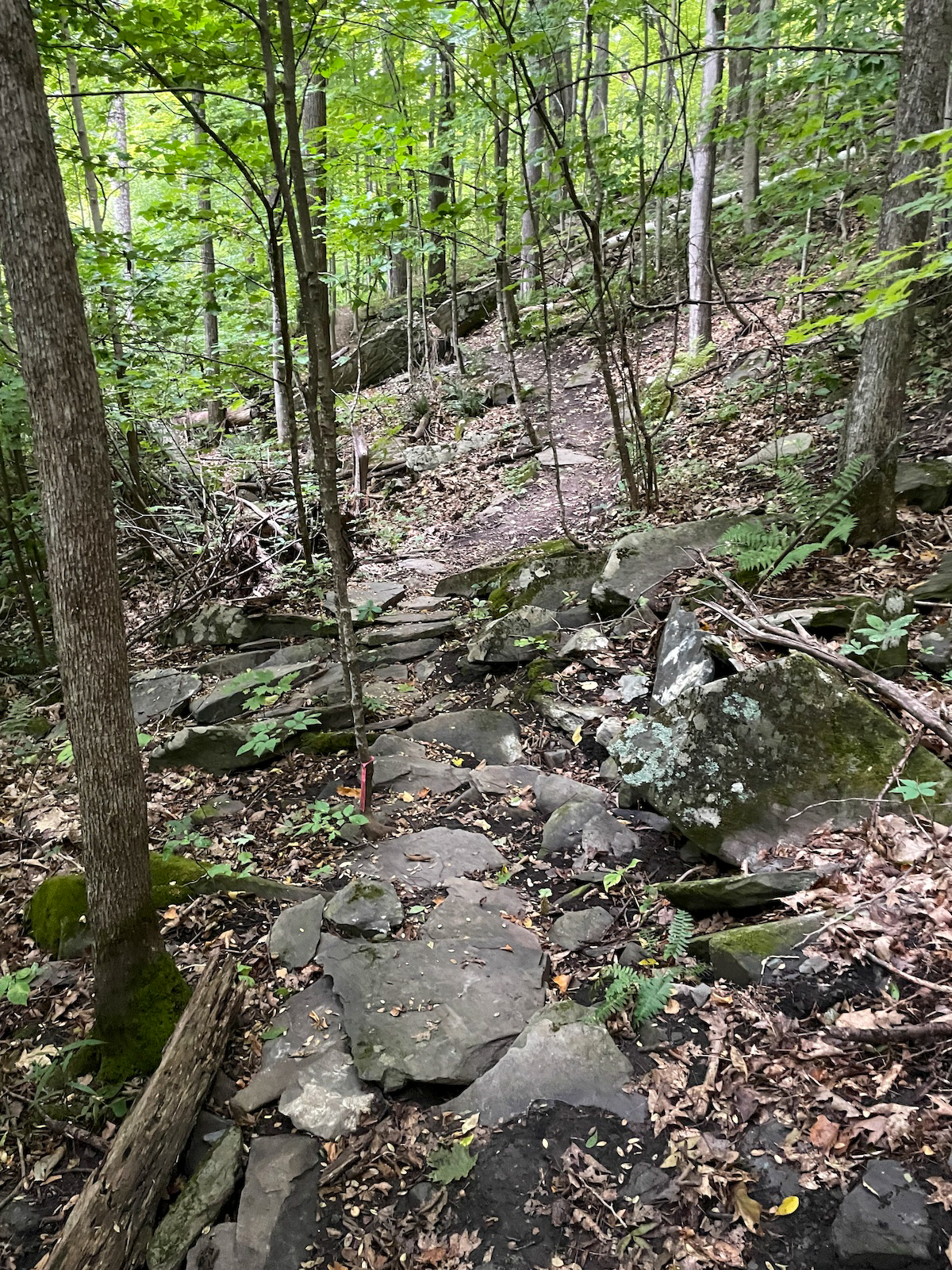
Robertson almost singlehandedly built these 2.5 miles of trail — by hand — over the course of 18 months. Robertson invested 906 hours into the build, Gillies invested 150 hours, and an additional 100 hours came from volunteer trail nights and bridge builds. It wasn’t an easy build, either — it was grueling work, requiring extensive rock moving.
“Jake is a monster rock carrier and is one of the strongest human beings that you have ever met,” said Broudy. “He just, like, digs and sledges and moves rocks like he’s a man possessed. Honestly.”
Hennessey collaborated with Robertson on the corridor alignment and planning where the trails crossed his land. “He’s literally a genius at it,” said Hennessey. “I mean, I don’t know how else to describe it, other than I think he just has a special intelligence for seeing the line and then producing it in a way that rides really well and super fun.”
For his part, Robertson is quick to point out all the other work that others invested in the project and hesitates to take too much credit — others had to promote his work for him. But when it comes to talking about the design and build of the trail, I could see his eyes light up.
Building technical, challenging, hand-built trails in the hills of Vermont
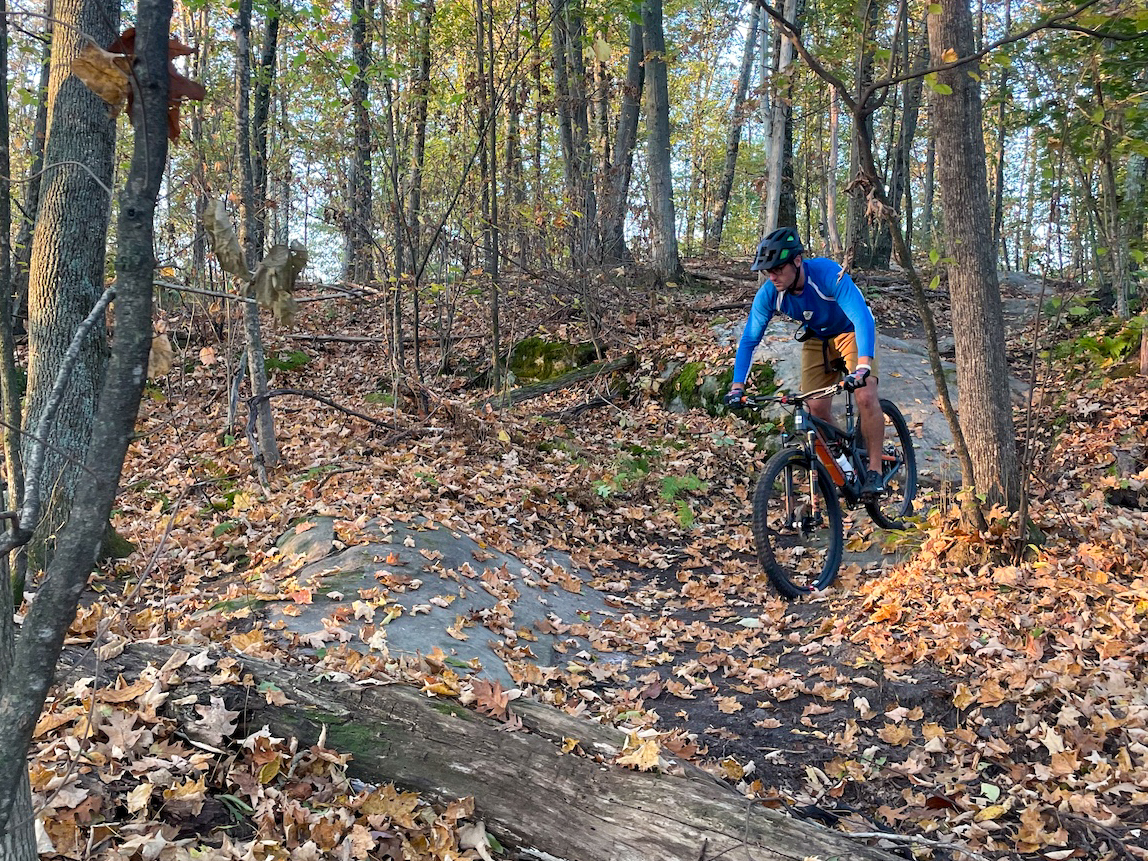
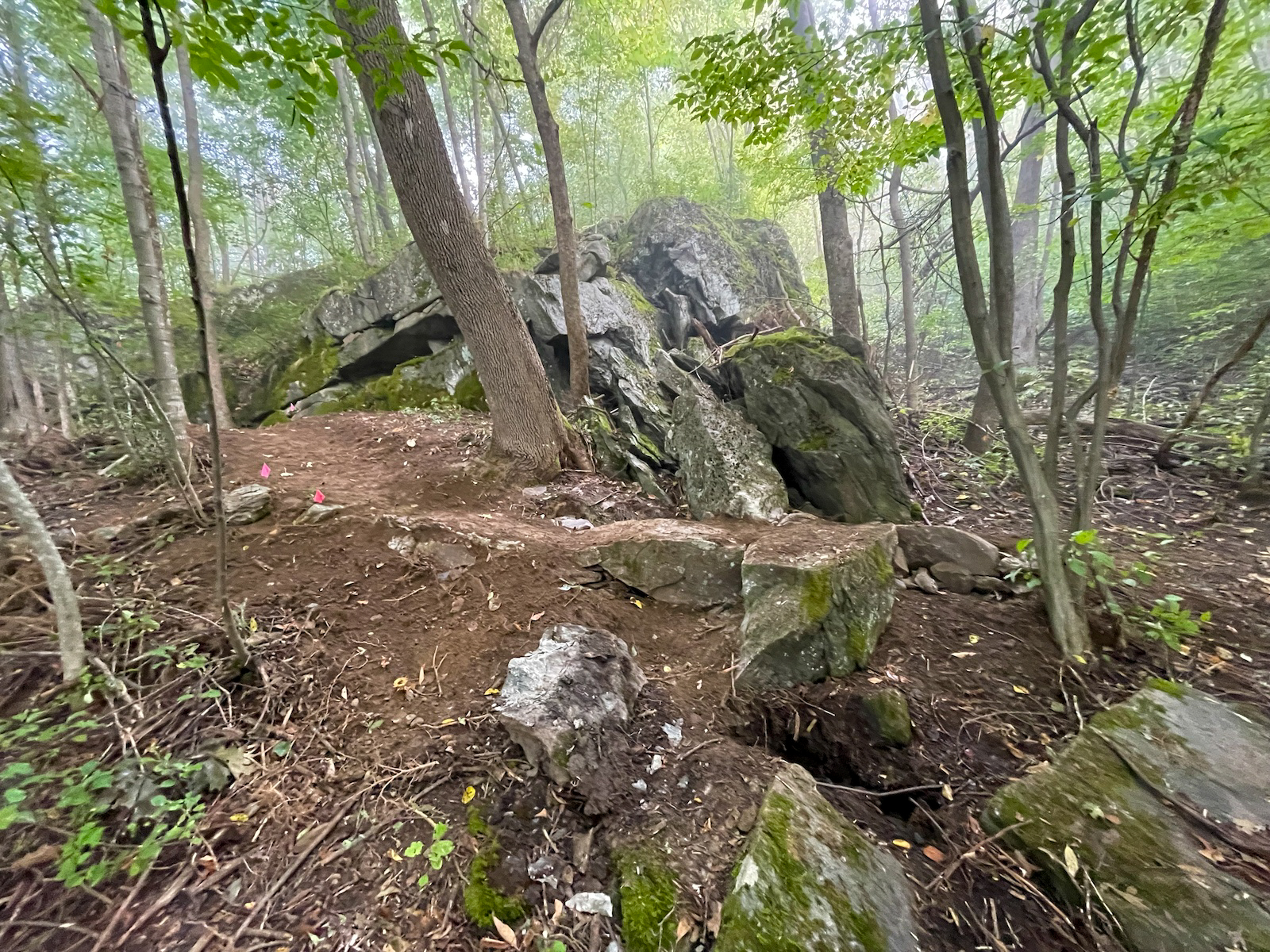
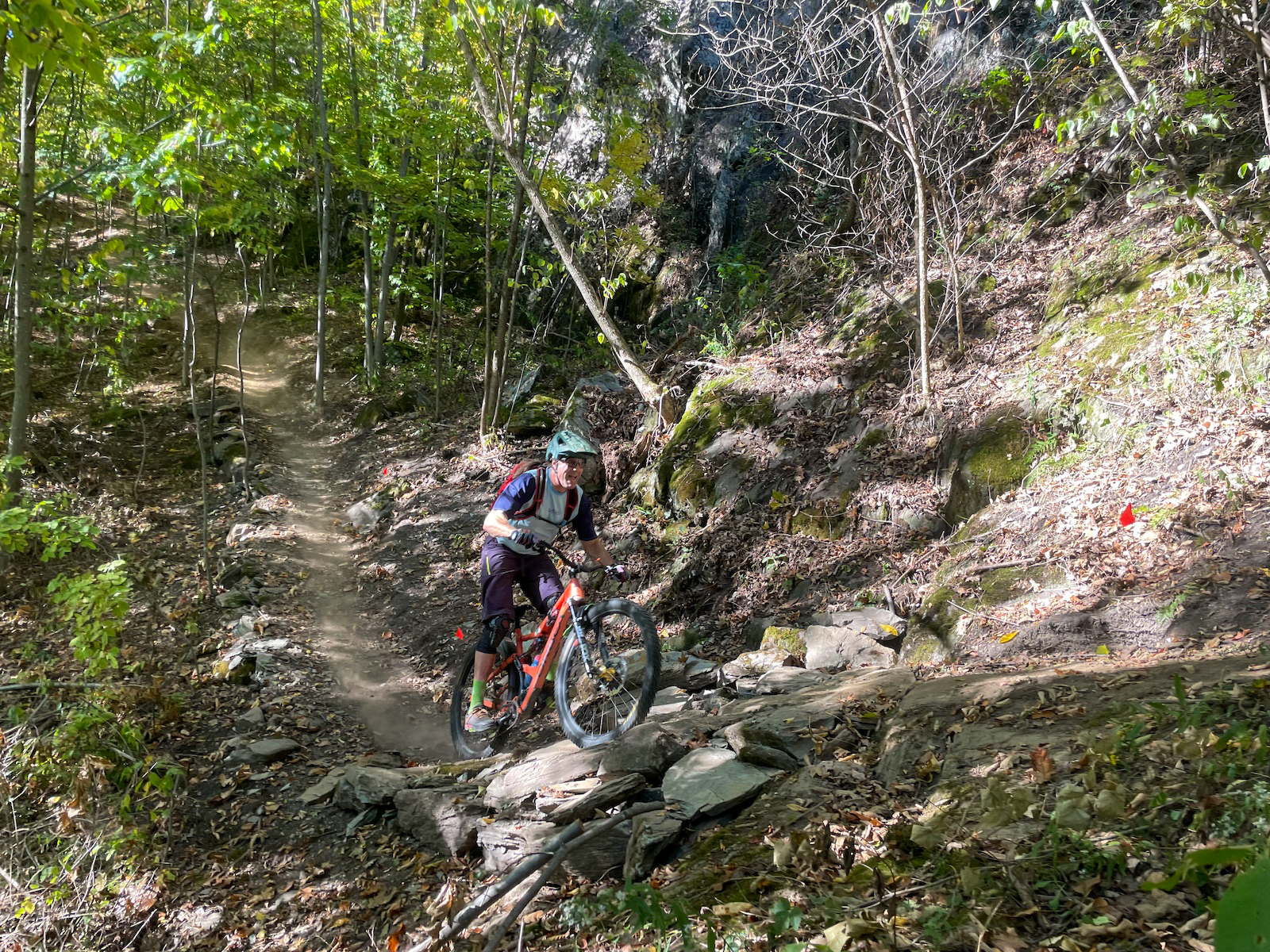
Robertson set out to build old-school-style, technical trails, with tight turns and steep, punchy bits on the climbs. The new singletrack at Maple Wind Farm is the antidote to cookie-cutter flow trails.
“I went out and found all […] the cool things and then see if they can make the trail, connect the pieces together, and make it enjoyable,” said Robertson. “This one was just pretty tricky. And there’s a lot of really beautiful stone bouldery sections that I wanted people to see. So it’s kind of a tour.”
“I didn’t want it to be too easy,” he continued. “I honestly went into it with a goal [of] making it so most people wouldn’t clean it on the first try, including myself. I didn’t want it to be something that you immediately mastered the first try, and you had it. Since you got to spend, you know, 30-40 minutes climbing to the top, I wanted it to be a challenge and a struggle and something you felt really excited about.”
To make that ethos a reality, wherever there was a cool rock slab or ledge, he made sure to incorporate it into the trail. The trails include tons of micro features, ledgy sections, tech progression, and technical challenges. While the overall difficulty is aimed at upper intermediate riders, “if you’re an advanced rider, you’re going to find some features that challenge you,” according to Robertson.
“I basically use the landscape to determine whatever the trail will be,” said Robertson. “I’m sure all trail builders say that, but this one — nothing’s contrived. It’s like, this is what the land provided, and that’s what you get.”
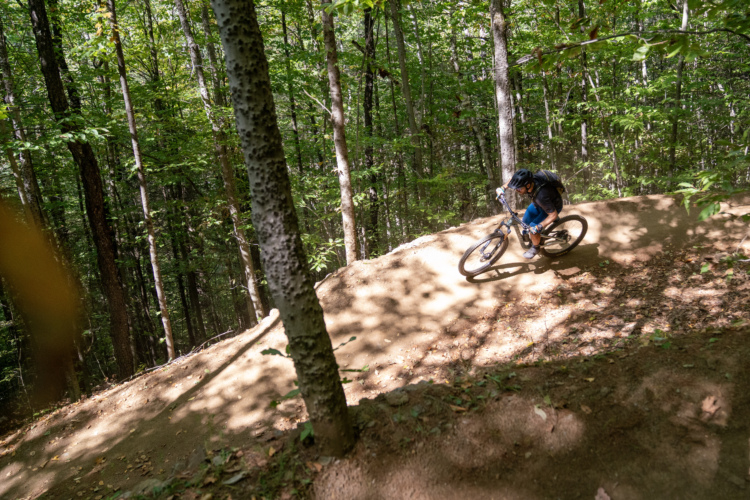
The property offers about 300 vertical feet of relief, and even on the downhills, the trail remains tight and technical, helping keep rider speeds down. This both keeps the trails interesting and entertaining while eliminating potential user conflict.
Hennessey said that he walks his dogs on the trails every day, and plenty of his friends walk the trails, too. “We’ve never had a problem walking and having somebody ride through because it’s not that kind of thing where someone’s launching some big, big air, or coming around a berm at speed.”
A bigger vision than just 2.5 miles of singletrack
While 2.5 miles of singletrack might not sound like much, these new trails also connect to additional singletrack on adjacent property owned by the Vermont Youth Conservation Corps, as well as the Andrews Community Forest. You can ride over the hill, down the other side, up a nearby mountain, and then work your way back, creating a figure-eight ride that takes over three hours. The connectivity to other existing trails is the secret sauce that makes this new trail development at Maple Wind Farm so special.
Not only that, but Robertson is already hard at work on phase two of the build. He currently has three more trails planned, including “Free Range,” which will be the first top-to-bottom trail, running from the property’s high point and finishing at the farm store. This will be a 0.7-mile downhill.
He’s also planning a trail called “Easy Does It” that will be the hardest trail in the network with big ledge features, and “Stone Soup,” which will be “super old school” with lots of rock, stone skinnies, and wooden skinnies. He anticipates opening all three of these trails in 2027.
It takes a team to make new trails a reality, and in the case of Maple Wind Farm, it’s a true dream team. From Bruce Hennessey and his wife Beth Whiting being willing to open their farm to mountain bikers, to Berne Broudy and Merrick Gillies on the RMT board handling the politicking and coordination, and finally Jake Robertson bringing both the trail building genius and physical brawn. Without any of these people, this incredible project wouldn’t have happened — but it did, and now the local riders can all enjoy the fruits of their labor.
Know about a new trail project we should cover? Whether you’re breaking ground on the next must-ride destination or putting the finishing touches on a neighborhood flow trail, we want to hear about it. Drop us a line at [email protected] with high-quality photos of your build, plus details like trail mileage, location, difficulty, and what makes it special. We’re always on the hunt for the next great trail story, and there’s a good chance your project could be featured in an upcoming article.



2 Comments
Jan 27, 2026
Jan 28, 2026